
Reviewed · 4X4 & OFF-ROAD TOURS
2 Day South African Wildlife Tour with 4×4 Safari from Cape Town
This is a wildlife shortcut from Cape Town: in two packed days, you reach two private reserves, ride in open 4×4 vehicles, and return via Route 62. Botlierskop offers the strongest chance of seeing larger animals, while Buffelsdrift gives you a closer look at the plants, insects, and dry-country ecology of the Klein Karoo.
I like the excellent guides, including Neville, TK, Denver, and Isaac, who add local stories and keep the long road days moving. I also like the chance to see rescued elephants in a natural setting at Buffelsdrift. The catch is simple: you spend roughly 10 to 12 hours in the van across the two days, so this suits an energetic visitor who values access over a leisurely pace.
Key points to know
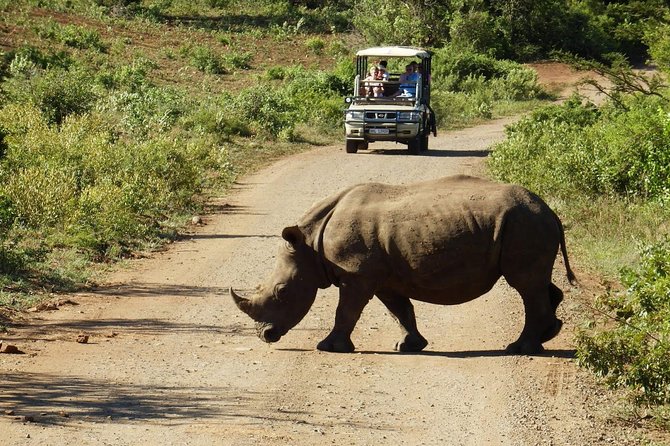
- Botlierskop is the main big-game stop: The two-hour 4×4 safari offers the best chance of seeing lions, rhinos, elephants, giraffes, zebras, cheetahs, hippos, and other large animals.
- Buffelsdrift takes a different approach: Its bush drive focuses on the Klein Karoo ecosystem, including smaller wildlife, plants, insects, and the reserve’s Cape buffalo and elephants.
- The rescued-elephant walk costs extra: The optional observation experience is about R700 and takes place with elephant guides in the bush.
- Route 62 is part of the experience: Expect mountain passes, dry Karoo plains, and a scenic return drive rather than a quick transfer.
- Accommodation varies by package: Choices range from a dorm bed to a private comfort or luxury room, with private bathrooms only in the higher room categories.
- The schedule is tight: Pickup begins around 6 a.m., and the return to Cape Town may be as late as 9 p.m. on the second day.
Two reserves, one very full weekend
At $279.50 per person, this tour is not priced like a simple day trip. Your fee covers pickup and return, a local English-speaking guide, transport, one night’s lodging, breakfast, and two organized 4×4 outings. It also includes access to reserves that would be difficult to reach without your own car.
The value depends on your priorities. If you have only a few days in Cape Town and want to add wildlife without flying to Kruger National Park, this is an efficient solution. You get two different reserve settings, an overnight stay, and a long scenic crossing of the Western Cape.
You should also be clear about what you are buying. This is not a relaxed luxury safari with several days at one lodge. It is a fast regional tour with substantial road time. The route covers about 900 km in total, and daily driving may run from four to six hours, with the first and second days each involving a long transfer.
That tradeoff is worthwhile for someone who wants to see more of South Africa than Cape Town alone. It is less suitable if your main goal is quiet time at a reserve or repeated dawn and sunset drives.
More 4x4 & Off-Road Tours in Cape Town
- ATLANTIS DUNES: JEEP 4X4 TOUR, QUAD BIKE & GLAM SANDBOARDING
★ 4.7 · 4 reviews - Cape Town: Sand Dunes 4×4 Sandboarding Tour
★ 3.0 · 3 reviews - Cape Town Dessert Thrill: 4×4 Dune Venture
★ 5.0 · 3 reviews
Leaving Cape Town for Botlierskop
Pickup normally takes place between 6 and 7 a.m. from central Cape Town or central Stellenbosch, within the stated pickup zone. Your exact time depends on your address and traffic, and it is supplied the day before. Bring breakfast or plan to buy food along the way, since the morning begins early.
The first drive heads toward Botlierskop Private Game Reserve near the Garden Route region. The reserve is about 450 km from Cape Town, roughly six hours by road with comfort and meal stops. That sounds like a lot because it is a lot, but the changing scenery gives the road day a purpose.
You leave Table Mountain behind and move through a series of very different areas. The green surroundings closer to Cape Town gradually give way to the drier tones of the Klein Karoo. Your guide points out sights and talks about South African history during the drive, which makes the transfer feel less like dead time.
Guides such as Neville have been praised for handling these long stretches well, making stops for food, coffee, and comfort breaks, and sharing stories along the way. Denver, Isaac, TK, Uriel, Gerhard, and the guide known as GG have also led departures. The exact guide is not guaranteed, but the operator assigns a local guide and game rangers for the reserve activities.
Botlierskop and the first open-air safari
Botlierskop is the tour’s strongest wildlife stop. You ride in an open-roof converted jeep or truck for a drive of about two hours, though the exact duration can vary slightly with operations and conditions.
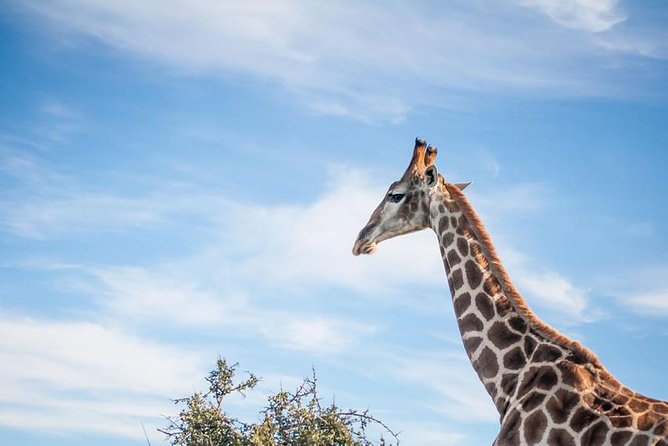
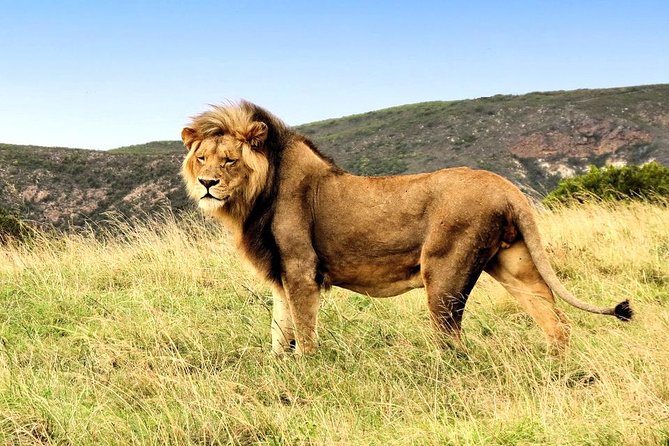
This is the place where you have the best chance of seeing a broad mix of larger African animals. Sightings reported on the route include lions, elephants, rhinos, cheetahs, giraffes, zebras, hippos, Cape buffalo, and other game. Of course, wildlife is never a timed performance, so nobody can promise a particular animal. Still, Botlierskop has more large game than the second reserve and gives you the most traditional safari feel.
The open vehicle matters. You sit higher than in a normal car, with fewer barriers between you and the bush. That gives you wide views and a better chance to hear the sounds around you, but it also means you should bring a warm layer, sun protection, and something for dust or wind.
The reserve is malaria-free, which is useful for visitors who want a wildlife outing in the Western Cape without heading to a malaria area. Your game ranger handles the animal spotting and explains what you are seeing. The experience is built around viewing animals in a reserve setting, not staged encounters.
Some departures have included a three-hour Botlierskop safari rather than the usual approximate two-hour description. Treat the stated time as a guide, not a stopwatch. Operational changes, weather, and the day’s schedule can affect the order and length of activities.
Overnight in Oudtshoorn, the ostrich capital
After Botlierskop, the route turns toward Oudtshoorn, roughly 50 miles farther into the dry Klein Karoo. The shift in scenery is striking. Green coastal country gives way to dusty gray hills and open, rugged terrain.
Oudtshoorn is best known as the ostrich capital of the world. You have free time in the evening, but this is not a full sightseeing program in town. The evening is mainly a chance to rest, eat, and prepare for the next morning.
Dinner is not included. Your guide can help arrange a braai barbecue at the backpackers, subject to availability, where you might try ostrich meat called sosaties and homemade pot bread. Other restaurants are available, and the guide can help pre-book a table or suggest an option.
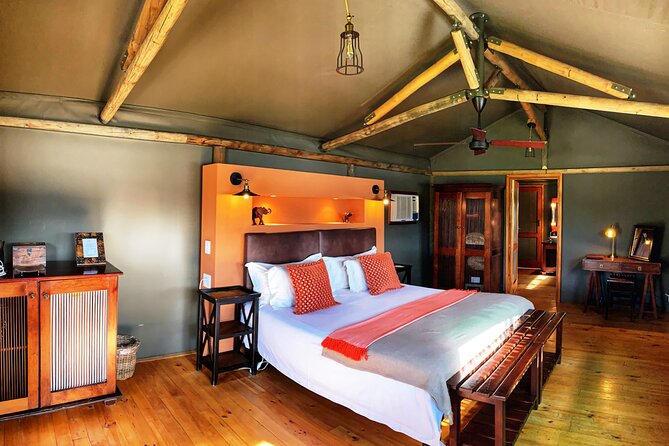
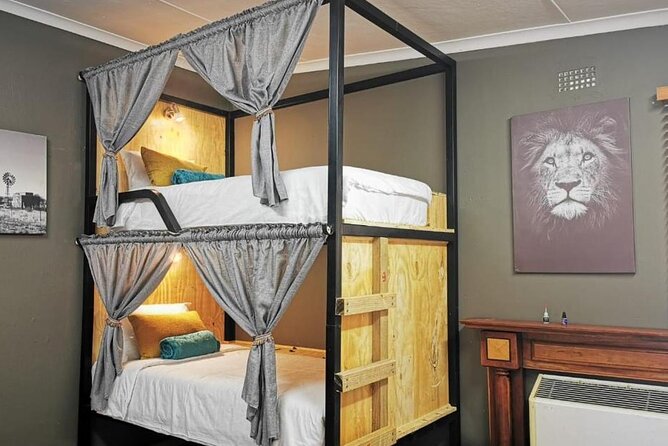
Accommodation depends on the package you select and availability at the time of booking. The choices include a dorm or saver own room at Uthando Backpackers, a three-star comfort stay at 88 Baron van Reede Guesthouse, or a four-star luxury option associated with Buffelsdrift. A similar property of the same standard may be used.
The room choice changes the feel of the trip. Dorm accommodation saves money but is not available for children under 18, and bathrooms may be shared. Private deluxe and comfort rooms have private bathrooms. If you are paying for an accommodation upgrade, note that the extra fee cannot be refunded if you cancel less than eight days before departure.
More Safari Tours in Cape Town
- From Cape Town: Big Five Game Reserve with Lunch
★ 4.6 · 2,409 reviews - Big Five Game Reserve Wildlife Safari from Cape Town
★ 4.0 · 576 reviews - Big Five Safari and Breede River Valley Guided Day Trip
★ 5.0 · 526 reviews - Cape Town: Aquila Game Reserve Sunset Game Drive
★ 4.5 · 508 reviews
Buffelsdrift and a different kind of bush drive
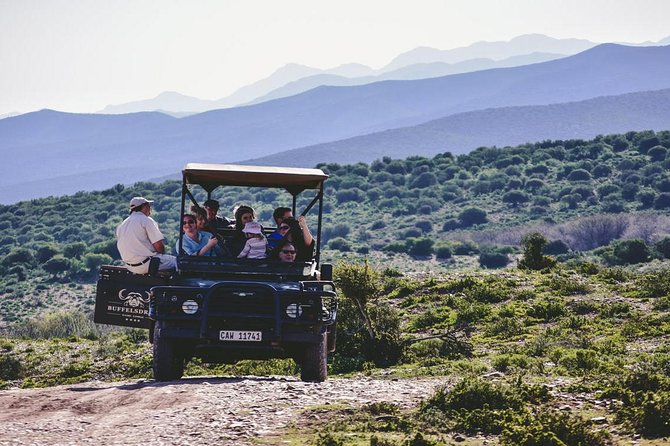
The second morning begins after breakfast at Buffelsdrift Game Lodge. You board another open 4×4 vehicle for a bush drive of about one and a half to two hours.
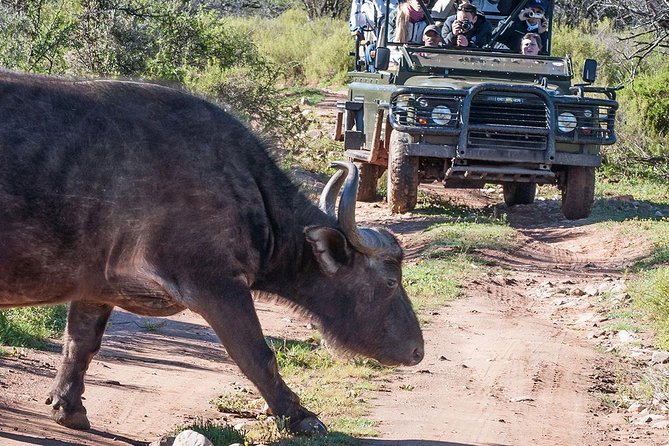
Do not expect Botlierskop repeated. Buffelsdrift’s drive places more weight on the Klein Karoo ecosystem. The guide may point out plants, insects, tracks, and smaller forms of wildlife, explaining how life survives in this dry setting. You may also see Cape buffalo, elephants, zebras, wildebeests, and giraffes, but the emphasis is on understanding the bush rather than ticking off a long list of large animals.
I like this contrast. A short tour can feel repetitive when every activity promises the same thing. Here, Botlierskop gives you a more classic big-game outing, while Buffelsdrift offers a closer look at the habitat itself.
The drive also puts you in a more intimate mood. Instead of simply scanning for a lion or rhino, you are encouraged to notice the smaller parts of the reserve. That makes the experience useful for anyone curious about how the whole ecosystem works, not just its most famous animals.
The optional elephant observation
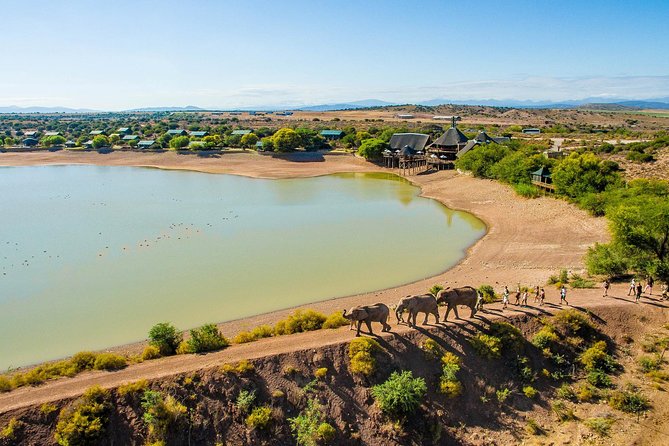
Buffelsdrift is also home to three rescued elephants that roam freely in their bushveld habitat. You can join an optional elephant observation experience with a nature walk and elephant guides.
The activity costs about R700 and is paid directly to the supplier during the tour. The operator pre-books space for the group, so you can decide on the first day if you want to join, subject to weather and availability. The advertised duration is about 30 minutes, though the full experience may involve the associated walk and orientation.
This is not simply a guaranteed close-up photo stop. The purpose is to observe rescued elephants in a natural setting and learn about them from the guides who watch over them. If elephants are the highlight you most want from the trip, it is sensible to budget for this extra.
Weather can affect optional activities, and no activity can be guaranteed. Ask your guide about the exact timing and meeting point once you arrive.
The long return along Route 62
After the Buffelsdrift activities, you head back toward Cape Town along Route 62. The full return journey is about 450 km and may take five to six hours before stops, traffic, and weather are considered.
Route 62 is known as the longest wine route in the world, though this tour is not primarily a wine-tasting trip. The value here is the scenery: high mountains, twisting passes, and wide Karoo plains. Keep your camera ready, but also leave room to simply watch the country change outside the window.
The group normally reaches Cape Town between about 7 and 9 p.m. The exact arrival time cannot be guaranteed. Do not schedule a flight on the final day, and avoid making an important evening connection. Traffic, weather, pickup addresses, and the needs of the group can all affect the timing.
The same guide who handles your first day usually helps make the return manageable. Guides have been praised for adjusting food and comfort stops, answering questions, and keeping people informed. That matters on a road day this long.
Vehicle, group size, and physical comfort
Transport is in a van, with daily road time of about four to six hours. Depending on the number of people booked, the vehicle may be a 22-seat or 14-seat minibus, or a smaller vehicle for up to four people. The maximum group size is 19.
The safari vehicles are different from the transfer vehicle. At the reserves, you use an open-roof converted jeep or truck. Expect exposure to sun, wind, and changing temperatures. Comfortable clothing, a hat, sunscreen, and a warm layer are practical choices.
Most people can take part, but the pace requires stamina. You have early pickup, a long first transfer, a safari, a change of accommodation, another early activity, and a long return. Children from 8 to 17 must be accompanied by an adult and stay in a private room. Children under 18 cannot book dorm packages.
The tour can run in reverse or change order. That is normal for a small-group operation working around reserve schedules and weather. You should judge it by the overall route, not expect every stop to happen at precisely the listed hour.
How the guides shape the experience
The guide is a major part of the value here. You are not simply being driven between reserves. Your guide provides local history, explains sights along the road, helps with meal choices, manages pickup and drop-off, and keeps the group on time.
Neville has been singled out for being attentive, a good storyteller, and helpful with South African history. TK has been praised as a strong driver, while Denver has been noted for going out of his way to make the trip work well. Isaac has been described as especially helpful with questions and comfort stops, and other departures have been led by Uriel, Gerhard, and GG.
Of course, guide quality can vary by departure, and no particular person is guaranteed. Still, the repeated pattern is clear: a good guide matters greatly on this route because so much of the tour takes place on the road.
The reserve rangers add a second layer of expertise. They handle the 4×4 outings and wildlife interpretation, so you get both a regional guide for the journey and a field guide for the bush.
Who should book this safari
I would choose this tour if you have limited time in South Africa, are based in Cape Town, and want to add wildlife without arranging your own long-distance transport. It works especially well as an add-on to a Cape Town visit.
It is also a good fit if you want variety. In two days, you get coastal-region reserve country, dry Klein Karoo scenery, an overnight in Oudtshoorn, two different bush outings, and a major scenic road route.
I would hesitate if your priority is a slow safari. Kruger National Park offers a more authentic and extended safari setting, and a longer multi-day reserve trip gives you more time for early morning and evening drives. This two-day option is an introduction, not a substitute for a dedicated safari holiday.
It also may not suit you if long van rides bother you. The route is demanding, and the short stay means you cannot linger in Oudtshoorn or spend several hours at one reserve between activities.
The price is strongest when you count the included transport, guide, accommodation, breakfast, two 4×4 activities, and Cape Town pickup and return. Meals and drinks are extra, as is the elephant observation. A portion of the tour fee also supports 2Cchange charity projects, which adds a modest community benefit to the booking.
Should you book it?
Book this tour if you want the most wildlife you can reasonably add to a Cape Town stay in two days, and you accept long road hours as part of the deal. Botlierskop gives you the best shot at major animals, Buffelsdrift adds a more thoughtful look at the Klein Karoo, and the elephant option can be a memorable extra.
Skip it if you have time for a longer safari or want a quiet lodge-based break. For the right person, though, this is a practical Western Cape sampler: fast, scenic, well supported by local guides, and packed with more than the schedule first suggests.
FAQ
How long is the drive from Cape Town to the reserves?
The drive is approximately five hours each way, though the first transfer to Botlierskop is described as about 450 km and roughly six hours with additional stops.
What is included in the tour price?
The price includes pickup within 10 km of central Cape Town or central Stellenbosch, return drop-off, van transfers, a local English-speaking guide, one night of accommodation, breakfast, the Botlierskop 4×4 safari, and the Buffelsdrift bush drive.
Is dinner included?
No. Dinner is not included, but your guide can help arrange a restaurant or an optional braai barbecue at the backpackers, subject to availability.
What animals might I see?
At Botlierskop, you may see animals such as lions, elephants, rhinos, cheetahs, giraffes, zebras, hippos, and Cape buffalo. Buffelsdrift may offer elephants, Cape buffalo, zebras, wildebeests, giraffes, smaller wildlife, plants, and insects. Sightings are not guaranteed.
How much does the elephant observation cost?
The optional elephant observation costs about R700. It is paid directly to the supplier during the tour and is subject to weather and availability.
What type of vehicle is used?
Transfers may use a 22-seat or 14-seat minibus, or a smaller vehicle for up to four people, depending on group size. The game drives use an open-roof converted jeep or truck.
Is the accommodation private?
That depends on the package you book. Dorm and saver rooms may have shared bathrooms. Private deluxe and comfort rooms have private bathrooms, and accommodation may be in the named property or a similar property of the same standard.
Can I book a flight after the tour?
You should not book a flight on the final day. The return to Cape Town is expected between about 7 and 9 p.m., but traffic and weather can change the arrival time.
More Wildlife in Cape Town
- Cape Town: Marine Wildlife Tour from the V&A Waterfront
★ 4.6 · 1,118 reviews - From Cape Town: South African Wildlife and Safari 2-Day Tour
★ 4.7 · 411 reviews - Ocean Wildlife Encounter in Cape Town
★ 5.0 · 307 reviews - Cape Town: Dolphin & Ocean Wildlife Kayaking Adventure ⚓️
★ 5.0 · 57 reviews
Just added around Cape Town
- 100 % Catch Rate Cape Town Wild Tours★ 5.0 · 5 reviews
- Private Cape Town City Evening Tour★ 5.0 · 3 reviews
- Private Cape Town City Tour table Mountain with wine tasting★ 5.0 · 10 reviews
- Cape Town Boat Trip★ 4.0 · 5 reviews
- Cape Town Aquila Private Game Reserve Big Five Safari Adventure★ 5.0 · 4 reviews
- Cape Town Private Birding Tour★ 5.0 · 14 reviews
- Private 2-Day Cape Town Highlights: Robben Island,Table Mountain Tickets & Wine★ 5.0 · 8 reviews
- Private Transfer: CPT Airport to Cape Town in Luxury Van★ 4.0 · 5 reviews
4x4 & Off-Road Tours, compared.
Sani Pass & Lesotho 4×4 Experience Day Tour from Durban
Read our review →
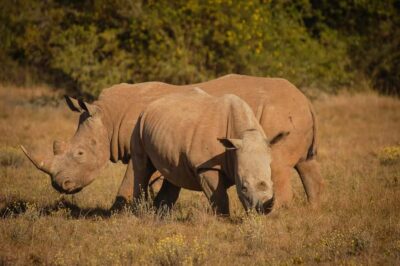
Half-Day Schotia Game Reserve (Open 4×4 Vehicle)
Read our review →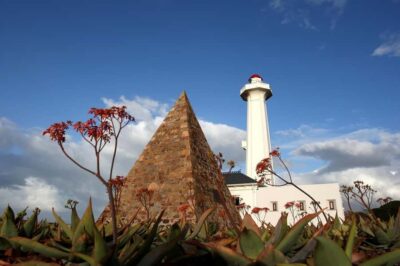
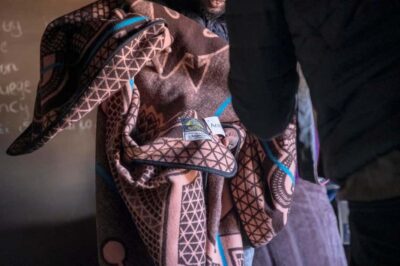
4×4 into Lesotho From Underberg – Horse Ride / Village Life
Read our review →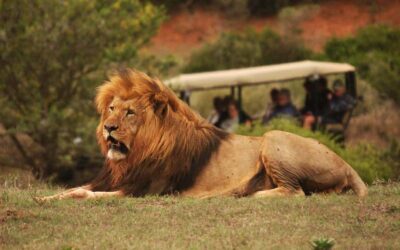
Full-Day Addo Park & Schotia Game Reserve (Open 4×4 vehicle)
Read our review →Browse the lists this tour appears in