
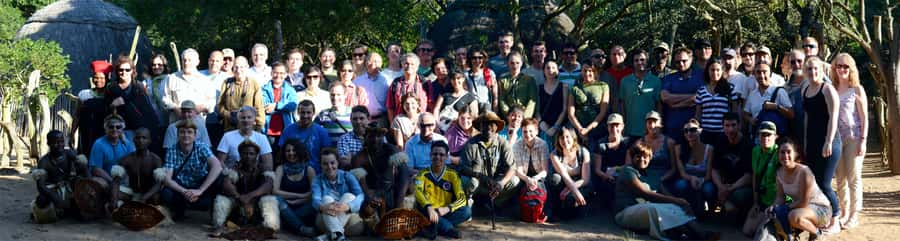
Reviewed · CULTURAL VILLAGE TOURS
From Richards Bay: DumaZulu Cultural Village Day Trip
DumaZulu gives you a close look at Zulu customs through a village built in the traditional style, with beehive huts arranged around a cattle kraal. The visit combines demonstrations, explanations, music, dance, and a taste of Zulu beer rather than treating culture as something you only view from behind glass. I especially like the basket weaving and the chance to see practical skills such as spear and shield making.
I also like the small-group limit of 12 people. That can make it easier to hear the guide and ask questions, especially during the cultural demonstrations. The main caution is the uneven feedback: the overall rating is 3.4 from four reviews, including one very poor account that called the experience misleading. I would confirm the exact pickup details and planned activities before paying $242.
Key points to know before booking
- Traditional village layout: DumaZulu uses circular huts and a central cattle kraal, following a classic Zulu settlement design.
- A full six-hour outing: The tour includes transport from Richards Bay, admission, and a professional guide, but not lunch or drinks.
- Several hands-on traditions: Watch basket weaving, beadwork, and the making of spears and shields.
- A lively performance: Zulu singing and dancing provide the most energetic part of the visit.
- A small group helps: Numbers are limited to 12, which should make the explanations easier to follow.
- Check the details carefully: One verified booking from Belgium rated the experience one star and said it was not as described.
From Richards Bay to the heart of Zululand

The journey takes you from Richards Bay toward DumaZulu, near Hluhluwe-Imfolozi Game Reserve. The entire activity lasts about six hours, so I would treat it as a substantial half-day outing rather than a quick stop between other plans.
Your transport is in a fully air-conditioned vehicle. That matters in KwaZulu-Natal, where a comfortable ride can make a long transfer much easier. The exact departure time depends on availability, so check the schedule before booking and allow room in your day for the full six-hour window.
The experience is designed for a small group of no more than 12 people. I prefer this format for cultural visits because a guide can usually explain details without shouting across a large crowd. It also gives you a better chance to ask about the customs you see.
The guiding languages are English, French, Greek, and Portuguese. If you need a language other than English, confirm it when booking rather than assuming it will be available on every departure.
More Cultural Village Tours in Zululand:
- Shakaland and Zulu Culture Full-Day Trip
★ 4.5 · 7 reviews - From Underberg: 4×4 Sani Pass Tour and Basotho Village Visit
★ 4.9 · 94 reviews - Lesedi Cultural Village and Cradle of Humankind Tour
★ 5.0 · 48 reviews
DumaZulu’s circle of huts and cattle kraal
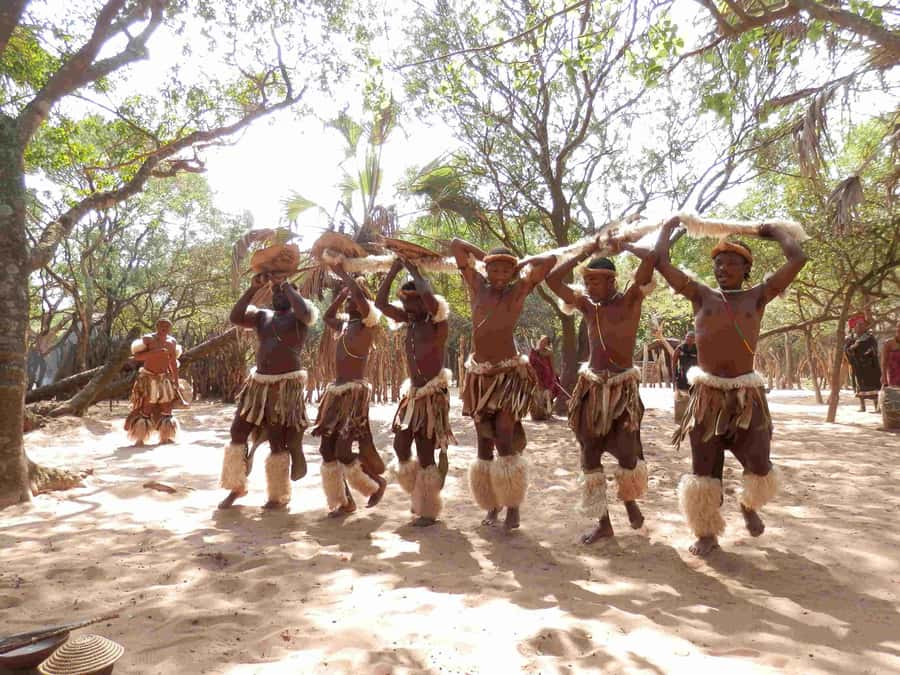
DumaZulu means Thundering Zulu. The village is laid out with traditional Zulu beehive huts in a circle around a cattle kraal, a design that gives the visit a clear sense of place. Instead of moving through unrelated displays, you see how the buildings, livestock area, craft work, and social customs fit together.
The village is described as a living museum, with more than 50 Zulu people living and working there. That phrase is useful because the experience is not limited to old objects in cases. You will encounter people demonstrating traditions and explaining customs as part of the visit.
Still, it is worth keeping your expectations sensible. DumaZulu is a staged cultural village created for visitors, not a normal residential settlement that you happen to wander into. Its value comes from the demonstrations and explanations, while the circular layout helps you understand the setting.
Your local guide introduces the customs and traditions of the Zulu people. The quality of that explanation matters a great deal here. Aaron received specific praise for doing a great job, so if he is leading your departure, you may benefit from the same clear, personable approach. Guide assignments can change, so do not book solely on the hope that one named guide will be present.
Basket weaving and working Zulu crafts
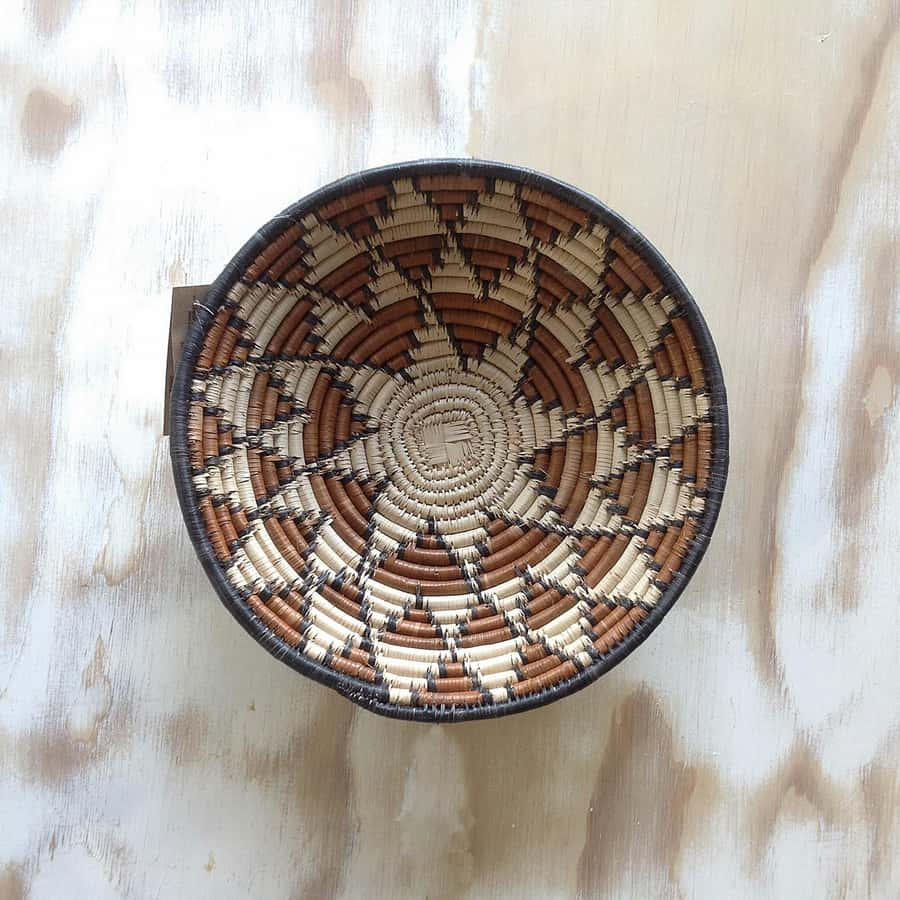
The craft demonstrations are among the most useful parts of the visit because they show skill in action. You can watch traditional basket weaving and see how decorative and practical items are made. Basket work is easy to admire at a market stall, but seeing the process gives you a better sense of the time and handwork behind it.
You will also see techniques connected with spear and shield making. These demonstrations place familiar symbols of Zulu identity in a practical context. Rather than simply posing for a photograph with a shield, you get an explanation of how the objects are made and why they matter within the culture presented at DumaZulu.
Beadwork is available for purchase from local makers. I would look at the decorative pieces before deciding what to buy, and I would ask about the work itself if you are interested. Buying something here can support the people working at the village, but remember that a purchase is optional and is not included in the tour price.
The craft section may appeal most to you if you like slow, detailed demonstrations. If you want constant action, this part can feel quieter than the dancing later in the visit. That change of pace is useful, though, since it prevents the day from becoming only a performance.
Meeting the Sangoma and seeing bone throwing
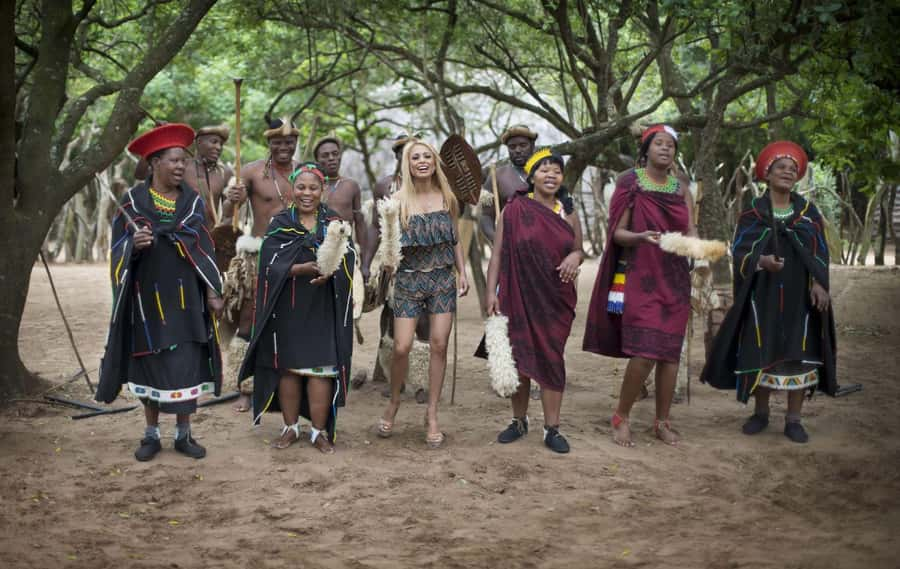
The visit can include a Sangoma performing traditional bone throwing. This is one of the more distinctive elements of the program, since it offers a glimpse into a spiritual and interpretive practice that many visitors will not encounter elsewhere in a short cultural outing.
Approach this part with respect and curiosity. Bone throwing is not simply a trick or a stage show. The value lies in seeing a traditional practice presented by someone connected to Zulu cultural life, with the guide helping you understand what is happening.
The supplied information does not specify how long this demonstration lasts or whether each visitor receives an individual reading. I would not assume that a private consultation is included. Think of it as a public cultural demonstration unless your guide explains otherwise.
This is also a good moment to listen closely rather than rush to take pictures. A short explanation can add far more meaning than a quick photograph, and the practice may not make sense without context.
A few more Zululand days worth comparing
- From Richards Bay: Hluhluwe Imfolozi Game Reserve Day Trip
★ 3.5 · 15 reviews - From Durban: Hluhluwe Imfolozi Game Reserve Day Trip
★ 4.5 · 13 reviews - Big Five Safari and Breede River Valley Guided Day Trip
★ 5.0 · 526 reviews - Jo’berg in 1 Day: Soweto, Apartheid Museum & City Tour
★ 4.8 · 524 reviews
Zulu singing and dancing bring the village to life
The dancing and singing are likely to be the most memorable section for many people. The performance gives you a direct sense of rhythm, movement, costume, and group energy, while the earlier village walk gives you a little context for what you are seeing.
I like that the program places the performance alongside craft work and explanations. Dance on its own can become a polished show with little connection to daily life. Here, it forms one part of a wider presentation of Zulu traditions.
At the same time, you should know that a cultural performance for visitors is still a performance. It has a planned, public character. That does not make it meaningless, but it means you should view it as an introduction to Zulu culture rather than a complete picture of contemporary Zulu life.
The strongest response in the available feedback described the activity as fantastic and praised the amount of information about Zulu history, life, and culture. That is the standard I would hope for: dancing that entertains, paired with enough explanation to help you understand what you are watching.
Tasting Zulu beer, with lunch on your own
Zulu beer tasting is one of the advertised highlights. It adds a social and everyday element to the visit, since food and drink can explain a culture in a way that a display cannot.
Lunch and drinks are not included in the tour price. The wording makes the beer tasting a named highlight, but it does not specify what quantity is served or whether other refreshments are available. If you need lunch during the six-hour outing, plan for that cost separately and ask how the schedule handles the meal break.
This is a small point, but it matters when comparing the $242 price with other excursions. Admission and transport are included, yet food and drinks are extra. I would budget for those items rather than treating the listed price as the complete cost of the day.
If you do not drink alcohol, the cultural village still has plenty to offer through its crafts, guide-led explanations, bone throwing, singing, and dancing. The tasting is one feature, not the reason to book the entire experience.
What the $242 price really buys you
At $242 per person, this is not a low-cost local attraction. The price needs to be judged against what is included: a six-hour outing from Richards Bay, a fully air-conditioned vehicle, professional guiding, and entrance fees.
I can see the value if you want a planned cultural excursion and do not want to arrange transport to DumaZulu yourself. The air-conditioned vehicle is useful, and a professional guide can turn a series of demonstrations into a more understandable visit. A group capped at 12 is also more appealing than a large coach party.
The value is weaker if you are mainly looking for a short dance show or a quick photo stop. You are paying for transport, time, admission, and interpretation, not only for the performance. If you already have independent transport and can visit DumaZulu at a lower admission cost, compare the alternatives carefully.
The mixed rating makes that comparison more important. Two strong ratings praised the cultural information and the guide, while one verified booking gave the activity one star and said it was not as described. With only four reviews in the overall score, a single negative experience has a large effect, but it still deserves attention.
Before booking, I would confirm four practical points: the pickup arrangement in Richards Bay, the guide language, which demonstrations are scheduled that day, and how lunch or refreshments fit into the six-hour timetable. Those questions are especially sensible given the conflicting feedback.
Who will get the most from this cultural visit
I would recommend DumaZulu most readily to you if you want an organized introduction to Zulu customs and prefer explanation alongside performance. Families, first-time visitors to KwaZulu-Natal, and people with limited time may appreciate having transport, admission, and guiding combined.
It also suits anyone interested in traditional crafts. The basket weaving, beadwork, spear making, and shield making provide more substance than a visit based only on singing and dancing. The circular village design adds a useful visual framework.
You may want to think twice if you dislike planned cultural presentations or prefer to meet people in ordinary community settings. DumaZulu is specifically built as a cultural village and living museum, so its traditions are presented in a structured way.
The six-hour duration is another filter. If your Richards Bay schedule is tight, the tour could crowd out other plans. If you have the time and want a focused day connected to Zulu culture, the length gives the guide room to cover several parts of the village instead of rushing through one display.
Booking advice for a smoother day
I would reserve only after checking the available start time and confirming the language you need. The activity can be canceled up to 24 hours in advance for a full refund, and you can reserve now while paying later, which gives you some flexibility as plans develop.
Wear something comfortable for a cultural visit and leave room in your schedule for the full six hours. The supplied details do not state how much walking is involved, so ask the operator if that matters to you.
Bring money for optional beadwork and for food or drinks not included in the price. The tour covers entrance fees, but personal purchases and lunch are separate.
Most of all, go with the right expectation. You are not booking a wildlife drive or a private village visit. You are booking a guided presentation of Zulu life through buildings, crafts, spiritual practice, music, dance, and tasting.
Should you book the DumaZulu day trip?
I would book it if you want a structured cultural experience near Richards Bay and value having transport and a guide arranged for you. The best parts are the village design, the practical craft demonstrations, the Sangoma presentation, and the combination of singing and dancing with historical and cultural explanation.
I would pause before booking at $242 if you are price-sensitive, need lunch included, or expect an entirely spontaneous and private encounter. The one-star account also makes it wise to confirm exactly what your departure includes.
For the right visitor, DumaZulu can be a worthwhile introduction to Zulu traditions. Make the call after checking the day’s schedule, language, pickup details, and included activities. That small bit of preparation is especially important here because the available feedback is not uniformly positive.
FAQ
Where is DumaZulu Cultural Village?
DumaZulu is in KwaZulu-Natal, near the Hluhluwe-Imfolozi Game Reserve in the heart of Zululand.
How long does the activity last?
The day trip lasts six hours, including the organized outing from Richards Bay.
What languages can the guide speak?
The activity offers live guiding in English, French, Greek, and Portuguese.
What is included in the price?
The price includes transport in a fully air-conditioned vehicle, a professional tour guide, and entrance fees.
Is lunch included?
No. Lunch and drinks are not included, so you should budget separately for them.
What can you see at DumaZulu?
You can see traditional beehive huts arranged around a cattle kraal, basket weaving, spear and shield making, beadwork, a Sangoma bone-throwing demonstration, Zulu singing and dancing, and a Zulu beer tasting.
How large is the tour group?
The activity is limited to 12 participants.
Just added around Zululand
- St. Lucia: Cape Vidal Snorkeling Adventure★ 4.5 · 17 reviews
- Shakaland and Zulu Culture Full-Day Trip★ 4.5 · 7 reviews
- Richards Bay: Isimangaliso Boat Cruise St Lucia Estuary Tour★ 5.0 · 3 reviews
- Hluhluwe-iMfolozi Park – Open Safari Vehicle Game Drives★ 4.9 · 8 reviews
- From Richards Bay: Hluhluwe Imfolozi Game Reserve Day Trip★ 3.5 · 15 reviews
- From Durban: Hluhluwe Imfolozi Game Reserve Day Trip★ 4.5 · 13 reviews
- Durban: Hluhluwe Imfolozi Safari & iSimangaliso Tour★ 5.0 · 22 reviews
- Full Day Hluhluwe Imfolozi Game Reserve Tour from Durban★ 4.5 · 7 reviews
Cultural Village Tours, compared.


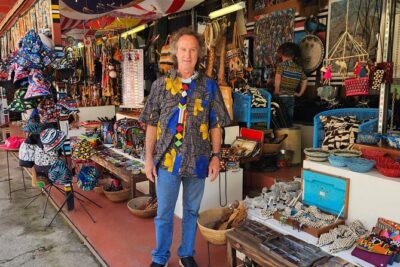
Lesedi Cultural Village and Cradle of Humankind Tour
Read our review →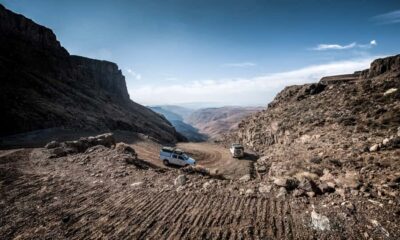
Sani Pass, Lesotho and Basotho Village Day Trip
Read our review →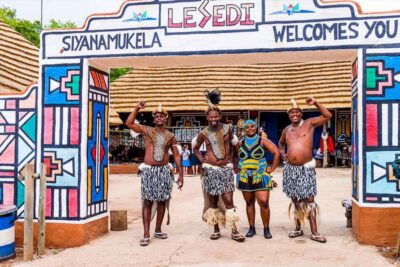
Johannesburg: Lesedi Cultural Village Experience
Read our review →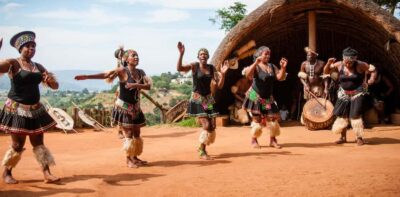
Lesedi Cultural Village & cradle of Humankind Guided Tour
Read our review →
Johannesburg: Cradle of Human Kind & Lesedi Cultural Village
Read our review →Browse the lists this tour appears in