
Reviewed · CULTURAL VILLAGE TOURS
Lesedi Cultural Village with lunch or dinner cultural food
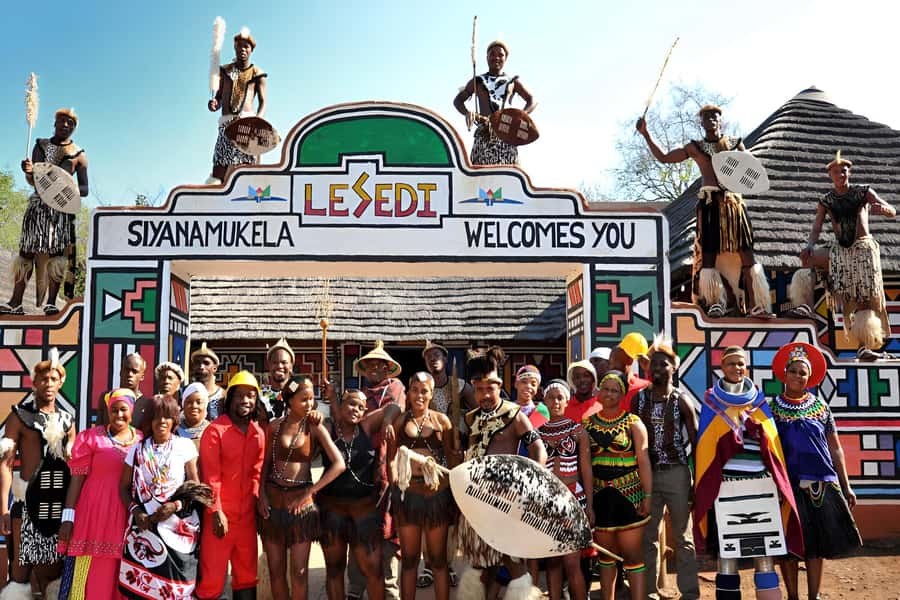
Lesedi Cultural Village brings five South African cultures together in one carefully arranged visit. You move between recreated Zulu, Xhosa, Pedi, Sotho, and Ndebele homesteads, meet cultural guides, and finish with singing, drumming, and dancing. It is a lively introduction, not a visit to untouched rural villages.
I like the clear format: the 2.5-hour guided tour gives you a useful first look at customs, homes, crafts, ceremonies, and food without asking you to plan several separate visits. I also like the friendly welcome and the strong final dance show. The main consideration is that some scenes are staged for tourists, so visitors seeking a more spontaneous or academic cultural experience may find parts of it artificial.
Key points to know before you go
- Five cultural traditions in one stop: Learn about Zulu, Xhosa, Pedi, Sotho, and Ndebele customs during one organized visit.
- Music begins at the door: The welcome uses traditional singing and drumming to set the mood right away.
- A performance-led tour: Expect recreated homesteads, demonstrations, explanations of rituals, and a final dance display.
- Lunch is part of the experience: A traditional South African meal follows the village visit, while drinks cost extra.
- Easy from two major cities: Hotel pickup and return are available around Johannesburg and Pretoria, with about 45 minutes in each direction.
- Language help is available: The tour operates in English, Portuguese, and French, with translation pauses when needed.
Five cultures in one carefully planned village
Lesedi Cultural Village is designed as a single place where you can learn about several Bantu-speaking communities associated with South Africa. The visit focuses on the Zulu, Xhosa, Pedi, Sotho, and Ndebele peoples, giving you a broad introduction rather than a detailed study of one group.
That format works well if your time in South Africa is short. Instead of spending days finding separate cultural centers, you get an organized route through five sections of the village, each linked to a different tradition. Guides explain how homes were built, how family and community life worked, and why certain customs mattered.
You should set your expectations correctly. This is a cultural presentation using recreated dwellings and staged demonstrations. It is not a working village where you quietly observe everyday life. Some visitors appreciate the clarity and energy. Others find the scenes too arranged and designed for an international audience.
I see that as the central choice. If you want an accessible first introduction with music, food, and a clear guide, Lesedi makes sense. If you want long conversations with residents in an ordinary community, this is not the right type of outing.
More Cultural Village Tours in Pilanesberg & Sun City
- Johannesburg: Lesedi Cultural Village Experience
★ 4.6 · 43 reviews - Lesedi Cultural Village
★ 4.9 · 14 reviews - Lesedi Cultural Village Half-Day Tour
★ 4.7 · 9 reviews
The 45-minute ride from Johannesburg or Pretoria
The day begins with pickup around Johannesburg or Pretoria. The listed travel time is about 45 minutes each way, so the road journey takes a meaningful part of the five-hour schedule. That is useful to know when planning the rest of your day.
Hotel pickup and drop-off are included around both cities, which adds real value to the price. You do not need to arrange a separate taxi to an unfamiliar meeting point, and you can treat the excursion as a half-day plan. The exact starting time depends on availability, so check the schedule before booking.
The vehicle is a bus or coach. No group size is provided, so you should expect an organized group outing rather than a private tour. That can make the singing and dance sections feel more social, but it may also mean waiting for the full group to move between areas.
The best approach is to keep your schedule light after the tour. Five hours includes the transfers, the village visit, and lunch, so the plan is fairly compact but not rushed to the point of being a quick photo stop.
A welcome of singing, drumming, and movement
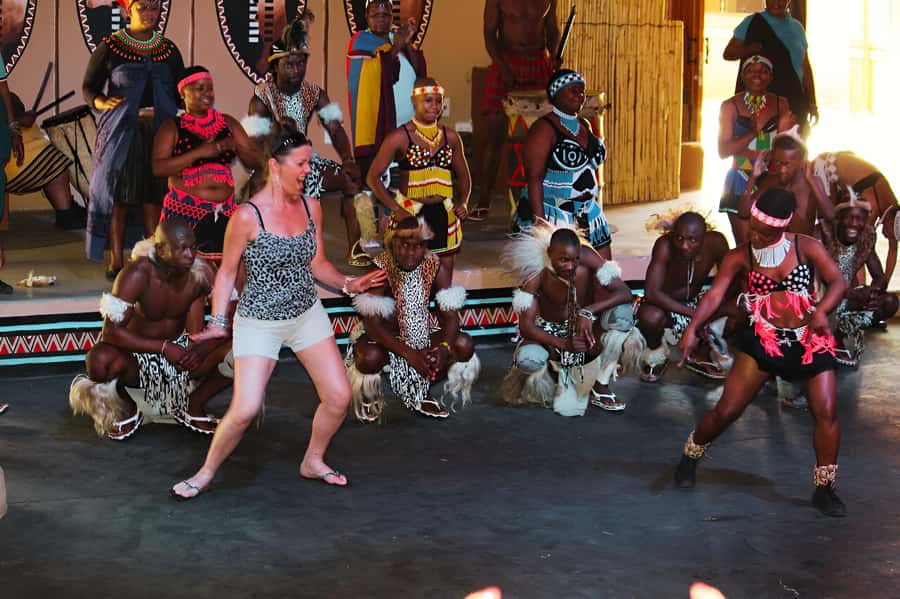
The first moments at Lesedi are designed to grab your attention. A musical welcome introduces the visit with singing and drumming, and the atmosphere begins before you reach the main cultural explanations.
This opening is more than background music. It signals that the visit will use performance as a teaching tool. You are not only looking at buildings and displays. You are being shown how music, movement, and ceremony help express identity and community.
You may be invited to take part in simple activities, such as trying basic dance steps or joining a rhythm. The information provided does not promise a specific activity for every departure, so participation can vary. You can enjoy the show without performing, but joining in may make the welcome more memorable.
The guides are central to the experience. They explain traditions from their own cultural perspectives, with the tour offered in English, Portuguese, or French. If you need translation, the pace may include pauses so that key points are clear. One guide named Samuel has been praised for giving extra information and introducing additional experiences along the route, although guide assignments can change.
Traditional homes that explain more than architecture
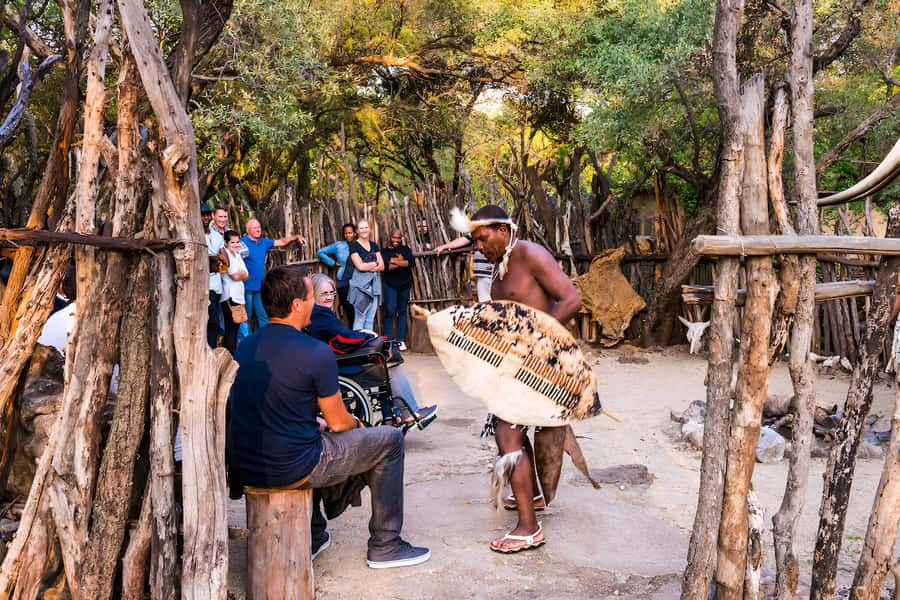
The village includes replicas of traditional homesteads connected with the five featured groups. At each stop, your guide explains the shape of the dwelling, the materials used, and the purpose of different structural features.
This is one of the most useful parts for first-time visitors. A house can tell you about climate, available materials, family life, social roles, and local skills. Even a short explanation helps you see the buildings as more than attractive backdrops for photographs.
The homes are reconstructions, and that affects how you should read them. They offer a visual way to compare traditions, but they cannot show every difference within a large cultural group. The tour presents broad themes, not every regional variation or modern way of life.
You may also see demonstrations linked to pottery, weaving, beer brewing, and beadwork. These activities connect the buildings to practical skills. Look closely at how the guides explain the work rather than treating the displays as a craft market alone.
Same part of Pilanesberg & Sun City, a completely different kind of day:
- From Johannesburg: Pilanesberg Nature Reserve Game Safari
★ 4.8 · 1,327 reviews - Full Day Ultimate Pilanesberg National Park Safari from Johannesburg or Pretoria
★ 4.5 · 718 reviews - Hartbeespoort: 2-Hour Dam Cruise with South African Food
★ 4.4 · 621 reviews - Full Day Pilanesberg Experience in Open Vehicle
★ 4.5 · 414 reviews
Stories, ceremonies, and the human side of the tour
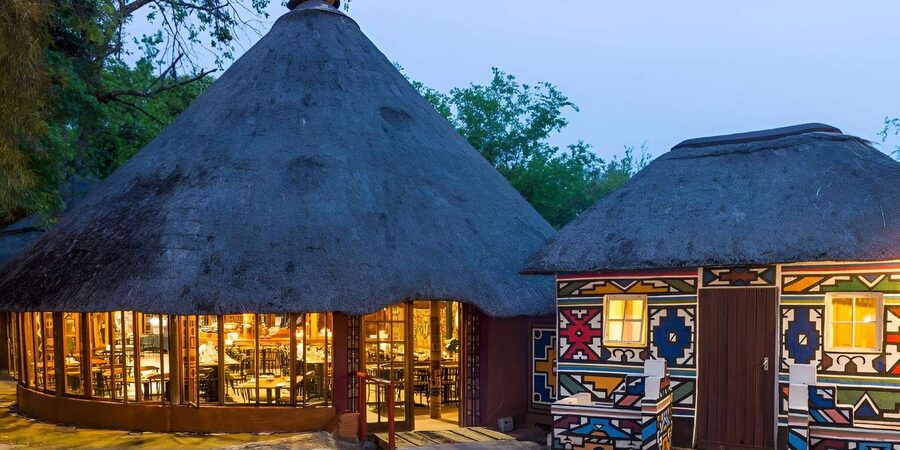
The cultural explanations cover more than clothing and buildings. You hear about weddings, initiation rites, ancestral worship, folklore, legends, and historical anecdotes. These subjects give the visit some depth and show how customs fit into family and community life.
The ceremonies are presented through explanation, song, and dance. They are not necessarily full religious ceremonies, and you should view them as demonstrations intended to help you understand the traditions. That distinction matters, especially when a ritual has deep meaning beyond the short version shown during a tour.
I like this part because it gives you questions to carry into the rest of your South Africa visit. You begin to notice that cultural identity is not one single national style. Zulu, Xhosa, Pedi, Sotho, and Ndebele traditions have their own forms, stories, and visual details.
Still, the experience has limits. One visitor felt that the presentation taught little beyond the visual display of huts and staged scenes. That criticism is fair. The tour is strongest when the guide adds context and welcomes questions. It is weaker if you simply walk from one replica to another without engaging with the explanations.
The final dance show is the high point
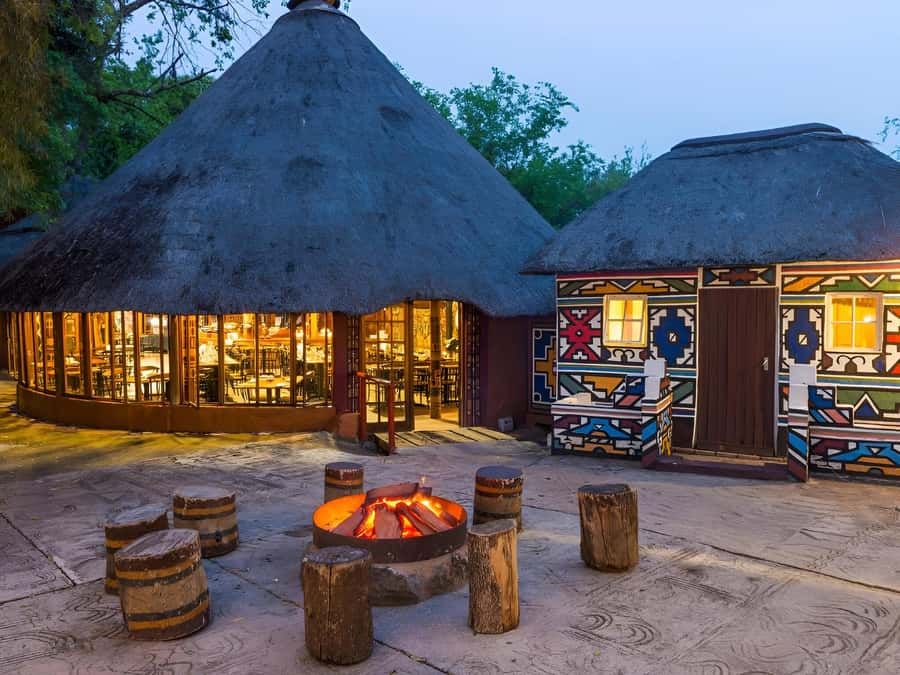
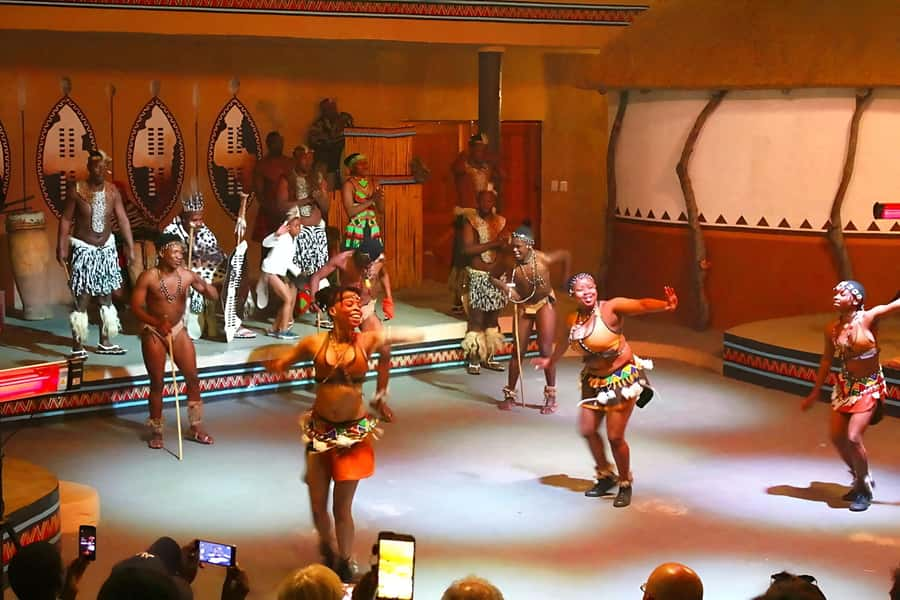
Singing and dancing are the most consistently praised parts of the visit. The dancers bring speed, precision, and stamina to the final performance, which combines elements from the groups represented at Lesedi.
You can expect a polished show rather than an informal village gathering. That does not make it worthless. Performance is one of the main ways the tour communicates rhythm, clothing, movement, and celebration. The dance section gives the visit its strongest sense of occasion.
The show also works as a shared ending. After moving through separate homesteads and hearing about distinct traditions, you see music and dance bring the program together. It is lively without requiring you to understand every word.
If you are choosing between the lunch and dinner timing, consider how the meal fits around the performance and your wider schedule. The supplied schedule places the meal after the main village visit, so you should expect food to wrap up the experience rather than begin it.
Lunch with pap, chakalaka, and local flavors
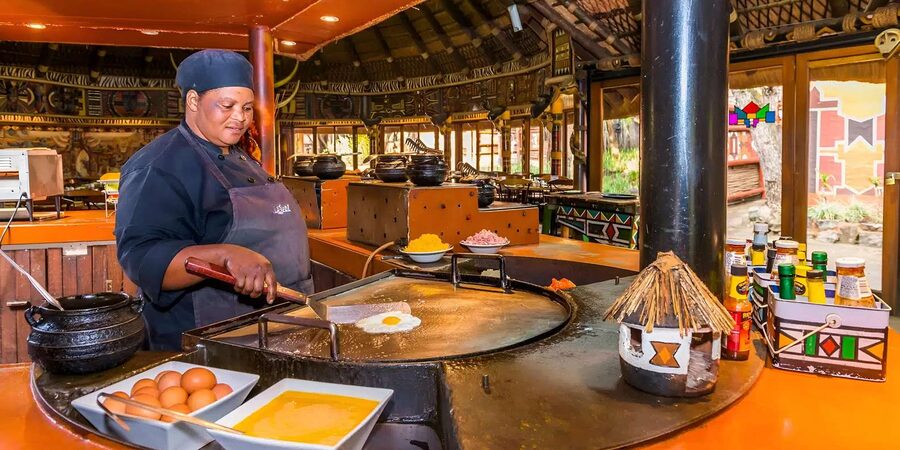
Food is included in the $143 price, and that helps justify the cost of the half-day outing. The meal can include South African staples such as pap, a maize porridge, chakalaka, a spicy vegetable relish, and various meats prepared in traditional ways.
The meal is not just a practical break. It gives you a chance to connect the earlier explanations with food and hospitality. Pap and chakalaka are familiar parts of South African cooking, and tasting them gives you a more complete introduction than a tour based only on buildings and performances.
The exact menu can vary, so do not book this expecting a specific dish. Drinks are not included, and personal purchases are also extra. If you want beverages or crafts, budget for those separately.
The meal lasts about one hour. That is enough time to eat without turning the day into a long restaurant visit. It also provides a slower moment after the noise and movement of the dance performance.
Crafts, shopping, and the question of authenticity
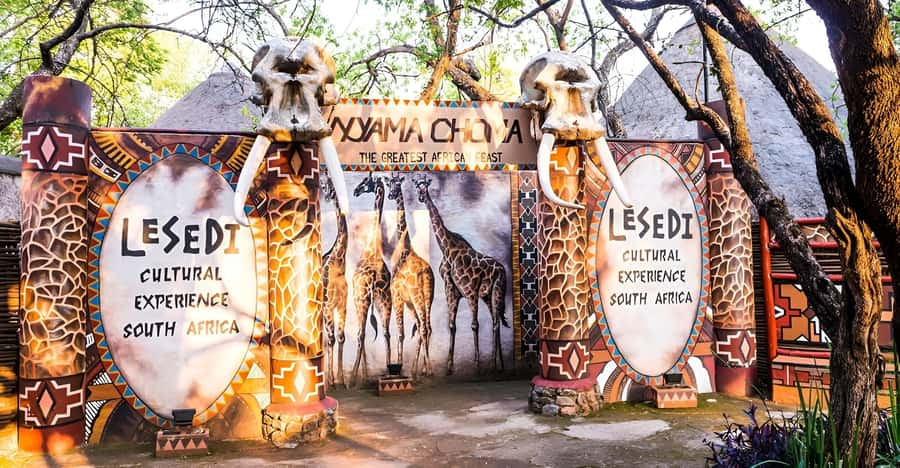
A marketplace usually forms part of the village experience, with crafts, clothing, beadwork, and souvenirs made by local artisans. This gives you an opportunity to buy something connected to the cultural themes of the tour.
Shop with the same judgment you would use anywhere. Ask what an item is, how it was made, and whether it is locally produced. The presence of a marketplace supports sales, but the word authentic does not automatically mean every object has deep cultural meaning.
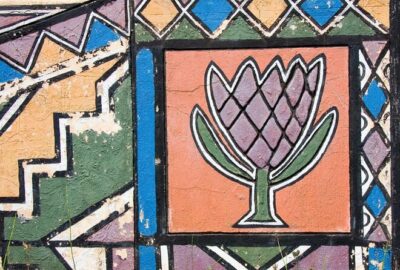
The craft displays can also help you understand details mentioned during the guided walk. Beadwork, textiles, and decorative patterns make more sense after you have heard about the groups they are associated with. I would treat shopping as an optional part of the visit, not the reason to book it.
Is $143 good value for five hours?
At $143 per person, this is not a cheap meal outing. The price includes admission, the guided cultural program, food, and hotel pickup and return around Johannesburg or Pretoria. Those inclusions matter because separate transport and entry costs could make a self-planned visit less simple.
The value depends on what you want. If you want a convenient overview of five traditions, a live performance, and a meal in one half-day, the price is reasonable. If you mainly want a dance show, you may feel you are paying for more than you need.
The guide also affects the value. A guide who explains customs, adds context, and handles translation well can turn a staged setting into a thoughtful introduction. Samuel has been singled out for doing exactly that when assigned to the tour. Since guides can change, treat that as a useful example rather than a guarantee.
The overall rating is 4.6 from nine reviews, which points to a generally strong experience but not universal agreement. The positive pattern is clear: the welcome, dancing, helpful guide service, and meal are the safest reasons to book. The main reservation is also clear: the recreated scenes may feel artificial.
Who should book this cultural outing?
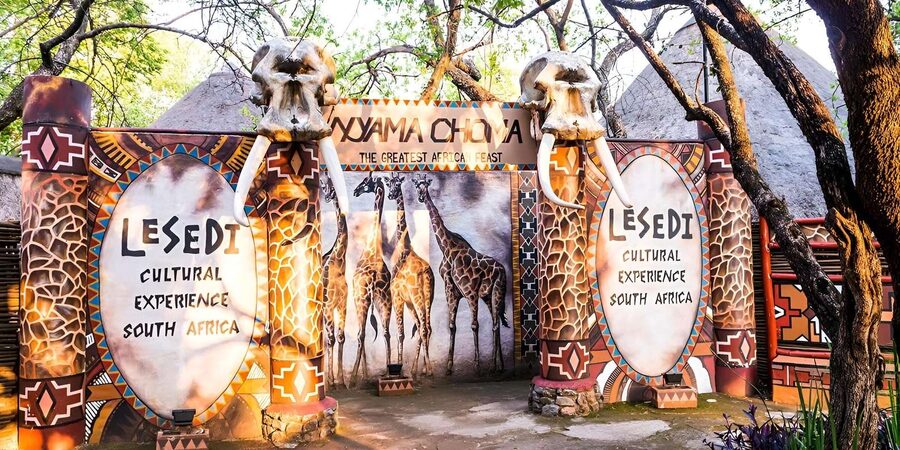
I would recommend Lesedi to first-time visitors who want a straightforward introduction to South African cultural diversity. Families, couples, and small groups can all get something from the mix of explanations, music, movement, and food.
It also suits you if transport is a concern. Pickup from Johannesburg or Pretoria removes one of the practical headaches, and the five-hour schedule fits neatly into a busy itinerary.
Language support is another advantage. English, Portuguese, and French are available, and translation pauses can help you follow the cultural explanations. That makes the visit more useful than a performance with little explanation.
You may want to skip it if you dislike staged cultural presentations or prefer independent travel. The village is built around replicas and planned scenes, so it will not feel like an unfiltered look at modern community life. You should also choose another outing if you want a long, specialist discussion of one ethnic group rather than a broad comparison of five.
Practical details that make the day easier
The experience lasts five hours in total, including transport. Allow about 45 minutes for each road journey, 2.5 hours for the guided village visit, and one hour for lunch. The remaining time covers movement and the start and end of the program.
You can cancel up to 24 hours before departure for a full refund, and you can reserve now and pay later. Wheelchair access is listed, which is useful if access affects your planning, though you should confirm any personal mobility needs before booking.
Wear something comfortable for walking between the different areas and sitting through the performance and meal. The supplied information does not specify weather protection or a dress code, so check the conditions and departure instructions before you leave.
Should you book Lesedi Cultural Village?
Book it if you want a lively, convenient introduction to five South African cultures with hotel transport, a meal, and a strong dance performance. The music and welcome make the visit easy to enjoy, while the guides provide enough background to give the buildings and customs meaning.
Do not book it expecting an ordinary village or a fully spontaneous encounter with daily life. Much of the setting is reconstructed, and some demonstrations are clearly arranged for an audience. For many people, that is a fair trade for a clear half-day program. For others, it will feel too polished.
My advice is simple: choose Lesedi early in your South Africa trip if you want cultural context for what follows. Go with curiosity, ask questions, and remember that the show is an introduction, not the whole story.
FAQ
Where is Lesedi Cultural Village located?
Lesedi Cultural Village is in North West, South Africa.
How long does the experience last?
The full experience lasts five hours, including transportation, the village visit, and the meal.
Where can pickup and drop-off take place?
Pickup and drop-off are available around Johannesburg and Pretoria, including Pretoria Central and Johannesburg locations.
How long is the drive to Lesedi Cultural Village?
The bus or coach journey takes about 45 minutes each way.
Which cultures are represented at Lesedi Cultural Village?
The tour covers Zulu, Xhosa, Pedi, Sotho, and Ndebele traditions.
What languages are available for the guided tour?
The tour is available in English, Portuguese, and French.
Is food included in the price?
Yes. Food is included, with lunch or dinner depending on the selected schedule. Drinks are not included.
Is the tour wheelchair accessible?
Yes, the activity is listed as wheelchair accessible.
Can I cancel the booking for a refund?
Yes. You can cancel up to 24 hours in advance for a full refund.
More Food & Drink in Pilanesberg & Sun City
- Hartbeespoort Dam: The Luxury Alba Boat Cruise with Food
★ 3.9 · 81 reviews - Cape Town: Full-Day Winelands Tour with Wine Tastings & Food
★ 4.9 · 1,288 reviews - The Cape Town Essentials Food Tour
★ 5.0 · 385 reviews - From Cape Town: Winelands Full Day Tour and Wine Tasting
★ 4.5 · 364 reviews
More Dining Experiences in Pilanesberg & Sun City
- Cape Town: Sunset Champagne Cruise and 3-Course Dinner
★ 4.5 · 528 reviews - Cape Town: African Dinner, Drumming Experience with Transfer
★ 4.7 · 393 reviews - From CapeTown: African Dinner and Drumming Experience
★ 4.5 · 199 reviews - Cruise and Dine Dinner / Cape Town: Sunset Champagne Cruise and 3-Course Dinner
★ 4.0 · 128 reviews
Just added around Pilanesberg & Sun City
- The Elephant and Monkey Sanctuary.★ 4.5 · 16 reviews
- Sun City: Letsatsing Game Park Nature Trail Quad Bike Tour★ 5.0 · 4 reviews
- Sun City: Pilanesberg National Park Bush Walk★ 3.7 · 3 reviews
- South Africa Joburg: Pilanesberg National Park Day Tour★ 5.0 · 4 reviews
- Safari at Lion and Rhino Park / Lesedi Culture Village★ 5.0 · 3 reviews
- Johannesburg: Hot Air Balloon Flight along Magalies Valley★ 5.0 · 11 reviews
- Pilanesberg: Two-Day Camping Adventure from Johannesburg★ 4.9 · 19 reviews
- Pilanesberg Full-Day Shared Safari with Sun City Visit★ 4.9 · 27 reviews
Cultural Village Tours, compared.


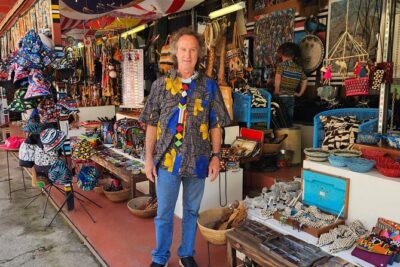
Lesedi Cultural Village and Cradle of Humankind Tour
Read our review →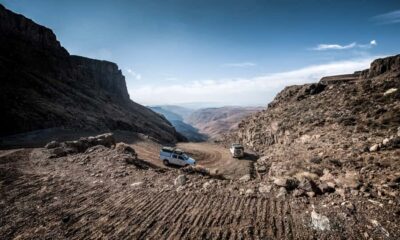
Sani Pass, Lesotho and Basotho Village Day Trip
Read our review →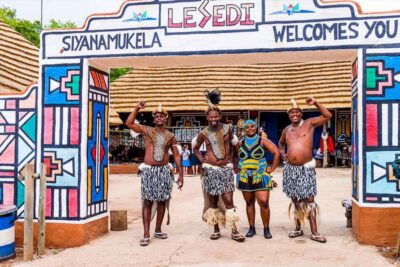
Johannesburg: Lesedi Cultural Village Experience
Read our review →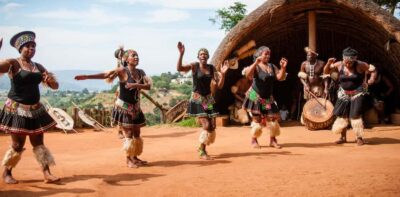
Lesedi Cultural Village & cradle of Humankind Guided Tour
Read our review →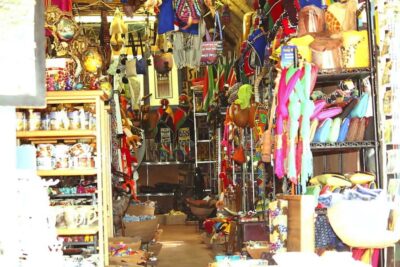
Johannesburg: Cradle of Human Kind & Lesedi Cultural Village
Read our review →Browse the lists this tour appears in