
Reviewed · GARDEN ROUTE TOURS
Plettenberg Bay: Cats in Conservation Full Day Tour
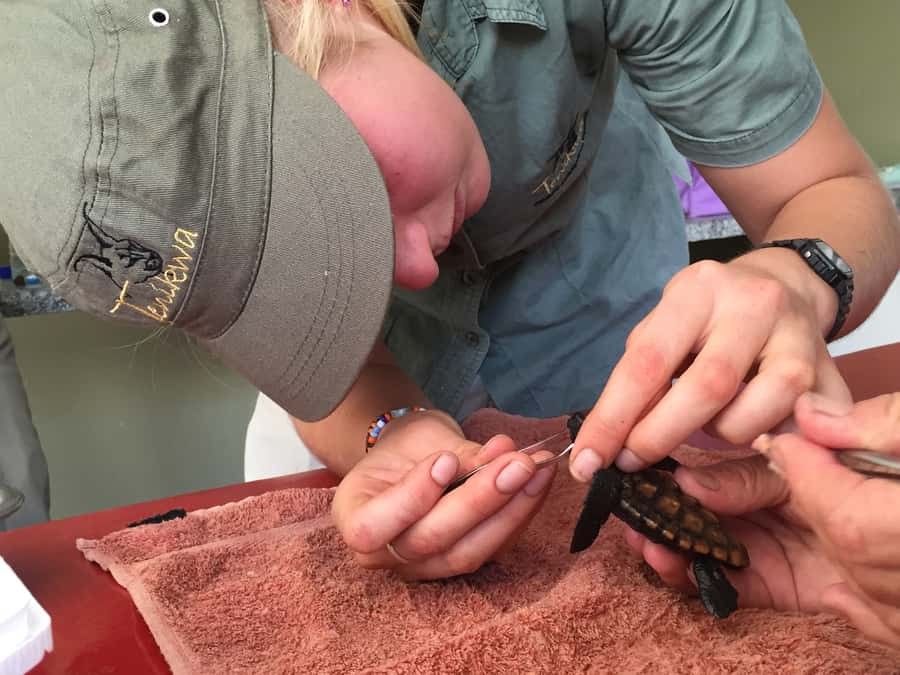
South Africa’s wild cats are the main event here, but the best part is seeing what it takes to care for them after rescue. At Tenikwa, you do more than walk past enclosures: you join animal keepers for checks, food preparation, enrichment work, and the evening routine. The wildlife hospital visit adds a useful look at how injured or displaced animals are handled.
I like the unhurried pace, and I like that the animals’ care comes before your photographs. Guides such as Msizi can explain individual animals and their personalities from years of daily work. The main drawback is the long day at one center, so this suits you best if you want hands-on conservation work rather than a quick wildlife stop.
Key points to know before booking
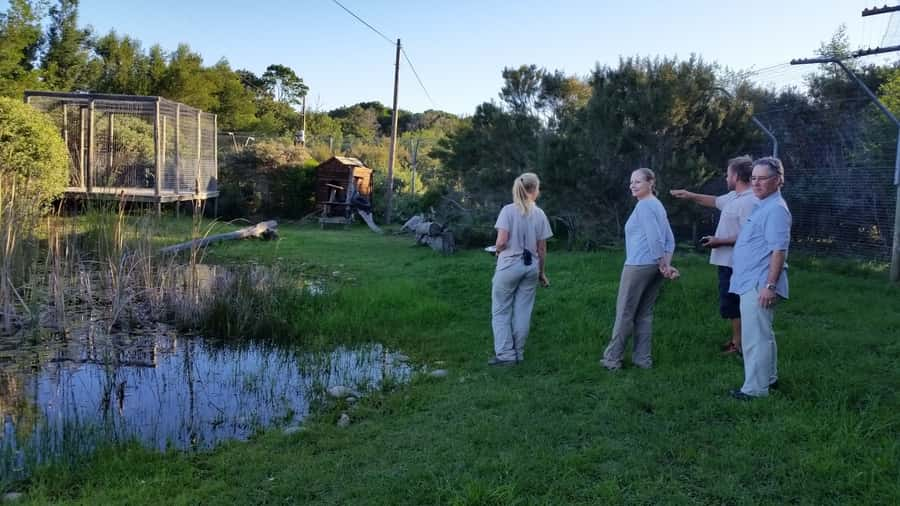
- A full day behind the scenes: You help with enclosure checks, animal husbandry, food preparation, enrichment, and securing animals for the night.
- South Africa’s indigenous cats: The guided tour focuses on wild cats and the conservation problems facing each species.
- Wildlife hospital access: You can observe rehabilitation work in an area not open to the general public.
- Meals are included: Breakfast with coffee or tea, lunch, and one lunch drink are provided. Snacks and extra drinks are not.
- The forest walk depends on conditions: A guided walk through the Tsitsikamma forest may be added if time and weather allow.
- Plan for practical comfort: Bring walking shoes, sun protection, insect repellent, and clothes suited to changing weather.
What makes this Tenikwa day different
Tenikwa Wildlife Rehabilitation and Awareness Centre sits near Plettenberg Bay in the Western Cape. This is not a standard wildlife viewing stop built around a short circuit and a few photographs. The day is shaped around the work of the center.
You start with the tasks that need doing before the day gets going. That means animal and enclosure checks with the keepers. You are not there to touch or feed wildlife, and that rule matters. The experience lets you watch and assist within set boundaries, while the staff remain responsible for the animals.
That distinction gives the day more purpose. You see the animals, but you also learn why some can return to the wild and why others cannot. The non-releasable animals need care, space, stimulation, and careful routines for the rest of their lives. The enrichment exercise later in the day shows one practical way the center supports their quality of life.
The program is offered as a private group experience with an English-speaking guide. You should expect plenty of conversation and questions rather than a fixed script. One guide, Msizi, was especially noted for knowing the cats by name and understanding their individual personalities after years at Tenikwa. Guides can vary, but the format gives you time to ask about the animals and the center’s work.
A few more Garden Route days worth comparing
- Private Oudtshoorn Full Day Tour
★ 4.7 · 9 reviews - From Oudtshoorn: Full-Day Private Swartberg Mountain Tour
★ 5.0 · 3 reviews - Cape Point and Boulder’s Penguins Full Day Tour
★ 5.0 · 3,118 reviews
Arriving at Animal Alley
You make your own way to Tenikwa, since hotel pickup and drop-off are not included. From the N2, follow the signs for Tenikwa. At Animal Alley, keep left, then keep right at the fork, following the signs again. Check in at reception and arrive 15 minutes before the start time.
Parking is available at reception. You are asked to lock valuables and backpacks in your vehicle, so keep your camera and only the items you need for the day. Cameras are allowed, but selfie sticks are not.
The day begins with a short safety briefing of about five minutes. Listen closely here. You will be near wild animals, and the rules are simple: no touching and no feeding. Those limits protect both you and the animals, and they also keep the focus on proper wildlife care rather than close-contact entertainment.
Tenikwa is wheelchair accessible. Still, this is an active day with enclosure work and walking, so you should confirm that the planned activities suit your needs when booking.
Morning checks and breakfast at the center
The first practical session takes you around the center with the animal-keeping staff. You help with early morning tasks and enclosure checks. The work gives you a better sense of the daily rhythm than a simple guided viewing route can.
You may see the keepers checking animals, examining enclosures, and making sure the center is ready for the day. The exact tasks can depend on what needs attention, weather, and the animals’ routines. The point is not to give you control of the work, but to let you take part under staff direction.
After the early tasks, breakfast with coffee or tea is provided. The schedule allows about 30 minutes for breakfast or brunch at the Boma restaurant. The wording around breakfast can vary by schedule, so check the details at booking, but you should plan for this included morning meal.
Breakfast also gives you time to get your bearings. You can ask how the center receives animals, what rehabilitation involves, and why certain animals cannot be released. This is a good moment to speak with the staff before the day becomes more active.
Meeting South Africa’s wild cats
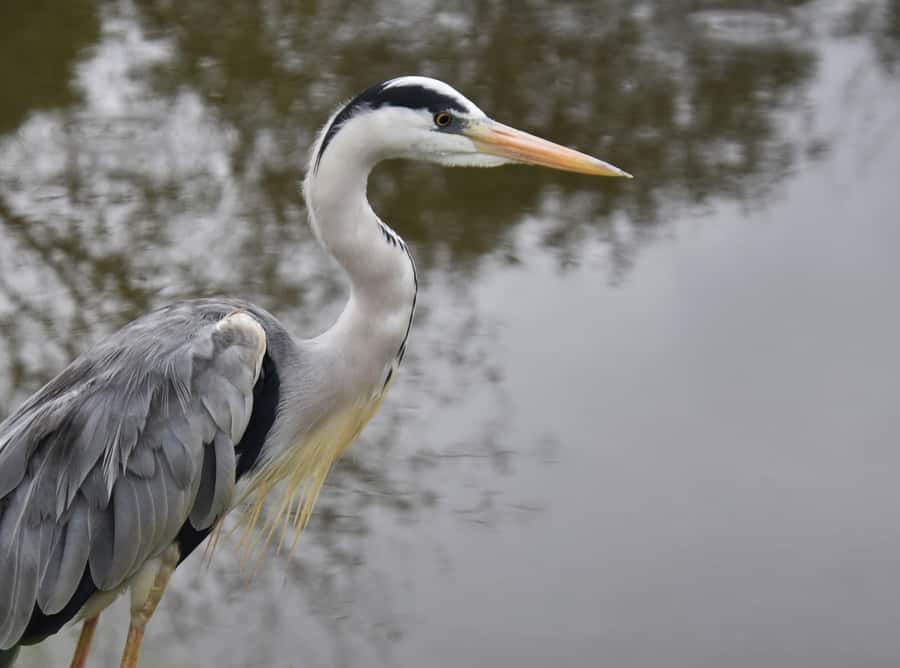
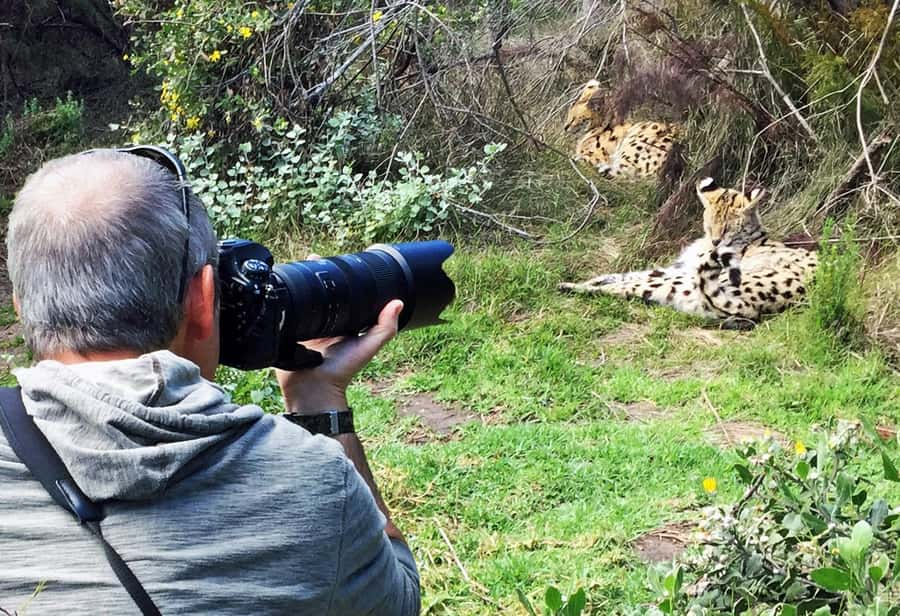
The main guided wildlife visit lasts about two hours. Your guide takes you around the center to see indigenous wild cats and explains the conservation pressures affecting different species.
The value here is the context. A cat in an enclosure can look calm and well cared for, but you need to understand why it is there. Some animals may have injuries, human-imprinting issues, or other reasons that make release unsafe. The center’s goal is rehabilitation where possible, with long-term care for animals that cannot return to the wild.
The setting also matters. The animals are kept in natural enclosures, and the center is described as clean and well maintained. You may get close viewing and strong photo opportunities, but close does not mean contact. The staff set the limits, and you should respect them even when an animal appears relaxed.
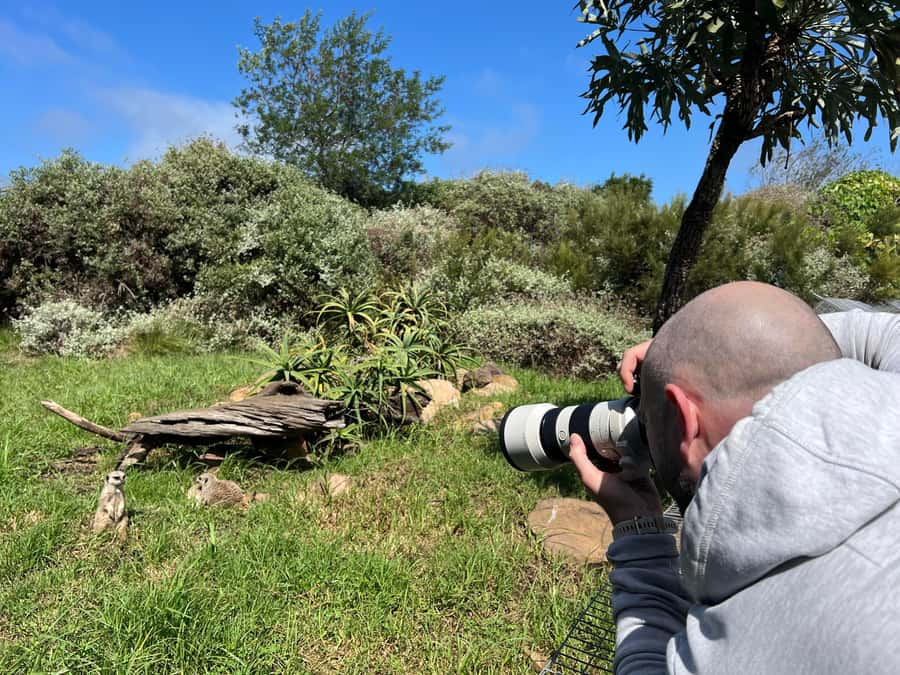
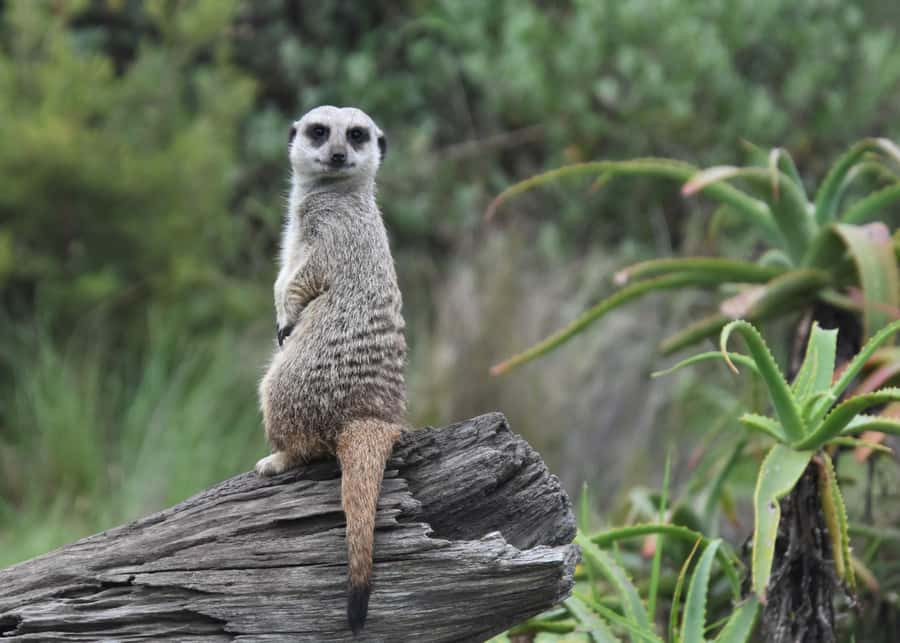
The cats are not the only animals you may learn about. The work at Tenikwa also includes meerkats, owls, and other birds. These encounters help show that the center deals with a wider range of wildlife care than the name of the tour suggests.
Bring a camera if photography matters to you. You are likely to have time to watch behavior rather than rush from one enclosure to another. Avoid treating the animals as photo props. The strongest pictures usually come when you let the animal’s own activity set the pace.
Same part of Garden Route, a completely different kind of day:
- From Cape Town: 2-Day Safari at Garden Route Game Lodge
★ 4.8 · 928 reviews - Plettenberg Bay: Swim with Seals
★ 4.7 · 887 reviews - Knysna Ziplines Tour
★ 5.0 · 688 reviews - Little Brak River: Botlierskop Guided Game Drive
★ 4.7 · 589 reviews
The Tsitsikamma forest walk
A guided walk through the indigenous Tsitsikamma forest may follow the wildlife tour if time and weather allow. The listed schedule gives about two hours to walking and scenic views, but this part is not guaranteed in poor conditions or if the day’s animal-care work takes longer.
This walk changes the feel of the day. After concentrating on enclosures, staff routines, and animal behavior, you get time outdoors among the local trees and natural surroundings. It also helps place Tenikwa within the wider environment of the Western Cape.
Wear proper walking shoes. Comfortable clothes, a sun hat, sunscreen, and insect repellent are sensible choices. The center supplies rain gear in bad weather, and the program runs in all weather, but rain gear does not replace shoes with a good grip.
If the forest walk is important to you, ask about the expected conditions and timing before the day begins. The animal-care sessions are the core of the program, so the forest section should be viewed as a useful addition rather than the main reason to book.
Lunch and time to talk with staff
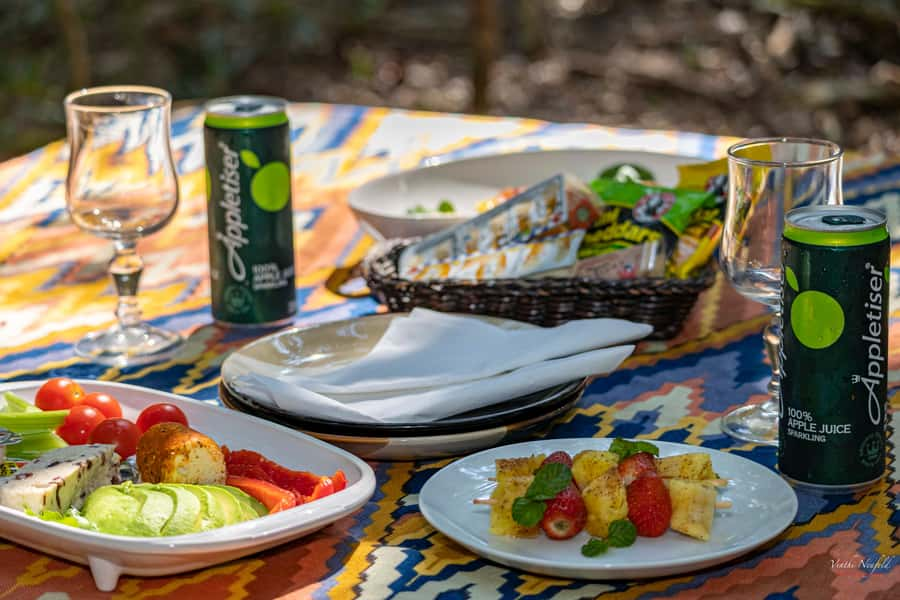
Lunch takes about an hour and includes one drink. You can choose coffee, tea, beer, wine, or a non-alcoholic drink. Snacks and extra drinks are not included, so bring or buy anything else you will want during a full day outdoors.
This break is more than a meal stop. You have time to speak with the staff about conservation work, animal admissions, and the practical limits of rehabilitation. If you are curious about how animals arrive at the center or what happens after admission, this is a good chance to ask directly.
The included meals add real value to the $104 price. A full day of guided access, staff time, breakfast, lunch, and one lunch drink would cost more to reproduce independently, and the public generally cannot enter the rehabilitation facilities. The price is harder to justify if you only want a short cat-viewing visit, but it makes more sense if you plan to take part in the whole day.
Enrichment for animals that cannot be released
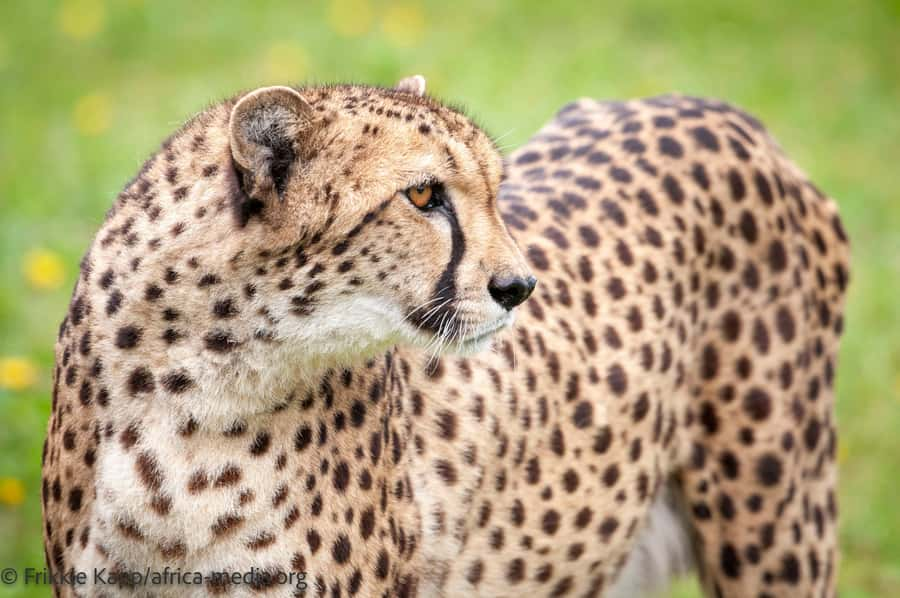
After lunch, you help with an enrichment exercise for non-releasable animals. Enrichment is designed to keep captive animals active and engaged, and it can involve changes to the animals’ surroundings or ways of presenting food and other stimuli. The exact exercise is determined by the staff and the needs of the animals.
This is one of the most meaningful parts of the program because it shows the difference between keeping an animal alive and caring for its long-term welfare. A good rehabilitation center has to think about behavior, stimulation, safety, and routine, not just food and shelter.
You should not expect a petting session. Touching and feeding wildlife are forbidden. Your role is to assist within the staff’s instructions and observe how the animals respond. That may feel less dramatic than direct contact, but it is the more responsible approach.
The experience works particularly well for you if you care about animal welfare and want to understand the work behind a conservation center. It may feel too slow if you want constant action or guaranteed close encounters.
Preparing food and watching afternoon feedings
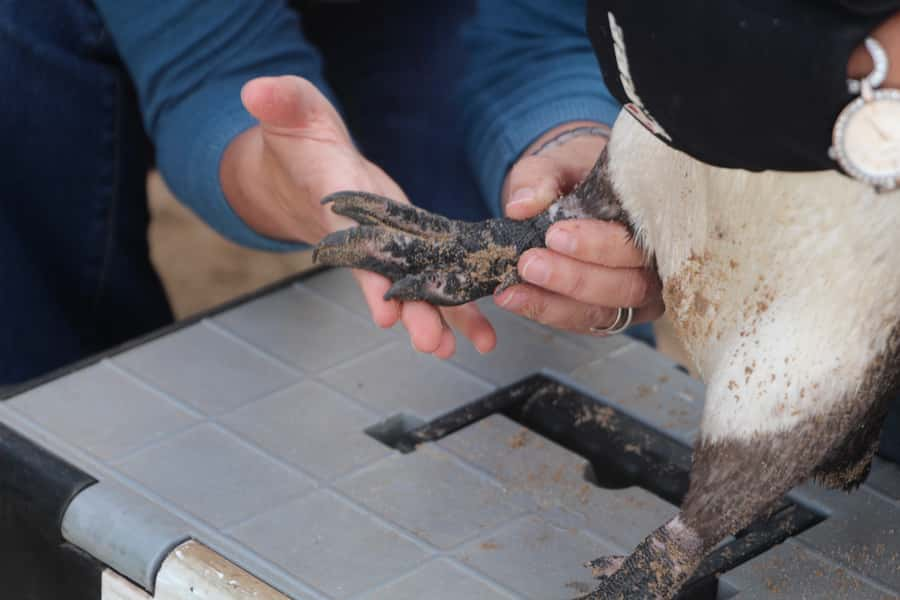
The afternoon returns you to the daily work of the animal keepers. You help prepare food and accompany staff during feedings. This section can take about three hours, depending on the schedule and what the animals require.
Food preparation gives you another practical view of the center. Feeding is not simply a matter of placing food in an enclosure. Staff must follow routines and observe the animals as they eat. Their knowledge of each animal helps them notice changes in behavior or appetite.
Watching the feedings can also help you understand individual personalities. One animal may be active, another cautious, and another more interested in resting. A guide such as Msizi can connect those behaviors to the cats’ names and histories, which makes the viewing more personal without turning the animals into performers.
Keep your camera ready, but stay alert to instructions. The best position may change, and the staff may limit where you stand. No selfie sticks are allowed, and you should never reach toward an animal for a better picture.
Closing the enclosures for the night
The last working session involves helping staff secure the animals for the night. This brings the day full circle. You started with morning checks, and you finish by seeing how the center closes down and prepares the animals for their evening routine.
This final task can be especially useful because it shows that conservation work does not end when the public portion of a visit is over. Animals need dependable care every day, including checks and secure routines at the end of the afternoon.
You also have more time to speak with the staff about their conservation efforts. Use it to ask about the animals you saw, the difference between rehabilitation and permanent care, and how the center manages its work. The unhurried format is a strength here. You are not pushed straight onto a bus after the final viewing.
A 15-minute shopping stop is also listed near the end of the day. Treat this as optional browsing rather than a major part of the experience.
Timing, comfort, and what to pack
This is a full-day program, with starting times based on availability. The schedule includes early work, a morning meal, guided wildlife viewing, walking, lunch, enrichment, food preparation, feeding, and evening checks. You should keep the rest of your day free.
Pack:
- Comfortable walking shoes
- Comfortable clothes
- A sun hat
- Sunscreen
- Insect repellent
- A camera, if you want photographs
- Water for the day, although bottled water is included
Rain jackets are provided if the weather turns wet. Since this is an all-weather activity, dress for changing conditions rather than relying on a perfect forecast.
The program is not suitable for children under nine. Older children may enjoy it, but the conservation focus and long working day suit adults and families with children who can follow wildlife safety rules.
Should you book the Cats in Conservation Tour?
Book this if you want a full day of practical conservation work, close observation, and honest access to the routines behind a wildlife center. The strongest features are the private guided format, wildlife hospital observation, staff-led husbandry tasks, and the chance to see enrichment and feeding from the working side.
I would also recommend it to photographers who are patient and respectful. You can get excellent opportunities to photograph South Africa’s wild cats, but the animals do not perform on demand, and contact is never part of the deal.
Skip it if you want a short, simple wildlife attraction or if you dislike spending several hours on scheduled care tasks. At $104 per person, the value rests in the full day and the behind-the-scenes access, not just the number of animals you see. For the right visitor, that makes Tenikwa one of the more useful wildlife experiences near Plettenberg Bay.
FAQ
Where does the Cats in Conservation Tour start?
The tour starts at Tenikwa Wildlife Rehabilitation and Awareness Centre. Follow the Tenikwa signs from the N2, keep left at Animal Alley, then keep right at the fork. Check in at reception.
Is transportation from my hotel included?
No. Hotel pickup and drop-off are not included. Parking is available at the reception area.
What meals and drinks are included?
Breakfast with coffee or tea is included. Lunch includes one drink, with choices of coffee, tea, beer, wine, or a non-alcoholic drink. Snacks and additional drinks are not included.
Can I touch or feed the animals?
No. Touching and feeding wildlife are not allowed. You may take photographs, but selfie sticks are prohibited.
Is the forest walk guaranteed?
No. The guided Tsitsikamma forest walk takes place if time and weather permit. The animal-care activities remain the main focus of the day.
Is the tour suitable for children and wheelchair users?
The program is not suitable for children under nine. The center is wheelchair accessible, and the activity is offered as a private group experience with an English-speaking guide.
Just added around Garden Route
- 7- 10 Days Tour Package Cape Town and Garden Route★ 5.0 · 6 reviews
- 7-day Cape Town, Winelands, Garden Route and Addo National Park★ 5.0 · 5 reviews
- 7 Day Garden Route to Addo, Cape Point and Winelands Combo tour★ 5.0 · 28 reviews
- 7-Day Garden Route Safari Adventure from Cape Town★ 5.0 · 20 reviews
- 5 Day Cape to Addo Safari – Garden Route Small Group Tour★ 5.0 · 26 reviews
- 4 Day Garden Route Luxe Selection Micro Group Tour from Cape Town★ 5.0 · 3 reviews
- 5 Day Garden Route Small Group Tour Fr CapeTown – Departs Mondays★ 5.0 · 3 reviews
- 3 Days 2 Nights Garden Route Private Tour from Cape Town★ 4.0 · 5 reviews
Garden Route Tours, compared.
Little Brak River: Botlierskop Guided Game Drive
Read our review →
Storms River: Tsitsikamma National Park Zipline Canopy Tour
Read our review →
Browse the lists this tour appears in