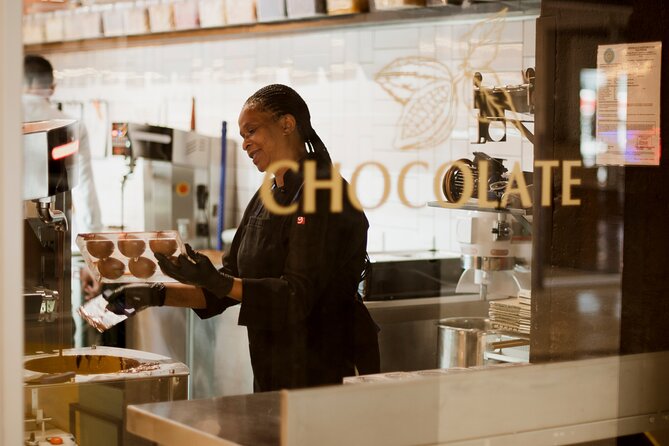
Reviewed · CAPE TOWN TOURS
The Art of Chocolate Making Bean-To-Bar Experience in Cape Town
The most interesting part of this Cape Town stop is the chance to follow cacao from Tanzanian farm to finished bar in a short, focused tasting. You learn how fermentation, roasting, grinding, refining, conching, and tempering each change the final flavor.
I like the use of single-origin beans, which lets you taste the character of one region rather than a blended chocolate with no clear source. I also like the low price and private format. The main drawback is the pace: at about 25 minutes, the explanation and tasting can feel rushed if you want a full workshop.
Key points at a glance
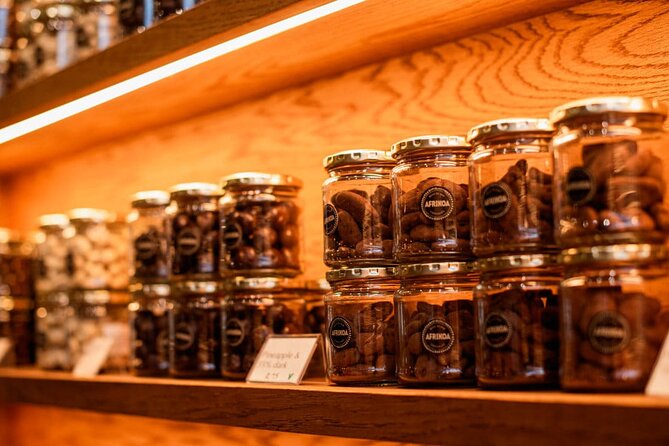
- Tanzanian single-origin cacao: The chocolate is made with heirloom beans sourced directly from farmers in Tanzania.
- A true bean-to-bar lesson: You follow the process from fermentation and drying through roasting, refining, conching, and tempering.
- A short tasting, not a long class: The scheduled experience lasts about 25 minutes.
- Private for your group: Only your party participates, which makes questions easier than in a large public session.
- Makers Landing setting: The meeting point is at the Cruise Terminal in Cape Town’s Victoria & Alfred Waterfront.
- Good value with a timing warning: At $10.79 per person, it is inexpensive, but the short format limits hands-on work.
What this chocolate experience really offers
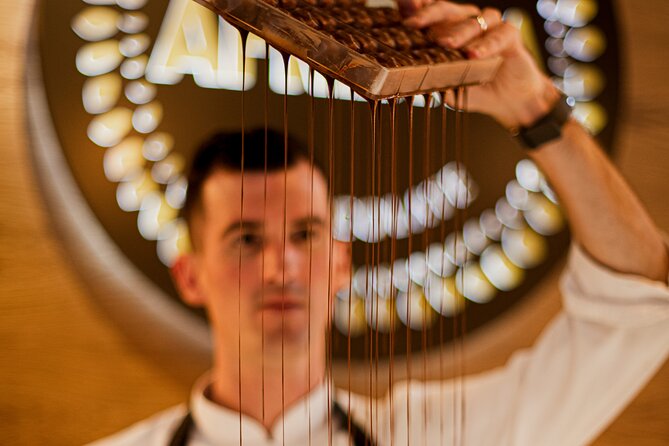
This is best understood as a guided explanation and tasting, not a full chocolate-making class. You learn the main stages that turn cacao beans into chocolate, then taste examples made from the beans used by AFRIKOA Luxury Craft Chocolate.
That distinction matters. The description also refers to workshops and masterclasses covering tempering, molding, and making personal chocolates. Those sessions may offer more practical work, but the 25-minute experience described here centers on learning and tasting. If you arrive expecting to spend an hour molding truffles, you may leave disappointed.
The focus on Tanzania gives the activity a clear point of view. Single-origin chocolate uses cacao from one specific region, so the final bar can show the qualities of that place. You are not simply sampling sweet candy. You are being shown how farming, processing, and careful chocolate production shape flavor.
The experience also puts ethical sourcing on the table. AFRIKOA says it buys heirloom cacao beans directly from farmers in Tanzania and controls each stage of production. That approach gives you more information about where the chocolate begins and how it reaches the bar.
More Chocolate Experiences in Cape Town:
- AFRIKOA Bean-to-Bar Chocolate Experience
★ 4.8 · 12 reviews
Meeting at Makers Landing in the V&A Waterfront
You begin at Makers Landing, located at the Cruise Terminal in the Victoria & Alfred Waterfront, Cape Town. This is a practical meeting point if you are already spending time around the waterfront, though you should allow time to reach the exact spot within the larger harbor area.
The activity ends at the same meeting point. There is no transfer to another part of Cape Town, so you can plan it around other waterfront activities without arranging a separate return journey. The location is near public transportation, which helps if you are not using a car.
The stated operating hours are Wednesday from 9:00 a.m. to 3:30 p.m., for the period from December 22, 2023, through June 18, 2026. Check your selected date carefully, since this is not presented as a daily activity. A mobile ticket is accepted, and confirmation is provided when you book.
Following cacao from bean to bar
The lesson begins with the basic bean-to-bar chain. Cacao beans do not arrive at the shop ready to eat as chocolate. They first go through several stages, and each one affects the taste and texture you eventually notice.
Fermenting and drying are early steps after the cacao pods are harvested. Fermentation helps develop the flavors inside the beans, while drying reduces moisture and prepares them for storage and transport. These stages are easy to overlook when buying a finished bar, but they help explain why cacao from different places can taste so different.
Next comes roasting. Heat brings out deeper aromas and changes the raw bean into something more recognizably chocolate-like. The roasting level also influences the balance between bitter, fruity, earthy, and toasted flavors.
The beans are then ground and refined. Grinding breaks them down and releases their natural cocoa components, while refining helps produce a smoother texture. If you have ever compared a rough, crumbly chocolate with a silky bar, this is part of the reason for the difference.
Conching continues the texture and flavor work. This stage helps smooth the chocolate and can soften unwanted harsh notes. Finally, tempering controls how the cocoa butter crystals form, giving finished chocolate its shine, clean break, and pleasant snap.
The process sounds technical, but the value of the experience is that it connects each word to something you taste. You are not just memorizing a list. You are learning why the bar feels smooth, why it breaks in a certain way, and why the flavor can be more complex than simple sweetness.
Tasting Tanzanian single-origin chocolate
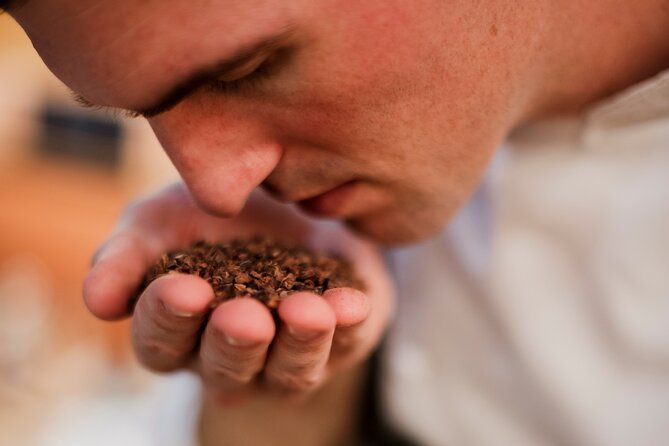
The tasting is the part most people will remember. You sample AFRIKOA’s favorite chocolates, including dark chocolate and specialty bars with different flavor combinations. The exact selection is not specified, so do not expect a guaranteed menu of particular bars.
Single-origin chocolate is useful for comparison. When beans come from one region, you have a better chance of noticing the character associated with that source. The point is not that every Tanzanian bean tastes the same. Rather, the clear origin gives you a way to think about flavor instead of treating chocolate as an anonymous product.
I would pay attention to the balance between bitterness, fruit, acidity, roasted notes, and sweetness. Let the chocolate rest on your tongue rather than eating it quickly. In a short tasting, that small habit helps you get more from each sample.
The specialty bars add variety, but the tasting still has a learning purpose. You can compare a straightforward dark chocolate with a bar that combines several flavors. That makes the activity accessible to people who enjoy chocolate casually, while still giving more serious chocolate fans something to analyze.
One past assessment praised the way the tasting showed the making of chocolate through its various stages until it became a bar. That is the strongest reason to book this rather than simply buying a chocolate bar at a shop. You get context along with the sample.
A few more Cape Town days worth comparing
- Cape Town: Hop-On Hop-Off Bus Tour with Optional Cruise
★ 4.8 · 3,929 reviews - Zipline Cape Town – From Foot of Table Mountain Reserve
★ 5.0 · 3,179 reviews - Cape Town: Table Mountain Cable Car, Hop-On Hop-Off Bus Tour
★ 4.6 · 3,157 reviews - From Cape Town: Big Five Game Reserve with Lunch
★ 4.6 · 2,409 reviews
Why the 25-minute length matters

Twenty-five minutes is both the appeal and the limitation. It is easy to fit into a day at the V&A Waterfront, and you do not need to commit to a half-day class. Families, couples, cruise passengers, and anyone with a tight schedule can add it without reshaping the rest of a Cape Town itinerary.
The short length also explains the criticism that the experience can feel rushed. Fermentation, drying, roasting, grinding, refining, conching, tempering, sourcing, sustainability, and tasting are a lot to cover in less than half an hour. You will receive an introduction, not a detailed technical course.
If you want a quick taste of African cacao, the timing works well. If you want to ask many questions or practice tempering and molding, look at the separate workshops or masterclasses offered by the store. The information provided here does not confirm that those longer sessions are included in this booking.
You should also arrive ready to pay attention. The format does not leave much room for drifting in late, taking a long break, or browsing at leisure before the tasting. A fast-moving explanation can be enjoyable when you know what to expect, but frustrating when you expect a relaxed class.
The private format and group experience

This is a private activity, so only your group participates. That is a useful advantage for couples, families, or a small group of friends who prefer to ask questions without speaking in front of strangers.
A private format can also make the lesson feel more personal, even though no guide names are provided. You can ask about Tanzanian cacao, the production stages, or the difference between single-origin and blended chocolate. The short schedule still limits the amount of discussion, but you are not competing with a large crowd for attention.
For groups, the experience offers an easy shared activity. Chocolate is a broad crowd-pleaser, and the bean-to-bar subject gives the tasting more substance than a simple snack stop. Just keep the size of the experience in mind. It is a compact introduction rather than an extended team activity with lots of hands-on work.
Sustainability and the farmer connection
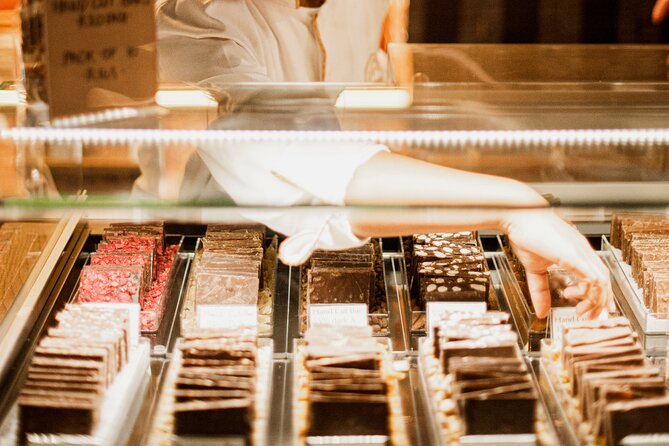
The sourcing story gives the tasting more meaning. AFRIKOA says it works with heirloom cacao beans sourced directly from farmers in Tanzania. Direct sourcing and careful control of production can help you think about chocolate as an agricultural product, not just a finished treat.
The bean-to-bar movement also emphasizes sustainability, transparency, and ethical production. Those terms are broad, so you should not treat them as proof of every possible certification or farming practice. What you can expect is a lesson built around knowing the bean’s origin and explaining the steps taken by the producer.
That farmer connection is one of the experience’s more valuable details. You get a clearer sense of how a particular place reaches your taste buds. For anyone interested in responsible food production, the Tanzanian origin gives the tasting a useful regional focus.
Is $10.79 good value?
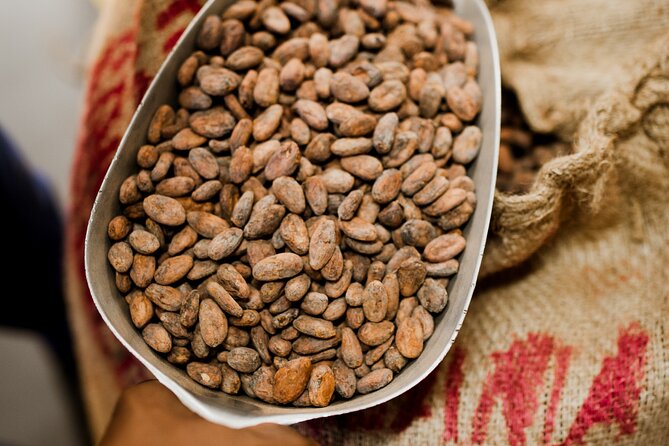
At $10.79 per person, this is priced as an affordable add-on rather than a major Cape Town excursion. The price is reasonable if you want a brief introduction to local chocolate production, especially because the activity is private and includes tasting.
The value depends on what you expect. If you judge it as a 25-minute tasting with an explanation, the cost is attractive. If you judge it as a hands-on workshop where you temper chocolate, fill molds, and take home personal creations, the price will not match that expectation.
I would compare it with the cost of buying several specialty bars and learning the process on your own. The experience gives you a guided framework, an African cacao focus, and a chance to connect the production stages with flavor. That makes the modest fee worthwhile for curious eaters.
The overall rating is 3.3 from six ratings, which suggests a mixed experience rather than a universal favorite. The positive side is clear: the staff are described as nice, and the process from bean to bar is the most praised feature. The caution is equally clear: the session may move too fast.
Who should book this experience?
I would recommend it to:
- Chocolate fans who want to taste Tanzanian cacao and learn how chocolate is made.
- Food-focused visitors interested in sourcing, single-origin products, and production methods.
- Cruise passengers looking for a short activity near the Cape Town waterfront.
- Families and small groups who like private experiences with a simple shared theme.
- Visitors with limited time who can spare about 25 minutes on a Wednesday.
I would be more cautious if you want a long class, extensive tasting notes, or substantial hands-on work. You may also want to skip it if your Cape Town schedule does not include Wednesday hours or if you are already planning a more detailed chocolate workshop.
Booking, cancellation, and practical planning
Confirmation arrives at the time of booking, and the mobile ticket makes entry simple. The activity is near public transportation, but the meeting point is within the larger Makers Landing and Cruise Terminal area, so allow a few minutes to find the exact location.
Free cancellation is available if you cancel at least 24 hours before the start time. Canceling within 24 hours, or requesting changes during that period, does not qualify for a refund. The cut-off follows local Cape Town time.
The experience is booked, on average, 20 days ahead. That does not guarantee that every date sells out, but it is a useful signal to plan early if your Wednesday schedule is fixed.
Should you book it?
Book this if you want a short, inexpensive, private chocolate tasting with a clear Tanzanian origin story. The best feature is the explanation of how cacao changes through each bean-to-bar stage, followed by a chance to taste the result.
Do not book it expecting a full workshop. The 25-minute schedule can feel rushed, and the included activity is better suited to learning and sampling than tempering and molding chocolate yourself. For a quick stop at Makers Landing, it offers good value. For a serious chocolate class, choose one of the longer masterclasses instead.
FAQ
Where does the chocolate experience begin and end?
It begins at Makers Landing, The Cruise Terminal, Victoria & Alfred Waterfront, Cape Town, 8001, South Africa. The activity ends back at the same meeting point.
How long does the experience last?
The experience lasts approximately 25 minutes.
What chocolate-making stages will I learn about?
You learn about fermenting, drying, roasting, grinding, refining, conching, and tempering cacao beans.
Where do the cacao beans come from?
AFRIKOA sources heirloom cacao beans directly from farmers in Tanzania. The chocolate focuses on single-origin cacao from one specific region.
When is the experience available?
The stated opening hours are Wednesday from 9:00 a.m. to 3:30 p.m., for the period from December 22, 2023, through June 18, 2026.
Is this a private activity?
Yes. Only your group participates.
What is the cancellation policy?
You can cancel at least 24 hours before the start time for a full refund. Cancellations or changes made less than 24 hours before the start time are not refunded or accepted.
Just added around Cape Town
- 100 % Catch Rate Cape Town Wild Tours★ 5.0 · 5 reviews
- Private Cape Town City Evening Tour★ 5.0 · 3 reviews
- Private Cape Town City Tour table Mountain with wine tasting★ 5.0 · 10 reviews
- Cape Town Boat Trip★ 4.0 · 5 reviews
- Cape Town Private Birding Tour★ 5.0 · 14 reviews
- Private 2-Day Cape Town Highlights: Robben Island,Table Mountain Tickets & Wine★ 5.0 · 8 reviews
- Cape Town Aquila Private Game Reserve Big Five Safari Adventure★ 5.0 · 4 reviews
- Private Transfer: CPT Airport to Cape Town in Luxury Van★ 4.0 · 5 reviews
Cape Town Tours, compared.

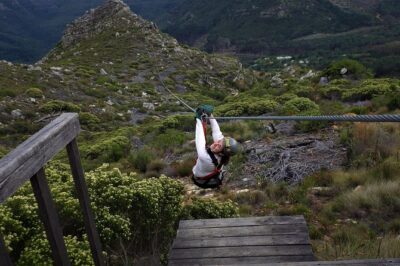
Zipline Cape Town – From Foot of Table Mountain Reserve
Read our review →

Cape Town Hop-On Hop-Off City Tour with Optional Cruise
Read our review →
Robben Island Ferry Ticket and Guided Prison Tour
Read our review →