
Reviewed · ROBBEN ISLAND TOURS
Cape Town: Robben Island Ferry and Guided Tour
Robben Island is not just a stop for a famous photograph. It is the place where Nelson Mandela spent 18 of his 27 years in prison, and where the anti-apartheid struggle becomes personal through the stories of a former political prisoner. The ferry crossing from the V&A Waterfront also gives you fine views of Table Mountain and Cape Town’s Atlantic shore.
I like the direct link between the island’s prison buildings and South Africa’s modern history. I also like that the tour can include a guide who lived through that system, rather than relying only on signs and dates. The main caution is practical: the advertised duration is listed as one hour, but the schedule describes a 30-minute ferry ride and a three-hour island tour. You should plan for several hours, and keep in mind that weather can cancel the ferry.
Key points to know before you book
- A former political prisoner may lead the tour, adding personal detail to the story of apartheid and prison life.
- Nelson Mandela’s cell is the emotional center, but the prison yard and limestone quarry help explain the daily routine of incarceration.
- The ferry leaves from the Clock Tower Retail Centre, a historic part of the V&A Waterfront.
- The schedule needs checking, since the listed one-hour duration does not match the stated three-hour guided tour.
- Wildlife is part of the setting, with possible sightings of penguins, seals, and several bird species.
- Weather matters, and poor conditions can stop the ferry from operating.
Why Robben Island matters beyond Mandela’s cell
You come to Robben Island for Mandela, but you leave with a wider view of the anti-apartheid struggle. The island held political prisoners for many years, and its prison system formed part of the machinery used to silence opposition to apartheid.
That larger story matters. Mandela’s cell is small and powerful, but it can become a quick photo stop if you do not understand the setting around it. The guided visit gives you the context: the restrictions placed on prisoners, the hard labor, and the long years spent separated from family and ordinary life.
The guide is a major part of the experience. The tour is conducted in English, and the guide is often a former political prisoner. That personal connection can change the tone of the visit. Instead of hearing only a formal account, you may hear about prison life from someone who lived through it.
No guide’s name is supplied for this activity, so you should not expect to request a particular person. The French language option is available by advance request at an additional cost. The general tour information also lists French among the available languages, so confirm the language arrangement when booking if you do not want an English tour.
More Robben Island Tours in Cape Town:
- Cape Town: Robben Island Ferry Ticket and Guided Prison Tour
★ 4.1 · 1,792 reviews - Cape Town: Robben Island Ferry Tour with 1-Way Hotel Pickup
★ 4.2 · 1,380 reviews - Cape Town: Robben Island Ferry Ticket and Townships Tour
★ 4.5 · 400 reviews
Starting at the Clock Tower Retail Centre
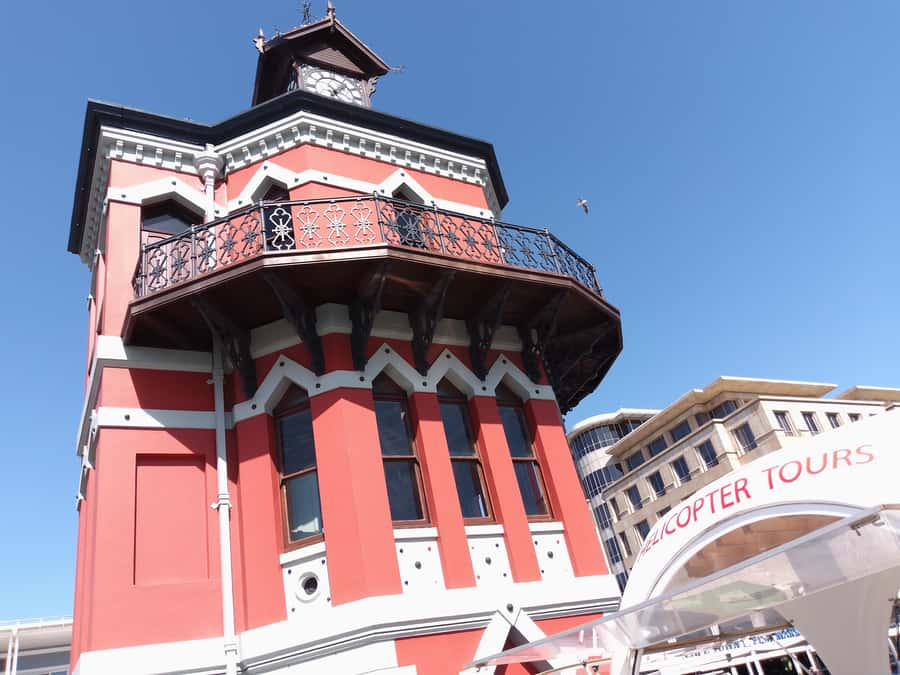
The meeting point is the Clock Tower Retail Centre at Cape Town’s V&A Waterfront. Look for the Victorian Gothic-style Clock Tower, an old harbor landmark with red walls, pointed windows, and a clock imported from Edinburgh.
The tower began as the Port Captain’s Office in 1882. That makes it a useful place to meet, since you are not gathering at a forgettable parking area but at one of the old harbor’s recognizable buildings. Give yourself enough time to find it and have your identification ready.
You need a passport or identity card for the trip. A copy is accepted according to the tour information, but carrying the required document is still the sensible choice. Comfortable shoes, a hat, sunscreen, and a camera are also recommended.
Meals and drinks are not included. Eat before you leave or bring what you need, within the rules of the ferry and site. Smoking is not allowed.
The 30-minute ferry across Table Bay
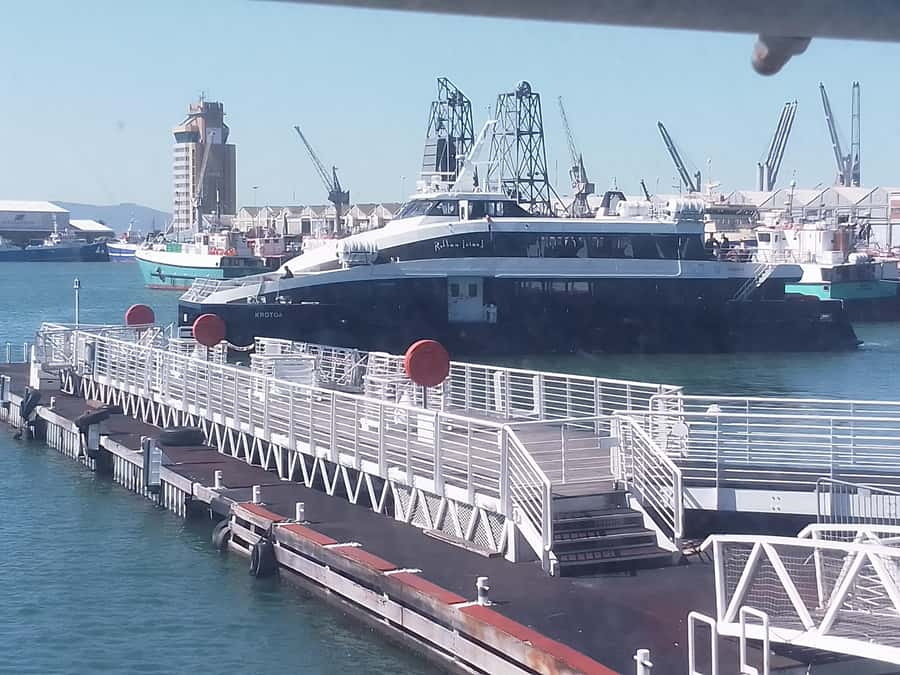
The ferry takes about 30 minutes each way. This is more than a transfer. It gives you a changing view of Cape Town, the Atlantic coast, and Table Mountain as the city recedes behind you.
The crossing can be one of the most enjoyable parts of the outing on a clear day. You get the geographic sense of Robben Island as a place separated from the city, not simply another museum reached by road. That physical distance helps explain the isolation faced by prisoners.
The drawback is that the ferry depends on the weather. Rough conditions can delay or cancel the trip, and the experience provider has already had occasions when the island was closed shortly before departure. One booking was reportedly canceled with only about 30 minutes’ notice. Another visitor was informed that the island was closed shortly before the trip began.
That means you should avoid placing this tour on the day of an important onward journey. Keep the morning or afternoon flexible, and check the operating status close to departure. A weather cancellation is not something the guide can fix at the dock.
Entering Robben Island with a personal guide
Once you reach the island, the guided portion is scheduled for about three hours. That is a substantial visit, not a quick walk around one cell.
The guide helps connect the buildings to the people who lived and worked there. You can expect information about apartheid, the political prisoners, and the long campaign against racial rule. A former prisoner guide can add a human scale that a printed display cannot provide.
I would listen closely to the ordinary details. Political history can feel distant when reduced to leaders and dates. On Robben Island, the value is in understanding how rules, work, separation, and confinement shaped daily life. The tour’s strongest feature is its ability to put Mandela’s imprisonment alongside the experiences of other people who were also held there.
The pace may feel serious and focused. This is not a sightseeing trip built around jokes or constant entertainment. You are visiting a place of imprisonment and political violence, so allow the subject matter room to settle.
A few more Cape Town days worth comparing
- Cape Town: Hop-On Hop-Off Bus Tour with Optional Cruise
★ 4.8 · 3,929 reviews - Zipline Cape Town – From Foot of Table Mountain Reserve
★ 5.0 · 3,179 reviews - Cape Town: Table Mountain Cable Car, Hop-On Hop-Off Bus Tour
★ 4.6 · 3,157 reviews - From Cape Town: Big Five Game Reserve with Lunch
★ 4.6 · 2,409 reviews
Nelson Mandela’s small prison cell
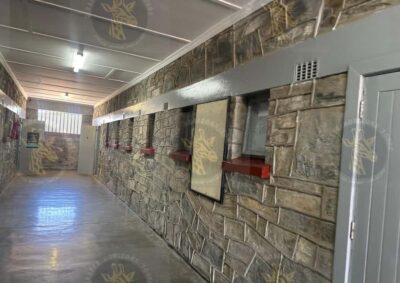
Mandela’s cell is the best-known stop, and it is easy to see why. The room is physically modest, especially when set against the scale of his 27-year imprisonment.
Mandela spent 18 of those years on Robben Island. Standing near the cell gives you a clear sense of the confinement that shaped such a large part of his life. It also keeps the story grounded. The end of apartheid can sound like a grand political event, but this room brings it back to a person living through years of restriction.
Do not treat the cell as the whole visit. It is the emotional center, not the complete story. The prison yard, work areas, and other sites explain the conditions surrounding it. The guide’s interpretation is particularly useful here, since the cell itself cannot tell you how the prison system operated.
Photography is listed among the things to bring, but the respectful approach is to follow the guide’s instructions about where and when you may use your camera.
The prison yard and limestone quarry
The prison yard is another important stop. It helps you picture the daily world outside the cell, where prisoners spent time under strict control and where prison routines took shape.
The limestone quarry shows the physical labor imposed on prisoners. It is an important counterpoint to the cell. The story is not only about political ideas and personal endurance. It is also about bodies put to work, time spent under harsh conditions, and the effort required to maintain a prison system.
These stops give the tour more weight than a single famous room could provide. They also help you understand why a guide is valuable. Without explanation, a yard or quarry can look like an empty historic site. With context, the places become evidence of how imprisonment worked.
The three-hour island visit may feel long if you are hoping for a short attraction between other Cape Town activities. If you want a serious historical visit, the length is useful. If your day is tightly planned, allow extra time for the return ferry and possible delays.
Wildlife beside the prison story
Robben Island also has a natural side. You might see penguins, seals, and several kinds of birds during the visit.
The wildlife does not turn this into a nature tour, and sightings are not guaranteed. Still, the animals add another layer to a place most people first associate with prison buildings and politics. Keep your camera ready, but do not let the search for wildlife distract from the central purpose of the visit.
The ferry crossing may also offer opportunities for spotting sea life and birds, depending on conditions. The experience information does not promise specific viewing locations or a wildlife guide, so think of these sightings as a bonus rather than a feature you should book the tour for.
How much value do you get for $109?
At $109 per person, this is a fairly costly half-day-style outing, especially since meals and drinks are not included. The price makes more sense when you add up the ferry transportation, the island access, and the guided visit to a UNESCO World Heritage Site.
The guide is the key value. A basic ferry trip would give you the views and the crossing, but not the same explanation of the prison, the anti-apartheid movement, and the lives of political prisoners. A former prisoner guide, when available, adds an especially personal element.
The value becomes weaker if the visit is canceled late and refunds are slow. One cancellation led to a refund offer that had still not been completed after follow-up, according to the supplied experience record. That does not mean every booking will have this problem, but it is a fair reason to keep written confirmation and avoid booking on a day when a refund would cause a serious cash-flow problem.
The activity offers free cancellation up to 24 hours before departure and a reserve-now, pay-later option. Those terms give you some planning flexibility, but they do not remove the main risk: the ferry can be canceled because of weather or island closures.
Who will get the most from this visit?
I would recommend this tour to anyone making a first serious visit to Cape Town who wants to understand South Africa’s recent political past. It suits adults, older children who can handle difficult history, and anyone with a strong interest in Mandela and the anti-apartheid movement.
It is also a good choice if you prefer a guided visit over reading plaques on your own. The personal guide, especially a former political prisoner, can explain the human details that make the island memorable.
You may want to skip it if you have very little time in Cape Town, cannot handle a potentially rough ferry crossing, or need a guaranteed schedule. The weather issue is real, and the conflicting duration information means you should not build a tight plan around the stated one-hour figure.
The activity is listed as wheelchair accessible. If you use a wheelchair, confirm the practical arrangements for the ferry and the island before departure, since the supplied details do not explain how every part of the route is handled.
Practical advice for a smoother day
Wear comfortable shoes. The visit includes several historic areas and a guided tour lasting about three hours, so flimsy footwear will not help.
Bring your passport or identity card, with a copy accepted according to the tour information. Add a hat and sunscreen, since the ferry and open areas of the island can leave you exposed to sun and wind.
Check the weather before leaving and confirm that the ferry is operating. Keep your schedule open after the planned return, since ferry operations can change.
If you need French, request the translator in advance and ask about the extra charge. The standard tour is in English, and the language information is not fully consistent about how French is provided.
Should you book the Robben Island ferry and guided tour?
Book it if Robben Island is a priority and you want the prison’s story explained by a guide with personal experience of political imprisonment. The combination of the ferry, Mandela’s cell, the prison yard, the quarry, and possible wildlife makes this one of Cape Town’s most meaningful historical outings.
Book with care if your schedule is tight. Plan for roughly a ferry crossing plus a three-hour island tour, not merely the listed one-hour duration. Keep the day flexible, check weather conditions, and understand that the $109 price pays for access, transport, and interpretation rather than food or a short sightseeing stop.
For many visitors, the human story justifies the cost. Just make this a deliberate choice, not a rushed gap-filler between other attractions.
FAQ
How long does the Robben Island tour take?
The information lists a 30-minute ferry ride and a guided tour of about three hours on Robben Island. It also lists the overall activity duration as one hour, which conflicts with the detailed schedule. Plan for several hours and confirm the current timing before departure.
Where does the tour begin?
The meeting point is the Clock Tower Retail Centre at Cape Town’s V&A Waterfront. The Clock Tower is the Victorian Gothic-style harbor building with red walls and a prominent clock.
Is Nelson Mandela’s prison cell included?
Yes. The tour includes a visit to Nelson Mandela’s cell, where he spent 18 of his 27 years in incarceration.
Is the tour conducted in French?
The standard guided tour is in English. A French translator can be arranged in advance for an additional cost, and you should confirm the language details when booking.
What should I bring?
Bring a passport or identity card, with a copy accepted according to the tour information. Comfortable shoes, a hat, sunscreen, and a camera are also recommended.
Can the ferry be canceled?
Yes. The ferry operates when weather permits, and the tour may be affected by weather or Robben Island closures. It is wise to check operating conditions before departure and keep your schedule flexible.
Just added around Cape Town
- 100 % Catch Rate Cape Town Wild Tours★ 5.0 · 5 reviews
- Private Cape Town City Evening Tour★ 5.0 · 3 reviews
- Private Cape Town City Tour table Mountain with wine tasting★ 5.0 · 10 reviews
- Cape Town Boat Trip★ 4.0 · 5 reviews
- Private 2-Day Cape Town Highlights: Robben Island,Table Mountain Tickets & Wine★ 5.0 · 8 reviews
- Cape Town Aquila Private Game Reserve Big Five Safari Adventure★ 5.0 · 4 reviews
- Cape Town Private Birding Tour★ 5.0 · 14 reviews
- Private Transfer: CPT Airport to Cape Town in Luxury Van★ 4.0 · 5 reviews
Robben Island Tours, compared.

Robben Island Ferry Ticket and Guided Prison Tour
Read our review →
Robben Island Ferry Tour with 1-Way Hotel Pickup
Read our review →
Robben Island Ferry with Prison Ticket and Tour
Read our review →

Robben Island Tour including Pick Up & Drop Off from Cape Town
Read our review →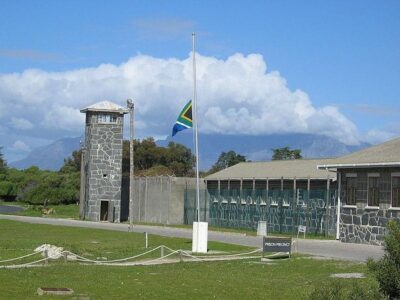
Robben Island Ferry Ticket and Guided Prison Tour
Read our review →
Robben Island Experience: Pre-Booked Ticket & Return Transfers
Read our review →Browse the lists this tour appears in