
Reviewed · ROBBEN ISLAND TOURS
Cape Town: Robben Island Guided Tour ticket & guided tour
Robben Island is not just a prison visit. It is a place where South Africa’s fight against apartheid becomes personal, especially when you stand outside Nelson Mandela’s actual cell. The ferry ride from Cape Town adds a useful sense of place, with Table Mountain behind you and open water ahead.
I like two things here: the former political prisoner guide, who can explain the prison from lived experience, and the island tour beyond Mandela’s cell, including the Lime Quarry and Robert Sobukwe’s house. The main drawback is time. A three-hour island program can feel short, and one recent booking reported spending closer to two hours on the island, with ferry crossings sometimes taking 45 minutes to an hour.
Key points to know before booking
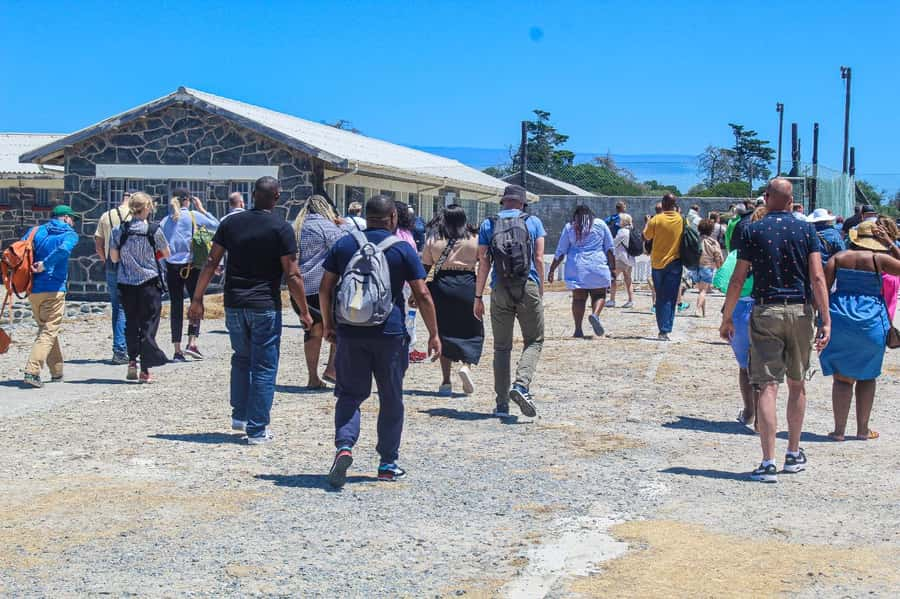
- A former prisoner leads the island visit: You hear about prison life from someone who experienced it, not only from display panels.
- The ferry leaves from the V&A Waterfront: The Nelson Mandela Gateway is beside the Clocktower and offers Table Mountain views from the water.
- Mandela’s cell is the emotional high point: You see the small room where he was held during his imprisonment.
- The tour covers more than the prison: Expect the leprosy graveyard, Lime Quarry, Robert Sobukwe’s house, and the maximum security prison.
- The full outing takes about four hours: Plan for a half day, and leave extra time around the ferry schedule.
- You must bring identification: Adults and children need a passport or ID card, and a copy is accepted.
Starting at the Nelson Mandela Gateway
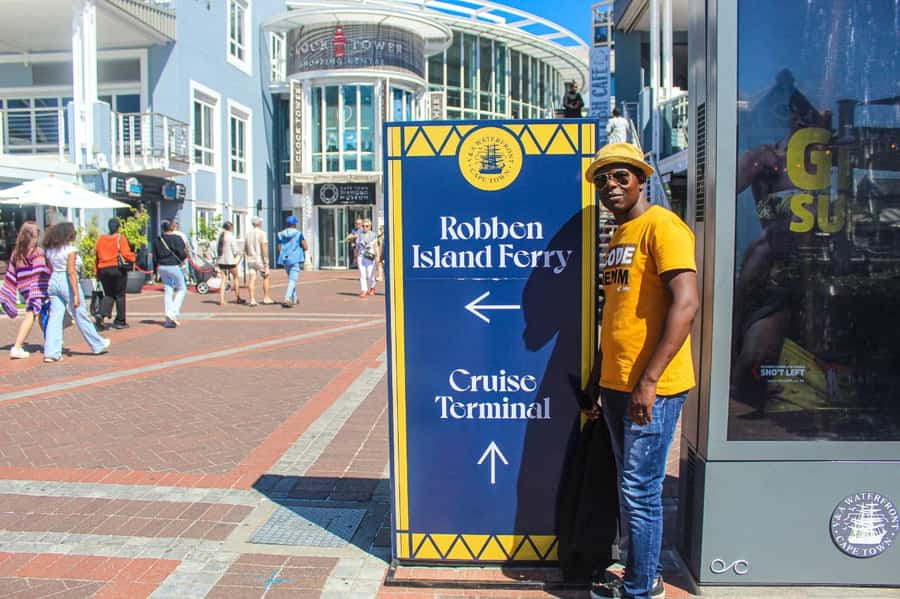
Your visit begins at the Nelson Mandela Gateway to Robben Island in the V&A Waterfront. Find the entrance beside the Clocktower, near the children’s play area, then go up the steps. Security staff direct you toward the ferry.
Arrive at least 30 minutes before departure. This is not a place to cut things close. You need time to find the entrance, pass through the departure process, and have your identification ready.
Bring a passport or ID card. A copy is accepted, and children also need valid identification. When booking, provide each person’s full name, surname, and nationality. For children, include the date of birth. These details matter because the tickets are issued for named visitors.
The meeting point is convenient if you are already spending time at the V&A Waterfront. It is not a hotel pickup service, though, so you must arrange your own way to the waterfront and back to your accommodation.
More Robben Island Tours in Cape Town:
- Cape Town: Robben Island Ferry Ticket and Guided Prison Tour
★ 4.1 · 1,792 reviews - Cape Town: Robben Island Ferry Tour with 1-Way Hotel Pickup
★ 4.2 · 1,380 reviews - Cape Town: Robben Island Ferry Ticket and Townships Tour
★ 4.5 · 400 reviews
The 30-minute ferry across Table Bay
The ferry crossing is part of the experience, not merely a transfer. As you leave Cape Town, the city opens behind you and Table Mountain becomes a broad backdrop across the water. The view gives you a clear sense of Robben Island’s separation from the mainland.
The advertised crossing takes about 30 minutes each way. Allow more time in your day than the bare schedule suggests. A recent booking described the crossings as lasting roughly 45 minutes to an hour, so weather, harbor conditions, or boarding procedures may affect the actual timing.
The water can also change the feel of the trip. If you are prone to seasickness, take sensible precautions before departure. The provided information does not specify seating, food service, or onboard facilities, so do not plan the crossing around a particular amenity.
The ferry is still one of the strongest parts of the outing. You are not being driven straight to a museum entrance. You are crossing the water that helped make Robben Island a place of exile, confinement, and political separation.
Seeing the island beyond Mandela
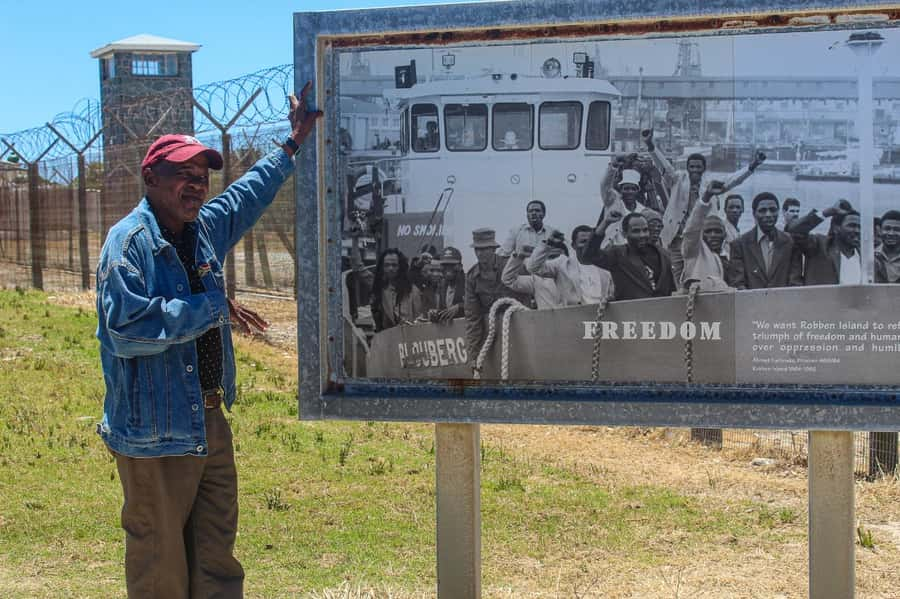
Once you reach Robben Island, the guided portion lasts up to three hours according to the planned schedule. The route includes several places that help explain how the island was used over time.
The leprosy graveyard points to an earlier period in the island’s history. It reminds you that Robben Island was not only a political prison. Different groups were sent here, often against their will, and the site carried a heavy institutional purpose long before the anti-apartheid prisoners arrived.
At the Lime Quarry, you see a place tied to hard labor. Political prisoners worked here, and the quarry became linked to the prisoners’ daily physical demands. The stop gives context to the imprisonment system rather than reducing the visit to one famous cell.
You also visit Robert Sobukwe’s house. Sobukwe was an important anti-apartheid figure and founder of the Pan Africanist Congress. His treatment on Robben Island differed from that of many other political prisoners, which makes this stop useful for understanding how confinement could be adjusted to isolate particular individuals.
The tour then reaches the maximum security prison. This is the section most people expect, but it carries more weight after you have seen the other sites. The prison was part of a wider system of forced separation, labor, surveillance, and control.
A former political prisoner guides this portion of the visit. No individual guide’s name is provided in the booking details, but the important point is the guide’s direct connection to the site. First-hand accounts can make the buildings easier to understand: a wall becomes part of a daily routine, a work area becomes evidence of discipline, and a narrow room becomes a place where someone spent years of life.
Nelson Mandela’s cell and the meaning of the visit
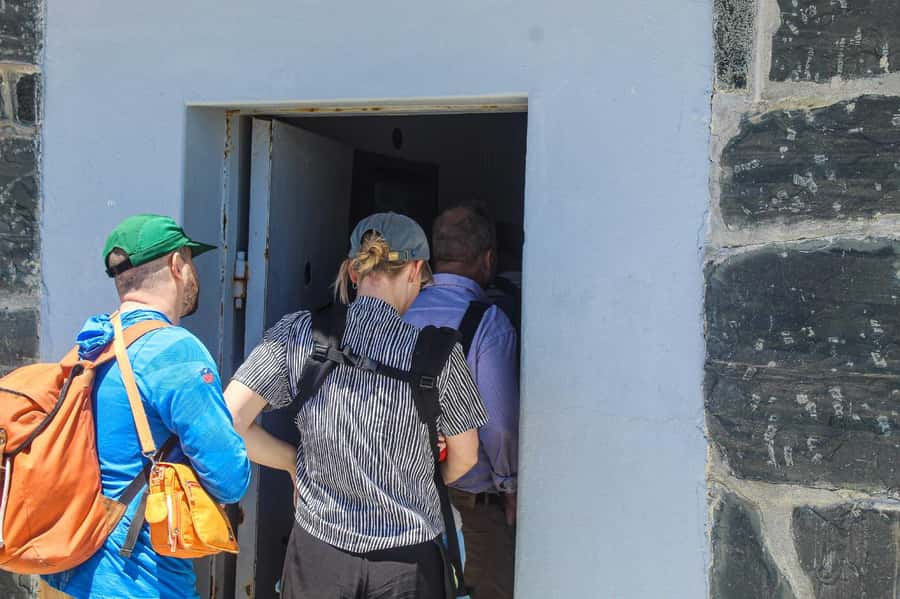
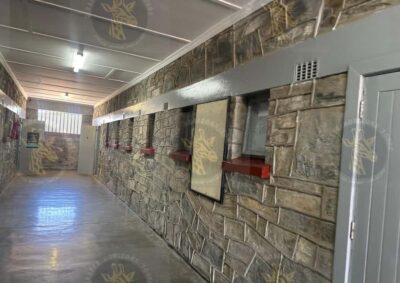
The visit to Nelson Mandela’s prison cell is the clearest emotional focus. You see the actual cell where he was held, rather than a reconstruction created for the tour.
The room itself is small, and the power comes from its plainness. There is no need for theatrical presentation. The cell represents the long years Mandela spent imprisoned and the attempt to reduce a major political leader to a number within a prison system.
I recommend treating this stop quietly. Take in the physical scale of the room, then listen carefully to the guide’s explanation. The cell is famous, but the wider tour helps keep the focus from becoming only a celebrity visit. It connects Mandela’s experience to the many people who were imprisoned or affected by the apartheid system.
The experience is in English. If you need a different language, this particular tour does not list another option.
A few more Cape Town days worth comparing
- Cape Town: Hop-On Hop-Off Bus Tour with Optional Cruise
★ 4.8 · 3,929 reviews - Zipline Cape Town – From Foot of Table Mountain Reserve
★ 5.0 · 3,179 reviews - Cape Town: Table Mountain Cable Car, Hop-On Hop-Off Bus Tour
★ 4.6 · 3,157 reviews - From Cape Town: Big Five Game Reserve with Lunch
★ 4.6 · 2,409 reviews
How the timing works in real life
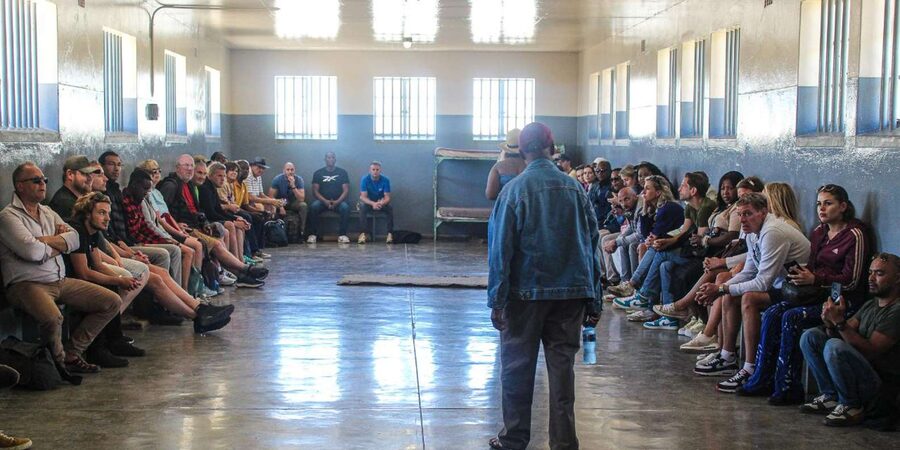
The planned schedule is simple:
- About 30 minutes from the Nelson Mandela Gateway to Robben Island
- Up to three hours of guided sightseeing on the island
- About 30 minutes back to Cape Town
That adds up to four hours. In practice, allow extra room. One booking described around two hours on the island and longer ferry crossings, roughly 45 minutes to an hour each way. You should not schedule a tight airport transfer, dinner reservation, or another timed activity immediately afterward.
The island portion includes walking and sightseeing. Wear comfortable shoes and bring water. The supplied information does not specify how much shade is available, so sun protection is a sensible choice. Cape Town’s weather can shift, and the ferry may feel cooler or rougher than the waterfront.
You are buying a set half-day program, not a flexible private visit. The boat, museum entry, and guided island tour are bundled together. That makes the day easier to plan, but it also means you follow the established departure and return times.
Is $87 a fair price?
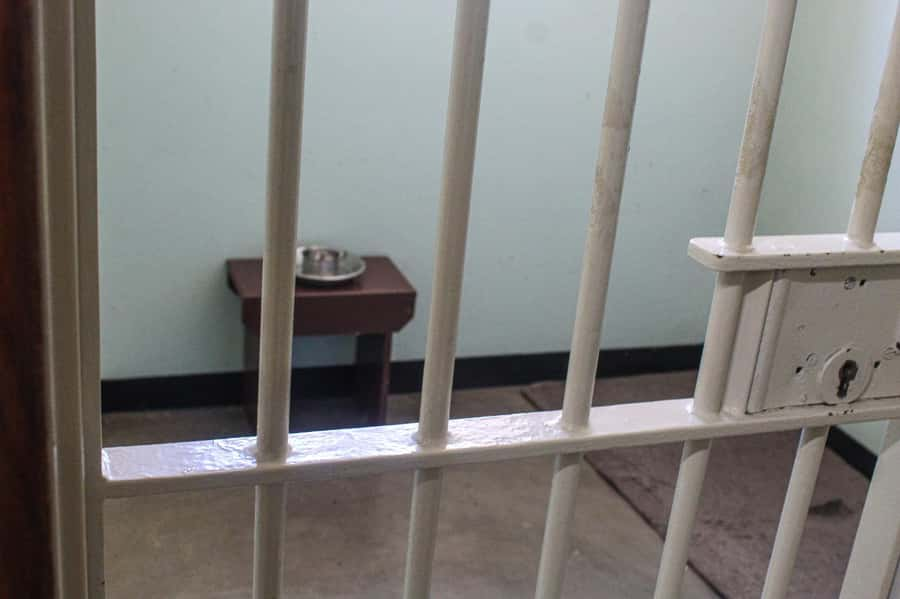
The listed price is $87 per person. That is not a cheap museum admission, but it includes the pre-booked ferry ticket, Robben Island Museum entry, and the guided visit led by a former political prisoner.
The value depends on what you want from the day. If you only want to look at a prison building, the price may feel high. If you want the ferry crossing, the island’s wider sites, museum access, and a guide with direct experience of imprisonment, the package makes more sense.
Pre-booking also has practical value. Robben Island visits depend on ferry capacity and scheduled departures. Having the ferry and museum admission arranged together reduces the chance of arriving at the waterfront without a place on the boat.
The price does not include hotel transportation. If you are staying outside the V&A Waterfront, add the cost and time of reaching the Nelson Mandela Gateway. For someone already based near the waterfront, the arrangement is more convenient.
The booking also offers free cancellation up to 24 hours before departure and a reserve-now, pay-later option. Those terms help if your Cape Town plans are still shifting, though you should always check the exact conditions shown at the time of booking.
Who will get the most from this tour?
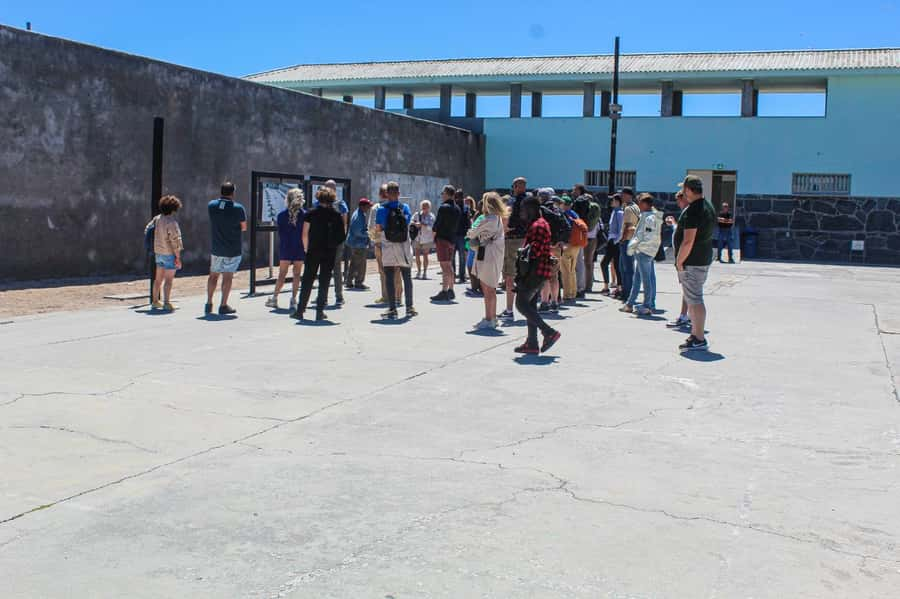
This outing suits anyone interested in South African history, apartheid, civil rights, and Nelson Mandela’s life. It is especially worthwhile if you want context instead of a quick photo stop.
Families can use it as a serious history lesson, but children may find the subject matter and long ferry ride demanding. Identification is required for children, and the visit includes walking and several hours of scheduled activity.
It also suits visitors who prefer a guided experience. The former prisoner guide adds a human account that you would not get from simply reaching the island on your own. The English-language format is clear from the outset, so you can decide if it fits your needs.
I would be more cautious if your schedule is very tight, you dislike boat travel, or you need hotel pickup. The day is fixed around the ferry, and the actual duration may stretch beyond the advertised four hours.
Practical advice for a smoother day
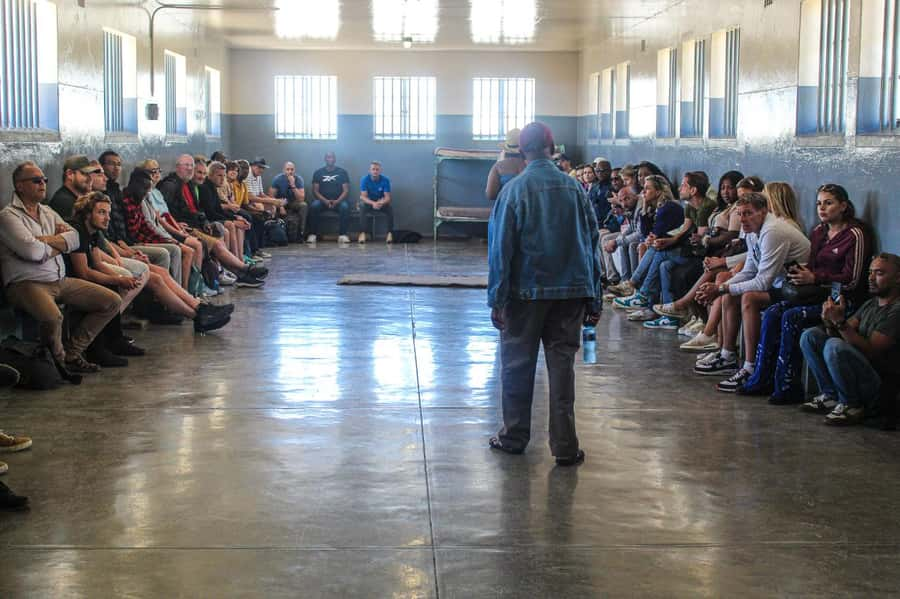
Arrive at the Nelson Mandela Gateway at least 30 minutes early. The entrance is next to the Clocktower by the children’s play area, not at a general ferry pier elsewhere in the waterfront.
Keep your passport or ID accessible. A copy is accepted, but the booking information specifically requires identification for adults and children. Do not assume a child can enter without it.
Bring clothing for changing conditions. The ferry crossing may be breezy, while the island walk may feel warmer. Comfortable walking shoes are more useful than dress shoes.
Leave space in your schedule after the return crossing. The official plan says 30 minutes each way, but a recent booking found the crossings could take much longer. A relaxed afternoon works better than a tightly packed one.
Finally, listen beyond the Mandela section. The leprosy graveyard, Lime Quarry, Sobukwe’s house, and maximum security prison show that Robben Island is a full historical site, not only the location of one famous cell.
Should you book Robben Island with Magwinhi Tours?
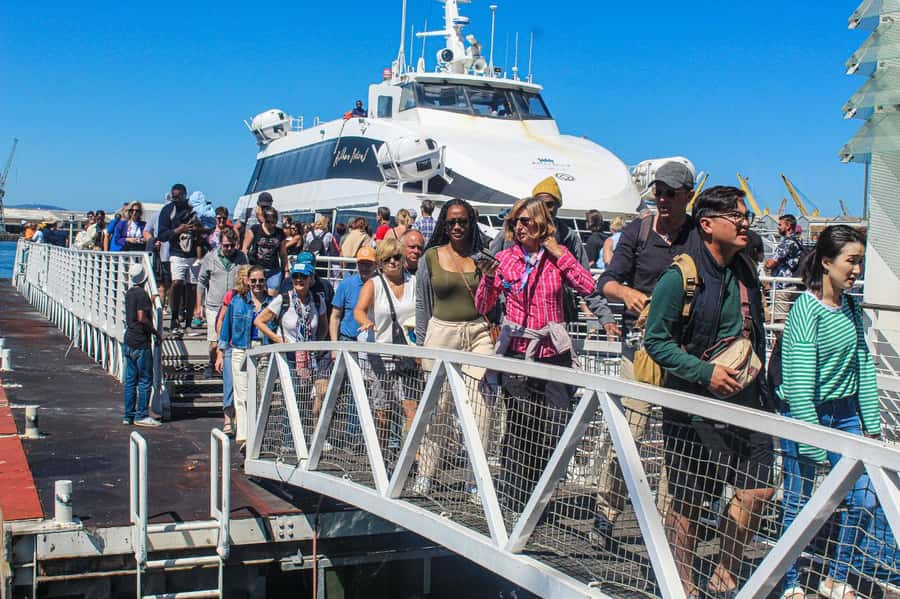
Book it if you want the essential Robben Island experience in one organized half day: ferry views, museum access, the major island sites, and a former political prisoner as your guide. The first-hand account and the chance to see Mandela’s real cell are the strongest reasons to go.
Think twice if you need complete control over timing or cannot manage a ferry crossing and several hours of walking. Also remember that hotel pickup is not included.
For most visitors with an open half day in Cape Town, the $87 price is reasonable because it covers the key transport and admission costs in one booking. Just arrive early, bring identification, and allow extra time for the ferry.
FAQ
Where does the Robben Island tour start?
It starts at the Nelson Mandela Gateway to Robben Island in the V&A Waterfront. The entrance is next to the Clocktower by the children’s play area.
How long is the ferry ride?
The planned ferry ride takes about 30 minutes each way. Actual crossings may take longer, so allow extra time.
How long does the whole experience last?
The scheduled duration is four hours, including the two ferry rides and about three hours on Robben Island.
Who guides the visit on Robben Island?
A former political prisoner guides the Robben Island Museum visit. The tour is conducted in English.
Will I see Nelson Mandela’s prison cell?
Yes. The tour includes a visit to the actual prison cell where Nelson Mandela was held.
What other places are included on the island?
The route includes the leprosy graveyard, Lime Quarry, Robert Sobukwe’s house, and the maximum security prison.
Is hotel pickup included?
No. You must make your own way to the Nelson Mandela Gateway and return from the waterfront after the tour.
What identification do I need?
Adults and children need a passport or ID card. A copy is accepted. When booking, provide each visitor’s full name, surname, and nationality, plus the date of birth for children.
Just added around Cape Town
- 100 % Catch Rate Cape Town Wild Tours★ 5.0 · 5 reviews
- Private Cape Town City Evening Tour★ 5.0 · 3 reviews
- Private Cape Town City Tour table Mountain with wine tasting★ 5.0 · 10 reviews
- Cape Town Boat Trip★ 4.0 · 5 reviews
- Cape Town Aquila Private Game Reserve Big Five Safari Adventure★ 5.0 · 4 reviews
- Cape Town Private Birding Tour★ 5.0 · 14 reviews
- Private 2-Day Cape Town Highlights: Robben Island,Table Mountain Tickets & Wine★ 5.0 · 8 reviews
- Private Transfer: CPT Airport to Cape Town in Luxury Van★ 4.0 · 5 reviews
Robben Island Tours, compared.

Robben Island Ferry Ticket and Guided Prison Tour
Read our review →
Robben Island Ferry Tour with 1-Way Hotel Pickup
Read our review →
Robben Island Ferry with Prison Ticket and Tour
Read our review →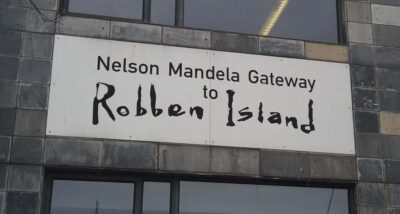

Robben Island Tour including Pick Up & Drop Off from Cape Town
Read our review →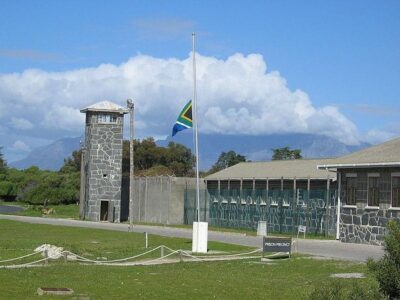
Robben Island Ferry Ticket and Guided Prison Tour
Read our review →
Robben Island Experience: Pre-Booked Ticket & Return Transfers
Read our review →Browse the lists this tour appears in