
Reviewed · DRAKENSBERG TOURS
From Underberg: Sani Pass Birding Tour with Birding Guide
The real prize here is access to birds that are hard to find anywhere else. Sani Pass offers the easiest global access to the Drakensberg Rockjumper, Drakensberg Siskin, and Mountain Pipit, while carrying you from KwaZulu-Natal into Lesotho in one long, scenic day.
I like the small-group format, limited to 15 people, and the fact that you get a personal birding guide rather than a driver who simply points out the pass. I also like the practical setup: pickup in Himeville, a comfortable 4×4, picnic lunch, and refreshments. The drawback is the long eight-hour day and the need for warm clothing, a passport, and patience when birds keep their distance.
Key points
- Rare high-altitude birds: Search for Drakensberg Rockjumper, Drakensberg Siskin, and Mountain Pipit.
- A full habitat change: Move through montane grasslands, wetlands, alpine scrubland, and the high pass.
- Three crane species nearby: The wider area is home to Grey Crowned, Wattled, and Blue Cranes.
- Guides with strong local knowledge: Mlondi and Aldo are named by past participants as attentive bird guides and safe drivers.
- A proper day in the field: The price includes 4×4 transport, lunch, refreshments, and accommodation pickup.
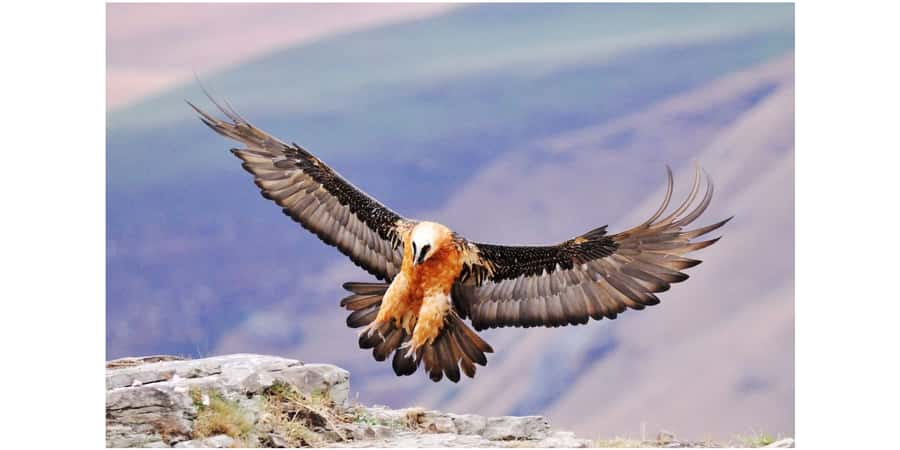
- A rare chance for big sightings: Keep watch for Bearded Vulture, a highly endangered bird of prey.
Why Sani Pass matters to birders
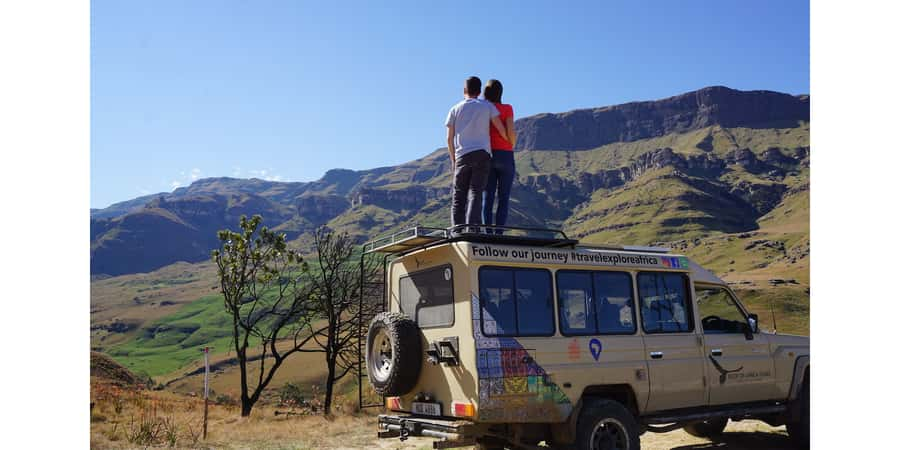
Sani Pass is not just a mountain road with a famous pub at the top. For birders, its real value is the quick change in altitude and habitat. In one outing, you can search low and mid-level grasslands, wet ground, rocky slopes, and the cold alpine zone above the pass.
The pass is especially important because it gives you unusually easy access to three sought-after species: Drakensberg Rockjumper, Drakensberg Siskin, and Mountain Pipit. All three have narrow ranges, and finding them usually takes time, good local knowledge, and a willingness to work the right habitat.
You should still set your expectations properly. No guide can order a Rockjumper onto a rock at a convenient moment. Birding is always subject to season, weather, and luck. The value of this trip is that a guide knows what to look for and where to spend limited time, rather than leaving you to scan the mountains on your own.
More Birdwatching around Drakensberg:
- Cape Town: World of Birds & Animal Sanctuary
★ 4.8 · 30 reviews - Birdwatching in Cape Town
★ 5.0 · 16 reviews - Cape Town Private Birding Tour
★ 5.0 · 14 reviews
Starting in Himeville with the right vehicle
The day begins with pickup from your accommodation in Himeville. That matters because you do not need to arrange a separate meeting point or find your own way to the pass before sunrise or an early start.
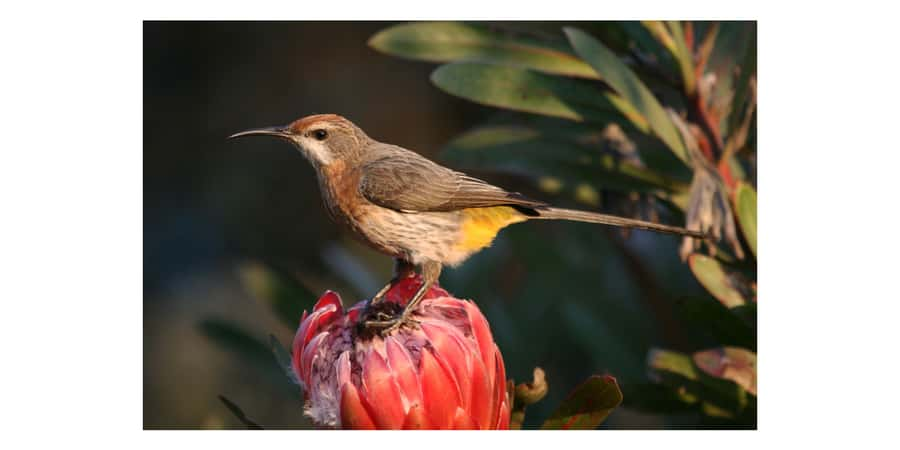
Transport is by comfortable 4×4. That is the sensible choice for Sani Pass, where a standard sightseeing car would be less suited to the route. It also gives your guide room to move between birding areas and viewpoint sections without turning the day into a long walk from one habitat to the next.
The group limit is 15 people. That is still large enough to include other birders, but small enough to feel more focused than a standard sightseeing bus. If you want the best view of a bird, stand where the guide directs you and avoid crowding the scope or roadside verge.
Bring binoculars. They are listed as essential equipment for good reason. You should also bring a camera if bird photography matters to you, but treat photographs as a bonus. The main reward is seeing difficult species clearly, even if they do not pose for a perfect frame.
From grassland to the first birding areas
As the route climbs, the scenery changes from open montane grasslands toward wetter and higher ground. These early sections are useful for more than warming up your eyes. Depending on the season, you might find Barratt’s Warbler, Fan-tailed Grassbird, or Bush Blackcap.
This is where having a birding guide pays off. A general sightseeing guide may point out the pass and its views. A bird guide will help you separate small, easily missed birds from the background and will know which calls deserve attention.
The grasslands also connect this trip to the wider birdlife of the area. The region is home to all three Southern African crane species: Grey Crowned Crane, Wattled Crane, and Blue Crane. Seeing all three on one day is not guaranteed, but their presence adds another reason to keep scanning beyond the immediate target birds.
You may also search for Short-tailed Pipit and Black-rumped Buttonquail. These are not reliable tick-box birds. They are seldom recorded, so they should be treated as lucky possibilities rather than promises built into the price.
Wetlands, scrubland, and narrowly distributed species
Wet areas along the route can bring a different set of chances. Wetland habitat is important for species that do not favor dry open slopes, and it gives your guide another place to work when the birds on the ridges are quiet.
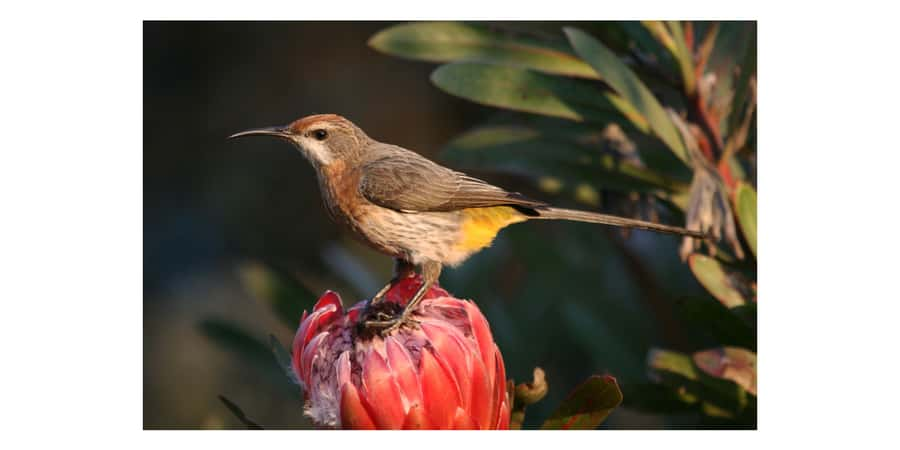
The tour also covers alpine scrubland. This is where the trip begins to feel less like a standard pass excursion and more like a specialist birding day. You are looking for species adapted to cold, exposed conditions, including Gurney’s Sugarbird and Buff-streaked Chat.
Gurney’s Sugarbird is one of the more appealing targets because it has a limited range and is strongly tied to the mountain environment. Buff-streaked Chat is another special sighting, with its restricted distribution making it more meaningful than a common roadside bird.
Do not expect a constant stream of sightings. A good birding day may include long pauses, quiet scanning, and several stops where the guide checks the slopes before moving on. For some people, that pace is the point. If you want nonstop activity, an eight-hour specialist bird tour may feel slow.
A few more Drakensberg days worth comparing
- Private Sani Pass Classic Day Tour
★ 5.0 · 113 reviews - Sani Pass and Lesotho Day Tour from Underberg
★ 4.5 · 104 reviews - Sani Pass & Lesotho 4×4 Experience Day Tour from Durban
★ 5.0 · 102 reviews - Sani Pass Tour into Lesotho from Underberg and Himeville
★ 5.0 · 97 reviews
Entering Lesotho and the high alpine zone
The route continues up Sani Pass and into Lesotho. This border crossing gives the day a clear sense of progress, but your passport is not optional. Bring your passport, and check visa requirements before booking if your nationality requires a visa.
At higher elevations, look for western species such as Grey Tit, Sickle-winged Chat, Layard’s Warbler, and Fairy Flycatcher. These birds add variety to the three main targets and show how much the birdlife changes as the road climbs.
The alpine zone can be cold even when conditions in Himeville feel mild. Warm clothing is specifically required, and you should take that advice seriously. A jacket, extra layers, and practical shoes are more useful than relying on a warm start to the day.
The high section is also your best chance to search for Bearded Vulture. This highly endangered bird is a major prize, but it is not a guaranteed sighting. Keep your binoculars ready when the guide scans the open sky and mountain slopes.
The birding targets worth knowing
Here is what makes each main target special:
- Drakensberg Rockjumper: The signature bird of the outing and one of the main reasons to choose a specialist guide. Sani Pass provides the easiest global access to this difficult-to-find species.
- Drakensberg Siskin: Another high-altitude target with a narrow range. It can be easy to miss without careful scanning and local guidance.
- Mountain Pipit: A bird of open mountain country and one of the key species associated with this route.
- Gurney’s Sugarbird: A restricted-range species found in the mountain environment, with seasonal chances affecting your odds.
- Buff-streaked Chat: A special regional bird that adds value to the day even if the main targets stay hidden.
- Bearded Vulture: A highly endangered bird and one of the most exciting possibilities in the high country.
Season affects what you see. Barratt’s Warbler, Fan-tailed Grassbird, Bush Blackcap, and other birds may be easier or harder to find at different times of year. The tour is best approached as a search across several habitats, not as a fixed list of guaranteed sightings.
What the guides add to the day
The guide is the main difference between this experience and a self-drive trip. Mlondi is specifically praised for staying keen throughout the day, finding target birds, and sharing information about Sani Pass as well as the birds. Aldo is also noted for combining birding skill with broad local information and calm driving.
You may not be assigned either guide, so treat those names as examples of the guiding style available rather than a guarantee. The important point is that this is designed around a birding guide from Himeville, not only transport to the pass.
That distinction matters once you reach the high slopes. A guide can help you decide whether a distant shape is worth tracking, identify calls, and shift the group to another habitat when a search has gone quiet. You also gain context about the pass instead of spending the whole day silently looking through binoculars.
The guide’s driving matters too. The route is a full-day outing, and the quality of the vehicle and driver affects how relaxed you feel between birding stops. Past participants gave the driving and guiding equal praise, which is useful because a bird tour can lose its appeal quickly if the transport is uncomfortable or rushed.
Lunch, refreshments, and the cost of the day
The price is $77 per person. For an eight-hour outing, that is a fair package if you want specialist guidance, 4×4 transport, lunch, refreshments, and pickup from your Himeville accommodation.
You are not only paying to get up Sani Pass. You are paying for access to a difficult birding area, route planning, local expertise, and a full day without needing to organize the vehicle or food yourself. For a birder who has traveled to KwaZulu-Natal specifically for mountain species, that can be good value.
The value is weaker if you are not interested in birds. You will still see dramatic mountain scenery and reach Lesotho, but a standard Sani Pass excursion may suit you better if you mainly want the road, border crossing, and famous high-altitude stop.
A picnic lunch keeps the day moving. This is not presented as a restaurant-focused outing, so come expecting practical field food rather than a long meal. Refreshments are included, but bring cash as requested in the preparation notes for personal spending.
The highest pub and the non-birding appeal
The trip includes the chance to stop for a drink at the highest pub in Africa. This detail gives non-birders in your group something memorable to enjoy while the birders keep working the route.
It also adds a social break to an otherwise focused day. After hours of scanning grass, scrub, and mountain slopes, a drink at the top can feel like a fitting pause before the return journey.
Still, the pub should not be the main reason you book this outing. The central experience is birding through Sani Pass and into Lesotho. If you are choosing between this and a general pass tour, pick this one because you want the birds and the guide’s attention.
Who will enjoy this Sani Pass tour
This trip suits you best if you already use binoculars, care about regional birds, or want a serious introduction to high-altitude birding. It also works for couples and small groups where one person is keen on birds and the others enjoy scenery, Lesotho, and a slower pace.
It is less suitable if you dislike early starts, long days in a vehicle, cold mountain conditions, or waiting quietly for a bird to appear. The group can include up to 15 people, so the experience is small-group rather than private.
Families can join, but children need a passport or ID card, and the tour requires attention and patience. The supplied information does not give a minimum age, so confirm suitability before booking with young children.
You should also be comfortable carrying your binoculars and camera and wearing warm layers. There is no point arriving with a light shirt and hoping the sun will solve the problem once you reach the alpine zone.
Practical booking advice before you go
The tour lasts eight hours, with starting times depending on availability. Pickup is included from accommodation in Himeville, and the guide speaks English.
Bring:
- Passport and any required visa
- Warm clothing
- Binoculars
- Camera
- Cash
- Passport or ID card for children
You can cancel up to 24 hours before the activity for a full refund, and the reserve-now, pay-later option lets you hold a place without paying immediately. Those terms are helpful if your South Africa plans are still shifting.
The experience has a 5/5 rating from three verified bookings. The praise centers on target birds being found, friendly and committed guiding, useful information, safe driving, and a relaxed way to see the entire pass into Lesotho.
Should you book the Sani Pass Birding Tour?
Book it if Drakensberg Rockjumper, Drakensberg Siskin, Mountain Pipit, Gurney’s Sugarbird, or Bearded Vulture are on your wish list. At $77, the combination of a birding guide, 4×4 transport, food, refreshments, and eight hours on the pass makes sense for a serious birder.
Book it with moderate expectations. The target species are possible, not guaranteed, and the weather or season can change your results. You need warm clothes, a passport, binoculars, and a willingness to spend time looking carefully.
If you mainly want a quick scenic ride to Lesotho, choose a general Sani Pass trip. If you want to understand the birds of the Drakensberg and give yourself the best practical chance of finding rare mountain species, this is the stronger choice.
FAQ
How long does the Sani Pass birding tour last?
The tour lasts 8 hours. Starting times depend on availability.
Where does pickup take place?
Pickup is included from your accommodation in Himeville.
Does the tour enter Lesotho?
Yes. The route travels up Sani Pass and continues into Lesotho.
What birds might I see?
Main targets include Drakensberg Rockjumper, Drakensberg Siskin, Mountain Pipit, Gurney’s Sugarbird, and Buff-streaked Chat. You might also find Barratt’s Warbler, Fan-tailed Grassbird, Bush Blackcap, Bearded Vulture, and several other species.
Is lunch included?
Yes. A picnic lunch and refreshments are included.
What should I bring?
Bring your passport, warm clothing, camera, binoculars, cash, and any required visa. Children need a passport or ID card.
Just added around Drakensberg
- Sani Pass & Lesotho Tour from Durban 1 Day★ 4.6 · 9 reviews
- Lesotho: Sani Pass Scenic Day Trip w/ Village Visit & Lunch★ 5.0 · 3 reviews
- 4×4 into Lesotho From Underberg – Horse Ride / Village Life★ 4.8 · 18 reviews
- From Underberg: Sani Pass Day Tour and Basotho Village Visit★ 5.0 · 5 reviews
- From Underberg: Sani Pass Private Day Tour★ 5.0 · 3 reviews
- From Underberg: Extended Lesotho Day Tour – 9.5hrs★ 5.0 · 8 reviews
- From Durban: 2-Day Lesotho Guided Trip with Lodging & Meals★ 4.9 · 5 reviews
- Sani Pass: Day Tour from Durban★ 5.0 · 7 reviews
Drakensberg Tours, compared.



Sani Pass & Lesotho 4×4 Experience Day Tour from Durban
Read our review →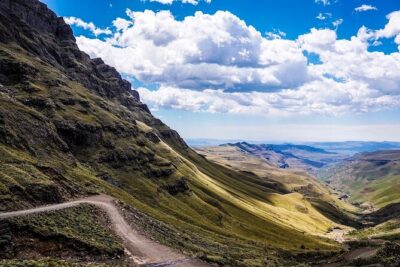
Sani Pass Tour into Lesotho from Underberg and Himeville
Read our review →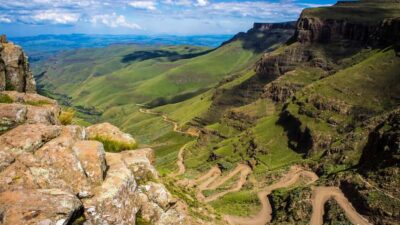
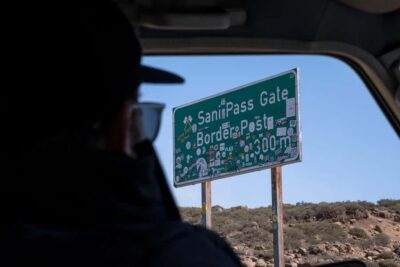
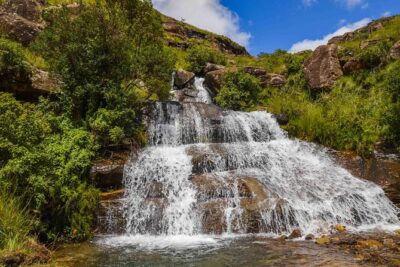
Sani Pass, Lesotho and Basotho Village Day Trip
Read our review →Browse the lists this tour appears in