
Reviewed · CRADLE OF HUMANKIND TOURS
From Johannesburg: Cradle of Humankind Tour
The oldest story you know begins underground. This seven-hour trip from Johannesburg takes you to the Cradle of Humankind, where fossils such as Mrs Ples and Little Foot helped shape our understanding of early human life. You’ll visit a major cave site and the Maropeng center, where science is presented through displays, fossils, and interactive exhibits.
I like the small-group format, limited to 15 people, and the fact that hotel pickup, admission, an air-conditioned vehicle, a guide, and bottled water are included. I also like the range of guides, including Gabriel and Michael, who have been praised for adding useful context about Johannesburg and South African history.
The main thing to weigh is the cave visit itself. The route may refer to Sterkfontein Caves or the Wonder Cave, and cave conditions can affect access. The steps are steep and numerous, and the Maropeng museum may feel more appealing to children than to adults who want a tightly guided lecture.
Key points to know before booking
- Fossils that changed human evolution: See the setting linked with discoveries including Mrs Ples and Little Foot.
- Two very different stops: The cave offers a physical underground experience, while Maropeng explains evolution through exhibits and displays.
- A seven-hour outing from Johannesburg: Allow roughly one hour each way, with about four hours at the two main attractions.
- Cave access requires effort: Expect steep, plentiful steps and a climb back out.
- Wildlife may fill in for the cave: If flooding or safety issues close the caves, a reserve or lion park visit may be offered instead.
- Good value for an organized day: The $146 price includes transport, guide services, entrance fees, hotel pickup, drop-off, and water, but not lunch.
Why the Cradle of Humankind matters
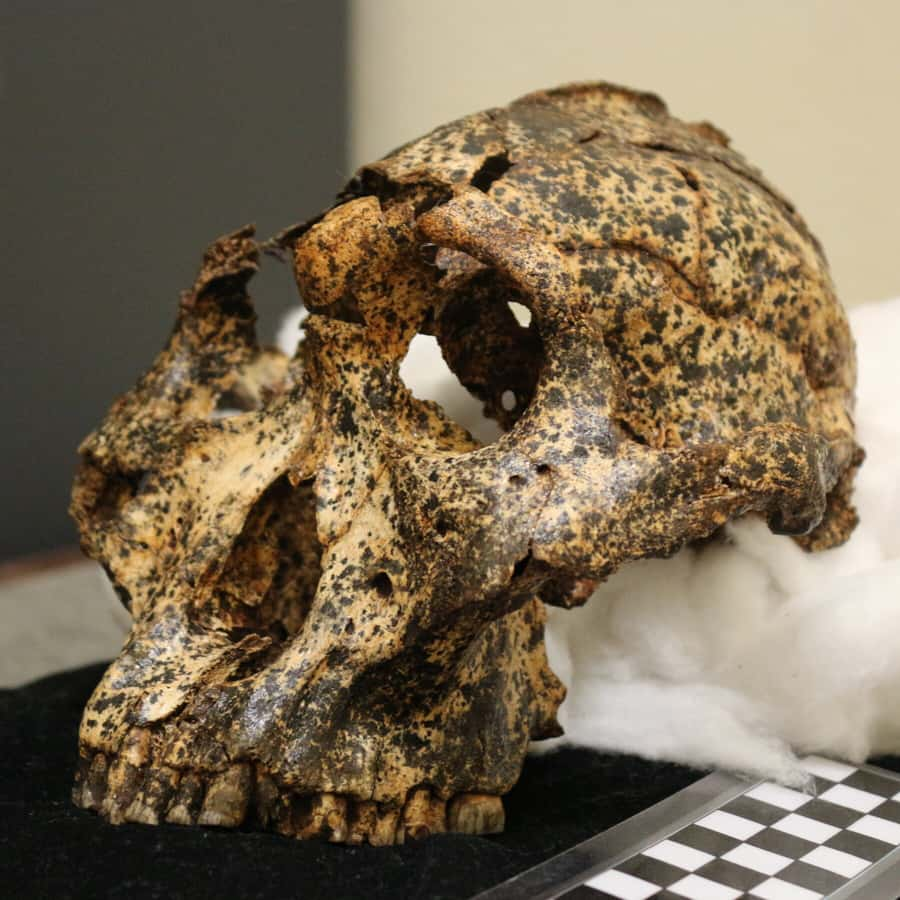
The Cradle of Humankind is a UNESCO World Heritage Site outside Johannesburg. Its importance comes from the fossil record found in the area, with discoveries dating back more than three million years.
That number can feel abstract until you are standing beside the caves where early hominid remains were found. The visit gives the subject a physical setting. You are not simply reading that human evolution took place over immense spans of time. You are looking at the underground chambers and museum displays connected with the search for our earliest relatives.
The site is linked with famous fossils including Mrs Ples and Little Foot. It also presents stone tools estimated to be up to one million years old. These objects help connect anatomy with behavior. Fossils show what early hominids may have looked like, while tools offer clues about how they lived and adapted.
I find this combination more useful than a museum visit alone. The cave gives you place and scale. Maropeng gives you the wider scientific story.
A few more Cradle of Humankind days worth comparing
- Maropeng Cradle of Humankind Museum &Sterkfontein Cave Experience
★ 4.5 · 155 reviews - Cradle of Humankind, Caves or Maropeng, Rhino and Lion Park
★ 5.0 · 74 reviews - Cradle of Humankind Tour with Lion Safari from Johannesburg
★ 5.0 · 65 reviews
The Johannesburg pickup and one-hour ride
Your day starts with hotel pickup in Johannesburg. You are asked to wait in the lobby five minutes before the scheduled time, a small detail that can prevent a hurried start.
The drive to the Cradle takes about an hour in an air-conditioned vehicle. On a seven-hour tour, that travel time matters. You spend roughly two hours on the road, but the transport removes the need to arrange a rental car, navigate outside Johannesburg, or manage separate admission tickets.
The group is capped at 15 people. That is not a private tour, but it is small enough for questions and conversation. The strongest guide comments focus on people such as Gabriel and Michael, who have added information about South African history as well as the main attractions. Ali has also received praise, while Trevor is specifically associated with the cave guiding.
Guide assignments can vary, so you should not book on the assumption that one named guide will lead your group. Still, the pattern is clear: the guide can make a major difference, especially during the driving portions and when the museum material needs extra explanation.
Inside the cave site
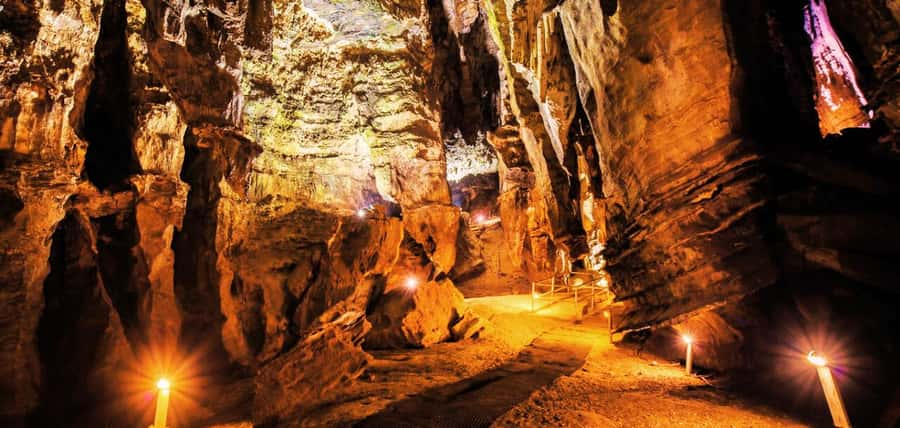
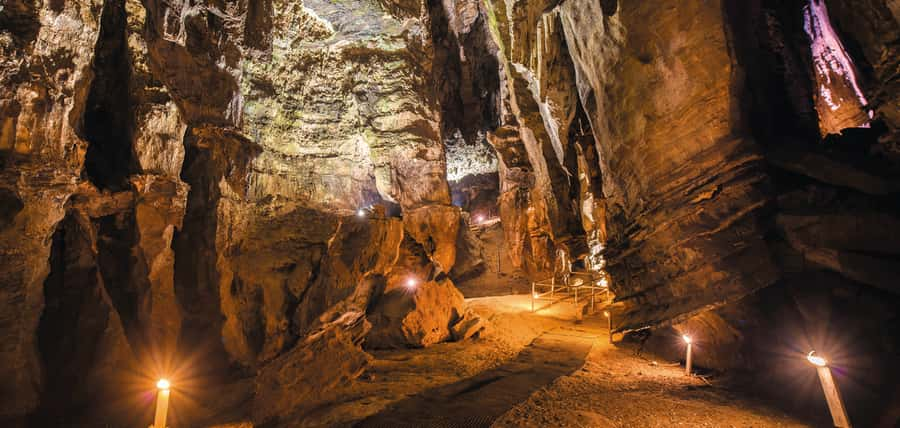
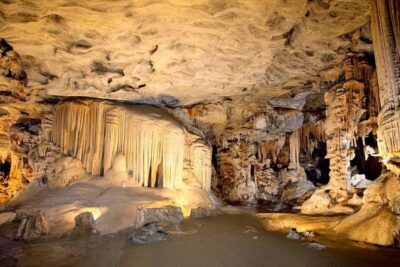
The cave portion is scheduled for about 90 minutes. The supplied route identifies Sterkfontein Caves, while the highlights and several accounts refer to the Wonder Cave. In practical terms, you should understand this as a cave visit within the Cradle of Humankind, with the exact underground experience subject to operating and safety conditions.
The appeal is easy to understand. You enter the same wider cave environment associated with important fossil discoveries, then follow a guide through chambers shaped by geology and time. The underground setting gives the evolution story a sense of place that no display case can provide.
This is also the more physical part of the day. One account warns of many steep steps, especially on the way back up. You should be ready for a genuine climb rather than a flat museum stroll. The tour is listed as unsuitable for wheelchair users, and anyone with limited stamina should treat the cave as an active outing.
Cave conditions can change the plan. Flooding has led to the cave being closed on some departures, with a wildlife visit used as a substitute or addition. That is not a reason to avoid the tour, but it is a reason to keep your expectations flexible. If the cave is the one thing you most want to see, ask about current access before booking.
When access is available, the cave is likely to be the day’s most memorable physical stop. When it is not, the replacement wildlife experience can still add value, but it changes the focus from human origins to animals and conservation.
Maropeng and the story of human evolution
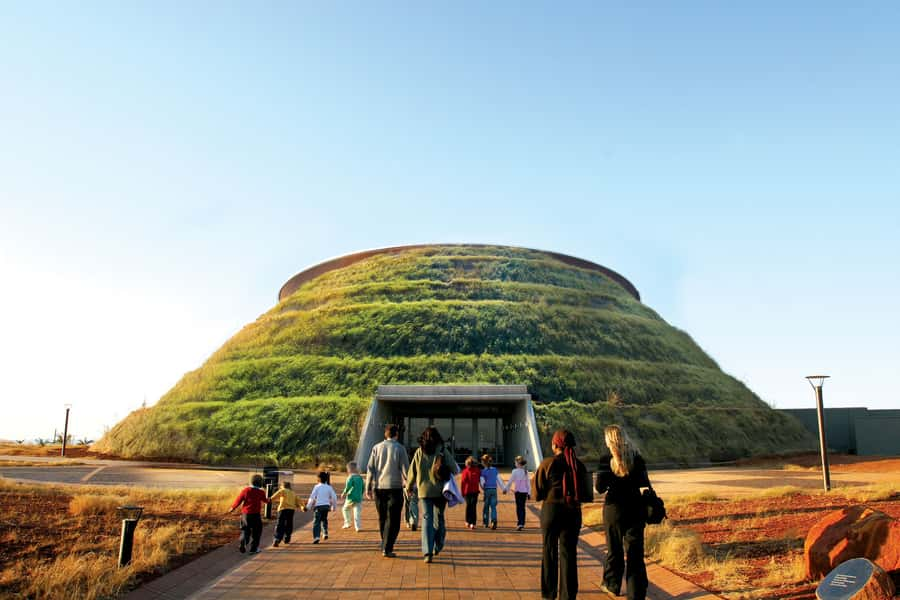
The Maropeng Visitor Centre receives about two and a half hours, making it the longer of the two main stops. This is where you get the broad framework for the discoveries connected with the Cradle.
The center uses interactive exhibits to explain science, evolution, early human development, fossils, and tools. You can expect plenty of reading, visual material, and displays designed to make a large subject easier to follow.
I would give Maropeng enough time rather than rushing through it. The cave can show you where discoveries were made, but the visitor center helps explain why those discoveries matter. It places individual fossils within the longer story of human ancestry.
The tone may not suit everyone. Some of the presentation is family-friendly and child-oriented, so adults wanting a specialist lecture may find parts of it basic. On the other hand, the clear displays are helpful if you do not already know the difference between fossil evidence, stone tools, and the various stages of human development.
The guide’s role here may be less prominent than you expect. The center has its own guiding arrangements, and the guide assigned to the museum may not offer the same level of detail as your Johannesburg-based guide. You can make the most of the visit by reading the displays carefully and saving broader questions for your main guide.
Same part of Cradle of Humankind, a completely different kind of day:
- Pretoria/Sandton: Cradle of Humankind & Sterkfontein Caves
★ 4.7 · 64 reviews - Lesedi Cultural Village and Cradle of Humankind Tour
★ 5.0 · 48 reviews - From Johannesburg: Cradle of Humankind Private Half-Day Tour
★ 4.3 · 44 reviews - Cradle of Humankind Tour – Sterkfontein Caves with Maropeng Tour
★ 4.5 · 39 reviews
What happens when the caves are closed
The tour has a useful fallback when cave access is unsafe. Several departures have included a drive through a reserve, a lion park, or another wildlife area instead.
One outing included a particularly enjoyable game drive after the cave was flooded. Another added the chance to see lions. These alternatives are not part of the guaranteed core itinerary, so you should not book this as a safari. Still, they can rescue the day when underground access is not possible.
This flexibility is one of the more practical strengths of the experience. The Cradle is reached by road, and cave conditions are not always under the operator’s control. A wildlife substitute means you are less likely to lose the value of the long drive from Johannesburg.
The tradeoff is simple: the replacement will not give you the archaeological experience you came for. If your priority is animal viewing, choose a dedicated wildlife outing instead. If your priority is the Cradle itself, the backup makes this tour less risky.
Is $146 a fair price?
At $146 per person, this is not the cheapest way to spend a day outside Johannesburg. The price makes more sense when you count what is included: hotel pickup and drop-off, air-conditioned transport, a professional guide, entrance fees, and bottled water.
You are paying for convenience as well as admission. A self-drive visit would still require you to arrange transport, find the sites, pay entry charges, and manage the timing between the cave and Maropeng. The organized tour also gives you someone to answer questions about the Cradle and South Africa during the day.
Lunch and drinks are not included. You should plan for that expense, although the supplied details do not specify where or when the lunch stop takes place. The seven-hour schedule leaves a full day available, but the two road transfers make this more of a focused regional excursion than a relaxed outing.
For a first visit from Johannesburg, I consider the price reasonable if you value door-to-door transport and a guide. It is less compelling for independent visitors already renting a car, especially if they prefer to set their own pace inside the museum.
Who will enjoy this day most?
I would choose this tour if you want a structured introduction to human evolution without spending several days outside Johannesburg. It suits visitors interested in archaeology, anthropology, geology, South African history, and museum-based learning.
It also works well for people who like mixing indoor and outdoor activities. You get an underground cave, a museum, a road trip, and possibly a wildlife stop. That variety keeps the day from becoming four straight hours of reading panels.
Families may appreciate Maropeng’s clear, interactive approach, though the cave steps could be hard for younger children or anyone who tires easily. Adults who want detailed scientific commentary should ask questions directly and use the main guide for added context.
This is not a good choice for wheelchair users. It is also not ideal if you want a slow, private visit or a guaranteed cave entry. The group may include up to 15 people, and cave access can be affected by flooding or safety conditions.
Guides can shape the whole experience
The strongest personal element is the guide. Gabriel has been praised for explaining both the Cradle and wider South African history, with a warm style and a willingness to answer questions. Michael has also been singled out for making the day enjoyable and informative.
Ali has received positive comments as well, and Trevor is associated with the cave portion. These names give you a useful sense of what the operator can provide, but guide allocation is not guaranteed.
A good guide matters because the Cradle can otherwise feel like two disconnected attractions. The guide can link the fossils to the history of Johannesburg, explain why the caves matter, and help you understand what you are seeing rather than simply moving you from one entrance to another.
I would use the road time well. Ask about the fossil discoveries, the development of the site, and the country’s history. The best value comes when the guide adds context beyond the printed material.
Practical details that affect your day
The tour runs for seven hours, with starting times based on availability. Pickup and drop-off are included from Johannesburg hotels, and you should be in the lobby five minutes before the scheduled pickup.
The live guiding language is English, and an English audio guide is also included. The group size is limited to 15 participants.
You receive bottled water, but lunch and other drinks are extra. Wear shoes suitable for steep cave steps, and do not assume the cave will feel like a quick, level walk. The route includes about one hour to the Cradle, 90 minutes at the cave site, 30 minutes between the cave and Maropeng, about two and a half hours at Maropeng, and one hour back to Johannesburg.
Cancellation is flexible up to 24 hours before departure for a full refund. You can also reserve now and pay later, which helps if your Johannesburg schedule is still changing.
Should you book the Cradle of Humankind tour?
Book it if you want a convenient, guided day focused on the origins of humanity, and you value having transport and entrance fees handled for you. The combination of cave access, Maropeng, fossils, tools, and a possible wildlife backup gives the day a useful range.
Before paying, confirm which cave is currently open and how the operator is handling access. That is the key practical question. If steep steps are a concern, or if you want a guaranteed underground visit, this may not be the right fit.
For most first-time visitors with limited time in Johannesburg, I would choose it. The Cradle is too important to reduce to a quick museum stop, and this tour gives you both the physical site and the scientific explanation in one organized day.
FAQ
How long does the Cradle of Humankind tour last?
The tour lasts seven hours, including the drive from Johannesburg, the cave visit, the Maropeng visit, and the return drive.
Is hotel pickup included?
Yes. Hotel pickup and drop-off in Johannesburg are included. You should wait in your hotel lobby five minutes before the scheduled pickup time.
What is included in the price?
The $146 price includes transport in an air-conditioned vehicle, a professional guide, entrance fees, hotel pickup and drop-off, and bottled water.
Is lunch included?
No. Lunch and drinks other than the included bottled water are not included.
What language is the tour conducted in?
The live tour guide and audio guide are in English.
How large is the group?
The tour uses a small-group format with no more than 15 participants.
Is the tour suitable for wheelchair users?
No. The activity is listed as unsuitable for wheelchair users, and the cave visit includes many steep steps.
What happens if the caves are closed?
Cave access can be affected by flooding or safety conditions. On some departures, the cave visit has been replaced or supplemented by a wildlife outing, including visits connected with lions or a reserve.
Just added around Cradle of Humankind
- Private Safari. Cradle Humankind Caves or Maropeng Museum★ 5.0 · 3 reviews
- Lesedi Cultural Village, Sterkfontein Caves or Maropeng Mus★ 5.0 · 10 reviews
- Private Rhino and Lion Park, Cradle Caves or Maropeng Museum★ 4.6 · 25 reviews
- Johannesburg: Cradle of Humankind & Harties Aerial Cableway★ 5.0 · 7 reviews
- Cradle of Humankind and Lesedi Cultural Village★ 4.2 · 4 reviews
- Cradle Of Humankind, Lesedi Cultural Village & Lion’s Park★ 4.7 · 10 reviews
- Cradle of Humankind and Lesedi Cultural Village★ 4.2 · 8 reviews
- Cradle of Humankind Tour – Sterkfontein Caves with Maropeng Tour★ 4.5 · 39 reviews
Cradle of Humankind Tours, compared.
Maropeng Cradle of Humankind Museum &Sterkfontein Cave Experience
Read our review →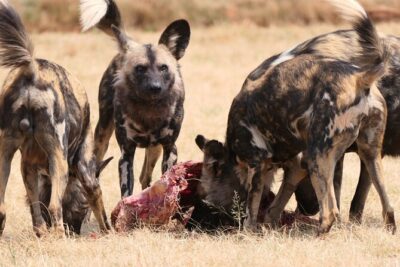
Cradle of Humankind, Caves or Maropeng, Rhino and Lion Park
Read our review →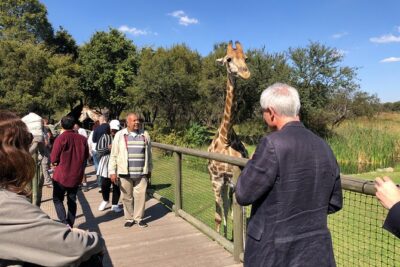
Cradle of Humankind Tour with Lion Safari from Johannesburg
Read our review →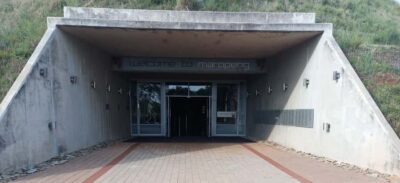
Pretoria/Sandton: Cradle of Humankind & Sterkfontein Caves
Read our review →
Lesedi Cultural Village and Cradle of Humankind Tour
Read our review →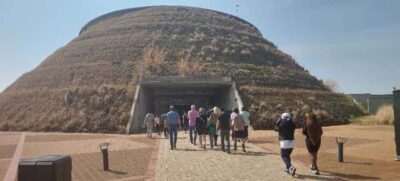
From Johannesburg: Cradle of Humankind Private Half-Day Tour
Read our review →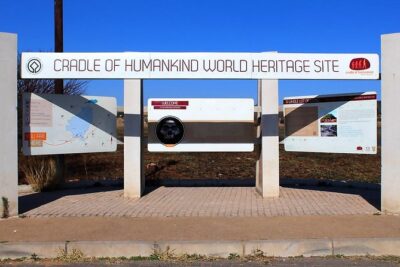
Cradle of Humankind Tour – Sterkfontein Caves with Maropeng Tour
Read our review →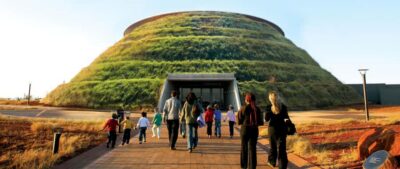
Cradle of Humankind and Sterkfontein Caves Half-Day Tour
Read our review →Browse the lists this tour appears in