
Reviewed · CHEETAH ENCOUNTERS
Ann Van Dyk Cheetah Centre Tour from Johannesburg or Pretoria
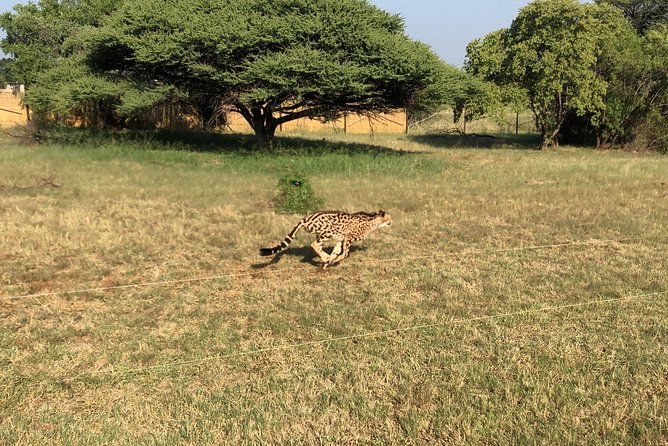
The fastest animal on land is the star here, but the African wild dogs may steal your attention. At the Ann Van Dyk Cheetah Centre, you can see cheetahs, king cheetahs, painted dogs, vultures, caracals, servals, brown hyenas, antelope, meerkats, and other rescued wildlife beneath the Magaliesberg Mountains. Weekend visits include a cheetah run. Weekday visits offer a cheetah interaction in a large enclosure.
I like the easy hotel pickup from Johannesburg or Pretoria, especially because the drive from Johannesburg can take about two hours each way. I also like the conservation focus: this is not simply a photo stop, and the center’s breeding and reintroduction work has returned more than 800 cheetahs to the wild. The main caution is value. At $225.67 per person, this is a costly half-day, and the actual center visit lasts about three hours.
Key points to know before you book
- Weekend visits include a cheetah run, the clearest chance to see the animal’s astonishing speed.
- Weekday visits include a cheetah interaction in a spacious enclosure instead.
- African wild dogs are a major highlight, with feeding programs that can show their lively hunting instincts.
- Round-trip transport saves you a long self-drive, with pickup available in Johannesburg and Pretoria.
- The center supports several rescued species, not only cheetahs, including caracals, brown hyenas, vultures, and African wild cats.
- Children must be at least 7 years old and 1.2 meters tall, and the group limit is 15 people.
Why the cheetah center is more than a quick animal photo stop
The Ann Van Dyk Cheetah Centre began in 1971 as a cheetah breeding project. Its work now reaches far beyond one species. You learn about breeding, genetics, rehabilitation, and reintroduction while seeing animals that cannot safely return to the wild.
That distinction matters. A cheetah center can sound like a small wildlife park, but the purpose here is conservation. The breeding programs help maintain genetic diversity, and the center has also supported the return of more than 800 cheetahs to natural areas. The work includes African wild dogs and other endangered animals as well.
You should still set your expectations carefully. This is a conservation center with animals housed in managed enclosures, not a free-ranging safari in Kruger National Park. You get a close, guided look at particular species, but you will not be scanning open bush for a wild cheetah that appears by chance.
More cheetah encounters around Johannesburg:
- Ann van Dyk Cheetah Centre
★ 4.5 · 15 reviews - Ann Van Dyk Cheetah Centre Tour from Johannesburg or Pretoria
★ 5.0 · 8 reviews - From Johannesburg: Cheetah Tour
★ 5.0 · 4 reviews
Getting there from Johannesburg or Pretoria
The tour includes hotel or port pickup and return, bottled water, entrance fees, and the listed activities. That makes the arrangement simple. You do not need to rent a car, navigate unfamiliar roads, or work out separate admission at the center.
From Johannesburg, the drive can take about two hours each way. Traffic on the Johannesburg freeways can affect the timing, particularly for a morning program. A driver named Francois received special praise for using back roads to keep the journey moving, though the assigned driver can vary.
Pretoria is the more practical base if this visit is one part of a wider Gauteng itinerary. It is closer to the cheetah center and also gives you easier access to other attractions in the area. If you are staying in central Johannesburg and have only a short free period, remember that the transport time can be longer than the animal visit itself.
The drive is not wasted time. You get views of the Gauteng countryside and the Magaliesberg Mountains as you approach the center. Still, I would treat this as a half-day outing that can occupy a large part of your morning or afternoon once traffic and transfers are included.
Choosing a weekend cheetah run or weekday interaction
The day you choose changes the main event.
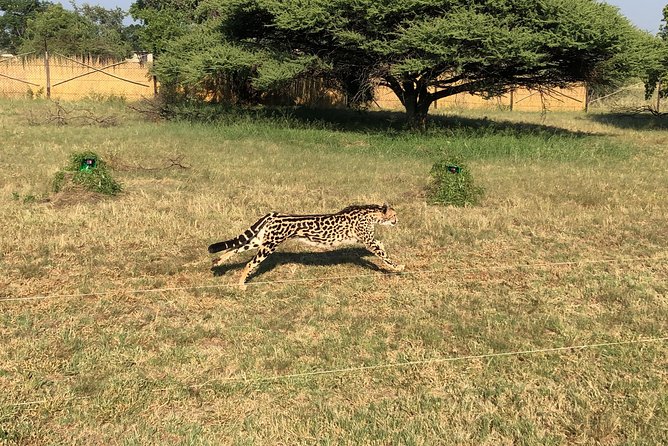
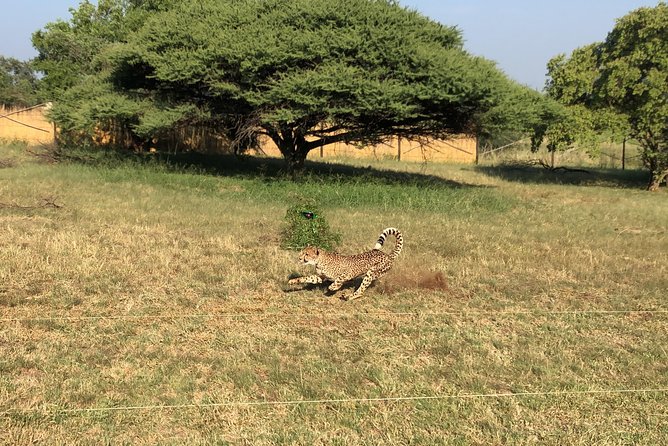
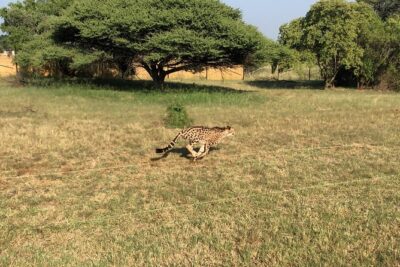
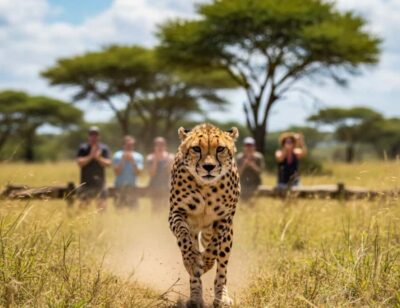
On weekends, the program includes a cheetah run. This is the best option if you want to see the animal’s speed in action. Cheetahs are built for short bursts, and watching one run gives useful context to the guide’s discussion of body shape, hunting behavior, and survival pressures.
The run is also the better choice for photographers who want a dramatic image. The action is quick, so you should be ready before it begins. You will not get a long performance repeated for every camera, which is part of what makes the moment feel like an animal encounter rather than a staged show.
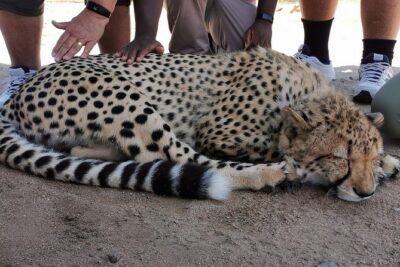
On weekdays, the program includes a cheetah interaction in the animals’ spacious enclosure. This gives you more time to observe the cheetah at closer range and to focus on behavior rather than speed. If you prefer a calmer visit, or if weekend scheduling does not fit your plans, the weekday program still offers the main attraction.
Check the exact program before booking, since the supplied tour details make the weekend and weekday distinction clear but do not specify the precise operating time for each session. If the cheetah run is the reason you are going, choose a weekend date rather than hoping it will be part of every tour.
The guided visit and the animals you can see
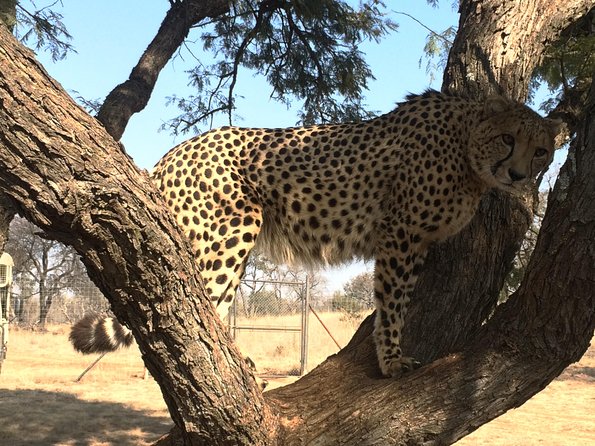
The center’s guided tour covers cheetah and wild dog breeding programs along with other conservation work. The guide explains cheetah biology, behavior, and conservation status, giving the animals more meaning than a quick walk past an enclosure.
Several guide teams have been praised for making the information easy to follow. Names connected with especially strong visits include Francois, and the team of Nichole and Wilson. Schedules can change, so you should not book expecting a particular person, but the guide role is central to the experience.
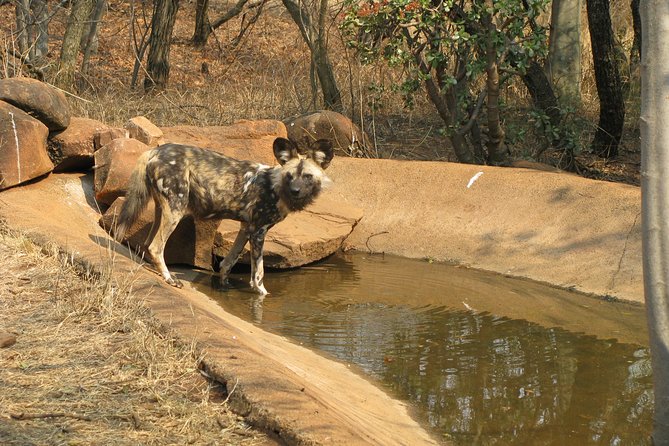
Nichole has been described as particularly good at explaining animal behavior in a clear, warm way. Wilson’s feeding work with the animals can be especially interesting. At times, African wild dogs follow the safari vehicle during feeding, giving you a vivid sense of their speed, coordination, and attention.
The painted dogs are worth your time. Many people come for cheetahs and leave talking about the African wild dogs instead. The center works with these endangered animals as part of its larger rewilding programs, and the feeding encounter can show why they are such effective group hunters.
You might also see brown hyenas, caracals, servals, African wild cats, vultures, other large birds, antelope, wildebeest, meerkats, and ostriches. The exact animals and activity level can vary, since these are living creatures rather than a fixed stage program.
A few more Johannesburg days worth comparing
- Early Morning Balloon Safari with Breakfast from Magaliesburg
★ 5.0 · 418 reviews - From Johannesburg: Lion & Safari Park Half-Day Tour
★ 4.6 · 384 reviews - Half Day Lion Park tour from Johannesburg or Pretoria
★ 5.0 · 274 reviews - Johannesburg: Maboneng Street Art & Culture Tour
★ 4.9 · 257 reviews
What the conservation work means on the ground
The cheetah breeding program was the original reason the center was founded. Today, its role includes breeding, care, education, and efforts to protect genetic diversity. That gives the visit a useful conservation lesson: keeping a species alive involves more than protecting one beautiful animal from immediate danger.
The other animals are not simply added decoration. The center houses rescued animals that cannot be released successfully. Some were injured, poorly treated, or otherwise unable to survive without human care. Returning them to the wild could lead to their death, so managed care provides a safer option.
That said, you may feel a difference between the cheetah work and the presentation of other species. One visitor felt that some of the non-cheetah animals looked more like zoo residents than part of a rewilding project. That is a fair concern to consider before booking. The center’s explanation is that these animals are rescued and cannot safely return to nature, but the experience is still not the same as seeing wildlife in a fully open reserve.
For me, the value depends on what you want to learn. If you want a safari with completely wild animals, choose a national park. If you want close access to cheetahs and a clearer look at breeding, rescue, and reintroduction, the center has a stronger purpose.
How the three-hour visit feels
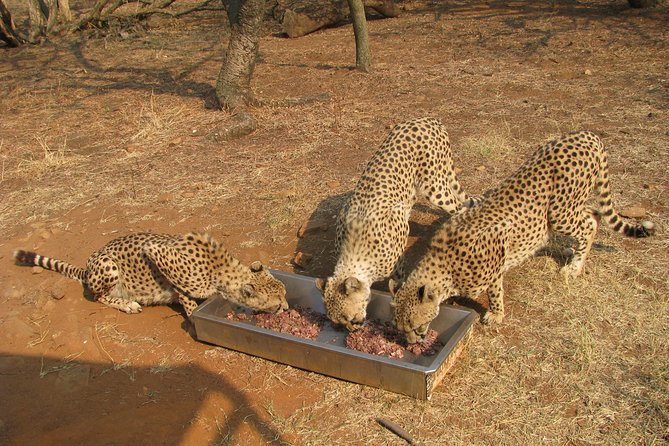
The advertised experience lasts about three hours at the center, though the full outing takes longer because of pickup and return. The visit combines a guided tour, animal viewing, conservation talks, and either the weekend run or weekday interaction.
The pace suits people who want a focused wildlife experience. You are not spending all day in a vehicle hoping for a distant sighting. Instead, the guide brings you to specific animals and explains what you are seeing.
That focus can also be a limitation. If you want a broad safari with hours of changing scenery, this may feel short and contained. If you have a layover, a free morning, or only one spare day in Johannesburg, it offers a practical introduction to South African wildlife without requiring a full reserve visit.
The maximum group size is 15 people. That is small enough for a more personal guide experience, though the actual group may vary. One solo visitor would have preferred a smaller group, while another couple found the outing felt almost private. Your experience will depend on the number of bookings that day.
Is the $225.67 price fair?
At $225.67 per person, this is not a budget attraction. You are paying for more than the entrance ticket. The price includes transport from Johannesburg or Pretoria, the return journey, a guide, bottled water, entrance fees, activities, and taxes.
The strongest value comes from convenience. A self-drive visitor would need to arrange a vehicle, find the center, pay admission, and manage the return trip. The included transport is especially useful if you do not want to drive in Gauteng or if your hotel is not close to the center.
The price makes less sense if you are already staying nearby and can reach the center easily on your own. In that case, much of the fee goes toward the transfer service. It also feels high if your main goal is a short photo opportunity rather than learning about conservation.
I would consider the cost easier to justify for a first wildlife day in South Africa, particularly if you value a guide and have limited time. The conservation purpose adds weight, but I would still compare the price with other wildlife outings before booking. A private option, where available, may be especially expensive for solo visitors.
Who will enjoy this experience most
This tour suits you if you love cheetahs but also want to understand the work behind their protection. It is a good fit for families with children who meet the minimum age and height rules, couples, first-time visitors to South Africa, and anyone who prefers organized transport.
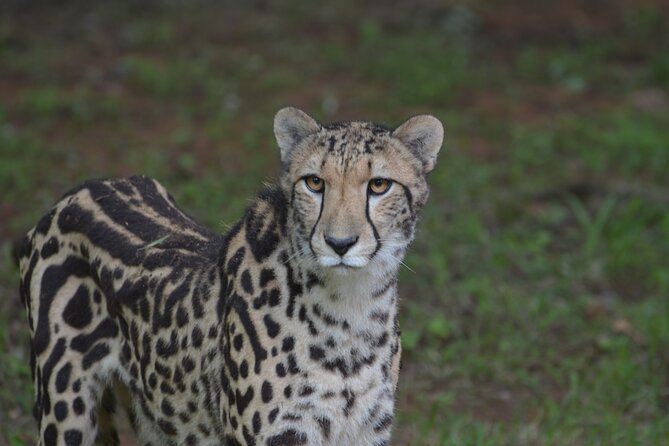
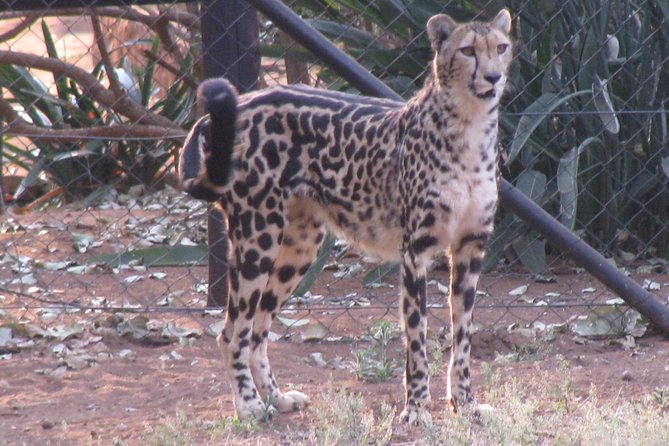
It also suits photographers who want a chance to see cheetahs close by and, on weekends, in motion. The king cheetahs are another visual highlight, with their unusual patterned coats.
You should consider another type of wildlife outing if your priority is a large open reserve, free-ranging animal behavior, or a full-day safari. You may also want to skip this tour if a long transfer from Johannesburg would frustrate you.
Wear comfortable clothing and bring your camera. Bottled water is provided, but lunch and other food are not included, so plan to eat before or after the visit. The center’s natural setting beneath the Magaliesberg Mountains adds to the atmosphere, but this is still an animal center, not a wilderness camp.
Booking details worth knowing
The tour offers free cancellation if you cancel at least 24 hours before the experience begins. Cancellations made less than 24 hours before the start time are not refunded, and changes inside that period are not accepted.
Booking confirmation is normally issued at once. If you book within two days of the outing, confirmation can take up to 48 hours and remains subject to availability. Children must be accompanied by an adult, the minimum age is 7, and the minimum height is 1.2 meters.
The operator is Mmilo Tours. Most people can take part, but you should still consider the long vehicle transfer when deciding if the outing suits your group.
Should you book the Ann Van Dyk Cheetah Centre tour?
Book it if you want a guided, conservation-focused introduction to cheetahs and African wild dogs, and if included transport makes the price worthwhile. Choose a weekend for the cheetah run, or a weekday for the enclosure interaction and a quieter schedule.
I would be less quick to book it for a casual animal park visit. The cost is high, the Johannesburg transfer can be long, and the setting is managed rather than wild. But if you care about endangered species, want clear explanations from an active guide, and would rather avoid driving, this is a useful and memorable half-day choice.
FAQ
How long does the tour last?
The visit at the Ann Van Dyk Cheetah Centre lasts about three hours. Pickup and return from Johannesburg or Pretoria make the total outing longer.
Is hotel pickup included?
Yes. Hotel or port pickup and drop-off are included from Johannesburg or Pretoria.
Is the cheetah run available every day?
No. The cheetah run is included on weekend visits. Weekday visits include a cheetah interaction in the animals’ spacious enclosure.
Are entrance fees included?
Yes. Entrance fees, activities, taxes, and bottled water are included.
Is lunch included?
No. Lunch, food, and drinks other than the provided bottled water are not included.
What animals can I see besides cheetahs?
The center may include African wild dogs, brown hyenas, caracals, servals, African wild cats, vultures, other large birds, antelope, wildebeest, meerkats, and ostriches.
What is the minimum age for children?
Children must be at least 7 years old and must be accompanied by an adult.
Is there a height requirement?
Yes. The minimum height is 1.2 meters.
How far in advance can I cancel for a full refund?
You must cancel at least 24 hours before the experience start time for a full refund. Cancellations made less than 24 hours in advance are not refunded.
Just added around Johannesburg
- 13 Day Safari – Cape Town to Johannesburg★ 5.0 · 11 reviews
- Tala Game Reserve & Natal Lion Park 1/2 Day Tour from Durban★ 3.0 · 13 reviews
- South Africa from Joburg: Elephant Sanctuary Half Day Tour★ 5.0 · 3 reviews
- Private Safari Tour: Pilansberg National Park Big 5★ 5.0 · 7 reviews
- Johannesburg: Elephant and Monkey Sanctuary Half Day Tour★ 5.0 · 3 reviews
- Johannesburg: Wine Tasting and Cableway Half Day Tour★ 4.7 · 3 reviews
- Pretoria: Pretoria City and Lion Park Tour★ 4.8 · 41 reviews
- Lion Park Tour in Open Safari Vehicle★ 5.0 · 6 reviews
Cheetah Encounters, compared.
Cheetah Outreach Tour Somerset West, Gordon’s Bay and Strand Beaches
Read our review →
Ann Van Dyk Cheetah Centre Tour from Johannesburg or Pretoria
Read our review →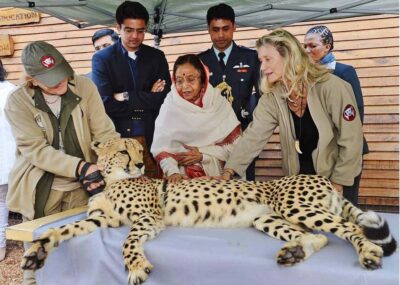
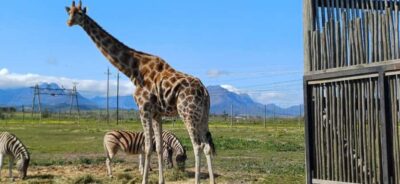
Giraffe House, Cheetah Encounter and Wine Tasting
Read our review →Browse the lists this tour appears in