
Reviewed · APARTHEID HISTORY TOURS
Apartheid History of South Africa (Full day Experience with lunch
Johannesburg’s apartheid story makes more sense when you see both sides of the city: the gold-driven center where segregation took shape, then Soweto, where that system controlled daily life and met fierce resistance. I like the tour’s two-part structure, and I like that it includes both Nelson Mandela’s former home and the Hector Pieterson Museum, rather than reducing the subject to one famous name. The main drawback is the packed schedule, especially if the group reaches all eight stops in one day.
I also like the practical package: lunch, transport, a guide, and museum admission are included in the $106.78 price. You should, however, clarify exactly which entrance fees are covered before booking, since Constitution Hill is separately marked as not included while the general inclusions say museum entrance and all fees are covered.
Key points at a glance

- Gold began the Johannesburg story: The opening section links the city’s growth to the discovery of gold and the mining economy that shaped segregation.
- Maboneng adds a present-day view: Street art, galleries, restaurants, boutiques, and Arts on Main show how part of central Johannesburg has been reused.
- Constitution Hill puts law and punishment in view: The former political prison helps explain how state power was enforced.
- Soweto gives the history a human scale: Mandela House and the Hector Pieterson Museum focus on homes, families, students, and protest.
- Lunch and transport are included: That makes the price easier to justify than a museum-only outing.
- The day can feel rushed: The listed visits total about six and a half hours before driving, meals, and delays are added.
Why this tour works as an introduction to apartheid
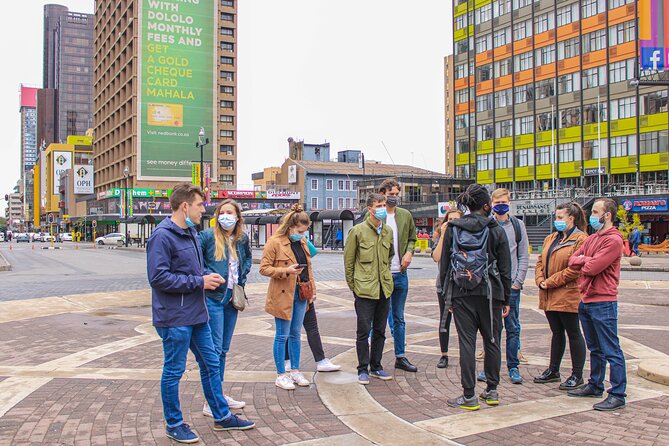
This is not simply a museum visit. It is designed to show how apartheid developed, how it worked in daily life, and why its effects still matter in South Africa today.
That approach is useful because apartheid was not one isolated law or one dramatic event. It was a broad system that shaped where people could live, work, study, travel, and gather. Starting in central Johannesburg lets you see the economic forces behind the city’s growth. Moving to Soweto then brings the subject down to neighborhoods, homes, schools, and protest.
I would choose this experience early in a Johannesburg stay if you want a clear framework for later sightseeing. The guide’s role matters a great deal here. A good explanation can connect each place to the next, while a rushed or vague commentary would leave the stops feeling like separate points on a map.
The experience is sold from Pretoria but spends its day in Johannesburg and Soweto. Check the pickup details carefully before paying, since the advertised location and the sightseeing area are not the same.
More Apartheid History Tours in Pretoria:
- Soweto /Johannesburg and Apartheid Museum Guided Full Day Tour
★ 5.0 · 932 reviews - Jo’berg in 1 Day: Soweto, Apartheid Museum & City Tour
★ 4.8 · 524 reviews - Johannesburg: Full-Day Tour with Soweto and Apartheid Museum
★ 4.8 · 478 reviews
Gold and Johannesburg’s first chapter
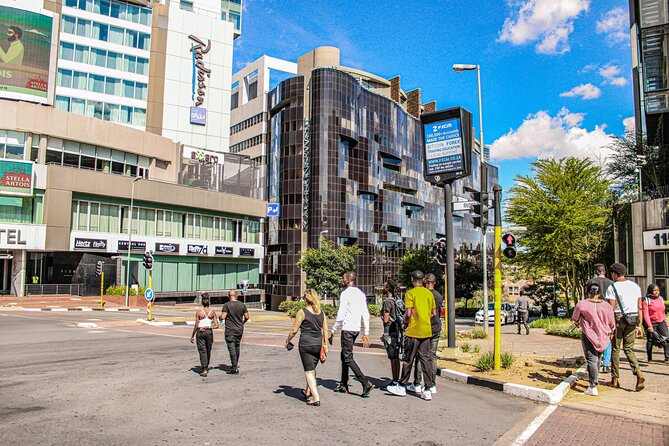
The opening Johannesburg section takes about two hours and focuses on the discovery of gold. That is an important starting point. Gold turned Johannesburg from a small inland settlement into a major mining center, drawing labor, capital, and government attention.
The mining economy also helped create the systems that later supported racial separation and unequal work conditions. You are not only looking at old city buildings here. You are being asked to connect money, labor, housing, and political power.
This part may be strongest for visitors who want background before reaching Soweto. It may feel less direct if you are mainly interested in Mandela or the 1976 student uprising. Give it time, though. Without the gold story, the rest of the day can seem to begin in the middle.
The schedule gives two hours to Johannesburg, but the exact places visited in this opening section are not fully specified. Ask your guide what you will see and how much time will be spent outside the vehicle.
Maboneng and Marshalltown: a modern city beside an old one
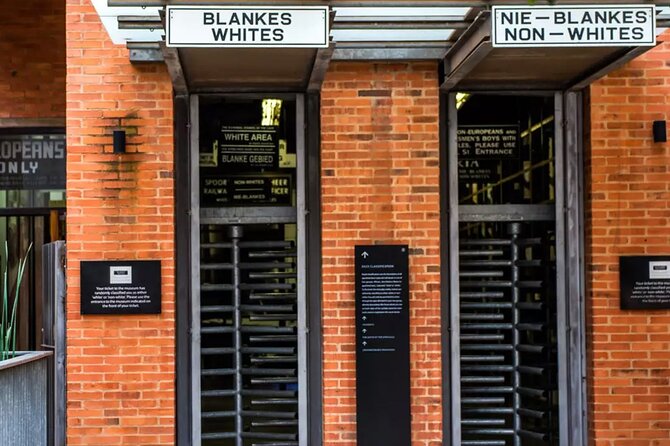
The Maboneng and Marshalltown section is listed at about 30 minutes, followed by a walking tour and lunch stop. Maboneng is known for street art, galleries, restaurants, boutiques, and the Arts on Main complex, which was developed from formerly neglected buildings.
That contrast is one of the more interesting parts of the day. You see a part of central Johannesburg that has been reused for culture and dining, while the wider city still carries the marks of its mining and apartheid past.
The stop is short, so do not expect a long gallery visit or a leisurely neighborhood walk. It works better as a quick look at present-day Johannesburg than as a full art tour. If you want time for photographs, browsing, or a relaxed meal, ask how the 30-minute estimate is handled.
Lunch is included, which helps the tour’s value. The exact restaurant and menu are not stated, so anyone with dietary needs should confirm arrangements in advance. Alcohol is not included.
Constitution Hill and the machinery of punishment

Constitution Hill is described as a former political prison. The site helps explain how imprisonment became part of the apartheid system, particularly for people regarded as political threats.
This is an important stop because it shifts the discussion from policy to enforcement. Segregation was maintained not only through signs and residential rules, but also through police action, courts, detention, and prison systems. A former prison makes that reality easier to grasp than a city drive alone.
The visit is listed at 30 minutes. That is enough for an introduction, but not much more. Constitution Hill can reward a slower visit, so you may leave wanting additional time to read exhibits and consider the site.
There is also a booking detail worth checking. Constitution Hill is marked as not included in one part of the tour information, while the general package says museum entrance and all fees are included. Ask the provider to confirm whether your admission is covered or payable separately.
More Historical Tours in Pretoria:
- Cape Town: Art, Culture & History Walking Tour
★ 4.9 · 392 reviews - Stellenbosch: Guided Historical Walking Tour
★ 4.7 · 283 reviews - Stellenbosch: Historical Bike Tour & Wine Tasting
★ 4.9 · 248 reviews - Cape Town Guided City Cycling Heritage Tour – Private Tour
★ 5.0 · 27 reviews
Hallmark House and the changing face of Johannesburg

Hallmark House, including the Deuce Bar, is scheduled for about 30 minutes. The stop offers views across Johannesburg and a chance to pause between the heavier historical sites.
The building has been refurbished and includes residential apartments and a hotel. It is also associated with Sunday sessions, live DJs, and The Marabi Club, a dining venue in the basement. The tour description presents it as a place to have a drink and see the city from a different angle.
This is not a core apartheid-history stop, so its value depends on what you want from the day. I can see the appeal of including a contemporary social space. It keeps the tour from treating Johannesburg as a city frozen in the past. On the other hand, if time is tight, some visitors may prefer more time at Constitution Hill or the Apartheid Museum.
A drink or cocktail is not included in the tour price. Alcoholic beverages are specifically excluded, so plan on paying separately if you choose one.
Soweto makes the story personal

The two-hour Soweto section is the heart of the experience. Soweto is closely tied to the history of apartheid, forced separation, protest, and the struggle for political rights.
The value of visiting Soweto is that you are no longer hearing only about national laws or famous leaders. You are looking at the place where those laws affected ordinary families and communities. The guide should help connect the neighborhood to education, housing, policing, work, and resistance.
The exact Soweto route is not fully detailed, so the quality of this portion will depend on the guide’s explanations and how much time is spent outside the vehicle. A group of up to 50 people can make stops less intimate, especially during walking sections. The experience may be more personalized when fewer people book on a given day.
The tour’s strongest human focus comes next, at Mandela House and the Hector Pieterson Museum.
Mandela House and the life behind the symbol
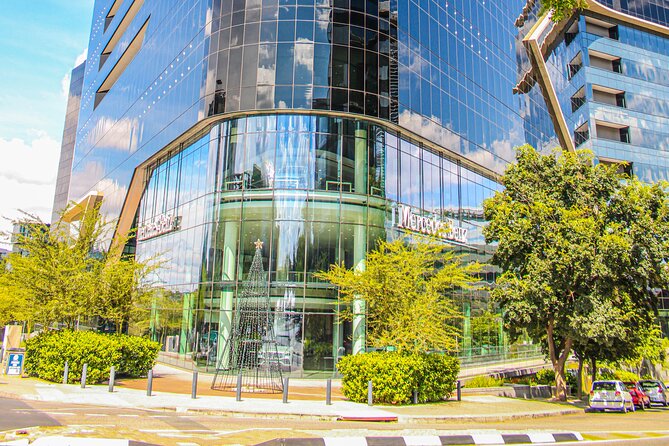
Mandela House is scheduled for 30 minutes and gives context to Nelson Mandela’s life. The house matters because it places a globally known political figure in an ordinary residential setting.
You get more than a portrait of Mandela as a president or Nobel Peace Prize winner. The visit connects his public work to the home and neighborhood where part of his personal story unfolded. That can make the national history easier to understand.
Thirty minutes is a short visit. You will likely get an overview rather than a slow examination of every display. If Mandela is your main reason for booking, check how much time the group will actually spend inside the house.
This stop also works best when paired with the next one. Mandela House tells part of the leadership story. The Hector Pieterson Museum shows how young people became central to the wider struggle.
Hector Pieterson Museum and the June 16 uprising
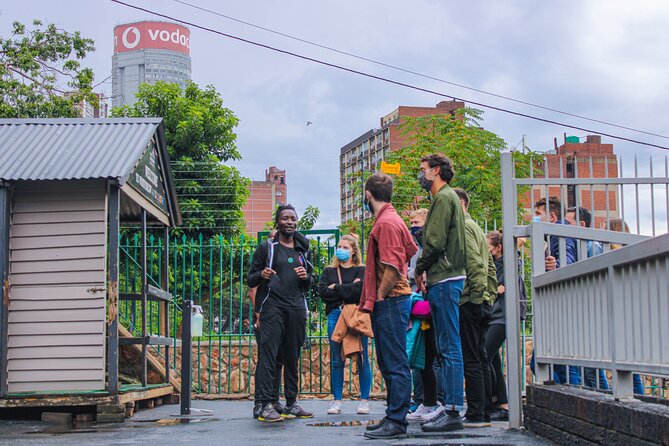
The Hector Pieterson Museum and Memorial focuses on June 16, the day in 1976 when young people in South Africa protested and faced deadly state violence.
The museum is especially valuable because it puts students and youth at the center of the story. It reminds you that political change was not driven only by senior leaders. Schoolchildren and young people challenged the system at enormous personal cost.
The visit is scheduled for 30 minutes. That is enough to grasp the main events, but you may want more time if you read every panel or stop often at the memorial. The subject is painful, and the pace can feel brisk for such an important site.
This is one of the stops I would not skip. It gives the day an emotional and social focus that a general city tour cannot provide.
The Apartheid Museum closes the historical arc
The Apartheid Museum is listed for about one hour, with the warning that access can depend on the day. If it is open during your visit, it is one of the most useful places to bring the day’s themes together.
The museum can help you connect the gold economy, racial classification, forced separation, political imprisonment, protest, and the eventual end of apartheid. By arriving after Johannesburg and Soweto, you have already seen places tied to several parts of the story.
One hour is a useful introduction, but it is not a full museum visit. If you like reading displays carefully, you may feel pressed. The schedule also says access is dependent on the day, so confirm this before booking if the museum is essential to your plans.
The package says museum admission is included. Again, clarify the Constitution Hill exception so you know precisely what the price covers.
Is $106.78 good value?
At $106.78 per person, this is not the cheapest way to see Johannesburg, but it bundles several costs. You receive a guide, an air-conditioned vehicle, lunch, coffee or tea, taxes and fees according to the general inclusions, and museum entrance.
The value is strongest if you want one organized day rather than arranging several taxis, museum tickets, and meals yourself. It also removes much of the difficulty of linking central Johannesburg, Soweto, and the museums.
The value is weaker if you prefer long museum visits or a slow, flexible schedule. The listed duration is 4 to 8 hours, while the individual stops add up to roughly six and a half hours before driving. That wide time range suggests the day can vary considerably.
The group maximum is 50 people. That is a fairly large group for a history tour. If you care about asking many questions or having a more personal conversation, ask whether a smaller departure is available.
The tour is booked an average of 37 days ahead, so advance planning is sensible, especially if your dates are fixed. Free cancellation is available until 24 hours before the start time. Cancellations or changes made inside that window are not accepted for a refund.
Who should book it?
I would recommend this experience to you if you want a broad first look at apartheid history and prefer to have transport arranged. It suits history and culture enthusiasts, first-time visitors to Johannesburg, and anyone who wants Soweto included without organizing several separate outings.
It is also useful for people who want a guide to explain how the past still affects South Africa today. The strongest parts are the links between gold, city development, state control, Soweto, Mandela, and the 1976 student uprising.
I would hesitate if you dislike full schedules, large groups, or short museum visits. You should also think twice if your main aim is a relaxed art walk in Maboneng, since that section is brief and the day’s focus remains apartheid history.
Should you book this Johannesburg and Soweto tour?
Book it if you want range and structure: central Johannesburg, Maboneng, Constitution Hill, Soweto, Mandela House, Hector Pieterson Museum, and the Apartheid Museum in one organized day.
Before booking, confirm pickup from Pretoria, the exact start and finish times, which museum fees are covered, the lunch arrangements, and whether the Apartheid Museum will be open on your date. If you do that and accept the fast pace, the tour offers a practical way to understand Johannesburg’s past and its continuing effect on the country.
FAQ
Where does this tour take place?
The experience is based in Pretoria but visits Johannesburg and Soweto. Pickup is offered, so confirm the pickup point and timing before booking.
How long does the experience last?
The advertised duration is approximately 4 to 8 hours. The individual sightseeing stops add up to about six and a half hours before allowing for driving and lunch.
What is included in the price?
The package includes a guide, air-conditioned vehicle, coffee or tea, lunch, museum entrance, and listed fees and taxes. Alcoholic beverages are not included.
Is lunch included?
Yes. Lunch is included in the tour price. The specific restaurant and menu are not stated.
Are museum tickets included?
Museum entrance is included in the general package details. However, Constitution Hill is separately marked as not included, so confirm this point with the provider before booking.
Does the tour visit Soweto?
Yes. The tour includes about two hours in Soweto, followed by visits to Mandela House and the Hector Pieterson Museum and Memorial.
How many people can join the tour?
The maximum group size is 50 people. The actual number on your date may be smaller.
Can I cancel for a full refund?
Yes, if you cancel at least 24 hours before the experience start time. Cancellations or changes made less than 24 hours before the start time are not refundable.
Just added around Pretoria
- Pretoria Tour-Voortrekker Monument, Town, Union Buildings★ 5.0 · 3 reviews
- Pretoria half day tour★ 3.7 · 3 reviews
- Pretoria: Half-Day City Tour with Hotel Pickup★ 4.2 · 6 reviews
- Half day Pretoria city tour★ 4.5 · 4 reviews
- Cullinan Diamond Mine Tour★ 4.0 · 10 reviews
- Pretoria Tour – Voortrekker Monument, Union Buildings, Pretoria★ 5.0 · 22 reviews
- Walk with Elephants Experience plus Monkey Forest Walk★ 5.0 · 20 reviews
- Cullinan Diamond Mine & Pretoria Full Day Tour★ 4.6 · 24 reviews
Apartheid History Tours, compared.

Soweto /Johannesburg and Apartheid Museum Guided Full Day Tour
Read our review →
Jo’berg in 1 Day: Soweto, Apartheid Museum & City Tour
Read our review →
Johannesburg: Full-Day Tour with Soweto and Apartheid Museum
Read our review →
Full-Day Soweto, Apartheid Museum and Lunch Tour
Read our review →
Half Guided Day Tour of Soweto And Apartheid Museum
Read our review →
Ultimate Johannesburg Soweto Experience with Apartheid Museum
Read our review →
Hop-On Hop-Off Bus, City Tour and Apartheid Museum
Read our review →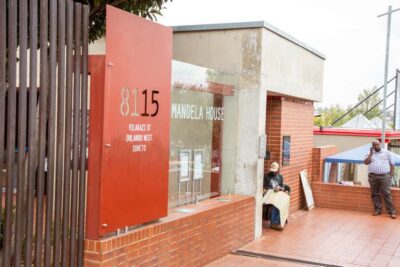
Johannesburg and Soweto Apartheid Full Day Tour w/Lunch
Read our review →Browse the lists this tour appears in