
Reviewed · FOOD & DRINK
Cape Town: Afrikaans Culture And Making Traditional Biltong
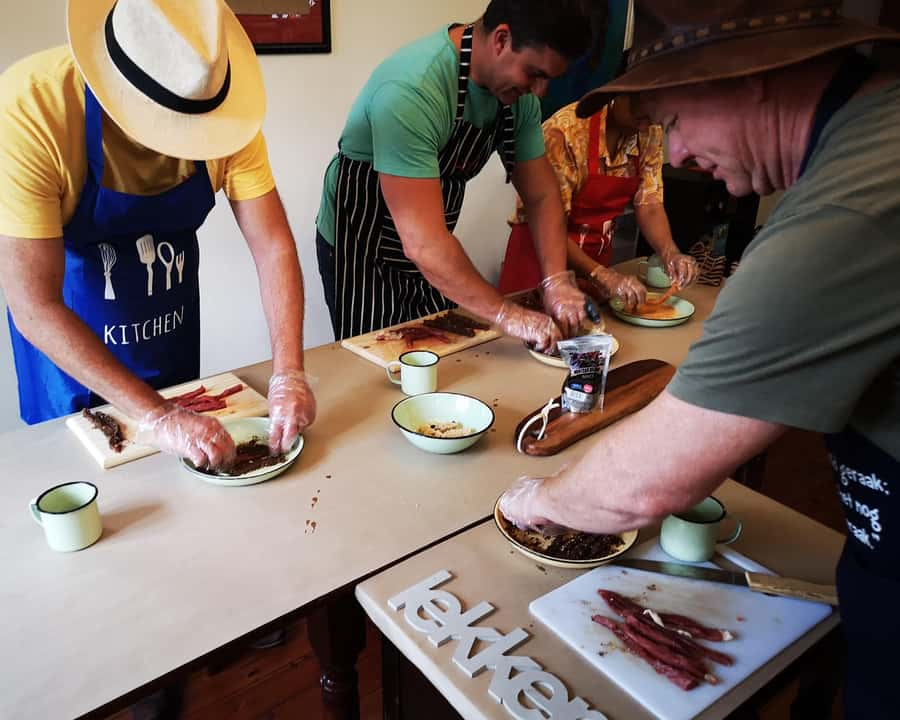
Biltong is far more than South Africa’s answer to beef jerky. In this 90-minute hands-on class, you’ll step into a local voorkamer, taste several kinds of biltong, learn how meat is cut and cured, and prepare biltong sticks to take home. I like the small group size of eight, and I like the way food, language, music, and history are mixed into one easy session.
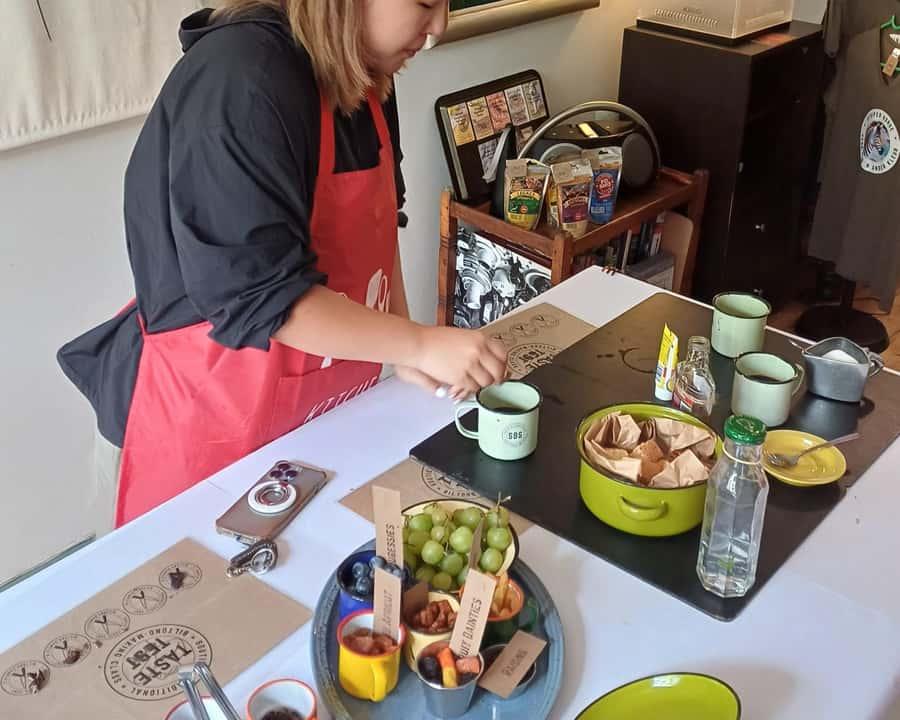
I also like the personal touches: strong moerkoffie in a tin mug, homemade karringmelkbeskuit, dried fruit, preserves, and Afrikaans sayings. The main consideration is the setting. This takes place in a home-like property with cats, and it is not suitable for wheelchair users or people with animal allergies.
Key points before you book
- Make your own biltong sticks: You’ll use provided aprons and knives while learning how the snack is prepared.
- A small Cape Town group: The class is limited to eight people, making questions and conversation easier.
- More than a food tasting: The session covers Khoisan drying methods, the Great Trek, Afrikaans, Boeremusiek, and local sayings.
- A generous spread of snacks: Expect biltong, dried fruit, preserves, coffee, buttermilk rusks, and a refreshing bottled drink.
- Vegan participation is possible: Ask in advance so the hosts can arrange a suitable option.
- A quick fit for your itinerary: The class lasts 90 minutes at Unit 5, 165 High Level Road, in Three Anchor Bay.
Entering the voorkamer in Three Anchor Bay
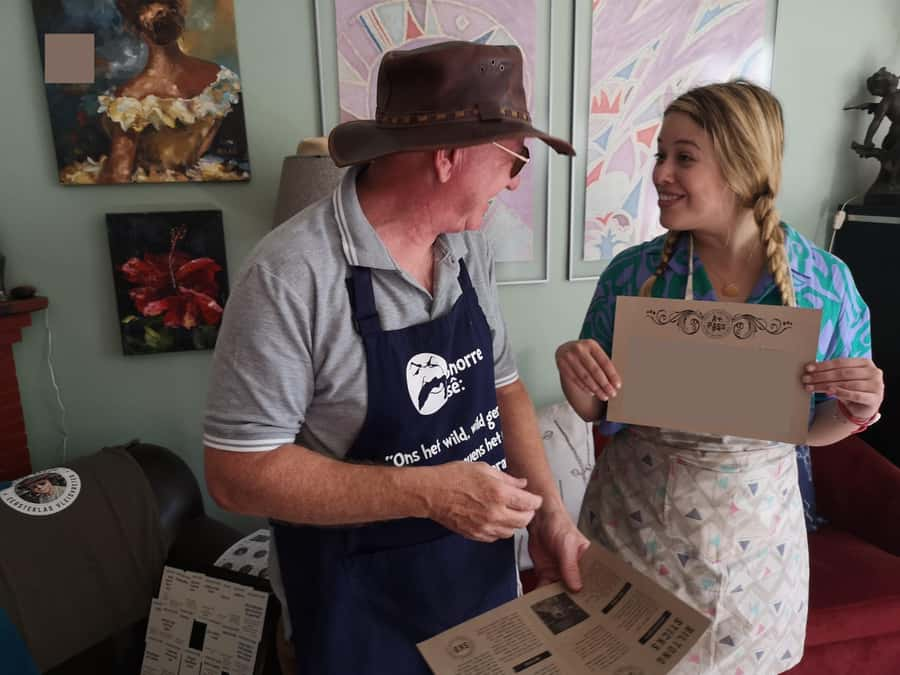
The class begins in a voorkamer, the front lounge of a South African home. That setting matters. Instead of meeting in a large commercial kitchen or a staged food hall, you spend the session in a smaller, more personal space where conversation is part of the activity.
You’ll start with a refreshing drink served in an iconic bottle, then move into local snacks and biltong. The mood is relaxed and informal, with Boeremusiek and Afrikaans songs helping set the tone. You are not expected to know anything about Afrikaans culture before arriving.
The hosts use visual aids to explain the food and the history behind it. The group size, capped at eight, is especially useful here. You can ask about the spice blend, meat cuts, or unfamiliar words without trying to speak over a large tour group.
There is also a practical point to keep in mind. Cats live on the property. If you have an animal allergy, this class is not a good choice. The property is also not suitable for wheelchair users.
More Food & Drink in Cape Town
- The Cape Town Essentials Food Tour
★ 5.0 · 385 reviews - Cape Town: V&A Waterfront Gin Voyage Cruise
★ 4.6 · 238 reviews - Authentic African Cuisine Cooking Experience
★ 5.0 · 236 reviews
From Khoisan drying methods to Great Trek spice
The first history lesson explains how Khoisan hunter-gatherers air-dried meat. This gives you a useful starting point: preserving meat was not simply a modern snack-making trick, but an old answer to the need for food that would last.
The session then moves to the Great Trek pioneers and the spices that helped shape the biltong South Africa knows today. That change is important because the taste of biltong comes from more than dried meat. The cut, grade, seasoning, curing time, and storage all affect the final result.
I appreciate that the history is tied directly to what you eat. You do not just hear a short story and then move on. You taste the result while learning why the food developed in the first place.
The class also explains the origins of Afrikaans. You’ll hear how the language grew from European, Asian, and African influences. That makes the language section more useful than a few random phrases. It shows you why Afrikaans has such a distinctive place in South African culture.
Tasting biltong, including a vegan option
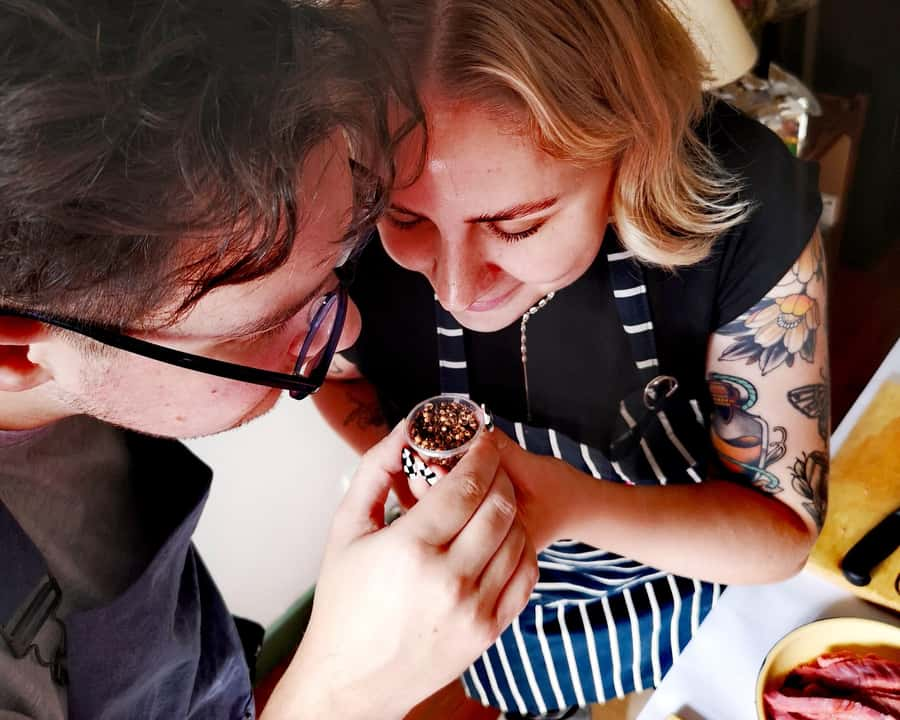
The tasting is the heart of the class. You’ll try several types of biltong and compare the differences in flavor and texture. Since the activity explains cuts of meat, grades, spices, curing, and storage, you have a framework for understanding what you are tasting.
This is particularly helpful if your only previous experience with biltong has been buying a packet at a shop. You’ll learn to think about the product as a process rather than a single snack. The class also includes a vegan biltong option, which is a welcome detail for plant-based visitors.
Vegan participants need to arrange this in advance. The information provided does not specify the exact ingredients or preparation method, so it is sensible to confirm your requirements before booking.
Alongside the biltong, you’ll snack on dried fruit and preserves. These additions break up the salty, spiced flavor of the meat and give the tasting a wider South African food focus.
Cutting, seasoning, and preparing your own sticks
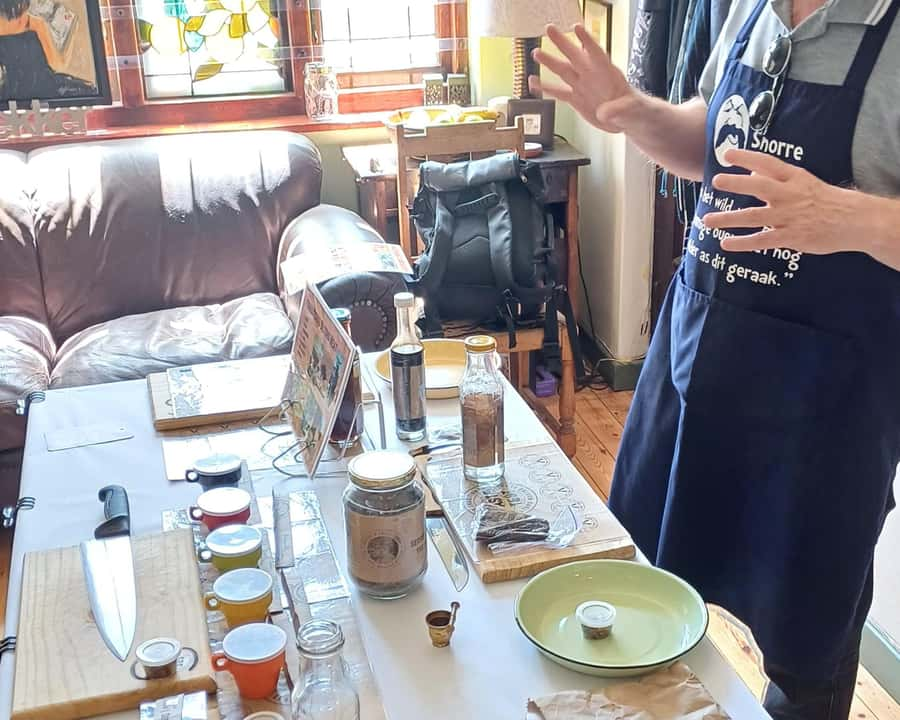
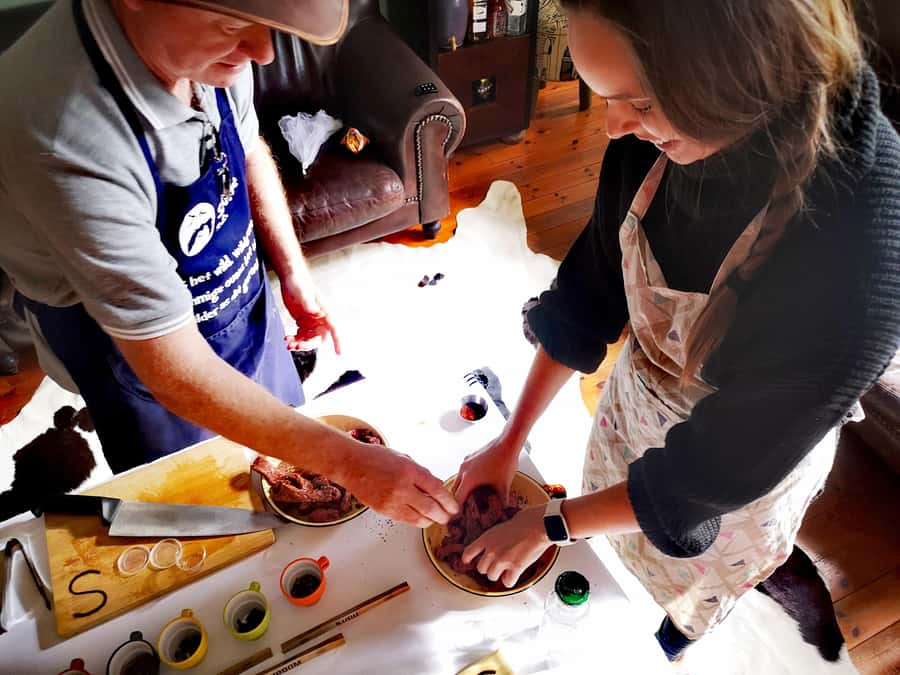
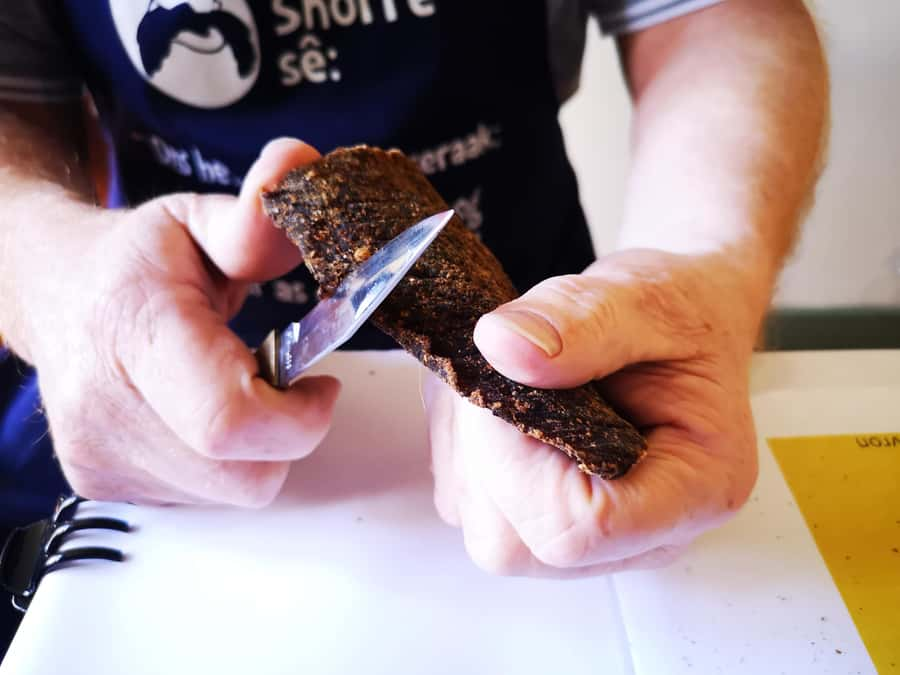
The hands-on section gives the class its practical edge. You’ll learn how the meat is selected, how it is cut, how the spice blend is applied, and how the curing and storage process works.
Then you’ll prepare biltong sticks yourself. Aprons and knives are provided, so you do not need to bring equipment. This is a simple activity, but it helps turn the earlier explanation into something you can remember and repeat.
You’ll also take home a sample of your biltong sticks. That makes the $42 price easier to assess. You are paying for a small-group cultural class, a tasting, instruction, a food activity, and a take-home sample rather than only for a plate of snacks.
The class may suit families because it is short and practical, although the information supplied does not state a specific minimum age. Children should be comfortable following instructions around knives and food preparation.
Same part of Cape Town, a completely different kind of day:
- Cape Town: Hop-On Hop-Off Bus Tour with Optional Cruise
★ 4.8 · 3,929 reviews - Zipline Cape Town – From Foot of Table Mountain Reserve
★ 5.0 · 3,179 reviews - Cape Town: Table Mountain Cable Car, Hop-On Hop-Off Bus Tour
★ 4.6 · 3,157 reviews - From Cape Town: Big Five Game Reserve with Lunch
★ 4.6 · 2,409 reviews
Moerkoffie, karringmelkbeskuit, and Afrikaans sayings
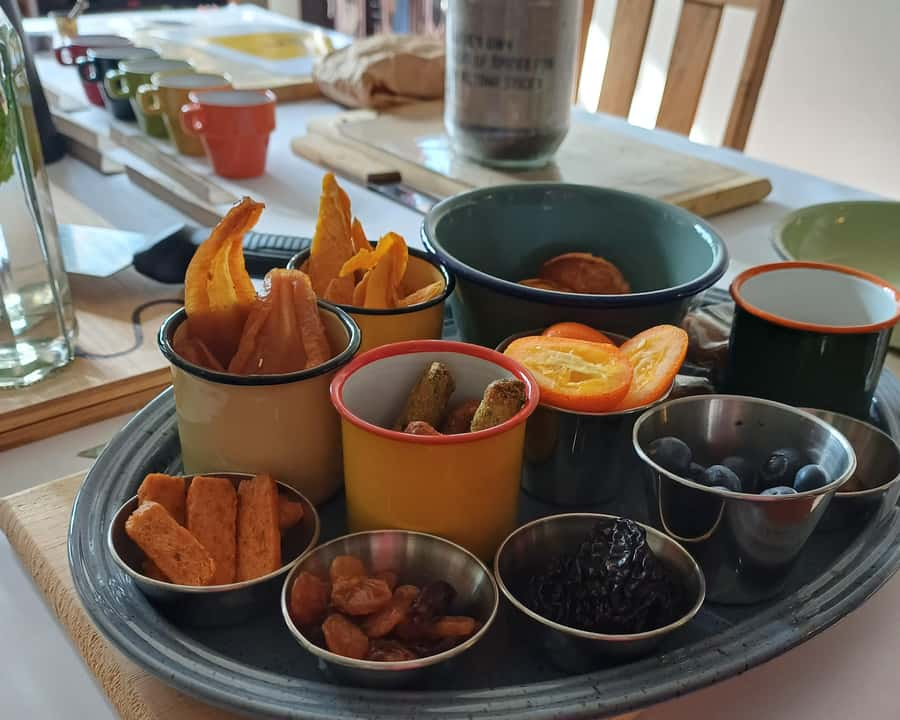
The coffee break is one of the most characterful parts of the session. You’ll be served strong moerkoffie in a rustic tin mug, with homemade karringmelkbeskuit, or buttermilk rusk.
The rusk is a classic South African companion to coffee, and dipping it into a hot drink is part of the pleasure. It also gives you a taste of everyday hospitality rather than a polished restaurant dessert.
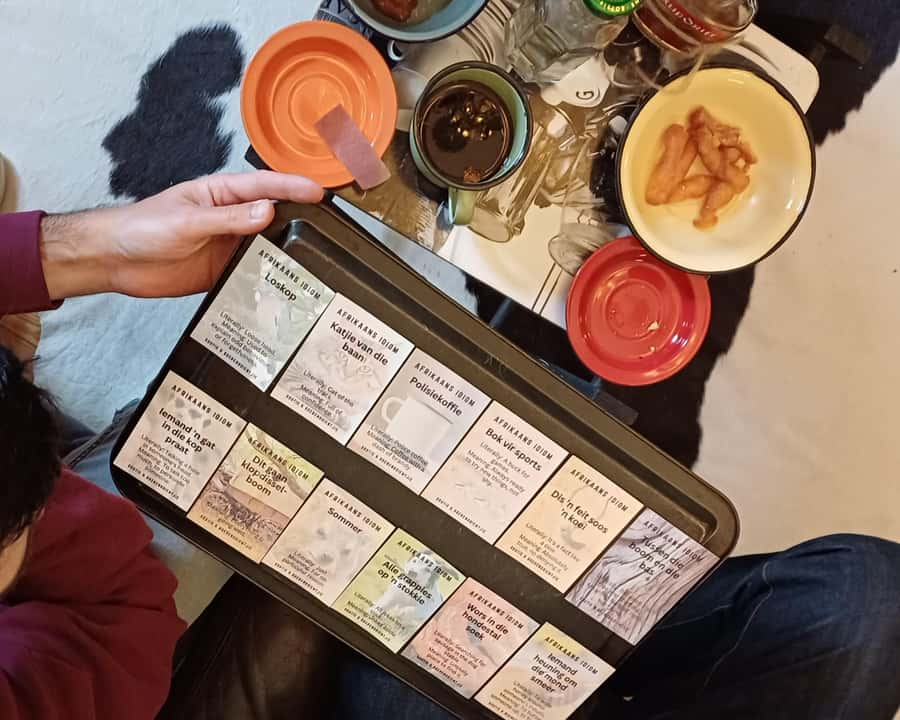
This is where the class moves beyond biltong. You’ll hear tall tales, snippets of South African history, and classic Afrikaans sayings. The sayings add a light, memorable layer to the lesson and give you something to carry into later conversations.
The hosts also bring in Boeremusiek and catchy Afrikaans tunes. Music helps explain the culture in a way that a spoken lecture cannot. The approach is playful, but the material still has substance.
How much value does the $42 price offer?
At $42 per person, this is not the cheapest way to sample South African snacks. If you only want to buy biltong, a shop will cost less. The value comes from the combination of food, instruction, cultural context, and participation.
You receive a drink, several tastings, dried fruit, preserves, coffee, homemade rusks, equipment, a biltong-making lesson, and a take-home sample. You also get a small group and an English-speaking host-led session rather than a self-guided tasting.
The 90-minute duration helps the value. You can fit it into a morning or afternoon without giving up most of your day. It may work especially well between other Cape Town plans because the meeting point is in Three Anchor Bay and the activity itself is tightly timed.
You should budget extra if you want additional biltong, souvenirs, or T-shirts. Those items are not included. Cash is recommended, so bring some if you think you may want to buy more snacks or merchandise after the class.
Who will enjoy this class most?
I would choose this for anyone curious about South African food beyond the usual restaurant menu. It suits people who like tasting sessions, small groups, local stories, and activities where they can make something with their hands.
It is also a good fit if you have a busy Cape Town schedule. Ninety minutes is long enough to feel worthwhile, but short enough to combine with other plans.
The class works for biltong fans who want to understand what they are eating. It also works for people who have never tried biltong, since the hosts explain the basics before asking you to prepare anything.
Families and mixed-age groups may appreciate the informal pace and snack-based format. Still, anyone handling a knife should be able to follow instructions, and the property is not wheelchair accessible.
Plant-based visitors can join if they arrange the vegan option beforehand. People with cat allergies should choose another food activity.
Practical details for a smooth visit
The meeting point is Unit 5, 165 High Level Road, Three Anchor Bay, Cape Town. Check the available starting times when booking because the class runs at set times.
Wear comfortable clothes. Aprons are supplied, but a relaxed outfit will make the food preparation easier. Bring a camera if you want to record the experience, and bring cash for optional purchases.
The language is English. Since the session includes stories, sayings, and explanations of food preparation, strong enough English to follow spoken instruction will be useful.
You can cancel up to 24 hours before the start time for a full refund. The reserve-now, pay-later option can help if your Cape Town schedule is still changing.
My call: book it for culture, not just snacks
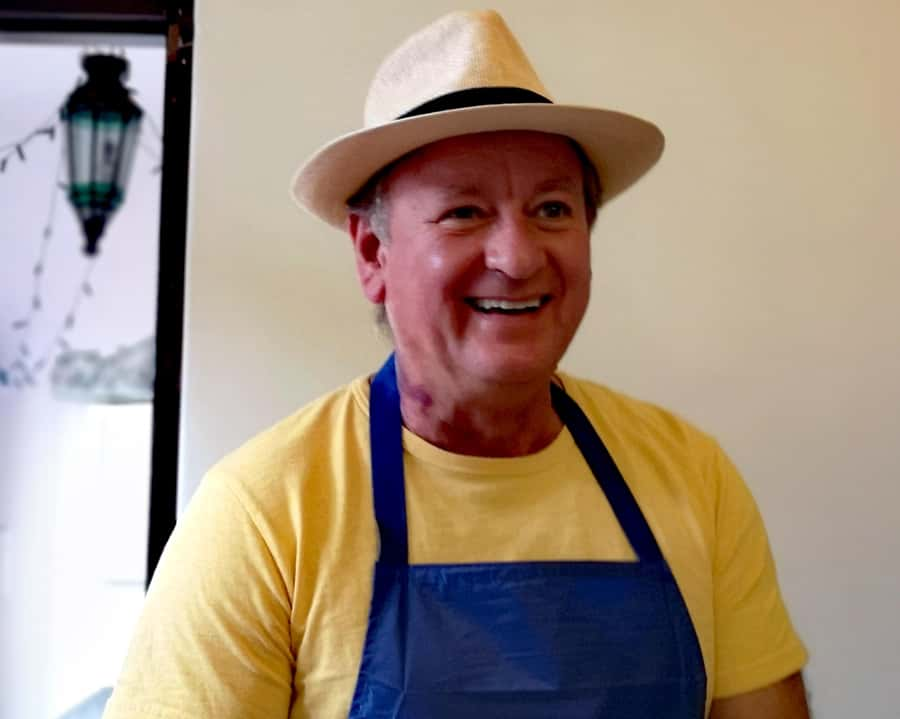
You should book Soutie’s Biltong Sticks Class if you want a personal food experience with real cultural context. The best parts are the small group, the chance to make your own biltong sticks, the variety of snacks, and the easy mix of history, language, music, and hospitality.
You should skip it if you only want a quick biltong purchase, need wheelchair access, or have an animal allergy. For everyone else, the $42 fee is fair because the class gives you something to taste, something to make, and a clearer understanding of why biltong matters in South African life.
FAQ
Where does the biltong class take place?
The class takes place at Unit 5, 165 High Level Road, Three Anchor Bay, Cape Town, South Africa.
How long does the experience last?
The experience lasts 90 minutes.
How much does the class cost?
The listed price is $42 per person.
Is the session conducted in English?
Yes. The instructor language is English.
How large is the group?
The class is limited to eight participants.
What food and drinks are included?
You receive a refreshing drink, biltong tastings, dried fruit, preserves, coffee, and karringmelkbeskuit, also known as buttermilk rusks.
Do I get to make biltong?
Yes. You’ll learn about selecting and cutting meat, seasoning, curing, and storing biltong, then prepare biltong sticks during the session.
Can vegans take part?
Yes, vegans can be accommodated by prior arrangement.
Are extra biltong and souvenirs included?
No. Extra biltong, mementoes, and T-shirts are not included, but you may be able to buy additional snacks and merchandise. Cash is recommended.
Is the activity suitable for wheelchair users or people with animal allergies?
No. The property is not suitable for wheelchair users, and cats live on the property, so it is not suitable for people with animal allergies.
Just added around Cape Town
- Private Cape Town City Evening Tour★ 5.0 · 3 reviews
- Private Cape Town City Tour table Mountain with wine tasting★ 5.0 · 10 reviews
- 100 % Catch Rate Cape Town Wild Tours★ 5.0 · 5 reviews
- Cape Town Boat Trip★ 4.0 · 5 reviews
- Cape Town Aquila Private Game Reserve Big Five Safari Adventure★ 5.0 · 4 reviews
- Cape Town Private Birding Tour★ 5.0 · 14 reviews
- Private 2-Day Cape Town Highlights: Robben Island,Table Mountain Tickets & Wine★ 5.0 · 8 reviews
- Private Transfer: CPT Airport to Cape Town in Luxury Van★ 4.0 · 5 reviews
Food & Drink, compared.
Full-Day Winelands Tour with Wine Tastings & Food
Read our review →
Hartbeespoort: 2-Hour Dam Cruise with South African Food
Read our review →


Full-Day All Inclusive Safari with Traditional Braai Lunch
Read our review →
Stellenbosch & Franschhoek 20 Wine Tasting + Lunch Shared Tour
Read our review →
Browse the lists this tour appears in