
Reviewed · BO-KAAP TOURS
Cape Town: Cape Malay Cooking Class in Bo-Kaap
Cape Malay cooking is best understood at the kitchen table, not from a restaurant menu. In a Bo-Kaap home, you prepare a three-course meal with local spices, learn how to fold a samoosa, and hear how food connects to Cape Town’s Malay community. The meal is yours to eat afterward, with soft drinks included.
I like the hands-on format, where you help make starters, flatbread, and curry rather than simply watching a demonstration. I also like the friendly home setting and the chance to talk about family, local traditions, and Bo-Kaap with hosts such as Shafeeqah, Fuad, Jasmina, or Jacinda, depending on the session.
The main consideration is mobility. The meal may be served down fairly steep stairs, and the class is a shared kitchen activity rather than a private cooking station for every person. If you need easy step-free access or want to cook every dish alone, ask before booking.
Key Points
- Cook in a Bo-Kaap family home: The setting gives the class a personal feel that a commercial kitchen cannot match.
- Make food from scratch: Common dishes include samoosas, chilli bites, roti or flatbread, and chicken or beef curry.
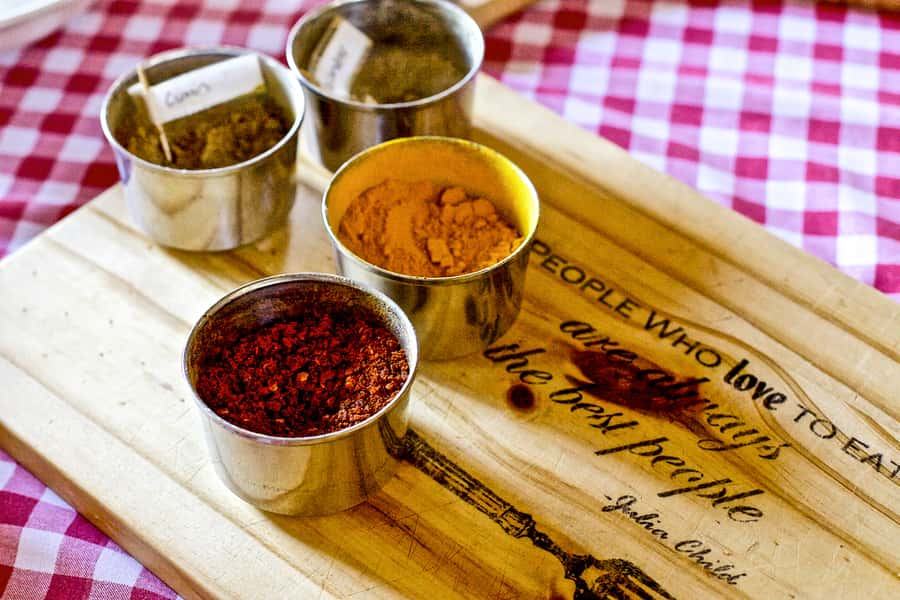
- Learn the spice logic: Your host explains the ingredients, techniques, tools, and food traditions behind Cape Malay cooking.
- Eat what you prepare: Lunch and soft drinks are included, so the class ends with a proper shared meal.
- Allow two hours: The schedule is compact, with cooking, conversation, and lunch packed into one session.
- Plan for stairs: A steep set of stairs may lead to the dining area, which matters if your back or knees are troublesome.
Why This Bo-Kaap Cooking Class Works
The appeal here is not just the food. It is the setting and the exchange that happens around it.
Bo-Kaap is known for its brightly painted homes and Cape Malay culture, but a walk through the neighborhood only gives you part of the story. This class takes you into a local home, where the history of the community is tied to everyday food. You are not simply told that spices matter. You handle them, smell them, mix them, and taste the result at lunch.
The class costs $52 per person. That is not the cheapest meal in Cape Town, but it covers a two-hour cooking lesson, the food you help prepare, lunch, and soft drinks. You are also paying for access to a family setting and for conversation that you would not get from ordering a curry in a restaurant.
I see the price as fair for visitors who value personal contact and a meal with a story. It is less compelling if your only goal is to eat Cape Malay food as cheaply as possible.
More Bo-Kaap Tours in Cape Town
- Cape Town: Malay Cooking Class and Lunch in Bo-Kaap
★ 4.8 · 515 reviews - Cape Town Walking Tour: Bo-Kaap & City Highlights
★ 4.8 · 161 reviews - Bo-Kaap: Walk with a local
★ 5.0 · 131 reviews
Entering a Traditional Bo-Kaap Home
The class takes place in the heart of Bo-Kaap, hosted by a local resident. The home setting shapes the whole experience. You are welcomed into a working kitchen and introduced to the food in the same kind of space where family recipes are passed on.
Past sessions have been led by hosts including Shafeeqah, Fuad, Jasmina, and Jacinda. The exact host can vary, but the role is consistent: guide the cooking, explain the culture, and keep the group moving through the meal.
This is also a social activity. You may share chopping, folding, stirring, and shaping tasks with people from different countries. The atmosphere is built around participation and conversation, not a formal chef’s lecture.
That makes the experience a good fit if you like meeting people while you learn. It may feel less satisfying if you prefer a quiet, private lesson with one instructor focused only on you.
The First Flavors: Samoosas and Chilli Bites
The session often begins with starter dishes such as samoosas and chilli bites. These small foods are useful teaching tools because they involve simple ingredients but require a bit of technique.
Samoosa folding is one of the practical highlights. The aim is not just to fill pastry. You learn how to fold it so the filling stays inside during cooking. That small detail can be the difference between a neat, crisp samoosa and one that opens in the pan.
Chilli bites bring a different lesson. They show how spice and texture work together in Cape Malay cooking. Your host explains the ingredients and demonstrates the process, then you take part rather than watching from the side.
The class does not give every person an individual cooking station. The group works together on the starters and main meal. That arrangement keeps the conversation flowing, but it means you may not personally complete every task from beginning to end.
If you want maximum hands-on time, speak up and volunteer for different jobs. The structure is inclusive, and the hosts encourage participation, but you will get more from it if you make your interest clear.
Roti, Flatbread, and the Main Curry
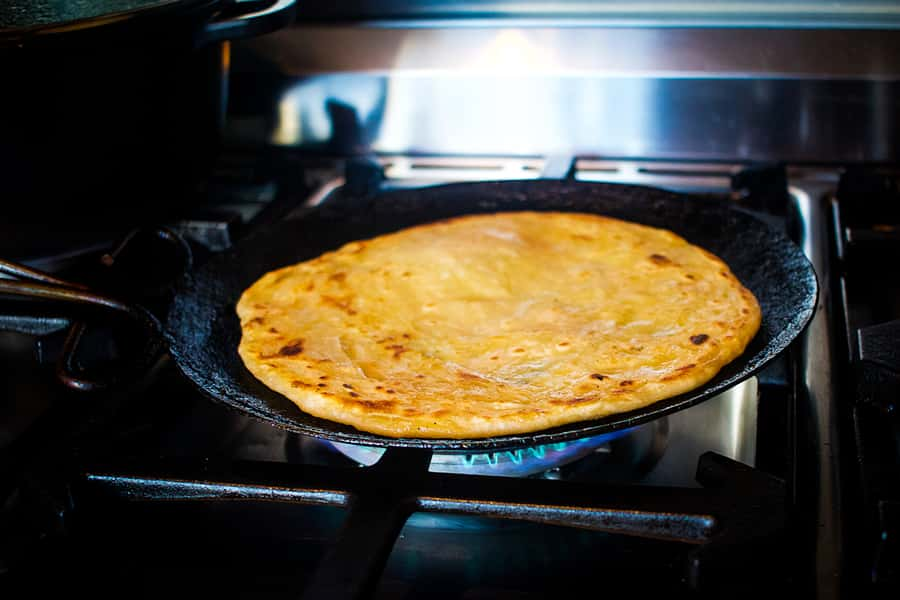
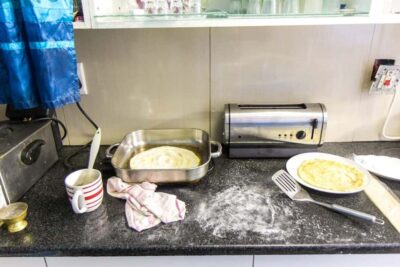
Roti or flatbread is another common part of the session. Making bread adds a tactile part to the class, with shaping and cooking alongside the more aromatic curry work.
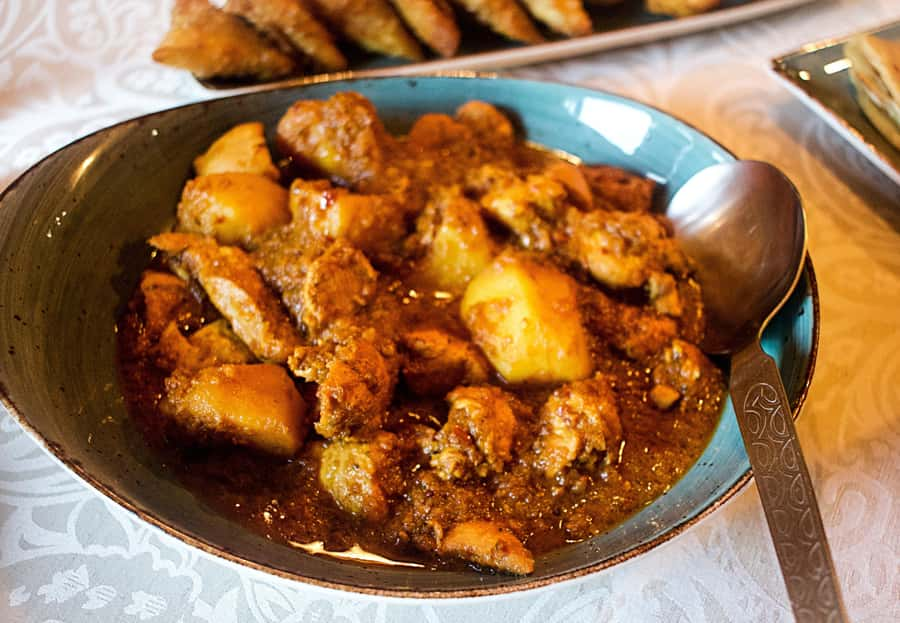
The main dish has included chicken curry and beef curry in different sessions. The exact menu can change, so you should not book expecting one fixed recipe. The important point is that you learn how the spices and cooking methods come together in a proper Cape Malay meal.
The food is prepared from scratch with fresh ingredients and authentic spices. Your host explains the tools and ingredients, along with tips that help the process make sense. This is where the class moves beyond a simple recipe demonstration. You learn why a step matters, not just what to do next.
The timing is tight at two hours. You will not be taking a slow, all-day culinary course with long breaks between dishes. Instead, the host organizes several tasks at once so the starters, bread, and main course are ready for lunch within the session.
That pace is useful for a short stay in Cape Town. It also means you should expect a practical introduction rather than advanced chef training.
More Cooking Classes in Cape Town
- Authentic African Cuisine Cooking Experience
★ 5.0 · 236 reviews - Cape Town: Bo-Kapp Walking Tour and Malay Cooking Class
★ 4.7 · 105 reviews - Cape Town: Authentic African Cuisine Cooking Experience
★ 4.9 · 31 reviews
A History Lesson Served With Lunch
The food is tied to the story of Cape Malay culture, and the host explains that connection during the class. You hear about Bo-Kaap, local traditions, family life, and the community while preparing the meal.
I value this part because it gives the dishes context. Spices are not treated as a random list of ingredients, and cooking is not separated from the people who keep these traditions alive. The conversation helps you understand why a meal prepared in a family home can feel different from a dish ordered at a restaurant.
The history lesson is informal. It happens while you work, eat, and talk. Some sessions may include more discussion than others, depending on the host and the questions from the group.
You should come ready to ask questions. The class gives you a direct chance to talk about the cuisine and Bo-Kaap with someone who lives within that culture. It is a better fit for curious visitors than for anyone looking for a purely technical cooking lesson.
Sitting Down to Eat What You Made
Once the cooking is finished, you sit down for lunch with the host and the rest of the class. The meal usually brings together the starters, bread, and curry prepared during the session. Soft drinks are included.
This shared meal is the payoff, but it is also part of the lesson. You can taste how the spices developed and see how the separate tasks became a complete three-course meal.
The food has earned particularly strong praise, with repeated comments about generous portions, delicious results, and the pleasure of eating something made together. I would still keep expectations sensible. The menu can vary, and this is a home cooking class, not a formal restaurant tasting menu.
The dining area may be reached by fairly steep stairs. One person with a serious back injury found this difficult, so I would take the warning seriously. If stairs create a problem for you, ask the provider about access before paying.
The Social Side of the Two-Hour Session
The cooking tasks naturally encourage conversation. You may be folding samoosas beside one person, helping with a curry beside another, and then sharing the meal at the same table.
That makes this a useful choice for solo visitors and couples who want an activity with some human contact. It also works well for families. Teenagers who were initially unsure about the class have ended up enjoying the practical work and the meal.
Families with dietary restrictions have received help in the past, but you should raise your needs ahead of time. The available information does not promise that every dietary request can be met at every session.
The hosts are described as warm, patient, and accommodating. That matters in a group class, where cooking experience will vary. Beginners can take part without feeling put on the spot, while more confident cooks can ask for extra tips.
Alcohol and drugs are not allowed. Keep the mood focused on food, conversation, and the meal itself.
What the Class Is Not
This is not a private chef lesson where everyone receives a separate workbench and cooks a complete meal alone. The group shares preparation, and the dessert may already be prepared before the class begins.
That setup has advantages. It keeps the class moving and allows everyone to help with different parts of the meal. It also creates a relaxed, social mood.
The tradeoff is that you may not personally make every dish. If you want to leave with a full set of advanced techniques, this may feel limited. If you want to learn a few useful methods, eat well, and understand the culture behind the dishes, the format works better.
It is also not a sightseeing tour with transport around Cape Town. Transportation is not included, so you need to arrange your own way to Bo-Kaap and to the meeting point.
Who Should Book This Experience
I would recommend this class to you if you:
- Want a meal connected to Cape Town culture rather than a standard restaurant visit
- Enjoy cooking with other people
- Like learning through conversation and practical tasks
- Are interested in spices, bread, curries, and small savory snacks
- Have about two hours available in Bo-Kaap
- Are comfortable with a shared home kitchen and possible stairs
It is especially useful early in a Cape Town visit. The class gives you a better sense of Bo-Kaap before you explore more of the city, and the cooking tips may help you recognize Cape Malay flavors elsewhere.
You may want another type of activity if you need step-free access, dislike group participation, or want a long, technical cooking course. You should also confirm the menu if one particular dish is important to you.
Timing, Language, and Booking Flexibility
The experience lasts two hours, and starting times depend on availability. English and Afrikaans are spoken by the host or greeter.
The activity offers free cancellation up to 24 hours in advance for a full refund. You can also reserve now and pay later, which is useful if your Cape Town schedule is still changing.
Since transportation is not included, build in enough time to reach Bo-Kaap. The information provided does not specify a pickup service, group size, or a fixed meeting point beyond the neighborhood, so check those details before booking.
My Take on the $52 Price
At $52, this is more than a casual lunch, but the comparison should not be with the price of a takeaway curry. You are paying for instruction, ingredients, a three-course meal, soft drinks, and time in a local home.
The best value comes from the cultural side. A restaurant can serve you Cape Malay food, but it cannot easily give you the same chance to ask about family recipes, local customs, and the community while helping prepare the meal.
The value is weaker if you will not eat the dishes, cannot manage the stairs, or prefer to watch instead of participate. For most food-focused visitors, though, the meal and personal setting make the price reasonable.
Should You Book It?
Yes, if you want an approachable and personal introduction to Cape Malay cooking. The strongest parts are the home setting, the chance to help make the food, and the relaxed conversation about Bo-Kaap and local culture.
Book with two checks in mind: confirm that the shared cooking format suits you, and ask about the stairs if mobility matters. If those points are fine, this is one of the better ways to turn a Cape Town meal into a useful cultural memory.
FAQ
How long does the Cape Malay cooking class last?
The class lasts two hours, including the cooking session and the meal afterward.
What food will I prepare?
The meal is a three-course Cape Malay menu prepared from scratch. Dishes have included samoosas, chilli bites, roti or flatbread, and chicken or beef curry. The exact menu may vary.
Is lunch included?
Yes. Lunch and soft drinks are included in the activity price.
Is transportation included?
No. You must arrange your own transportation to the Bo-Kaap location.
What languages are spoken?
The host or greeter speaks English and Afrikaans.
Can I cancel for a full refund?
Yes. You can cancel up to 24 hours in advance for a full refund.
Is this a private cooking station for each person?
No. The group works together on the starters and main meal. The dessert may be prepared beforehand, so this is a shared, social cooking class rather than an individual workstation lesson.
Just added around Cape Town
- 100 % Catch Rate Cape Town Wild Tours★ 5.0 · 5 reviews
- Private Cape Town City Evening Tour★ 5.0 · 3 reviews
- Private Cape Town City Tour table Mountain with wine tasting★ 5.0 · 10 reviews
- Cape Town Boat Trip★ 4.0 · 5 reviews
- Cape Town Aquila Private Game Reserve Big Five Safari Adventure★ 5.0 · 4 reviews
- Cape Town Private Birding Tour★ 5.0 · 14 reviews
- Private 2-Day Cape Town Highlights: Robben Island,Table Mountain Tickets & Wine★ 5.0 · 8 reviews
- Cape Town Airport and Hotel Private Transfers★ 5.0 · 7 reviews
Bo-Kaap Tours, compared.

Cape Town Walking Tour: Bo-Kaap & City Highlights
Read our review →




Full-Day Kirstenbosch, Bo-Kaap, and Penguins Tour
Read our review →Browse the lists this tour appears in