
Reviewed · MUSEUMS
Cape Town: Heart of Cape Town Medical Museum Entrance Ticket
The most remarkable part of this Cape Town visit is simple: you stand inside the original operating rooms where the world’s first successful heart transplant took place on December 3, 1967. The rooms are restored and arranged to show the operation led by Professor Christiaan Neethling Barnard, so the story feels tied to a real place rather than locked behind a glass case.
I like the way the museum connects the famous operation to the people who made it possible, and I like the small group limit of 10 participants. Your certified English-speaking guide can explain the medical breakthrough, the people involved, and the displays without the noise of a large tour. The main consideration is that this is a focused museum visit, not a broad tour of Cape Town or the hospital.
Key points
- Original Charles Saint Theatre: See the operating rooms as they were arranged for the historic 1967 surgery.
- Two key surgical spaces: Visit the rooms used for organ removal and for the transplant itself.
- A 1.5-hour guided visit: The compact length works well alongside other Cape Town plans.
- Small groups of up to 10: You should have a better chance to hear the guide and ask questions.
- Medical history with human detail: Press articles, background material, a film, and lifelike operating scenes explain the event.
- Easy booking terms: Entrance and the guided tour are included, with free cancellation up to 24 hours before the visit.
Entering Groote Schuur Hospital in Observatory
You begin at Groote Schuur Hospital on Main Road in Observatory, at the stated meeting point for the museum. There is no hotel pickup, so you need to arrange your own way to the hospital and allow enough time to find the meeting point.
That starting location matters. This is not a replica built in a new exhibition hall. The museum occupies the original setting connected with the operation, giving the visit a stronger sense of place from the moment you arrive.
Your tour lasts about 1.5 hours and returns to the hospital at the end. That makes it easy to plan as a morning or afternoon activity, though the actual start times vary by availability. Check the schedule before booking rather than assuming you can arrive at any hour.
The group is limited to 10 people. I consider that a real advantage here because the subject needs explanation. You will likely have questions about the operation, the medical team, and the displays, and a small group gives the guide more room to answer them.
The museum is wheelchair accessible. Children under 10 are not permitted, so this visit suits older children, teenagers, and adults better than families with very young children.
More Museums in Cape Town
- Museum of Contemporary African Art: Fast-Track Zeitz MOCAA
★ 4.4 · 204 reviews - Cape Town: Private Guided Tour of Cape Town Diamond Museum
★ 4.7 · 156 reviews - Zeitz MOCAA
★ 3.5 · 94 reviews
Why the 1967 operation still matters
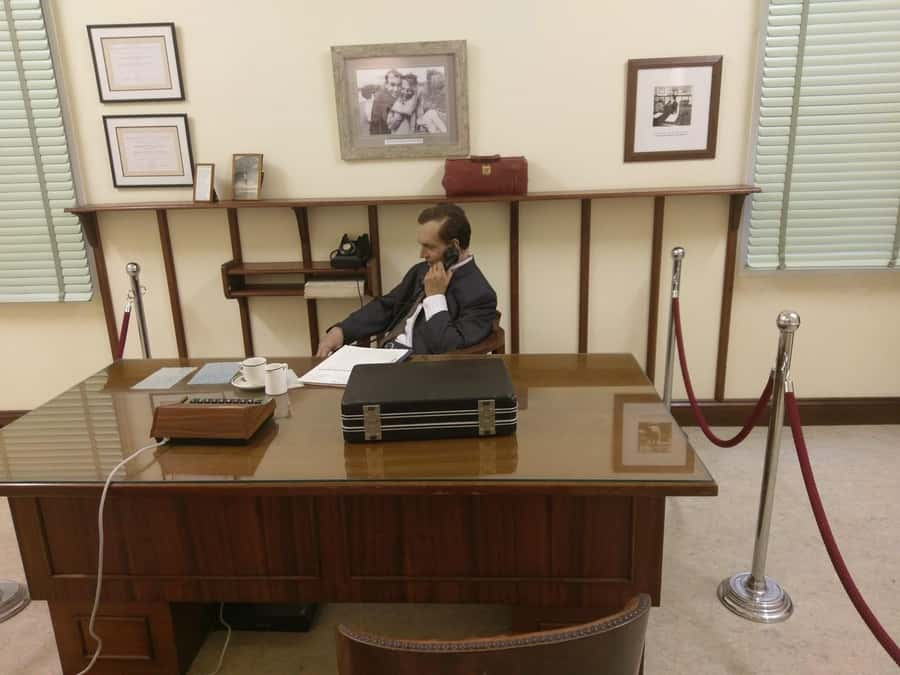
The museum focuses on the first successful human heart transplant, an event that pushed surgery and medical science into a new era. The operation was led by Professor Christiaan Neethling Barnard, whose name is closely tied to the procedure, but the museum also honors the wider team and the people who played important roles.
That wider focus is useful. Famous medical breakthroughs can become one-person stories, yet surgery depends on many hands, careful planning, technical skill, and difficult decisions. The displays help place Barnard’s role within the larger effort.
The date, December 3, 1967, gives the story a clear point in time. You are not just hearing that a transplant happened decades ago. You are looking at the rooms where the operation took place and learning how that particular day changed medical history.
The museum also helps you understand the emotional weight of the event. The operation was a major scientific achievement, but it involved real people, difficult choices, and a medical team working under extraordinary pressure. The guided format gives that human side more space than a quick self-guided visit would.
Seeing the organ removal and transplant rooms
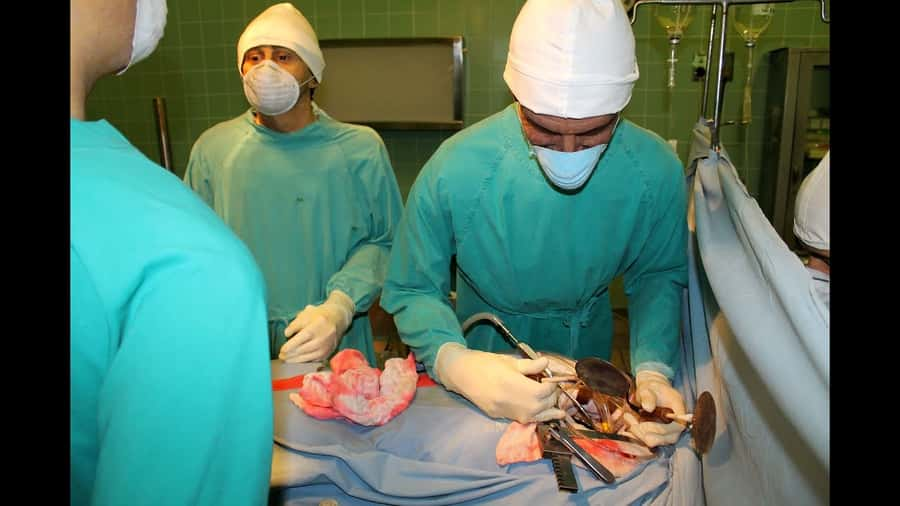
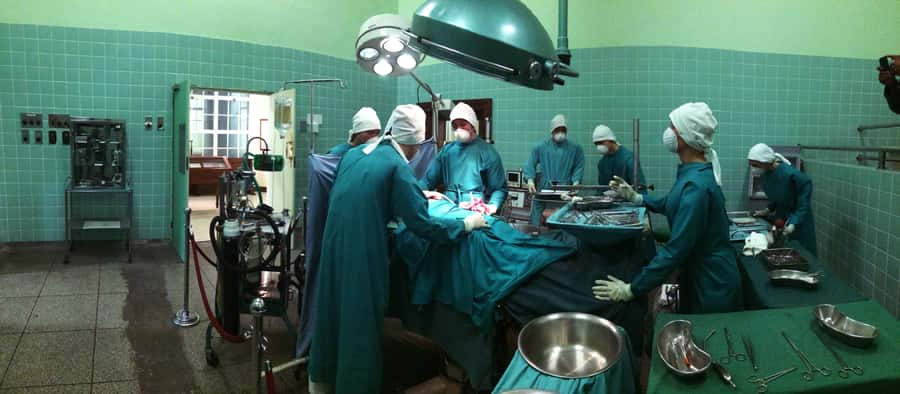
The strongest part of the tour is the presentation of the two operating areas. One was used for organ removal and the other for the transplant. Both have been restored and arranged to show the scenes connected with the operation.
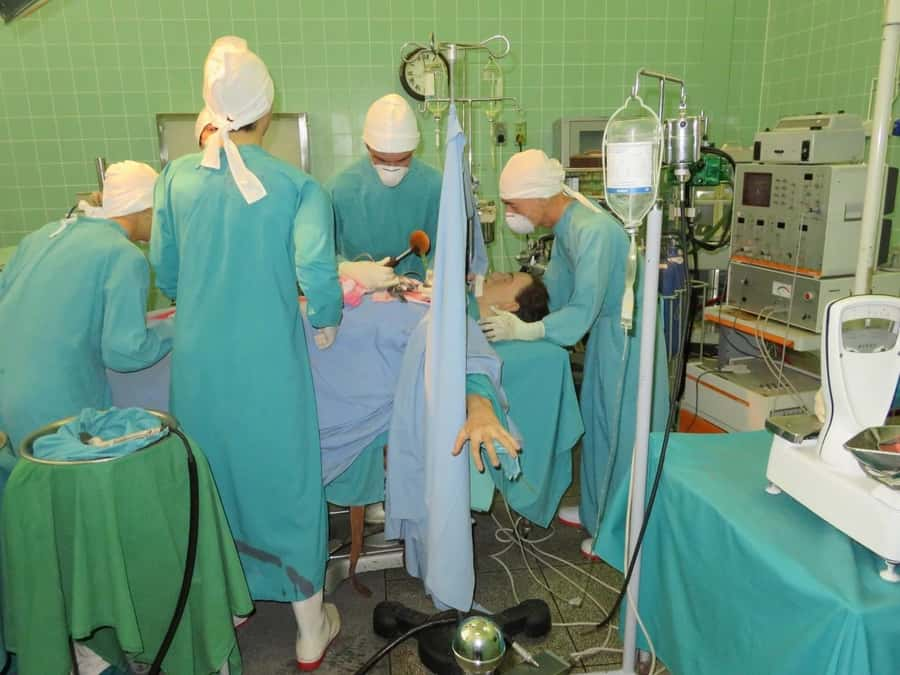
The display uses lifelike operating-room figures and equipment to recreate the decisive moments. This presentation is direct and, for some people, intense. You are not looking at a distant photograph of a room. You are seeing a carefully staged version of the surgical work at the original site.
I find this approach more effective than a room filled only with labels and dates. The arrangement helps you understand how the operation unfolded and why the setting matters. It also gives you a clearer sense of the teamwork required between the operating areas.
If you have a strong reaction to medical displays, keep that in mind before booking. The museum is designed around surgery, and the recreated scenes are meant to bring the event close to you. They are not graphic details in the information provided, but the subject itself may feel serious or unsettling.
The guide is important at this point. The objects and room layouts can show you where things happened, but the explanation helps connect the spaces to the medical decisions and people involved. Since the tour is in English, you should be comfortable following spoken English for the full 1.5 hours.
The film, press material, and people behind the breakthrough
The operating rooms provide the drama, but the museum adds context through background information, press articles, and film material. A film is part of the experience, and one memorable response singled it out as a particularly exciting element.
The press material shows how widely the first transplant captured attention. You can see the event not only as a medical procedure but also as a moment that reached the public and helped shape how modern surgery was understood.
The displays also focus on the people involved. That makes the visit more than a technical explanation of transplantation. You learn about the medical team and the wider group whose work helped make the operation possible.
I especially like this balance between the room reconstruction and the supporting material. If you are interested in medicine, the surgical detail gives you plenty to think about. If you are more interested in social or human history, the press coverage and personal background add another path into the story.
The information provided does not list the name of your individual guide. You can expect a trained and certified guide who leads the visit in English, but you should not book this expecting a named specialist or a choice of languages.
Same part of Cape Town, a completely different kind of day:
- Cape Town: Hop-On Hop-Off Bus Tour with Optional Cruise
★ 4.8 · 3,929 reviews - Zipline Cape Town – From Foot of Table Mountain Reserve
★ 5.0 · 3,179 reviews - Cape Town: Table Mountain Cable Car, Hop-On Hop-Off Bus Tour
★ 4.6 · 3,157 reviews - From Cape Town: Big Five Game Reserve with Lunch
★ 4.6 · 2,409 reviews
What the 1.5-hour route feels like
The route is short enough to remain focused. You meet at Groote Schuur Hospital, take the guided museum visit, and finish back at the same hospital. There is no separate sightseeing route through Cape Town, no meal stop, and no transport between attractions.
That simple structure suits a particular kind of day. You can pair the museum with other plans in Observatory or elsewhere in Cape Town without giving up an entire day. The advertised duration is one day for ticket validity, but the actual guided visit is about 1.5 hours, so do not confuse the two.
The guide leads the group through the museum rather than leaving you to read everything alone. This matters because the significance of the rooms depends on sequence and explanation. You see the location, learn what happened there, and then connect the operating rooms with the film and printed material.
The tour should also be manageable for visitors who prefer a clear schedule. The route begins and ends at one place, and the group size is capped. Still, the hospital meeting point means you should plan your own arrival carefully. Hotel pickup and drop-off are not included.
Food and drinks are not included either. This is not a meal-based excursion, so eat before or after the visit if you need more than a museum stop.
Is $22 a fair price?
At $22 per person, the value comes from the original setting and the guided explanation rather than from the length of the visit. A 1.5-hour museum tour is not a full-day activity, but the ticket gives you entrance and a live guided tour in a place directly connected with a major medical event.
I think the price makes sense if you are interested in medicine, surgery, science, or Cape Town’s important historical sites. The restored operating rooms give the visit something a standard medical exhibit cannot easily provide. You are paying for access to a specific place and for the guide’s help in interpreting it.
The value is less clear if you want a general Cape Town attraction with scenic views, shopping, food, or a wide mix of subjects. This museum stays tightly focused on one operation and its impact. That focus is its strength, but it also means you should choose it because the subject appeals to you.
The small group adds value. With no more than 10 people, you are less likely to be standing far behind a large crowd while the guide explains the displays. A small group also suits the serious tone of the museum.
If you are building a packed itinerary, the compact tour length helps. You get a substantial historical visit without assigning a full day to it. Just remember to allow time for your own transport to and from Groote Schuur Hospital.
Who will enjoy this museum most?
I would recommend this visit first to adults and older children with a real interest in medicine or science. Anyone curious about surgery, transplant history, or major twentieth-century breakthroughs should find the original rooms especially meaningful.
It also suits visitors who value place-based history. The museum does not simply tell you about the first transplant. It brings you to the hospital and operating rooms connected with the event. That physical connection is the main reason to choose this experience over a general medical exhibit.
History-minded visitors should also find plenty to consider in the press articles and background material. The operation became a public event as well as a medical one, and the museum shows how the story reached beyond the surgical team.
Couples may appreciate the quiet, serious pace. One couple described the guided explanations as moving, which fits the nature of the subject. This is not a light entertainment stop, and you should be prepared for a visit that asks you to think about patients, doctors, risk, and medical change.
It is not suitable for children under 10. Families with older children can decide based on each child’s interest and comfort with operating-room displays.
Practical details before you book
The meeting point is Groote Schuur Hospital, Main Road, Observatory, Cape Town, 7925, South Africa. You must make your own way there because hotel pickup and drop-off are not included.
The tour is conducted in English by a live guide. Entrance fees and the guided visit are included in the $22 price. Food and drinks are not included.
The museum is wheelchair accessible. The group is limited to 10 participants, which is helpful for a guided visit built around displays and reconstructed rooms.
You can cancel up to 24 hours in advance for a full refund. The reserve-now-and-pay-later option lets you hold a place without paying at the time of booking, which is useful when your Cape Town schedule is still changing.
The ticket is valid for one day, but you need to check availability for the starting time. Since the tour begins and ends at Groote Schuur Hospital, check your transport plan and avoid scheduling another fixed activity too close to it.
Should you book the Heart of Cape Town Museum?
Book it if you want a focused, human-scale look at a major medical breakthrough and the chance to see the original operating rooms connected with it. The lifelike surgical scenes, film, press material, and certified guide give the 1.5-hour visit enough substance to justify its place in a Cape Town itinerary.
I would skip it if you are looking for a broad hospital tour, a scenic attraction, or an activity with food and transport included. For the right audience, though, the $22 ticket offers something unusually specific: the chance to stand where the first successful heart transplant was performed and understand the people and pressure behind that event.
FAQ
Where does the Heart of Cape Town Museum tour begin?
The tour begins at Groote Schuur Hospital, Main Road, Observatory, Cape Town, 7925, South Africa.
How long does the guided tour last?
The guided visit lasts about 1.5 hours. It starts and finishes at Groote Schuur Hospital.
What does the $22 ticket include?
The price includes entrance fees and the guided tour.
Is hotel pickup included?
No. Hotel pickup and drop-off are not included, so you need to arrange your own transport to and from Groote Schuur Hospital.
What language is the tour conducted in?
The live guided tour is conducted in English.
How many people can join the group?
The experience uses small groups limited to 10 participants.
Is the museum wheelchair accessible?
Yes. The activity is listed as wheelchair accessible.
Can children join the tour?
Children under 10 are not permitted to take part.
Can I cancel the booking or pay later?
You can cancel up to 24 hours in advance for a full refund. A reserve-now-and-pay-later option is also available, subject to the booking terms.
Just added around Cape Town
- 100 % Catch Rate Cape Town Wild Tours★ 5.0 · 5 reviews
- Private Cape Town City Evening Tour★ 5.0 · 3 reviews
- Private Cape Town City Tour table Mountain with wine tasting★ 5.0 · 10 reviews
- Cape Town Boat Trip★ 4.0 · 5 reviews
- Cape Town Aquila Private Game Reserve Big Five Safari Adventure★ 5.0 · 4 reviews
- Cape Town Private Birding Tour★ 5.0 · 14 reviews
- Private 2-Day Cape Town Highlights: Robben Island,Table Mountain Tickets & Wine★ 5.0 · 8 reviews
- Private Transfer: CPT Airport to Cape Town in Luxury Van★ 4.0 · 5 reviews
Museums, compared.

Soweto /Johannesburg and Apartheid Museum Guided Full Day Tour
Read our review →
Jo’berg in 1 Day: Soweto, Apartheid Museum & City Tour
Read our review →
Johannesburg: Full-Day Tour with Soweto and Apartheid Museum
Read our review →
Full-Day Soweto, Apartheid Museum and Lunch Tour
Read our review →
Half Guided Day Tour of Soweto And Apartheid Museum
Read our review →
Ultimate Johannesburg Soweto Experience with Apartheid Museum
Read our review →
Hop-On Hop-Off Bus, City Tour and Apartheid Museum
Read our review →
Museum of Contemporary African Art: Fast-Track Zeitz MOCAA
Read our review →Browse the lists this tour appears in