
Reviewed · CAPE TOWN TOURS
Cape Town: The Diamond Works Institute Sparkling Tour
Cape Town’s Diamond Works Institute turns a jewelry showroom into a compact lesson in South African mining and craftsmanship. You’ll follow a rough diamond through cutting and polishing, watch Tanzanite being worked by hand, then use VR to visit the Kimberley diamond fields of 1872. The Taylor Burton diamond neckpiece adds a touch of Hollywood drama.
I like the free admission, especially for a short, educational stop in Cape Town. I also like the mix of live workshop skills and hands-on technology, from CAD jewelry design to historic VR mining. The main consideration is that food and parking are not included, and the visit takes place in a retail setting, so you should be comfortable browsing jewelry without feeling obliged to buy.
Key points at a glance
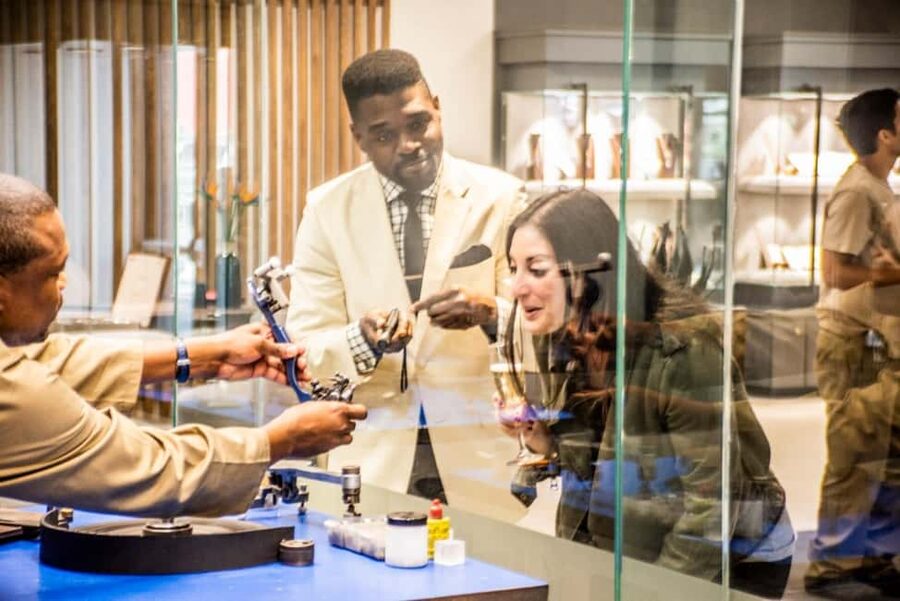
- A working Tanzanite studio: See this rare blue stone being polished in the only operating studio of its kind in the Southern Hemisphere open to the public.
- A diamond’s full journey: Watch rough stone become a finished jewel through cutting and polishing.
- A free Cape Town activity: The tour costs nothing per person and begins with sparkling wine or juice.
- VR Kimberley in 1872: Step into the early diamond rush and mine a virtual diamond yourself.
- The Taylor Burton moment: Use augmented reality to wear a version of the famous diamond neckpiece on a red carpet.
- A real design option: Create a jewelry design with CAD technology and print a wax model for possible production.
Starting beside the Rockefeller Hotel
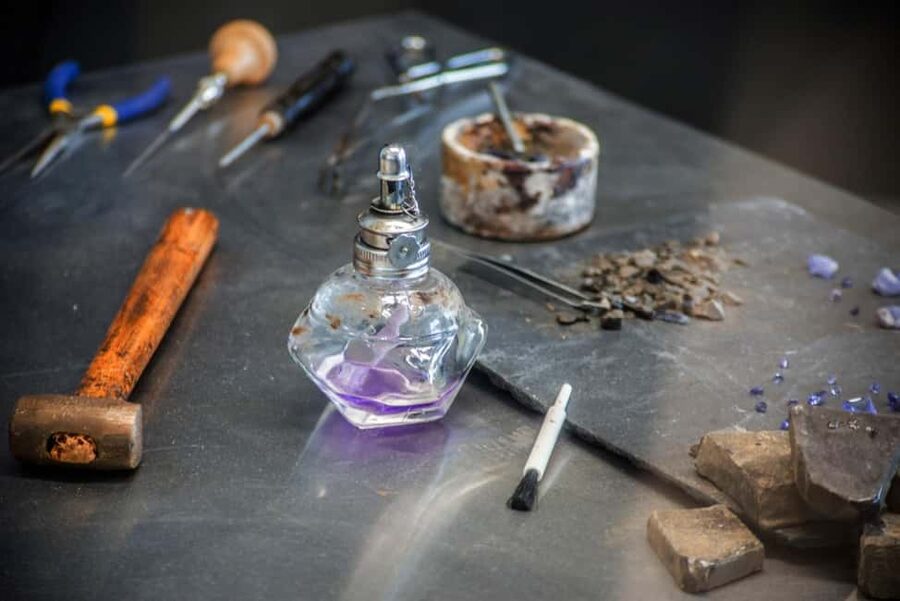
The Diamond Works Institute is next door to the Rockefeller Hotel, with artwork on the outside wall to help you spot the entrance. The tour returns to this same meeting point, so you do not need to arrange a separate pickup at the end.
You begin with sparkling wine or juice. It is a simple touch, but it gives the visit a polished opening and makes the experience feel more like an introduction to a jewelry house than a standard museum stop. If you do not drink alcohol, the juice option keeps the welcome straightforward.
The tour is offered in English, Afrikaans, Turkish, French, and German. That language range can be useful if your group has mixed preferences, though the available guide for your time is not specified.
The experience does not include food or parking. Plan around that. You can treat it as a focused stop before lunch or dinner rather than a full outing with refreshments.
A few more Cape Town days worth comparing
- Cape Town: Hop-On Hop-Off Bus Tour with Optional Cruise
★ 4.8 · 3,929 reviews - Zipline Cape Town – From Foot of Table Mountain Reserve
★ 5.0 · 3,179 reviews - Cape Town: Table Mountain Cable Car, Hop-On Hop-Off Bus Tour
★ 4.6 · 3,157 reviews
How South African diamonds changed the country
The first main section explains how diamonds were discovered in South Africa and how the stones affected the region’s economy and heritage. The presentation connects the sparkle in a display case with the work, money, and ambition that grew around mining.
That context matters. A diamond is easy to admire as a finished object, but much harder to understand as a rough stone pulled from the earth. The tour gives you the missing steps: discovery, extraction, sorting, cutting, polishing, design, and sale.
You will also be introduced to the Kimberley diamond rush. The year 1872 is used as a window into the early days of the diamond fields, when Kimberley became central to South Africa’s mining story.
I appreciate this historical framing because it keeps the visit from being only about luxury. You get a look at the economic force behind the stones, along with the technical work that gives them their familiar shape and fire.
This is not a visit to an active mine. You are seeing the story through displays, craft demonstrations, augmented reality, and VR. That makes it easy to fit into a city day, but it will not satisfy someone looking for a rugged outdoor mining excursion.
Watching rough diamonds become finished stones
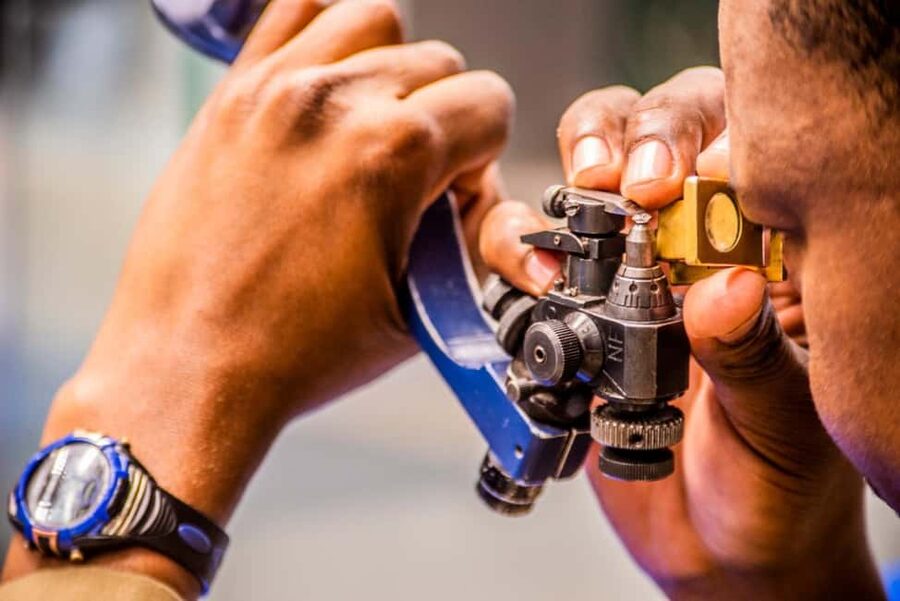
The cutting and polishing section is the practical heart of the tour. You can watch skilled artisans work on rough diamonds and see how a stone’s shape is changed to reveal its brilliance.
This is where the price of a finished diamond begins to make more sense. The stone is not simply found and placed in a case. It must be assessed, cut with care, polished, and set into a design. Small decisions affect how the finished stone handles light.
The process also shows why craftsmanship matters. A rough diamond can look plain or cloudy before it is cut. The transformation is gradual, precise, and dependent on the person handling the stone.
I would pay close attention here and ask questions if the guide invites them. This is the section most likely to help you make sense of diamond quality, rather than simply admire the final product.
The tour is especially suitable for anyone who wants a basic introduction without committing to a long museum visit. Families, first-time jewelry buyers, and people curious about the work behind luxury goods should find this part useful.
A closer look at African goldsmithing
The goldsmith manufacturing section focuses on the institute’s in-house, third-generation goldsmiths. You get to see how African precious metals are turned into finished jewelry and learn about the techniques involved.
The family craft angle gives this part a human scale. Instead of seeing only a polished ring or necklace, you can connect the object with years of practice and a particular workshop tradition.
The visit may also help you compare the roles of different craftspeople. A diamond cutter works on the stone. A goldsmith shapes and joins the metal. A designer decides how the final piece should look and function. These jobs overlap, but they are not the same.
If you are considering a purchase, this is a useful point to slow down. Ask yourself if you are interested in the workmanship, the stone, the design, or all three. The tour gives you a better basis for that decision than a quick stop at a regular jewelry counter.
The retail setting is worth keeping in mind. You may see pieces available to buy, and one review describes the staff as warm and helpful when a visitor decided to purchase. That is a positive sign for service, but you should still set your own budget before you arrive.
Same part of Cape Town, a completely different kind of day:
- From Cape Town: Big Five Game Reserve with Lunch
★ 4.6 · 2,409 reviews - Cape Town: WILDX Atlantis Quad Dune Adventure and Photo Stop
★ 4.6 · 2,314 reviews - From Cape Town: 3 Regions Wine Tour with 3 Estates, 15 Wines
★ 4.7 · 2,136 reviews - Cape Town Hop-On Hop-Off City Tour with Optional Cruise
★ 4.5 · 1,793 reviews
The Tanzanite polishing boutique
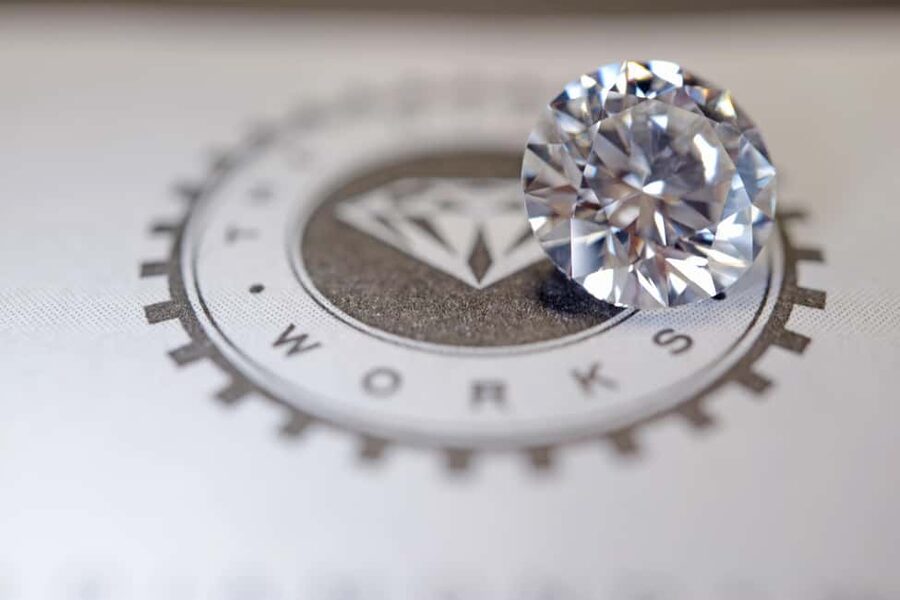
Tanzanite gets its own section, and rightly so. This blue gemstone is described as 1,000 times rarer than diamonds and is presented as the Essence of Africa.
The institute’s polishing boutique is billed as the only operating Tanzanite studio of its kind in the Southern Hemisphere open to the public. That makes it one of the more distinctive parts of the visit. You are not just looking at finished stones. You can see the polishing work that changes the stone’s surface and brings out its color.
Tanzanite has a different personality from diamond. A diamond is prized mainly for brilliance and light return. Tanzanite attracts attention through its blue color and its connection to East Africa. Seeing the polishing process helps you understand why the rough stone needs expert handling before it becomes jewelry.
The boutique should appeal to anyone who likes workshop visits and traditional craft. It also gives the tour a wider scope. You are not limited to the best-known precious stone. You get a look at a rarer African material with its own identity.
The available information does not give a set time for this section, so do not expect a tightly timed production demonstration. The strength is the access to a working studio and the chance to see the process at close range.
Designing a piece with CAD technology
The 3D jewelry design service is the most interactive part for anyone who wants to make something personal. You can use CAD technology to design a bespoke piece, then print a wax replica.
The wax model lets you see the shape before the final jewelry is made. That is useful because a design that looks attractive on a screen may feel different as a physical object. The service gives you a chance to check the form before precious metal is used.
The institute says master goldsmiths can turn the design into an original piece within 24 hours. That is an appealing option if you are staying in Cape Town long enough to collect it, though the tour details do not state the price of the finished item.
I would treat this as an optional design service, not as part of the free tour itself. The tour includes the Sparkling Tour and the welcome drink. The final jewelry purchase is separate, so ask about metal, stone, cost, and collection arrangements before agreeing to anything.
Even if you never order a piece, the design section explains how modern technology now fits beside handcraft. The CAD screen helps shape the idea, while the goldsmith still produces the physical object.
The Taylor Burton red-carpet photo
The Taylor Burton feature supplies the glamour. Through augmented reality, you can wear the world-famous Taylor Burton diamond neckpiece and step onto a red carpet for a photograph.
The actual neckpiece is not presented as something you handle. The appeal is the digital try-on and the chance to pose with one of the best-known diamond stories in popular culture.
This works well as a lighter break between the technical sections. After learning about cutting, polishing, goldsmithing, and Tanzanite, you get a playful reminder that diamonds also live in film, celebrity culture, and public imagination.
It is a quick photo opportunity rather than a long exhibit, but it gives the visit a memorable finish. If you are taking children or friends who are less interested in technical craft, this may be the part that keeps their attention.
Kimberley 1872 through VR
The VR experience takes you back to the Kimberley diamond fields in 1872. You can see the historic digging site through an interactive encounter, learn about the people who shaped South Africa’s economy, and mine a virtual diamond yourself.
This is more than a screen showing old photographs. The activity gives you a task, which makes the mining story easier to grasp. You get a sense of how the search for diamonds was tied to physical labor and the rapid growth of the early mining town.
The VR format also helps bridge a gap in the tour. You are in central Cape Town, not at Kimberley, so the virtual setting supplies the place-based experience that the institute itself cannot provide.
The technology will not replace seeing the real Big Hole or visiting Kimberley in person. Still, for a free city activity, it is a smart way to add movement and context to the historical section.
What the 4.9 rating means for your decision
The experience has a 4.9 rating from eight reviews, with repeated praise for the warm welcome, clear explanations, and useful information about cutting and diamonds. One person who could not attend because of bad weather cannot really assess the tour, so I would not treat that comment as a criticism of the institute.
Another visitor had been pickpocketed shortly before arriving and said the staff helped by offering an Uber. That does not change the tour itself, but it suggests the team can respond kindly when a visitor has a difficult moment.
The strongest pattern is the human service. You can expect attentive staff and straightforward explanations rather than a cold sales pitch. Still, the rating comes from a small number of reviews, so use it as a helpful signal, not a guarantee that every visit will feel identical.
Is a free tour really good value?
At zero dollars per person, the value is clear. You receive a welcome drink, an educational presentation, craft demonstrations, technology-based activities, and access to a Tanzanite polishing studio without an admission fee.
The real question is not cost. It is whether the subject fits your interests. If you enjoy jewelry, design, African mining history, or hands-on technology, this is an easy addition to your Cape Town plans.
If you are hoping for a long museum visit, an outdoor mine, or a food-focused experience, you may find the stop too narrow. It is best understood as a compact institute and workshop visit.
The free price also means you can add it to your day without taking a large financial risk. Just budget separately for parking, food, or any jewelry you decide to buy.
Who should book the Sparkling Tour?
I would recommend this tour to first-time diamond buyers, families, jewelry fans, and anyone curious about how a rough stone becomes a finished piece. The clear explanations, VR activity, red-carpet photo, and live craft work give different age groups something to follow.
It is also a practical rainy-day option, though weather can affect attendance or plans, as one booking could not be used because of bad weather. Since parking is not included, check your transport plan before setting out.
Book it if you want a short, friendly introduction to South African diamonds, Tanzanite, and goldsmithing, with the bonus of modern technology. Skip it if you want a mine visit, extensive historical collections, or a full-day activity.
FAQ
Where does the Diamond Works Sparkling Tour start?
It starts at The Diamond Works next door to the Rockefeller Hotel. Look for the artwork on the outside wall.
Where does the tour finish?
The activity ends back at the same meeting point where it begins.
What is included in the tour?
The Sparkling Tour and sparkling wine or juice are included.
Are food and parking included?
No. Food and parking are not included in the tour price.
Which languages are available?
The tour is offered in Afrikaans, Turkish, French, German, and English.
Can I cancel the booking?
You can cancel up to 24 hours in advance for a full refund. You can also reserve your place and pay later, keeping your travel plans flexible.
Just added around Cape Town
- 100 % Catch Rate Cape Town Wild Tours★ 5.0 · 5 reviews
- Private Cape Town City Evening Tour★ 5.0 · 3 reviews
- Private Cape Town City Tour table Mountain with wine tasting★ 5.0 · 10 reviews
- Cape Town Boat Trip★ 4.0 · 5 reviews
- Cape Town Aquila Private Game Reserve Big Five Safari Adventure★ 5.0 · 4 reviews
- Cape Town Private Birding Tour★ 5.0 · 14 reviews
- Private 2-Day Cape Town Highlights: Robben Island,Table Mountain Tickets & Wine★ 5.0 · 8 reviews
- Private Transfer: CPT Airport to Cape Town in Luxury Van★ 4.0 · 5 reviews
Cape Town Tours, compared.

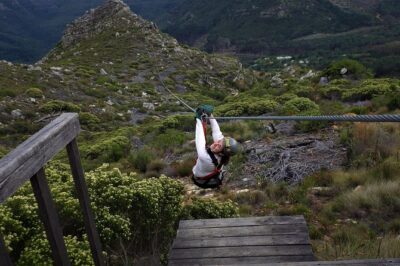
Zipline Cape Town – From Foot of Table Mountain Reserve
Read our review →


Cape Town Hop-On Hop-Off City Tour with Optional Cruise
Read our review →
Robben Island Ferry Ticket and Guided Prison Tour
Read our review →