
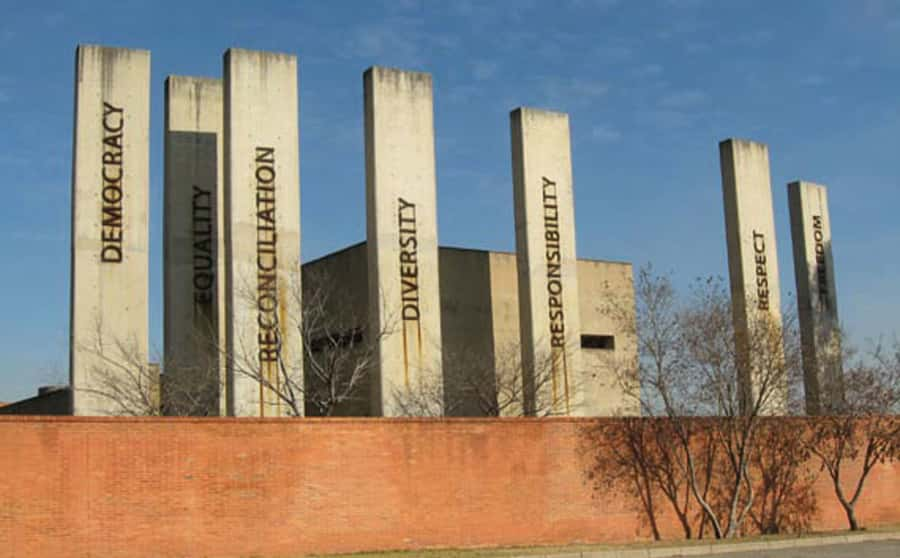
Reviewed · APARTHEID HISTORY TOURS
Johannesburg: Half-Day Apartheid Museum Tour
The Apartheid Museum does not offer a light afternoon out. It gives you a clear, often painful look at how a government turned racial discrimination into law, then follows the resistance that brought the system down. The three-hour guided visit is the heart of the experience, with film, photographs, text, and objects spread across 22 exhibition areas.
I like the easy hotel pickup and drop-off, especially in a city where arranging transport can take time. I also like having a guide to help connect the museum’s displays with Johannesburg outside the windows. Guides such as Mark, Bongani, Tshepo, and James have been praised for their history commentary, thoughtful answers, and calm handling of a serious subject.
The main drawback is time. Five hours sounds generous, but 90 minutes of that is spent on the road, and three hours inside may still feel short if you read every panel. At $49, this is good value for a guided visit and private transfers, but less so if you prefer to explore museums alone.
Key points to know
- A three-hour visit covers 22 exhibition areas, tracing apartheid from its legal foundations to the 1994 election of Nelson Mandela.
- Hotel pickup and drop-off in Johannesburg remove the need to arrange separate transport.
- The drive is part of the tour, with guides often pointing out buildings and places linked to Johannesburg’s past.
- Small groups are limited to 13 people, making questions and personal help easier.
- English guidance, entrance, transfers, and uncapped Wi-Fi are included in the $49 price.
- Wheelchair access is available, and one guide, Bongani, assisted a visitor’s mother through the exhibits.
Why the Apartheid Museum deserves half a day
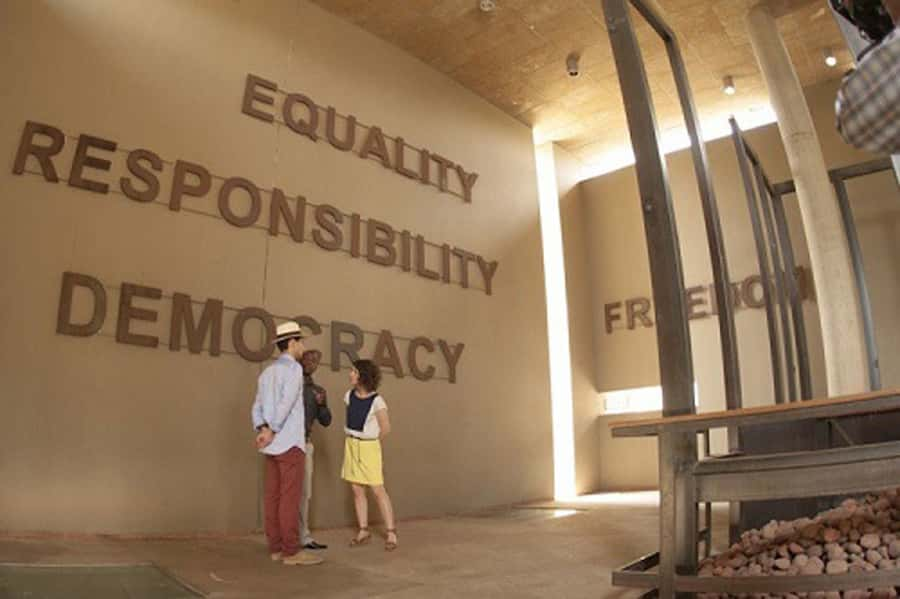
If you have only a short stay in Johannesburg, the Apartheid Museum gives you a strong foundation for understanding South Africa. The building’s exhibitions explain apartheid as a state system, not just a collection of unfair rules. You see how race classification, forced separation, restricted movement, and political control affected daily life.
The museum also avoids ending the story with oppression alone. Its final chapters follow organized resistance, courage, imprisonment, and the eventual election of Nelson Mandela in 1994. That gives the visit a clear shape: the creation of apartheid, life under it, the fight against it, and the difficult move toward democracy.
I would allow the full three hours inside. You can move faster, but doing so would mean skimming film footage, photographs, and text panels that explain the human cost behind the dates. The experience is emotional, yet it is also carefully arranged to help you understand how one policy affected millions of people.
The subject matter is serious. You should expect disturbing material and accounts of humiliation and abuse. This is not a stop to squeeze in between shopping and lunch without thought. Give yourself quiet time afterward if you can.
More Apartheid History Tours in Johannesburg
- Apartheid Museum Tour
★ 4.7 · 12 reviews - Johannesburg: Private Guided City Tour with Apartheid Museum
★ 5.0 · 6 reviews - Constitutional Hill & Apartheid Museum Half Day Tour
★ 4.9 · 6 reviews
The 45-minute ride from Johannesburg
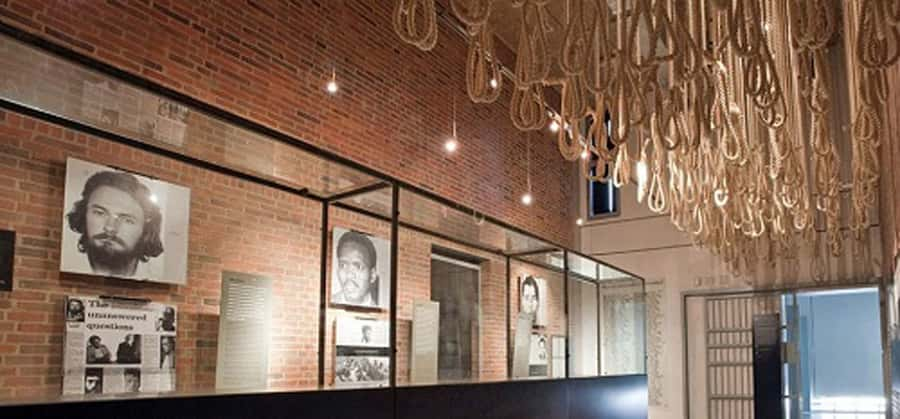
Your guide picks you up from your hotel or accommodation in Johannesburg, then drives you to the museum in a comfortable vehicle. The journey takes about 45 minutes each way, so the road time accounts for roughly 90 minutes of the five-hour outing.
This transfer is more useful than it may first appear. Guides have used the drive to explain Johannesburg’s history, point out landmark buildings, and answer questions about South Africa. Tshepo, Cosmos, James, Mark, and others have been praised for making the journey part of the visit rather than treating it as dead time.
The quality of this part depends on the guide assigned to you. Some guests have had an especially personal experience, with the guide offering local context and practical help throughout the day. On one occasion, a transport problem was handled by sending a replacement guide and driver, who then ran an almost private tour.
You also get free uncapped Wi-Fi in the vehicle. That is a small but useful touch if you need to check plans before or after the museum. The group size is capped at 13, so you are not being moved around in a large coach with dozens of people.
Pickup details matter in Johannesburg, so check that your accommodation falls within the included pickup area. The activity specifies pickup and drop-off in Johannesburg, rather than a general Gauteng-wide transfer.
Entering 22 exhibition areas
The Apartheid Museum is the first museum of its kind, and its 22 individual exhibition areas were assembled by curators, filmmakers, historians, and designers. That mix shows in the presentation. You are not simply walking past rows of objects. Film footage, photographs, documents, text panels, and artifacts work together to explain both policy and personal experience.
The museum begins with the rise of apartheid after the white National Party government came to power in 1948. You learn how racial discrimination was formalized and used to place about 20 million people in a second-class position. The point is not only that segregation existed, but that it was enforced through a broad state structure.
As you move through the exhibits, look for the connection between official policy and ordinary life. Rules about identity and movement were not abstract. They shaped where people could live, work, study, and travel, and they supported a system of servitude, humiliation, and abuse.
A guide can help you keep track of this structure. The museum contains a lot of information, and a good guide brings you toward the main displays without preventing you from pausing elsewhere. Guy, for example, was praised for staying with the group, answering questions, and still allowing time to explore. Bongani was also credited with taking a logical route through the main and secondary exhibits.
Not every visit follows the same pattern. One guide-led outing may include substantial commentary in the galleries, while another may leave more of the museum self-guided. That flexibility can work in your favor if you like setting your own pace, but you should not assume that every guide will provide a fully narrated walk through every display.
The emotional weight of the museum
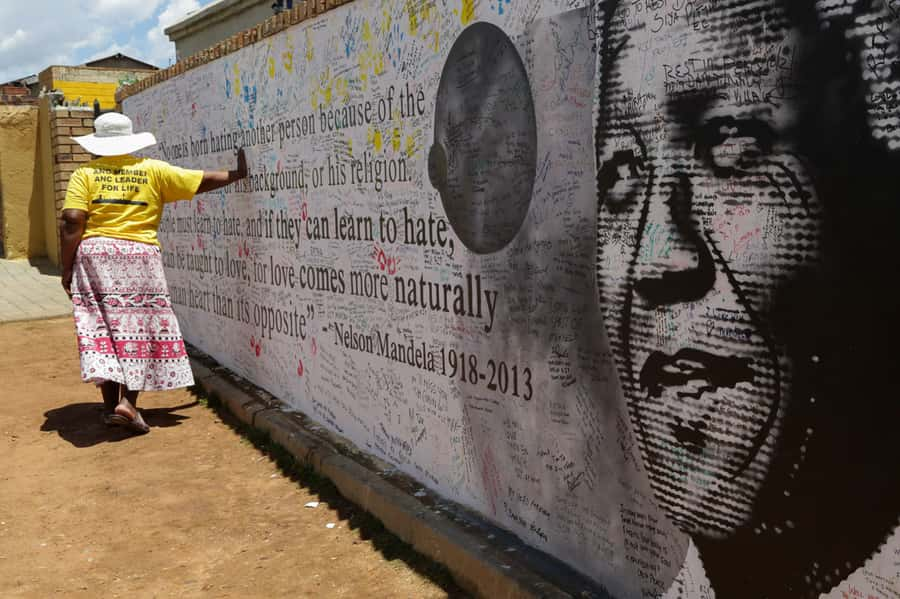
The phrase emotional roller coaster fits this visit, but the feeling comes from the material itself, not theatrical tricks. The museum presents an oppressive system, the suffering it caused, and the courage of people who resisted it. Film and photographs make the events immediate in a way that a short history lesson cannot.
You may find some displays difficult. That is part of the value, but it also means you should plan your energy. Three hours gives you time to absorb the story without rushing from one room to the next. If you need longer, the local partner may be able to adjust the schedule when practical.
The conclusion is the 1994 election of Nelson Mandela, who had spent years as a political prisoner before becoming president. It is a powerful ending because the museum has already shown how unlikely that change once seemed. The final section frames liberation as the result of resistance, courage, and persistence rather than a sudden political gift.
I appreciate that the visit does not treat Mandela as the whole story. His election is the climax, but the exhibitions also show the wider struggle of South African people against apartheid. That makes the ending more meaningful and less like a single-person biography.
Same part of Johannesburg, a completely different kind of day:
- Early Morning Balloon Safari with Breakfast from Magaliesburg
★ 5.0 · 418 reviews - From Johannesburg: Lion & Safari Park Half-Day Tour
★ 4.6 · 384 reviews - Half Day Lion Park tour from Johannesburg or Pretoria
★ 5.0 · 274 reviews - Johannesburg: Maboneng Street Art & Culture Tour
★ 4.9 · 257 reviews
What a guide adds to the experience
You can get something from the museum on your own. One visitor preferred self-guided exploration and found the layout informative and easy to follow. If you like reading every panel at your own speed, the guide can step back and let you do that.
For many people, though, the guide is worth the extra cost. The museum contains a large amount of material, and an experienced local guide can explain what matters most, answer questions, and place the displays in a Johannesburg setting. Tshepo was praised for adding small details that made the information easier to digest. James was noted for giving a balanced view of the past, present, and future.
The drive can also become a short introduction to the city. Mark’s commentary was valued during both legs of the journey, while Cosmos was praised for safe driving and answering questions on the road. That means you are not simply paying for a museum ticket. You are paying for transport, orientation, and a human explanation of a difficult subject.
The guide’s role can vary, so I would tell your guide what you want at the start. Ask for more explanation if you want a narrated tour. Ask for quiet time if you prefer to read. The small group format makes that request easier than it would be on a large scheduled coach.
Comfort, access, and the five-hour schedule
The tour lasts five hours from pickup to return. The plan is simple: about 45 minutes to reach the museum, three hours inside, and another 45 minutes back to Johannesburg. It is long enough to make the museum worthwhile, but short enough to fit into a free morning or afternoon.
Food is not included, so eat beforehand or plan around the tour. Souvenirs are also not included. The price covers entrance, the guided museum visit, transfers, the vehicle, and Wi-Fi.
Wheelchair access is available. More importantly, practical assistance has been provided during the visit. Bongani helped wheel a visitor’s mother through all the exhibition areas, showing why it is useful to tell the operator about mobility needs before pickup.
The group limit of 13 keeps the experience personal without making it a private tour. If you want a fully private outing, that is not promised here. If you want a small group with the chance to ask questions, the format is a sensible middle ground.
Free cancellation up to 24 hours before the activity and reserve-now, pay-later booking add flexibility. Starting times vary, so check availability before planning the rest of your day.
Is $49 a fair price?
At $49 per person, the price is reasonable if you value convenience and explanation. You receive admission, three hours inside the museum, hotel transfers in both directions, a small group, an English-speaking guide, and Wi-Fi in the vehicle.
The value is strongest when your accommodation is not close to the museum or when you do not want to arrange a separate taxi. It is also stronger if this is your first visit to Johannesburg and you want someone to explain the city on the road.
The calculation changes if you already have transport and prefer to explore alone. In that case, you are paying for a guided service you may not use fully. One person considered the outing somewhat expensive for that reason, even though the museum itself was well organized and informative.
I would see the fee as payment for a half-day service, not just a ticket. A driver, return transfer, local context, and help inside the museum add real value. Just remember that the museum is the main event, and the tour’s success depends partly on the guide assigned to you.
Who should book this museum tour?
I would choose this experience if you want a clear introduction to apartheid, prefer a planned half-day, or are uneasy about arranging Johannesburg transport yourself. It suits first-time visitors, history-minded people, and anyone who wants to ask questions rather than read every display without context.
It also works well for visitors with limited time. You do not need to build a full day around the museum, and the hotel pickup keeps the plan straightforward.
You might choose a different arrangement if you want to linger far beyond three hours, dislike guided schedules, or already have reliable transport. The museum contains enough material to reward a longer visit, and a self-guided plan gives you more control.
For most people, I think the guide adds enough context to justify the price. Go in ready for serious material, wear comfortable clothing for several hours of standing and walking, and leave room in your schedule for the story to sink in.
Should you book it?
Book this tour if you want the Apartheid Museum explained within a convenient five-hour plan. The strongest reasons are the hotel pickup, small group, thoughtful local guides, and three hours devoted to a museum that deserves more than a quick look.
Skip it only if you already have transport, want to set every minute yourself, or are not prepared for an emotionally heavy afternoon. At $49, it is a fair choice for a first Johannesburg visit, particularly when guides such as Bongani, Tshepo, James, Mark, or Guy are able to add context on the road and in the galleries.
FAQ
How long does the Johannesburg Apartheid Museum tour last?
The full activity lasts five hours, including about 45 minutes of travel each way and a three-hour visit inside the museum.
What is included in the price?
The $49 price includes Apartheid Museum admission, a three-hour guided visit, hotel pickup and drop-off in Johannesburg, transfers in a comfortable vehicle, and free uncapped Wi-Fi aboard the vehicle.
Is food included?
No. Food is not included in the activity.
Is the tour conducted in English?
Yes. The live tour guide service is in English.
How many people are in the group?
The group is limited to 13 participants.
Is the Apartheid Museum wheelchair accessible?
Yes, the activity is listed as wheelchair accessible. A guide has also assisted a visitor in a wheelchair through the museum exhibits.
Does the tour include hotel pickup?
Yes. Pickup and drop-off are included from hotels or accommodation in Johannesburg.
Can I cancel the tour for a full refund?
Yes. You can cancel up to 24 hours in advance for a full refund.
Can I reserve now and pay later?
Yes. The activity allows you to reserve your place and pay later, which keeps your plans flexible.
More Museums in Johannesburg
- Soweto /Johannesburg and Apartheid Museum Guided Full Day Tour
★ 5.0 · 932 reviews - Jo’berg in 1 Day: Soweto, Apartheid Museum & City Tour
★ 4.8 · 524 reviews - Johannesburg: Full-Day Tour with Soweto and Apartheid Museum
★ 4.8 · 478 reviews - Full-Day Soweto, Apartheid Museum and Lunch Tour
★ 5.0 · 410 reviews
Just added around Johannesburg
- 13 Day Safari – Cape Town to Johannesburg★ 5.0 · 11 reviews
- Tala Game Reserve & Natal Lion Park 1/2 Day Tour from Durban★ 3.0 · 13 reviews
- South Africa from Joburg: Elephant Sanctuary Half Day Tour★ 5.0 · 3 reviews
- Private Safari Tour: Pilansberg National Park Big 5★ 5.0 · 7 reviews
- Johannesburg: Elephant and Monkey Sanctuary Half Day Tour★ 5.0 · 3 reviews
- Johannesburg: Wine Tasting and Cableway Half Day Tour★ 4.7 · 3 reviews
- Pretoria: Pretoria City and Lion Park Tour★ 4.8 · 41 reviews
- Lion Park Tour in Open Safari Vehicle★ 5.0 · 6 reviews
Apartheid History Tours, compared.

Soweto /Johannesburg and Apartheid Museum Guided Full Day Tour
Read our review →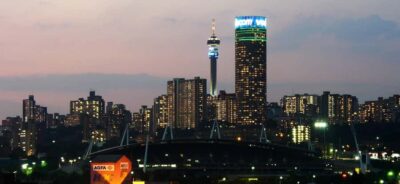
Jo’berg in 1 Day: Soweto, Apartheid Museum & City Tour
Read our review →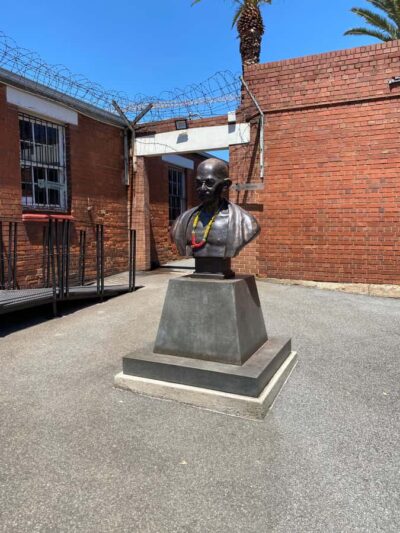
Johannesburg: Full-Day Tour with Soweto and Apartheid Museum
Read our review →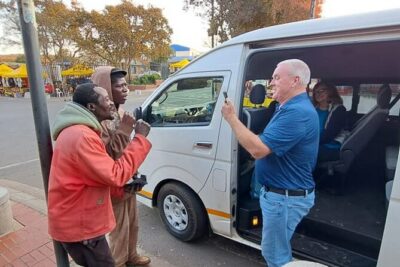
Full-Day Soweto, Apartheid Museum and Lunch Tour
Read our review →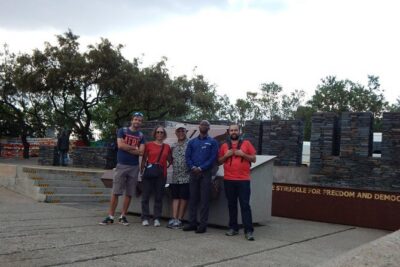
Half Guided Day Tour of Soweto And Apartheid Museum
Read our review →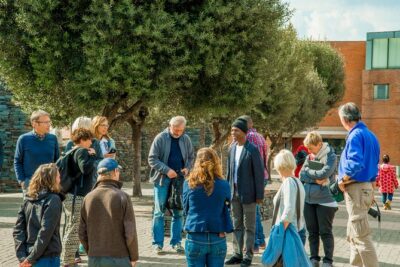
Ultimate Johannesburg Soweto Experience with Apartheid Museum
Read our review →
Hop-On Hop-Off Bus, City Tour and Apartheid Museum
Read our review →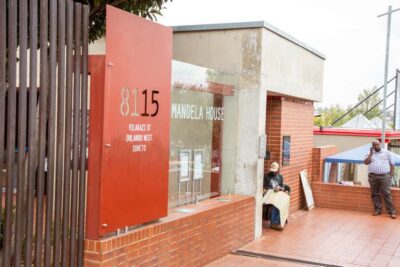
Johannesburg and Soweto Apartheid Full Day Tour w/Lunch
Read our review →Browse the lists this tour appears in