
Reviewed · FOOD & DRINK
Koeksister and Samoosa Class by the Malay Cook Up
The best part of this class is the setting: you learn Cape Malay cooking in a Bo-Kaap home kitchen, not in a polished culinary school. You work through samoosas and koesisters, two foods closely tied to the area’s earliest Cape Malay families, then sit down with your host to eat what you have made.
I like the relaxed, friendly teaching style and the useful pairing of a savoury snack with a sweet one. I also like that local history comes with the cooking, giving the food a place and a story. The main caution is that the experience may not be fully hands-on: one account found the samoosa pastry and filling were prepared in advance.
Key points
- Two classic Cape Malay foods: Make savoury samoosas and sweet-spicy koesisters in one two-hour session.
- Bo-Kaap home setting: Cook with a local Cape Malay host in a personal kitchen rather than a formal cooking studio.
- English or Afrikaans instruction: Choose between the two listed class languages.
- Koesister work is the most hands-on: The doughnut section offers more direct preparation than the samoosa section may provide.
- Food and conversation together: Finish by tasting your snacks with the host and talking about local life and food traditions.
- Flexible booking: Reserve now and pay later, with a full refund available when you cancel at least 24 hours ahead.
Cooking Cape Malay Food in a Bo-Kaap Home
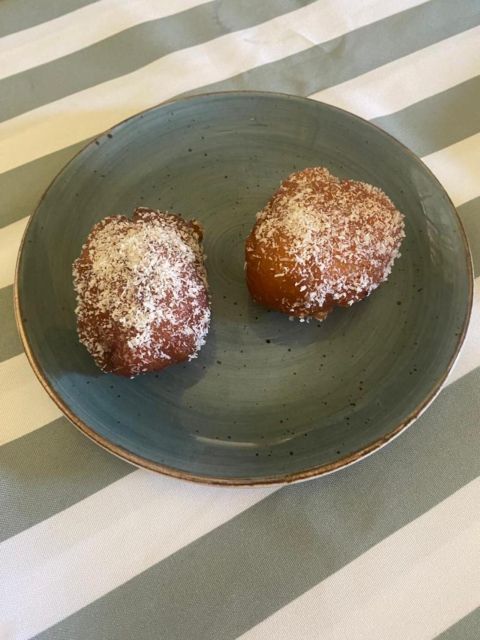
This is a small-scale food experience built around two familiar Cape Malay treats. The samoosa is a filled pastry triangle, usually savoury. The koesister is a sweet-spicy doughnut, served as a snack rather than a plated restaurant dessert.
That pairing gives the class a good rhythm. You get the savoury work first, then the fragrant, sweet finish. It is also a useful introduction to the way Cape Malay food moves between everyday snacks, family kitchens, religious traditions, and community gatherings.
The class takes place in Bo-Kaap, the Cape Town neighbourhood associated with the Cape Malay community. The setting matters. You are not simply following a recipe from a printed card. You are preparing food in a home kitchen while an accomplished local cook explains the steps and shares local history.
The tone is informal. You can expect conversation, questions, and direct guidance rather than a silent demonstration. That makes this a good choice if you like food classes that feel personal and social.
More Food & Drink in Cape Town
- The Cape Town Essentials Food Tour
★ 5.0 · 385 reviews - Cape Town: V&A Waterfront Gin Voyage Cruise
★ 4.6 · 238 reviews - Authentic African Cuisine Cooking Experience
★ 5.0 · 236 reviews
The Two-Hour Plan: From Pastry Triangles to Spiced Doughnuts
The full class lasts about two hours, including the tasting. That is long enough to cover both foods without turning the session into an all-day commitment.
You begin with the ingredients, equipment, and basic process. Everything needed for the class is provided, including the cooking equipment and authentic ingredients. The host guides you through the preparation step by step, explaining what you are doing as you go.
The samoosa section focuses on the pastry triangle and its filling. The idea is appealing because samoosas are simple to recognise but less obvious to assemble well. Folding, filling, and shaping all require some care, and the class gives you a chance to see how the pieces come together.
There is an important qualification here. Although the experience is presented as a from-scratch samoosa lesson, the pastry may be store bought and the filling may already be prepared. If you want to learn how to make the pastry dough itself, you should not assume that this is included.
That limitation is not trivial. Pastry-making is a major part of making samoosas from the beginning, and the filling is where you learn about ingredients, smell, texture, and seasoning. A prepared filling means you lose some of that kitchen work.
Still, you can gain useful practice in assembling the samoosas and understanding the overall method. If you are mainly looking for a friendly introduction and a chance to eat fresh samoosas, the shorter process may suit you. If you want a full technical lesson, ask about the pastry and filling before booking.
The koesister portion is likely to feel more interactive. You work with the dough and the sweet-spicy flavour profile, then prepare the doughnuts for tasting. This part gives you more contact with the ingredients and a clearer sense of how the food changes during preparation.
Koesisters are especially interesting because the flavour is not simply sugary. The spice gives them character, and the result is distinct from the standard doughnut you might find elsewhere. The lesson lets you see how a humble snack can carry a strong local identity.
Why the Koesister Section May Be the Star
The koesister is the stronger part of the class for anyone who wants to work directly with food. It provides more of the tactile activity that people usually expect from a cooking workshop.
You get to handle the dough, follow the shaping process, and prepare a snack that is less familiar to many international visitors. The sweet-spicy balance also makes the tasting more interesting than a basic fried pastry.
This is where the class connects best with home cooking. You are not just hearing about a local food. You are taking part in a simple preparation and then eating the result with the person who taught you.
The recipe also has good repeat value. One participant enjoyed the class enough to buy the ingredients and make the food again at home with friends. That is a useful sign for anyone who wants a cooking lesson that leads to something practical after the holiday.
I would still keep expectations in check. A two-hour class cannot cover every family variation, spice choice, or traditional technique. You will get an introduction, not a full Cape Malay cooking course.
A Taste of Bo-Kaap Food Culture
The food here is closely linked to the Bo-Kaap’s earliest inhabitants. That context gives the class more weight than a generic pastry workshop.
Samoosas and koesisters remain part of South African food life across cultural and religious lines. They are not museum pieces or rare specialities. They are foods people continue to eat, share, and make at home.
The host adds local history as you cook. This is valuable because food traditions can otherwise feel disconnected from place. When you learn why these snacks matter in the neighbourhood, the preparation becomes easier to remember.
You should expect the history to be woven into conversation rather than delivered as a formal lecture. That suits the home-kitchen format. You can ask questions, listen to personal explanations, and connect the food to the community around you.
I also like the chance to eat with the host at the end. The final tasting is not just a reward for finishing the recipe. It gives you time to talk, compare the two snacks, and ask follow-up questions while the experience is still fresh.
Same part of Cape Town, a completely different kind of day:
- Cape Town: Hop-On Hop-Off Bus Tour with Optional Cruise
★ 4.8 · 3,929 reviews - Zipline Cape Town – From Foot of Table Mountain Reserve
★ 5.0 · 3,179 reviews - Cape Town: Table Mountain Cable Car, Hop-On Hop-Off Bus Tour
★ 4.6 · 3,157 reviews - From Cape Town: Big Five Game Reserve with Lunch
★ 4.6 · 2,409 reviews
What the Home Setting Adds
A home kitchen changes the mood. The class feels more like being welcomed into someone’s daily world than attending a commercial food show.
That informality has been one of the strongest features for people who enjoy this experience. The host is described as welcoming, and the atmosphere is relaxed enough for family and friends to take part together. It is a good setting for anyone who prefers conversation over a tightly timed demonstration.
The personal setting also means the experience may not feel highly polished or uniform. That is part of the trade-off. A professional school might offer more exact measurements, individual workstations, and a fully hands-on recipe from start to finish. Here, the reward is contact with a local cook and a more domestic atmosphere.
I would choose this class for the human connection and cultural context first, then for technical cooking instruction. If your main goal is to master pastry dough, look carefully at what will be prepared in advance.
The language options are English and Afrikaans. That makes the class accessible to a broad range of participants, while also reflecting the local setting.
Price, Timing, and Practical Value
At $23 per person, the class is reasonably priced for a two-hour activity that includes ingredients, equipment, instruction, history, and tasting.
The value depends on what you want from it. For a relaxed food-and-culture experience in Bo-Kaap, the price is attractive. You receive more than a snack: you get a guided introduction to two local foods and time with a Cape Malay cook.
For a serious cooking student, the value is less certain if the samoosa pastry and filling are prepared in advance. You are paying for the setting, guidance, conversation, and tasting, but perhaps not for a complete from-scratch pastry lesson.
The class works well as a shorter activity in a Cape Town schedule. Two hours leaves room for other plans before or after, and the food gives you a clear connection to the neighbourhood without requiring a full day.
You also have some booking flexibility. You can reserve a place and pay later, which helps if your plans are still changing. Cancellation is allowed with a full refund up to 24 hours in advance.
Alcohol and drugs are not allowed. That is the only stated restriction, but it is worth noting before you arrive.
Who Will Enjoy This Class Most?
I would recommend this experience to people who enjoy home cooking, local food traditions, and informal conversation. It suits couples, families, and friends who want to do something together rather than sit through a passive food tasting.
It is also a good pick if you are curious about Cape Malay food but do not know where to begin. The two dishes are approachable, familiar enough to understand, and different enough to make the session worthwhile.
The class may appeal to repeat visitors to Cape Town who want an activity rooted in Bo-Kaap rather than another general city tour. It gives you a practical reason to spend time in the neighbourhood and a food memory to take home.
Families and mixed-age groups may appreciate the simple format. The class is not described as technically demanding, and the relaxed atmosphere makes it easier for people with different cooking skills to participate together.
I would be more cautious if you are a keen home cook specifically looking for advanced pastry instruction. The pre-prepared samoosa elements could leave you wanting more. Ask in advance how much of the dough and filling you will make yourself.
The Best Way to Approach the Experience
Go in expecting a friendly introduction, not a professional chef examination. Ask questions as you work, especially about the spice blend, the koesister dough, and the parts of the samoosa preparation that are done ahead of time.
If making pastry from scratch matters to you, confirm that point before booking. The class description presents the samoosa as made from scratch, but the available feedback indicates that the pastry may be purchased and the filling prepared in advance.
Bring your appetite for the final tasting. The class includes the snacks you prepare, and the sit-down meal is part of the experience rather than an optional extra.
You should also leave room for conversation. The local history and personal welcome are central to the appeal, so rushing through the food steps would miss part of what you are paying for.
Should You Book the Koeksister and Samoosa Class?
Book it if you want a warm, informal introduction to Cape Malay cooking in Bo-Kaap, with two distinctive snacks, local stories, and a shared tasting for $23.
Think twice if your priority is full technical instruction from raw ingredients. The koesister work appears to offer the most direct participation, while the samoosa section may rely on store-bought pastry and prepared filling.
My call: this is a good-value food and culture activity for curious eaters, families, and anyone who prefers a personal home setting. Just confirm the level of samoosa preparation first, and you will know exactly what kind of cooking class you are booking.
FAQ
Where does the koeksister and samoosa class take place?
The class takes place in a home kitchen in Bo-Kaap, in the Western Cape of South Africa.
How long does the class last?
The class lasts two hours, including the tasting at the end.
What foods will I learn to make?
You will learn about samoosas, which are savoury pastry triangles, and koesisters, which are traditional sweet-spicy doughnuts.
Is tasting included?
Yes. The class includes tasting, and you sit down with the host to enjoy the snacks you prepared.
Are ingredients and equipment provided?
Yes. All equipment and ingredients are provided, including authentic ingredients.
What languages are available?
The class is available in English and Afrikaans.
How much does the experience cost?
The listed price is $23 per person.
Can I reserve now and pay later?
Yes. You can reserve your place and pay later, so you do not need to pay at the time of booking.
What is the cancellation policy?
You can cancel up to 24 hours in advance for a full refund.
Are alcohol and drugs allowed?
No. Alcohol and drugs are not allowed during the experience.
Just added around Cape Town
- 100 % Catch Rate Cape Town Wild Tours★ 5.0 · 5 reviews
- Private Cape Town City Evening Tour★ 5.0 · 3 reviews
- Private Cape Town City Tour table Mountain with wine tasting★ 5.0 · 10 reviews
- Cape Town Boat Trip★ 4.0 · 5 reviews
- Cape Town Aquila Private Game Reserve Big Five Safari Adventure★ 5.0 · 4 reviews
- Cape Town Private Birding Tour★ 5.0 · 14 reviews
- Private 2-Day Cape Town Highlights: Robben Island,Table Mountain Tickets & Wine★ 5.0 · 8 reviews
- Private Transfer: CPT Airport to Cape Town in Luxury Van★ 4.0 · 5 reviews
Food & Drink, compared.

Full-Day Winelands Tour with Wine Tastings & Food
Read our review →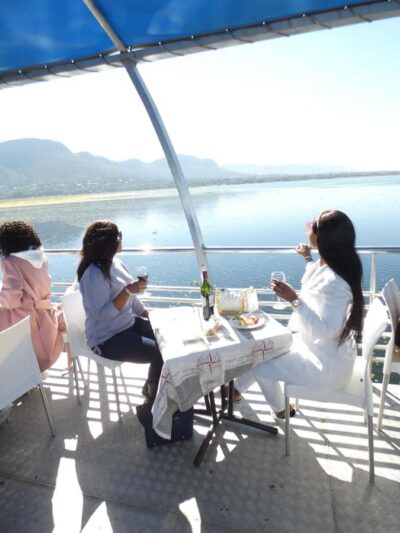
Hartbeespoort: 2-Hour Dam Cruise with South African Food
Read our review →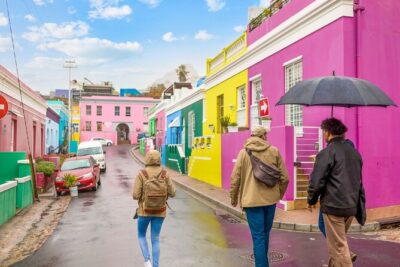

Full-Day All Inclusive Safari with Traditional Braai Lunch
Read our review →
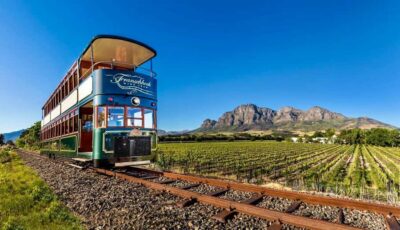
Stellenbosch & Franschhoek 20 Wine Tasting + Lunch Shared Tour
Read our review →
Browse the lists this tour appears in