
Reviewed · BO-KAAP TOURS
Cape Town: Malay Cooking Class and Lunch in Bo-Kaap
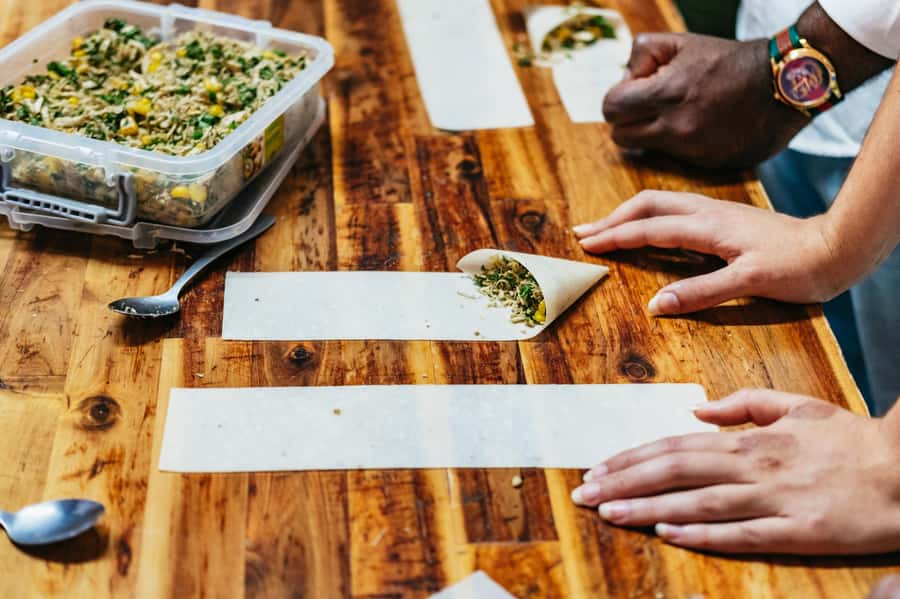
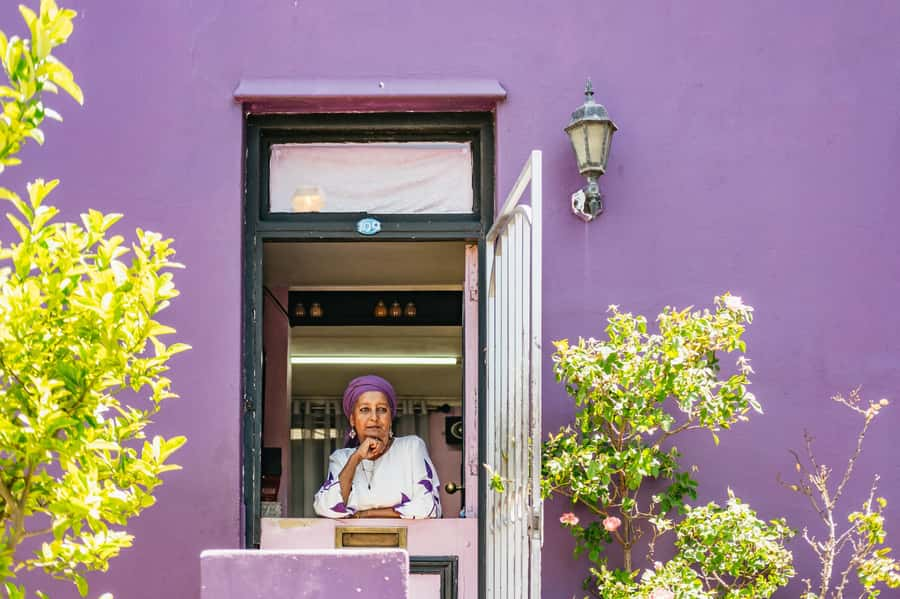
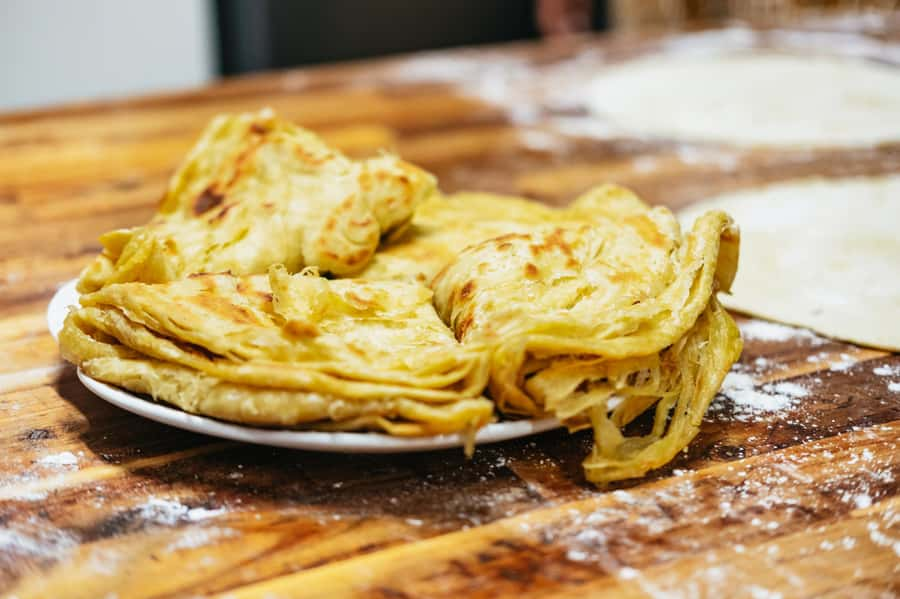
Bo-Kaap’s brightly painted houses provide the setting, but the real attraction is entering a local home and cooking Cape Malay food with Faldela. You may help prepare curries, stews, rotis, samosas, salad, juice, or dessert, depending on the day.
I like the personal welcome and the way cooking opens a door into Cape Malay heritage. I also like that the $49 price includes ingredients, equipment, lunch, and soft drinks, not just a demonstration. The main consideration is that a large group can mean less hands-on cooking for each person, so expect a shared class rather than private instruction.
Key points to know before booking
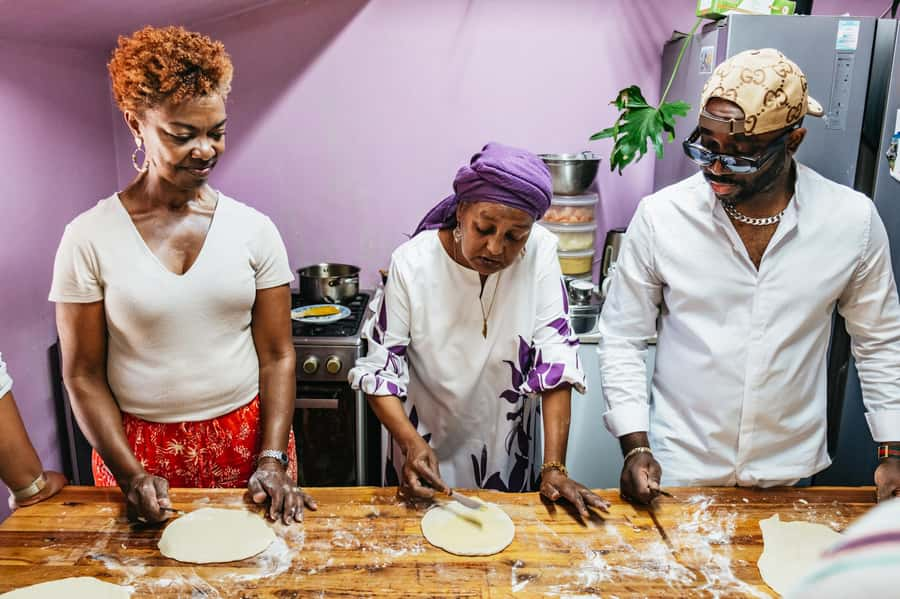
- Cook in Bo-Kaap: Meet at 109 Wale Street, then spend the class in a local home among the neighborhood’s colorful houses.
- Learn from Faldela: Her teaching mixes recipes, family stories, humor, and explanations of spices and their everyday uses.
- Expect more than curry: Depending on the menu, you may prepare Cape Malay curry, rotis, samosas, salad, juice, and dessert.
- Lunch is part of the lesson: You sit down together and eat the food prepared during the class.
- No cooking background is needed: The class is relaxed and suitable for first-time cooks.
- Plan your timing: The activity lasts 150 minutes, and the meeting point is also the return point at 109 Wale Street.
Cooking Cape Malay food in a Bo-Kaap home
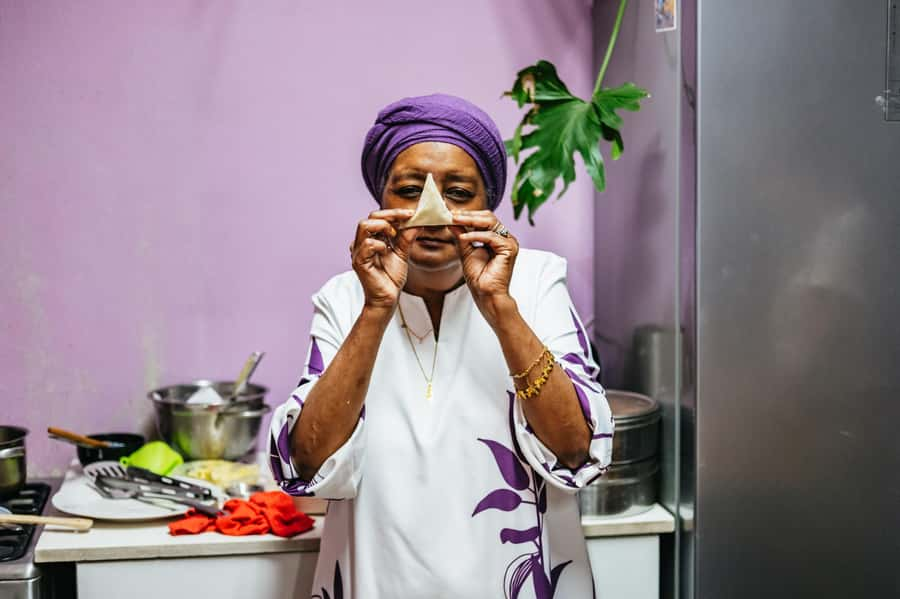
This is not a restaurant meal with a short cooking demonstration added on. The heart of the experience is the invitation into a local home, where Faldela teaches you to make food connected to Cape Town’s Cape Malay community.
Bo-Kaap climbs the lower slopes of Signal Hill, with brightly painted houses in shades such as hot pink and burnt orange. The streets are one of Cape Town’s most recognizable photo settings, but it is worth looking beyond the paint. The neighborhood’s food reflects a long and complicated past, including the arrival of enslaved people from Malaysia and Indonesia under Dutch rule in the 17th and 18th centuries.
That background gives the cooking class more weight. You are not simply learning how to combine spices. You are learning how food carried memory, family practice, and identity through generations.
The class is conducted in English. Faldela is the main personality of the experience, and her style is warm, funny, and direct. She has a way of connecting cooking instructions with stories about family, community, and daily life. That makes the lesson feel conversational rather than formal.
If you prefer a quiet, highly structured class with exact measurements and individual workstations, this may feel loose. If you enjoy learning through talk, demonstration, and shared work, the setting should suit you well.
More Bo-Kaap Tours in Cape Town
- Cape Town Walking Tour: Bo-Kaap & City Highlights
★ 4.8 · 161 reviews - Bo-Kaap: Walk with a local
★ 5.0 · 131 reviews - Cape Town: Cape Malay Cooking Class in Bo-Kaap
★ 4.8 · 120 reviews
Meeting at 109 Wale Street
The experience begins at 109 Wale Street in Schotsche Kloof, Cape Town. This is both the starting point and the place you return to after the cooking class.
The location matters because you are already in Bo-Kaap, rather than being driven in from a distant restaurant or cooking school. Allow time to look at the colorful houses and take photographs before or after the class. Just remember that this is a lived-in neighborhood, so keep your visit respectful and avoid treating private doorways as photo props.
One practical point is worth noting: arrive close to the stated meeting time rather than very early. The class takes place in a home, and the host may not be ready to receive people well before the start. One participant who arrived about 30 minutes early had to wait outside.
Transportation is not included. You will need to make your own way to Wale Street, and the activity ends there. Since the class lasts two and a half hours, it fits neatly into a Cape Town day alongside other central activities, provided you allow enough time to reach Bo-Kaap.
What the Cape Malay lesson teaches you
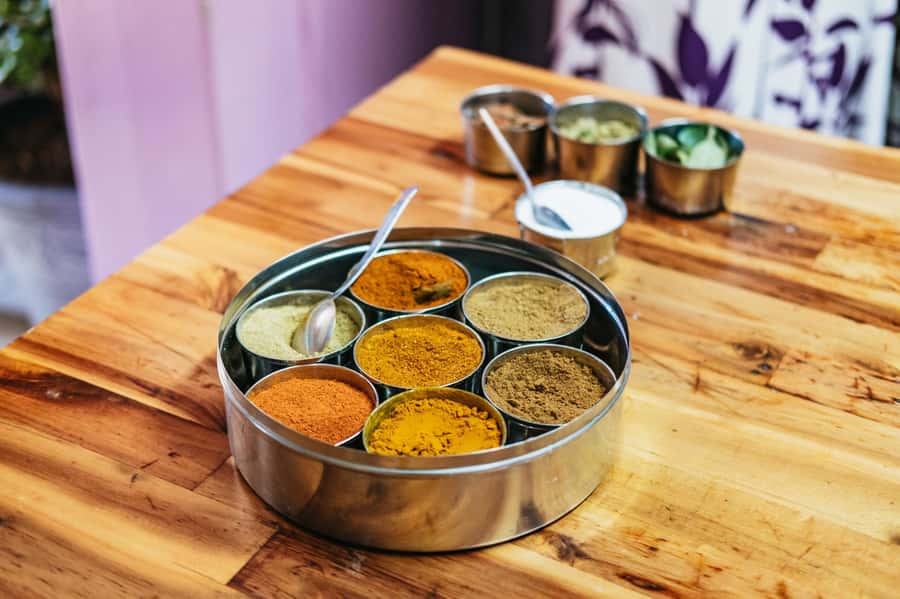
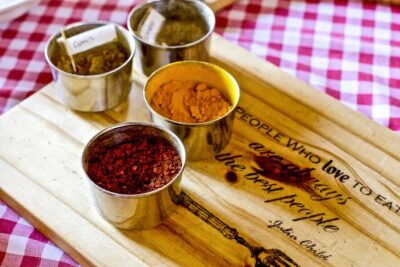
Cape Malay cooking often uses stews, roasts, and sauce-heavy curries. The flavor comes from the balance of spices rather than from heat alone. Ginger, fennel, star anise, tamarind, and turmeric are among the ingredients you may encounter.
Turmeric gives many dishes their golden color and a distinct aroma. Fennel and star anise bring a sweet, fragrant note, while tamarind adds sourness. The useful part of the lesson is learning how these flavors work together, not merely copying a list of ingredients.
Faldela also talks about the broader uses of spices. You may hear how particular ingredients are used in the home beyond a single recipe. Several people found this part especially useful because it turned a cooking lesson into a practical introduction to the spice cupboard.
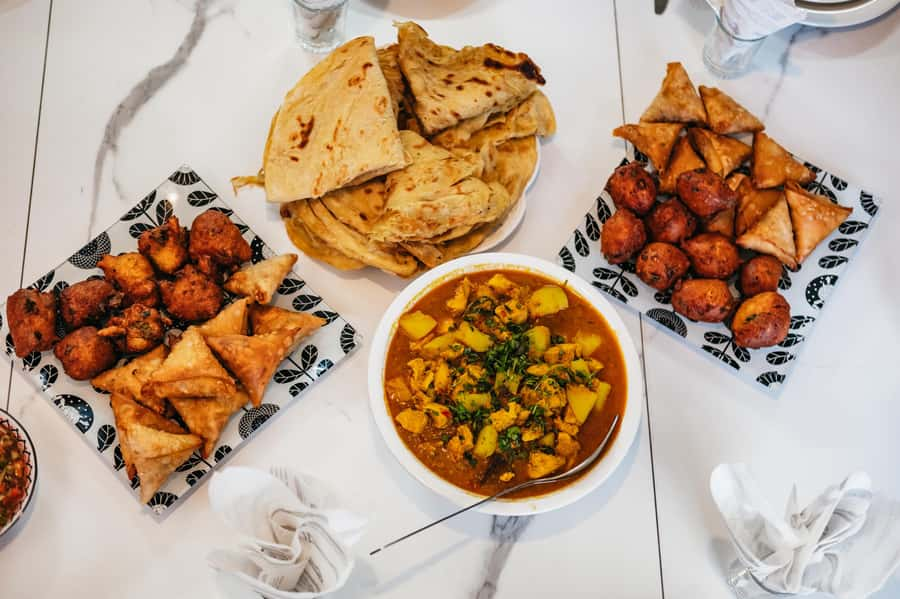
The precise menu can vary, so do not book expecting a guaranteed list of dishes unless the provider confirms it for your date. Past classes have included curry, rotis, and samosas, along with salad, juice, and a dessert treat. The supplied information also mentions stews and roasts as part of the wider Cape Malay cooking tradition.
You should expect to take part in preparation, but your individual role will depend on the group. In a smaller class, you may have more time with each step. In a larger class, the work is shared, and you may spend more time watching, mixing, shaping, or helping alongside others.
From spice preparation to the shared lunch
The class works toward a meal, so the lesson has a clear reward at the end. You help prepare the dishes, then sit down to eat them with the other participants and the hosts.
That shared table is one of the best reasons to choose this experience. A cooking class can feel like a staged show if everyone watches a chef do the work. Here, the meal gives you a reason to participate and a chance to compare notes with people from different countries and age groups.
The food is served as lunch, with soft drinks included. Alcohol is not included and is not allowed, along with smoking, pets, and drugs. If you want wine or beer with your meal, this is not the right setting.
Come hungry. The menu can include several components, and the meal is meant to be generous. The class is also social, so lunch is not a quick bite before the next activity. It is the point at which the group can relax and enjoy what it has made.
Dietary needs should be raised in advance. Faldela has accommodated different requirements with ease, but the supplied details do not list specific vegetarian, vegan, halal, gluten-free, or allergy menus. Ask before booking if your diet is strict.
More Cooking Classes in Cape Town
- Authentic African Cuisine Cooking Experience
★ 5.0 · 236 reviews - Cape Town: Bo-Kapp Walking Tour and Malay Cooking Class
★ 4.7 · 105 reviews - Cape Town: Authentic African Cuisine Cooking Experience
★ 4.9 · 31 reviews
Why the host makes a difference
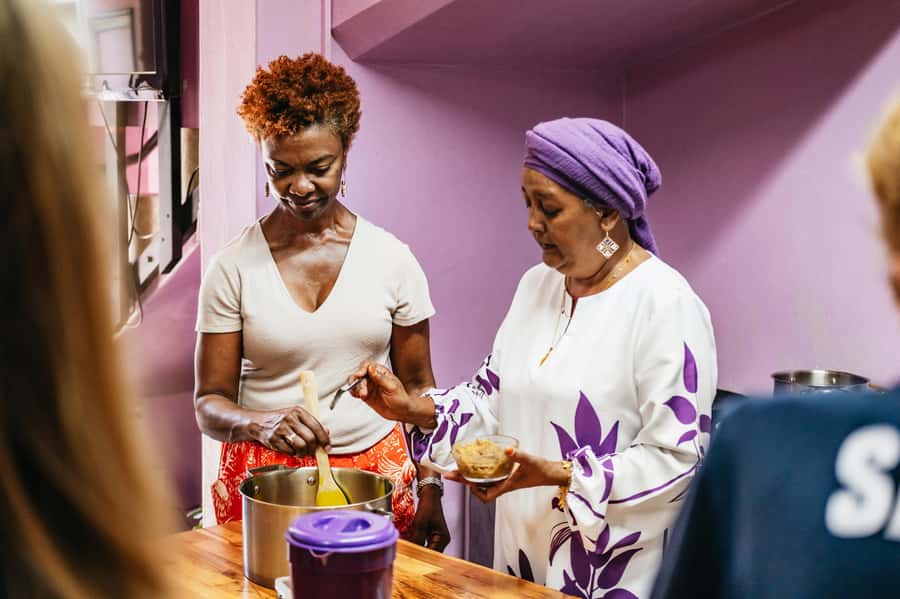
Faldela’s role is central. She teaches the cooking, explains the food, welcomes people into her home, and keeps the mood light. Her humor is a major part of the afternoon, but it does not replace the instruction.
You can expect her to remember names, ask about where you come from, and connect the lesson to your interests. That personal touch is especially useful for solo visitors, who can otherwise find group food activities awkward. The class naturally gives you a small social circle for a few hours.
Faldela may be joined by family members, including her daughter or sister. That adds to the sense that you are being welcomed into a household rather than attending a commercial kitchen session.
The teaching style is not rigid. There is room for conversation, questions, and stories. You will likely learn why a spice is used, not only when to add it. This makes the recipes easier to remember when you try them at home.
Recipes are shared after the class. That is an important value point. You are not paying for a meal that disappears the moment you leave. You receive a way to attempt the dishes again, although your results may depend on finding the right spices and taking time with the preparation.
How much hands-on cooking should you expect?
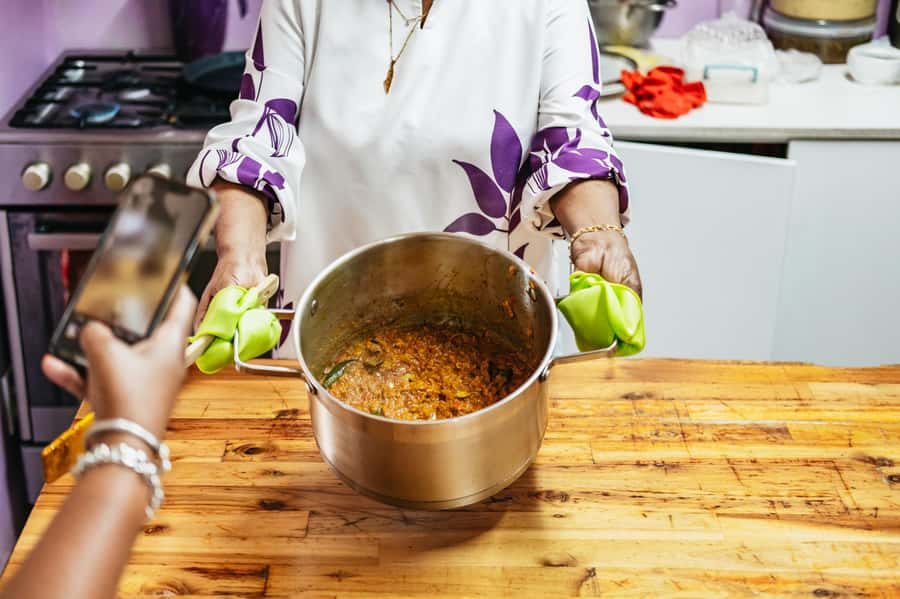
The experience is described as interactive, and everyone is encouraged to get involved. Still, hands-on time is not guaranteed to be equal for every person.
A large group can mean that several people work on one preparation while others watch. That is the main drawback to keep in mind. You will learn a lot, but you may not personally roll every roti, chop every ingredient, or complete every stage.
This matters most if your main goal is technical training. A private lesson or small-group workshop would offer more direct practice. This Bo-Kaap class is better suited to someone who wants a social introduction to Cape Malay food, with enough participation to understand the methods.
No previous cooking experience is required. The pace is designed to be friendly, and the host guides you through the steps. You do not need to arrive with knife skills or a working knowledge of curry.
The $49 price and what it covers
At $49 per person, the price is fair for a 150-minute experience that includes the class, chef instructor, ingredients, equipment, lunch, and soft drinks.
The value comes from the combination. A standard restaurant meal would give you the food but not the instruction, the home setting, the recipe, or the cultural conversation. A formal cooking school might offer equipment and teaching but not the same connection to a Bo-Kaap household.
Transportation and alcoholic drinks are extra. You also need to arrange your own route to 109 Wale Street. For a visitor already staying in central Cape Town, those are manageable costs and tasks.
I would consider the class good value for anyone who treats food as part of sightseeing. It gives you a meal, a neighborhood experience, practical cooking knowledge, and a few hours of company. The value is lower if you dislike group activities, do not want to cook, or want a guaranteed private lesson.
Who will enjoy this Cape Town experience?
This class works particularly well for:
- First-time visitors to Cape Town who want more than scenic stops and museums.
- Food-focused visitors who want to understand local dishes instead of only ordering them.
- Solo visitors who want a relaxed way to meet people.
- Couples and friends looking for a shared activity with a meal at the end.
- Families with older children or teenagers, provided everyone is comfortable in a home cooking setting.
- People who enjoy cultural context, family stories, and learning how recipes fit into daily life.
It may be less suitable for someone who expects a private chef, a fixed menu, or a polished restaurant-style production. The experience is personal and informal. That is its strength, but it also means the class may feel less controlled than a professional culinary school.
The activity is listed as wheelchair accessible, though the supplied information does not describe the entrance, interior layout, or bathroom arrangements. If you use a wheelchair, confirm the practical details before arrival.
Booking and cancellation details
You can cancel up to 24 hours before the activity for a full refund. A reserve-now, pay-later option is also available, which helps if you are still arranging your Cape Town schedule.
The class lasts 150 minutes, and starting times depend on availability. English is the listed language, with a live guide. The meeting point is 109 Wale Street, and there is no included transport.
Because the cooking takes place in a local home and the class can fill up, I would book ahead if this is important to your Cape Town plans. Also contact the provider before booking if you have dietary restrictions or need specific accessibility information.
Should you book the Bo-Kaap cooking class?
Book it if you want a warm, social introduction to Cape Malay food and are happy to share the work with a group. Faldela’s humor, family stories, spice lessons, and generous hosting give the class a personal quality that a restaurant meal cannot match.
The strongest reason to go is the mix of cooking and conversation. You leave with lunch in your stomach, recipes in hand, and a better sense of how Bo-Kaap’s food connects to its people and past.
Skip it if you want a private, technical cooking course or if you dislike entering someone’s home for a group activity. For most people who enjoy food, local culture, and a little friendly chaos in the kitchen, this is one of the more useful ways to spend two and a half hours in Cape Town.
FAQ
Where does the cooking class meet?
Meet at 109 Wale Street in Schotsche Kloof, Cape Town. The activity also ends at 109 Wale Street.
How long does the experience last?
The cooking class lasts 150 minutes, or two and a half hours.
What language is the class conducted in?
The live tour guide and cooking instruction are in English.
What food might I learn to prepare?
The menu may include Cape Malay curries, stews, roasts, rotis, samosas, salad, juice, and dessert. The exact dishes can vary.
Is lunch included?
Yes. Lunch made during the class is included, along with soft drinks.
Are ingredients and cooking equipment provided?
Yes. The price includes the ingredients and equipment needed for the class.
Do I need cooking experience?
No. The class is suitable for beginners, and no previous cooking experience is required.
Is transportation included?
No. You must make your own way to and from 109 Wale Street.
Can I cancel the booking?
Yes. You can cancel up to 24 hours in advance for a full refund. A reserve-now, pay-later option is also available.
Just added around Cape Town
- 100 % Catch Rate Cape Town Wild Tours★ 5.0 · 5 reviews
- Private Cape Town City Evening Tour★ 5.0 · 3 reviews
- Private Cape Town City Tour table Mountain with wine tasting★ 5.0 · 10 reviews
- Cape Town Boat Trip★ 4.0 · 5 reviews
- Cape Town Aquila Private Game Reserve Big Five Safari Adventure★ 5.0 · 4 reviews
- Cape Town Private Birding Tour★ 5.0 · 14 reviews
- Private 2-Day Cape Town Highlights: Robben Island,Table Mountain Tickets & Wine★ 5.0 · 8 reviews
- Private Transfer: CPT Airport to Cape Town in Luxury Van★ 4.0 · 5 reviews
Bo-Kaap Tours, compared.

Cape Town Walking Tour: Bo-Kaap & City Highlights
Read our review →



Full-Day Kirstenbosch, Bo-Kaap, and Penguins Tour
Read our review →Browse the lists this tour appears in