
Reviewed · TOWNSHIP TOURS
Cape Town: Guided Township Tour with Hotel Pickup
The most meaningful part of this Cape Town day is the meeting of two places that explain South Africa’s past from different angles: District Six, where families were forcibly removed, and Robben Island, where Nelson Mandela spent 18 years in prison. Between them, you visit Langa, Bonteheuwel, and Gugulethu with guides who can explain how apartheid shaped ordinary streets, homes, work, and family life.
I like the local walking tour in Langa, especially because guides from the township can connect political history with daily life. I also like the useful pairing of township visits with Robben Island, since you get both community-level stories and the national prison story. The main catch is important: the advertised $54 price does not include lunch or the Robben Island ferry and prison tour. You must arrange that ticket yourself, and bad weather can cancel the boat.
Key points to know before booking
- District Six gives the day its historical starting point: Learn how the Group Areas Act of 1950 led to forced removals from this once mixed community.
- Langa is the strongest personal experience: A local guide leads a walking tour and explains township life through direct, local knowledge.
- Three townships provide useful contrast: Langa, Bonteheuwel, and Gugulethu show different stages and communities shaped by apartheid-era planning.
- Robben Island is not included in the price: The ferry and guided prison tour cost R600 per adult and R310 per child, subject to availability.
- The day is long but well structured: Morning township visits lead to lunch at the V&A Waterfront, followed by roughly four hours on Robben Island.
- Plan your return carefully: The tour ends at the Silo Hotel, not back at your pickup hotel.
Why this day matters in Cape Town
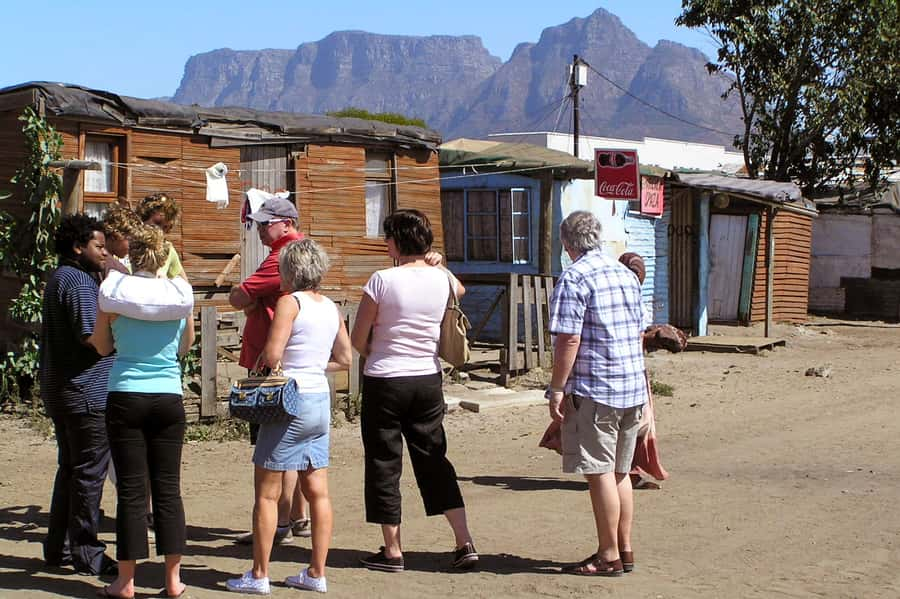
Cape Town can be easy to read as a city of mountains, beaches, restaurants, and polished waterfront attractions. This tour asks you to look beyond that postcard version. It explains why many communities sit where they do, why poverty and housing pressure remain visible, and how apartheid still affects the city’s social and economic pattern.
That context is valuable because township visits can otherwise feel like a quick look at a place you do not understand. Here, the stops are linked by a clear story. You begin with forced removals, see communities created or expanded by those removals, and then hear how people have built lives after apartheid ended.
This is not a sightseeing trip built around dramatic monuments. Much of the value comes from listening carefully, asking respectful questions, and allowing time for difficult subjects. You may see overcrowding and poverty, but you also hear about community, education, work, family, and change. The best guides make sure the townships are not reduced to hardship alone.
More Township Tours in Cape Town
- Half-Day Tour Through Cape Town’s Townships
★ 4.8 · 979 reviews - Cape Town: Nathi Langa Township Walking Tour
★ 4.9 · 493 reviews - Cape Town: Robben Island Ferry Ticket and Townships Tour
★ 4.5 · 400 reviews
District Six and the memory of forced removal
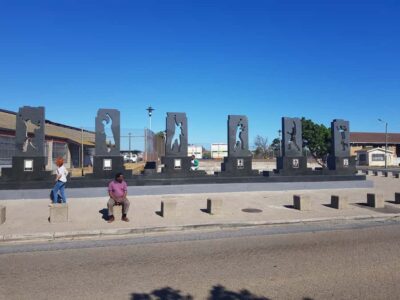
The tour begins at the District Six site, with about 30 minutes set aside. District Six was once a mixed neighborhood close to central Cape Town. Under the Group Areas Act of 1950, residents were classified by race and removed from areas assigned to other groups.
This stop gives you the legal and political background for the rest of the day. You learn that apartheid was not only a matter of separate facilities or unequal treatment. It also controlled where people could live, how they moved, and how communities were broken apart.
The short visit means you should not expect a full museum program or a lengthy walk through the former neighborhood. Its purpose is to set the scene. Listen for the connection between the empty or altered site and the townships you visit next.
Langa, Cape Town’s oldest township
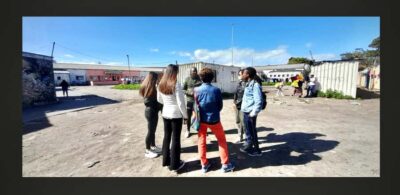
After roughly 30 minutes of driving, the group reaches Langa, described as Cape Town’s oldest township. This is the emotional center of the morning, since the tour includes a guided walk with a local site guide.
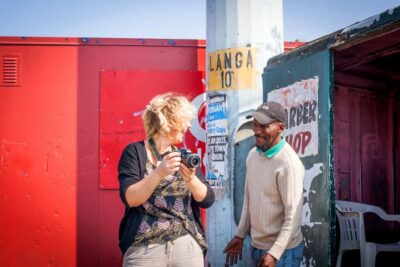
You can expect to walk rather than simply look out of a vehicle window. That matters. A walking tour lets your guide point out details and gives you time to ask about housing, local services, work, and community life. It also makes the visit feel less like a drive-by stop.
Past guides associated with this experience have included Godfrey, Nelson, Songz, and others from the township. The exact guide can vary, but the important feature is local connection. Several guides have shared personal accounts of growing up in or living in the area, which gives the history a human scale.
The Langa visit may include contact with local residents and, depending on the day, places such as homes or community facilities. Do not treat this as entertainment. You are entering a lived-in community, so listen, ask before taking photographs, and follow your guide’s lead.
I particularly value the way this part of the tour can correct two easy assumptions. First, townships are not frozen reminders of apartheid. They have changed since 1994 and continue to develop. Second, poverty does not tell the whole story. The guide’s role is to explain both the serious problems and the ordinary routines that make Langa a home.
Allow for a thoughtful pace. You will have about an hour here, and that is not a lot of time for such a complex place. Still, it is enough to move beyond a bus-window view and gain a clearer sense of how history affects the present.
Bonteheuwel and the mechanics of apartheid planning
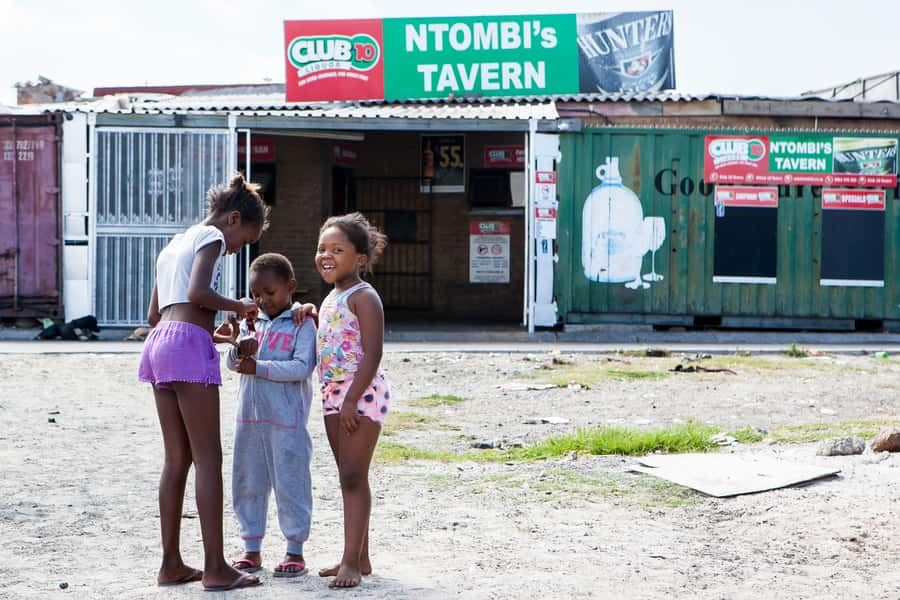
The next stop is Bonteheuwel, with around 30 minutes allocated. This township was developed for people classified as colored who had been forcibly removed from District Six and other areas.
The significance here is the system. The tour helps explain that communities were not simply created by natural urban growth. Government rules separated people according to racial classification and relocated them to designated areas. Housing, transport, employment, and family routines all felt the effects.
Bonteheuwel is useful because it shows that apartheid affected more than Black African communities. The classification system divided people into several racial categories, and each group faced different restrictions and opportunities. That detail is easy to miss if your understanding of Cape Town comes only from major political figures and famous prison stories.
The stop is brief, so think of it as a scene-setting visit rather than a full neighborhood walk. Use the time to ask your guide how the area relates to District Six and how those old rules still influence Cape Town today.
Same part of Cape Town, a completely different kind of day:
- Cape Town: Hop-On Hop-Off Bus Tour with Optional Cruise
★ 4.8 · 3,929 reviews - Zipline Cape Town – From Foot of Table Mountain Reserve
★ 5.0 · 3,179 reviews - Cape Town: Table Mountain Cable Car, Hop-On Hop-Off Bus Tour
★ 4.6 · 3,157 reviews - From Cape Town: Big Five Game Reserve with Lunch
★ 4.6 · 2,409 reviews
Gugulethu and life after 1994
The tour then continues to Gugulethu, home to more than 300,000 people, with another 30 minutes set aside. Here, the focus shifts toward development after the end of apartheid.
That makes Gugulethu an important balance to the morning’s historical material. You hear about the changes brought by political freedom, while also considering the problems that did not disappear overnight. The guide explains the social and economic forces shaping the township today.
I like this part because it keeps the tour from turning into a museum lesson. Apartheid ended as a legal system, but housing shortages, unemployment, uneven access to services, and economic inequality remain part of the wider story. The tour does not ask you to see the township only through the past.
The short visit can feel compressed. You will not gain a full picture of such a large community in half an hour. Still, the stop works well as a bridge between the forced removals of the morning and the prison history waiting at Robben Island.
Lunch at the V&A Waterfront
After the township visits, you go to the V&A Waterfront for lunch. About 30 minutes is listed for this break, and lunch is not included.
This is a practical pause rather than a featured food experience. The waterfront has many places to eat and gives you a chance to buy food before the ferry. It also provides a sharp visual contrast with the townships, with restaurants, shops, boats, and views toward Table Mountain.
Plan efficiently. A long sit-down meal could make the ferry connection stressful, especially if your departure is at 13:00. If your boat leaves at 15:00, you have more breathing room, but you should still keep an eye on the time.
The waterfront is also where the tour changes from a vehicle-based program to an independent ferry and island visit. Confirm where you need to go before leaving the group.
Robben Island: the extra-cost centerpiece
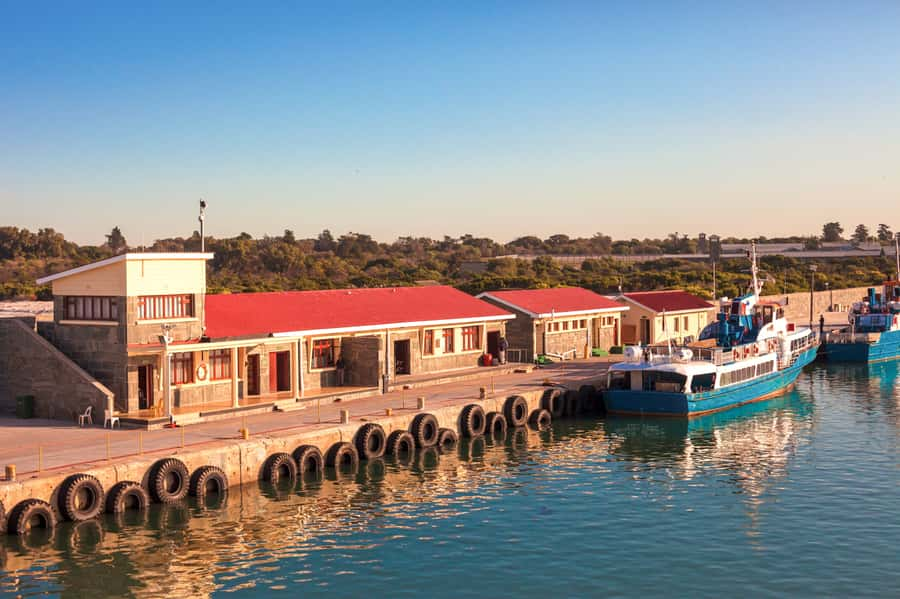
Robben Island takes about four hours, including the ferry and guided prison visit. This is the portion many people consider the essential Cape Town history experience, but it requires separate planning.
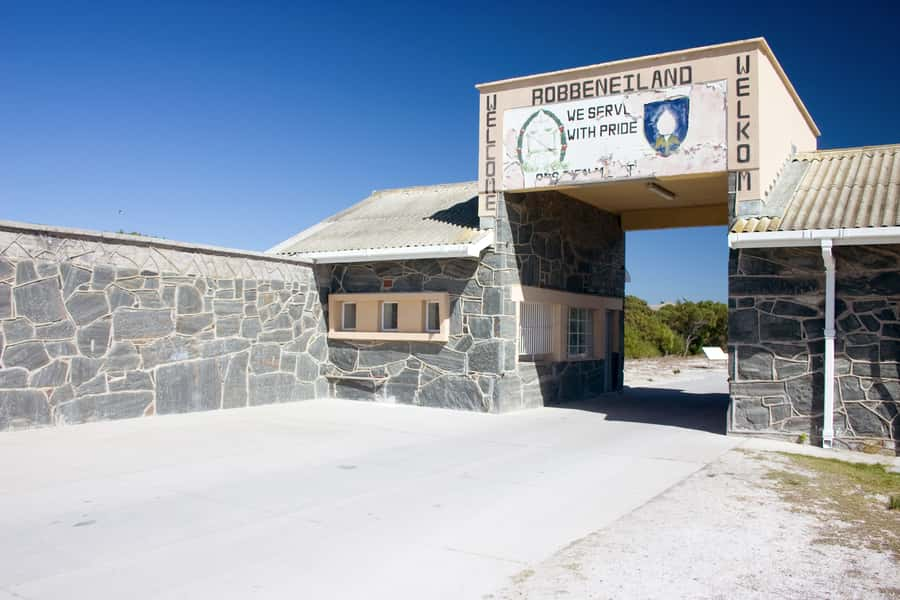
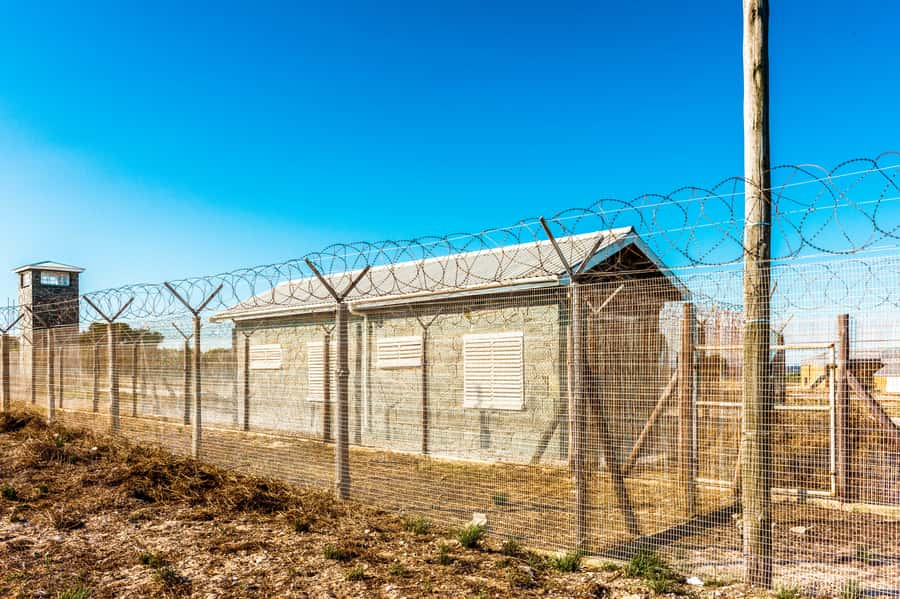
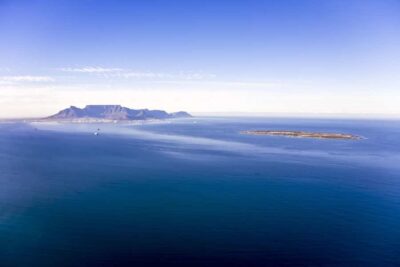
Nelson Mandela spent 18 of his 27 years in prison on Robben Island. You visit the maximum-security prison and see his cell. The prison tour adds physical detail to the political story: confinement, routine, restrictions, and the treatment of anti-apartheid prisoners become easier to understand when you are inside the place itself.
The island program has included guides who were former prisoners, including a guide identified in past departures as Sipho. A former prisoner can explain prison life in a way that a standard historical presentation cannot. You should not assume that a particular guide will lead your visit, but the chance of hearing firsthand prison memories adds weight to the experience.
The ferry ticket and guided island tour are not part of the $54 charge. The stated prices are R600 per adult and R310 per child, with discounts for South African citizens. You must book directly online or at the Nelson Mandela Gateway at the waterfront. Afternoon departures at 13:00 or 15:00 are recommended for this combined itinerary.
This arrangement is the tour’s biggest weakness. A package that appears to include Robben Island can be misunderstood as an all-in price, but it does not prebook the island ticket. Availability is limited, and weather can stop the ferry. Strong wind, rough seas, and fog have caused cancellations on past departures.
If the ferry is canceled, the township portion can still be a valuable day, and the island payment may be refunded according to the operator’s handling of the canceled activity. Still, do not book this on the day before an important flight or train connection if Robben Island is essential to your plans.
Timing, transport, and what to bring

The full program lasts about eight hours. Pickup is available from hotels in the city center, the V&A Waterfront, Tamboerskloof, Gardens, Sea Point, and Camps Bay. Transport is by air-conditioned vehicle, with an English-speaking driver-guide.
The day includes several transfers, so the vehicle is more than a convenience. It lets you cover places that are not practical to connect on foot and gives the guide time to explain the changing city around you.
The tour ends at the Silo Hotel near the waterfront. There is no return transfer to your original hotel, so budget time and money for your own ride afterward. This matters most if you are staying in Camps Bay or another part of the Atlantic seaboard.
Bring a passport or another accepted identification document. Passport, birth certificate, or driver’s license documents are accepted, and copies are allowed. The operator asks for passport or ID numbers for all participants for the Robben Island booking process. South African citizens provide an ID number and date of birth instead.
Leave large bags and luggage behind. Pets are not allowed. The activity is wheelchair accessible, though you should still confirm the practical details of the walking portions and ferry access when booking.
Is the $54 price good value?
At $54 per person, the price is reasonable for hotel pickup, air-conditioned transport, a driver-guide, the District Six visit, and a local walking tour in Langa. The value comes from the structure and local interpretation, not from a long list of included attractions.
But the real cost is higher once you add the Robben Island ticket and lunch. Since the island visit is the second major part of the day, compare the final total with a standalone township tour plus a separately booked Robben Island trip.
I would still consider the combined format good value if you want both experiences in one day and can secure the ferry ticket. You avoid arranging transport between several sites, and the morning gives the island visit a stronger historical frame.
If your main goal is an unhurried township experience, this schedule may feel too packed. If Robben Island is your priority, booking the ferry independently gives you more control and removes the risk of relying on a tour operator that does not hold tickets.
Who should book this experience?
I recommend it for first-time visitors who want to understand Cape Town beyond its major scenic attractions. It suits adults and older children who can engage with apartheid, forced removal, prison life, and present-day inequality in a respectful way.
It is also a good choice for solo visitors who would rather not arrange township transport alone. The pickup network and local guides make the day straightforward, and past solo participants have found the setting comfortable.
This is not the right choice if you want a relaxed sightseeing day with plenty of free time. The program moves through several townships, includes walking, and then asks you to catch a ferry for a long island visit. You should also reconsider it if you cannot tolerate a weather-related change to the Robben Island plan.
The cancellation policy is flexible for the tour itself, with full refunds available when you cancel at least 24 hours ahead. Robben Island remains subject to its own ticket availability and weather conditions.
Should you book it?
Book this tour if you want a serious, carefully connected introduction to Cape Town’s apartheid history and present-day township life. The strongest reason to choose it is the local Langa guide, whose personal connection can turn broad political facts into understandable human stories.
Before paying, secure the Robben Island ferry directly and confirm the departure time. Choose this experience for depth, context, and convenience, not for a polished sightseeing circuit. If you do that, the day can become one of the most important parts of your Cape Town visit.
FAQ
What is included in the Cape Town township tour?
The price includes hotel pickup, transportation in an air-conditioned vehicle, an English-speaking driver-guide, the District Six visit, and a guided walking tour in Langa.
Is the Robben Island ticket included?
No. The ferry and guided Robben Island tour are separate. The stated price is R600 per adult and R310 per child, with discounts for South African citizens.
How do I book the Robben Island visit?
You must arrange it yourself online or at the Nelson Mandela Gateway building at the V&A Waterfront. Afternoon departures at 13:00 or 15:00 are recommended for this tour.
How long does the full activity last?
The full activity lasts about eight hours, including the township visits, transport, lunch break, ferry, and Robben Island program.
Where can hotel pickup be arranged?
Pickup is available from hotels in the V&A Waterfront, Tamboerskloof, Cape Town City Centre, Sea Point, Camps Bay, and Gardens.
Where does the tour end?
The tour ends at the Silo Hotel. A return transfer to your original hotel is not included.
What identification do I need?
Bring a passport, birth certificate, or driver’s license. Copies are accepted. Participants need to provide passport or ID numbers for the Robben Island booking process. South African citizens provide an ID number and date of birth.
Can the Robben Island visit be canceled?
Yes. Ferry departures depend on weather and ticket availability. Strong wind, rough seas, or fog can prevent the boat from operating.
Is the experience wheelchair accessible?
The activity is listed as wheelchair accessible. Since the program includes walking in Langa and a ferry and island visit, confirm the access arrangements with the provider before booking.
Just added around Cape Town
- 100 % Catch Rate Cape Town Wild Tours★ 5.0 · 5 reviews
- Private Cape Town City Evening Tour★ 5.0 · 3 reviews
- Private Cape Town City Tour table Mountain with wine tasting★ 5.0 · 10 reviews
- Cape Town Boat Trip★ 4.0 · 5 reviews
- Cape Town Aquila Private Game Reserve Big Five Safari Adventure★ 5.0 · 4 reviews
- Cape Town Private Birding Tour★ 5.0 · 14 reviews
- Private 2-Day Cape Town Highlights: Robben Island,Table Mountain Tickets & Wine★ 5.0 · 8 reviews
- Private Transfer: CPT Airport to Cape Town in Luxury Van★ 4.0 · 5 reviews
Township Tours, compared.


Browse the lists this tour appears in