
Reviewed · TOWNSHIP TOURS
Cape Town: Nathi Langa Township Walking Tour
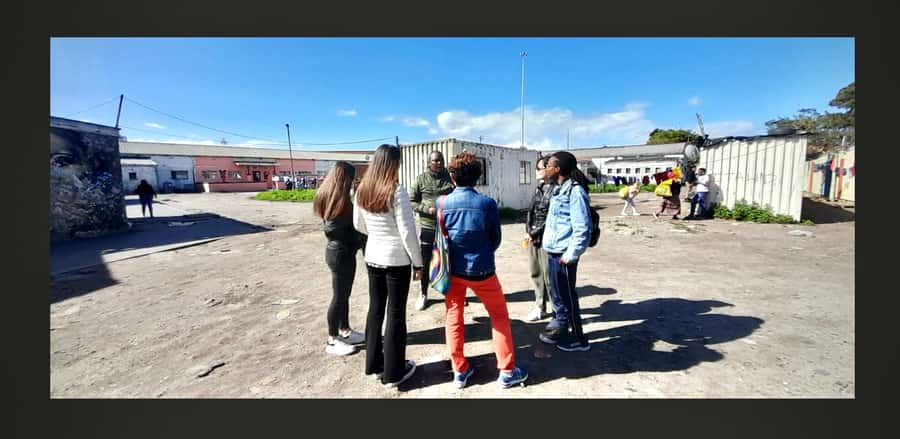
Langa is not a staged attraction. It is a living Cape Town community, with homes, shops, schools, street life, and people going about their day. That is the key to this local-led walking tour, which puts the neighborhood’s past and present into human terms rather than reducing it to a few museum displays.
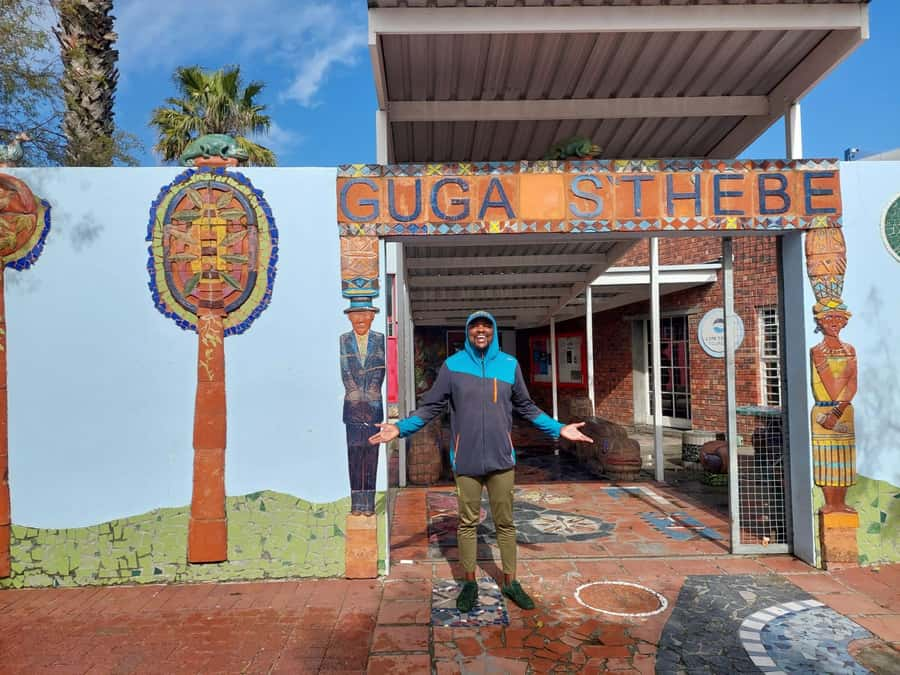
I like two things especially. First, guides such as Nathi and Zuzi grew up in or live in Langa, so the stories come from personal experience. Second, the visit supports places such as the Guga S’thebe cultural center and local artists. The main consideration is that you are entering a real community, not a polished tourist site, so you need to listen, ask permission before taking photos, and accept that some scenes may be difficult to see.
Key points at a glance
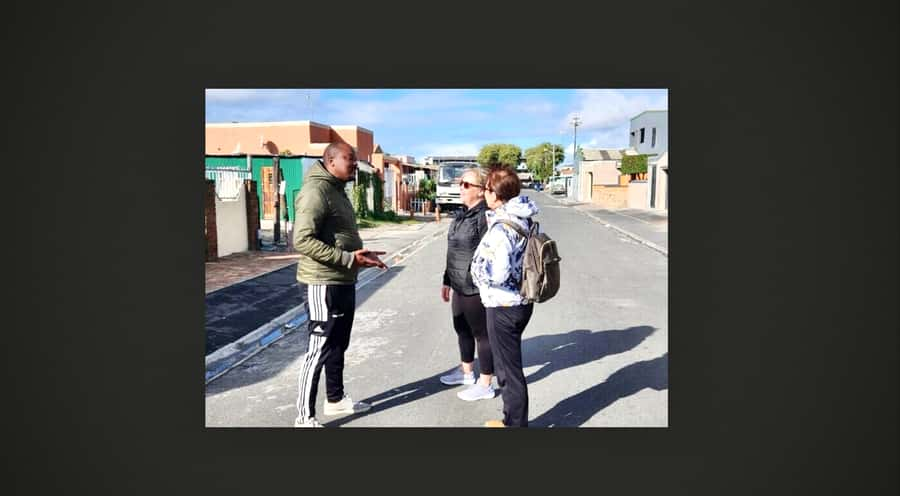
- A local guide with strong community ties: Nathi is widely known around Langa, while Zuzi and other guides offer their own personal view of township life.
- Guga S’thebe cultural center: See handmade crafts, local projects, and a marketplace where you can buy work without pressure.
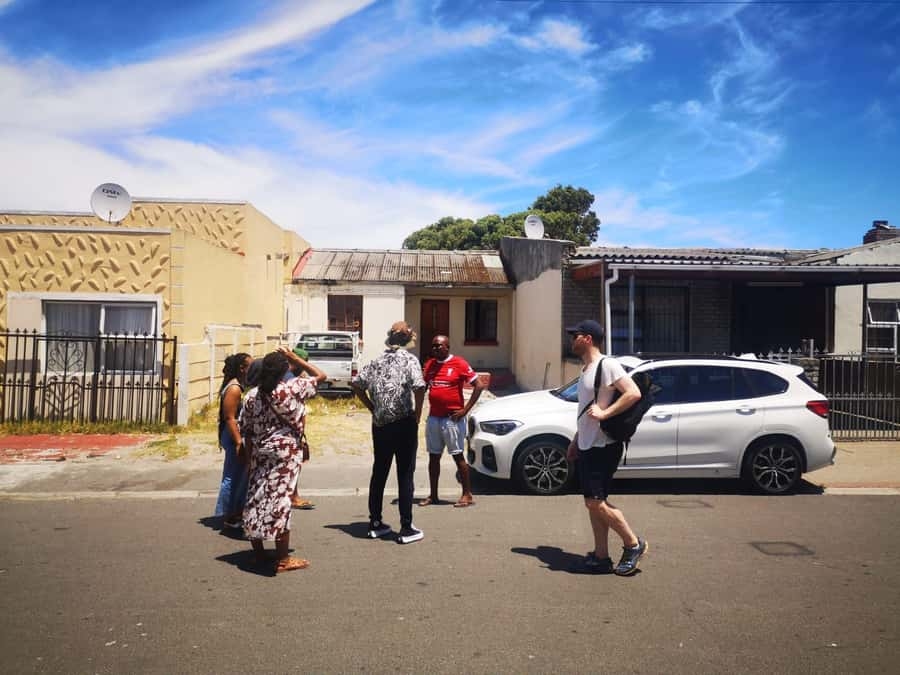
- A walking route through everyday Langa: Expect streets, homes, shops, community spaces, and conversations with residents.
- History made personal: Learn how colonial rule and apartheid shaped townships and still affect opportunities today.
- Hands-on moments: Depending on the day, you may try a short djembe drumming session, visit a preschool, or meet local artists.
- Good practical value: At $31 for 150 minutes, the tour offers a small-group-style local encounter at a reasonable price, with hotel pickup potentially available.
Why Langa belongs on your Cape Town itinerary

Cape Town can be easy to experience from its postcard side: Table Mountain, the Waterfront, beaches, galleries, and fine restaurants. Those places matter, but they do not tell the whole story. Langa adds the social and historical context needed to understand how the city developed and why inequality remains so visible.
The township was shaped by South Africa’s segregation and apartheid policies. A guide can explain that history while showing you the places where people live now. That combination is more useful than a detached lecture. You see how the past connects to housing, work, education, and community projects in the present.
I would not book this tour if you want a quick photo stop or a neatly packaged cultural show. I would book it if you want time to walk, ask questions, and hear local stories in the places they belong.
More Township Tours in Cape Town
- Half-Day Tour Through Cape Town’s Townships
★ 4.8 · 979 reviews - Cape Town: Guided Township Tour with Hotel Pickup
★ 4.4 · 536 reviews - Cape Town: Robben Island Ferry Ticket and Townships Tour
★ 4.5 · 400 reviews
Meeting at Guga S’thebe cultural center
The tour meets at the main entrance of Guga S’thebe at 36 Washington Street, Langa. Arrive 15 minutes before the scheduled start. The center gives you a sensible introduction to the neighborhood because it is both a cultural venue and a working community project.
Inside, you may see handmade pottery, crafts, and other work created by local artists. The center also supports training projects for unemployed people and school leavers, helping them learn practical skills that may lead to small businesses or income. That gives the stop more weight than a simple gift shop visit.
You may also get a short djembe drumming lesson. It is a modest activity, but it gives the opening part of the tour a welcoming, hands-on quality. If you want to support the center, you can buy a craft item or make a donation. There is no need to treat purchasing as an obligation.
The cultural center is also useful for setting expectations. Langa is not presented as a poverty display. It is a place with creativity, work, humor, and community life, alongside real hardship.
Walking Langa with a guide who belongs there

After the introduction, the tour moves into the streets. This is where the guide makes the biggest difference. Nathi is described as someone who knows people throughout Langa and is greeted by both young and old. Zuzi, also referred to as Zuzie or Xuzie, has guided visitors through the area with a personal understanding of its past and daily routines.
That familiarity changes how the walk feels. You are not simply wandering into an unfamiliar neighborhood with a map. You are walking with someone who can explain where you are, answer questions, and greet people along the way. Several guides have also helped visitors with onward arrangements, including making sure someone reached an Uber or got home safely.
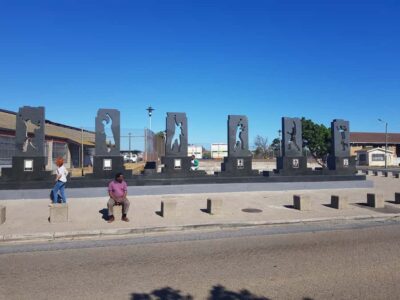
The route can include different parts of the township rather than one fixed display area. You may see older buildings, residential streets, local shops, community projects, and areas with different housing conditions. One particularly striking example mentioned during the walks is a shipping container converted into a home. Another is a section informally compared with Beverly Hills because of its more festive, elaborate houses and celebrations.
These contrasts matter. Langa is not one uniform place, and the tour helps you see that. Some residents face severe financial pressure, while others have built homes, businesses, or creative projects. A good guide can explain those differences without pretending that hardship has disappeared.
What the history lesson adds
The tour covers South Africa’s colonial past, apartheid, the origins of townships, and the effects that remain today. This is not just background information to fill the silence between stops. It explains why Cape Town can have affluent tourist districts close to communities with very different access to housing, services, and opportunity.
I like the fact that the history is tied to what you can see. A discussion of apartheid feels more concrete when you are walking through the area shaped by those policies. You can ask how older rules affected families, work, movement, and education, then consider how residents experience the city now.
The guide’s personal connection also helps keep the discussion grounded. Nathi is able to speak about growing up in Langa, while Zuzi has described life in the township from her own experience. Their stories can make the subject easier to understand, but you should still remember that one guide cannot represent every resident or every South African view.
Expect a serious conversation, but not a gloomy one. Humor and warmth are part of the experience. The tour presents both obstacles and signs of progress, including training projects, community support, and young people looking for a better future.
More Walking Tours in Cape Town
- Cape Town: Art, Culture & History Walking Tour
★ 4.9 · 392 reviews - Cape Town: Street Art Walking Tour in Woodstock
★ 4.8 · 293 reviews - Cape Town: Langa Township Walking Tour
★ 4.8 · 272 reviews - Cape Town: Private Walking Tour with a Local
★ 4.6 · 243 reviews
Meeting residents without turning them into a display

The best part of a township walking tour can also be the part requiring the most care. You may greet residents, speak with local shopkeepers, see children playing, or meet artists and craftspeople. Some visitors have joined a football game with children, received high fives from schoolchildren, or stopped at a local barber.
These moments can feel natural because the guides have relationships in the area. Still, you are entering people’s homes and routines. Ask before photographing anyone, especially children. Do not hand out sweets or money casually. One visitor brought crayons, books, or sweets for children, but donations should be handled thoughtfully and ideally arranged through the guide or a community organization.
The goal is not to collect dramatic images. It is to understand a place through respectful contact. I find that the most valuable exchanges are often simple: a greeting, a question about a craft, or a conversation about how a local project works.
You may also have the option to eat local food, depending on the day and the guide’s arrangements. The tour description refers to street vendors and local eateries, while individual experiences have included chicken feet and food prepared by a local cook. Food is not presented as a guaranteed course, so check at the start if tasting something local is important to you.
Safety and comfort in Langa
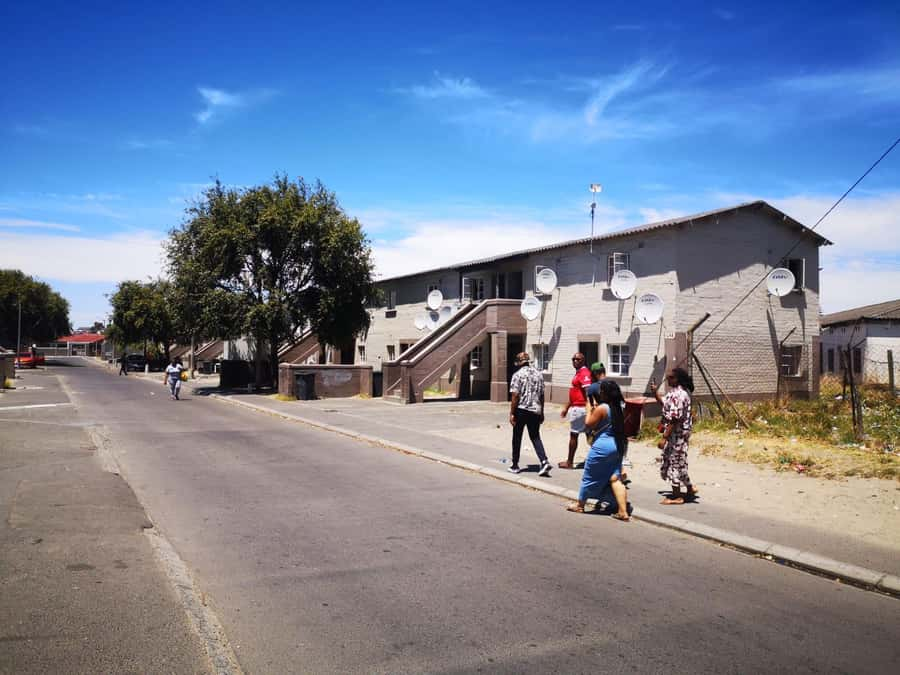
Safety is a fair concern, especially if you have not visited a township before. The most practical advice is to use the arranged meeting point and stay with the guide. Nathi’s strong local connections are a real advantage, and Zuzi has also been praised for helping visitors feel comfortable and get back safely.
That does not mean you should ignore ordinary city precautions. Keep valuables out of sight, avoid flashing expensive cameras or phones, and follow the guide’s instructions. The area is a community, not a theme park, and conditions can vary from one street to the next.
Some visitors have found that an Uber driver was hesitant to enter or stop in the area. If you use a ride service, confirm the exact drop-off point and consider arranging pickup instructions with the tour provider. Hotel pickup may be available from Cape Town’s city center, the Waterfront, and Atlantic seaboard areas including Camps Bay, but you should contact the provider for details rather than assume it is included.
The activity is listed as wheelchair accessible. Because this is a walking tour through an active neighborhood, ask about the exact route and surface conditions if you have particular mobility needs.
Is 150 minutes enough?
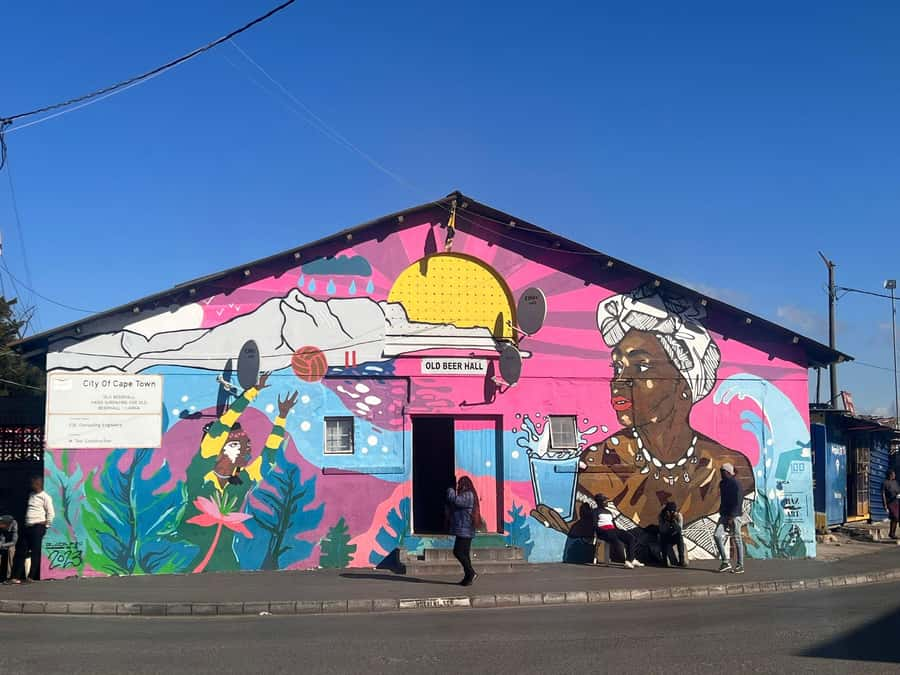
Two and a half hours gives the tour enough time to move beyond a quick introduction. You can visit Guga S’thebe, walk through several parts of Langa, stop to talk, and hear both historical and modern perspectives.
It is still not a full-day study of the township. You will get an informed introduction rather than a complete picture of every neighborhood, institution, or social issue. That is a sensible length for a first visit, especially if you are also fitting in Table Mountain, Robben Island, or Cape Town’s museums.
Wear comfortable walking shoes and bring water. Clothing should be casual and respectful. The tour operates in English and Xhosa, and the guides are able to explain local life in clear, conversational terms.
Is $31 good value?
At $31 per person, I consider this good value for a 150-minute experience, particularly because the price gives you access to local interpretation rather than only transportation and sightseeing. The strongest value comes from the guide’s relationships and the context provided while you walk.
You also have ways to spend extra money locally, such as buying crafts at Guga S’thebe, eating at a local establishment, or making a donation. These choices let you decide how much support you want to provide. Nothing in the experience requires you to purchase something.
Hotel pickup could improve the value if you are staying in central Cape Town or on the Atlantic seaboard. Confirm whether a pickup is available for your hotel and whether any additional charge applies. If you reach the center independently, the meeting point is clearly given at 36 Washington Street.
Flexible booking is another practical plus. You can cancel up to 24 hours before the tour for a full refund, and the reserve-now, pay-later option lets you hold a place without paying immediately.
Who will get the most from this tour?
I would recommend it to first-time visitors who want more than Cape Town’s polished tourist districts. It suits adults interested in South African history, families who can discuss inequality respectfully, and anyone curious about how community projects support local livelihoods.
Families should note that children have enjoyed the tour, especially the drumming, craft work, and contact with local kids. The subject matter can be serious, so parents should prepare younger children for conversations about poverty and apartheid.
It also works well for solo visitors. If you feel uncertain about entering Langa alone, a local guide gives you structure and reassurance. The tour can be particularly useful for visitors who would not otherwise see a township, but who want to do so in a way that supports local people.
I would not choose it if you dislike walking, want a purely lighthearted activity, or expect every stop to run on a fixed schedule. Community life does not always follow a tight tourist timetable, and the most meaningful moments may come from conversation rather than a landmark.
Should you book the Nathi Langa Township Walking Tour?
Yes, if you want a direct and respectful look at a side of Cape Town that many visitors miss. The guide is the main reason to book. Nathi’s local connections, and Zuzi’s personal experience and clear explanations, give the walk a level of access that an outside guide may not provide.
Book with an open mind and modest expectations. You may see difficult living conditions, but you will also encounter humor, creativity, hospitality, and strong neighborhood ties. At $31, this is a useful way to place Cape Town’s attractions in a wider social and historical setting.
FAQ
Where does the Nathi Langa Township Walking Tour meet?
The meeting point is the main entrance of the Guga S’thebe cultural center at 36 Washington Street, Langa. You should arrive 15 minutes before the tour begins.
Is hotel pickup available?
Pickup may be available from hotels in Cape Town city center, the Waterfront, and Atlantic seaboard areas including Camps Bay. Contact the provider for specific pickup details.
How long does the tour last?
The tour lasts 150 minutes, or about two and a half hours.
What language is the tour offered in?
The tour is offered in English and Xhosa.
Who guides the tour?
Guides include Nathi and Zuzi, also referred to as Zuzie or Xuzie in tour information. They have personal ties to Langa and explain its history and daily life.
What will I see at Guga S’thebe?
You may see local crafts, handmade work, community projects, and a marketplace. The center also supports training for unemployed people and school leavers.
Is food included?
Food is not listed as an included feature. The route may include local vendors or eateries, and some tours have included local foods, but this is not guaranteed.
Is the walking tour wheelchair accessible?
The activity is listed as wheelchair accessible. Ask about the particular route and walking conditions if you need specific accessibility information.
Can I cancel the booking?
You can cancel up to 24 hours in advance for a full refund.
Can I pay later?
Yes. The reserve-now, pay-later option allows you to book a place without paying immediately.
Just added around Cape Town
- 100 % Catch Rate Cape Town Wild Tours★ 5.0 · 5 reviews
- Private Cape Town City Evening Tour★ 5.0 · 3 reviews
- Private Cape Town City Tour table Mountain with wine tasting★ 5.0 · 10 reviews
- Cape Town Boat Trip★ 4.0 · 5 reviews
- Cape Town Aquila Private Game Reserve Big Five Safari Adventure★ 5.0 · 4 reviews
- Cape Town Private Birding Tour★ 5.0 · 14 reviews
- Private 2-Day Cape Town Highlights: Robben Island,Table Mountain Tickets & Wine★ 5.0 · 8 reviews
- Private Transfer: CPT Airport to Cape Town in Luxury Van★ 4.0 · 5 reviews
Township Tours, compared.




Browse the lists this tour appears in