
Reviewed · STREET ART
Colours of Johannesburg: A Graffiti & Street Art Tour
Johannesburg’s walls do more than brighten the city. They record its arguments, ambitions, artists, and changing neighborhoods. This 210-minute walking tour follows that story from Braamfontein through Newtown to Maboneng, with guide Ayanda adding local context and pointing out work you could easily miss alone.
I like two things right away: you learn the difference between graffiti and street art instead of treating every painted wall as the same, and you get to see how art helped shape places such as Braamfontein and Maboneng. The stop at a local graffiti store is another nice touch, since it connects the work on the walls with the supplies, artists, and merchandise behind it.
The main consideration is pace. You cover three inner-city areas in three and a half hours, with plenty of walking and some transport between neighborhoods. The tour is in English only, and the graffiti artist sometimes invited to join is subject to availability, so that part is never guaranteed.
Key details before you book
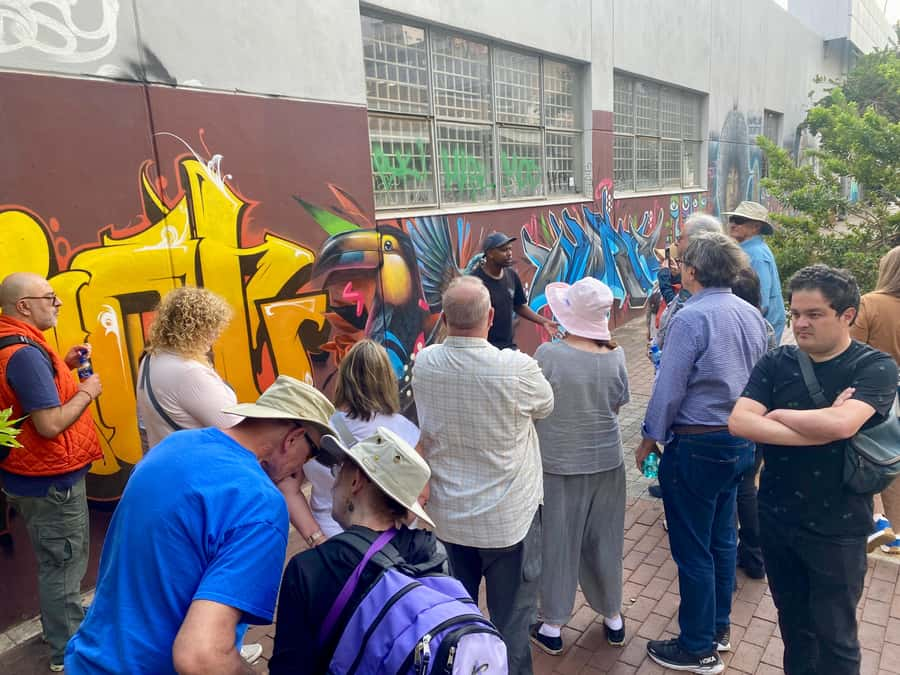
- Three distinct art districts: Braamfontein, Newtown, and Maboneng each show a different side of Johannesburg’s street culture.
- Ayanda brings local context: He grew up in the areas covered and explains both the art and the wider South African history connected to it.
- Graffiti gets proper attention: You learn about tags, graffiti writers, murals, and the relationship between illegal and commissioned work.
- A useful store stop: When open, the local graffiti store sells merchandise designed by artists and may have an exhibition room in use.
- Transport is included between areas: You walk through each precinct, then move between neighborhoods during the tour.
- The tour begins and ends in practical places: Meet inside Skinner Café at 70 Juta Street and finish at Home of the Bean.
Why Johannesburg’s walls are the real classroom
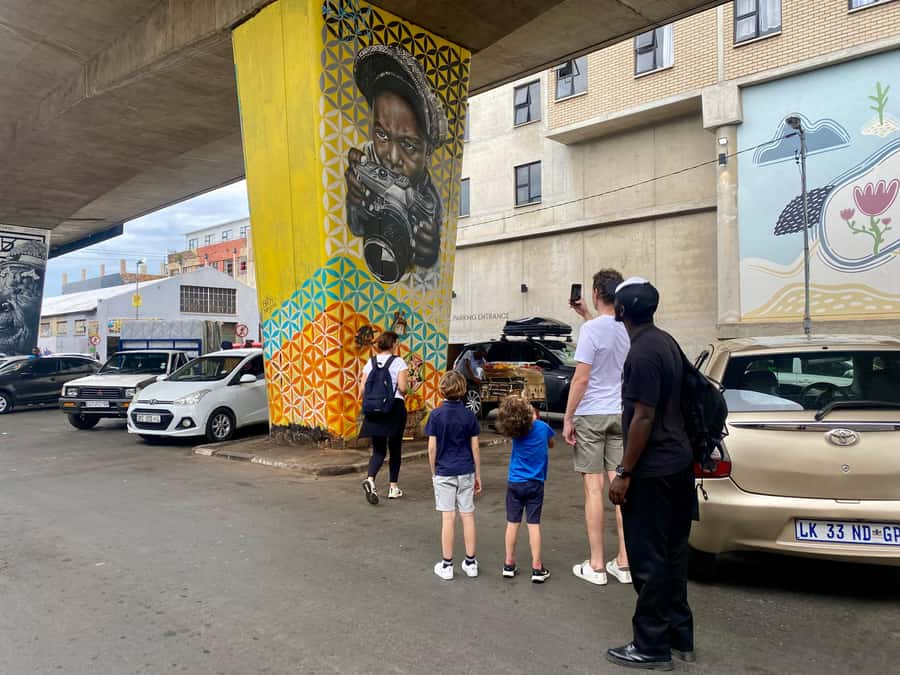
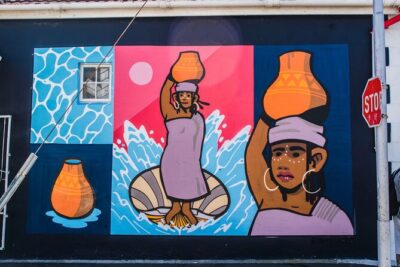
Street art can be easy to admire and hard to understand. You see a large mural, take a photo, and move on. This experience asks you to slow down and look for the difference between a public artwork, a graffiti tag, a large-scale commission, and the work of a recurring local artist.
That distinction matters in Johannesburg. A tag may be quick and personal, while a mural can involve planning, permission, and a message aimed at the whole neighborhood. The tour connects those forms instead of placing them in separate boxes. You get a better idea of how artists use walls to claim space, share ideas, build reputations, and respond to the city around them.
Ayanda is central to that experience. He is not presented as a guide who simply memorizes dates and artist names. He brings personal knowledge of Johannesburg’s inner city, knows many of the artists, and adds background on South Africa’s past and present when it helps explain a piece of work. That makes the tour useful even if you are more interested in the city than in graffiti itself.
More Street Art walks in Johannesburg:
- Johannesburg: Maboneng Street Art & Culture Tour
★ 4.9 · 257 reviews - Johannesburg: Maboneng Street Art & Culture Tour
★ 5.0 · 140 reviews - Johannesburg: Street Art and Culture in Maboneng!
★ 4.8 · 107 reviews
Starting at Skinner Café on Juta Street
The meeting point is inside Skinner Café, the green café at the corner of Juta Street. Large see-through windows and a small outdoor seating area make it easy to identify. The tour begins with a 15-minute safety briefing at a local restaurant, which is a sensible start before walking through several parts of the inner city.
You should arrive ready to walk rather than dressed for a quick photo stop. Comfortable shoes and water are specifically recommended. The exact length of the walking sections may vary, but the schedule includes one hour in Braamfontein, 45 minutes in Newtown, and another 45 minutes in Maboneng.
That structure gives the experience a steady rhythm. You spend enough time in each area to look at the walls and ask questions, but you are not stuck in one precinct for the entire afternoon. Transport between neighborhoods is included, so you do not have to arrange separate rides as the tour moves from one part of the city to another.
Braamfontein: where art helped reshape a precinct
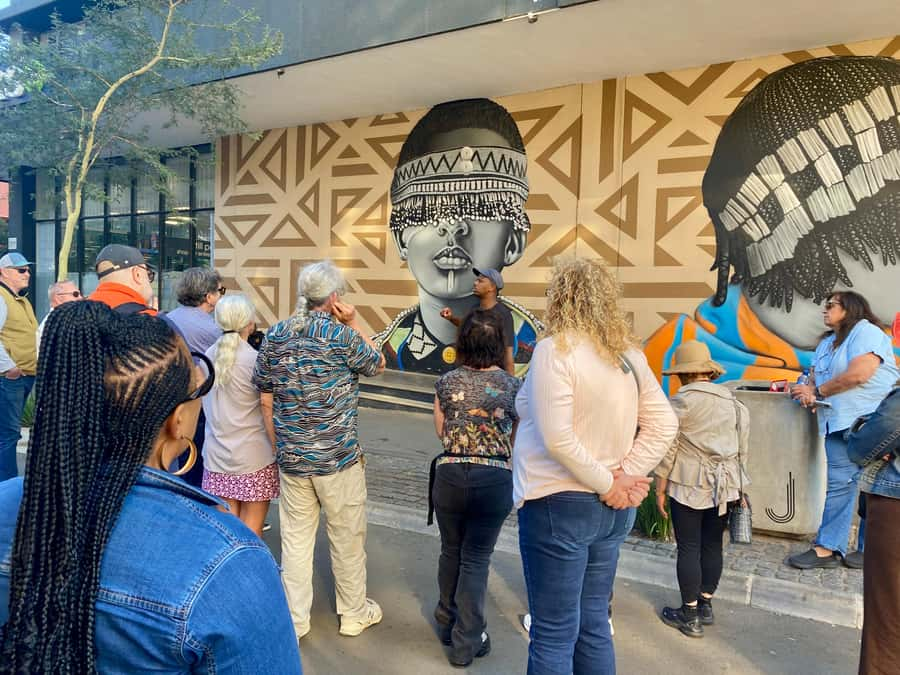
Braamfontein is the first major stop, and it gives you a clear introduction to Johannesburg’s street-art culture. The area has large murals, smaller works, tags, and painted walls spread through its streets. Instead of focusing only on the most polished images, the tour helps you see how different forms of wall art sit beside one another.
This is also where you learn about the effect of street art on the development of the precinct from 2003. That point gives the murals a practical setting. Art is not just decoration here. It is part of the story of how a neighborhood changed and how artists, businesses, and other local forces helped shape its public identity.
I like this opening because it gives you a framework for the rest of the day. You learn what to look for before reaching Newtown and Maboneng. Ayanda can explain the artists behind particular pieces, identify notable tags, and discuss how the work relates to the streets where it appears.
You will have time for guided sightseeing and photographs, but this is not a private photo shoot with a fixed list of murals. Street art changes, and the tour is built around what is present in the area. That is part of its appeal, though it also means the exact collection of walls may not be identical every time you visit.
The graffiti store: a short stop with real local value
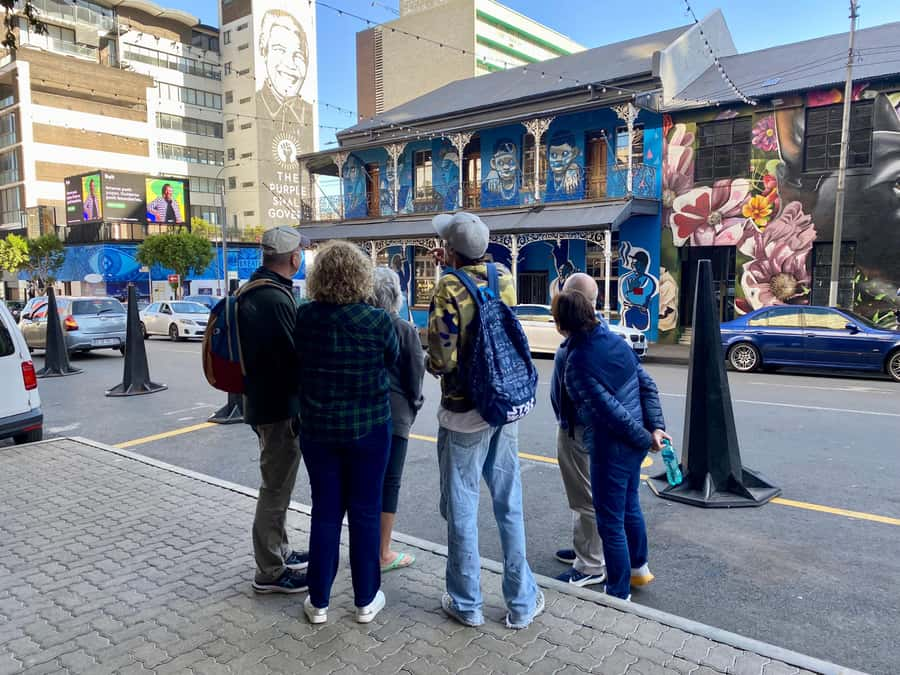
The itinerary includes a 15-minute visit to a local graffiti store. It is more than a retail pause. The store is where local artists buy supplies, so it gives you a link between the tools used to make the work and the finished pieces outside.
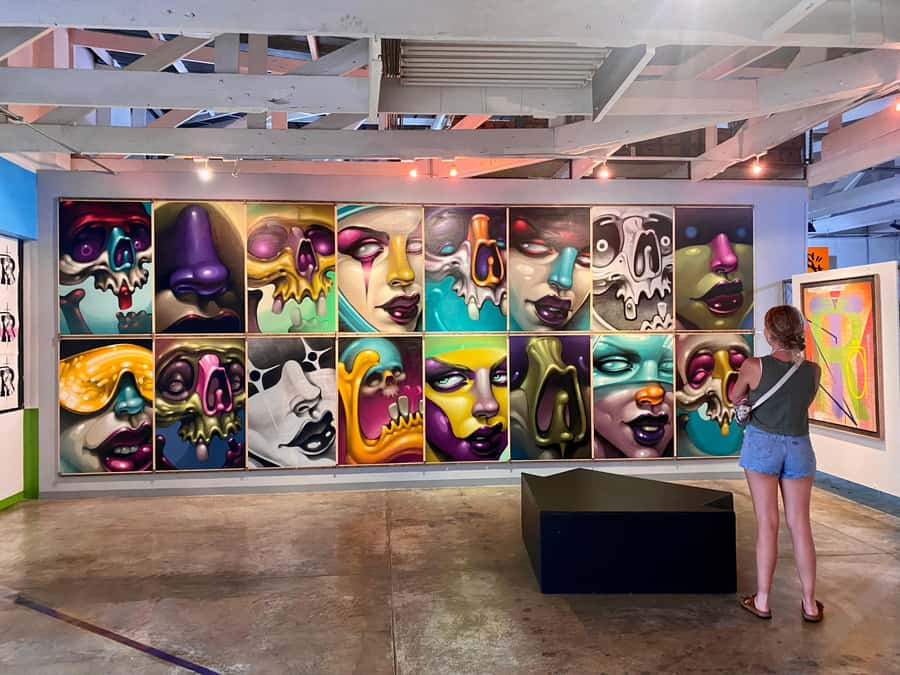
When the store is open, you may be able to buy merchandise designed by local graffiti artists. There may also be an exhibition room with artwork on the walls. That makes this stop worthwhile for anyone who wants to take home something more personal than a standard souvenir.
There is one firm limitation. The store is closed during the festive period from December 24 to January 20, so you should not count on this part if you book around those dates. The tour still includes the street-art sections, but the shop visit is conditional on opening hours.
An artist may sometimes join the tour as well. This depends entirely on availability, so treat it as a pleasant possibility rather than a promised feature. The tour remains centered on Ayanda’s guidance and the city’s public art.
A few more Johannesburg days worth comparing
- Early Morning Balloon Safari with Breakfast from Magaliesburg
★ 5.0 · 418 reviews - From Johannesburg: Lion & Safari Park Half-Day Tour
★ 4.6 · 384 reviews - Half Day Lion Park tour from Johannesburg or Pretoria
★ 5.0 · 274 reviews - Ultimate Johannesburg Tour
★ 5.0 · 200 reviews
Newtown: Johannesburg’s arts center and graffiti stronghold
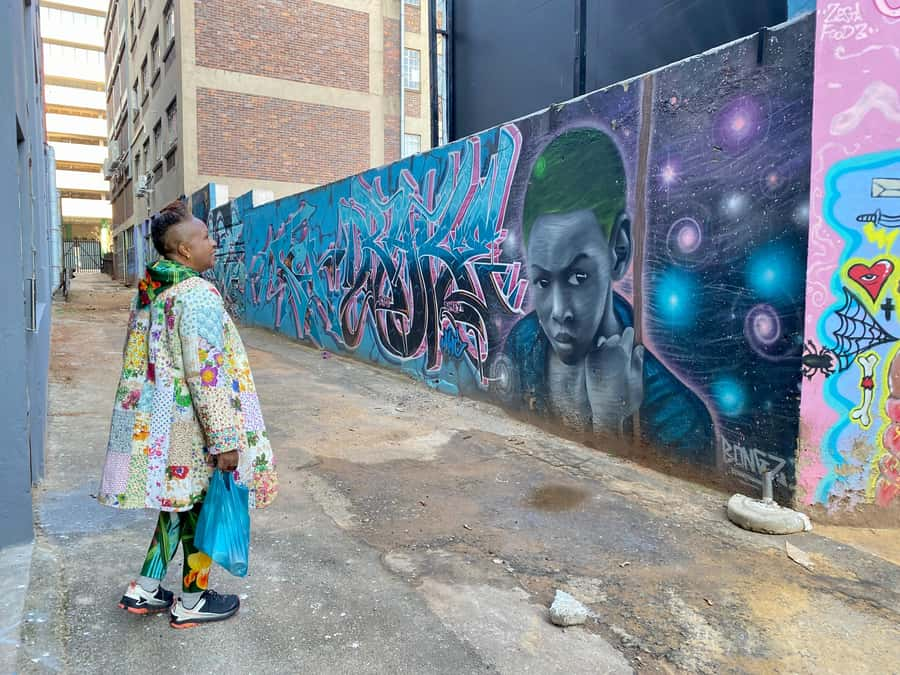
From Braamfontein, the tour continues to Newtown. The area has a long connection with Johannesburg’s arts and culture scene, with a history reaching back to 1886. It is also described as a spiritual home of arts and culture in the inner city, and its walls contain some of the city’s strongest graffiti.
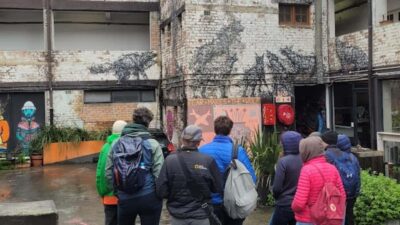
The Newtown section lasts about 45 minutes and includes a guided walk, sightseeing, and a photo stop. Here, graffiti takes a more central role. You can expect to see the tags and larger pieces of artists who have made their mark across Johannesburg, while Ayanda explains who they are and how their work fits into the local scene.
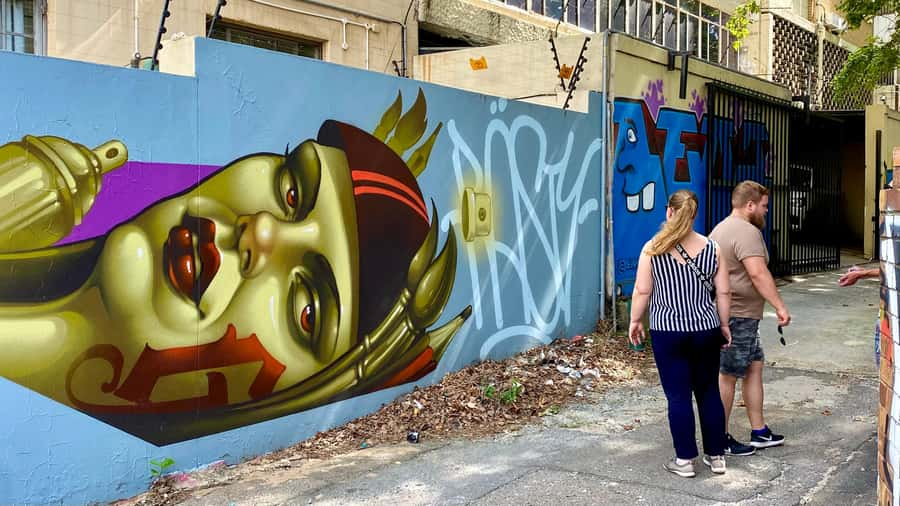
This is where the difference between graffiti and street art becomes especially useful. A tag may be about identity and recognition within a writing culture, while a mural may speak more directly to the public. Both can be visually striking, but they operate in different ways. The guide’s job is to show you that relationship, not simply tell you that one is good and the other is bad.
Newtown is also a strong stop for visitors who want more than polished, commissioned murals. The work here reflects the city’s underground side and its long connection with creative movements. You may find rougher, faster, or more layered pieces beside formal artworks. That mix is part of what makes the walk feel tied to the city rather than staged for an audience.
Maboneng: murals, tags, and a changing city view
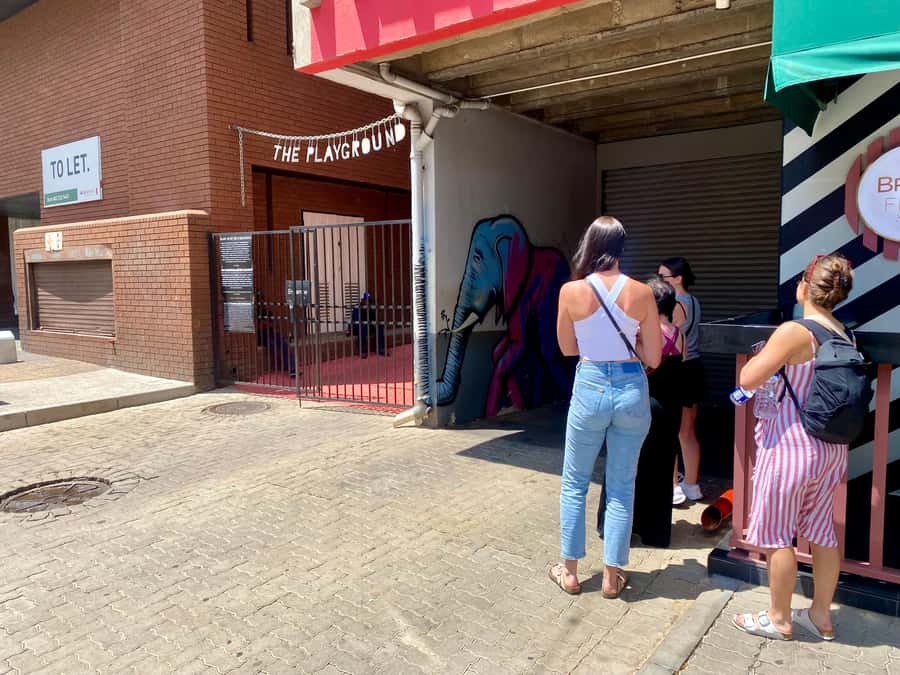
The final neighborhood is Maboneng, where the tour ends at Home of the Bean. Like Braamfontein, Maboneng has art spread across its walls, from detailed works by international artists to recognizable tags by local graffiti writers.
The 45-minute Maboneng section includes guided sightseeing, shopping, and an aerial view. The aerial element gives you a different way to read the district. After spending much of the tour looking closely at walls, you get a broader sense of how the art sits within the streets and buildings around it.
Maboneng is a good final stop because it brings together many themes from earlier in the tour. You can compare large murals with quick tags, local work with international contributions, and art made for a broad public audience with work rooted in graffiti culture. The tour ends here rather than returning to Braamfontein, so plan the rest of your day from Maboneng.
The itinerary lists shopping at this stop, but it does not promise a particular shop or purchase. You should think of it as an opportunity to continue exploring the precinct, not as a major retail component.
What the $43 price really covers
At $43 per person, the tour is priced above a simple self-guided mural walk but includes more than a route through painted streets. You are paying for a live English-speaking guide, local interpretation, a safety briefing, transport between neighborhoods, and access to three separate areas in one outing.
The strongest value comes from context. You could photograph murals for free, but it would be much harder to know who made them, how to read a tag, why a particular precinct matters, or how street art connects with Johannesburg’s development. If those questions interest you, the price is reasonable for a half-day experience.
Transport also matters. Braamfontein, Newtown, and Maboneng are not treated as one compact walking loop. Moving between them during the tour saves you the trouble of organizing separate rides and lets you concentrate on the art.
The price is less compelling if you only want a quick collection of mural photographs. In that case, a shorter street-art outing may suit you better. But if you want the distinction between graffiti and street art explained, plus local history and artist background, the longer format earns its cost.
Who will get the most from this experience
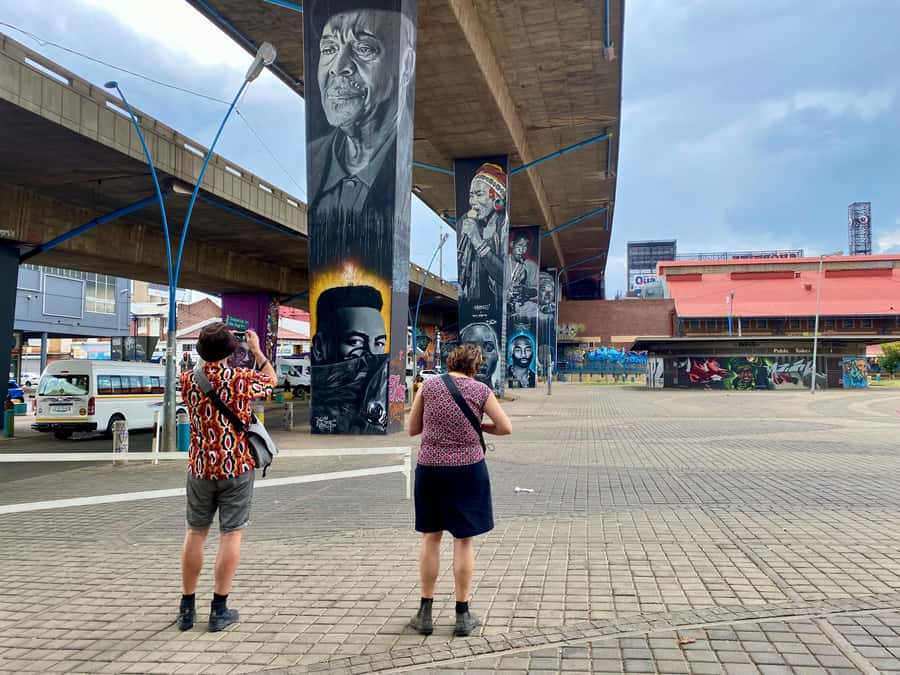
I would choose this for you if you like cities best when you can understand how they work. It suits anyone interested in public art, photography, urban culture, Johannesburg’s inner city, or South African history told through ordinary streets rather than formal museums.
It is also a good choice for visitors with only a few days in Johannesburg. One participant described it as a highlight of a four-day visit, and that makes sense: the tour gives you three different districts, a local guide, and a useful introduction to central Johannesburg in one afternoon.
You do not need to be a graffiti expert. The guide explains the basic terms and gives you enough background to make the walls more readable. You can also ask questions beyond graffiti and street art, as Ayanda has been praised for discussing Johannesburg and South Africa more broadly.
This may not suit you if you dislike walking, need a tour in a language other than English, or want a guaranteed meeting with an artist. The invited graffiti artist is not fixed, and the store stop depends on opening dates.
Practical details that make the day easier
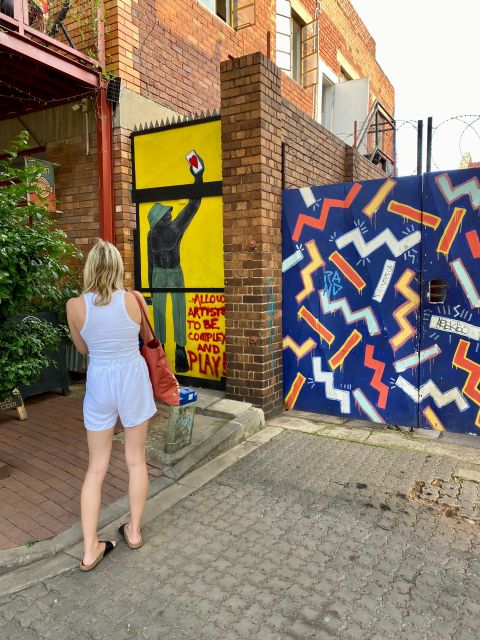
The tour lasts 210 minutes, or three and a half hours. Wear comfortable shoes and bring water. The experience is offered in English only.
Meet inside Skinner Café at 70 Juta Street. The tour finishes at Home of the Bean in Maboneng, so do not assume you will return to the starting point. Transport during the tour, between the neighborhoods visited, is included. Hotel pickup and drop-off are not included, though you can contact the provider if you need to ask about that service.
The tour offers free cancellation up to 24 hours before departure for a full refund. You can also reserve now and pay later, which helps if you are still arranging a Johannesburg itinerary.
Should you book the Colours of Johannesburg tour?
Book it if you want street art with explanation, not just street art as a backdrop for photographs. Ayanda’s local connection, the three-neighborhood route, and the store visit give the experience a stronger sense of place than a quick mural circuit.
I would especially recommend it for a first Johannesburg visit, a repeat visitor who wants to understand the inner city better, or anyone curious about the line between graffiti and public art. Go prepared for walking, bring water, and keep your expectations flexible about the store and visiting artist.
Skip it if you want a short, tightly scripted outing or if English is not suitable for you. For everyone else, $43 is a fair price for three and a half hours of art, transport, local stories, and a much clearer way to read Johannesburg’s walls.
FAQ
How long does the Colours of Johannesburg tour last?
The tour lasts 210 minutes, or three and a half hours.
Where does the tour begin?
It begins inside Skinner Café at 70 Juta Street. The café is green, located on the corner, and has large see-through windows with a small seating area outside.
Which Johannesburg neighborhoods does the tour visit?
The route covers Braamfontein, Newtown, and Maboneng.
Is transport included?
Yes. Transport between the neighborhoods visited during the tour is included. Hotel pickup and drop-off are not included.
Is the local graffiti store always open?
No. The store visit depends on opening hours, and it is closed during the festive period from December 24 to January 20.
Is a graffiti artist guaranteed to join the tour?
No. A graffiti artist may sometimes join, but this depends on the artist’s availability and is not guaranteed for your scheduled date.
Just added around Johannesburg
- 13 Day Safari – Cape Town to Johannesburg★ 5.0 · 11 reviews
- Tala Game Reserve & Natal Lion Park 1/2 Day Tour from Durban★ 3.0 · 13 reviews
- South Africa from Joburg: Elephant Sanctuary Half Day Tour★ 5.0 · 3 reviews
- Private Safari Tour: Pilansberg National Park Big 5★ 5.0 · 7 reviews
- Johannesburg: Elephant and Monkey Sanctuary Half Day Tour★ 5.0 · 3 reviews
- Johannesburg: Wine Tasting and Cableway Half Day Tour★ 4.7 · 3 reviews
- Pretoria: Pretoria City and Lion Park Tour★ 4.8 · 41 reviews
- Lion Park Tour in Open Safari Vehicle★ 5.0 · 6 reviews
Street Art, compared.
Johannesburg: Maboneng Street Art & Culture Tour
Read our review →Johannesburg: Maboneng Street Art & Culture Tour
Read our review →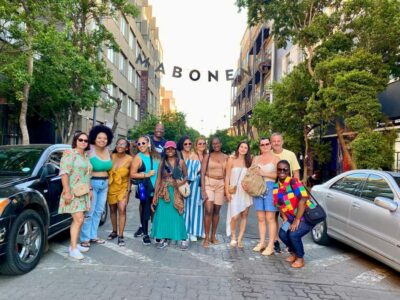
Johannesburg: Street Art and Culture in Maboneng!
Read our review →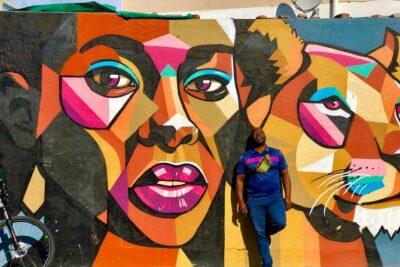
Browse the lists this tour appears in