
Reviewed · CITY TOURS
Johannesburg: City Centre Walking Tour
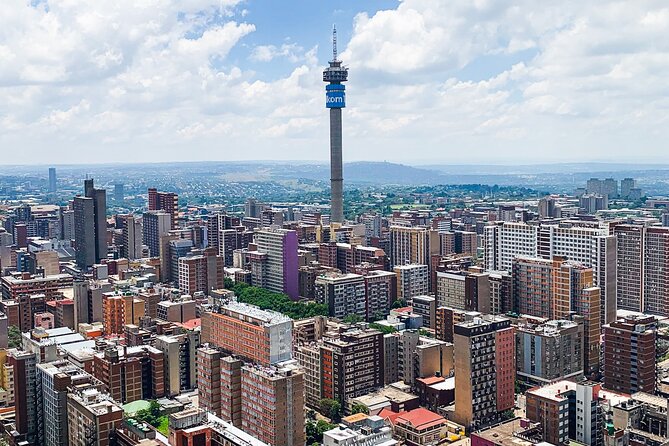
Johannesburg’s city centre makes the most sense on foot. This tour links gold-mining origins, Mandela and Tambo’s law office, migrant labor, old courts, theatres, street art, and the city’s current struggles in one steady walk. I especially like the way it treats the CBD as a living part of Johannesburg, not just a place to pass through by bus.
I like the strong historical thread, which runs from the first gold diggings to modern Johannesburg. I also like the chance to walk with guides such as Refiloe, Thabo, Mulalo, Mathapelo, or Clement, who bring local detail and humor to the route. The main consideration is that the Workers’ Museum may be closed, and the advertised accessibility information is inconsistent, so confirm conditions before booking.
Key points at a glance

- Walk from Gandhi Square to Mandela Bridge: The route crosses several central districts rather than focusing on one isolated attraction.
- See Johannesburg’s gold-mining beginnings: Ferreirasdorp and Main Street connect the modern city to its first diggings and early settlements.
- Visit Chancellor House: Learn about Nelson Mandela and Oliver Tambo’s first black-owned law firm.
- Understand migrant labor: The Workers’ Museum and Newtown add social history to the architecture and political stories.
- Finish among creative spaces: Market Theatre, Mary Fitzgerald Square, Mandela Bridge, and Braamfontein bring art, performance, and youth culture into the walk.
- Expect a flexible guide-led experience: Some tours last longer than three hours when the group is small, but attractions can occasionally be closed.
Why this Johannesburg walk is worth your time
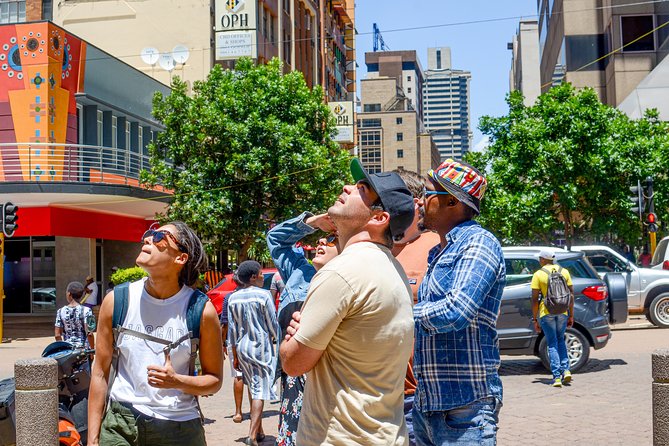
I would choose this tour if I wanted to understand Johannesburg rather than simply photograph it. The route gives you an introduction to the central business district, but it also asks harder questions about safety, politics, migration, housing, and the uneven condition of the city.
That balance matters. You are not shown only polished buildings or famous names. You also hear about the challenges facing the CBD today, including squatters and neglected areas. The result is a more honest picture of Johannesburg, with its fine old buildings, active streets, creative energy, and serious urban problems.
The tour earns a strong 4.8 rating from 152 bookings, and the praise centers on the guides. Refiloe is often singled out for his warmth, humor, and command of local history. Thabo, Mulalo, Mathapelo, Tebogo, Clement, and others have also led the walk. The guide you receive may shape the pace and emphasis, but the shared strength is clear: this is a personal city walk, not a script read beside a bus.
At $40 per person, the value depends on how much context you want. You are paying for about three hours of guiding, entrance fees, bottled water, and a route that would be difficult to plan confidently on your own. The price is less attractive if you only want a quick look at buildings, but it is fair for a small-group or potentially private experience with a local guide. Several bookings have turned into private walks when no one else joined.
More City Tours in Johannesburg
- Half Day Pretoria City Tour from Johannesburg or Pretoria
★ 5.0 · 150 reviews - Johannesburg City Centre Walking Tour
★ 5.0 · 80 reviews - Johannesburg Half Day City Tour
★ 5.0 · 67 reviews
Gandhi Square and the gold rush beginnings
Meet outside Nando’s at Gandhi Square, in the Metropolitan Building area. This is a practical starting point because the square places you in the middle of central Johannesburg, where the tour can begin with the city’s early growth rather than a distant suburban introduction.
From here, the walk follows Main Street and the story of gold. Johannesburg grew rapidly after gold was found on the Witwatersrand, and the route uses streets, buildings, and old mining references to explain how a mining settlement became a major city.
Ferreirasdorp is especially important. It is sometimes called the cradle of Johannesburg because the first gold diggings began here and early diggers settled nearby. I like this part of the route because it gives the city a physical beginning. Instead of hearing only dates and names, you walk through the area where the first rush took shape.
The guide also points out architecture along the way. Johannesburg’s centre has a mixture of older commercial buildings, civic structures, courts, offices, and later developments. The buildings make more sense once you understand the money and labor that helped create them.
Carlton Centre and the changing city centre
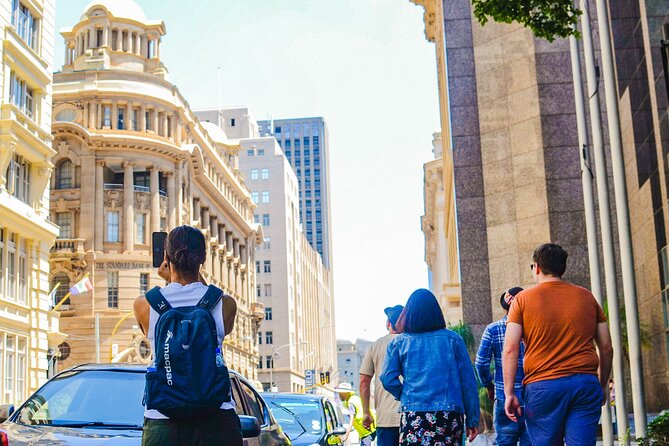
The Carlton Centre is scheduled as a 20-minute guided stop. It is one of the city’s best-known high-rise landmarks and gives the guide a natural place to discuss Johannesburg’s development as a major commercial centre.
Do not assume you will receive a rooftop or 360-degree view. Access to the former viewing area has changed, and one past walk had to substitute another skyline viewpoint. If the view matters to you, ask about current access before you book.
That uncertainty is also a useful reminder about this experience. The city is not presented as a fixed museum. Buildings change use, attractions close, and public spaces can feel different from one visit to the next. A good guide adjusts rather than pretending every stop is guaranteed.
The tour then moves toward the High Court of South Africa, Gauteng Local Division. This is both a photo stop and a 20-minute guided visit. Here, you can expect discussion of law, public life, and the political forces that shaped Johannesburg and South Africa.
Courts, post offices, and the civic centre
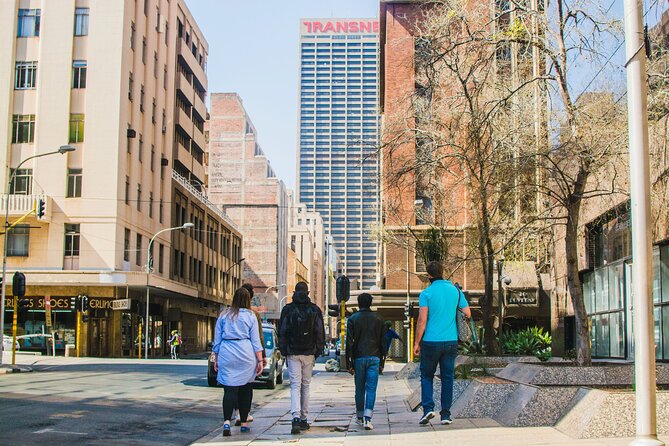
The Marshalltown Post Office receives a shorter 10-minute visit. It may not sound like a headline attraction, but stops like this help you read the city as a working place. The route is not just a parade of famous figures. It includes ordinary civic buildings that show how business and public services operated in the old centre.
The walk through Marshalltown lasts about 30 minutes and includes photographs, sightseeing, and more explanation from the guide. This is one of the longer portions of the route, so wear shoes you can comfortably use on pavement for several hours.
Beyers Naude Square follows with about 20 minutes of sightseeing and guiding. The square helps shift the focus from individual buildings to public space. You get a chance to watch the city move around you while the guide explains how the centre has changed.
The Anglo American corporate office is a brief 10-minute stop. Its presence allows the tour to return to mining and corporate power, linking the original gold economy with the large companies that helped shape Johannesburg’s wealth and identity.
At the Johannesburg Central Magistrate’s Court, plan on another 20-minute stop. Together, the courts, post office, office towers, and squares show how the CBD functions as more than a tourist district. I find this civic focus useful because it helps explain why the centre still matters, even where some buildings or streets need investment.
More Walking Tours in Johannesburg
- Johannesburg: Local Food Tasting Guided Walking Tour
★ 4.7 · 192 reviews - Johannesburg: Guided Walk with Lions in the African Bush
★ 4.7 · 45 reviews - Johannesburg: Hillbrow Walking Tour Including Ponte building
★ 4.8 · 32 reviews - Johannesburg: Private Walking Tour with a Local
★ 4.4 · 17 reviews
Chancellor House and Mandela’s legal work
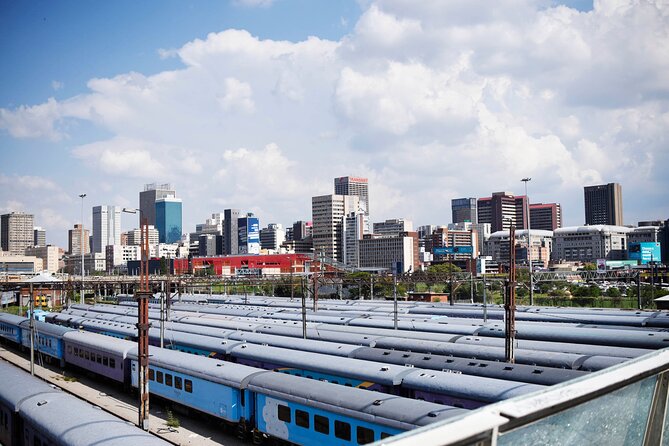
The tour continues toward Chancellor House, the former office associated with Nelson Mandela and Oliver Tambo. They established their first black-owned law firm here, making the building one of the most meaningful political stops on the route.
This is not simply a famous-name photo opportunity. The location connects the personal story of Mandela and Tambo to the legal system, racial inequality, and the wider struggle against apartheid. Your guide can place their work in the setting of Johannesburg’s streets and institutions.
The supplied stop list does not give Chancellor House its own separate timing, so expect it to be part of the walking and guiding time around Marshalltown and the central courts. That can be a strength, since the guide can connect the building to nearby places rather than treating it as an isolated memorial.
If you are especially interested in Mandela, ask questions here. The guides have been praised for explaining both major political events and the everyday city around them. That combination is more useful than a short biography repeated at every stop.
The Workers’ Museum and Newtown
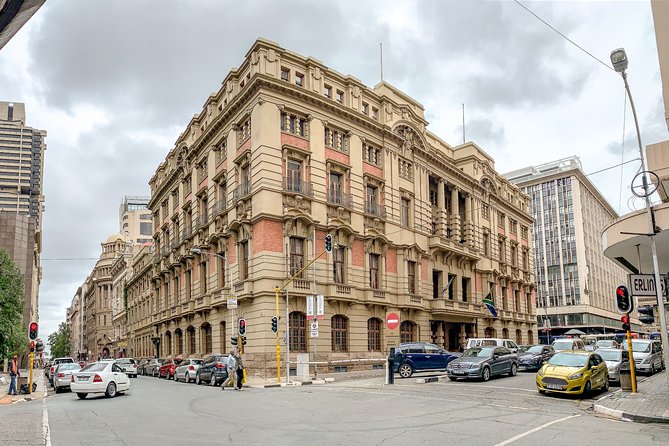
Newtown is one of Johannesburg’s creative districts, but the tour first approaches it through labor. The Workers’ Museum offers a look at migrant labor and the living conditions faced by workers who came to Johannesburg.
This is an important change of subject. Gold and corporate offices explain how money shaped the city. The Workers’ Museum helps explain who performed the work and how the migrant labor system affected families and communities.
The museum visit is listed as a 15-minute stop, including guiding and sightseeing. There is one practical warning: it may be closed, including on Mondays. When that happens, the guide can still explain the workers’ living conditions, but you will not receive the museum’s interior experience.
I would not cancel the whole tour for that reason, but I would confirm opening arrangements if the museum is a priority. The surrounding Newtown walk still adds art, public spaces, and a different feel from the older financial centre.
Mary Fitzgerald Square comes next, with about 15 minutes for photographs, guiding, and sightseeing. It is a useful place to pause and take in Newtown’s public character. The square is tied to labor and political history, while also functioning as an event and gathering space.
Market Theatre and Johannesburg’s creative side
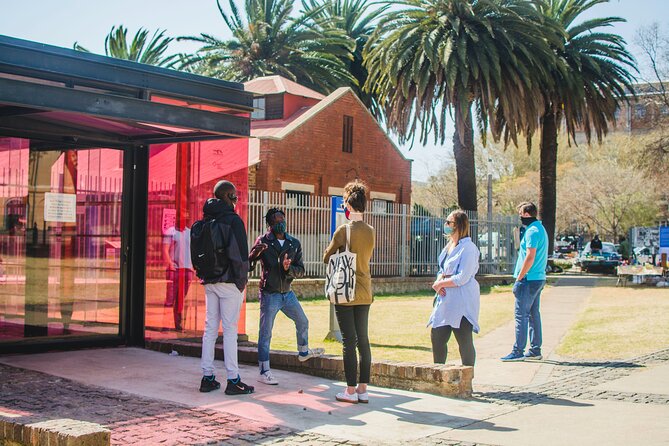
The Market Theatre is a short five-minute stop, partly a visit and partly a pass-by. Its importance is cultural rather than monumental. The theatre is linked to Johannesburg’s performance scene and to the role of art during difficult political periods.
You should keep your expectations realistic. This is not described as a full performance or backstage visit. The value comes from the guide’s explanation and from seeing the theatre in the context of Newtown’s galleries, street art, and cultural spaces.
I like this part of the route because it prevents the tour from becoming only a story of gold, apartheid, courts, and urban decline. Johannesburg also has young artists, performers, designers, and community spaces shaping the city now.
The guide’s own style matters here. Mathapelo, for example, has been praised for connecting historical figures with the lives of young South Africans today. That broader view helps you see Newtown as a working cultural district rather than a collection of old buildings.
Mandela Bridge and the walk into Braamfontein
The route reaches Nelson Mandela Bridge for about 10 minutes. This is the tour’s clearest photo stop, with views along the bridge and toward Johannesburg’s central districts. The bridge also works as a symbol of connection, joining different parts of the city by road and foot.
You will want your camera ready, but the guide’s commentary remains the main reason to stop. The bridge links the historical centre with the creative areas ahead and gives you a useful visual sense of how closely Johannesburg’s neighborhoods sit beside one another.
The walk concludes near Braamfontein, an artistic and youthful hub. The neighborhood is known for its creative culture and student energy, and it gives the tour a forward-looking finish.
The final point is Sha’p Braai, a shisanyama restaurant. Lunch is not included, but the location provides an optional place to eat after the tour. One past booking specifically praised the food, so I would consider staying for a meal if you have time and want to continue the local experience.
Safety, pace, and practical comfort
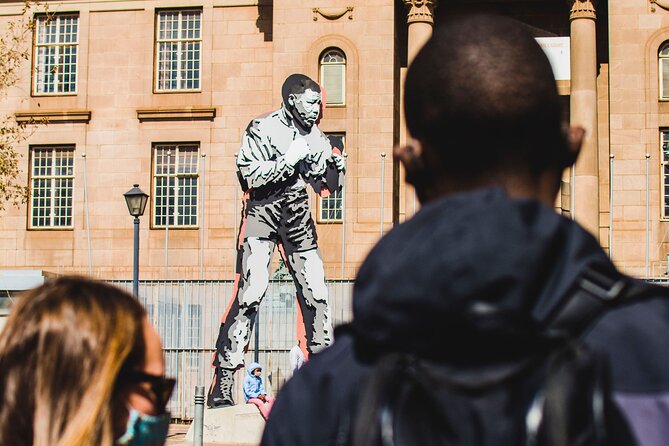
Safety is a central concern for anyone considering a walking tour of Johannesburg’s CBD. The guide-led format helps because you are not trying to work out the route alone, and the guides are familiar with which areas are suitable and interesting at the time of the walk.
I would still use normal city precautions. Keep valuables out of sight, stay with the group, and listen to the guide’s directions. The tour’s strongest safety advantage is local judgment, not a promise that every street feels quiet or trouble-free.
The walk lasts three hours, though a private booking has extended to four hours when the guide wanted to show more. That flexibility can be generous, but it may affect plans later in the day. Leave some room in your schedule rather than arranging a tight transfer immediately afterward.
Wear comfortable shoes and bring a sense of adventure. Bottled water is included, but lunch is not. The route includes several walks and photo stops, so it is better suited to people who enjoy moving through a city than to anyone looking for a seated sightseeing experience.
The booking information says the activity is wheelchair accessible but also lists wheelchair users as unsuitable. That is a direct contradiction. Ask the operator about pavement, entrances, museum access, and the exact route before paying. Pregnant people are also listed as unsuitable for the experience.
English is the stated tour language. Free cancellation is available up to 24 hours before the start, and you can reserve now and pay later. Starting times vary, so check availability for your date.
Who should book this walk?
I would recommend it to first-time visitors who want a strong introduction to Johannesburg’s centre, especially if you are curious about politics, architecture, labor, and everyday urban life. It also suits repeat visitors who have already seen Sandton and want a less polished, more historically grounded part of the city.
It is a good match for visitors who ask questions. The guides have been praised for explaining current conditions as well as past events, and a private group gives you more room to shape the conversation.
I would be cautious if you want guaranteed museum entry, a confirmed high-rise view, or a gentle route with little walking. Those elements can change, and some stops are short or external. The tour is also not the right choice if you prefer a tightly controlled sightseeing circuit with no discussion of difficult political and social issues.
Should you book the Johannesburg City Centre Walking Tour?
Book it if you want Johannesburg explained street by street, from the first gold diggings and migrant labor to Mandela’s legal work, Newtown’s arts scene, and Braamfontein’s younger culture. At $40, the route offers solid value when you consider the guide, entrance fees, water, and the chance of a small or private group.
Before booking, confirm two things: whether the Workers’ Museum and Carlton Centre view will be available, and whether the route suits your mobility needs. If those details work for you, this is one of the better ways to meet the real CBD, not just the postcard version.
FAQ
Where does the tour begin?
Meet your guide outside Nando’s restaurant at Gandhi Square, in the Metropolitan Building area.
Where does the tour finish?
The tour finishes at Sha’p Braai, a shisanyama restaurant in the Braamfontein area.
How long does the walking tour last?
The planned duration is three hours. A private booking may last longer, depending on the guide and the group.
What language is the tour conducted in?
The live tour is conducted in English.
What is included in the price?
The price includes the guide, walking tour, entrance fees, and bottled water.
Is lunch included?
No. Lunch is not included, although the tour finishes at Sha’p Braai, where you may be able to eat afterward.
Does the tour visit Chancellor House?
Yes. The route includes Chancellor House, where Nelson Mandela and Oliver Tambo established their first black-owned law firm.
Will I enter the Workers’ Museum?
The tour is scheduled to visit the Workers’ Museum, but it may be closed. Monday closures have affected past visits, so confirm access if this stop is important to you.
Is the tour wheelchair accessible?
The information provided is inconsistent. It describes the activity as wheelchair accessible but also lists wheelchair users as unsuitable. Contact the operator to confirm the route and entrances before booking.
Can I cancel and receive a refund?
Yes. You can cancel up to 24 hours before the tour for a full refund. Reserve-now, pay-later booking is also available.
Just added around Johannesburg
- 13 Day Safari – Cape Town to Johannesburg★ 5.0 · 11 reviews
- Tala Game Reserve & Natal Lion Park 1/2 Day Tour from Durban★ 3.0 · 13 reviews
- South Africa from Joburg: Elephant Sanctuary Half Day Tour★ 5.0 · 3 reviews
- Private Safari Tour: Pilansberg National Park Big 5★ 5.0 · 7 reviews
- Johannesburg: Elephant and Monkey Sanctuary Half Day Tour★ 5.0 · 3 reviews
- Johannesburg: Wine Tasting and Cableway Half Day Tour★ 4.7 · 3 reviews
- Pretoria: Pretoria City and Lion Park Tour★ 4.8 · 41 reviews
- Lion Park Tour in Open Safari Vehicle★ 5.0 · 6 reviews
City Tours, compared.
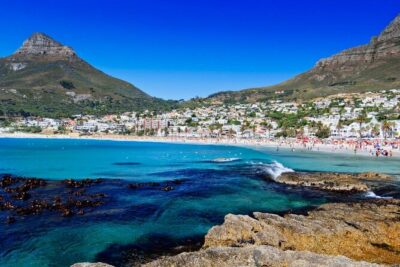
Cape Town Hop-On Hop-Off City Tour with Optional Cruise
Read our review →
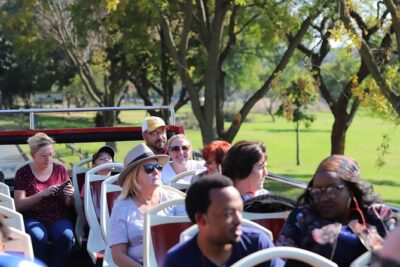
Johannesburg Hop-On Hop-Off City Tour with Soweto Option
Read our review →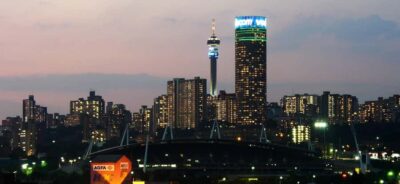
Jo’berg in 1 Day: Soweto, Apartheid Museum & City Tour
Read our review →
Cape Town City Pass: Save Over 50% on 80+ Top Attractions
Read our review →
Hop-On Hop-Off Bus, City Tour and Apartheid Museum
Read our review →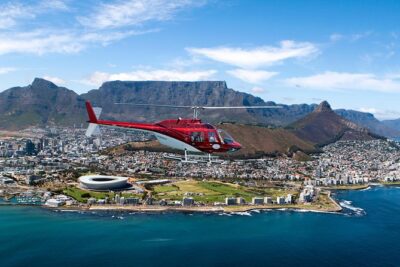
Browse the lists this tour appears in