
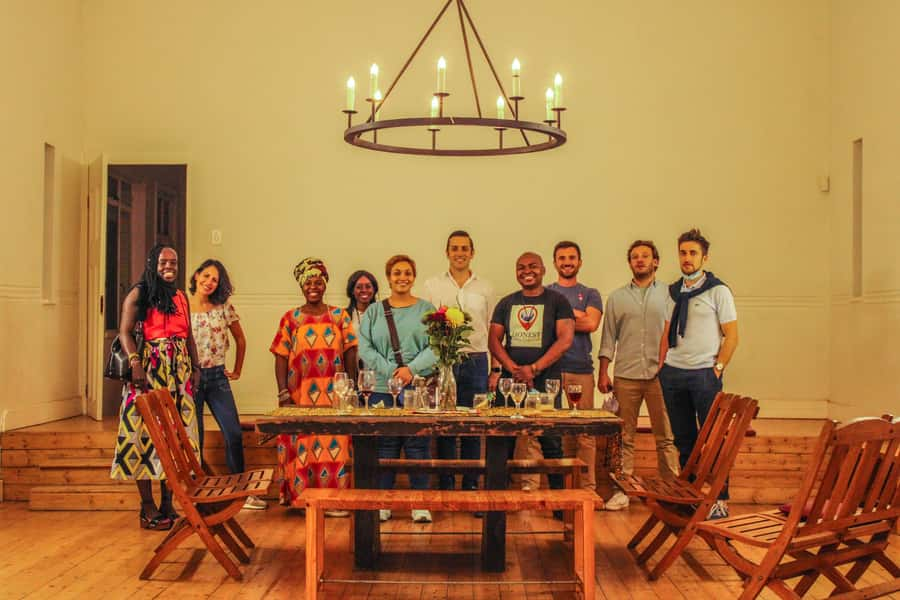
Reviewed · COOKING CLASSES
Johannesburg: Pan-African Cooking & Dinning Experience
A market stop, a home kitchen, and a long meal around the table give this Johannesburg experience its real appeal. You are not just handed a plate. You help choose ingredients, cook traditional dishes, and hear how food connects with family, health, and African culture. I especially like the hands-on cooking and the chance to choose between vegan organic and meat menus.
I also like that the evening is built around conversation rather than a quick class-and-leave format. Hosts such as Chef Tee and Nonhlanhla Godole, known as Noni, have been praised for making solo visitors feel welcome. The main caution is planning: one recent pickup ran very late, and the market portion may be quite modest rather than a grand food hall.
Key points at a glance

- Starts with local shopping: Visit an open-air market or supermarket with the chef and learn about the ingredients before cooking.
- Cook in a real home: The meal is prepared in a local home, not a formal restaurant kitchen.
- Pick your food style: Choose a vegan organic option or a meat menu when booking.
- Includes Johannesburg transport: Pickup and drop-off are included from Sandton, with service within 10 kilometers of the city center.
- Built around conversation: Dinner includes local wine or beer, storytelling, and discussion of nutrition and home-grown food.
- Allow up to four hours: The advertised length is 210 minutes to four hours, with starting times varying by availability.
A Johannesburg food evening that feels personal
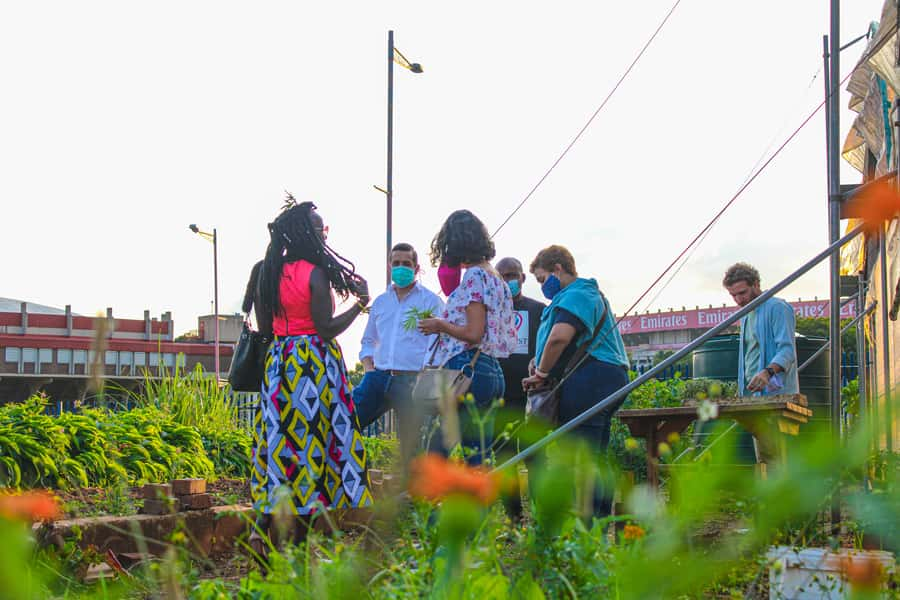
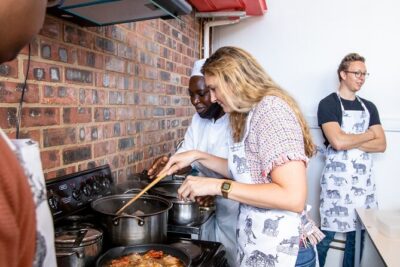
This is a cooking class with a social heart. The point is not to master one perfect recipe. You spend time with a chef, handle ingredients, take part in meal preparation, and then sit down to eat what you helped make.
That makes the experience a good choice if you want more than a standard sightseeing stop in Johannesburg. You get a look at how food can bring together history, health, family life, and hospitality without needing a lecture in a museum.
The experience begins from Sandton and lasts between three and a half and four hours. That is long enough for a proper meal and conversation, but short enough to fit into an evening in Johannesburg. Pickup and drop-off also remove the need to plan your own transport to an unfamiliar neighborhood.
The tone is informal. You may be assigned simple tasks, given a short tour of the home, and invited to take part at your own comfort level. You do not need to be a skilled cook. The focus is on learning by doing and sharing the finished food.
More Cooking Classes in Johannesburg:
- Cape Town: Malay Cooking Class and Lunch in Bo-Kaap
★ 4.8 · 515 reviews - Authentic African Cuisine Cooking Experience
★ 5.0 · 236 reviews - Cape Town: Cape Malay Cooking Class in Bo-Kaap
★ 4.8 · 120 reviews
The market visit: useful, but keep expectations realistic
Your first stop is a local food market or supermarket, depending on the day. The chef introduces the ingredients for the meal, explains their place in African cooking, and helps you see what you are buying before anything reaches the pot.
This part matters because it gives the dishes a setting. Spices, vegetables, meat, and other staples are not treated as anonymous items. You learn how food connects with daily life, local growing, and regional cooking traditions.
The market is not always a large or polished attraction. One account describes a very small market area with only a handful of booths in a poorly lit alley. If you are expecting a major food market with rows of vendors, displays, and tastings, you may find this stop underwhelming.
I would treat the shopping trip as an ingredient lesson rather than the main event. Its value comes from going with the chef and seeing what will be used, not from the size of the market itself. The experience can also move to a supermarket, so the setting is not fixed.
A practical tip: if you have strong dietary needs, state them clearly before the activity begins. The vegan organic and meat choices are a useful feature, but the tour description does not provide a full sample menu or list of allergens.
Welcome drinks and a local home
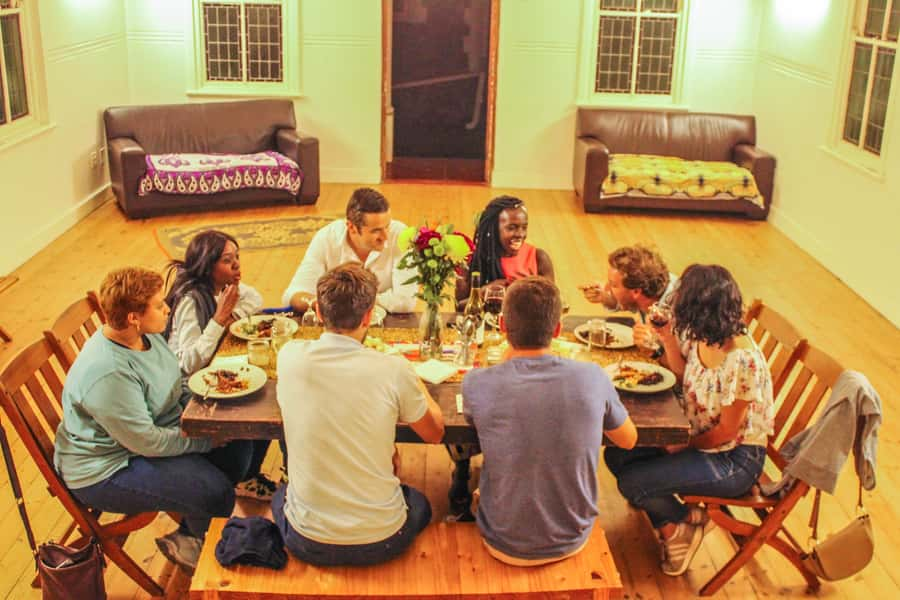
After shopping, you head to a welcoming local home. You receive a glass of locally produced wine or juice, and the host gives you a short tour along with a few house rules.
The welcome drinks can be a pleasant introduction to the evening. Past menus have included homemade-style beverages such as hibiscus tea with ginger, lemon and papaya infused water, wine, or juice, though the exact offering can change. Extra alcoholic drinks are not included, so plan around the single shared bottle of wine and any other stated refreshments.
Cooking in a home changes the mood. You are not watching a demonstration from behind a counter. You are in a personal setting where the host can explain family habits, cooking choices, and the story behind the meal in a natural way.
That setting also means you should be comfortable with a relaxed, shared environment. This is not a private restaurant booking with a fixed professional service routine. You may be asked to help with small tasks, follow house rules, and take part in conversation with the people around you.
Cooking across African food traditions
The cooking session is designed to show that African food is not one single cuisine. You may learn about South African dishes while also hearing about ingredients and methods from other parts of the continent.
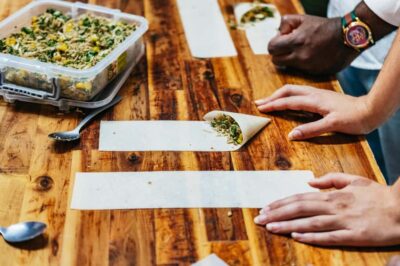
The stated format includes a starter and main course, prepared step by step with the chef. The experience also covers nutrition, healthy eating, and home-grown food. These subjects give the class a practical angle. You are not only learning how food tastes, but also why certain ingredients and cooking habits matter.
The quality of the cooking lesson may depend on the day and the chef. Some accounts describe several excellent dishes, outdoor cooking over wood fires, grilled meat, and a wide spread served at the end of the evening. Another account found the meal enjoyable but felt that the cooking relied too much on vegetables, meat, and store-bought curry powder packets, with little explanation of individual spices.
That difference is worth noting. If you want a highly technical class focused on spice blending, knife skills, and exact recipes, this may not be the best match. If you want to cook in a friendly home setting and learn through conversation, the format should suit you better.
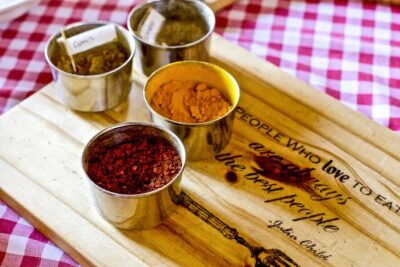
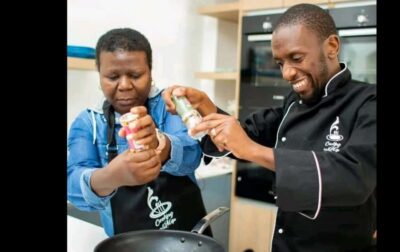
Chef Tee has been praised for explaining South African food and making people feel at home. Noni has also been singled out for teaching about spices and the history of the meal. If you have a chance to request a guide, asking for one of these hosts may be useful, though availability is not guaranteed.
A few more Johannesburg days worth comparing
- Early Morning Balloon Safari with Breakfast from Magaliesburg
★ 5.0 · 418 reviews - From Johannesburg: Lion & Safari Park Half-Day Tour
★ 4.6 · 384 reviews - Half Day Lion Park tour from Johannesburg or Pretoria
★ 5.0 · 274 reviews - Johannesburg: Maboneng Street Art & Culture Tour
★ 4.9 · 257 reviews
Dinner, local drinks, and stories at the table
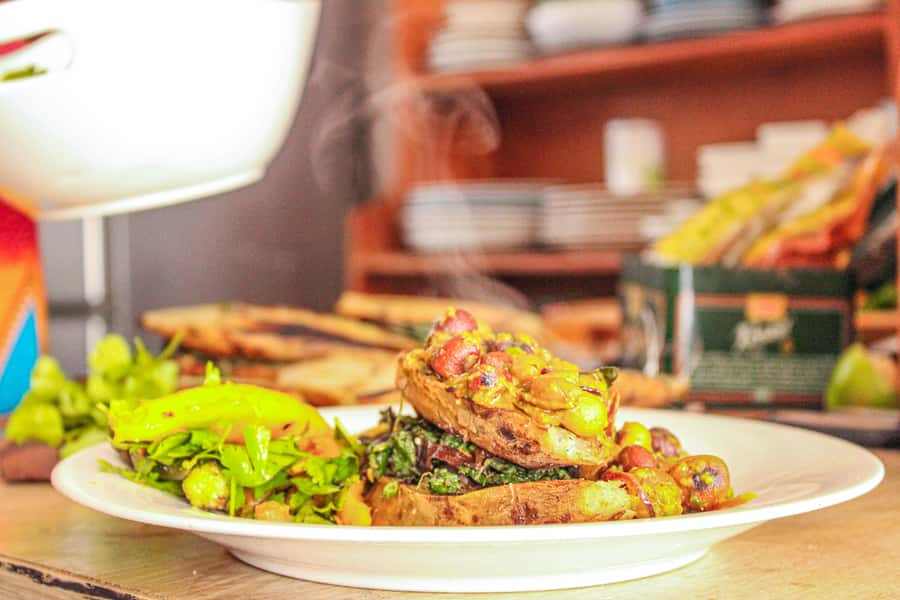
Once the food is ready, you sit down for the dining portion. The meal is paired with local wine and beers when available, along with the included welcome bottle of wine to share. Additional alcohol costs extra.
This is where the activity becomes more than a cooking lesson. The chef shares a personal story and explains the culinary path behind the food. You can share your own experiences as well, but there is no pressure to perform or speak at length.
Storytelling is presented as an important way of passing on heritage. That makes the final meal feel connected to the larger purpose of the evening. Food is not just fuel or entertainment. It becomes a way to talk about family, place, identity, and everyday life.
The atmosphere can be especially good for solo visitors. One solo participant felt warmly received, learned a great deal, and was taken back to the hotel afterward. Couples and families can also enjoy it, but the social side works best if you are willing to chat and take part.
Some meals may be simple and home-style rather than highly polished. That is part of the appeal, but it is also why you should not compare this directly with a fine-dining restaurant. The strongest part is the shared setting and the chance to understand the food through the host.
What the meal may look like
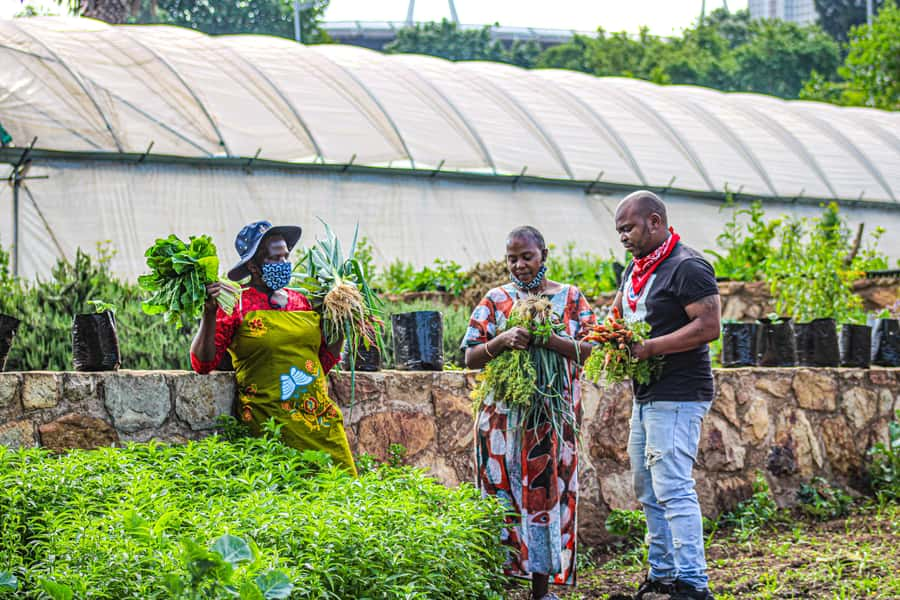
The menu is not fixed in the information provided, so you should not book expecting one exact set of dishes. The chef selects food connected with the cooking theme and the available ingredients.
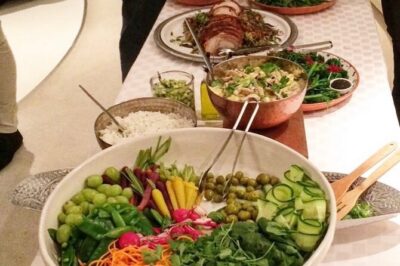
Past accounts describe several dishes cooked inside the kitchen, along with multiple meat dishes prepared outdoors on a grill. Other descriptions focus on home-grown ingredients, native drinks, dessert, and cooking over wood fires in pots and a concrete oven.
The vegan organic option makes the activity more flexible than many food tours. Still, you should confirm how the vegan menu is handled before arrival if you need strict separation from meat, dairy, or other ingredients.
The food itself has received some of the strongest praise. One account called it the best meal of a Johannesburg stay, while another described the dishes as delicious and the hospitality as warm. At the same time, the meal may be less adventurous than the phrase Pan-African suggests on a particular day.
I would book this for the pleasure of learning and eating with a local host, not for a guaranteed tasting menu. The exact food, cooking method, and market stop can vary.
Price, timing, and what the $102 covers
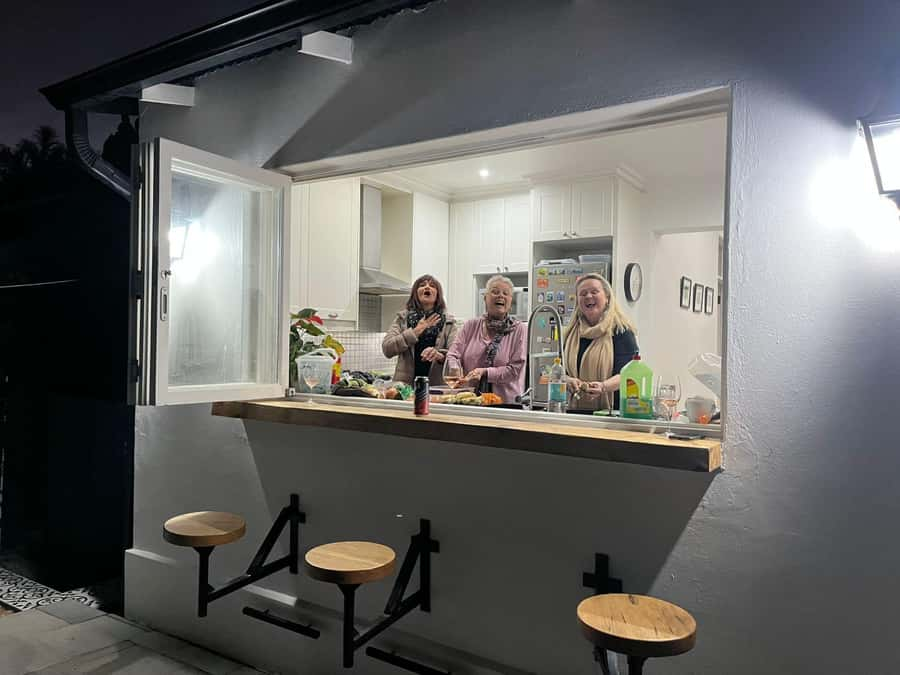
At $102 per person, this is not a cheap meal. The price includes pickup and drop-off, the chef, cooking materials, the class, the dining experience, and a bottle of wine to share. You are paying for several hours of hosting and transport, not only for the food on your plate.
That makes the value reasonable if you want a full evening activity without arranging your own ride. A private restaurant meal could cost less, but it would not include the market visit, the cooking lesson, or the personal conversation.
The price is harder to justify if you are mainly looking for a technical cooking course. The cooking can be informal, and the market may be small. You should also remember that extra alcoholic drinks are not included.
The scheduled length is 210 minutes to four hours. Allow the longer end of that range if you have plans afterward. Pickup delays are the biggest practical concern. One recent booking had a substantial wait before collection and limited updates from the operator.
I would confirm the pickup time and meeting details before the day begins. Sandton is included, and pickup is offered within 10 kilometers of the city center, but clear communication matters when you are waiting at a hotel.
Who will enjoy this most
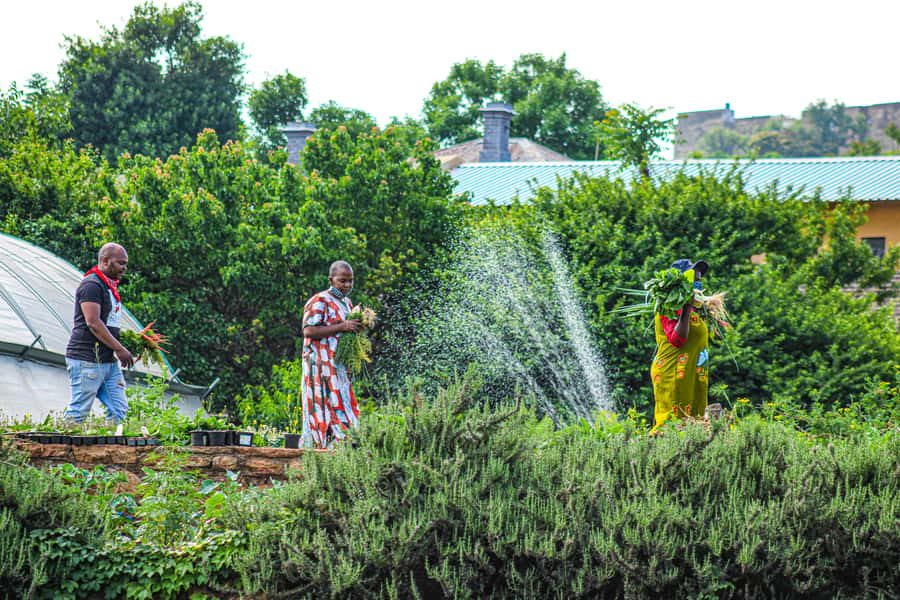
I would recommend this to people who value contact with local hosts more than a polished tourist production. It suits solo visitors who want company, couples looking for an unusual evening, and families who enjoy shared activities.
It also works well if you want:
- A home-cooked meal rather than a restaurant tasting
- A short introduction to several African food traditions
- A choice between vegan organic and meat dishes
- A cooking activity where you take part instead of only watching
- Pickup and return transportation from the Sandton area
- Conversation about nutrition, home-grown food, and family cooking
It may disappoint you if you expect a large market, a strict recipe class, or a carefully timed professional operation. Communication around pickup should be especially important if your schedule is tight.
The activity is wheelchair accessible, and instruction is available in English or French. Small groups are available, which should make it easier to ask questions and take part in the kitchen.
Should you book this Pan-African cooking experience?
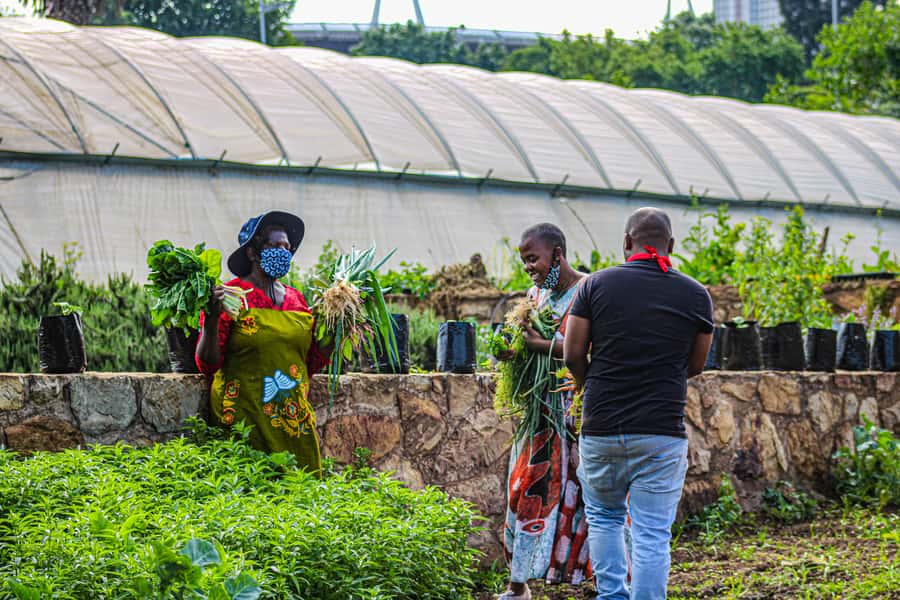
Book it if you want a friendly home setting, a generous meal, and time to talk with a chef about African food. The strongest reasons are the personal welcome, the hands-on format, and the stories shared around the table.
I would be more cautious if your main goal is a serious culinary course or a major market tour. The market can be very small, the spice instruction may be basic, and pickup timing may not always run smoothly.
For the best fit, choose your menu carefully, confirm pickup details, allow the full four hours, and arrive ready to participate. If you can request Chef Tee or Noni, that may add to the experience, but host availability can change. With those expectations in place, this is a warm and worthwhile way to spend an evening in Johannesburg.
FAQ
Where does the Pan-African cooking experience take place?
The experience is based in Gauteng, with pickup from Sandton and service within 10 kilometers of Johannesburg city center. Cooking takes place in a local home after the market visit.
How long does the experience last?
The activity lasts between 210 minutes and four hours. Starting times depend on availability.
Is pickup included?
Yes. Pickup and drop-off are included. Sandton is covered, and pickup is available within 10 kilometers of the city center.
What happens during the market visit?
You visit a local open-air market or supermarket with the chef. You learn about the ingredients used for the meal and their connection to African food traditions.
Can I choose a vegan meal?
Yes. You can choose a vegan organic option or a meat option. The exact dishes are not fixed in the provided information.
What is included in the price?
The price includes the chef, cooking materials, the cooking and dining experience, pickup and drop-off, and one welcome bottle of wine to share.
Are extra alcoholic drinks included?
No. Extra alcoholic drinks are not included.
What languages are available?
The experience is offered in English and French.
Just added around Johannesburg
- 13 Day Safari – Cape Town to Johannesburg★ 5.0 · 11 reviews
- Tala Game Reserve & Natal Lion Park 1/2 Day Tour from Durban★ 3.0 · 13 reviews
- South Africa from Joburg: Elephant Sanctuary Half Day Tour★ 5.0 · 3 reviews
- Private Safari Tour: Pilansberg National Park Big 5★ 5.0 · 7 reviews
- Johannesburg: Elephant and Monkey Sanctuary Half Day Tour★ 5.0 · 3 reviews
- Johannesburg: Wine Tasting and Cableway Half Day Tour★ 4.7 · 3 reviews
- Pretoria: Pretoria City and Lion Park Tour★ 4.8 · 41 reviews
- Lion Park Tour in Open Safari Vehicle★ 5.0 · 6 reviews
Cooking Classes, compared.
Half-Day Small Group Cooking Experience in Franschhoek
Read our review →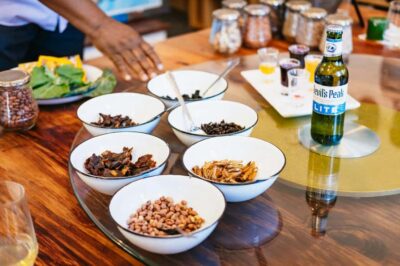
GQ: City Walking Tour & African Cuisine Cooking Class
Read our review →Browse the lists this tour appears in