Reviewed · COOKING CLASSES
GQ: City Walking Tour & African Cuisine Cooking Class
The most memorable part of this experience may happen after the sightseeing. You walk through Gqeberha, then enter a South African home-style kitchen to prepare sadza, beef bones with greens, chicken stew, chakalaka, and sugar beans. The meal is shared with your hosts, so you learn food traditions by taking part, not just by watching. The cooking class is the real cultural heart of the day.
I like the easy mix of city history and everyday food. I also like the small-group size, capped at 10, and the personal guiding that has helped solo visitors and couples feel at ease. Guides named Rawson, also spelled Rowson in one account, are praised for showing more than the polished sights and for helping with photos. The main caution is simple: confirm which option you are booking. One recent booking included the city walk but not the cooking portion, and the tour description gives different time ranges.
- Campanile and Donkin Reserve: See two of central Gqeberha’s key landmarks while your guide explains the city’s past.
- A local guide rather than a hop-on bus: Expect stories, conversation, and help taking photos along the way.
- Hands-on African cooking: Prepare a meal with sadza, stews, greens, chakalaka, and beans.
- Shared food and hospitality: Sit down with your hosts and eat what you helped cook.
- Two booking choices: Select the walking tour alone or combine it with the cooking class.
- Pickup included: Collection is offered around Port Elizabeth, with listed pickup choices also including Addo.
Start with Gqeberha’s streets, not a tour bus
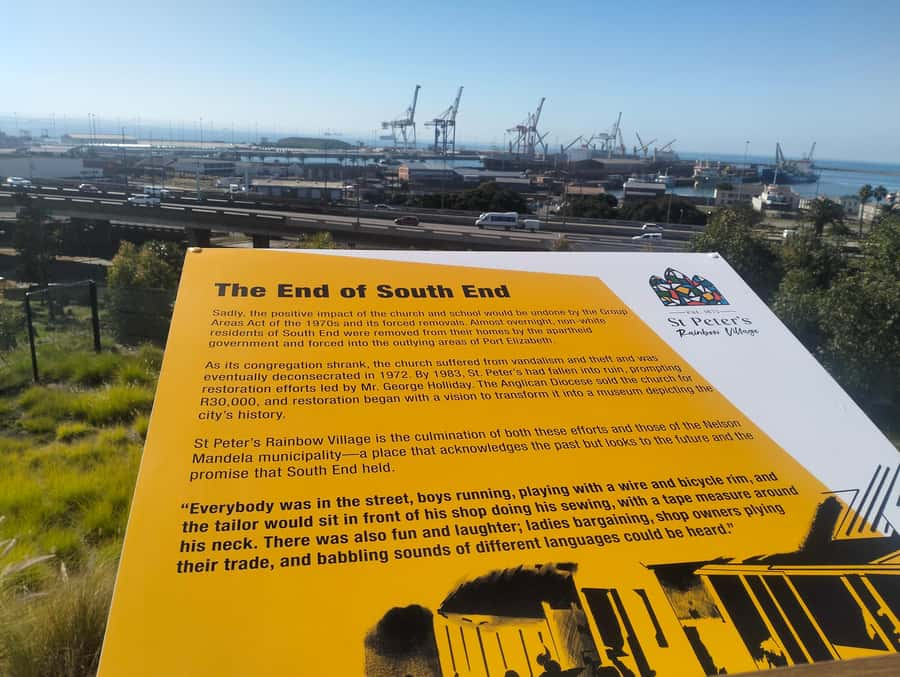
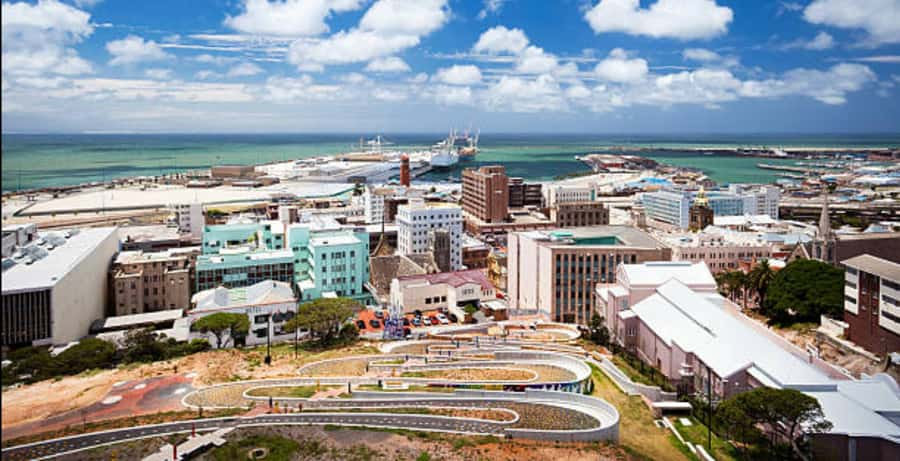
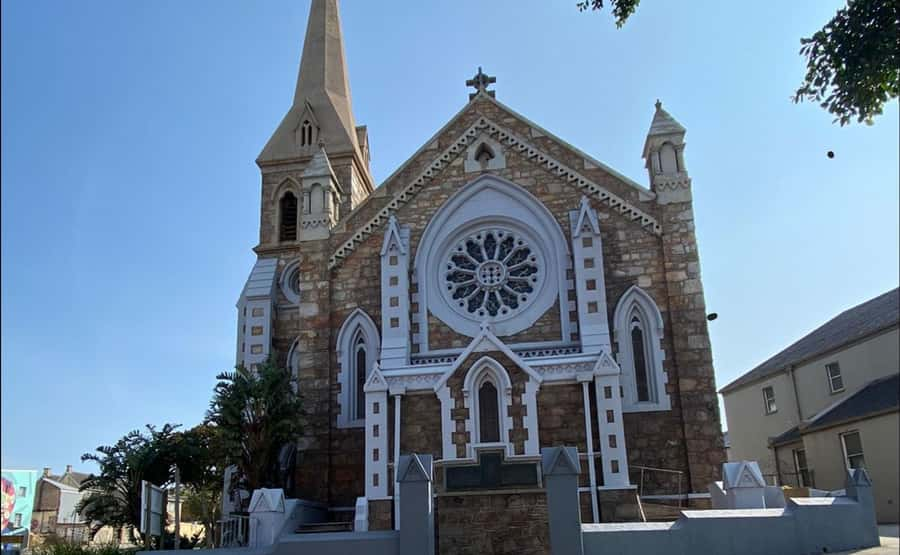
Gqeberha, formerly Port Elizabeth, is best understood on foot. The central area brings together Victorian buildings, memorials, ocean views, public art, markets, and streets that carry several chapters of South African history.
The walking portion lasts about two and a half hours according to the itinerary. Another part of the activity description gives a total duration between two hours and 210 minutes, so you should allow roughly half a day if you select the cooking option and avoid scheduling a tight connection afterward.
Your guide leads the walk in English and gives the city a human scale. Instead of simply pointing out buildings, the tour is designed around stories of settlers, hardship, local communities, and change. One of the strongest details in the feedback is that the guide did not show only the polished parts of town. That matters in a city tour. You get a more useful sense of the place when the stories include ordinary streets and complicated chapters, not just postcard views.
The group limit of 10 should help keep the outing conversational. If you are alone, that smaller format is especially useful. You can ask questions, stop for a photograph, and hear the guide without competing with a large crowd.
Campanile views and the Donkin Reserve

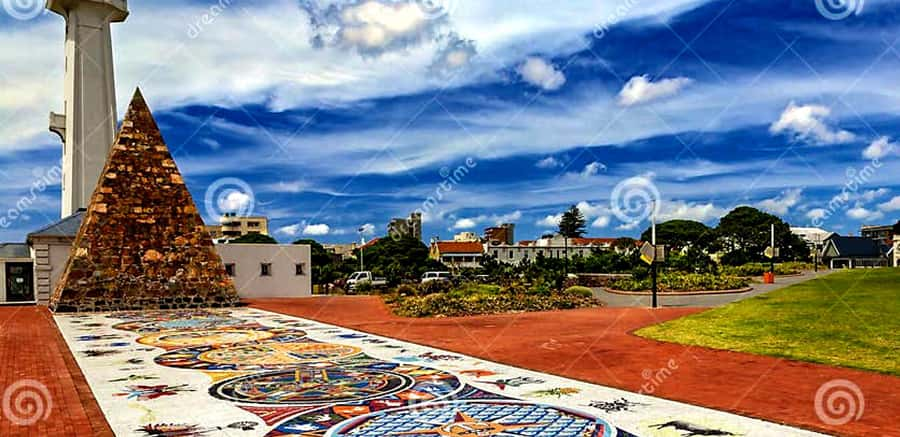
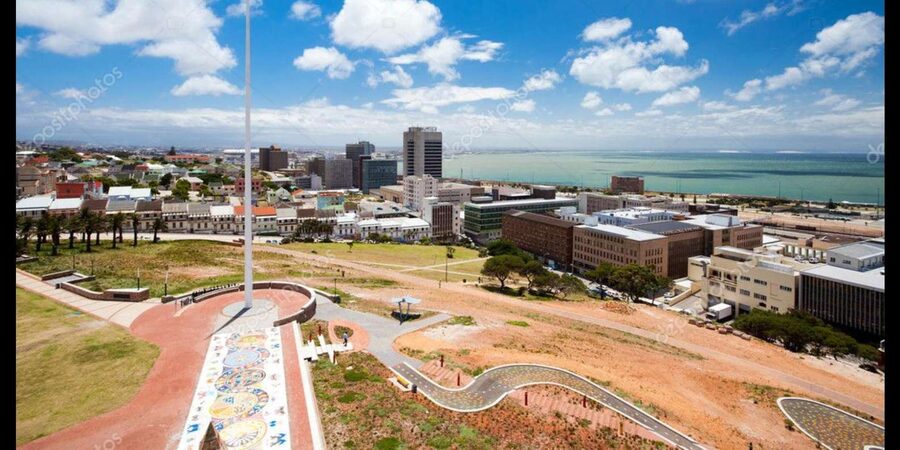
The Campanile Memorial is one of the walk’s major reference points. Its height gives you broad views over the city and Algoa Bay, helping you understand how the coastal setting shapes Gqeberha. Bring a camera, but listen closely too. A panoramic view is more meaningful when you know what you are looking at and why the memorial matters.
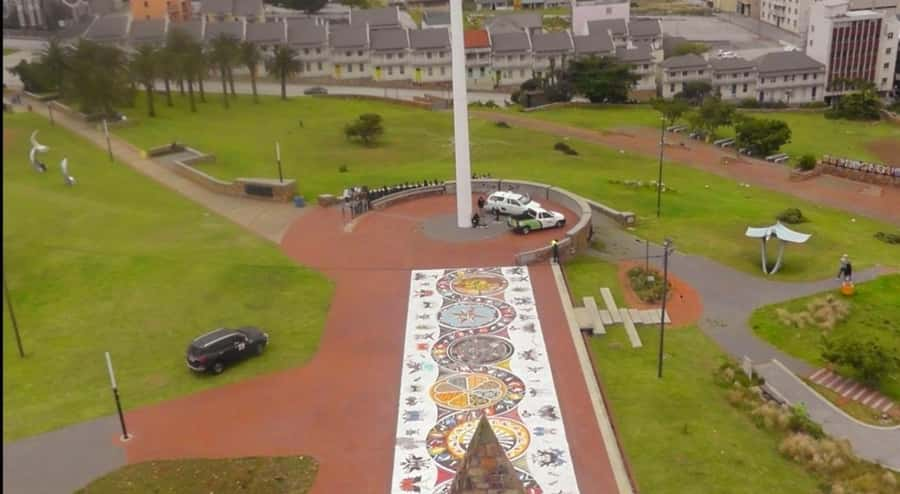
At Donkin Reserve, the city’s public memory comes into focus. The reserve includes colorful mosaics and memorial features, giving your guide room to explain the people and events tied to the city. This is not a stop to rush through for one photograph. Take time to notice how the open space, monuments, and surrounding buildings fit together.
You will also pass Victorian architecture and older streets. The pleasure here is in the contrast. A decorative historic building may sit close to newer street art or a local market, showing how Gqeberha continues to change rather than preserving itself as a museum piece.
The tour also includes cobblestone lanes, craft and food stalls, and public art. The exact route can vary, but the stated plan combines landmarks with places where daily life is visible. That gives you a better first orientation than a landmark-only circuit.
More City Tours in Addo & the Eastern Cape
- Gqeberha: City Highlights Car and Walking Tour
★ 4.5 · 45 reviews - Port Elizabeth: 4×4 Wildlife Safari & City Sightseeing Tour
★ 4.8 · 41 reviews - Port Elizabeth: City and Coastal Tour
★ 4.6 · 20 reviews
A walking tour shaped by local conversation
The best part of a city walk is often the person leading it. Rawson is named in several accounts, while one account spells the name Rowson. Either way, the guide is described as friendly, good company, and willing to point out places that are easy to miss.
That personal touch shows up in small ways. The guide has helped people take photographs, greeted people encountered along the route, and made room for simple social contact. For a solo visitor, those moments can make the walk feel less like a lesson and more like being shown around by an outgoing local acquaintance.
One useful strength is the guide’s willingness to discuss more than attractive buildings. Gqeberha has a layered past, and you should expect references to settlers, struggles, and the city’s changing communities. The tour is not presented as a formal academic lecture, so the depth may depend on your questions and on the guide leading your particular departure.
The main limitation is that a walking tour cannot cover every part of a spread-out coastal city. You will see selected central sights, not a complete survey of Gqeberha. If you want a broad first look and a local voice, the route makes sense. If you want a long list of museums or a detailed specialist history, you may need separate visits.
The cooking class turns sightseeing into participation
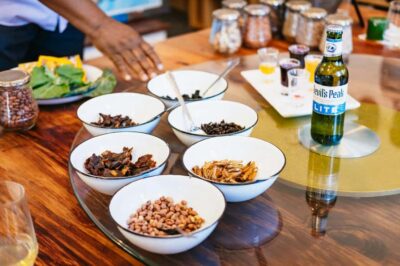
Choose the combined option and the experience shifts from looking to doing. After the walk, you are welcomed with traditional drinks and starter snacks before learning about African food, its ingredients, and the way recipes pass through families and generations.
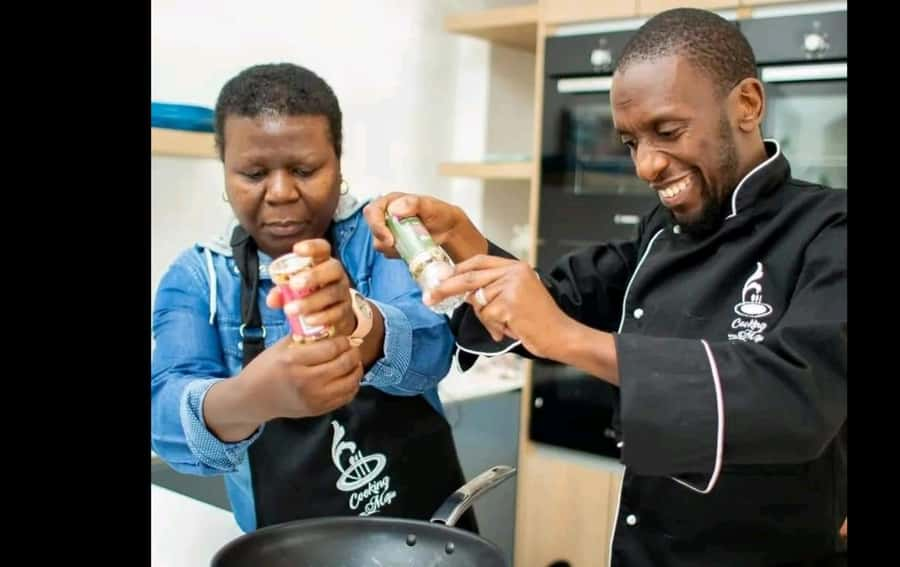
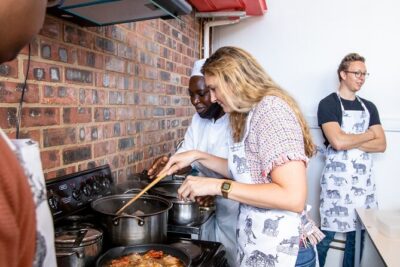
You then take part in preparing the meal. This is important: the class is not described as a demonstration where the host cooks while you watch. Each person joins the process and learns techniques step by step.
The menu gives you a useful introduction to several parts of southern African home cooking:
- Sadza, made from ground maize, provides the staple base.
- Beef bones with greens bring a hearty meat dish and vegetables to the table.
- Chicken stew adds another familiar home-style preparation.
- Chakalaka supplies a spicy vegetable relish.
- Sugar beans add a filling plant-based element.
Vegan and vegetarian choices are available, which makes the cooking option more flexible for mixed groups. You should still mention your needs when booking or before the class so the host can plan appropriately.
The value here is not only the recipes. You learn how ingredients fit into a meal, how food is served, and why communal preparation matters. Cooking beside a host can reveal more about a culture than ordering a finished dish in a restaurant. You handle the ingredients, ask questions as you go, and see the care involved before sitting down to eat.
Sharing the meal with your hosts
Once the cooking is finished, everyone gathers to eat together. That shared table is the part that turns the class into a social experience rather than a short lesson.
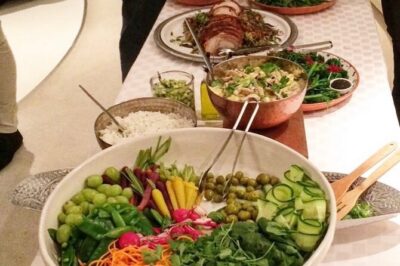
The meal is served in the style of an African home, with the people who prepared it eating together. You should expect a relaxed exchange around the food, along with a chance to ask about the dishes and their place in local life. The experience ends with an African hot beverage.
I like this structure because the food does not arrive as an isolated tasting. You have seen the ingredients, helped with the preparation, and then tried the finished dishes. That sequence makes it easier to remember what you ate and gives you ideas to take home.
There is also a practical benefit. If you enjoy cooking, the class gives you techniques and combinations you can try again. If you do not cook often, the step-by-step format and shared work make the activity less intimidating than preparing a full meal alone.
More Walking Tours in Addo & the Eastern Cape
- Addo Elephant Park and Giraffe Walk Full Day Safari
★ 4.6 · 46 reviews - Addo Elephant Park and Giraffe Walk Private Full Day Safari
★ 5.0 · 11 reviews - Full-Day Schotia Game Reserve & Giraffe Walk (Open 4×4)
★ 5.0 · 6 reviews - Port Elizabeth: Addo Park Safari with Giraffe Walk and Lunch
★ 5.0 · 5 reviews
Is $56 a fair price?
At $56 per person, the combined experience offers good value if your booking includes the city walk, cooking class, meal, guide, pickup, and drop-off. You are paying for several elements in one outing rather than for a short landmark visit alone.
The value is strongest for visitors with limited time in Gqeberha. In one booking, you receive an introduction to central sights, local stories, an activity with food, and a hosted meal. Pickup around Port Elizabeth also removes the need to arrange separate transport for the start and finish.
The price is less compelling if you choose only the walking tour and expect a full-day city program. The walk itself is about two and a half hours, and the cooking class is what adds the distinctive personal element. Check the selected option and final inclusions before paying, particularly because one account describes receiving the city tour without the cooking portion.
The small group also helps justify the cost. A maximum of 10 people gives the guide more room to answer questions and gives you a better chance to take part in the kitchen. The experience would lose some of its charm if it became a large class with little contact with the hosts.
Timing, pickup, and the details to check
Pickup is included from the location supplied with your booking, and drop-off is offered within Port Elizabeth. The activity also lists Port Elizabeth and Addo as pickup and drop-off choices, but the included transport wording focuses on areas around Port Elizabeth. If you are staying in Addo, confirm the exact meeting point and return arrangement before booking.
The schedule needs a little care. The experience is advertised as lasting from two hours to 210 minutes, while the itinerary lists a 2.5-hour guided walk plus a short transition before food and other activities. These figures do not fully explain the combined timing. Treat the outing as a flexible half-day plan, especially if you select the cooking class.
English is the stated tour language. The experience is not suitable for pregnant women, according to the supplied activity information. Free cancellation is available up to 24 hours before the start, and you can reserve now and pay later, which helps if your South Africa plans are still moving.
Wear comfortable shoes for the walking portion. That is basic advice rather than a special rule, but cobblestones and a long city walk are easier with sensible footwear. You may also want a little space in your schedule after the meal, since the point is to eat and talk rather than rush away.
Who will enjoy this most?
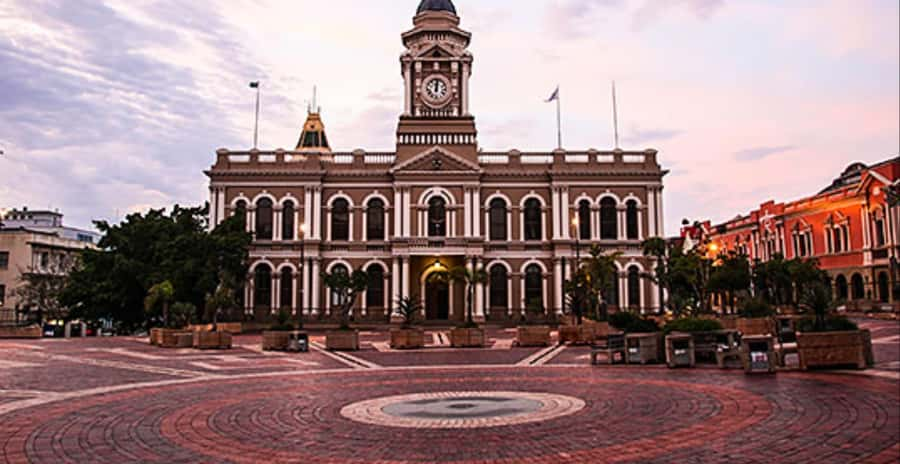
I would recommend the combined option to curious first-time visitors, solo travelers, couples, families, and small groups of friends or workmates. It gives each person something to do, and the meal creates a natural reason to talk.
It is especially good for solo visitors because the guide helps with photos and the small group makes conversation easier. It also suits people who have already seen plenty of standard sightseeing and want a more direct connection with local food and household traditions.
Families should note that the activity includes a substantial walk and hands-on food preparation. The supplied information does not give a minimum age, so check that point if you are traveling with children.
Food-focused visitors will get the most from the second option. The menu includes several dishes rather than one sample, and vegetarian and vegan options are available. If your main interest is architecture, monuments, or city history, the walking-only choice may be enough.
Should you book the Gqeberha cooking and walking tour?
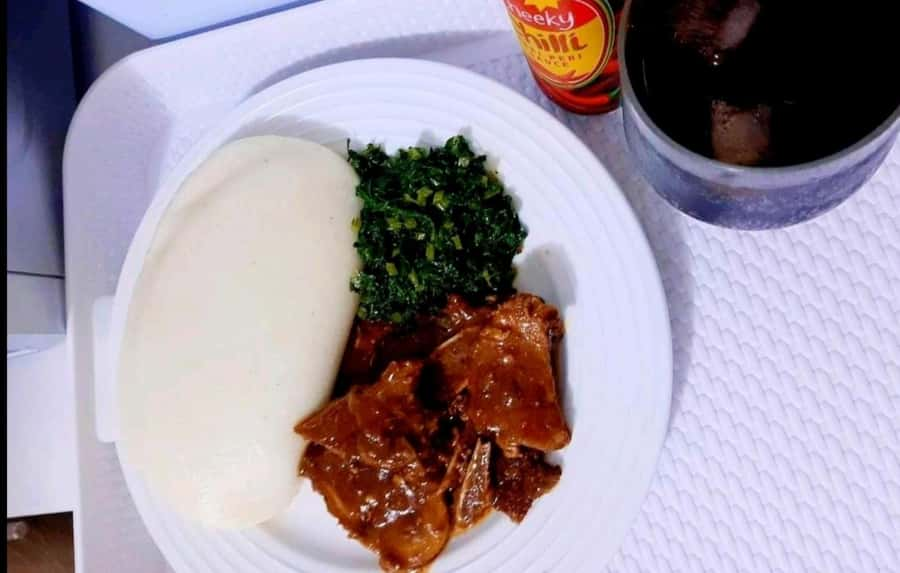
Book it if you want more than a quick look at Gqeberha. The walk gives you Campanile views, Donkin Reserve, older streets, markets, and public art. The cooking class adds the part that is hardest to arrange on your own: entering a local food tradition, preparing the meal, and sharing it with the people who host you.
Choose the walking-only option if your schedule is tight or your main goal is city orientation. Choose the combined option if you want the best value from the $56 price and have enough time for a flexible half-day.
Before confirming, check three things: that the cooking class is included, that pickup and drop-off work for your address, and that the timing fits your plans. Once those points are clear, this is a warm, practical introduction to Gqeberha, with a good balance of history, conversation, and food.
FAQ
How long does the GQ City Walking Tour and Cooking Class last?
The activity information gives a duration ranging from two hours to 210 minutes. The guided walking portion is listed as about 2.5 hours. Allow extra flexibility if you select the cooking class.
What are the two booking options?
You can choose the city walking tour alone or select the combined option with the city tour and African cooking class.
What food will I prepare?
The stated menu includes sadza, beef bones with greens, chicken stew, chakalaka, and sugar beans. Traditional drinks, starter snacks, and an African hot beverage are also included in the experience description.
Are vegetarian and vegan choices available?
Yes. Vegan and vegetarian options are available for the cooking class.
Is pickup included?
Yes. Pickup is included from the location provided when booking, with pickup and drop-off information listing Port Elizabeth and Addo. The included transport details specifically refer to locations around Port Elizabeth, so confirm the arrangement if you are staying in Addo.
What language is the tour offered in?
The live tour guide speaks English.
Can I cancel the booking?
You can cancel up to 24 hours in advance for a full refund. The activity also allows you to reserve now and pay later.
More Food & Drink in Gqeberha
- Full-Day All Inclusive Safari with Traditional Braai Lunch
★ 4.8 · 345 reviews - Cape Town: Full-Day Winelands Tour with Wine Tastings & Food
★ 4.9 · 1,288 reviews - Hartbeespoort: 2-Hour Dam Cruise with South African Food
★ 4.4 · 621 reviews - The Cape Town Essentials Food Tour
★ 5.0 · 385 reviews
More Cooking Classes in Gqeberha
- Cape Town: Malay Cooking Class and Lunch in Bo-Kaap
★ 4.8 · 515 reviews - Authentic African Cuisine Cooking Experience
★ 5.0 · 236 reviews - Cape Town: Cape Malay Cooking Class in Bo-Kaap
★ 4.8 · 120 reviews - Cape Town: Bo-Kapp Walking Tour and Malay Cooking Class
★ 4.7 · 105 reviews
Just added around Gqeberha
- Schotia Private Game Reserve Safari★ 4.7 · 35 reviews
- Port Elizabeth tuk-tuk tour, experience the natural beauty.★ 4.8 · 33 reviews
- Port Elizabeth: Sundays River Cruise and Kragga Kamma★ 4.8 · 7 reviews
- Port Elizabeth:Kragga Kamma Private game reserve safari★ 4.8 · 3 reviews
- Port Elizabeth: Kragga Kamma Game Park Guided Tour★ 4.7 · 16 reviews
- Port Elizabeth:2-Day Schotia Safaris & Addo Wildlife Reserve★ 4.0 · 4 reviews
- Port Elizabeth : Full-Day Addo Elephant Park Wildlife Tour★ 4.8 · 4 reviews
- Port Elizabeth: 4×4 Wildlife Safari & City Sightseeing Tour★ 4.8 · 41 reviews
Cooking Classes, compared.
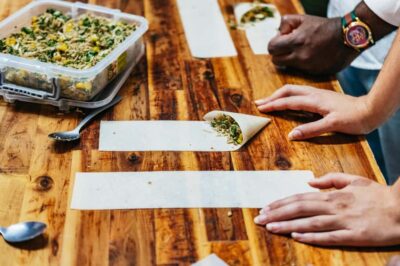
Half-Day Small Group Cooking Experience in Franschhoek
Read our review →