
Reviewed · COOKING CLASSES
Authentic African Cuisine Cooking Experience
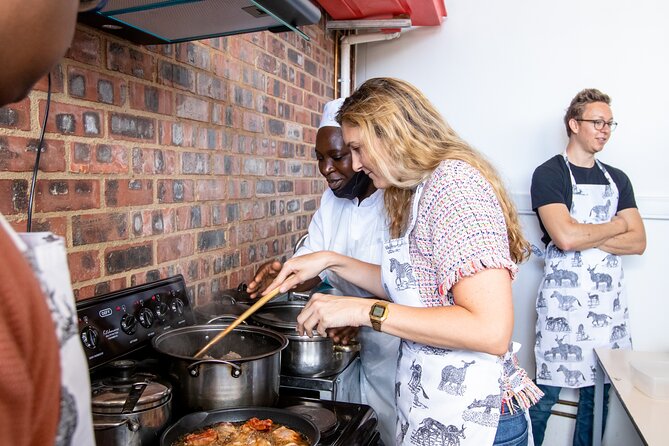
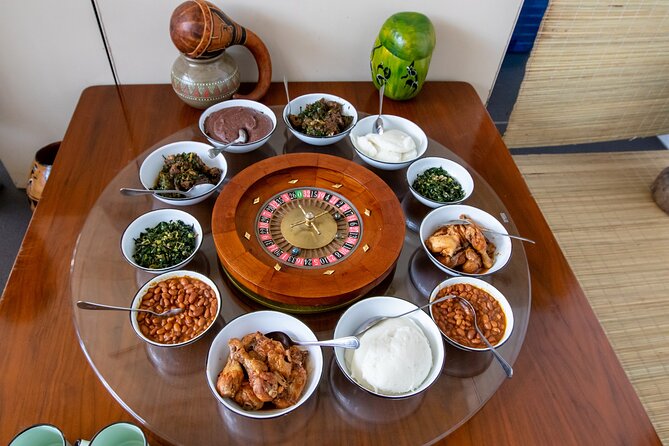
The most rewarding part of this 2.5-hour cooking class is that you do not simply watch food being prepared. You help make a full meal, from sadza and chicken stew to chakalaka and sugar beans, then eat it communally at Pahari African Restaurant in Cape Town’s Salt River neighborhood. Caleb leads the food and cultural discussion, while Florence brings the cooking lesson to life.
I like the warm, personal welcome, and I like the amount of food included for the price. You get drinks, starter snacks, lunch or dinner, and a hot drink at the end. The small group, capped at 10 people, also gives you a better chance to take part rather than stand at the back of a large demonstration.
The main consideration is that this is aimed at beginners. If you want a demanding chef-led course with advanced knife work or restaurant techniques, you may find the hands-on cooking fairly simple. The strength here is culture, conversation, and a shared meal, not technical training.
Key points to know before booking
- You make a full southern African-style spread: The menu includes sadza, meaty beef bones with green vegetables, chicken stew, peanut-butter greens, chakalaka, and sugar beans.
- Caleb and Florence lead the experience: Caleb explains the background of the food and its ingredients, while Florence guides much of the cooking.
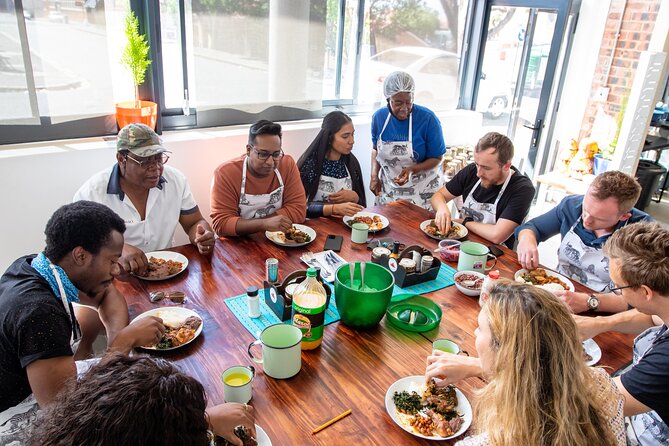
- The meal is eaten communally: After everyone contributes, you sit down together in the style of an African home meal.
- Vegetarian and vegan choices are available: Tell the provider your needs so the meal can be adapted.
- It takes place at Pahari African Restaurant: The address is 121 Cecil Road, Salt River, Cape Town.
- The price covers more than the lesson: At $57.51 per person, the fee includes snacks, alcoholic drinks, coffee or tea, and the cooked meal.
Why this cooking class feels different from a restaurant meal
A restaurant meal lets you taste a dish. This experience asks you to understand how it comes together and why it matters. Before the cooking begins, you hear about African cuisine, its ingredients, and the way recipes have been carried through families and generations.
That introduction gives the dishes a useful setting. Sadza is not presented as just a mound of maize meal. You learn where it fits in the meal and how it is served. The same applies to chakalaka, sugar beans, greens, and stews. The food becomes a way to talk about home cooking, shared meals, and changing recipes.
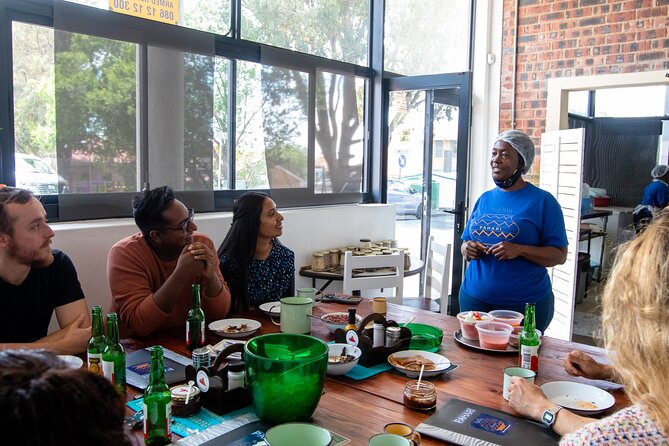
Caleb handles much of the opening explanation. The class material includes food history as well as practical information, such as the nutritional value of certain starters and how peanut butter can be made in a traditional way. That extra context is one reason this works well as a first food activity in Cape Town.
You also get a chance to ask questions in a relaxed setting. The atmosphere is less formal than a professional culinary school. That can be a plus if you want to talk, laugh, and learn at an easy pace.
More Cooking Classes in Cape Town
- Cape Town: Malay Cooking Class and Lunch in Bo-Kaap
★ 4.8 · 515 reviews - Cape Town: Cape Malay Cooking Class in Bo-Kaap
★ 4.8 · 120 reviews - Cape Town: Bo-Kapp Walking Tour and Malay Cooking Class
★ 4.7 · 105 reviews
Starting with African drinks and snacks
Your welcome includes a selection of African drinks and starter snacks. These are not just filler before the main meal. They give you an early taste of the ingredients and flavors that the hosts will discuss later.
The included drinks may include alcoholic options, along with coffee and tea. Since the experience also includes lunch or dinner, you do not need to plan a separate meal afterward. You should still tell the provider about dietary needs before the class, particularly if you want vegan or vegetarian food.
The opening snacks also help the group settle in. If you are sharing the session with other people, this is the point where conversation begins. If you book as a couple or small group, the setting can feel especially personal. A two-person booking has been described as intimate, with more room for direct discussion and help.
Cooking sadza, stews, greens, and beans
The main lesson covers a generous list of dishes:
- Sadza, also called mealie pap
- Meaty beef bones with green vegetables
- Chicken stew
- Green vegetables with peanut butter
- Chakalaka
- Sugar beans
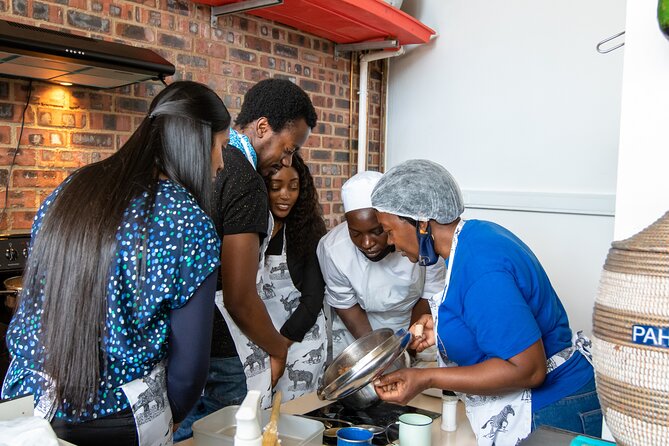
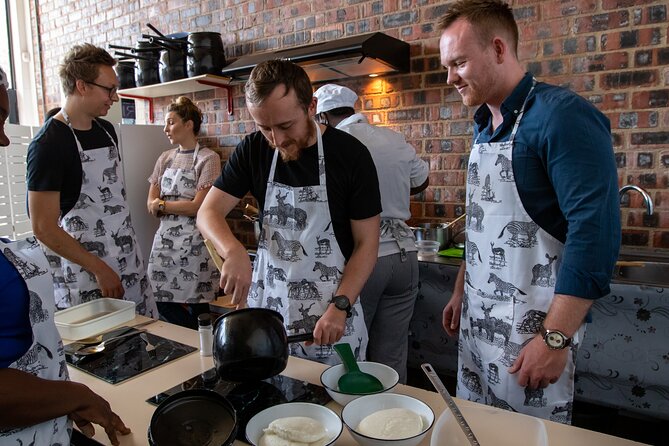
This is a full home-style menu rather than a single recipe. Each person has an opportunity to contribute, so you may prepare one or two dishes depending on the group. The class is structured to take you through the meal from start to finish, with demonstrations and step-by-step guidance.
Sadza gives the meal its filling base. The stews and vegetables add different textures and flavors, while chakalaka brings a spicy vegetable element to the table. Sugar beans provide another substantial part of the spread. The menu lets you see how several simple dishes work together as one meal.
The combination is also useful if you are new to African food. Instead of tasting one unfamiliar plate and trying to guess what you are eating, you see the ingredients and methods before sitting down. That makes it easier to remember the dishes later.
The class does not appear to be built around advanced cooking skills. One piece of feedback specifically described it as best for very basic cooks, even while praising the food. I would take that as a fair warning, not a fault. Beginners, families, and people who enjoy cooking with guidance will likely get the most from it.
Learning from Caleb and Florence
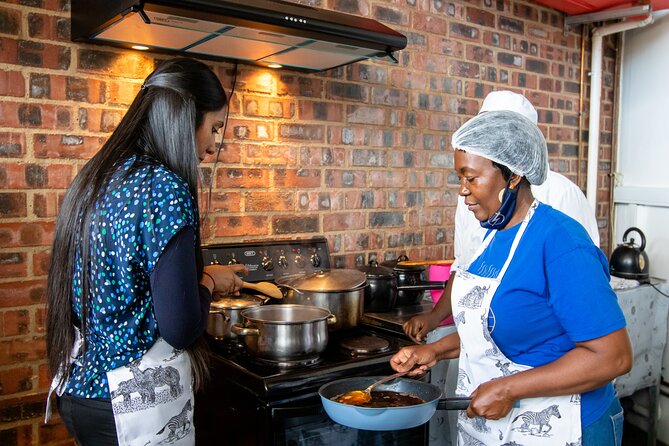
The hosts are central to the experience. Caleb provides much of the explanation about the background of the dishes, ingredients, and food traditions. Florence, often warmly referred to as Aunty Florence, guides the practical cooking and contributes to the friendly, home-like feeling.
Their roles give the class a good rhythm. You begin with information, move into preparation, and finish by eating together. The result is not a lecture followed by a separate meal. The food story and the cooking stay connected.
The hosts also make room for different ages and skill levels. Families with children have enjoyed the chance to prepare and eat unfamiliar foods, including the simple fun of eating with their hands. If you are booking with children, remember that the activity lasts about two and a half hours, so younger children will need to enjoy both conversation and kitchen participation.
The tone is welcoming rather than showy. You are not expected to know African cooking already. You can ask basic questions, follow demonstrations, and take part at your own pace.
More Food & Drink in Cape Town
- The Cape Town Essentials Food Tour
★ 5.0 · 385 reviews - Cape Town: V&A Waterfront Gin Voyage Cruise
★ 4.6 · 238 reviews - The 10 Tastings of Cape Town With Locals: Private Food Walking Tour
★ 4.5 · 169 reviews - African Food and Storytelling Tour Cape Town City Centre
★ 5.0 · 61 reviews
The communal meal is the real finish
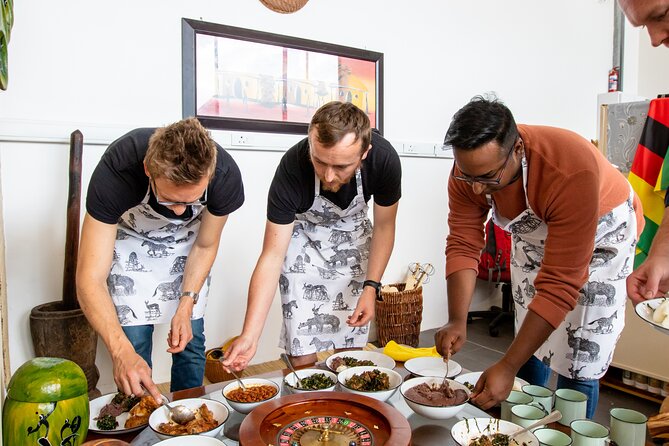
After the cooking, everyone sits down to enjoy the meal together. This shared table is an important part of the experience, not an afterthought. The hosts present communal eating as it is often done in an African home, with the group sharing food and conversation.
That changes the feeling of the class. You are not handed a boxed meal at the door after a demonstration. You eat food that you helped prepare, alongside the people who taught you. For many visitors, this is the point when the cultural side of the activity feels most natural.
You may also be encouraged to eat with your hands, as some families traditionally do. That can be a new experience, especially if you are used to formal restaurant dining. It is part of the easygoing spirit of the meal, though you should choose whatever feels comfortable.
The communal format may not suit someone who wants complete privacy. The experience welcomes people from different places, and the group can include other couples, families, colleagues, or solo visitors. The maximum of 10 keeps it relatively small, but it is still a social activity.
Vegetarian and vegan diners have options
The listed menu includes meat, particularly beef bones and chicken stew, but vegetarian and vegan options are available. This matters because the class is built around a shared menu, and dietary arrangements should be clear before you arrive.
The vegetable dishes and sugar beans provide useful alternatives, but do not assume every part of the standard meal will be plant-based. Contact the provider with your requirements at booking time so the hosts can plan accordingly.
This is also a good choice for mixed groups. One person can eat vegetarian food while others enjoy the meat dishes, allowing everyone to take part in the same cooking and meal. The hosts have accommodated vegetarian family members during past sessions.
Is $57.51 a fair price?
At $57.51 per person, the cost is reasonable if you value both the lesson and the meal. The fee covers the cooking experience, starter snacks, African drinks, alcoholic beverages, lunch or dinner, and coffee or tea. You are paying for roughly two and a half hours of hosted time, not just a plate of food.
The value is strongest for people who would otherwise book a restaurant meal and a separate cultural activity. Here, the food, conversation, instruction, and meal are combined. You also leave with a better sense of how the dishes are made, and some participants have received recipes and photos afterward.
The price is less attractive if you only want to eat. A restaurant may give you more choice and a faster meal. Likewise, a serious home cook looking for advanced methods may prefer a technical class. This experience earns its fee through personal contact and cultural explanation.
The activity is booked, on average, 33 days in advance. That suggests you should not leave it until the last moment, especially if you have only a few days in Cape Town or need a particular date.
Getting to Pahari African Restaurant
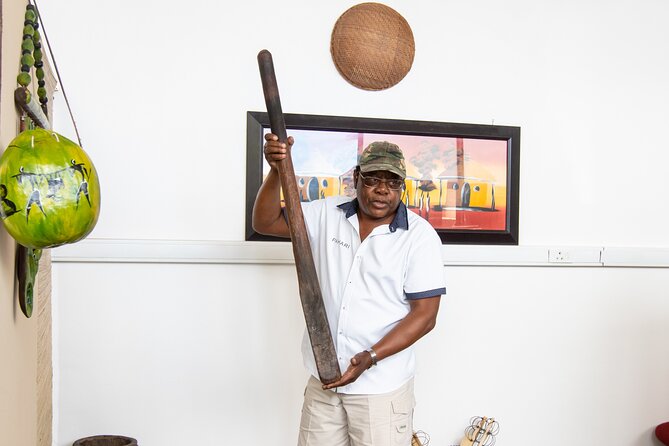
The meeting point is Pahari African Restaurant at 121 Cecil Road, Salt River, Cape Town, 7925. The activity ends at the same location.
The restaurant is near public transportation, and private transportation is not included. If you use a ride-hailing service, give the driver the full restaurant name and address. A useful practical tip is to say you are going to Pahari African Restaurant, not simply Salt River. Drivers familiar with the area may recognize the restaurant, but clear details prevent confusion.
Build a little extra time into your journey. Arriving late to a cooking class is more disruptive than arriving late for a museum visit, since the group may already be preparing ingredients. Your booking confirmation arrives at the time of booking, so keep the meeting details handy.
The mobile ticket makes it simple to show your confirmation on your phone. No separate transport arrangement is included, so you are responsible for reaching the meeting point.
Who will enjoy this most?
I would recommend this for first-time visitors who want food to open a door into local culture. It also suits couples, small groups, families with older children, and colleagues looking for a shared activity rather than another formal dinner.
You will get the most from it if you enjoy asking questions, trying unfamiliar foods, and working with other people. It is a good introduction to southern African cooking because you learn several dishes at once instead of focusing on one recipe.
The class is also useful near the start of a Cape Town visit. It introduces ingredients, meal customs, and food traditions early in your trip, giving you more context for dishes you may encounter elsewhere.
I would think twice if you want a polished professional kitchen, advanced instruction, or a quiet meal alone. This is a social, home-style experience with a beginner-friendly pace. Its best moments come from the hosts, the stories, and the shared table.
Booking and cancellation details
The maximum group size is 10 people, which keeps the session manageable without promising a fully private class. The meal itself can be enjoyed privately with your own family, friends, work colleagues, or with the wider group taking part that day.
You can cancel for a full refund up to 24 hours before the local start time. Cancellations or changes made within 24 hours are not accepted for a refund. That policy is worth noting if your Cape Town plans are still uncertain.
Should you book this African cooking experience?
Yes, if you want an approachable food lesson with a strong cultural side. The best reasons to book are the full menu, the warm guidance from Caleb and Florence, the chance to contribute to several dishes, and the communal meal at the end.
I would not book it solely for advanced cooking instruction. The class is designed for basic cooks, and its greatest value lies in learning how food connects with family tradition and hospitality.
For $57.51, you receive a substantial meal, drinks, snacks, hands-on preparation, and about two and a half hours with welcoming hosts. If you have room in your Cape Town plans for one social evening away from the usual sightseeing route, this is a practical and memorable choice.
FAQ
Where does the cooking experience take place?
It takes place at Pahari African Restaurant, 121 Cecil Road, Salt River, Cape Town, 7925, South Africa.
How long does the experience last?
The activity lasts approximately 2 hours and 30 minutes.
What food will I learn to prepare?
The menu includes sadza, also called mealie pap, meaty beef bones with green vegetables, chicken stew, green vegetables with peanut butter, chakalaka, and sugar beans.
Are vegetarian and vegan options available?
Yes. Vegetarian and vegan options are available.
Are drinks and food included in the price?
Yes. The inclusions list covers snacks, alcoholic beverages, lunch, dinner, coffee, and tea.
How many people can join?
The activity has a maximum of 10 participants.
Does the experience include transportation?
No. Private transportation is not included. The activity starts and ends at Pahari African Restaurant, which is near public transportation.
What is the cancellation policy?
You can cancel at least 24 hours before the local start time for a full refund. Cancellations or changes made less than 24 hours before the start time are not accepted for a refund.
Just added around Cape Town
- 100 % Catch Rate Cape Town Wild Tours★ 5.0 · 5 reviews
- Private Cape Town City Evening Tour★ 5.0 · 3 reviews
- Private Cape Town City Tour table Mountain with wine tasting★ 5.0 · 10 reviews
- Cape Town Boat Trip★ 4.0 · 5 reviews
- Cape Town Aquila Private Game Reserve Big Five Safari Adventure★ 5.0 · 4 reviews
- Cape Town Private Birding Tour★ 5.0 · 14 reviews
- Private 2-Day Cape Town Highlights: Robben Island,Table Mountain Tickets & Wine★ 5.0 · 8 reviews
- Private Transfer: CPT Airport to Cape Town in Luxury Van★ 4.0 · 5 reviews
Cooking Classes, compared.
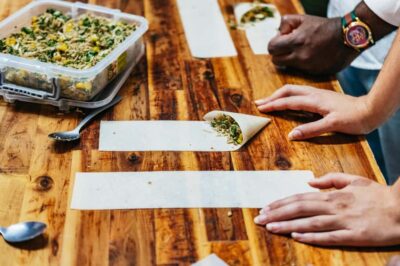
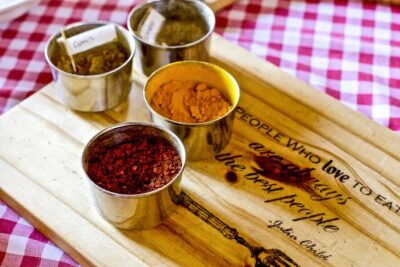
Half-Day Small Group Cooking Experience in Franschhoek
Read our review →
GQ: City Walking Tour & African Cuisine Cooking Class
Read our review →
Johannesburg: Pan-African Cooking & Dinning Experience
Read our review →Browse the lists this tour appears in