
Reviewed · BO-KAAP TOURS
Bo-Kaap: Walk with a local
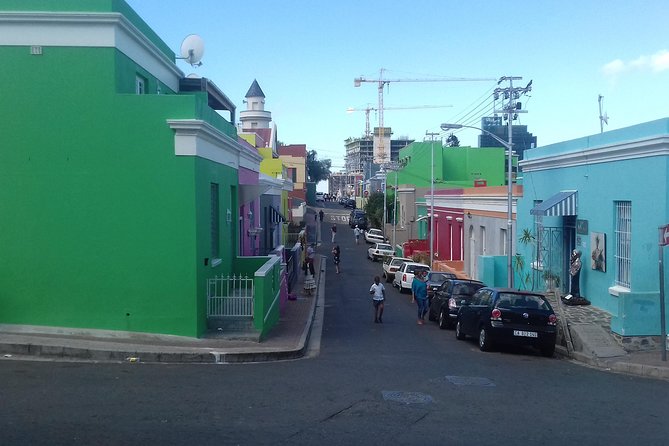
Bo-Kaap is far more than a row of colorful houses made for photographs. On this walk, a local guide connects the bright facades to slavery, Islam, Cape Malay cooking, and the families who still call the neighborhood home. Guides such as Ilyas, Rafiq, Sadiq, and Siddiq bring personal stories that you will not get from a quick solo stroll.
I like the stop at Atlas Trading Company, where the smells of cinnamon, cardamom, and other Cape Malay spices help make the history feel real. I also like the chance to share tea, coffee, or a homemade treat in a setting tied to the local community. The main consideration is the terrain: you will walk uphill and over uneven cobblestones, so solid shoes matter.
Key points to know before booking
- Local family connection: Your guide lives in Bo-Kaap or has deep family ties to the neighborhood, giving the walk a personal voice.
- Auwal Mosque visit: The tour includes one of South Africa’s oldest mosques and explains Bo-Kaap’s place in Cape Islam.
- Spice-filled Atlas stop: Smell the ingredients used in Cape Malay cooking and learn how food became part of cultural expression.
- Homemade Cape Malay snack: A cup of rooibos tea or coffee and a local treat are included.
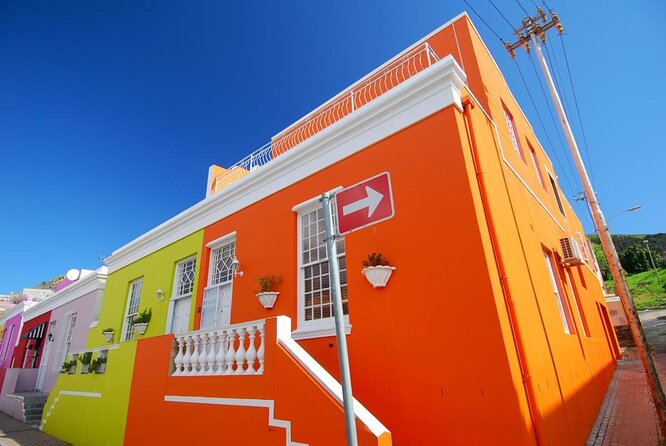
- Photogenic but meaningful: You will see famous colorful streets, but the focus goes beyond photographs to community life and preservation.
- Short, useful format: The walk lasts about one hour, starts and ends at 71 Wale Street, and costs $25.31 per person.
Why Bo-Kaap deserves more than a photo stop
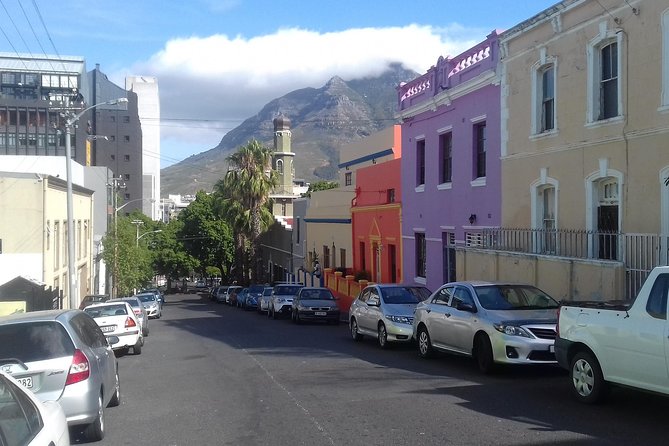
Bo-Kaap sits at the foot of Signal Hill, close to Cape Town’s City Bowl. Its painted homes and steep streets make it one of the city’s easiest places to recognize, but the color is only the first layer.
The neighborhood is also known as the Malay Quarter and the birthplace of Islam in the Cape. Its story is tied to enslaved people, artisans, and political exiles brought to the area from parts of Africa, India, Sri Lanka, Indonesia, Malaysia, and elsewhere by early Dutch settlers.
That background changes the way you see the houses. Instead of treating Bo-Kaap as a colorful backdrop, you begin to see it as a community shaped by displacement, faith, work, food, and family. A local guide can explain those links while you are standing in the streets where the story continues.
I like the scale of this experience. One hour is enough to give you a clear sense of place without taking over your day in Cape Town. You can fit it before lunch, after a visit to the city center, or between other activities in the City Bowl.
More Bo-Kaap Tours in Cape Town
- Cape Town: Malay Cooking Class and Lunch in Bo-Kaap
★ 4.8 · 515 reviews - Cape Town Walking Tour: Bo-Kaap & City Highlights
★ 4.8 · 161 reviews - Cape Town: Cape Malay Cooking Class in Bo-Kaap
★ 4.8 · 120 reviews
Meeting at 71 Wale Street
The walk begins at 71 Wale Street in Schotsche Kloof and returns to the same place. That simple arrangement makes the tour easy to pair with other plans, since you do not need to arrange a separate ride from the end.
Your guide starts with an introduction to Cape Town and Bo-Kaap. This opening matters because the colorful streets make more sense once you understand the neighborhood’s position in the city and its links to the people brought here under Dutch rule.
The guide’s personal connection is the heart of the experience. Guides named in the tour experiences include Ilyas, Rafiq, Sadiq, Siddiq, Sedick, and Eliyas. The person leading your walk may differ, but the format calls for a guide from the local community or someone with close family roots there.
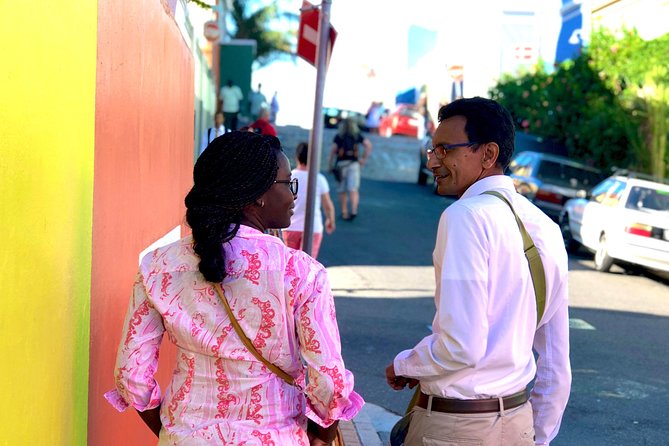
That local link also gives the walk a social quality. The guides are not simply pointing out buildings. They may greet people they know, talk about daily life, explain local concerns, or show you quieter parts of the neighborhood. You get a sense that Bo-Kaap is lived in, not arranged for sightseeing.
The group can include up to 20 people. That is still a manageable size for a one-hour walk, though a full group may feel less personal than a very small one. If you value questions and conversation, arrive ready to make the most of the time with your guide.
Auwal Mosque and the roots of Islam in the Cape
A major stop is Auwal Mosque, described as one of the oldest mosques in South Africa. It helps anchor the story of Bo-Kaap in religion, not just architecture.
The neighborhood’s Muslim identity grew from the presence of enslaved people, artisans, and political exiles from across the Indian Ocean world and Africa. The mosque is a useful place to understand how faith and community endured through periods when people had limited freedom and power.
The visit also gives the guide a chance to explain Bo-Kaap as a place with an identity of its own. The district is not simply a decorative part of Cape Town. Its religious and cultural traditions remain central to how many local families understand the area.
You should not expect a long formal museum visit. This is a walking tour, so the mosque forms part of a wider street-level story. The exact access and amount of time inside may depend on local conditions, but the mosque is included as a key point of the route.
Dress and behave respectfully around a place of worship. The supplied details do not set out a specific dress code or visiting schedule, so it is sensible to follow your guide’s instructions on the day.
Atlas Trading Company and the smell of Cape Malay cooking
The stop at Atlas Trading Company is one of the smartest parts of the walk. A lecture about spices can feel distant. Standing inside or near a famous spice shop and smelling the ingredients makes the connection immediate.
Cape Malay food is closely tied to Bo-Kaap’s cultural story. The spices used in daily cooking are not just flavoring. They reflect the movement of people and traditions across Africa, Asia, and the Cape.
The tour explains that enslaved people used spices as an expression of freedom in their masters’ kitchens. That detail gives food a larger meaning. Cooking became a way to preserve memory, identity, and creativity under difficult conditions.
Atlas is also a practical stop for anyone who wants to continue exploring Cape Malay food after the walk. You can take in the aromas, ask questions, and possibly return later to buy spices, though shopping is not presented as the main purpose of the tour.
The stop lasts about 10 minutes. That is enough time to awaken your senses without turning the walk into a shopping trip. If you are especially interested in food, ask your guide about the spices you smell and how they are used in local cooking.
More Walking Tours in Cape Town
- Cape Town: Nathi Langa Township Walking Tour
★ 4.9 · 493 reviews - Cape Town: Art, Culture & History Walking Tour
★ 4.9 · 392 reviews - Cape Town: Street Art Walking Tour in Woodstock
★ 4.8 · 293 reviews - Cape Town: Langa Township Walking Tour
★ 4.8 · 272 reviews
The personal stories make the walk different
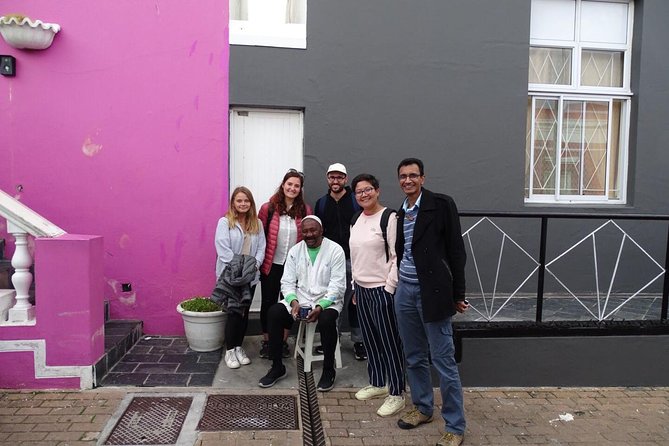
The strongest feature is the guide’s own connection to Bo-Kaap. Ilyas, for example, is described as born and raised in the area, while Rafiq is presented as a local resident who knows the community closely. Other guides share family ties and personal memories of the neighborhood.
That can include stories about relatives, community gardens, historic buildings, and everyday life. One particularly personal part of the experience may involve visiting the home of a guide’s aunt and tasting a freshly made koesister. This is not something you should assume will happen on every departure, but it shows the kind of local contact the tour can offer.
A koesister is a Cape Malay sweet treat, and it gives the food discussion a welcome taste test. The included refreshment may be rooibos tea, coffee, or a snack, with the exact offering dependent on the day and the local arrangement.
I value this kind of detail because it keeps the walk grounded. You are not only hearing about events from centuries ago. You are also hearing how the neighborhood feels to someone whose family has lived there and who still knows people on the street.
The guides also bring present-day concerns into the conversation. Bo-Kaap needs protection from losing its cultural character, and the walk can help you understand why preservation matters to residents. You see the beauty, but you also learn that this is a real neighborhood facing the pressures that come with being a famous city attraction.
What the one-hour route feels like
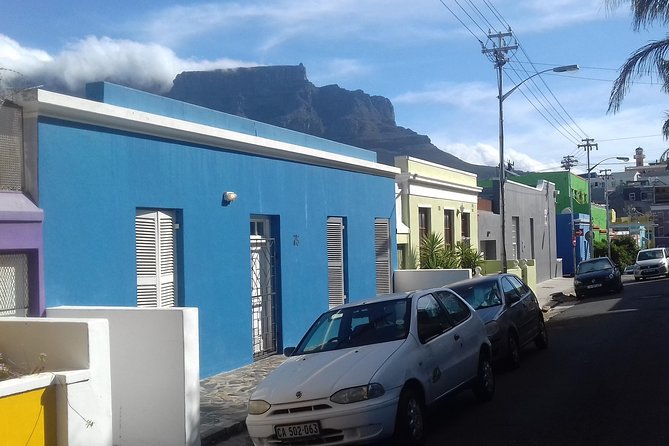
The listed stops divide the experience into short sections. About 15 minutes are set aside near Wale Street for the introduction, around 10 minutes for Atlas Trading Company, and about 20 minutes for Bo-Kaap itself. The remainder is used for walking, conversation, the mosque, and the refreshment stop.
That timing creates a brisk but not rushed outing. You will not see every corner of the neighborhood, nor should you expect a full-day cultural program. Instead, the tour gives you a focused first look that can help you return to Bo-Kaap with better understanding.
The pace is suitable for most people who can manage an ordinary urban walk. There are hills, elevations, and uneven cobblestones. One local walk can feel easy to one person and tiring to another, so consider your comfort with slopes before booking.
Wear comfortable shoes with a firm sole. Sandals or smooth shoes may be less pleasant on uneven surfaces. Bring water, even though a drink is included, especially on a warm day.
The walk is generally described as safe and well guided, but one account noted encountering a person asking for money. Keep normal city awareness, stay with the group, and listen to your guide about the streets you use.
Why the colorful houses are only part of the appeal
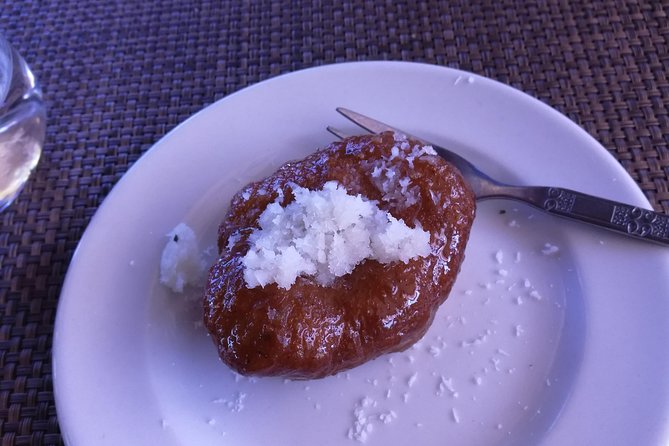
Bo-Kaap is one of South Africa’s most photographed neighborhoods. The painted houses are certainly worth seeing, and you will have plenty of chances to take photographs along the way.
Still, a photo-only visit can flatten the place into a collection of bright walls. The guide adds the details that photographs cannot show: who lived in the buildings, how the community developed, why the area matters to Muslim Cape communities, and what local people hope to protect.
The route may include quieter streets away from the busiest photographic spots. That is useful if you want to see more than the main postcard views. You should still have time for photographs and questions, but the purpose is to learn rather than rush from one colorful doorway to the next.
If you are taking pictures, be considerate. People live in these homes, and not every doorway is a public attraction. Ask before photographing residents or entering private spaces, and follow your guide’s lead when the group meets local people.
Is $25.31 good value?
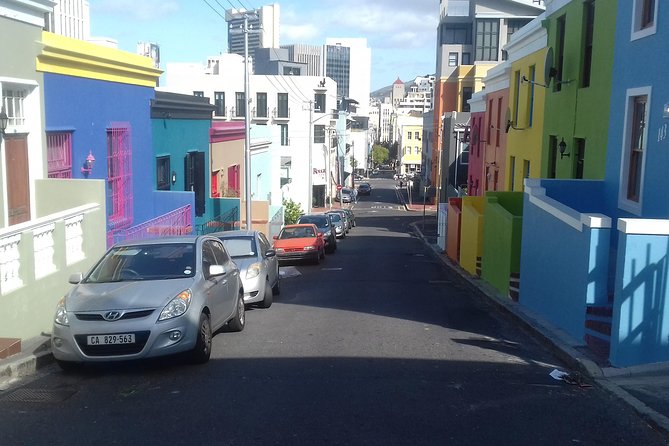
At $25.31 per person, the tour is reasonably priced for a guided cultural walk with a local host, a mosque visit, a spice stop, and an included drink or snack.
The value comes less from the distance covered than from the interpretation. You can walk through Bo-Kaap on your own for free, but you would miss much of the context and would not have the same chance to hear family stories or meet people connected to the community.
The one-hour length also keeps the cost practical. You are paying for a focused introduction rather than a large package of attractions. If your schedule is tight, this is a sensible way to add Bo-Kaap without committing half a day.
The group limit is 20 people. That is worth noting when comparing the price with private tours. This is not a private experience, and the exact feel will depend on group size and the guide assigned. Still, the local focus gives it more substance than a simple sightseeing walk.
A mobile ticket is provided, and confirmation arrives when you book. The experience is close to public transportation, though no specific route or station is supplied. Plan to reach 71 Wale Street on your own.
Who will enjoy this walk most?
I would choose this tour if you want to understand Cape Town through local voices rather than only through major sights. It suits first-time visitors who want an introduction to Bo-Kaap, photographers who also care about context, and anyone interested in Islam, Cape Malay food, or the effects of slavery in the Cape.
It is also a good fit for solo visitors. The group setting gives you company, while the guide provides a clear route through the neighborhood. One solo participant specifically found the experience comfortable with advance transport planning and sensible footwear.
Families and older visitors can also consider it if everyone in the group is comfortable with hills and uneven ground. The activity states that most people can participate, but it does not promise a step-free route or special mobility arrangements.
You may want something else if you are looking for a long food tour, a private guide, or a formal museum-style presentation. The experience is short, conversational, and rooted in the streets. Its strength is the local voice, not a large number of attractions.
Free cancellation is available up to 24 hours before the start time. Changes or cancellations inside that window are not refundable, and poor weather or failure to reach the minimum group size can lead to a different date or a full refund.
Should you book Bo-Kaap: Walk with a local?
Yes, if you want the colorful streets to come with meaning. The walk combines the neighborhood’s main visual appeal with its most important cultural threads: Islam, forced migration, family memory, Cape Malay cooking, and the need to protect a living community.
Book it for the morning if that suits your schedule, as one solo participant found that timing useful, and arrange your own transport to and from the meeting point. Wear sturdy shoes, bring water, and allow time for questions.
The best reason to book is the chance to walk with someone who knows Bo-Kaap as home. You will leave with photographs, but also with a better sense of why this small Cape Town neighborhood matters.
FAQ
How long does the Bo-Kaap walking tour last?
The experience lasts approximately one hour.
Where does the tour begin?
The tour begins at 71 Wale Street, Schotsche Kloof, Cape Town, 8001, South Africa.
Where does the tour end?
The walk ends back at the same meeting point on Wale Street.
How much does the experience cost?
The listed price is $25.31 per person.
What is included during the walk?
A cup of rooibos tea or coffee and a tasty snack are included.
Does the tour visit Auwal Mosque?
Yes. Auwal Mosque is included as a stop and is described as one of the oldest mosques in South Africa.
How many people can join the tour?
The maximum group size is 20 people.
Can I cancel for a refund?
You can cancel at least 24 hours before the start time for a full refund. Cancellations or changes made less than 24 hours before the experience are not refunded or accepted.
Just added around Cape Town
- 100 % Catch Rate Cape Town Wild Tours★ 5.0 · 5 reviews
- Private Cape Town City Evening Tour★ 5.0 · 3 reviews
- Private Cape Town City Tour table Mountain with wine tasting★ 5.0 · 10 reviews
- Cape Town Boat Trip★ 4.0 · 5 reviews
- Cape Town Aquila Private Game Reserve Big Five Safari Adventure★ 5.0 · 4 reviews
- Cape Town Private Birding Tour★ 5.0 · 14 reviews
- Private 2-Day Cape Town Highlights: Robben Island,Table Mountain Tickets & Wine★ 5.0 · 8 reviews
- Cape Town Airport and Hotel Private Transfers★ 5.0 · 7 reviews
Bo-Kaap Tours, compared.


Cape Town Walking Tour: Bo-Kaap & City Highlights
Read our review →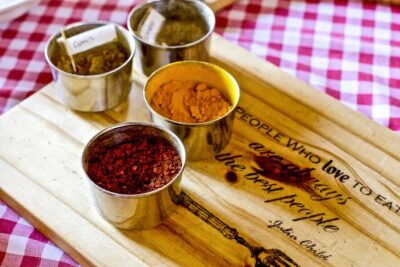




Full-Day Kirstenbosch, Bo-Kaap, and Penguins Tour
Read our review →Browse the lists this tour appears in