
Reviewed · HISTORICAL TOURS
Cape Town: Art, Culture & History Walking Tour
Cape Town’s story comes into focus when you walk from the painted houses of Bo-Kaap to the streets of District Six. This two-hour city walk links culture, art, architecture, slavery, apartheid, and modern Cape Town instead of treating each sight as a separate photo stop.
I like the route’s range, especially the visit to Auwal Masjid and the time around Greenmarket Square, where local crafts and art give the tour a more human feel. I also like the guides’ conversational style. Mandi, Olwethu, Diego, and others are praised for explaining difficult subjects clearly and adding practical city tips. The main drawback is pace: two hours covers a lot, so some stops are introductions rather than full visits.
Key points at a glance
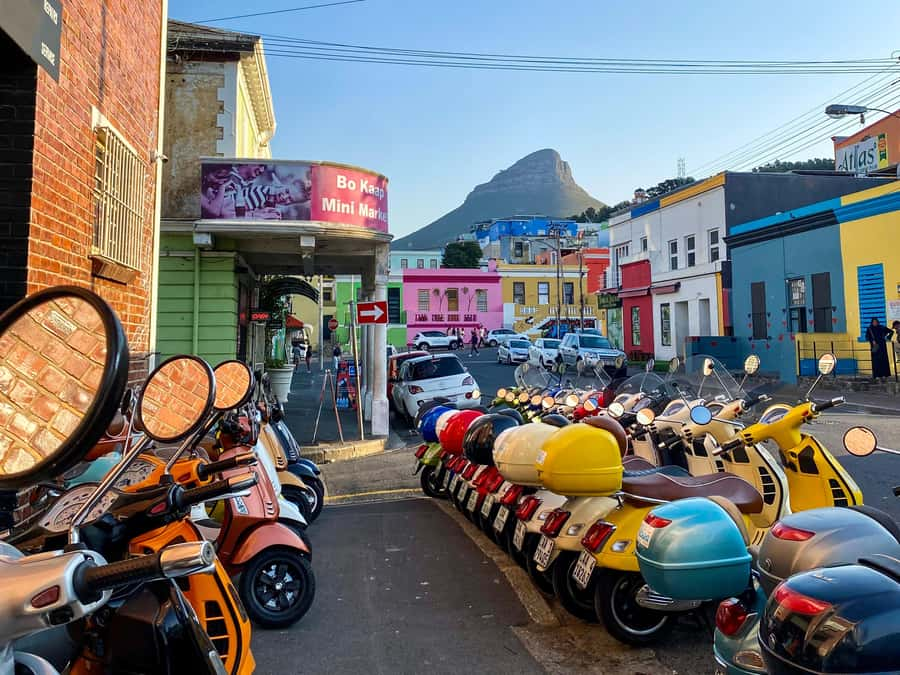
- Bo-Kaap starts the story: Learn how Cape Malay culture shaped Cape Town while walking among the area’s brightly painted homes and historic mosques.
- A wide city-centre route: The walk connects Long Street, Greenmarket Square, the Company’s Garden, Parliament, and District Six.
- History with human context: Expect discussion of slavery, colonial rule, forced removals, community identity, and the city’s continuing changes.
- Art is part of the route: Greenmarket Square, galleries, creative spaces, and local design help explain Cape Town’s present-day cultural life.
- A useful first-day tour: Guides share suggestions for food, shopping, wine places, and other parts of town to visit later.
- Good value at $37: You get a live guide and a broad introduction without paying for transport or a long attraction package.
Why this route works for understanding Cape Town
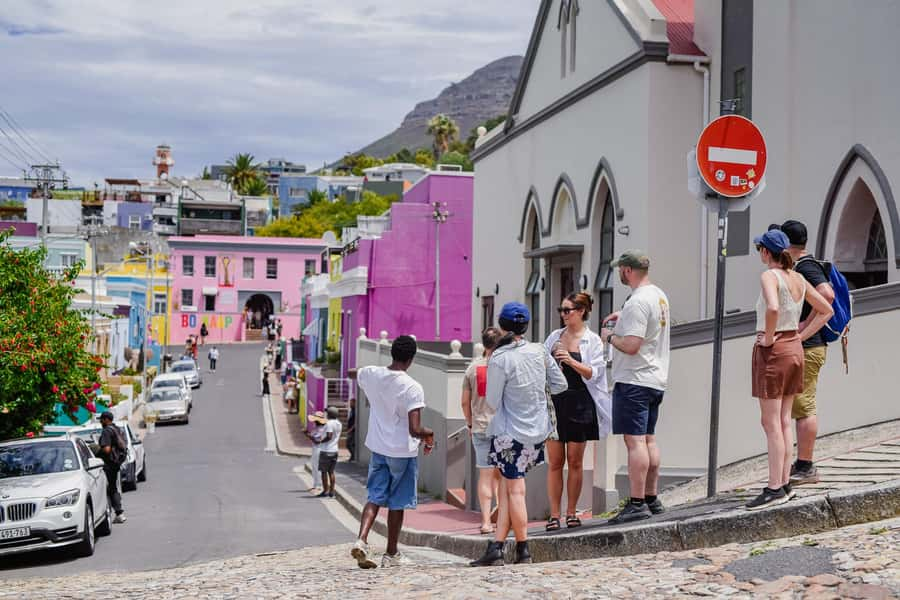
Many city walks focus on pretty buildings and famous names. This one tries to explain the people and events behind them. That matters in Cape Town, where a short walk can move from a nineteenth-century mosque to a former slave site, a protest landmark, and a neighbourhood reshaped by forced removals.
You begin at Bo-Kaap Deli, at 97 Church Street. The meeting point places you directly in Bo-Kaap rather than making you spend the first part of the tour finding the neighbourhood. From there, your guide sets the tone by connecting the colourful streets to Cape Malay culture and the community’s role in Cape Town.
I would book this near the start of your stay. It gives you a working map of the central city and helps you decide where to return for food, shopping, museums, or further walks. Several guides also share local greetings in African languages, which adds a small but memorable personal touch.
The tour is in English and led by a live guide. Names appearing in the feedback include Mandi, Olwethu, Diego, Basil, and Sipho, so your guide will depend on the date and assignment. The strongest pattern is clear communication, plenty of historical context, and a friendly approach rather than a speech packed with dates.
More Historical Tours in Cape Town
- Cape Town Guided City Cycling Heritage Tour – Private Tour
★ 5.0 · 27 reviews - Cape Town: bicycle or E-scooter History Tour with Coffee
★ 4.3 · 3 reviews
Bo-Kaap and Auwal Masjid: colour with a serious story
Bo-Kaap is the visual opener. Its painted houses make an easy first impression, but the guide’s job is to get past the photographs. You’ll hear about Cape Malay culture, the community’s roots, and the ways residents have worked to preserve their identity and neighbourhood.
The first guided walk through Bo-Kaap takes about 20 minutes. That is enough time to see the streets, hear the basic story, and take photographs, though it is not a museum-length visit. Bring your camera, but listen for the details that a quick solo stroll would miss.
Auwal Masjid receives another short stop of about 10 minutes. It is presented as a historic mosque and an important marker of Cape Malay religious and cultural life. The stop helps connect the buildings around you with the people who built their lives here.
You should dress for walking and remain respectful around religious sites. The supplied information does not promise an interior visit, so think of this as a guided sight and cultural explanation rather than a formal mosque tour.
Wale Street and Long Street: two different sides of the centre
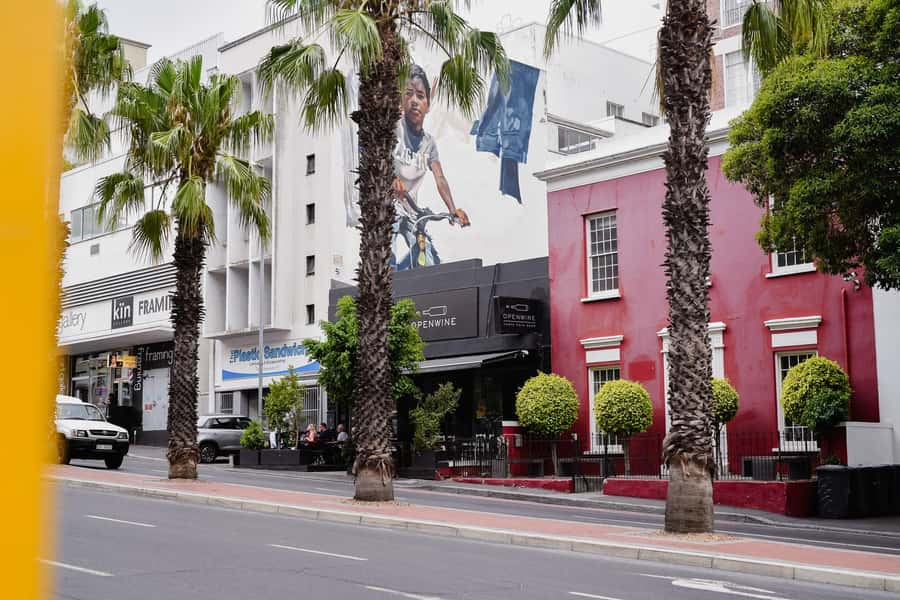
The route then moves along Wale Street, with roughly 15 minutes for photographs, views, and explanation. This section helps you see how Bo-Kaap connects to the central business district. It also gives the guide room to point out architecture and explain how older parts of the city meet newer commercial life.
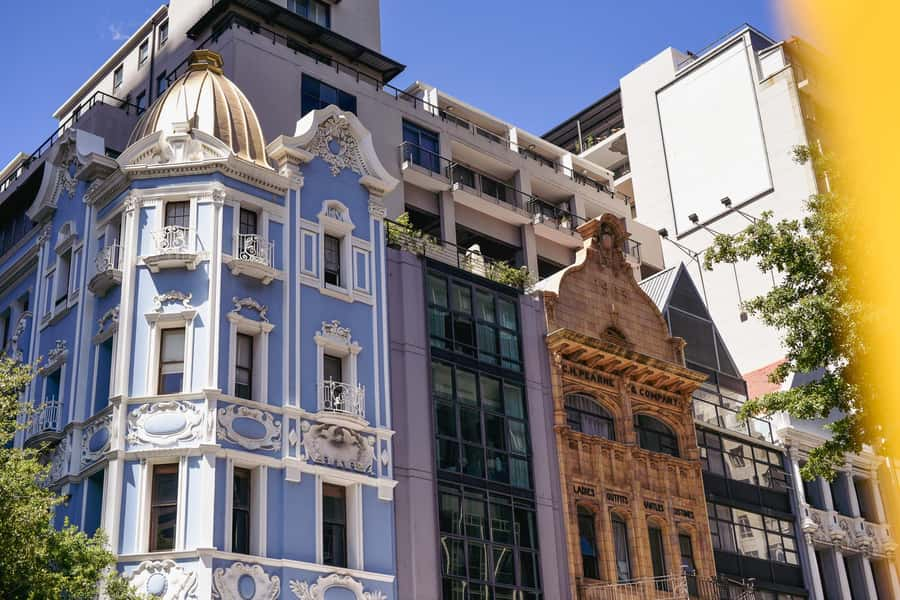
Long Street provides a sharper change of mood. Victorian-era buildings sit beside bars, bookshops, and vintage boutiques. You’ll spend about 15 minutes here, enough to understand the street’s character and note places you may want to revisit.
I appreciate this part because it treats the city as a living place, not a preserved set of monuments. The point is not only what the buildings looked like in the past. It is also how shops, nightlife, and creative businesses use the old street today.
Still, do not expect a long shopping break. The tour is moving on foot, and this stop is mainly about orientation and context. If you want to browse every shop, return later.
Greenmarket Square and Cape Town’s creative side
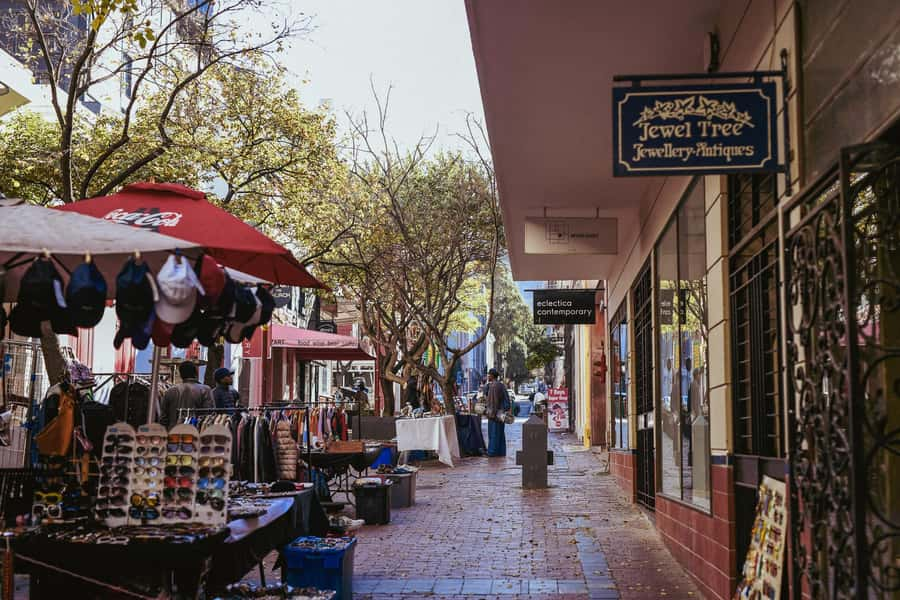
Greenmarket Square is one of the more useful stops for visitors who want to connect history with daily life. The square has traders selling handmade goods, local art, textiles, and souvenirs. The planned stop lasts around 20 minutes and can include shopping, a look at the arts and crafts, and guided sightseeing.
This is a good place to ask your guide what is locally made and what is simply marketed to tourists. You may also want to save purchases for the end of the stop so you are not carrying them through the rest of the walk.
The art focus is not limited to paintings in a gallery. The tour uses street design, craft, creative studios, and the city’s public spaces to show how Cape Town expresses itself. One guide also took a group to a recycling artist’s studio, while another review refers to time in art galleries near the beginning. These details may vary, but they show the kind of local creative material the tour can include.
The benefit here is breadth. You will not get a full art-history course, but you will gain a clearer sense of how art, commerce, and local identity overlap in the centre.
More Walking Tours in Cape Town
- Cape Town: Nathi Langa Township Walking Tour
★ 4.9 · 493 reviews - Cape Town: Street Art Walking Tour in Woodstock
★ 4.8 · 293 reviews - Cape Town: Langa Township Walking Tour
★ 4.8 · 272 reviews - Cape Town: Private Walking Tour with a Local
★ 4.6 · 243 reviews
The Company’s Garden, the Slave Lodge, and Parliament
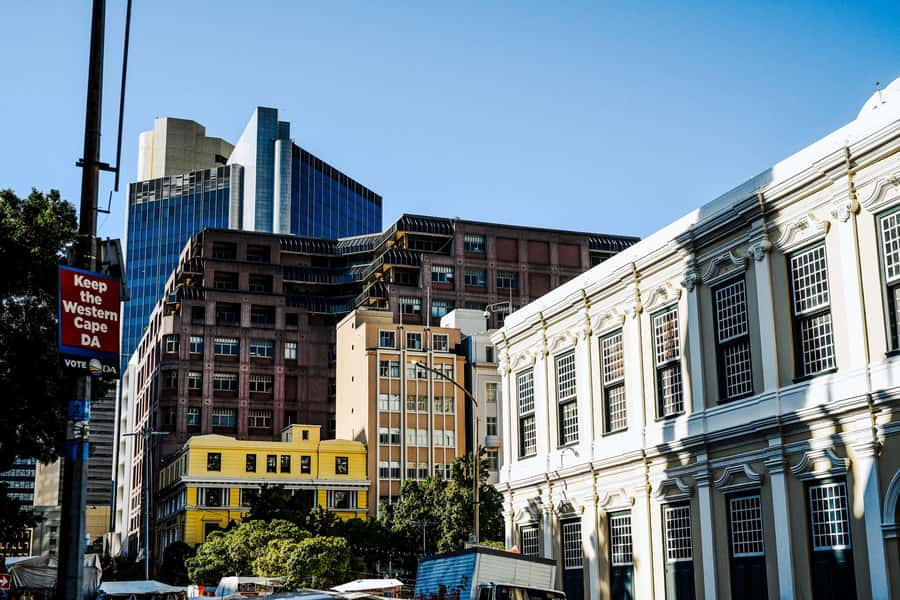
The route continues toward the Company’s Garden, with around 15 minutes for a guided walk and photographs. This section offers a calmer pause between busy streets and gives the guide another setting for explaining Cape Town’s colonial development.
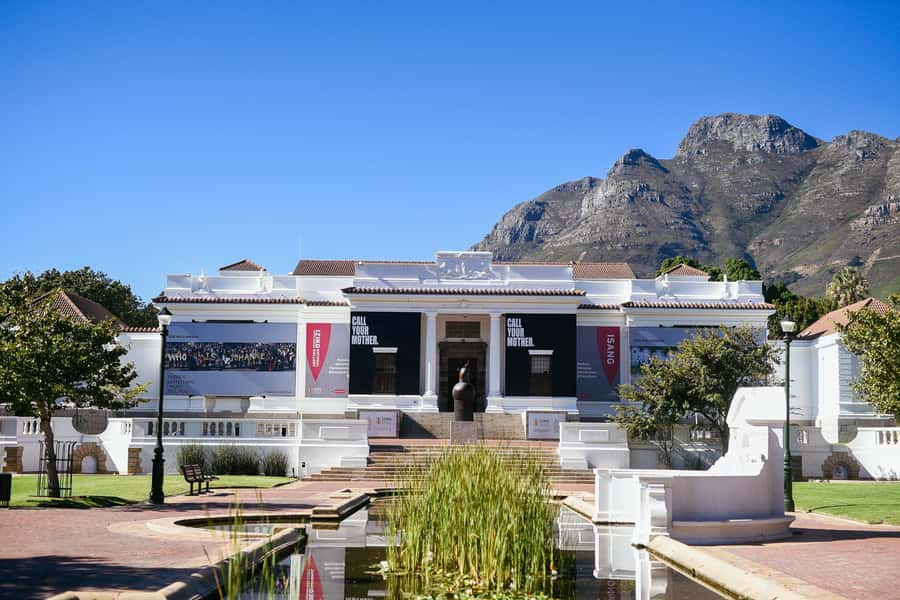
The Iziko Slave Lodge is treated as a solemn historical stop. The walk-by and guided explanation take about 10 minutes. Its importance is not just architectural. The site allows the guide to discuss slavery and the people whose labour helped shape colonial Cape Town.
Because the advertised experience is a walking tour and no museum admission is listed, you should not assume you will have time for a full indoor museum visit. If the Slave Lodge is a priority, ask the guide about returning on your own.
Parliament follows as another exterior landmark. You’ll see the building, hear about its role in South African public life, and take in views along the way. The tour also points toward Cape Town Hall, where major speeches and protests took place, and there may be an opportunity to see an exhibition connected with Nelson Mandela.
These stops give the walk political weight. The guide is not simply naming buildings. The aim is to show how power, protest, law, and public memory have shaped the city.
District Six: the hardest part of the walk
District Six brings the tour to its most painful subject. The area is tied to forced removals under apartheid, when residents were displaced and a functioning community was broken apart. Your guide explains how those removals still affect Cape Town’s sense of identity.
The stop lasts about 10 minutes in the published schedule, with a guided look and photographs. That is short for such a large subject. The value comes from having a local guide frame the place, but you should not expect every detail of District Six’s story in one brief visit.
A visit to the District Six Museum is listed as part of the route, but the details do not confirm a full museum entry or extended indoor time. Treat it as a planned sight and ask on the day what access is included.
This is where the tour’s focus on identity becomes clearest. Bo-Kaap shows a community preserving its culture. District Six shows what happens when a community is forcibly removed. Putting both places in one walk helps you understand why Cape Town’s neighbourhoods carry such strong meaning.
Truth Coffee and the final part of the route
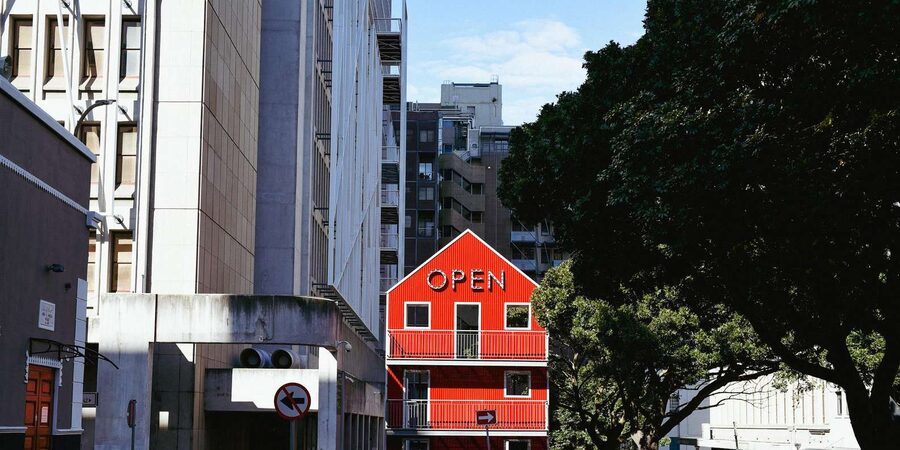
Truth Coffee Roasting appears at the end as a possible coffee stop, with time for a visit, a drink, and sightseeing. It gives the walk a lighter closing note after the serious material at the end of the route.
Coffee is not included in the $37 price, so budget for anything you order. The stop can also work as a useful place to ask final questions or compare notes with your guide.
The route includes many named stops, but not all receive the same amount of time. Bo-Kaap, Greenmarket Square, and the main historical subjects get the clearest attention. Other landmarks are more likely to be brief explanations from the pavement.
What $37 gets you
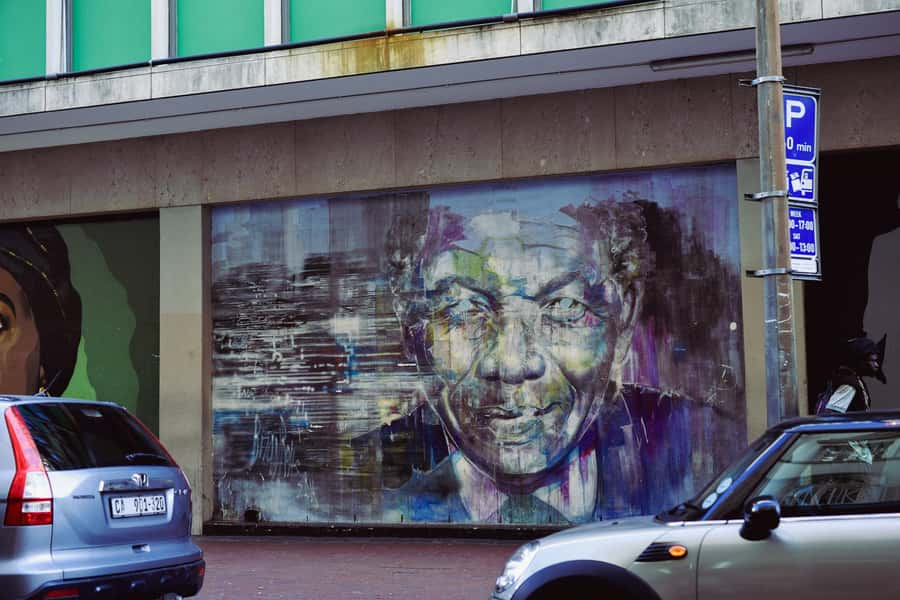
At $37 per person, I see this as a fair price for a guided introduction to central Cape Town. You are paying for a professional English-speaking guide, a structured route, and local interpretation across several neighbourhoods. You are not paying for hotel transport, lunch, souvenirs, or guaranteed admission to museums.
The value is strongest if you are new to Cape Town or want help making sense of the city before exploring alone. A guide can point out places you might otherwise pass without understanding, and the route covers more ground than a short Bo-Kaap-only walk.
It is less useful if you want long museum visits, extensive shopping, or a relaxed photography tour. Two hours goes quickly, particularly when the group stops for questions. One review describes a three-hour experience, but the stated duration is two hours, so plan around the published two-hour schedule.
Walking conditions, safety, and practical planning
Wear comfortable shoes. You will be on foot for the whole route, with roughly 20 minutes in Bo-Kaap and shorter stops spread across the centre. Bring water, sunscreen, sunglasses, a hat, and rain gear. Cape Town weather can shift, and the tour runs outdoors.
The meeting point is Bo-Kaap Deli, not your hotel. You must arrange your own way there and back. Hotel pickup, drop-off, transport to the starting point, lunch, and personal purchases are not included.
The tour is listed as wheelchair accessible, but the route moves through city streets and includes multiple walking sections. If you have specific mobility needs, confirm the practical route details before booking.
The city centre deserves normal urban awareness. One person reported a frightening theft incident after the guided walk, while the group was continuing alone. The incident was not described as part of the guided tour, but it is a useful reminder: ask your guide for advice before setting off on your own, keep valuables secure, and consider arranging transport if you are unsure about the next stretch.
Free cancellation is available up to 24 hours before the tour for a full refund, and you can reserve now and pay later. Those terms are useful if your Cape Town plans are still shifting.
Who will get the most from this tour
I would recommend it to first-time visitors who want a clear introduction to Cape Town’s past and present. It also suits people who prefer conversation and local explanation over a bus tour full of distant views.
It works well for:
- Visitors with only a few days in Cape Town
- People interested in apartheid, slavery, community identity, and public history
- Anyone who wants to see Bo-Kaap and the city centre in one outing
- Art-minded visitors who enjoy galleries, craft stalls, creative spaces, and design
- Solo visitors who want a guided route before walking around independently
- Couples and small groups looking for practical suggestions for the rest of their stay
It may not suit you if you dislike walking, want a private tour, or need long indoor visits at every museum. The experience is also not suitable for people over 95, according to the activity information.
Should you book the Cape Town Art, Culture and History Walking Tour?
Book it if you want the city explained rather than simply photographed. The combination of Bo-Kaap, Auwal Masjid, Greenmarket Square, the Company’s Garden, the Slave Lodge, Parliament, and District Six gives you a useful framework for understanding Cape Town.
I especially like it as a first or second-day activity. You can learn the street layout, gather restaurant and shopping suggestions, and decide which sites deserve a separate visit. The guides, including Mandi, Olwethu, and Diego, are repeatedly praised for clear explanations, warmth, humour, and practical help.
Skip it if your priority is a full museum tour or a slow art walk. At two hours and $37, this is a brisk city introduction with serious historical content. For many visitors, that is exactly the right starting point.
FAQ
Where does the Cape Town walking tour begin?
The tour begins at Bo-Kaap Deli, 97 Church Street, Bo-Kaap, Cape Town, 8001.
How long does the tour last?
The stated duration is two hours. Starting times vary, so you should check availability when booking.
What language is the tour in?
The live guided tour is conducted in English.
Which places are included on the route?
The route includes Bo-Kaap, Auwal Masjid, Wale Street, Long Street, Greenmarket Square, the Company’s Garden, the Iziko Slave Lodge, Parliament, District Six, and Truth Coffee Roasting. Cape Town City Hall and a Nelson Mandela exhibition may also feature along the way.
Is hotel pickup included?
No. Hotel pickup and drop-off are not included, and you must arrange your own transport to the Bo-Kaap meeting point.
Is food or coffee included in the price?
No. Lunch, personal expenses, and extra food or drinks are not included. Truth Coffee Roasting is included as a stop, but any coffee you order is your own expense.
Is the walking tour wheelchair accessible?
The activity is listed as wheelchair accessible.
Can I cancel the booking?
Yes. You can cancel up to 24 hours in advance for a full refund. You can also reserve now and pay later.
Just added around Cape Town
- 100 % Catch Rate Cape Town Wild Tours★ 5.0 · 5 reviews
- Private Cape Town City Evening Tour★ 5.0 · 3 reviews
- Private Cape Town City Tour table Mountain with wine tasting★ 5.0 · 10 reviews
- Cape Town Boat Trip★ 4.0 · 5 reviews
- Cape Town Aquila Private Game Reserve Big Five Safari Adventure★ 5.0 · 4 reviews
- Cape Town Private Birding Tour★ 5.0 · 14 reviews
- Private 2-Day Cape Town Highlights: Robben Island,Table Mountain Tickets & Wine★ 5.0 · 8 reviews
- Private Transfer: CPT Airport to Cape Town in Luxury Van★ 4.0 · 5 reviews
Historical Tours, compared.

Cape Town Guided City Cycling Heritage Tour – Private Tour
Read our review →
Apartheid History of South Africa (Full day Experience with lunch
Read our review →
Johannesburg: Soweto History Tour with Hotel Pickup
Read our review →
Browse the lists this tour appears in