
Reviewed · COOKING CLASSES
Cape Town: Authentic African Cuisine Cooking Experience
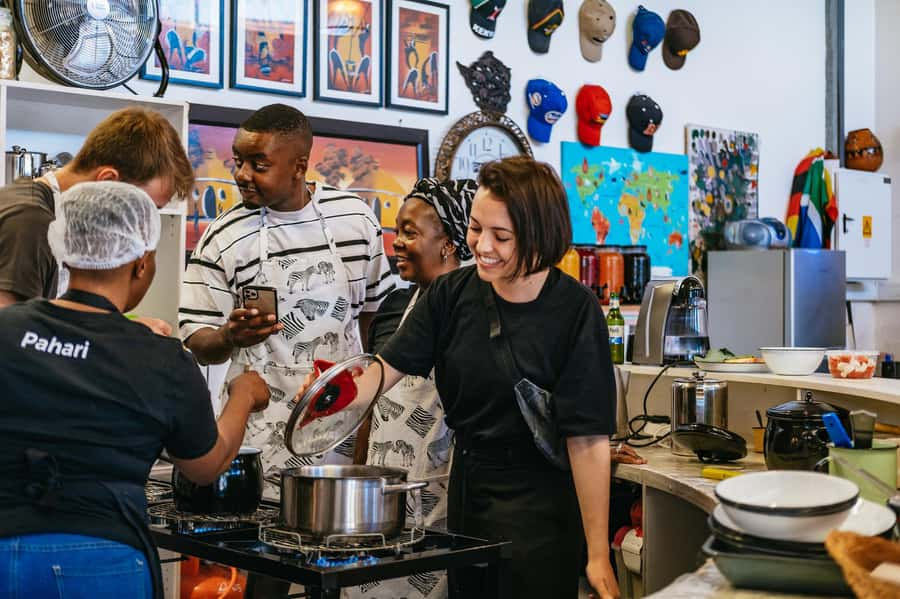
The heart of this Cape Town experience is a shared meal you help make from the first stir of the pot to the last bite. At Pahari African Restaurant, Florence and Caleb explain how family recipes developed, then put you to work cooking Sadza, stews, chakalaka, and sugar beans.
I like the small group of up to 10, which gives the cooking a personal feel, and I like the chance to eat communally with the hosts rather than simply sit down for a restaurant meal. The family connection also adds substance: Florence learned to cook from her mother, and the recipes have passed through generations.
The main consideration is that this is a hands-on meal, not a polished demonstration where you watch from a distance. You may be asked to handle unfamiliar ingredients, eat with your hands, and spend most of the 150 minutes in one cooking room. There is also no dessert listed.
Key points at a glance
- Cook five traditional dishes: Make Sadza, chicken stew, beef bones with green vegetables, chakalaka, and sugar beans.
- Meet Florence and Caleb: The hosts draw on two decades in food service and family cooking traditions.
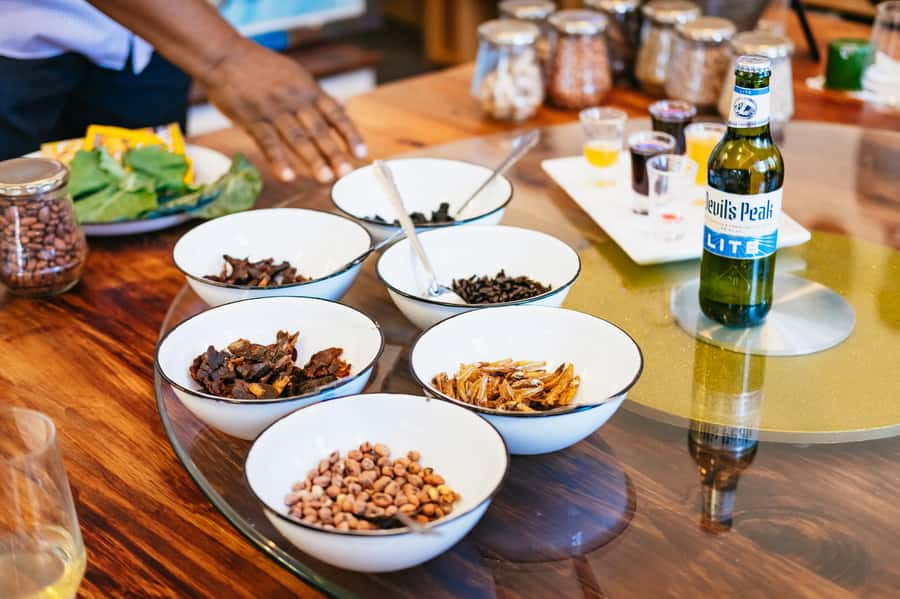
- Expect African drinks and snacks: Welcome refreshments include African juice, beer, and tea or coffee, with starter snacks before cooking.
- Eat the meal together: The final course is communal, in the style of an African home.
- Vegetarian and vegan choices are available: Tell the hosts about your preference when arranging the experience.
- Plan for a relaxed two and a half hours: The class takes place in a separate room beside Pahari African Restaurant.
Cooking a family meal at Pahari African Restaurant
This is not a quick tasting with a recipe card handed to you on the way out. You arrive at Pahari African Restaurant and ask for Florence, then move into a separate room beside the restaurant for the cooking session.
That setting matters. You are close to a working restaurant, but the class has its own space where the group can focus on food, conversation, and instruction. With a maximum of 10 people, the format should feel more like a shared kitchen table than a large tour group.
Florence is a co-owner of Pahari African Restaurant. She learned to cook from her mother at an early age, and many of the recipes come from her family. Florence and her husband have worked in food service for two decades, so the class brings together home cooking and professional kitchen experience.
Caleb also contributes to the introduction, including the story of traditional African food, the sources of ingredients, and the way recipes change as they pass between generations. I especially like this part because it gives you a reason behind each dish. You are not just learning which pot to use. You are learning how food connects with family, place, and custom.
More Cooking Classes in Cape Town
- Cape Town: Malay Cooking Class and Lunch in Bo-Kaap
★ 4.8 · 515 reviews - Authentic African Cuisine Cooking Experience
★ 5.0 · 236 reviews - Cape Town: Cape Malay Cooking Class in Bo-Kaap
★ 4.8 · 120 reviews
The welcome: African juice, beer, tea, and starter snacks
The session begins with a choice of African drinks, including African juice and beer. Tea or coffee comes later, at the end of the meal. These small details help the event feel like hospitality rather than a technical lesson.
Starter snacks are also served before the main cooking begins. The exact selection can vary, but one family group was offered caterpillars and termites, which they found surprisingly tasty. If unusual ingredients make you curious, this can be one of the most memorable parts of the afternoon. If they make you uneasy, you can ask what is being served before trying anything.
The hosts use this opening time to talk about ingredients and food customs. That background is useful because several of the dishes may be new to you, even if you already know South African food.
From mealie meal to Sadza
One of the main jobs is preparing Sadza, made from ground mealie meal. Sadza is a staple across parts of southern Africa and is used as the base for the other dishes. The texture and method matter, so this is a good place to pay attention rather than treat the cooking as a photo opportunity.
You will take part in the process, with Florence and the kitchen team showing you each step. Everyone has an opportunity to contribute. That means the class is collaborative, though you should expect to share tasks rather than prepare a full individual meal from scratch.
Sadza is not presented as a side dish in the usual European sense. It helps carry the stews and vegetables, and the meal makes more sense once you understand how the dishes work together. The hosts explain these connections as you cook.
Stews, greens, chakalaka, and sugar beans
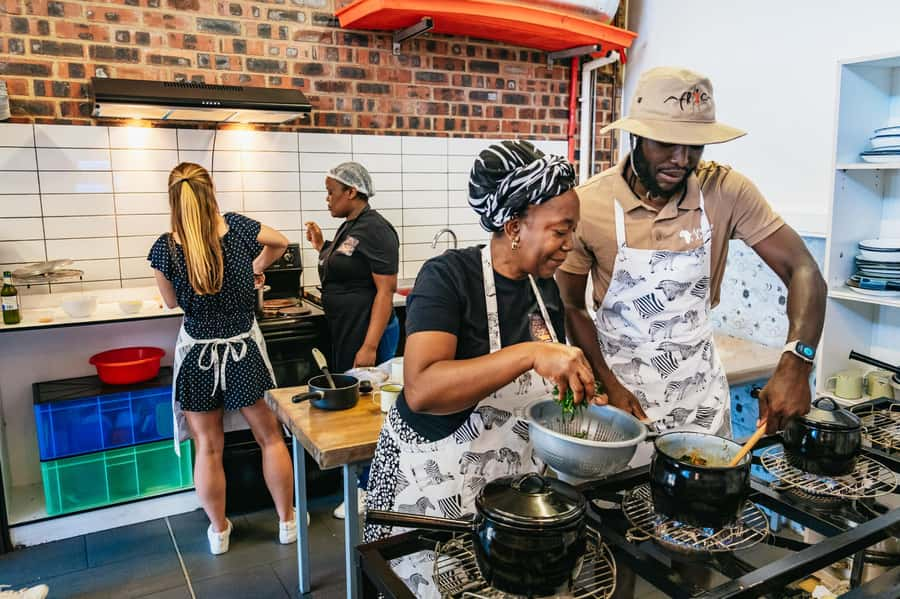
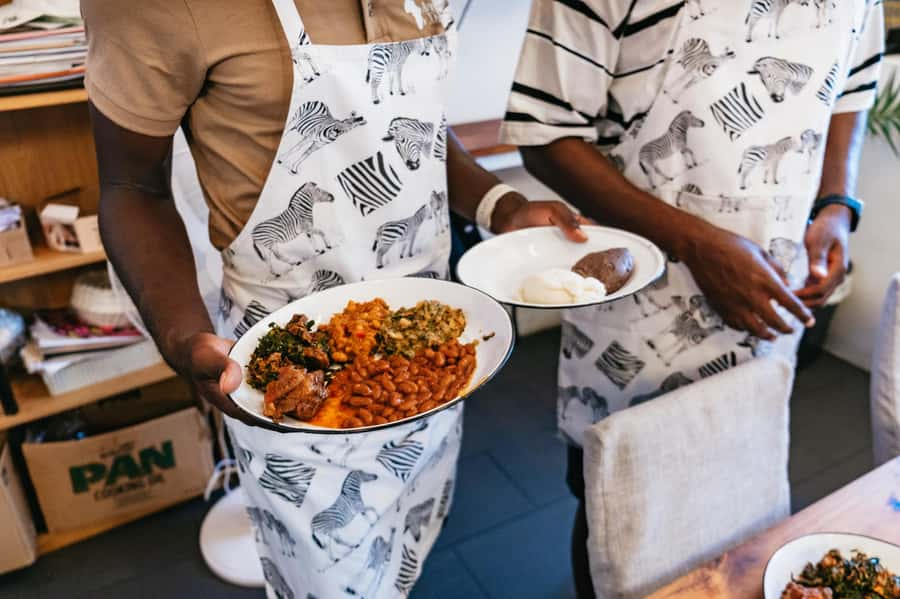
The main menu brings several different textures and flavors to the table. You will prepare chicken stew, meaty beef bones mixed with green vegetables, chakalaka, and sugar beans alongside the Sadza.
The beef dish is especially different from the boneless meat many people encounter at home. Cooking with bones brings a more rustic character to the meal, and it gives the hosts a chance to explain how everyday cooking uses ingredients fully.
Chakalaka adds a spicy vegetable element. Sugar beans provide another hearty component, while the chicken stew rounds out the meal with a familiar protein prepared in a distinctly African style.
These are among the best-selling dishes at Pahari African Restaurant, so the class is built around food that the restaurant already serves and people order regularly. That is a practical advantage. You are learning recipes chosen for the restaurant menu, not obscure dishes selected only because they look interesting in a class.
Vegetarian and vegan options are available, but you should make your needs clear when booking or at the start. The listed menu includes meat and beef bones, so plant-based diners should not assume every dish will be adapted automatically.
More Food & Drink in Cape Town
- The Cape Town Essentials Food Tour
★ 5.0 · 385 reviews - Cape Town: V&A Waterfront Gin Voyage Cruise
★ 4.6 · 238 reviews - The 10 Tastings of Cape Town With Locals: Private Food Walking Tour
★ 4.5 · 169 reviews - African Food and Storytelling Tour Cape Town City Centre
★ 5.0 · 61 reviews
Why the food history adds real value
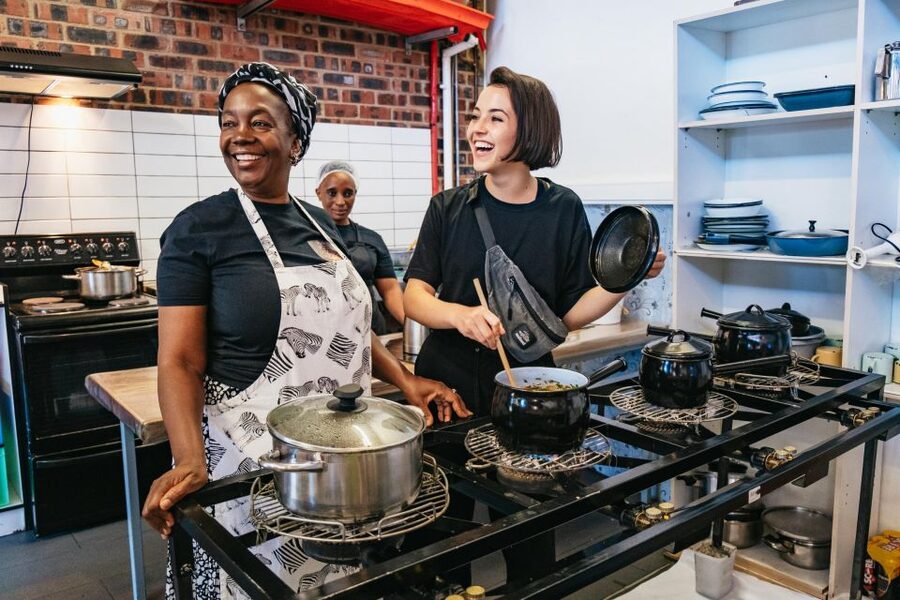
A cooking class can be enjoyable without much explanation, but the history here gives the meal more meaning. Caleb discusses where ingredients come from, and the hosts explain how recipes have changed over time while staying connected to family tradition.
You may hear about food as it is taught at home, rather than as a fixed set of rules. That is important because African cuisine is not one single style. Ingredients, methods, and customs vary across countries and communities, and family cooking often changes with availability and circumstance.
The focus here is on the hosts’ own food traditions and the dishes served at Pahari. That keeps the discussion grounded. You are not getting a rushed survey of an entire continent. You are getting context for a particular meal and the family knowledge behind it.
I also like the chance to ask questions. With a small group and an English-speaking instructor, you can clarify ingredients, cooking methods, and ways to recreate the dishes at home.
Eating together, often without a knife and fork
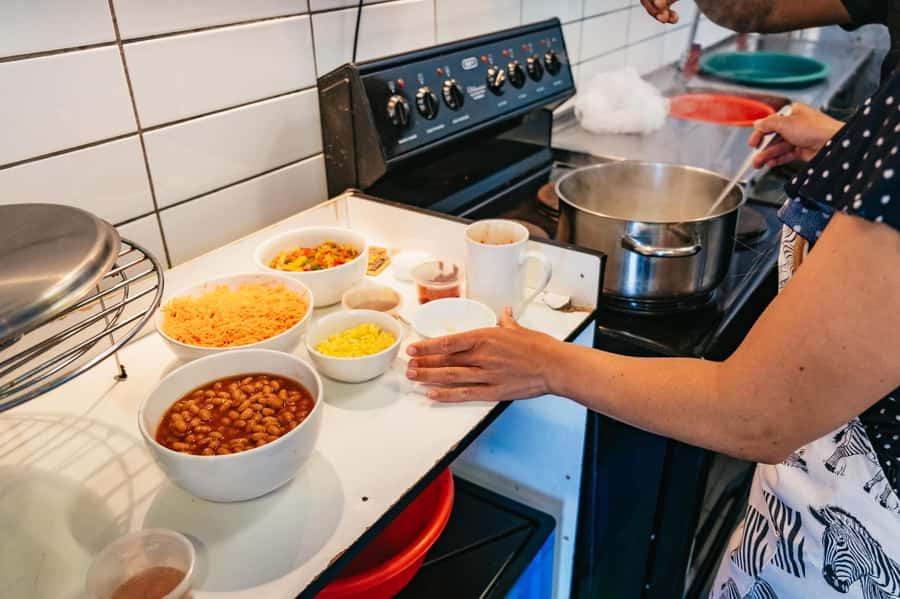
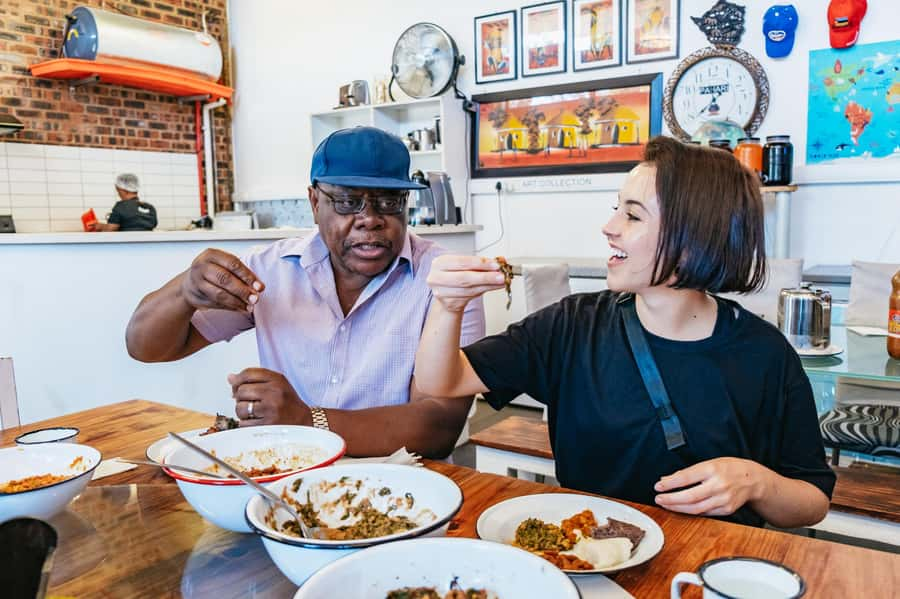
Once the food is ready, you sit down and eat together with the hosts. The meal is communal, reflecting the way it is often served in an African home.
You may also be encouraged to eat with your hands. This is part of the experience, not a stunt, but it can feel unfamiliar if you are used to formal table settings. One family found that putting aside knife and fork was less easy than expected. Bring a sense of humor and follow the hosts’ lead.
The shared table is one of the strongest parts of the class. You have just worked on the food, so the meal feels connected to the cooking rather than tacked on at the end. It also gives you time to talk with Florence, Caleb, and the other people in your group.
The class is suitable for families, friends, work colleagues, and solo participants. If you are alone, the small group format gives you a natural way to meet people. If you are booking with family or friends, the private-room setting lets you enjoy the meal together without needing to organize your own restaurant reservation afterward.
A final cup of African tea or coffee
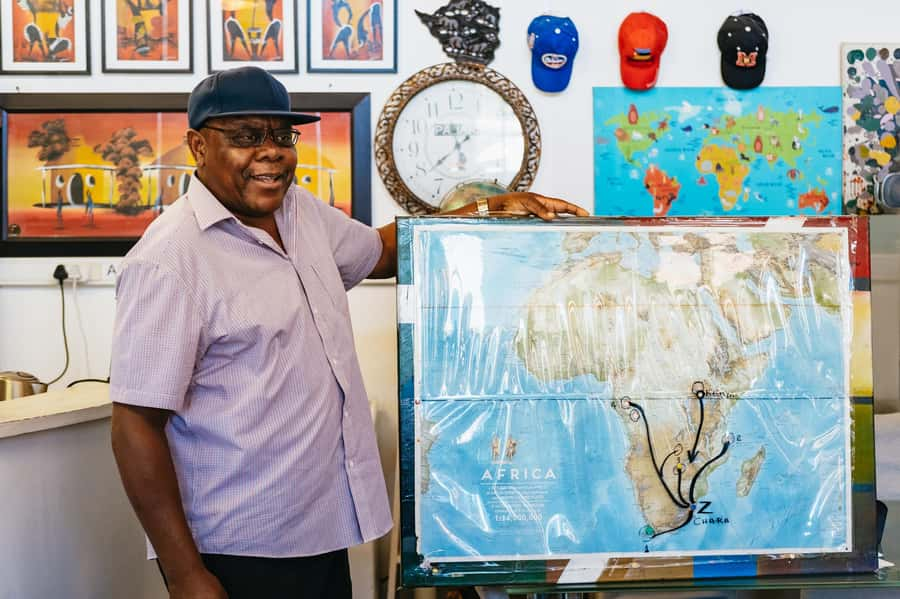
The experience ends with an African hot drink, either tea or coffee. There is no dessert included in the stated menu, so you should not book this expecting a sweet final course.
That omission is worth noting for anyone who likes a full restaurant-style progression. On the other hand, the meal itself is substantial, and the hot drink provides a gentle close without adding another formal cooking segment.
You also have the option to request an easy-to-follow recipe. This is a useful touch because it turns the class into something you can repeat at home. The instructions will not replace the feel of cooking beside the hosts, but they give you a practical way to make Sadza, stews, chakalaka, or beans again after returning home.
Is $71 a fair price?
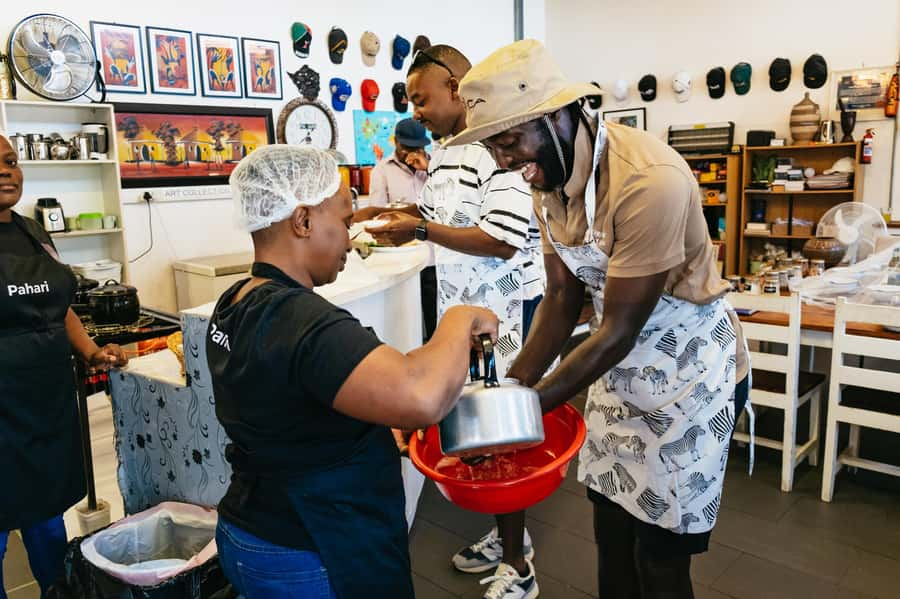
At $71 per person, this costs more than ordering a single meal at an African restaurant. The value comes from the combination of food, instruction, drinks, cultural context, and time with the hosts.
You receive starter snacks, African juice and beer, the cooking lesson, the full meal, and tea or coffee. You are also paying for a small group, with no more than 10 participants, rather than a large class where your role might be limited to watching.
For me, the price makes the most sense if you want an activity that combines eating and learning. If you only want to sample African dishes, a restaurant meal will likely cost less and take less time. If you want to understand how the dishes are made and take home recipes, the class offers better value.
Hotel pickup and drop-off are not included, so you need to make your own way to Pahari African Restaurant. Factor that into your budget and schedule. The duration is 150 minutes, so allow a full two and a half hours rather than trying to squeeze it between tight sightseeing plans.
Who should book this cooking class?
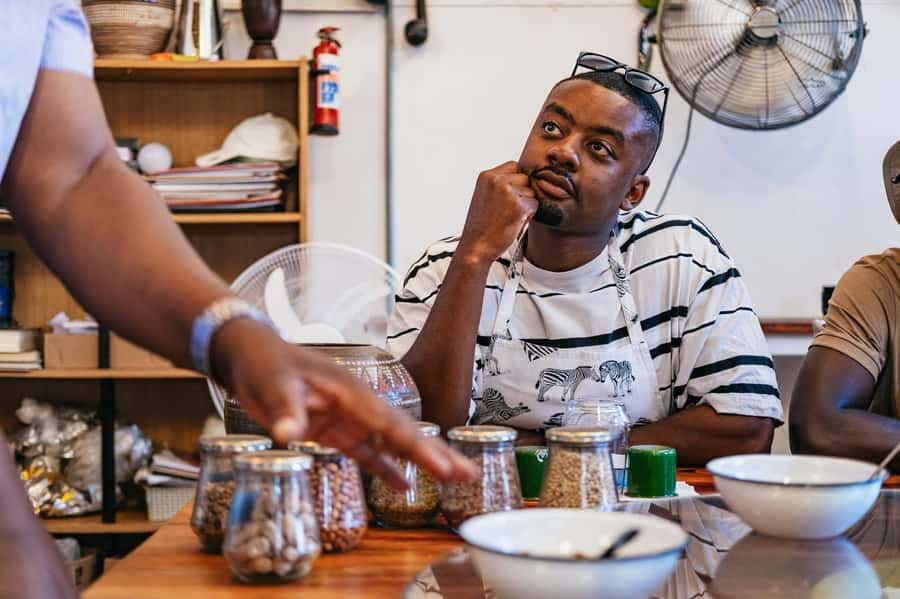
I would recommend it most strongly to anyone who enjoys food with a story behind it. It suits people who want direct contact with local cooking rather than a standard restaurant stop.
It is also a good choice for:
- Families who want a shared activity in Cape Town
- Couples and friends who enjoy cooking together
- Solo visitors who prefer a small social setting
- Diners curious about Sadza, chakalaka, and African home cooking
- People who want recipes they can use after the trip
- Vegetarians and vegans, provided they arrange the appropriate options
You should think twice if you dislike communal dining, do not want to handle food, or prefer a quiet meal with no participation. The class is designed around cooperation, conversation, and getting your hands involved.
English is the teaching language. The hosts’ warm approach is a major part of the experience, but the class still requires you to take part. You are not simply being served.
Practical advice before you go
Arrive at Pahari African Restaurant and ask for Florence. Since there is no hotel transportation, check your route before leaving and give yourself enough time to arrive without rushing.
Wear something comfortable for a cooking session. The hosts specifically invite you to get your hands dirty, so avoid clothing you would be upset to stain. If you have dietary restrictions or want vegan or vegetarian food, mention them early.
Keep the schedule flexible. Cooking times can change as the group works through each dish, and the final communal meal is part of the event. The listed duration is 150 minutes, but you will get more from the class if you are not watching the clock.
The cancellation policy allows a full refund when you cancel at least 24 hours in advance. You can also reserve now and pay later, which helps if your Cape Town plans are still changing.
Should you book it?
Book this if you want to understand African food by preparing and eating it with the people who cook it. Florence and Caleb offer more than a list of ingredients: they connect the dishes to family, custom, and everyday hospitality.
The strongest reasons to go are the small group, the chance to cook a complete meal, and the communal finish. The main trade-offs are the lack of hotel transport, the hands-on format, and the absence of dessert.
For a first introduction to Sadza, chakalaka, stews, and sugar beans in Cape Town, I think the $71 price is reasonable. You leave fed, with a better sense of how the meal fits together, and with recipes you can try in your own kitchen.
FAQ
Where does the cooking experience take place?
It takes place in a separate room next to Pahari African Restaurant in Cape Town, Western Cape, South Africa.
Who should I ask for when I arrive?
Ask for Florence at Pahari African Restaurant.
How long does the experience last?
The cooking experience lasts 150 minutes, or two and a half hours.
What dishes will I cook?
You will learn to prepare Sadza made from ground mealie meal, meaty beef bones with green vegetables, chicken stew, chakalaka, and sugar beans.
Are drinks included?
Yes. African juice and African beer are included, along with African tea or coffee. Starter snacks are also provided.
Are vegetarian and vegan options available?
Yes. Vegetarian and vegan options are available. Tell the hosts about your dietary preference when arranging the experience.
Just added around Cape Town
- 100 % Catch Rate Cape Town Wild Tours★ 5.0 · 5 reviews
- Private Cape Town City Evening Tour★ 5.0 · 3 reviews
- Private Cape Town City Tour table Mountain with wine tasting★ 5.0 · 10 reviews
- Cape Town Boat Trip★ 4.0 · 5 reviews
- Cape Town Aquila Private Game Reserve Big Five Safari Adventure★ 5.0 · 4 reviews
- Cape Town Private Birding Tour★ 5.0 · 14 reviews
- Private 2-Day Cape Town Highlights: Robben Island,Table Mountain Tickets & Wine★ 5.0 · 8 reviews
- Private Transfer: CPT Airport to Cape Town in Luxury Van★ 4.0 · 5 reviews
Cooking Classes, compared.
Half-Day Small Group Cooking Experience in Franschhoek
Read our review →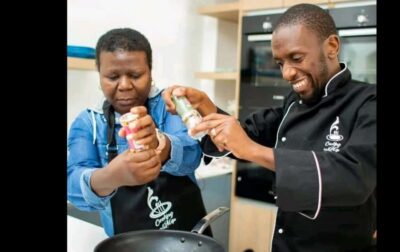
GQ: City Walking Tour & African Cuisine Cooking Class
Read our review →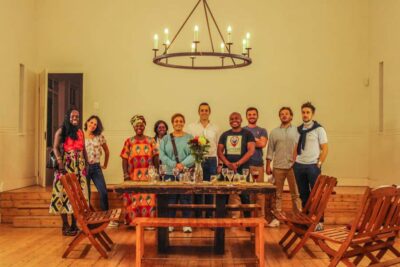
Johannesburg: Pan-African Cooking & Dinning Experience
Read our review →Browse the lists this tour appears in