
Reviewed · BO-KAAP TOURS
Cape Town: Bo-Kapp Walking Tour and Malay Cooking Class
Bo-Kaap is more than a row of pretty painted houses for photographs. This four-hour experience puts the neighborhood’s Cape Malay culture first, then carries it into a local kitchen, where you help prepare a full meal with Faldela and her cooking team. I like that the food is not simply served to you. You fold samosas, work on roti, and learn how spices shape both the cooking and the community.
I also like the useful mix of activities: a guided walk, a spice shop visit, time with local businesses, and a meal shared in a home. The main consideration is space. The cooking area is small, so you may not all be working at the counter at once. At $68, the price is fair for four hours of guiding, cooking, food, museum entry, and recipes, but this is best for people who want participation, not a quick sightseeing stop.
Key points to know before booking
- A local view of Bo-Kaap: Walk with guides including Faldela, Gadija, or Ilyas and hear about the neighborhood, its people, buildings, faith, and traditions.
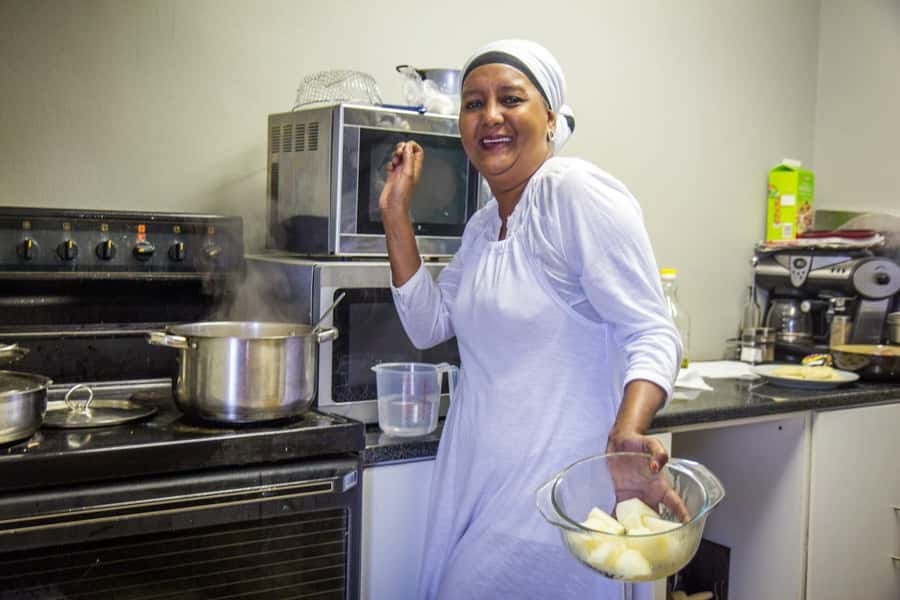
- Hands-on Cape Malay cooking: Help prepare samosas, chili bites, chicken curry, roti, sambal, and koesisters.
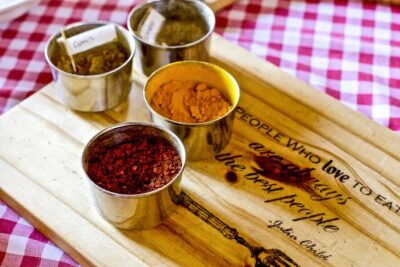
- The spice lesson is a highlight: The visit to a spice shop gives you practical ideas about different spices, their uses, and their reported health benefits.
- A meal at a local home: Sit down with your host and fellow participants to eat what you helped make.
- Recipes go home with you: You receive the recipes, making the class more useful than a meal you simply remember.
- Plan for a small kitchen: The cooking area may only allow one or two people to work closely at a time.
Why this Bo-Kaap experience feels different
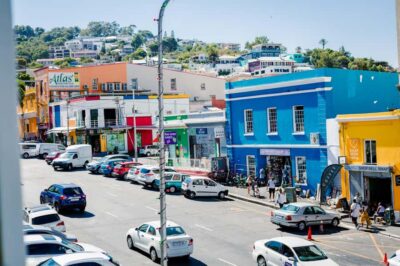
Bo-Kaap is often reduced to colorful facades and a few quick photographs. This outing gives you a reason to slow down. You walk the cobblestone streets, learn how the neighborhood developed, and connect its food with its Cape Malay identity.
The exact guide may vary. Faldela is the cooking host most often associated with the class, while Gadija and Ilyas have led the walking portion. Faldela is described as a local figure with strong ties to the area, and the guides introduce you to a neighborhood they know from daily life, not just from a tour script.
That matters because Bo-Kaap is a living community. The streets have homes, mosques, shops, artists, and small businesses. You are not only looking at brightly painted walls. You are learning why the neighborhood matters to the people who live there.
I especially like the way the walk leads into the kitchen. The first half gives you context. The second half lets you taste it.
More Bo-Kaap Tours in Cape Town
- Cape Town: Malay Cooking Class and Lunch in Bo-Kaap
★ 4.8 · 515 reviews - Cape Town Walking Tour: Bo-Kaap & City Highlights
★ 4.8 · 161 reviews - Bo-Kaap: Walk with a local
★ 5.0 · 131 reviews
Walking the cobblestone streets with a local guide
The walk begins at the meeting point, a purple house with flower pots on top. From there, you explore the older streets and buildings of Bo-Kaap on foot.
Expect a steady cultural walk rather than a long hike. Comfortable shoes are the only specific item recommended, but the cobblestones make that advice worth taking seriously. The neighborhood’s slopes and uneven surfaces are easier to manage in supportive shoes than in sandals with thin soles.
Your guide explains the history of the Cape Malay community and the role of Islam in local life. The first and oldest mosque in South Africa is part of the story, as is the cultural museum. One useful detail from the walk is the attention given to individual houses and their architectural features. The buildings are not treated as a single postcard scene. You get a better sense of how the area changed over time.
The walk can also include local art and souvenir shops. You might meet artists or see small businesses run by people from the community. This is a good reason to bring a little time and curiosity. The experience is not only about looking down the street and moving on.
The museum is included in the price, though the timing and exact use of the museum stop may vary. If you particularly want to see it, ask your guide how it fits into the afternoon. One participant noted that the museum was not visited during their outing and suggested making separate time for it. That is a useful point, especially if the museum is high on your list.
The spice shop and the flavor of Cape Malay cooking
The spice stop helps connect the walking tour to the cooking class. Instead of hearing general comments about Cape Malay food, you get a closer look at the ingredients that give it character.
This is where Faldela’s teaching style seems especially useful. She explains different spices, how they can be used, and their possible health benefits. If you enjoy food knowledge, start a video when the spice lesson begins, but ask permission first. There is a lot to remember, and the information may be more useful later than you expect.
The spice shop also gives you a chance to buy ingredients or simply learn what to look for at home. You do not need to be an experienced cook to follow along. The class is built around straightforward tasks, with the host explaining techniques as you go.
I would not treat this as a formal culinary school lesson. It is more personal and practical. You learn from someone who cooks the food regularly, in a home setting, with room for questions and conversation.
Inside the small home kitchen
After the walk, you return to the home of your host. This change of setting is one of the best parts of the experience. You move from public streets into a personal space, where the meal is prepared and later shared.
The cooking class is interactive, but not every person will have a long turn at the work surface. The kitchen is small, and one participant felt that only one or two people could work comfortably at a time. If you want uninterrupted hands-on cooking, this may frustrate you. If you are happy to watch closely, ask questions, and take turns, the limited space is less of a problem.
Faldela is praised for keeping the group involved and for making the session lively. Her humor and warmth help the class feel relaxed rather than formal. The cooking is organized, and the food is prepared in a way that allows the group to sit down for a generous meal within the four-hour schedule.
The menu can include small chili bites as well as the listed dishes. Recipes and ingredients may vary slightly, but the core meal includes several Cape Malay favorites:
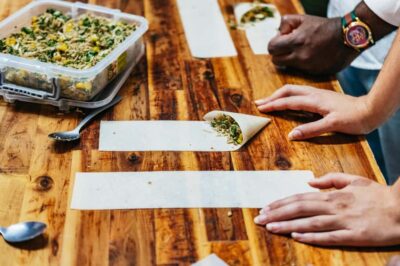
- Samosas, which you help fold
- Chicken curry
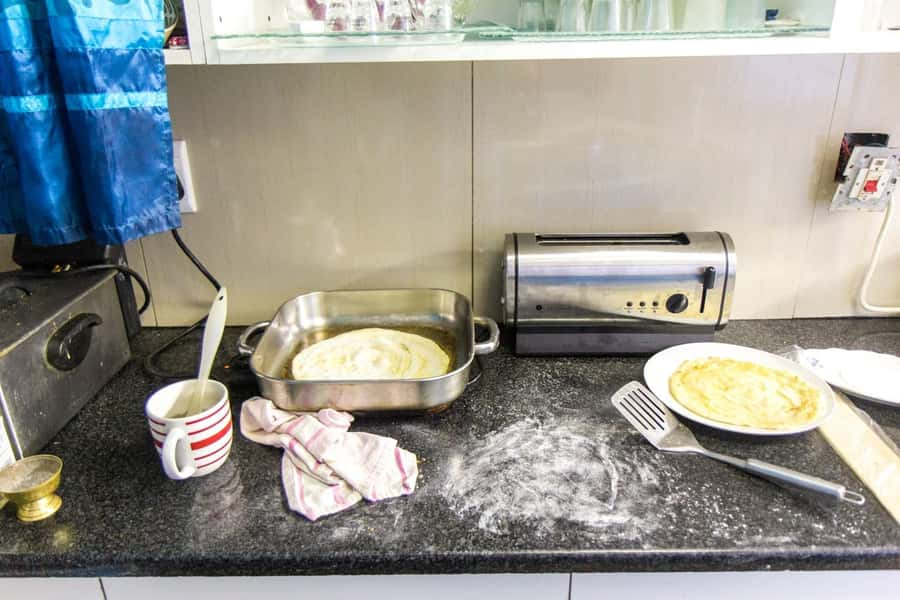
- Roti flatbread made from scratch
- Sambal, also described as a salsa salad
- Koesisters, a spiced doughnut-style dessert
- Cardamom tea
The class is particularly useful for anyone who has tried roti at a restaurant and wondered how it becomes flaky. You learn the host’s tricks rather than only watching a finished bread arrive at the table. Several people left planning to make samosas, roti, or curry at home.
More Cooking Classes in Cape Town
- Authentic African Cuisine Cooking Experience
★ 5.0 · 236 reviews - Cape Town: Cape Malay Cooking Class in Bo-Kaap
★ 4.8 · 120 reviews - Cape Town: Authentic African Cuisine Cooking Experience
★ 4.9 · 31 reviews
Making samosas, roti, curry, and sambal
The first cooking task is folding samosas. This is a small skill, but it is the kind of detail you can repeat in your own kitchen. You get to handle the food and see how the shape is made, rather than receiving a demonstration from across the room.
The main dish is chicken curry. The spice lesson begins to make sense here, as the ingredients are combined into a meal rather than discussed separately. The host explains the process and shares techniques that help the food taste full and balanced.
Roti is likely to be the most memorable task. You prepare the flatbread from scratch and learn how to create its flaky texture. It is not a difficult dish to understand, but it does take practice. The class gives you a starting point and a recipe to work from later.
Sambal provides a fresh contrast to the curry and bread. It is generally presented as a salsa salad, so the meal is not all spice and richness. Koesisters and cardamom tea finish the meal with a sweet, fragrant note. The description calls the doughnuts spicy and savory, while the menu also presents them as dessert, so expect something different from a standard glazed doughnut.
Dietary needs have been handled well during some sessions, but the supplied details do not specify which diets can be accommodated or how far in advance to request changes. If you have allergies or strict requirements, tell the provider before booking and confirm what can be prepared safely.
Sitting down to eat what you made
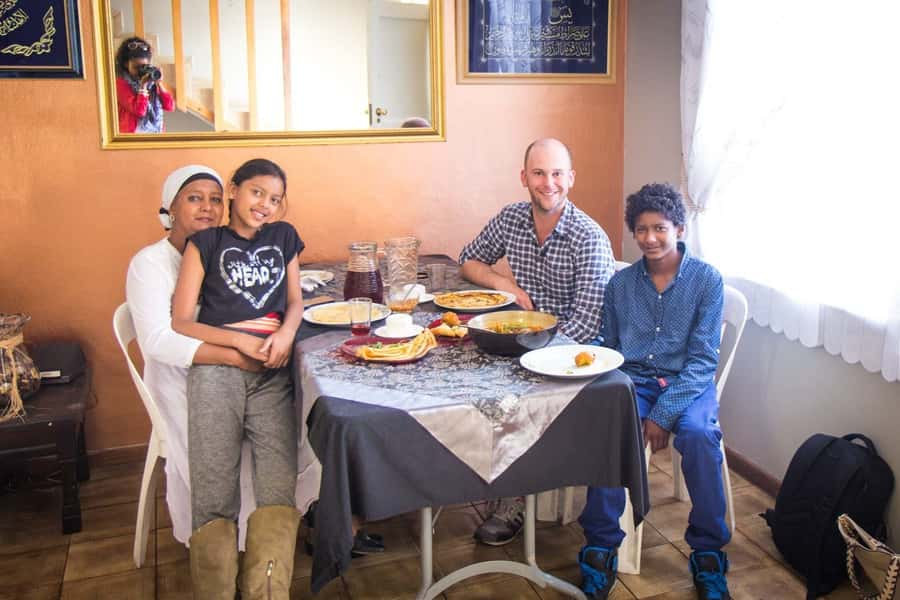
The meal is served after the cooking, and you eat with your host and the rest of the group. This shared table is central to the experience. You are not leaving with a takeaway box. You are sitting down to talk, taste, and compare notes about what you have just prepared.
The portions are described as hearty and plentiful. That makes the class good value if you consider the cost of a guided walk, museum admission, cooking instruction, and a full meal together. Water is included. Alcohol is not included, and this is not presented as a drinking-focused activity.
The atmosphere is informal. You may be sharing the table with people from different countries, and the conversation becomes part of the afternoon. If you prefer a quiet, private cooking lesson, this group format may not suit you. If you enjoy meeting people and eating together, it adds something the average restaurant meal cannot provide.
The best part is that the meal has a story behind it. You have already seen the neighborhood, heard about its traditions, visited a spice shop, and then prepared the dishes yourself. That sequence gives the food more meaning without turning lunch into a lecture.
What the $68 price really covers
At $68 per person, this is not the cheapest way to see Bo-Kaap for an hour. You could walk around the neighborhood independently and take photographs without paying for a tour. But that would leave out the local explanation, the cooking class, the food, and the time spent with a resident.
The value is strongest if you would otherwise pay separately for a city walk and a cooking class. Four hours is enough time to experience both without rushing badly. Museum entry and water are included, along with the meal and recipes. The activity description says food and drinks are not included, but that appears to refer to anything outside the prepared meal and included water, so confirm details if you need a special menu.
I see this as good value for a first visit to Cape Town, especially if you want one activity that combines culture, food, and conversation. It is less useful for someone who only wants a quick photo stop or a polished restaurant demonstration.
Who should book this experience
I would recommend it to first-time visitors who want help understanding Bo-Kaap beyond its colorful houses. It also suits people who enjoy home cooking, local stories, and meals shared around a table.
You do not need to be a confident cook. The host guides the process, and the class is designed so the finished food comes together even if your samosa folds are uneven. Non-cooks can still enjoy the walk, spice lesson, conversation, and meal.
Families with older children may enjoy the practical tasks, though the supplied information does not state a minimum age. Ask before booking if age matters for your group. The activity is conducted in English and includes a live guide.
I would hesitate only if you need a large, highly structured kitchen or a private class. The small cooking space means that participation happens in turns. Also, if you want guaranteed museum time, confirm that point before the day.
Free cancellation is available up to 24 hours before the start, and you can reserve now and pay later. Those terms help if your Cape Town plans are still shifting.
Final verdict: book it for the connection
Book this experience if you want Bo-Kaap to be more than a colorful backdrop. The walking tour gives you local context, and the home cooking adds a personal layer that is hard to get from sightseeing alone.
The strongest reasons to go are the local guides, the spice lesson, the chance to make roti and samosas yourself, and the shared meal at the end. Just arrive ready to take turns in a small kitchen and confirm any dietary needs in advance.
With a 4.7 rating from 105 reviews, this has a strong record, and the repeated praise centers on the same things: warm hosts, clear cultural storytelling, tasty food, and an afternoon that feels personal. For $68, it is a solid choice for anyone who wants to eat their way into Cape Town’s Cape Malay culture.
FAQ
How long does the Bo-Kaap walking tour and cooking class last?
The experience lasts four hours. It includes the cultural walk, the spice shop visit, the cooking class, and the shared meal.
What food will I prepare?
You can expect to help make samosas, chicken curry, roti flatbread, and sambal, which is described as a salsa salad. The meal ends with koesisters and cardamom tea. Some sessions also include chili bites.
Is the meal included in the price?
Yes. The cooking class includes the meal prepared during the session. Water is included, while alcohol is not.
Who leads the experience?
The walking portion may be led by local guides such as Faldela, Gadija, or Ilyas. Faldela is the main cooking host named in the activity information and participant accounts.
Where do I meet the host?
You meet at a purple house with flower pots on top. Check your booking confirmation for the exact meeting instructions and start time.
What should I bring?
Bring comfortable shoes for the cobblestone streets. The activity is conducted in English, and you receive the recipes for the dishes prepared during the class.
More Walking Tours in Cape Town
- Cape Town: Nathi Langa Township Walking Tour
★ 4.9 · 493 reviews - Cape Town: Art, Culture & History Walking Tour
★ 4.9 · 392 reviews - Cape Town: Street Art Walking Tour in Woodstock
★ 4.8 · 293 reviews - Cape Town: Langa Township Walking Tour
★ 4.8 · 272 reviews
Just added around Cape Town
- 100 % Catch Rate Cape Town Wild Tours★ 5.0 · 5 reviews
- Private Cape Town City Evening Tour★ 5.0 · 3 reviews
- Private Cape Town City Tour table Mountain with wine tasting★ 5.0 · 10 reviews
- Cape Town Boat Trip★ 4.0 · 5 reviews
- Cape Town Aquila Private Game Reserve Big Five Safari Adventure★ 5.0 · 4 reviews
- Cape Town Private Birding Tour★ 5.0 · 14 reviews
- Private 2-Day Cape Town Highlights: Robben Island,Table Mountain Tickets & Wine★ 5.0 · 8 reviews
- Private Transfer: CPT Airport to Cape Town in Luxury Van★ 4.0 · 5 reviews
Bo-Kaap Tours, compared.
Cape Town Walking Tour: Bo-Kaap & City Highlights
Read our review →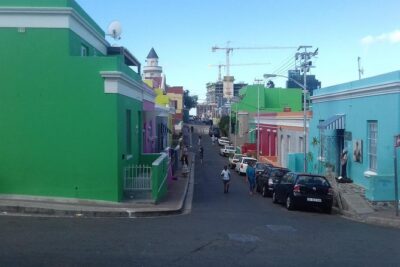



Full-Day Kirstenbosch, Bo-Kaap, and Penguins Tour
Read our review →Browse the lists this tour appears in