
Reviewed · TOWNSHIP TOURS
Cape Town: Authentic 3–4 Hour Cultural Township Experience
Cape Town’s townships are not a sightseeing backdrop. They are living communities shaped by forced removals, racial laws, protest, poverty, resilience, and ongoing change. This three-hour private tour connects those subjects to real places, including District Six, Langa, Bonteheuwel, Gugulethu, and Khayelitsha.
I like the way the experience joins historical sites with everyday life. You may visit a small museum, see different forms of housing, meet a traditional healer, and stop at a shebeen where homemade beer is made. I also like the two-guide setup used on many departures: a driver such as Sam or Loyola handles the wider route, while a local Langa guide leads the walking portion.
The main consideration is emotional weight. You will see poverty and difficult living conditions, and some parts can feel uncomfortable. The tour is best approached with respect and curiosity, not as a quick photo stop.
Key points to know before you book
- District Six begins the story: Learn how about 60,000 people were forcibly removed during the 1970s.
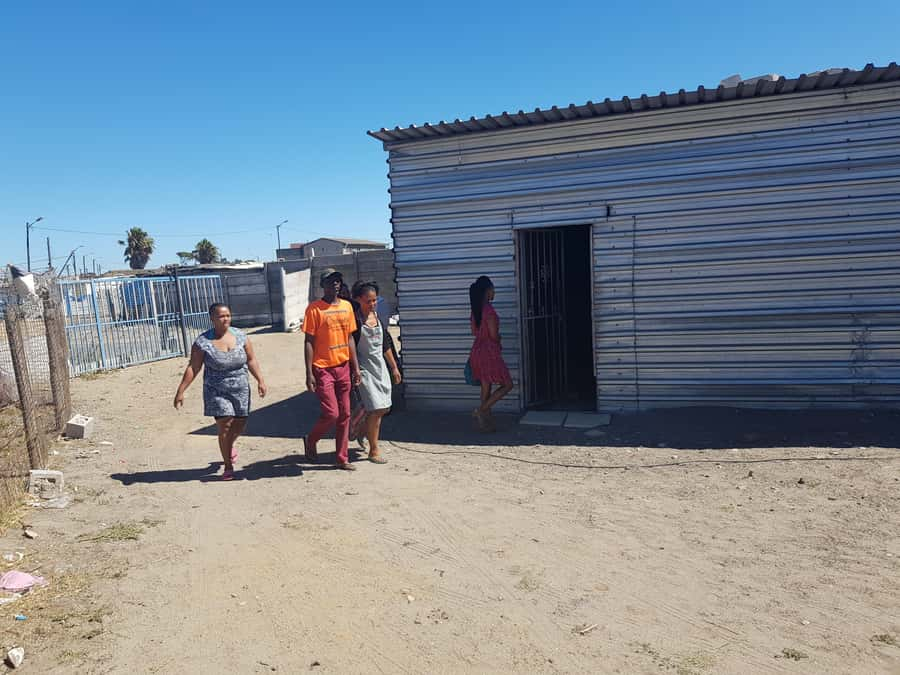
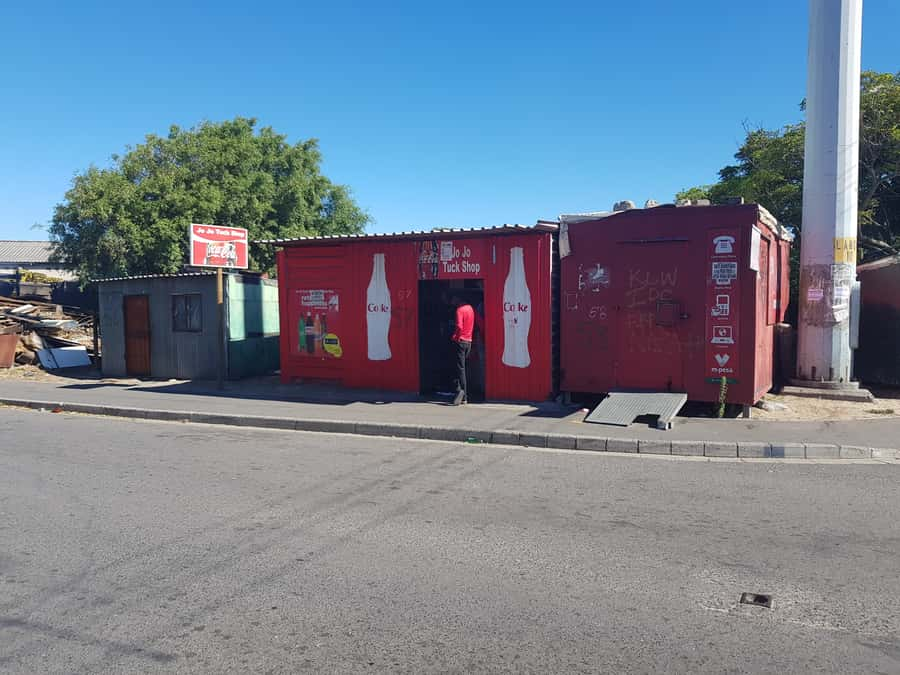
- Langa gives you time on foot: Walk among hostels, shacks, local housing, and historic sites with a local guide.
- The tour includes personal encounters: Meet a traditional healer and see homemade beer being prepared at a shebeen.
- Apartheid’s racial divisions become clear: Bonteheuwel was reserved for the colored community, while other townships were assigned under the same system of separation.
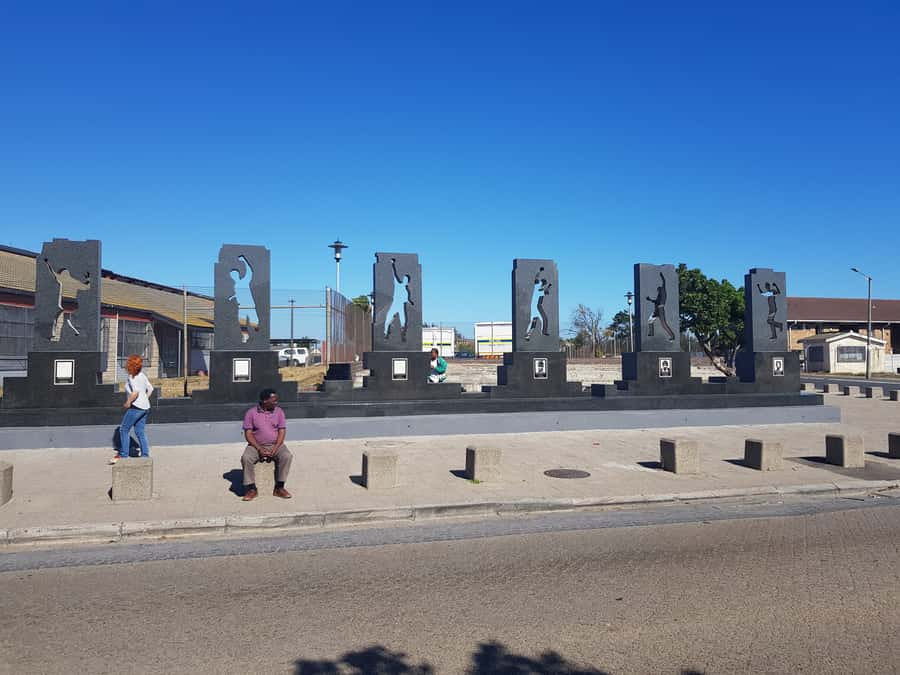
- Memorials add a human scale: Visit the Gugulethu 7 Memorial and the Amy Biehl Memorial.
- Your price covers a private group: The cost is $261 for up to three people, including hotel pickup, drop-off, transport, and the township tour.
Why District Six is the right place to start
The tour opens with District Six, one of Cape Town’s clearest reminders that apartheid was not an abstract political system. It affected streets, homes, schools, work, and family life.
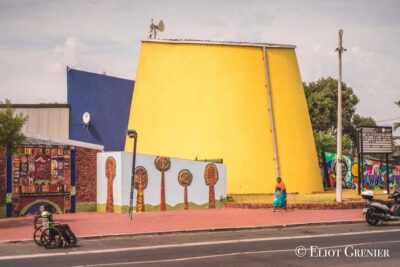
About 60,000 residents were forcibly removed from District Six during the 1970s. Homes were destroyed, and the community was scattered under apartheid’s racial planning. Starting here gives you a useful frame for everything that follows: the townships were not simply poor areas that grew by chance. Many were created or expanded because the government controlled where people could live.
I appreciate this opening because it prevents the rest of the tour from becoming a string of unrelated stops. When you later see hostels, informal housing, and separated communities, you already understand the policy behind that geography.
The District Six portion is primarily historical, so it may feel less personal than the walking section in Langa. That is not a weakness. You need this background first, but the tour becomes more immediate once you leave the vehicle and walk through a township.
More Township Tours in Cape Town
- Half-Day Tour Through Cape Town’s Townships
★ 4.8 · 979 reviews - Cape Town: Guided Township Tour with Hotel Pickup
★ 4.4 · 536 reviews - Cape Town: Nathi Langa Township Walking Tour
★ 4.9 · 493 reviews
Langa, the oldest township on the route
Langa is the central stop. It is described as Cape Town’s oldest township, and the tour uses it to explain how apartheid shaped daily routines as well as residential areas.
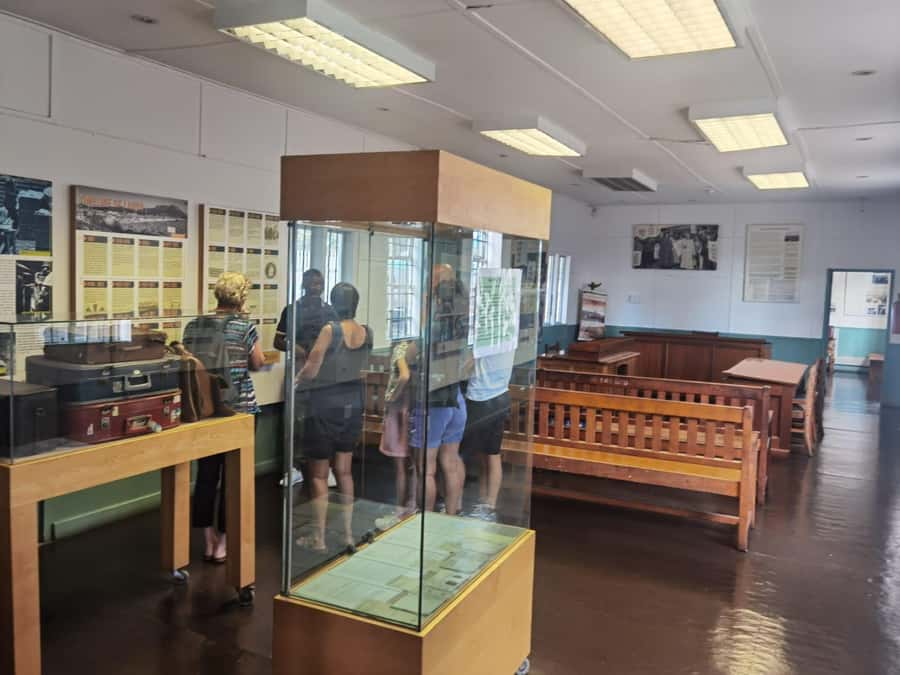
You visit the Old Pass Office and a monument to Robert Sobukwe. These stops connect local places to the pass system and to opposition against apartheid. The pass system controlled the movement of Black South Africans, and one review specifically mentions a small museum explaining the Dumb Card that Black people were required to carry.
That museum visit can be especially useful if you have only a general idea of apartheid. You see how racial control operated through paperwork and movement restrictions, not just through signs and official speeches.
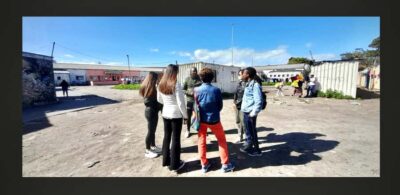
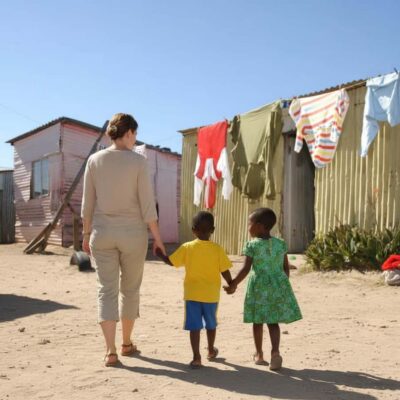
The walking portion then takes you through hostels and shacks. You may see different types of housing and visit a township home. This is where the tour moves from political explanation to the details of ordinary life. Your local Langa guide can answer questions about the homes and the area, and the format allows for conversation rather than a nonstop speech.
Wear comfortable shoes. Three hours is not a long time, but you will walk in Langa, and the route is more rewarding when you are able to pay attention instead of worrying about your feet.
A shebeen, homemade beer, and a traditional healer
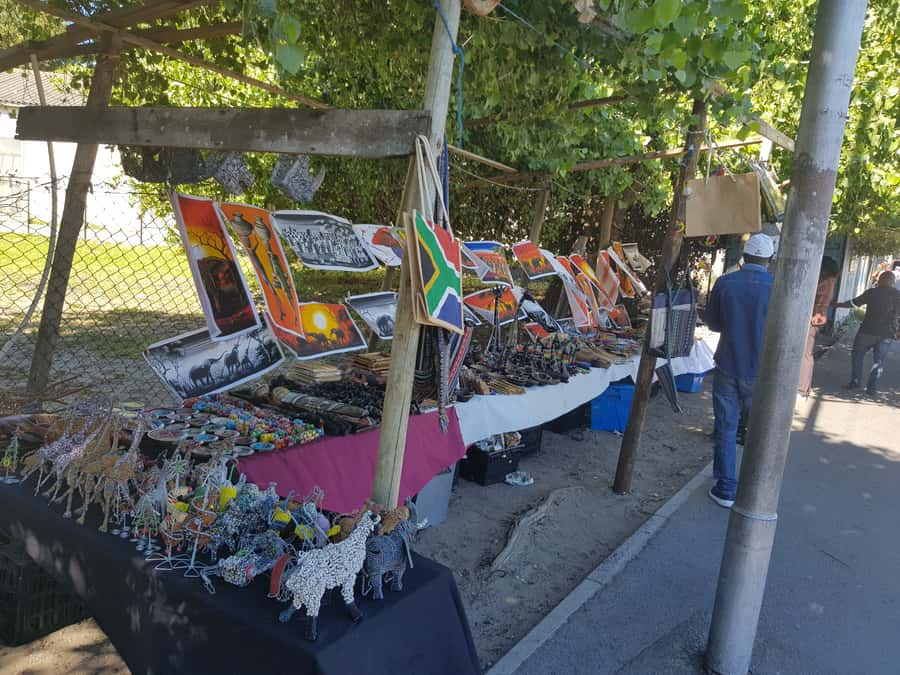
Two of the most unusual stops are the shebeen and the traditional healer. A shebeen is a local pub, and here you may see homemade beer being made and try it if it is available as part of the visit.
Food and drinks are not generally included in the ticket price unless specifically stated, so do not treat the beer as a guaranteed meal or open bar. Ask your guide what is included on your departure. The point of the stop is less about sampling alcohol and more about seeing a social space connected to local life.
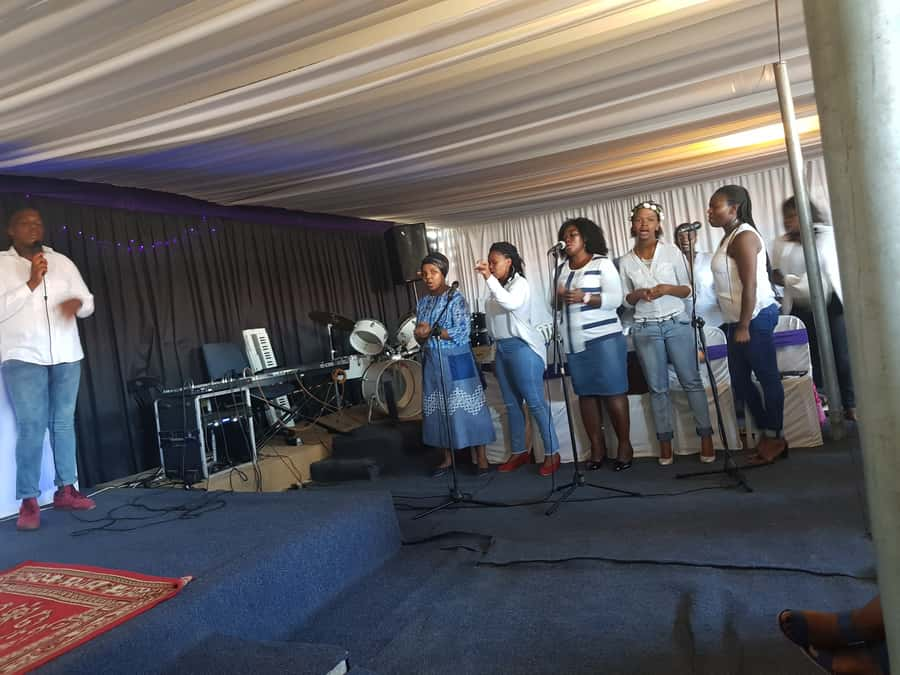
The traditional healer provides another window into cultural practice. You can see a healer in action and ask questions through your guide. This is an area where manners matter. Listen first, ask before photographing, and do not treat the visit as a theatrical performance.
I like these stops because they add texture to the political story. A township is not only a place defined by apartheid or hardship. It is also a place where people work, meet, worship, make food and drink, and maintain cultural traditions.
At the same time, these encounters require care. You are entering someone else’s community and, in some cases, someone’s workplace or home. The tour has a stronger ethical footing when you remain respectful and let your guide explain what is appropriate.
Bonteheuwel and the machinery of racial separation
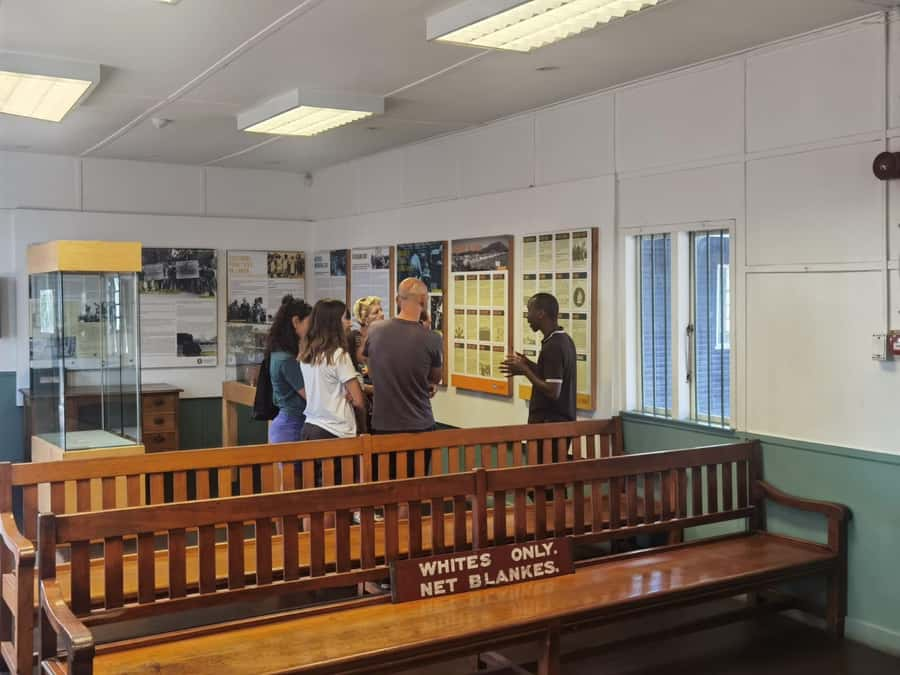
After Langa, the route passes through Bonteheuwel. Under apartheid, this township was reserved for the colored community.
This stop helps explain that racial separation was not a simple two-part system. The government assigned different communities to different areas and used those categories to control housing, movement, education, and access to opportunity. Bonteheuwel lets you compare the way apartheid affected several groups rather than reducing the story to one neighborhood.
The drive itself matters. From a vehicle, you can see how large the distances between communities are and how the city was divided. You will not get a full urban-planning lesson in a three-hour tour, but the route gives you a practical sense of separation that a museum alone cannot provide.
This part may be less interactive than Langa. You may spend more time listening from the minivan than walking through a neighborhood. Still, it fills an important gap in the story and helps you understand why a visit to Cape Town’s central attractions tells only one part of the city’s past.
Same part of Cape Town, a completely different kind of day:
- Cape Town: Hop-On Hop-Off Bus Tour with Optional Cruise
★ 4.8 · 3,929 reviews - Zipline Cape Town – From Foot of Table Mountain Reserve
★ 5.0 · 3,179 reviews - Cape Town: Table Mountain Cable Car, Hop-On Hop-Off Bus Tour
★ 4.6 · 3,157 reviews - From Cape Town: Big Five Game Reserve with Lunch
★ 4.6 · 2,409 reviews
The Gugulethu 7 Memorial and the Amy Biehl Memorial
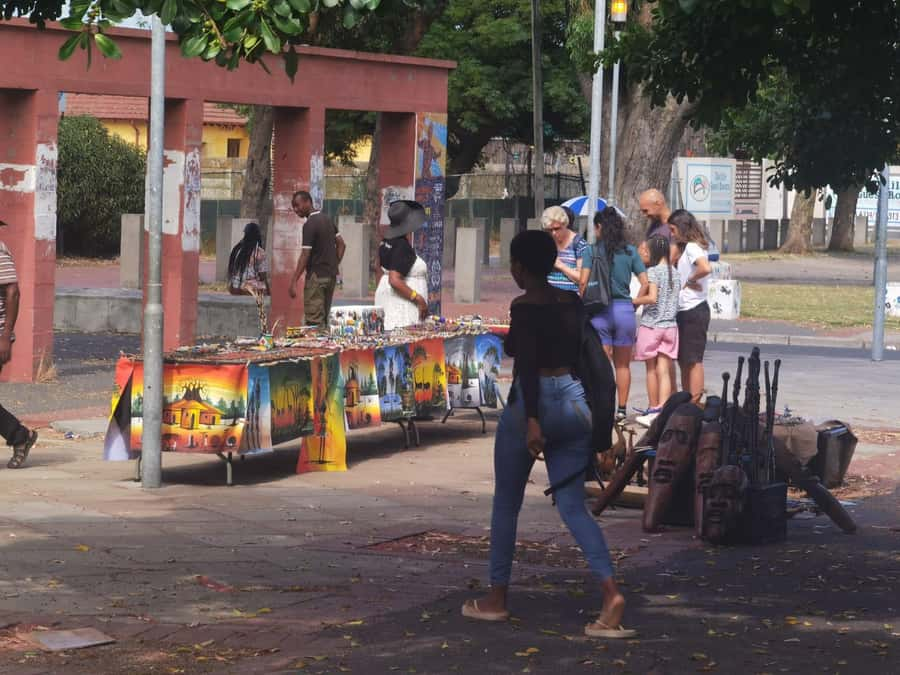
The Gugulethu 7 Memorial honors seven members of an anti-apartheid group who were killed by South African police in 1986. It is a serious stop, and your guide can explain the event in its local setting.
Memorials work differently from general background information. Instead of discussing a large political system, they bring you face to face with named people and a particular act of violence. I find that this makes the cost of apartheid easier to grasp.
The tour also visits the memorial to Amy Biehl, an American student who was murdered by PAC supporters in 1993. Her death belongs to the tense period near the end of apartheid and reminds you that the violence was not limited to one side of the political divide.
These stops deserve quiet attention. They are not places for hurried photographs or light conversation. If you want a tour focused only on food and informal encounters, this section may feel heavy. If you want a clearer understanding of the people and conflicts behind South Africa’s transition, it is one of the most valuable parts of the route.
Khayelitsha and the Philani Center
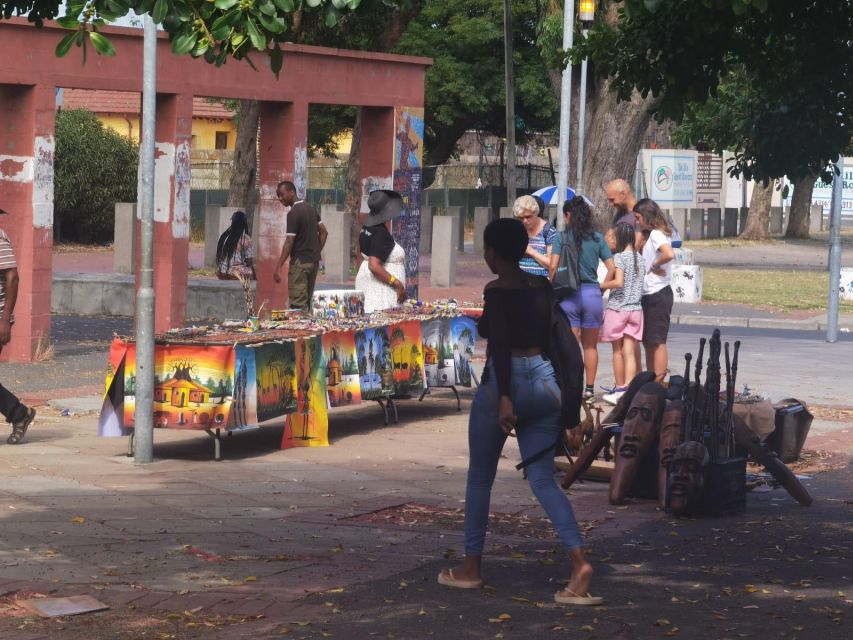
The final township on the route is Khayelitsha. Here you hear about the work of the Philani Center with local mothers and children.
This ending shifts the focus from what happened under apartheid to the work still needed today. The center’s focus on mothers and children gives you a concrete example of local support rather than leaving the tour with only a list of problems.
The visit does not promise a full social-development briefing, and three hours cannot explain every challenge facing Khayelitsha. But the Philani Center gives you a way to think about community action, donations, and practical help.
One useful point from the experience is that local communities can benefit from support connected with the tour, including donations that help improve facilities for children. That does not make the visit a charitable transaction, and you should not assume that buying a tour solves local problems. It does mean the experience can connect you with community work in a more direct way than sightseeing alone.
The guides make the difference
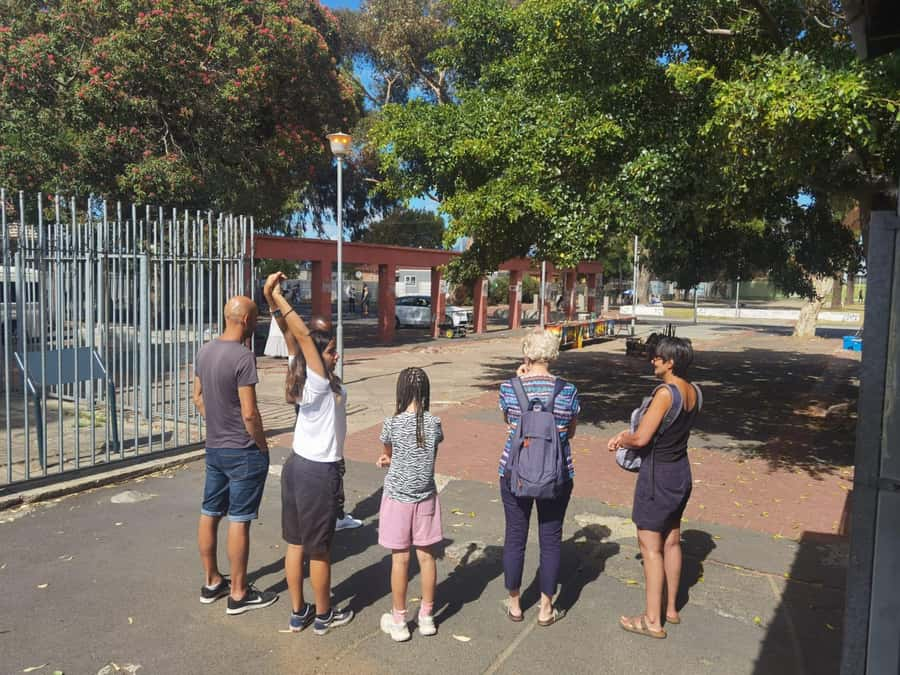
The guide quality matters greatly on a tour like this. The driver and guide need to explain painful subjects clearly, answer questions without rushing, and help you behave respectfully in local communities.
Sam is identified as the owner and guide on some departures. Loyola is another guide praised for clear explanations, patience, and an engaging manner. On some tours, a separate local Langa guide joins the group for the walking section. This arrangement is useful because the driver can explain the wider Cape Town route while the local guide provides direct knowledge of Langa.
You should expect an English-speaking guide. The tour is private, so a group of up to three can ask questions freely and set a comfortable pace within the three-hour schedule. A private group also makes the experience feel less like a bus excursion, though the quality will still depend on the guide assigned that day.
Several details make a difference:
- Ask questions. The guides are prepared to discuss apartheid, township life, and the meaning of the memorials.
- Be careful with photographs. Always ask before photographing people, homes, healers, or community spaces.
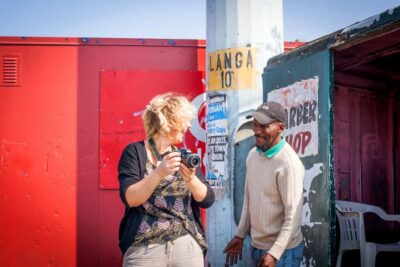
- Listen to the local guide. The Langa walk is not just a chance to see housing. It is a chance to understand what you are seeing.
- Bring comfortable shoes and leave oversized luggage behind.
Is $261 a fair price for three hours?
The price is $261 per private group of up to three people. That works out to $87 per person if three people share the cost, before any optional tip or extra food and drink.
That is not a bargain-priced group outing. The value comes from the private format, hotel pickup and drop-off, air-conditioned minivan transport, an English-speaking guide, and access to a route covering several townships and memorials in a short time.
For one person, the price is harder to justify unless private transport and focused conversation are important to you. For three people, it becomes more reasonable. You are paying for a compact, guided introduction to a difficult part of Cape Town that would be hard to organize sensibly on your own.
The tour does not include lunch, and food and drinks are not included unless specified. Tips are optional and extra. Keep that in mind when comparing the total cost with longer excursions.
Free cancellation up to 24 hours before the start and the reserve-now, pay-later option give you some flexibility. The experience lasts three hours, with starting times subject to availability.
Who should book this Cape Town township tour?
I would recommend it to you if you want historical context alongside direct contact with local communities. It suits first-time visitors who want to understand more than the postcard version of Cape Town, as well as returning visitors who have already seen the main central sights.
It is also a good choice for people who prefer a private group and want to ask detailed questions. The tour can work well for couples, families, or a small group of friends, especially when three people share the cost.
You should think twice if you want a light, purely social outing. The forced removals, police killings, poverty, and continuing social pressures are central to the experience. The tour is educational and human, but it is not carefree.
The tour is wheelchair accessible, although the walking route and specific surfaces are not described in detail. If you use a wheelchair, confirm the walking arrangements when booking. Pets, smoking, and oversized luggage are not allowed.
Should you book it?
Book this tour if you want to understand how apartheid shaped Cape Town and if you are willing to meet the subject with respect. The combination of District Six, Langa, Bonteheuwel, Gugulethu, and Khayelitsha gives you more than a single neighborhood visit, while the local guide, healer, shebeen, memorials, and Philani Center add human detail.
I especially recommend it for three people sharing the private-group price. Go with comfortable shoes, an open mind, and realistic expectations. You will not see every side of township life in three hours, but you will leave with a clearer sense of how Cape Town’s past still affects its communities today.
FAQ
How long does the Cape Town township tour last?
The tour lasts three hours.
What is the price of the tour?
The price is $261 per private group of up to three people.
What areas does the tour visit?
The route includes District Six, Langa, Bonteheuwel, Gugulethu, and Khayelitsha.
Is hotel pickup included?
Yes. Hotel pickup and drop-off are included.
Is transportation included?
Yes. Transportation is provided in an air-conditioned minivan.
What language is the tour conducted in?
The live tour guide speaks English.
Is this a private tour?
Yes. It is offered as a private group experience for up to three people.
Is food included?
No. Food and drinks are not included unless specifically stated. Lunch is also not included.
What should I bring?
Bring comfortable shoes. Oversized luggage is not allowed.
Is the tour wheelchair accessible?
Yes, the activity is listed as wheelchair accessible. For details about the walking portion, confirm arrangements when booking.
Just added around Cape Town
- 100 % Catch Rate Cape Town Wild Tours★ 5.0 · 5 reviews
- Private Cape Town City Evening Tour★ 5.0 · 3 reviews
- Private Cape Town City Tour table Mountain with wine tasting★ 5.0 · 10 reviews
- Cape Town Boat Trip★ 4.0 · 5 reviews
- Cape Town Aquila Private Game Reserve Big Five Safari Adventure★ 5.0 · 4 reviews
- Cape Town Private Birding Tour★ 5.0 · 14 reviews
- Private 2-Day Cape Town Highlights: Robben Island,Table Mountain Tickets & Wine★ 5.0 · 8 reviews
- Private Transfer: CPT Airport to Cape Town in Luxury Van★ 4.0 · 5 reviews
Township Tours, compared.


Browse the lists this tour appears in