
Reviewed · TOWNSHIP TOURS
Cape Town: Langa Township Walking Tour
Langa is not a staged cultural show. It is a living Cape Town community, and a local guide helps you understand what you are seeing rather than simply passing through. You’ll hear how apartheid shaped the township, meet people involved in local projects, and see both hardship and determination on the same short walk.
I like the way the tour puts local guides at the centre, with guides such as Wanda, Mike, Thando, and Mzukisi sharing personal knowledge of the area. I also like the mix of history and present-day life, from the Langa Heritage Museum to art spaces, small businesses, community projects, and a local home.
The main consideration is that this is a serious, sometimes emotional experience, not a light sightseeing stroll. You’ll walk a lot, see difficult living conditions, and need to behave with care around residents, children, homes, and photography.
Key points to know before you go

- Local guides lead the walk: Guides connected to Langa explain the township through personal stories, local history, and community relationships.
- Guga S’thebe is the meeting point: The arts centre sets the tone with creative work, cultural activity, and the visitor centre.
- The route mixes past and present: Expect the Langa Heritage Museum, art spaces, community projects, homes, local businesses, and street scenes.
- It is a real walking tour: The main guided section lasts about two hours within a total duration of 150 minutes.
- Bring small cash if you can: Donations, tips, local food, and crafts may require separate payment.
- Use respectful curiosity: Ask questions, follow photography guidance, and never treat residents or children as scenery.
Why Langa belongs on your Cape Town itinerary
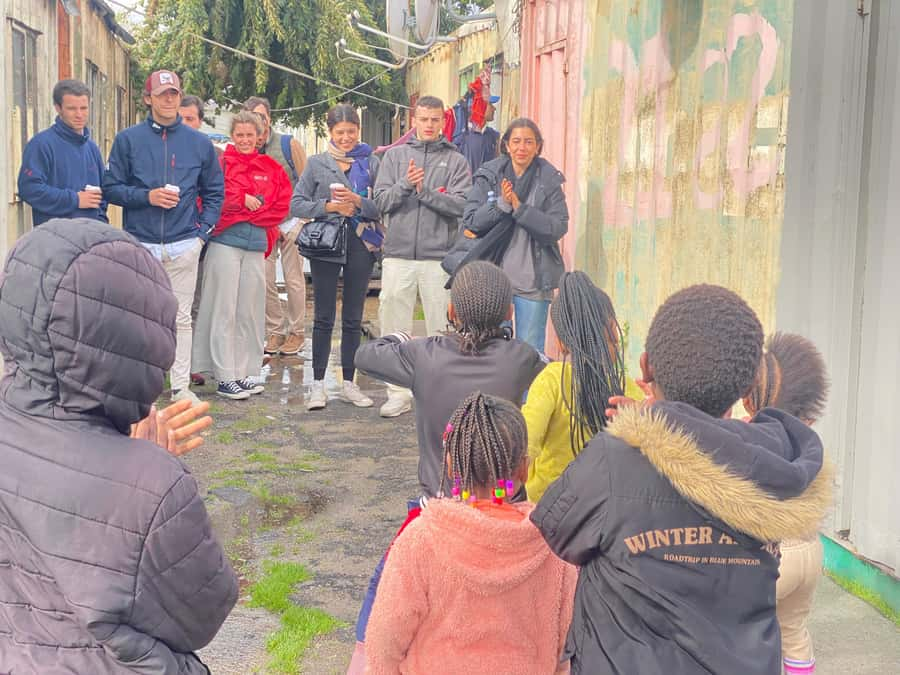
Many Cape Town visitors see townships from a vehicle window while moving between the airport and the city. That gives you almost no sense of how people live, work, organise, and create community. This tour slows the journey down and puts you on foot.
Langa was established in the 1920s and is one of South Africa’s oldest townships. Its name means sun in Xhosa. The guide explains how apartheid planning affected housing, movement, work, and family life, then connects that past to the issues facing residents today.
That connection matters. A museum can explain a policy, but a local guide can show you how history still affects streets, homes, jobs, and opportunity. The best guides also make room for more than hardship. You will hear about youth work, social enterprises, cooperatives, artists, entrepreneurs, and people trying to improve life in their own neighbourhood.
I would not book this tour simply to see an exotic part of Cape Town. Book it because you want a fuller picture of the city and are willing to listen. The experience works best when you arrive ready to ask thoughtful questions rather than expecting a neat, comfortable story.
More Township Tours in Cape Town
- Half-Day Tour Through Cape Town’s Townships
★ 4.8 · 979 reviews - Cape Town: Guided Township Tour with Hotel Pickup
★ 4.4 · 536 reviews - Cape Town: Nathi Langa Township Walking Tour
★ 4.9 · 493 reviews
Meeting at Guga S’thebe Arts and Cultural Centre
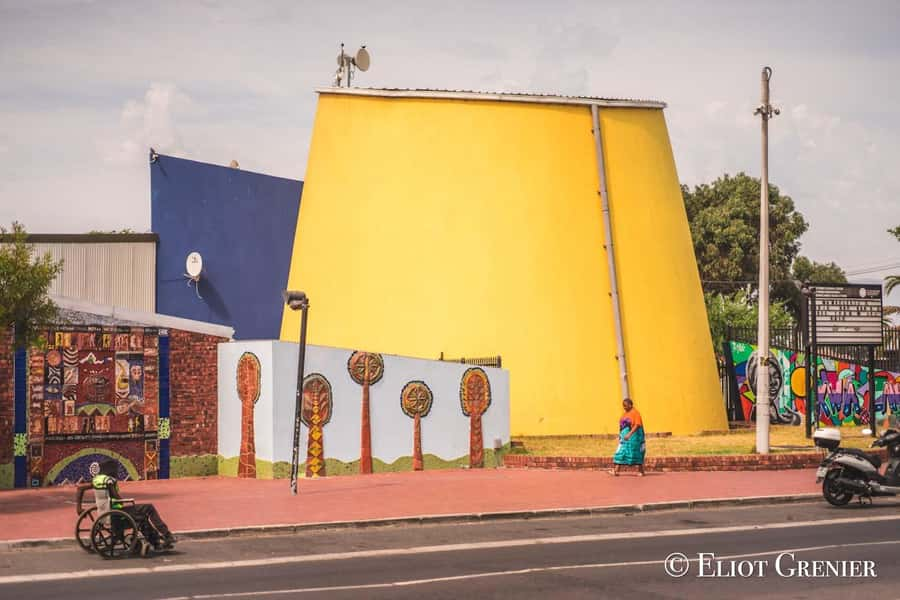
The tour meets at Guga S’thebe Arts and Cultural Centre on 42 King Langalibalele Drive. This is a useful starting point because it introduces Langa through creativity and community work before the walking begins.
Guga S’thebe is linked with arts, crafts, music, and cultural activity. Depending on the timing and what is taking place, you might see local creative work, visit the centre’s market area, or take part in a short music or drum activity. A traditional dance presentation is also listed as part of the visitor-centre stop, although the exact program can vary.
The centre helps prevent the tour from becoming a simple poverty tour. You begin by seeing what people make and organise, not only what they lack. It also gives you a chance to settle in with your guide and learn how to move through the community respectfully.
Allow a few minutes to get oriented before setting off. Wear comfortable shoes and clothing. This is a walking route over roughly two hours, with time spent standing, listening, entering community spaces, and stopping for photographs.
Langa’s past at the Heritage Museum

The Langa Heritage Museum gives the historical section a physical focus. Here you can expect exhibits connected to the township’s past, apartheid-era controls, and the people who lived through them.
A key subject is the old system of movement control. The tour can include discussion of the dompas, the pass document that restricted where Black South Africans could live and work. Some routes also include former civic or legal spaces, such as a dompas office and courtroom. These places make the laws feel less distant and abstract.
Your guide is important here. Names and backgrounds vary, but several guides are Langa residents or closely connected to the area. Wanda, Mike, Thando, Mzukisi, Luvuyo, Loyiso, and others have led tours at different times. A guide such as Mzukisi, who was born and raised in Langa, can explain the subject through family and community experience. Someone such as Mike may bring a more personal, energetic style and answer a wide range of questions.
Do not rush this part. The museum is not just another stop to tick off. It gives you the context needed for everything that follows. Without it, a small home, a crowded street, or a community project can be easy to misread.
Walking through daily life, not just landmarks
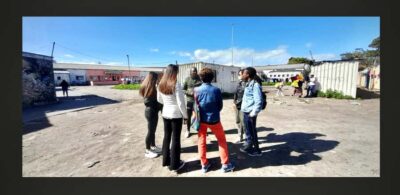
After the historical introduction, the route moves into the streets of Langa. This is where the tour becomes more personal and less predictable.
You may pass different types of housing, including small homes, container homes, and areas where conditions are much harder. Some parts of Langa have better facilities and more established buildings than others. The contrast is part of the lesson. Township life is not one single experience, and a short walk can show you both struggle and progress.
The guides also point out local businesses, workshops, community projects, and social enterprises. One activity mentioned on the route is Cloudy Deliveries, an example of a small enterprise connected to local work and opportunity. You might also see a homework centre, nursery, cooperative, or other project, depending on the day and operating hours.
This is one of the strongest parts of the tour because you are not only hearing about problems. You are seeing people create income, support children, teach skills, and build services where formal support may be limited.
The route can feel emotionally uneven. One minute you may be discussing housing or unemployment, and the next you may be meeting a friendly shopkeeper or looking at colourful artwork. That mixture is more honest than a tour that presents Langa as either hopeless or perfectly cheerful.
More Walking Tours in Cape Town
- Cape Town: Art, Culture & History Walking Tour
★ 4.9 · 392 reviews - Cape Town: Street Art Walking Tour in Woodstock
★ 4.8 · 293 reviews - Cape Town: Private Walking Tour with a Local
★ 4.6 · 243 reviews - The 10 Tastings of Cape Town With Locals: Private Food Walking Tour
★ 4.5 · 169 reviews
Art, murals, and the Langa Art Gallery on 16
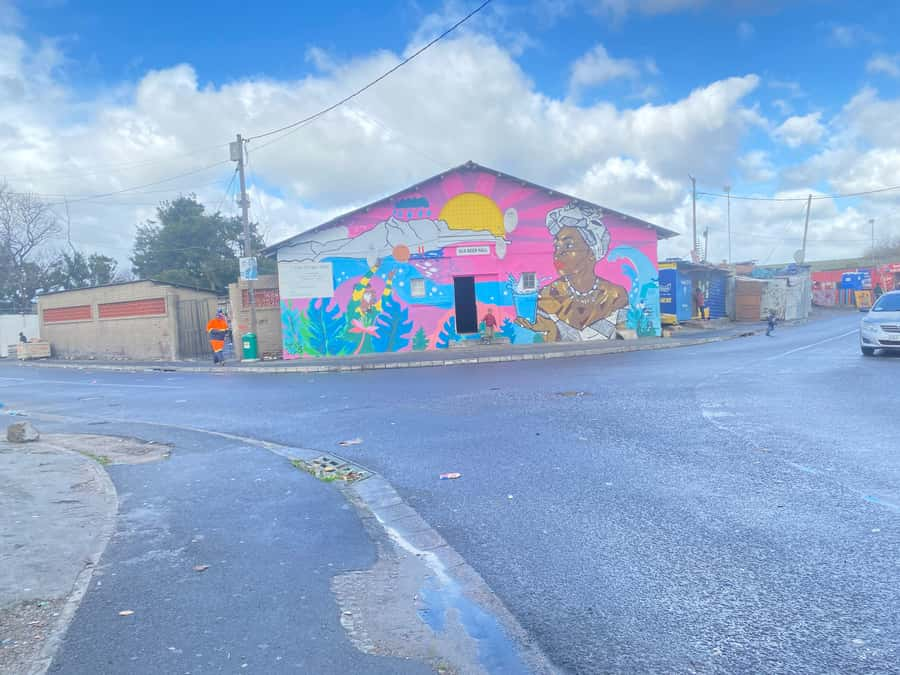
Art gives Langa another voice. Street murals and painted walls reflect local identity, social concerns, hopes, and pride. Your guide can explain how public art works as both decoration and commentary.
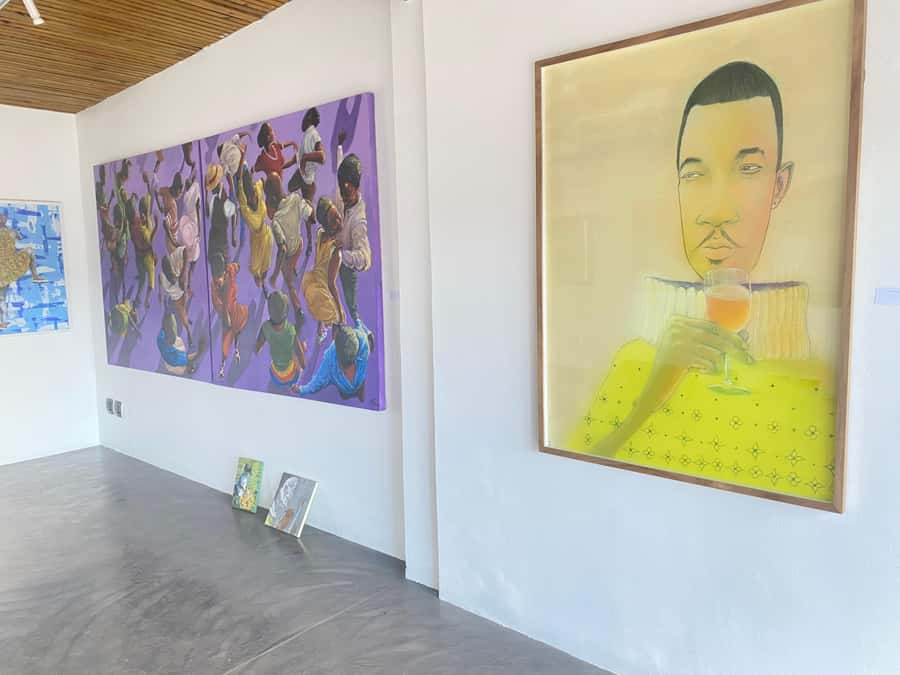
The Langa Art Gallery on 16 is included in the experience. It adds a quieter setting where you can look closely at local work and, in some cases, meet people connected with the art scene. The exact artists and displays can change, so think of this as a chance to encounter local creativity rather than a fixed museum collection.
Guga S’thebe and the gallery also offer a useful counterpoint to the historical sites. The museum looks back at the forces that shaped Langa. The art spaces show how people respond to those forces now.
Crafts may be available for purchase, but they are not included in the $37 price. If you want to buy something, carry enough cash and treat purchases as direct support for local makers rather than part of the admission.
Meeting residents and visiting a local home
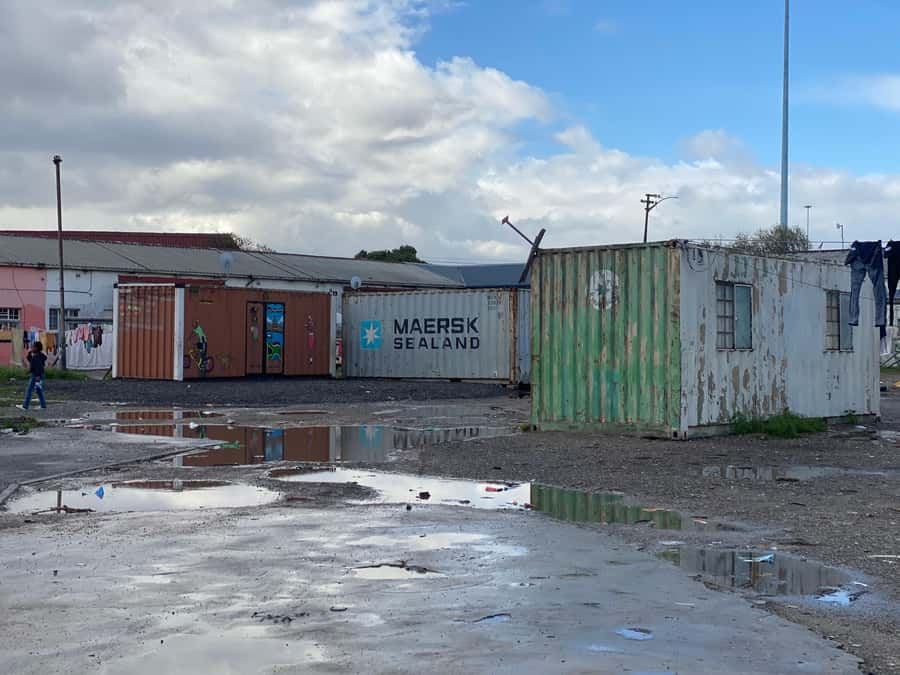
A local home visit is included. This can be one of the most meaningful parts of the walk, but it also requires the most care.
You are being welcomed into someone’s personal space, not entering a public attraction. Listen to your guide about where to stand, what to photograph, and when to ask questions. Do not assume that a warm welcome removes the need for privacy.
The point of the visit is to understand ordinary life in Langa more closely. It can help you think about space, household arrangements, community ties, and the practical realities behind the larger history. It is also a reminder that the tour is built around people, not buildings.
Some routes may include a nursery, homework centre, or other project involving children. This is an area where you should be especially careful. Do not photograph children unless you have clear permission, and follow the guide’s instructions. A donation to a local project may be more useful than bringing sweets, toys, books, or pencils. Unplanned gifts can create competition or put pressure on children.
Food, markets, and a taste of Langa
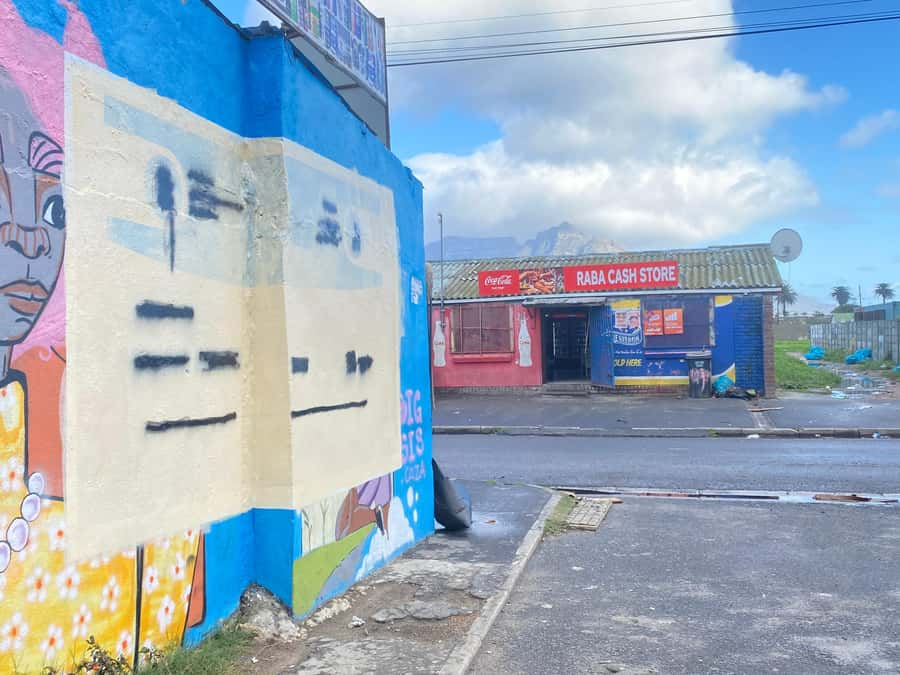
The route may include a market, food stall, local eatery, or community restaurant. Possible tastes mentioned for this experience include bunny chow, braai, koeksisters, samp, chakalaka, and other South African dishes.
Food gives you a simple way to understand community life. It is linked with family gatherings, celebrations, work, and hospitality. A guide may also suggest a local sandwich or explain how a dish fits into everyday life.
You should treat food stops as optional spending rather than part of the advertised price. Carry cash in small denominations if you want to eat, buy crafts, or make a donation. Tips for the guide are also not included, and the tour specifically asks you to remember the guide’s tip.
Do not expect a restaurant-focused outing. Food is one thread in a larger walk. The main value is the conversation around it and the chance to support a small local business.
Safety, manners, and the ethics of a township tour
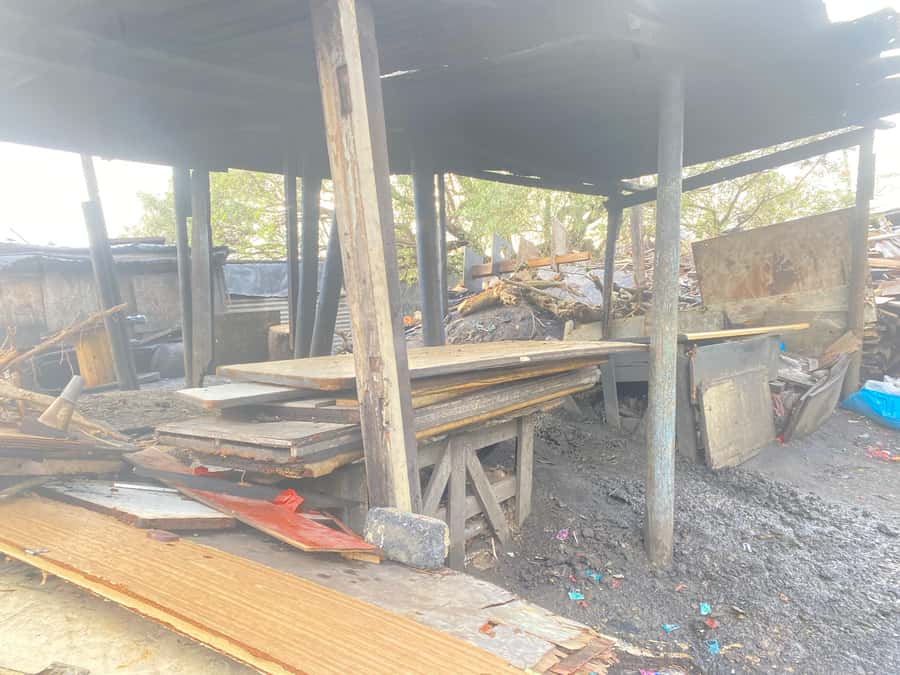
Safety is a common concern when you consider visiting a township. The tour is led by a local guide, and the guide stays with you throughout the route. Guides such as Wanda, Thando, Mike, and Mzukisi have been praised for making people feel looked after and for explaining where they are going.
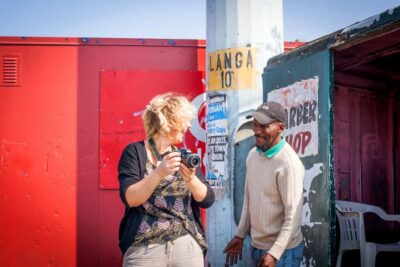
Still, common sense matters. Keep valuables secure, stay with the guide, and do not wander off to take pictures. Ask before photographing people, homes, shops, artwork, or children. A camera can turn a normal moment into an uncomfortable one very quickly.
The ethical question is just as important as the safety question. You should not approach Langa as a place where you can collect dramatic images. Look at people as neighbours and hosts. Pay for food and crafts when you choose them, tip the guide, and give donations through established local projects rather than handing items to children in the street.
A good guide will help you avoid awkward behaviour. You can ask direct questions about poverty, housing, apartheid, education, or community projects, but listen to the answer and accept that one person cannot speak for everyone in Langa.
What $37 buys you
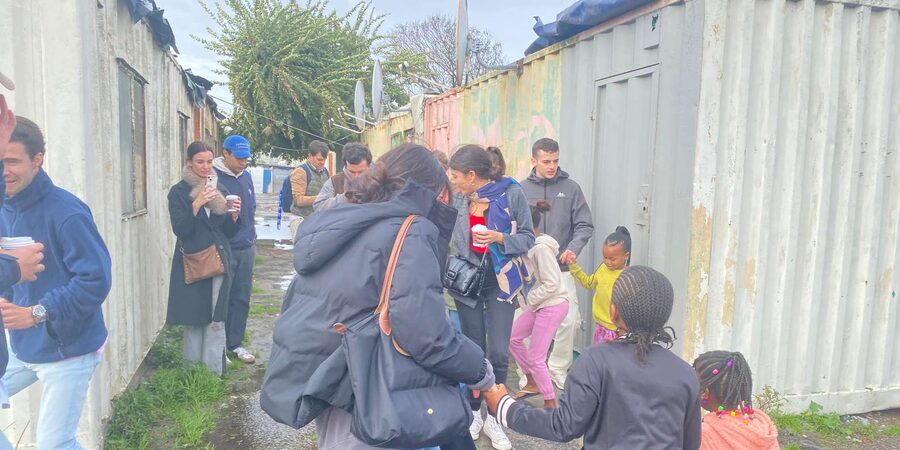
At $37 per person, this is a reasonably priced half-day activity for Cape Town. The fee covers a qualified English-speaking guide, the walking tour, the listed cultural stops, a local home visit, and Langa Art Gallery. It does not cover crafts, food, or tips.
The value comes from access and interpretation. You could drive past Langa for less, but you would not understand what you are seeing. You could visit a museum on your own, but you would miss the local connections, street context, and personal stories that bring the history into the present.
The price is especially fair if your guide tailors the walk to your interests. One-on-one and small-group experiences may allow more questions and a slower pace. A larger group could feel less personal, though the available group size is not specified, so check when booking if that matters to you.
The tour also directly benefits Langa through local guides and community-linked stops. That does not make every part of the experience perfect, but it gives your money a clearer local connection than a standard sightseeing drive.
Time, access, and practical details
The total duration is 150 minutes. The guided walking portion is listed as two hours, with about 15 minutes at the visitor centre and a 10-minute photo stop included in the schedule. In practice, allow the full two and a half hours and avoid booking another activity immediately afterward.
English is the tour language. The meeting point is Guga S’thebe Arts and Cultural Centre, and the tour returns to 42 King Langalibalele Drive.
The activity information contains a contradiction about access. It says wheelchair accessible in one section, but also says the experience is not suitable for wheelchair users. Since this is a walking tour through community streets and the route may include uneven or constrained areas, contact the provider before booking if you use a wheelchair or have limited mobility.
Comfortable shoes are essential. Dress simply and practically. Bring water, sun protection, a phone or camera used with permission, and small cash for tips, food, donations, or crafts.
Free cancellation is available up to 24 hours before the start, and you can reserve now and pay later. That flexibility is useful if your Cape Town plans depend on weather or changing sightseeing times.
Who will appreciate this walk most
I would recommend Langa to you if you want history tied to real streets and real people. It is a good choice for adults, older children, students, photographers who can work respectfully, and anyone who wants more than Cape Town’s best-known sights.
Families can enjoy it, but parents should prepare children beforehand. Explain that people are not attractions, ask before taking pictures, and remind them to stay with the guide. The walking distance was manageable for some families with teenagers, but younger children may find the serious subject matter tiring.
This is less suitable if you want a polished cultural performance, a relaxed food tour, or a quick bus excursion. The experience can be confronting, and conditions may be uncomfortable to see. That is part of its value, but it is not something to hide behind cheerful marketing.
Should you book the Langa Township Walking Tour?
Book it if you want to understand Cape Town beyond the postcard view. The mix of the Heritage Museum, Guga S’thebe, local art, community work, a home visit, and street-level conversation gives you a useful view of both history and daily life.
I would make three small preparations: wear good shoes, bring modest cash, and agree in advance that your group will follow photography and child-protection guidance. If you can request a guide, names such as Wanda, Mike, Thando, or Mzukisi have been associated with warm, personal tours, though availability changes.
The tour will not give you every answer about Langa. It can give you better questions and a more grounded understanding of the city. At $37, that is a strong return, especially if you value local contact, honest conversation, and community-based tourism over a quick look from a vehicle.
FAQ
Where does the Langa Township Walking Tour meet?
The meeting point is Guga S’thebe Arts and Cultural Centre at 42 King Langalibalele Drive in Langa.
How long does the tour last?
The total duration is 150 minutes, or two and a half hours. The guided walking section is listed as two hours, with additional time at the visitor centre and a photo stop.
What language is the tour conducted in?
The tour is conducted in English with a live English-speaking guide.
What is included in the price?
The price includes a qualified tour guide, a visit to one local home, the Langa Art Gallery, and the guided township walk. Food, crafts, and the guide’s tip are not included.
Do I need to bring cash?
Small cash is useful if you want to buy food or crafts, donate to local community projects, or tip the guide. These costs are separate from the tour price.
Is the tour suitable for wheelchair users?
The activity details give conflicting information, listing it as wheelchair accessible while also saying it is not suitable for wheelchair users. Contact the provider before booking to confirm whether the current route meets your needs.
Just added around Cape Town
- Private Cape Town City Tour table Mountain with wine tasting★ 5.0 · 10 reviews
- 100 % Catch Rate Cape Town Wild Tours★ 5.0 · 5 reviews
- Private Cape Town City Evening Tour★ 5.0 · 3 reviews
- Cape Town Boat Trip★ 4.0 · 5 reviews
- Cape Town Aquila Private Game Reserve Big Five Safari Adventure★ 5.0 · 4 reviews
- Cape Town Private Birding Tour★ 5.0 · 14 reviews
- Private 2-Day Cape Town Highlights: Robben Island,Table Mountain Tickets & Wine★ 5.0 · 8 reviews
- Private Transfer: CPT Airport to Cape Town in Luxury Van★ 4.0 · 5 reviews
Township Tours, compared.



Browse the lists this tour appears in