

Reviewed · TOWNSHIP TOURS
Chameleon Tour – An Authentic Township Cultural Experience
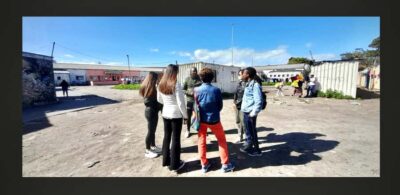
Cape Town’s township story is best understood on foot, with a local guide who can explain not just what you see but why it matters. This four-hour Chameleon Tour takes you through Langa, visits community spaces, and links daily life with the painful story of apartheid.
I like the direct contact with residents and the fact that part of your fee supports early childhood education and HIV-AIDS projects. I also like the mix of present-day community life and serious historical stops. The main catch is time: the District Six Museum visit may be rushed or treated as optional, so you may not get a full museum visit within the four-hour schedule.
Key points at a glance

- Walk Langa with a local guide: You see homes, schools, small businesses, and community projects while hearing personal stories from someone connected to the area.
- Meet community members: The route may include a school or creche, a traditional healer known as a sangoma, and local cultural spaces.
- Connect apartheid history to real places: District Six, the Gugulethu Seven Memorial, and the Amy Biehl Memorial give the tour a serious historical core.
- Try a local beer: The optional shebeen stop offers a traditional South African beer in an informal neighborhood pub.
- Use your money well: A portion of the proceeds supports community upliftment, early childhood education, local entrepreneurs, and HIV-AIDS projects.
- Allow for plenty of walking: Wear comfortable shoes and be ready for a tour that runs in rain or sunshine.
Why Langa gives this tour its character
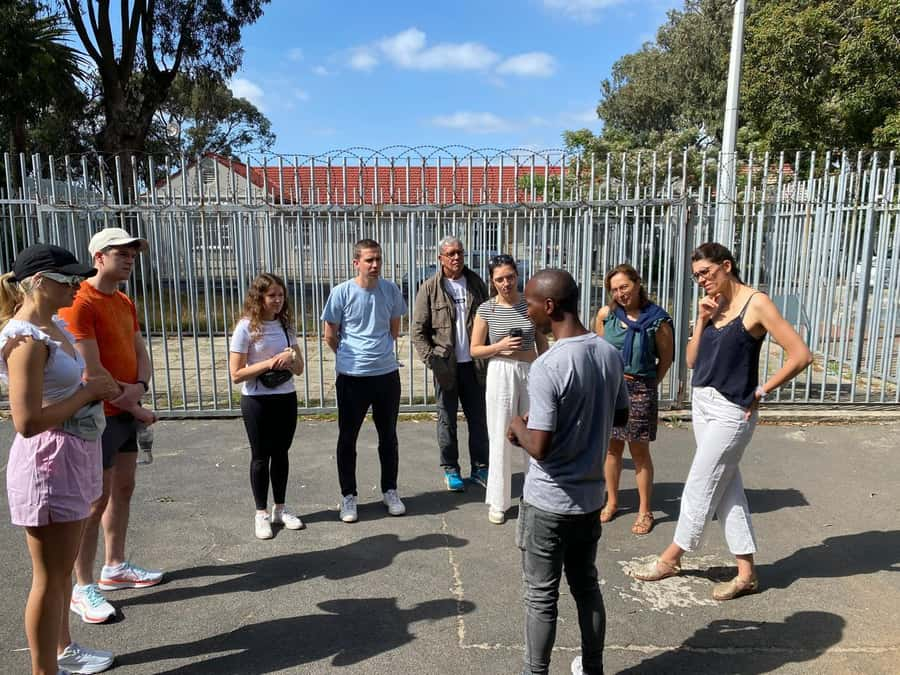
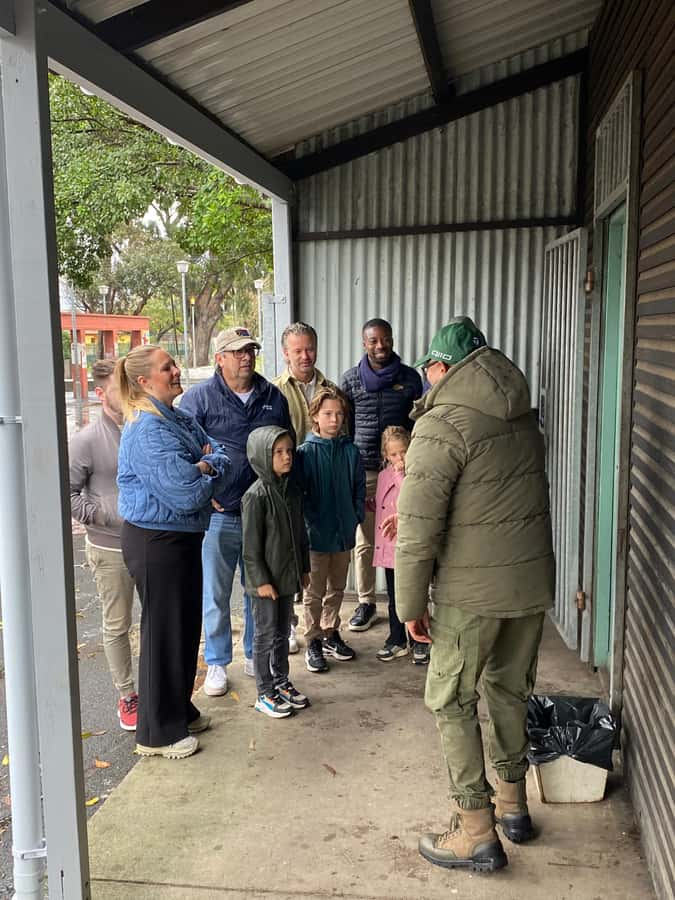
Langa is not presented as a stage set for sightseeing. You walk through working neighborhoods, where homes, shops, schools, and gathering places form the setting for ordinary life. That matters because a township visit can easily become a quick drive-by with a few photographs. Here, walking slows the pace and gives your guide room to explain what you are seeing.
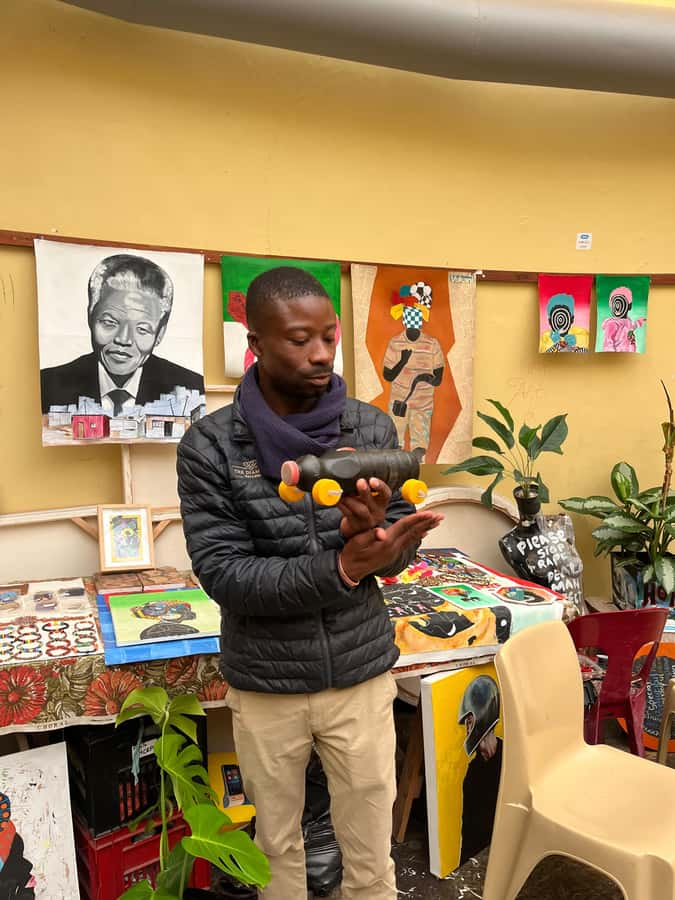
The tour is led in English by a local guide, and the experience is designed around small groups. That gives you a better chance to ask questions and listen to personal stories rather than follow a large crowd through a fixed script. Guide Jerry is specifically praised for his personal connection to the community and his ability to explain its past and present. If Jerry is leading your group, expect the human story to be at the center of the day.
You may visit homes, schools, businesses, and community projects. The exact balance can vary, but the point is to see more than poverty or hardship. You get a picture of community effort, local enterprise, education, and the ways people continue to build a future together.
More Township Tours in Cape Town
- Half-Day Tour Through Cape Town’s Townships
★ 4.8 · 979 reviews - Cape Town: Guided Township Tour with Hotel Pickup
★ 4.4 · 536 reviews - Cape Town: Nathi Langa Township Walking Tour
★ 4.9 · 493 reviews
Walking through homes, schools, and local businesses
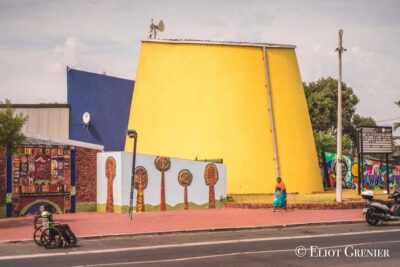
The most meaningful part of the route is likely to be the contact with community spaces. A stop at a school or creche gives you a look at early childhood education, one of the areas supported by the tour’s community contribution. It also helps explain why local projects need outside income and practical support.
A visit to a traditional healer, or sangoma, adds another layer. This is not simply a photo opportunity. Your guide can explain the role of traditional healing in local life and place it beside modern services and community institutions. Since the information provided does not promise a particular consultation or ceremony, you should expect an introduction and cultural explanation rather than a personal treatment.
The route may also include a visit to a home or small business. These stops work best when you stay curious and respectful. Ask before taking photographs, listen when residents explain their work, and remember that you are entering lived-in spaces, not a museum.
I like that the tour aims for contact rather than passive observation. Still, the experience may feel more serious and less polished than a standard city sightseeing trip. That is part of its value, but it also means you should come prepared to listen, walk, and accept that the day may not follow a perfectly tidy pattern.
The township story through a local guide
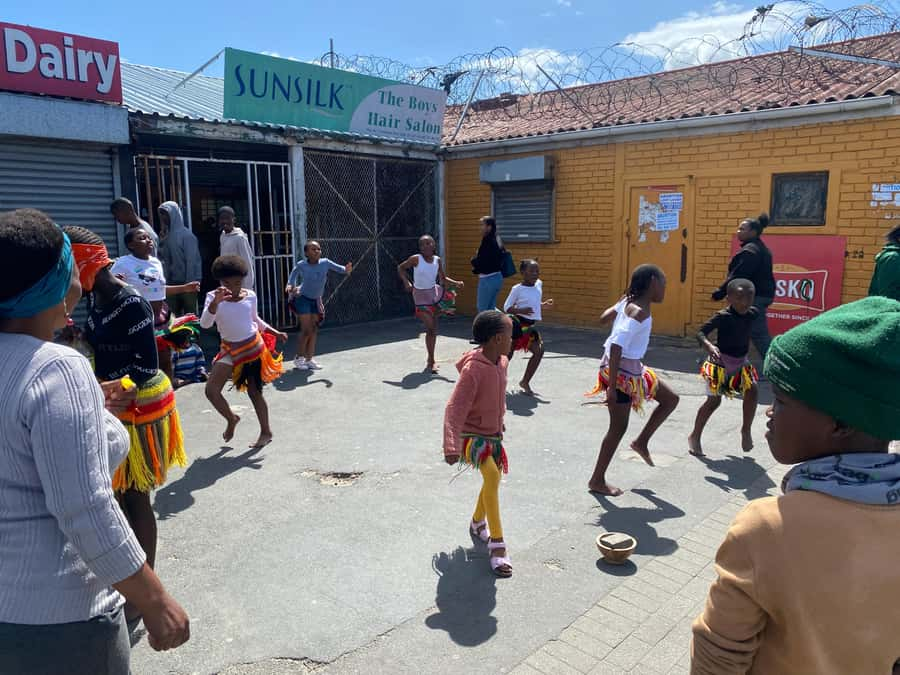
A local guide can explain details that a printed tour script cannot. Streets and buildings become clues to changes in housing, work, education, and family life. The guide also helps you avoid making quick judgments based on what you see during a short visit.
The tour promises local history, personal stories, and background on the 1960s and 1970s. This period is essential to understanding how apartheid shaped Cape Town’s communities. Forced removals, racial separation, and unequal access to services are not treated as distant textbook topics here. They are connected to particular districts, memorials, and the lives of people who lived through that era.
That personal approach was the most praised feature of the experience. One person described the time with Jerry as a privilege because it offered a chance to learn directly about the community and its past. Another appreciated that the guide lived in the township. That local connection is a real reason to choose this tour over a general city excursion.
The guide’s sense of humor is also noted, which can help during a demanding subject. A good guide knows when to lighten the mood and when to let the facts sit quietly. You should still expect difficult material. This is not a light entertainment tour with a few history notes added on.
District Six Museum and the limits of four hours
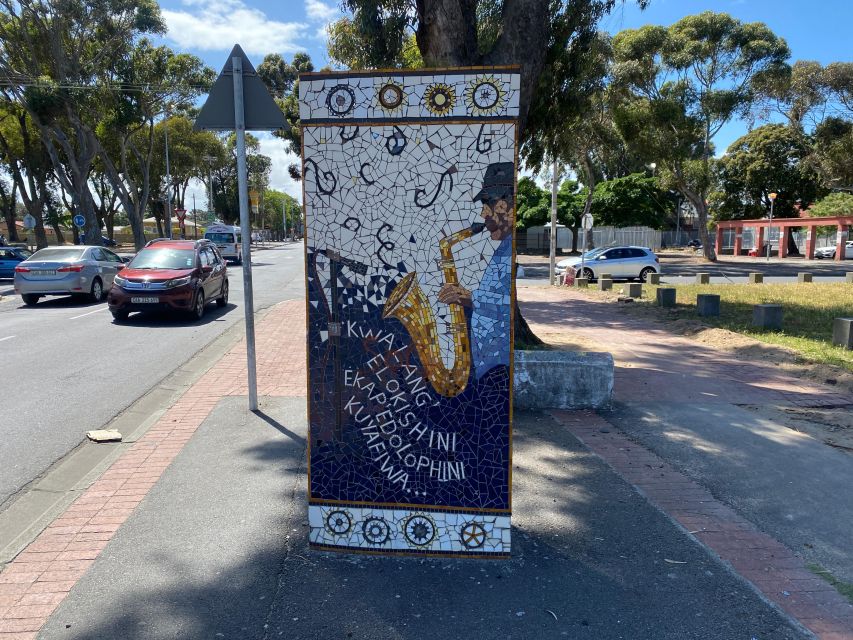
The District Six Museum gives the tour an important citywide perspective. District Six was once a mixed community before apartheid-era forced removals broke it apart. The museum helps you understand how state policy affected homes, neighborhoods, identity, and memory.
Admission is included, but the timing deserves attention. The whole outing lasts four hours, and the walking route contains several stops. One participant found there was not enough time to go inside the museum, since the visit was treated as optional or fell outside the practical schedule. If the museum is a priority for you, ask at booking or at the start of the tour how much time is planned for the interior.
The museum is closed on Sundays, so the schedule may change on that day. Do not assume that a Sunday booking will include the same museum visit. The tour still offers historical value through the memorials and guide commentary, but the museum itself is an important part of the stated program.
This is a good example of why the tour’s compact length is both a benefit and a limitation. Four hours fits neatly into a Cape Town day and avoids exhausting you. At the same time, Langa, the memorials, community stops, a possible beer tasting, and District Six can make for a full schedule.
Same part of Cape Town, a completely different kind of day:
- Cape Town: Hop-On Hop-Off Bus Tour with Optional Cruise
★ 4.8 · 3,929 reviews - Zipline Cape Town – From Foot of Table Mountain Reserve
★ 5.0 · 3,179 reviews - Cape Town: Table Mountain Cable Car, Hop-On Hop-Off Bus Tour
★ 4.6 · 3,157 reviews - From Cape Town: Big Five Game Reserve with Lunch
★ 4.6 · 2,409 reviews
Gugulethu Seven and Amy Biehl Memorials
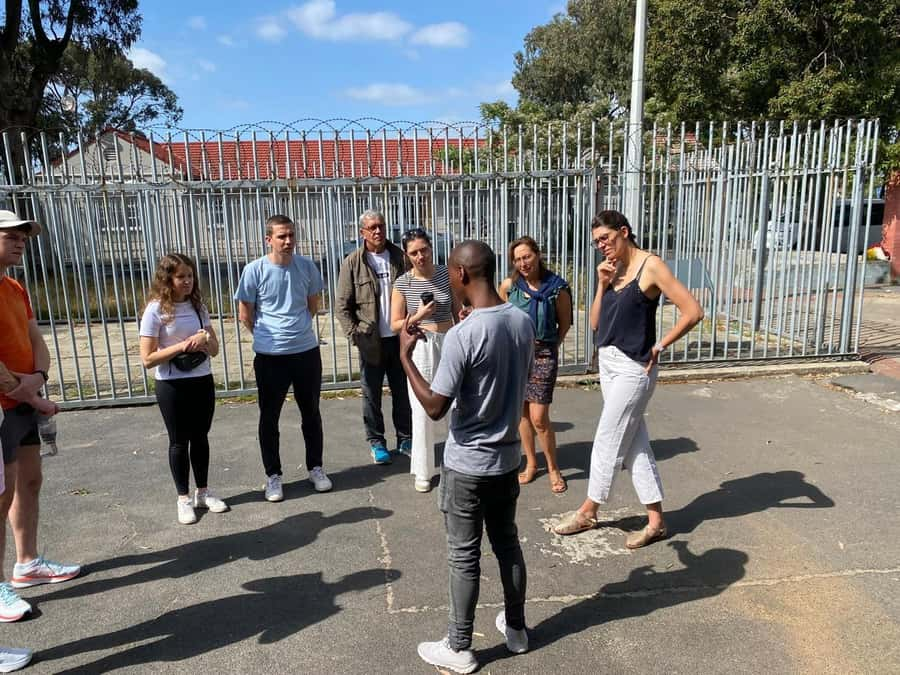
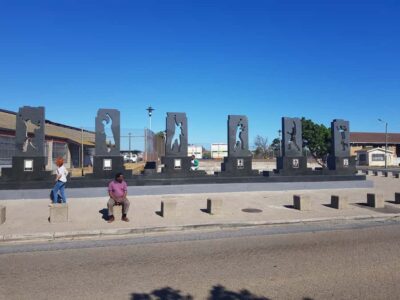
The Gugulethu Seven Memorial marks the deaths of seven anti-apartheid activists. Your guide uses the site to explain the sacrifices made during the struggle against apartheid. It is a quiet counterpoint to the noise and movement of the township streets.
The Amy Biehl Memorial tells a different but connected story. Amy Biehl was an American activist who worked against apartheid and was killed in Gugulethu in 1993. The memorial helps you consider the difficult path toward reconciliation and the complicated human stories that followed.
These stops give the tour a solid historical spine. Without them, a township walk could leave you with impressions but little context. With them, you can connect daily life in the present to the political decisions and personal losses that shaped these communities.
Treat both memorials with care. They are not casual photo stops. Your guide can explain their significance, but you also have a responsibility to pause, listen, and avoid turning painful history into a backdrop for quick photographs.
A shebeen stop and local flavors

The optional shebeen experience offers a lighter pause during the walking tour. A shebeen is an informal local pub, and you can taste a traditional South African beer while learning about this type of neighborhood gathering place.
This is not presented as a full meal, though a traditional meal experience may be available as an option. If food is important to you, confirm what is included before you book. The standard price specifically includes the optional beer experience, but it does not promise a full lunch.
I like this stop because food and drink can show how people socialize as clearly as a museum can show political history. The shebeen also gives you a chance to sit down during a tour with a lot of walking. If you do not drink alcohol, the tour remains worthwhile because the cultural and historical stops are the main event.
What the $48 price really covers

At $48 per person, the cost is reasonable for a four-hour experience that includes hotel pickup and drop-off, air-conditioned transport, a live English-speaking guide, District Six Museum admission, and the guided Langa route. The value improves if your hotel is outside the central area or if you would otherwise need to arrange transport to several separate sites.
Part of the fee also supports community projects. The stated benefits include community upliftment, early childhood education, local entrepreneurs, and HIV-AIDS projects. That does not make every part of the tour automatically worthwhile, but it gives your spending a useful purpose beyond transportation and sightseeing.
The price is less attractive if you want a long, detailed museum visit or a slow exploration of every stop. You are paying for a carefully packed introduction, not an entire day in the townships. You also need to remember that the shebeen stop is optional and that a traditional meal may cost extra or require separate arrangements.
For many people, the strongest value is the access to a local guide and community setting. A standard bus tour can show you streets from behind glass. This outing puts you on foot, in conversation, and closer to the people and projects that shape the area.
Practical details before you book
The tour lasts four hours and includes hotel pickup and drop-off in an air-conditioned vehicle. Check availability for the departure time, since the exact start is not fixed in the information provided.
Wear comfortable shoes. You will walk a lot, and the tour operates rain or shine. Bring clothing suitable for changing weather, but do not expect bad weather to cancel the outing automatically.
The activity is listed as wheelchair accessible, but the same information also says it is not suitable for wheelchair users. That is a clear contradiction. If you use a wheelchair, contact Kono Tours before booking and ask about the vehicle, street surfaces, museum access, and the walking route. Do not rely on the general accessibility label alone.
English is the listed tour language. The guide shares local history and personal stories, so you should be ready for an experience built around listening and conversation rather than a headset or audio guide.
Cancellation is free up to 24 hours before the tour, and you can reserve now and pay later. Those terms help if your Cape Town plans are still shifting, but check the booking conditions at the time you reserve.
Who will enjoy this experience most
I would choose this tour if you want a human-scale introduction to Cape Town’s townships and prefer meeting local people to simply viewing the area from a vehicle. It suits visitors who care about history, community projects, and the difficult questions behind South Africa’s present-day communities.
It is also a good fit if you have only half a day available. The hotel transport makes it easy to add the tour to a wider Cape Town itinerary, and the four-hour length leaves room for other plans.
You may want a different arrangement if you need a slow museum visit, dislike walking, or prefer a polished sightseeing route with fixed timing. The tour contains emotionally heavy material, so it is not just a cheerful market outing. You should come ready to hear about apartheid, political violence, poverty, reconciliation, and community resilience.
The small-group format helps keep the experience personal, but the information supplied does not give a maximum group size. Ask if group size matters to you.
Should you book the Chameleon Township Tour?
Book it if you want local contact, serious history, and a practical way to support community projects. The strongest reasons are the local guides, the walking route through Langa, and the way memorials and community visits fit together.
Before paying, confirm three things: who will guide your group, how much time is set aside inside District Six Museum, and how the route handles your mobility needs. If you get those answers and the schedule suits you, this is a thoughtful four-hour addition to a Cape Town visit.
FAQ
How long does the Chameleon Township Tour last?
The tour lasts four hours.
What is included in the price?
The price includes hotel pickup and drop-off in an air-conditioned vehicle, a professional English-speaking guide, District Six Museum admission, the Langa walking tour, visits to the Gugulethu Seven Memorial and Amy Biehl Memorial, and an optional shebeen experience.
Does the tour include hotel transportation?
Yes. Hotel pickup and drop-off are included.
What language is the tour conducted in?
The live tour guide speaks English.
Is District Six Museum open every day?
No. District Six Museum is closed on Sundays.
Is the shebeen visit required?
No. The shebeen experience is optional.
Is a traditional meal included?
The experience offers an optional traditional meal experience, but the provided information does not confirm that a meal is included in the standard price.
What should I wear or bring?
Wear comfortable shoes because the tour includes a lot of walking. The tour runs rain or shine, so you should also prepare for the weather.
Can I cancel for a full refund?
Yes. You can cancel up to 24 hours in advance for a full refund.
Is the tour suitable for wheelchair users?
The information is conflicting. It lists the activity as wheelchair accessible but also says it is not suitable for wheelchair users. Contact Kono Tours before booking to confirm whether the specific route and vehicle can meet your needs.
Just added around Cape Town
- 100 % Catch Rate Cape Town Wild Tours★ 5.0 · 5 reviews
- Private Cape Town City Evening Tour★ 5.0 · 3 reviews
- Private Cape Town City Tour table Mountain with wine tasting★ 5.0 · 10 reviews
- Cape Town Boat Trip★ 4.0 · 5 reviews
- Cape Town Aquila Private Game Reserve Big Five Safari Adventure★ 5.0 · 4 reviews
- Cape Town Private Birding Tour★ 5.0 · 14 reviews
- Private 2-Day Cape Town Highlights: Robben Island,Table Mountain Tickets & Wine★ 5.0 · 8 reviews
- Private Transfer: CPT Airport to Cape Town in Luxury Van★ 4.0 · 5 reviews
Township Tours, compared.



Browse the lists this tour appears in