Reviewed · GUIDED
Cape Town: Great African Sea Forest Guided Snorkel
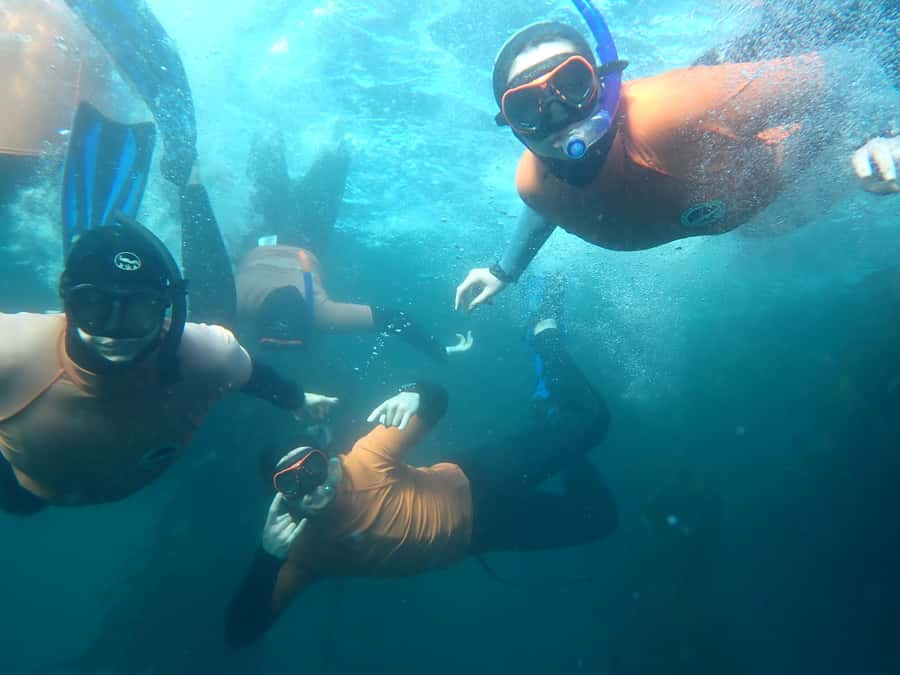
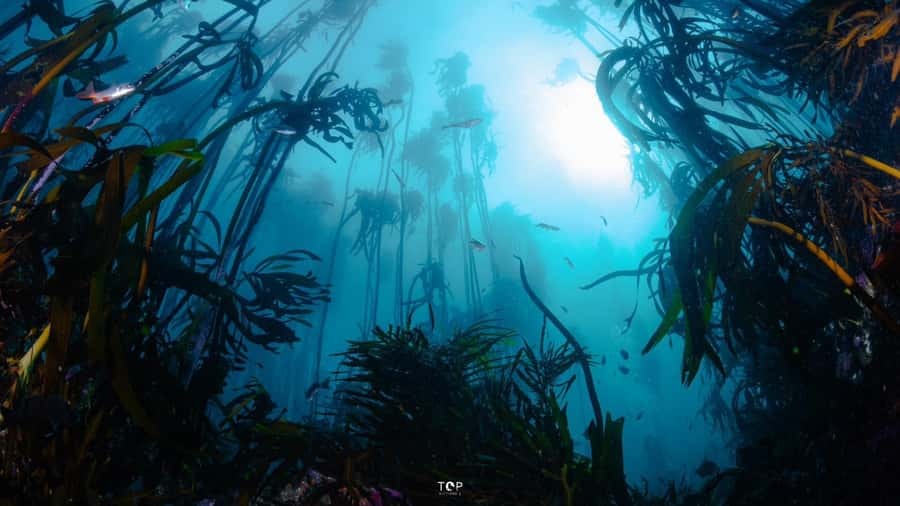
Cape Town’s Great African Sea Forest is not a coral reef with warm, clear water. It is a living underwater woodland, with tall kelp swaying around you and small sharks, octopi, sea stars, urchins, and abalone hiding among the fronds. A marine biologist guides you through it, turning a simple snorkel into a hands-on lesson in ocean science.
I like two things right away: the small groups of no more than eight make it easier to stay close to your guide, and your shark sightings can support ongoing research. You also get photos and access to the FinSpotter app, so the experience continues after you leave False Bay.
The main consideration is the water and the kelp itself. Surface snorkeling may show you less than expected, and the forest can require careful movement through the water. There is no coral reef, and shark sightings are never guaranteed.
Key things to know before you book
- Kelp, not coral: You explore Cape Town’s Great African Sea Forest, with dense plant life and cool-water marine species rather than tropical reef scenery.
- Real research work: You help collect photo identification of an endemic shark species for an active conservation project.
- Marine biologists lead the way: Guides such as Mark, Danni, Danny, and Megan explain the animals, ecology, and research in plain language.
- Small groups matter: With a maximum of eight people, your guide can keep an eye on the group and point out creatures you could easily miss.
- Photos are included: Underwater images give you a useful souvenir, especially when the kelp makes it hard to frame your own shots.
- Plan for a cool-water snorkel: Bring swimwear and a towel, and expect the activity to run in rain or shine.
Meeting the marine team at False Bay
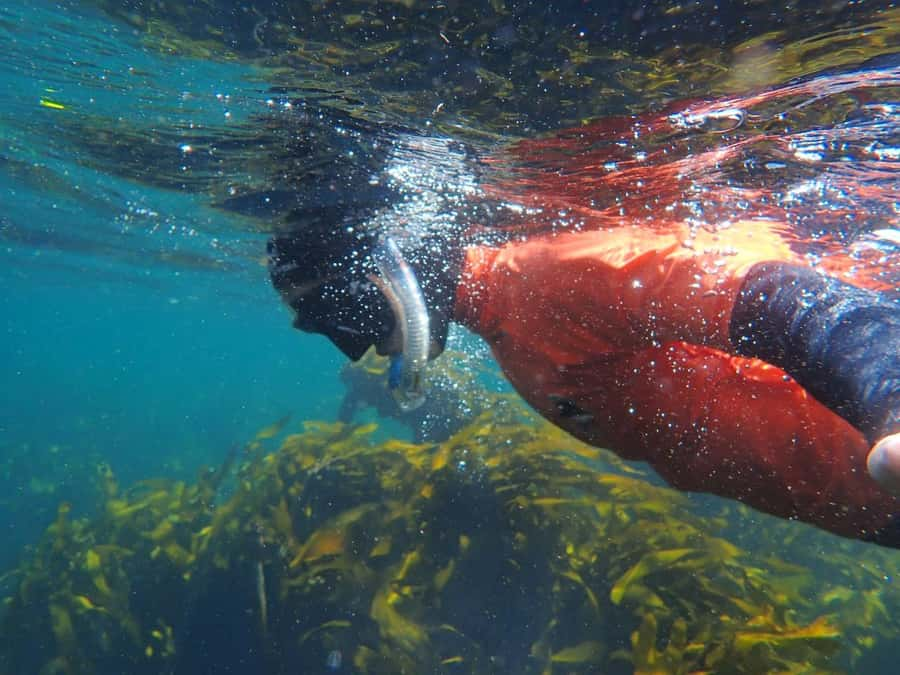
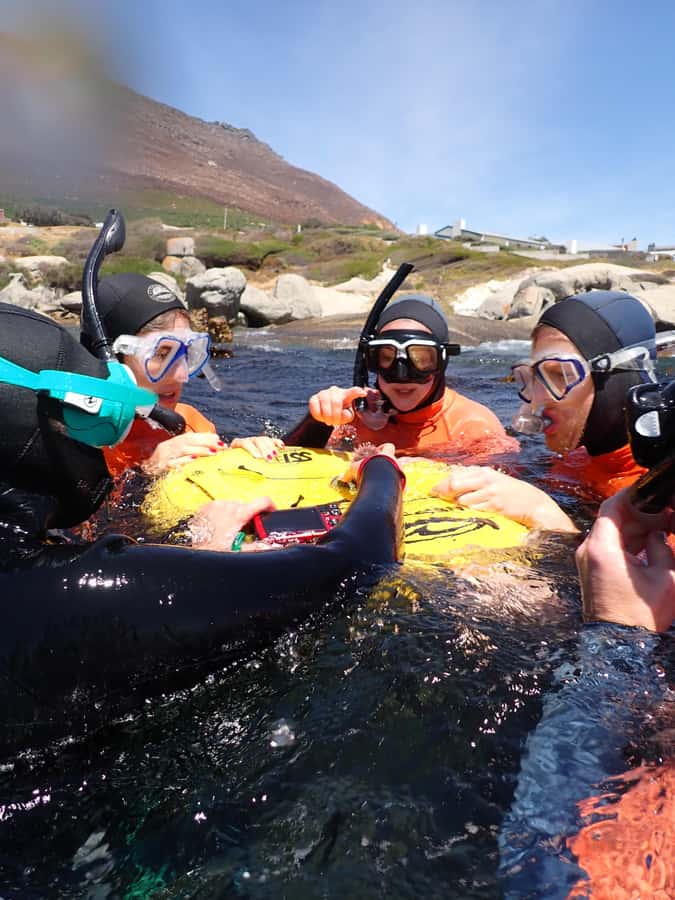
You meet inside the Cape RADD Dive Center on the shore of False Bay. This is more than a quick check-in and equipment handout. The session begins with an in-depth briefing about the area, the Sea Forest, safety, and the shark research project.
That introduction is one of the strongest parts of the outing. Guides explain what you are likely to see and give you a reason to look closely. You learn how octopi hunt, where shysharks like to hide, and why sea urchins sometimes carry small objects on their backs as hats.
Guides have included Mark, known to some groups as Mark the Shark, along with Danni, Danny, and Megan. The names change with the departure, but the format remains the same: expect a marine scientist who can explain what you are seeing rather than simply point at it.
You also get time to ask questions before entering the water. That matters if you are new to kelp snorkeling or feel uncertain about the shark research element. The briefing helps you understand that the sharks are not a staged attraction. You are looking for naturally occurring animals and recording useful identifying features when possible.
A few more Cape Town days worth comparing
- Cape Town: Hop-On Hop-Off Bus Tour with Optional Cruise
★ 4.8 · 3,929 reviews - Zipline Cape Town – From Foot of Table Mountain Reserve
★ 5.0 · 3,179 reviews - Cape Town: Table Mountain Cable Car, Hop-On Hop-Off Bus Tour
★ 4.6 · 3,157 reviews
Getting comfortable in the Great African Sea Forest
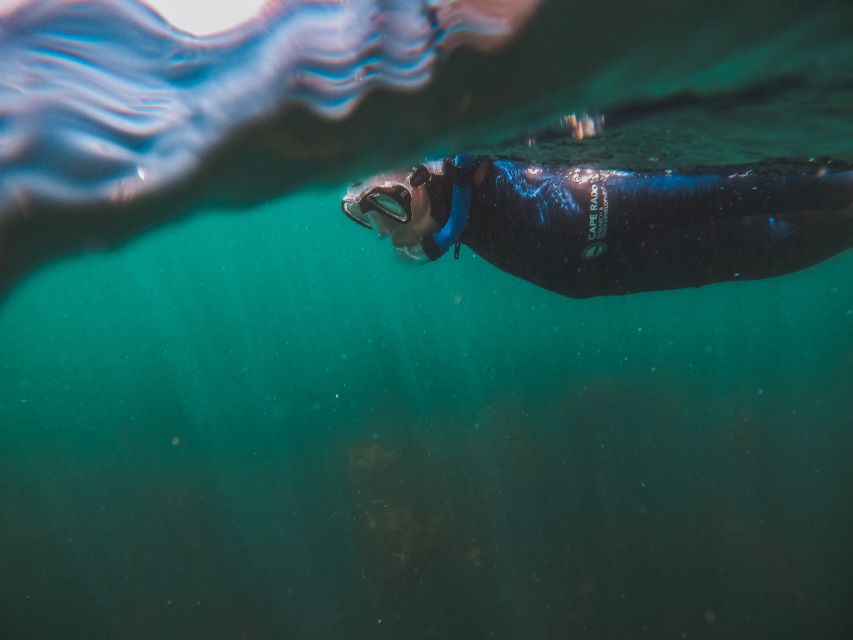
After the briefing, you put on the supplied mask, snorkel, fins, and wetsuit. The equipment is included in the $74 price, and the quality has received strong approval from people who have used it. You need to bring your own swimwear and towel.
The water entry begins in a shallower area, which gives you time to adjust to the temperature, mask, and movement of the kelp. This gentler start is useful for anyone who has snorkeled in tropical water but has less experience in a cool ocean forest.
The activity does not require a high level of fitness, but you must be able to swim or at least feel comfortable in the water. It is not suitable for children under 10, pregnant women, people with mobility impairments, or people over 95.
Kelp snorkeling feels different from a standard holiday snorkel. Instead of floating over a clear, open seabed, you move through tall strands of plant life. Kelp can reduce visibility and block your view from the surface. If you want to see more of the seabed, you may need to lower yourself beneath the surface, but you should only do that if you are comfortable.
One useful point from the outing is that conditions change with the tide. A group visiting at low tide found that the deeper water, around five to six metres, offered a more exciting view of the forest. Still, deeper water is not ideal for everyone. If you are less confident in the ocean, the shallower section lets you enjoy the habitat without feeling pushed.
Spotting sharks, octopi, and small sea life
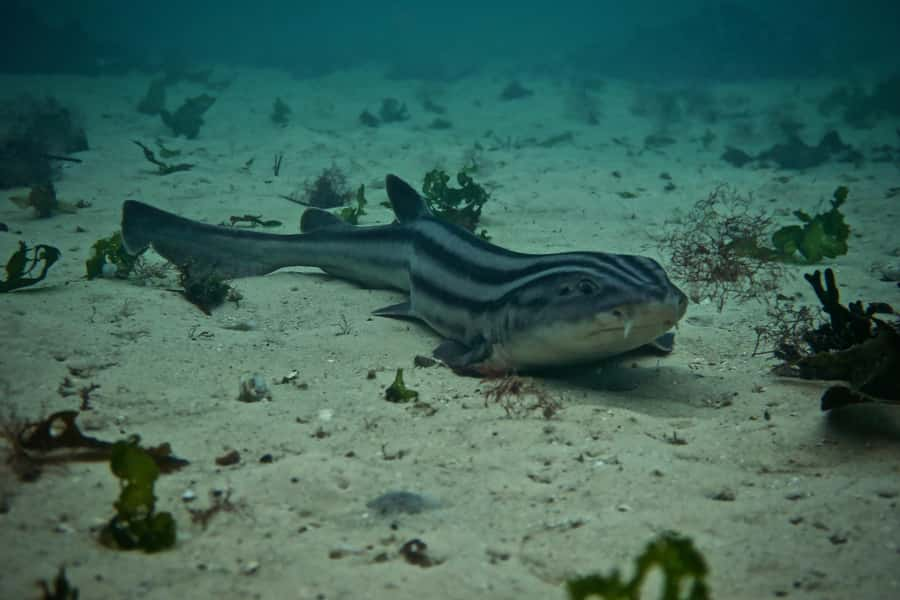
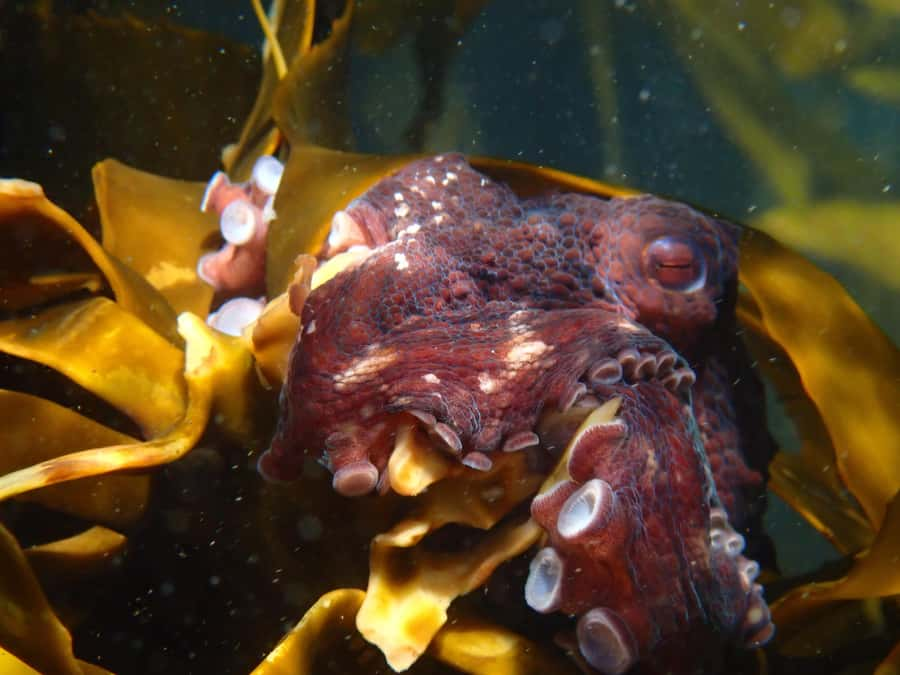
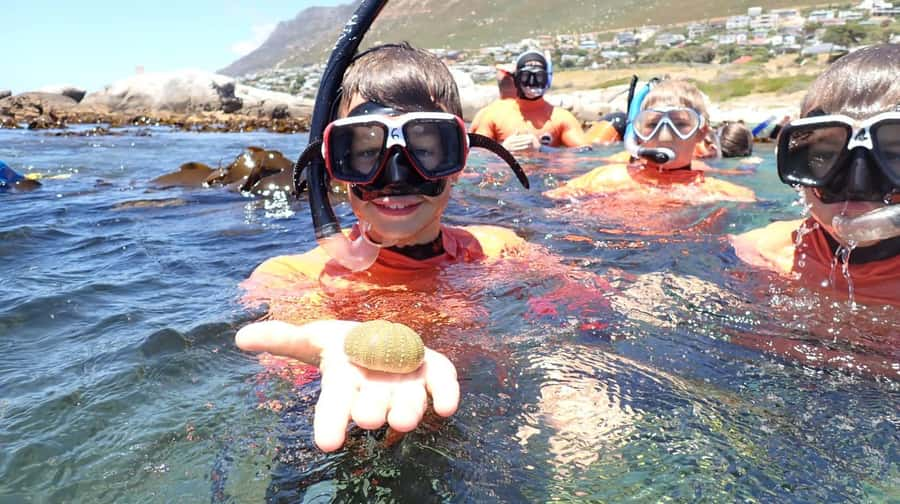
The appeal here is not one large animal or one dramatic stunt. It is the steady search for small signs of life. You might see sea urchins, sea stars, colourful shells, abalone, and other creatures tucked into the kelp.
An octopus is a particularly memorable find. Your guide may show you how it hunts or help you notice one blending into its surroundings. These animals can be easy to miss without someone who knows where and how to look.
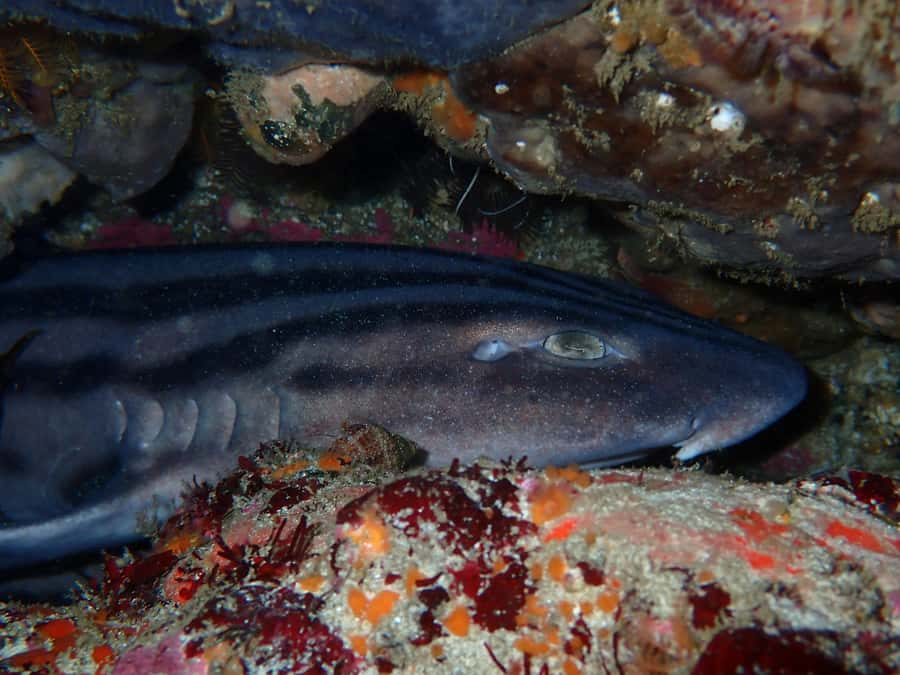
Shysharks are another target. They are small endemic sharks associated with the local coast, and the guide can point out their preferred hiding places. Some groups have seen the little sharks along with octopi and other animals, while others have seen plenty of marine life but no sharks at all.
That uncertainty is important. You should book this for the forest, the science, and the chance to see local wildlife, not for a guaranteed shark encounter. One person had an excellent snorkel but no sharks, while other outings found sharks connected to the research project.
The guides help you get more from the time in the water. They can identify animals that look like rocks, leaves, or patches of shadow. They also help the group move carefully, which protects the habitat and keeps the search organized.
How your photos help shark research
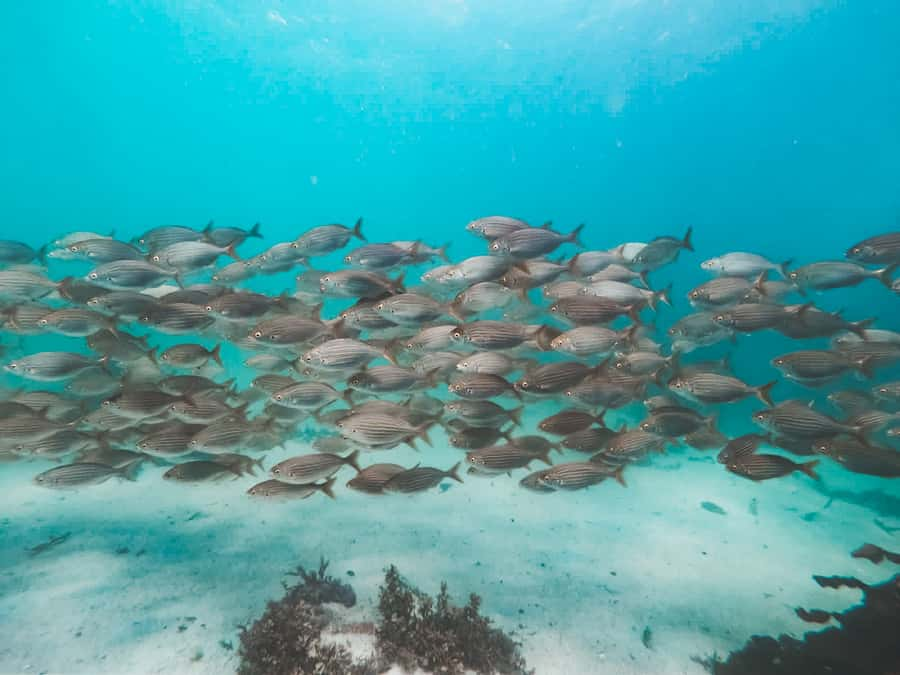
The research section gives this activity more purpose than a standard guided snorkel. When you find a suitable shark, you help collect photo identification for the team’s records.
Photo identification can be useful because individual animals may have distinctive markings. Your role is not to handle the shark or interfere with it. Instead, you help find and photograph it under the direction of the marine team.
You receive access to the FinSpotter app, which lets you keep up with your shark sightings. That feature gives the excursion a useful afterlife. You are not simply handed a set of images and sent away. You can remain connected to what you helped document.
You are also recognized as an Ocean Ambassador for assisting with marine research. The title is a small touch, but it reflects the spirit of the outing. Your time and attention support conservation work in a direct, understandable way.
I especially like this approach for families with older children, school groups, and anyone who wants a reason to care about the place they are visiting. The research is not presented as a dry lecture. You take part by looking carefully and recording what you find.
Same part of Cape Town, a completely different kind of day:
- From Cape Town: Big Five Game Reserve with Lunch
★ 4.6 · 2,409 reviews - Cape Town: WILDX Atlantis Quad Dune Adventure and Photo Stop
★ 4.6 · 2,314 reviews - From Cape Town: 3 Regions Wine Tour with 3 Estates, 15 Wines
★ 4.7 · 2,136 reviews - Cape Town Hop-On Hop-Off City Tour with Optional Cruise
★ 4.5 · 1,793 reviews
What the two hours feel like
The full activity lasts two hours, including the briefing, preparation, time in the water, and the return to the center. That is enough time to build a picture of the ecosystem without making the outing an exhausting half-day commitment.
The water portion may feel short if you are excited by the deeper part of the forest. One participant wished for another 15 minutes in the water, especially after reaching the five to six metre section. The tradeoff is temperature. A longer session may sound appealing when the water is mild, but it can feel less attractive on a colder day.
The pace is guided rather than rushed. You have time to settle in, watch the kelp, and listen to explanations. That makes the trip a good choice if you prefer learning and observation to speed or athletic challenge.
The experience runs in rain or shine, so weather alone does not cancel the plan. Ocean conditions still shape what you see, and the activity is naturally weather dependent. Try to keep your schedule flexible enough to enjoy the trip for the forest itself, even if visibility or sightings are not perfect.
Why the small group improves the outing
A limit of eight participants is a real advantage in the water. The guide can keep the group together, help less confident swimmers, and point out animals without shouting across a large crowd.
Small groups also make the research work more practical. When everyone is looking for a shark or a shy animal, too many people would create confusion and movement. With fewer participants, you have a better chance of hearing the guide and seeing what the guide has found.
The group size also affects the briefing. You can ask about conservation, local species, or the kelp ecosystem without competing with a busload of people. Guides are praised for explaining things in detail and taking time with questions.
There is one practical transport note. One outing included a ride in the back of a truck, and the hot black surface was uncomfortable for someone without shoes. This may not bother you, but it is worth keeping in mind during warm weather. Follow the center’s instructions about footwear and transfers.
The value of $74
At $74 per person, this is not the cheapest way to enter the water, but the price covers more than a basic equipment rental. You get a marine biologist guide, wetsuit, mask, snorkel, fins, the briefing, photos, and a role in an active research effort.
The photos improve the value. Underwater photography is tricky when you are managing fins, a mask, kelp, and changing light. Having images taken for you means you can concentrate on watching the animals instead of trying to operate a camera.
The research connection adds another layer. You are paying for instruction and access, but you are also helping a conservation project gather information. That makes the cost easier to justify if you prefer activities that support the place you visit.
For comparison, a basic snorkel without a specialist guide might give you water time but little context. Here, the guide explains why the ecosystem matters and helps you notice creatures you might otherwise swim past. If you only want warm, open water and guaranteed bright fish, this is not the best use of your money.
You can cancel up to 24 hours before the start for a full refund, and the reserve-now, pay-later option lets you hold a place without paying immediately. Check the available start times when you book.
Who will enjoy this most
I would choose this outing if you like nature, science, and small-group activities. It suits an adult who is comfortable in the water, an older child who meets the minimum age, or a couple looking for something more local and less predictable than a standard sightseeing stop.
It is also a good fit if you want to learn before you see. The guide does not simply identify a shark after it appears. You learn how the ecosystem works, why kelp matters, and how researchers track animals.
You may want to choose another activity if you dislike cool water, do not swim, or expect a tropical reef. Surface snorkeling can offer fewer views in dense kelp, and not every group sees a shark. The experience rewards patience and careful observation.
The forest can also be awkward for anyone expecting effortless floating. You may need to move around plant growth and adjust your position to see the seabed. That is part of the habitat, not a flaw in the equipment, but you should know it before you arrive.
Final call: book it for the forest, not a guarantee
I recommend the Great African Sea Forest snorkel if you want a small, educational wildlife outing with a genuine conservation role. The best parts are the marine biologist guides, the excellent equipment, the underwater photos, and the chance to help identify local sharks through FinSpotter.
Book it with realistic expectations. You may see an octopus, sea stars, urchins, abalone, and small sharks, but no sighting is promised. If you are comfortable in cool water and curious about what lives beneath False Bay, the $74 fee offers a thoughtful two-hour introduction to one of Cape Town’s most unusual marine habitats.
FAQ
Where does the snorkel meet?
You meet inside the Cape RADD Dive Center on the shore of False Bay in the Western Cape, South Africa.
How long does the activity last?
The guided snorkel lasts two hours, including the briefing and activity time.
What equipment is included?
The activity includes a mask, snorkel, fins, wetsuit, and photos from the outing.
Do I need to bring anything?
Bring swimwear and a towel.
Do I need to be a strong swimmer?
You need to be able to swim or at least feel comfortable in the water. The activity does not require a high fitness level.
Will I definitely see sharks?
No. The group looks for an endemic shark species as part of the research project, but sightings are not guaranteed.
What other animals might I see?
Possible sightings include sea urchins, octopi, sea stars, abalone, shysharks, and other marine life in the kelp forest.
Is the activity suitable for children?
Children must be at least 10 years old. The activity is not suitable for children under 10.
What language is the tour in?
The instruction and guiding are in English.
Just added around Cape Town
- 100 % Catch Rate Cape Town Wild Tours★ 5.0 · 5 reviews
- Private Cape Town City Evening Tour★ 5.0 · 3 reviews
- Private Cape Town City Tour table Mountain with wine tasting★ 5.0 · 10 reviews
- Cape Town Boat Trip★ 4.0 · 5 reviews
- Cape Town Aquila Private Game Reserve Big Five Safari Adventure★ 5.0 · 4 reviews
- Cape Town Private Birding Tour★ 5.0 · 14 reviews
- Private 2-Day Cape Town Highlights: Robben Island,Table Mountain Tickets & Wine★ 5.0 · 8 reviews
- Private Transfer: CPT Airport to Cape Town in Luxury Van★ 4.0 · 5 reviews
Guided, compared.

Robben Island Ferry Ticket and Guided Prison Tour
Read our review →
Soweto /Johannesburg and Apartheid Museum Guided Full Day Tour
Read our review →

Little Brak River: Botlierskop Guided Game Drive
Read our review →