
Reviewed · WILDLIFE SANCTUARIES
Moholoholo Rehabilitation Centre
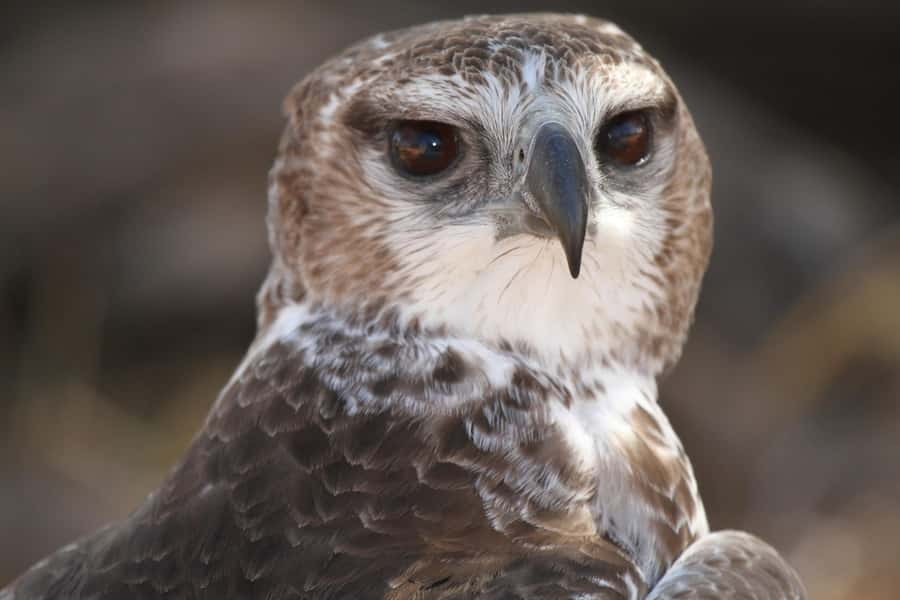
Moholoholo Rehabilitation Centre gives you a close look at the difficult side of wildlife conservation. Here, animals injured, abandoned, or poisoned receive care, and the strongest part of the visit is hearing the detailed story behind each animal rather than simply seeing it.
I like the personal animal stories and the chance to understand what a working rehabilitation centre actually does. I also like the small group limit of 10, which should make it easier to hear the English-speaking guide and ask questions.
The main drawback is the transfer. The full outing lasts four hours, but the guided visit itself is about 1.5 hours, and the drive service may feel less appealing than making your own way there if you have a car.
Key points to know
- Animal stories are the heart of the visit: You learn how individual creatures were injured, abandoned, or poisoned.
- Rehabilitation is not always release: Some animals recover for return to the wild, while others stay at the centre permanently.
- The guided visit lasts about 1.5 hours: Allow four hours in all, including transport from Hoedspruit and the return trip.
- The price is $40 per person: That covers transport, entrance, and the guided tour.
- Transfers leave from Hoedspruit retail centres: You are collected from one of three main shopping centres.
- Come prepared for outdoor conditions: Bring closed shoes, sun protection, and a warm or rain jacket depending on the season.
Why Moholoholo feels different from a regular wildlife stop
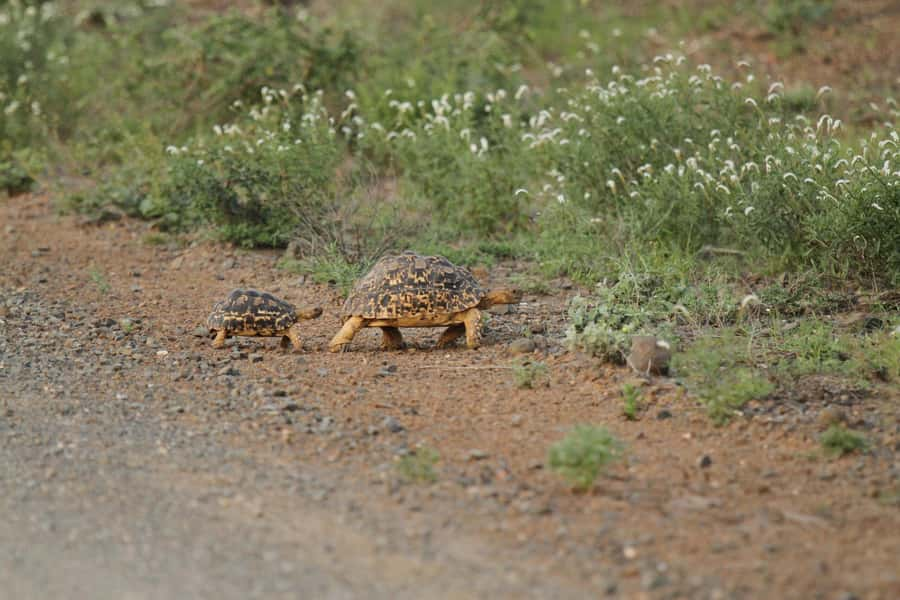
At many wildlife attractions, the main question is what animals you will see. At Moholoholo, the better question is what happened to them, and what kind of care they need now.
The centre was established to care for wildlife that cannot manage without help. Some animals arrive after injury. Others have been abandoned or poisoned. A few can recover well enough to return to the wild, while others have lasting problems and need a permanent home.
That distinction gives the visit real weight. You are not simply looking at animals in a display setting. You are learning about the gap between a wild creature’s natural life and the care required when human activity, illness, or injury changes its future.
I find this useful because it puts conservation into plain, practical terms. The centre is not presented as a place where every animal has a happy release. Sometimes the best result is return to nature. Sometimes the most responsible choice is lifelong care.
More Wildlife Sanctuaries in Hoedspruit:
- Monkeyland Guided Tour in Plettenberg Bay
★ 4.5 · 134 reviews - Monkeyland, Birds of Eden, Jukani – Animal Sanctuaries
★ 4.7 · 106 reviews - Jukani Wildlife Sanctuary Admission with Guided Tour
★ 4.5 · 50 reviews
Starting from Hoedspruit’s retail centres
The outing begins with collection from one of three main retail centres in Hoedspruit. The exact departure time depends on availability, so check the start options before booking and plan your day around that pickup.
Transport is by car, with a direct trip to Moholoholo. The transfer is included in the $40 price, along with admission and the guided visit. That makes the arrangement simple if you are staying in Hoedspruit and do not have your own vehicle.
There is also a practical tradeoff. If you are already driving in the area, going independently may give you more control over your timing. The transfer is convenient, but transport is not the main reason to choose this experience. The centre and its animal stories are the point.
The return is to the same collection point. That is useful if you have an afternoon plan, though you should avoid scheduling anything too tightly because the full activity is listed as four hours.
The 1.5-hour guided visit
The guided portion lasts about 1.5 hours. This is the part that deserves your attention, since the guide explains the centre’s role and the background of the animals in its care.
The most praised feature is the level of detail in the animal stories. You should expect more than a quick name-and-species introduction. The guide explains what happened to individual animals and why professional care is needed.
That personal approach helps you understand the centre’s daily work. A rehabilitation facility must assess an animal’s condition, provide care, and decide whether release is realistic. When release is not possible, the centre becomes a permanent home rather than a temporary stop.
The visit also explains the challenges animals face in today’s world. The information provided does not promise that every problem has an easy fix, and that is part of its value. You leave with a clearer sense of why wildlife rescue takes time, specialist care, and difficult decisions.
The small group format, limited to 10 people, should help here. A smaller group is better suited to a guided conservation visit than a large crowd. You can stay close enough to follow the explanation and ask about the animals you find most interesting.
What you may see and learn
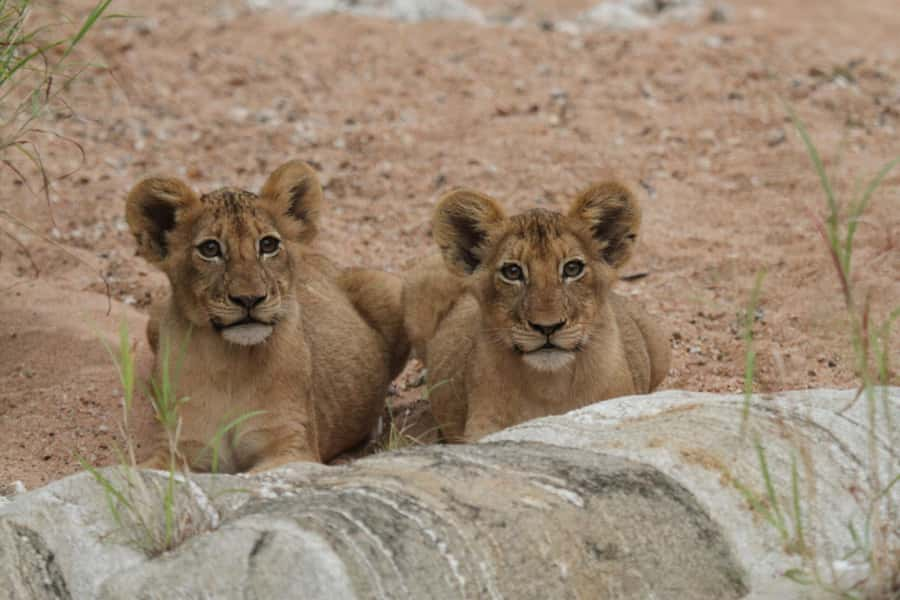
Moholoholo is built around animals that need help, so the visit focuses on the creatures in the rehabilitation centre rather than a broad game viewing drive.
You will get an up-close view of animals receiving care. The supplied information does not promise a fixed list of species, so I would not book this expecting a particular animal. The exact experience can depend on which creatures are at the centre and how they are being cared for at the time of your visit.
What you can count on is the conservation message. You will learn that some animals are temporarily in care, while others cannot be returned to the wild. This gives you a more realistic picture of rescue work than a simple success story.
The centre also offers a useful lesson in responsibility. Wildlife protection is not only about keeping animals safe in remote reserves. It can involve treatment, rehabilitation, education, and long-term care for animals whose lives have changed permanently.
For children and adults who want an educational outing, this can be more meaningful than a short animal encounter. For photographers, the close viewing may be appealing, but the experience is not described as a dedicated photography tour. Bring a camera, but put the guide’s explanation first.
A few more Hoedspruit days worth comparing
- Hoedspruit: Blyde River Canyon Dam Boat Cruise
★ 4.7 · 196 reviews - Kruger Park Scheduled Full day Safari Drive from Hoedspruit
★ 4.7 · 53 reviews - Big 5 Safari Am or Pm
★ 4.4 · 30 reviews - Hoedspruit: Panorama Route Guided Private Tour
★ 4.9 · 16 reviews
The value of detailed animal stories
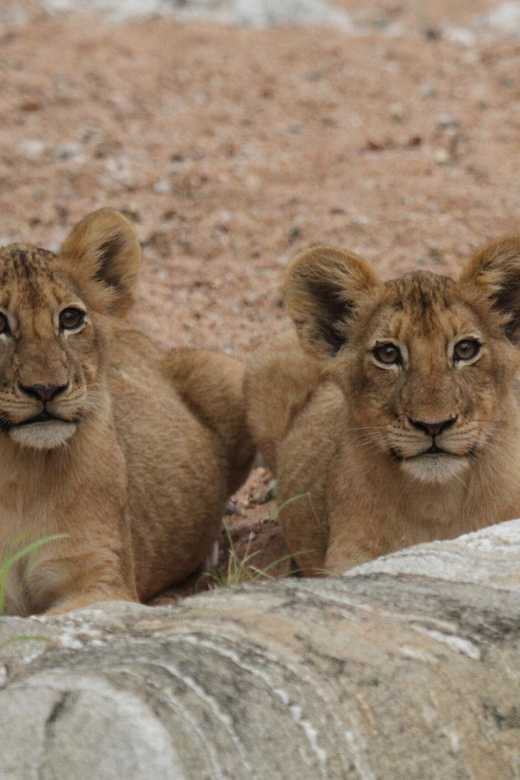
The strongest reason to book is the storytelling. A general conservation talk can remain abstract. A story about one injured, abandoned, or poisoned animal gives the issue a face and makes the lesson easier to remember.
You may hear why an animal cannot be released, what care it needs, or how the centre decides what happens next. The information supplied does not provide the names of individual guides or animals, so you should not expect a specific named guide when booking.
The detail also helps explain why permanent sanctuary matters. If an animal has lost the ability to survive alone, releasing it would not be a kind act. Keeping it in a safe, managed setting may be the better option.
That message is particularly important for anyone visiting South Africa mainly for wildlife viewing. A safari often shows animals at their strongest and most independent. Moholoholo shows what happens when an animal is vulnerable and needs human help.
Is $40 a fair price?
At $40 per person, the experience offers reasonable value if you need transport from Hoedspruit. The fee includes the return transfer, entrance, and guided tour, so you do not have to arrange separate transport and admission.
The price is easier to justify for solo visitors, couples, and small groups without a car. It also suits anyone who prefers a planned half-day outing with a set collection point.
If you have your own vehicle, compare the convenience against the transport portion of the cost. You may prefer to drive yourself and keep more control over your schedule. The transfer service is a useful inclusion, but it does not make the experience better than the rehabilitation centre itself.
The four-hour duration is also worth considering. Only around 1.5 hours is listed for the guided visit, with the remaining time covering collection, driving, and the return. That is not necessarily poor value, but you should understand the structure before booking.
The option to reserve now and pay later is handy if your plans around Hoedspruit are still changing. Cancellation is free up to 24 hours before departure for a full refund, which gives you some flexibility.
What to bring for the visit
Conditions can change by season, so pack for both sun and shifting weather.
Bring:
- A passport or ID card
- Sunglasses
- A sun hat
- Sunscreen
- A camera
- Closed shoes
A warm jacket is especially useful in winter. A rain jacket is recommended in summer. These are simple items, but they can make a big difference during collection, transport, and time outdoors at the centre.
Closed shoes are the safest choice for this type of visit. Even though the guided portion is only about 1.5 hours, you should dress for an outdoor facility rather than a city attraction.
The tour is conducted in English. If you need explanations in another language, this experience may not be the right fit.
Who will enjoy Moholoholo most?
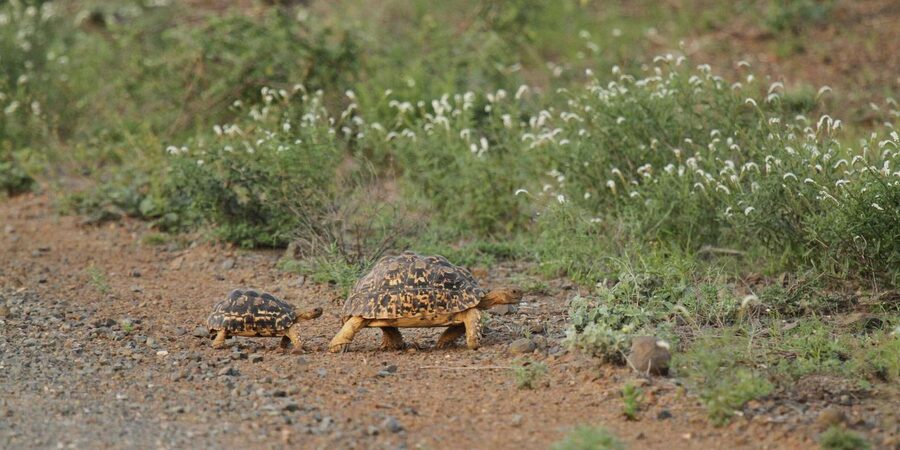
I would recommend this outing to anyone who wants more than a quick animal sighting. It suits you if you care about conservation, enjoy learning how animal care works, or want a thoughtful break from standard wildlife viewing.
Families may find the personal stories especially useful because they turn difficult conservation ideas into something concrete. Children should be prepared for the fact that some animals are at the centre because they have been hurt or poisoned. This is an educational visit, not a light entertainment stop.
It also works well for visitors staying in Hoedspruit who want a half-day activity without arranging a car. The small group size is another advantage if you prefer a quieter guided experience.
I would think twice if you want a long safari, a large number of species, or a flexible self-drive outing. Moholoholo is focused on rehabilitation and education. It is not presented as a general wildlife park or a replacement for a reserve visit.
Practical timing and group advice
Allow four hours from collection to return. Since departure times vary, check availability before booking and make sure your pickup point is one of the three Hoedspruit retail centres used for collection.
The group limit is 10 people. That is small enough to make the guide’s explanation easier to follow, though the exact feel will still depend on the group on your day.
Because the guided portion is shorter than the total activity, bring a little patience for the transfer. One useful advantage of the organized trip is that you can leave the driving to someone else. One possible disadvantage is less control over how quickly you move through the day.
The experience provider is Matumi Destinations. The activity is offered in English with a live guide, and transport returns you to the same collection point after the visit.
Should you book Moholoholo Rehabilitation Centre?
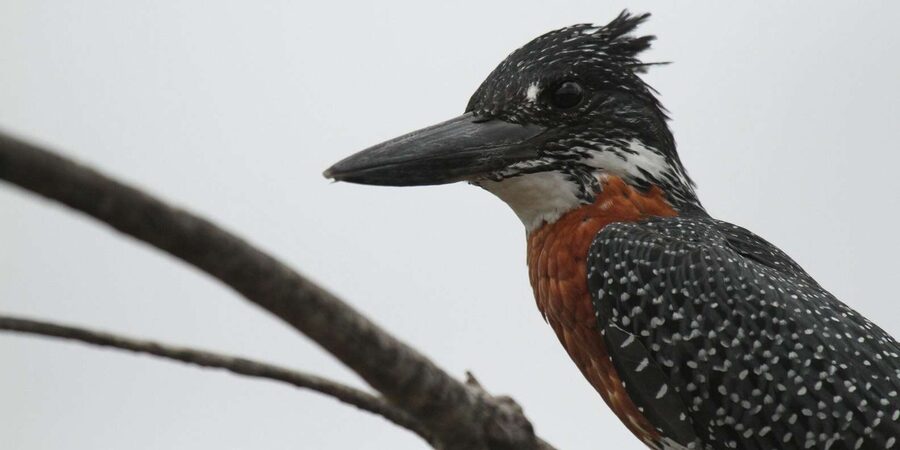
Book it if you want a clear, personal lesson in wildlife care rather than another standard animal-viewing stop. The detailed stories, up-close observation, and explanation of why some animals can return to the wild while others cannot give this visit its purpose.
The $40 price is fair when you need the included transport and admission. If you have a car, compare the convenience of the transfer with the freedom of driving yourself, especially since the guided visit lasts about 1.5 hours within a four-hour outing.
Bring weather-ready clothing, closed shoes, and an open mind. Moholoholo is most rewarding when you want to understand the hard work behind conservation, not just see animals at close range.
FAQ
Where does the Moholoholo tour depart from?
Pickup is from one of three main retail centres in Hoedspruit. The exact collection point and departure time should be checked when booking.
How long does the full experience last?
The full activity lasts about four hours, including transport to and from the centre.
How long is the guided tour at Moholoholo?
The guided visit at the rehabilitation centre lasts about 1.5 hours.
Is transport included?
Yes. Transport to and from Moholoholo Rehabilitation Centre is included, with return to the same collection point.
What is included in the $40 price?
The price includes the return transfer and entrance fee for the guided tour.
Is the tour conducted in English?
Yes. The experience includes a live English-speaking guide.
What should I bring?
Bring a passport or ID card, sunglasses, a sun hat, a camera, sunscreen, and closed shoes. A warm jacket is useful in winter, and a rain jacket is recommended in summer.
Just added around Hoedspruit
- Panorama Route★ 5.0 · 3 reviews
- Kruger Park Scheduled Full day Safari Drive from Hoedspruit★ 4.7 · 53 reviews
- Kruger National Park: 3 Day Safari Tour★ 5.0 · 7 reviews
- Kruger Park Full Day Safari From Hoedspruit★ 5.0 · 4 reviews
- Hoedspruit: Sunrise Safari in Greater Kruger Private Reserve★ 5.0 · 6 reviews
- Hoedspruit: HALF Day in the Iconic Kruger National Park!★ 5.0 · 3 reviews
- Hoedspruit: Full Day in ICONIC Kruger National Park★ 4.7 · 6 reviews
- Hoedspruit: Panorama Route Guided Private Tour★ 4.9 · 16 reviews
Wildlife Sanctuaries, compared.
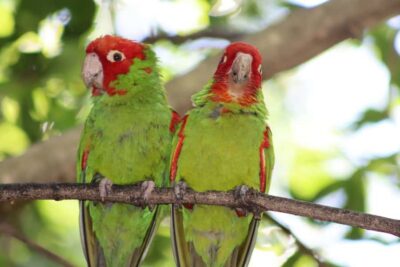
Monkeyland, Birds of Eden, Jukani – Animal Sanctuaries
Read our review →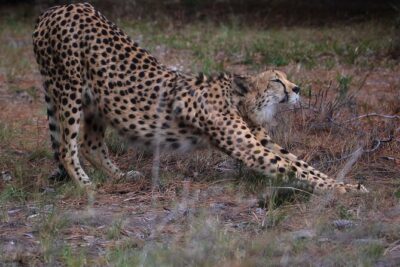
Jukani Wildlife Sanctuary Admission with Guided Tour
Read our review →
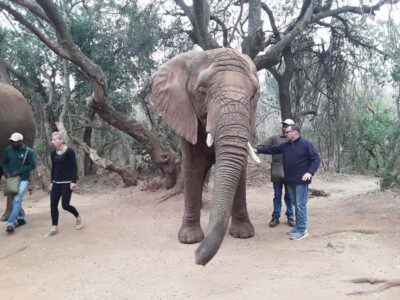
Johannesburg: Elephant and Monkey Sanctuary Half Day Tour
Read our review →Browse the lists this tour appears in