
Reviewed · WILDLIFE SANCTUARIES
Monkeyland, Birds of Eden, Jukani – Animal Sanctuaries
Monkeyland, Birds of Eden, and Jukani give you three very different ways to see rescued wildlife in South Africa’s Western Cape. At Monkeyland, more than 550 monkeys, apes, and lemurs roam a 12-hectare indigenous forest, while Birds of Eden lets you walk beneath one of the world’s largest free-flight aviaries. I especially like the close-up primate sightings and the chance to explore Birds of Eden at your own pace. The main drawback is that the three sites are not one single guided tour, so you need to plan your time and transport between them.
I also like the clear conservation purpose behind the sanctuaries. These animals are not presented as performers: Monkeyland provides a permanent home for former captive primates, Jukani cares for rescued big cats, and Birds of Eden gives formerly caged birds room to fly. Jukani is the most structured stop, with a 90-minute guided walk, but its large-animal enclosures may feel less natural than Monkeyland’s forest.
Key points to know before you go
- More than 550 primates roam Monkeyland, including monkeys, apes, and lemurs in a 12-hectare forest.
- The 128-meter suspension bridge gives you a canopy-level view of Monkeyland’s trees.
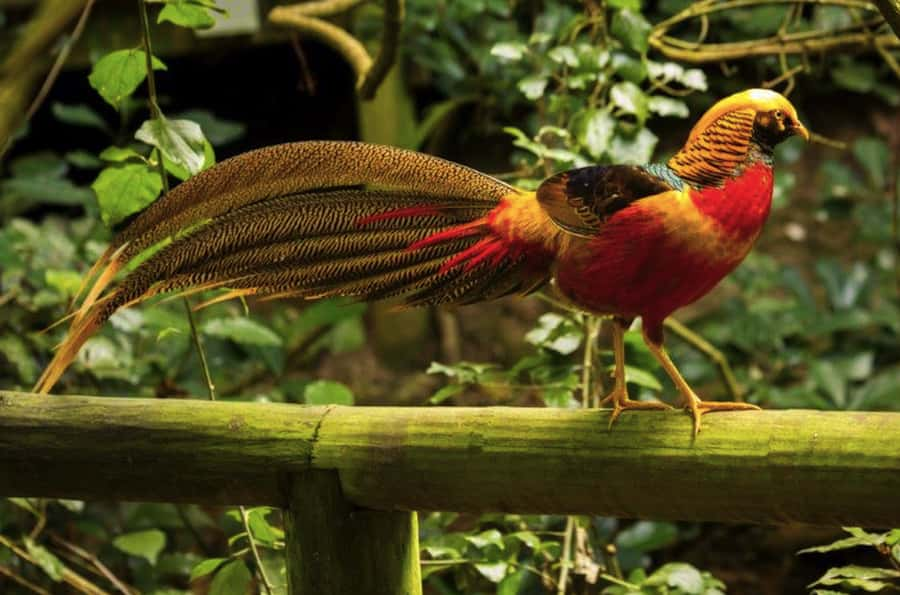
- Birds of Eden shelters more than 3,500 birds across 220 species and subspecies.
- Jukani focuses on rescued predators, including lions, tigers, leopards, jaguars, cheetahs, pumas, and spotted hyenas.
- You can choose one sanctuary or visit all three, and a combination ticket costs less per sanctuary.
- Plan for walking, with comfortable shoes, a hat at Jukani, and binoculars useful at Birds of Eden.
Three sanctuaries, three different kinds of wildlife day
This attraction is best understood as a choice of three separate animal sanctuaries rather than one continuous tour. You can visit Monkeyland, Birds of Eden, Jukani Wildlife Sanctuary, or all three, with the full plan taking from one to three days depending on your pace and availability.
The advertised price is $23 per person. That makes a single sanctuary a reasonable choice if you are short on time, while a combination ticket offers better value if you want the full set. Since each sanctuary has a different format, visiting all three does not feel like repeating the same stop.
Monkeyland gives you a guided forest walk. Birds of Eden is mainly self-guided. Jukani uses a guided walking safari focused on large mammals and predators. That mix is useful: you get explanation and storytelling where it matters, but you also have freedom to pause, watch, and take photographs.
The sites are in the Western Cape, within the Garden Route region. Hotel pickup and drop-off are not included, so you will need to arrange your own way to the meeting point, which can vary depending on the option you book.
More Wildlife Sanctuaries in Plettenberg Bay:
- Monkeyland Guided Tour in Plettenberg Bay
★ 4.5 · 134 reviews - Jukani Wildlife Sanctuary Admission with Guided Tour
★ 4.5 · 50 reviews - Cape Town: World of Birds & Animal Sanctuary
★ 4.8 · 30 reviews
Monkeyland: a forest home for former captive primates
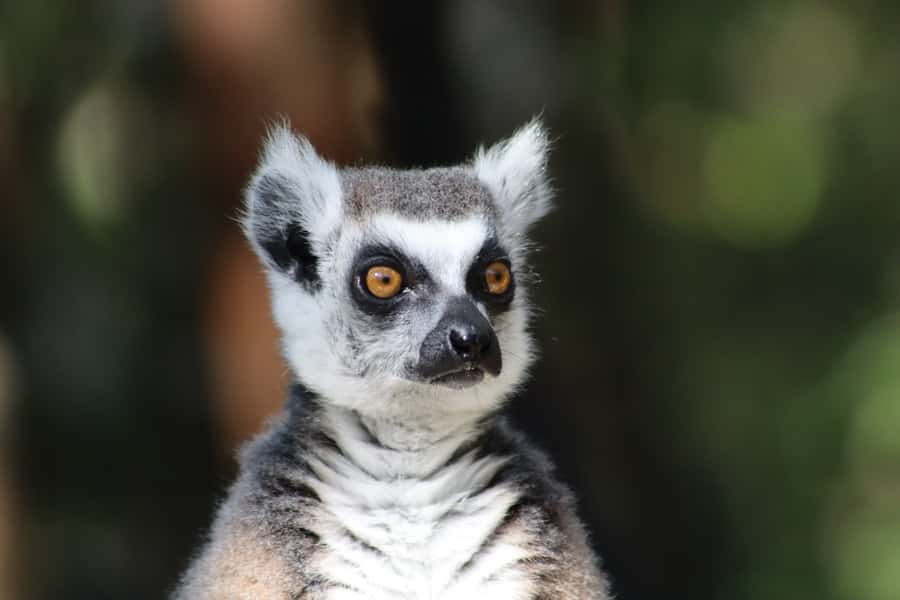
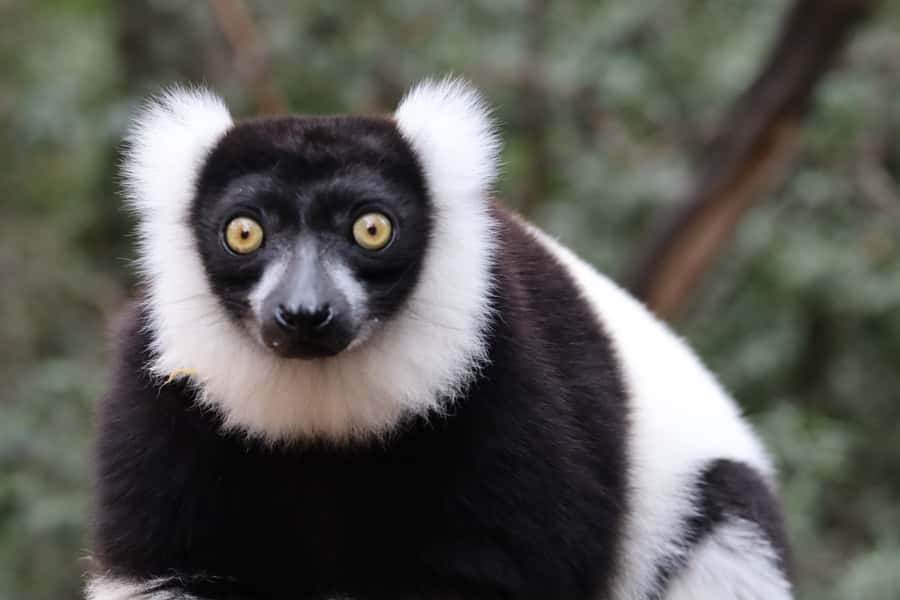
Monkeyland is the most personal of the three stops. As you approach the sanctuary, you may hear primates calling before you see them. The animals live in a 12-hectare indigenous forest, not behind a row of small cages, and the setting gives the visit a sense of movement and discovery.
More than 550 apes, monkeys, and lemurs live here. The sanctuary was created as a permanent home for ex-captive primates, with the goal of giving them a healthier and more natural way of life. That background matters because you are not simply looking at animals for entertainment. You are also seeing what can happen when animals once kept in captivity are given space, trees, and contact with others of their kind.
The visit includes a one-hour guided tour with an experienced primate guide. The guide points out different species, explains their behavior, and shares the stories of individual animals. This is a good place to ask questions, since primates can be hard to identify from a distance and their behavior often makes more sense with context.
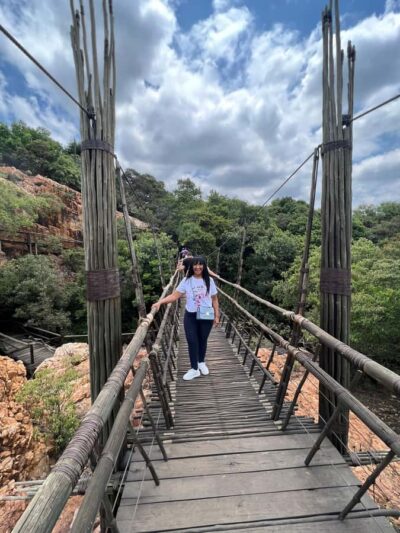
The 128-meter suspension bridge is one of Monkeyland’s memorable features. It crosses through the canopy and gives you a higher view of the forest. You may see movement below or above you, and the bridge adds a little excitement without turning the visit into an amusement ride.
Monkeyland is particularly good for families and photographers. The animals can sometimes be seen fairly close, but you should not expect every primate to pose in a perfect spot. That is part of the value of a free-roaming setting. You watch, wait, and accept that the animals set the schedule.
Tours are conducted in English. A French guide can be arranged at no extra charge if you request one at least 48 hours ahead and provide an arrival time. Touching the animals is not allowed, which protects both the primates and the natural character of the sanctuary.
Birds of Eden: 1.2 kilometers beneath a giant aviary
Birds of Eden is the most flexible stop. You explore on your own along a 1.2-kilometer walkway, moving through partly forested ground, a deep gorge, and a waterfall beneath a mesh enclosure that covers 3.2 hectares. The aviary reaches about 50 meters high, allowing birds to fly over the treetops rather than simply hopping between perches.
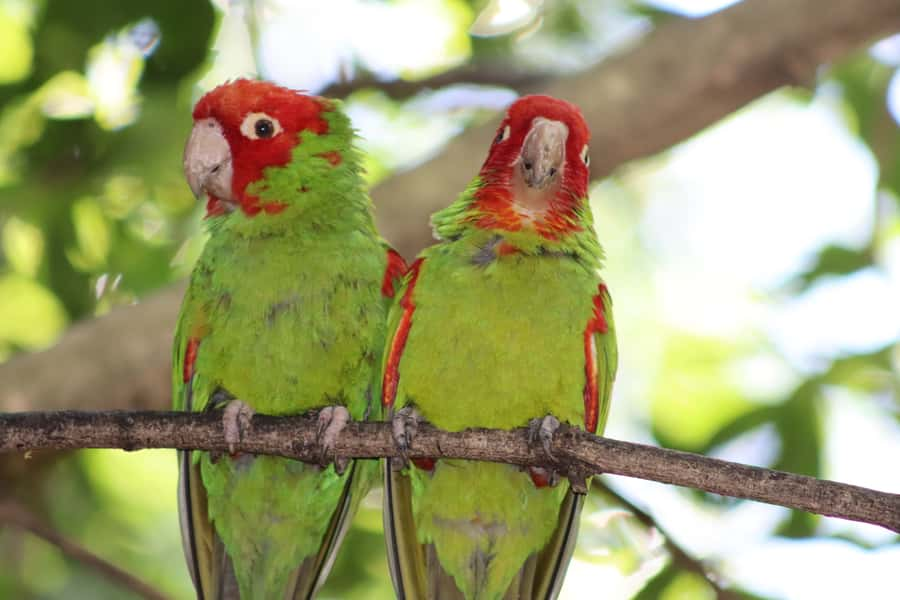
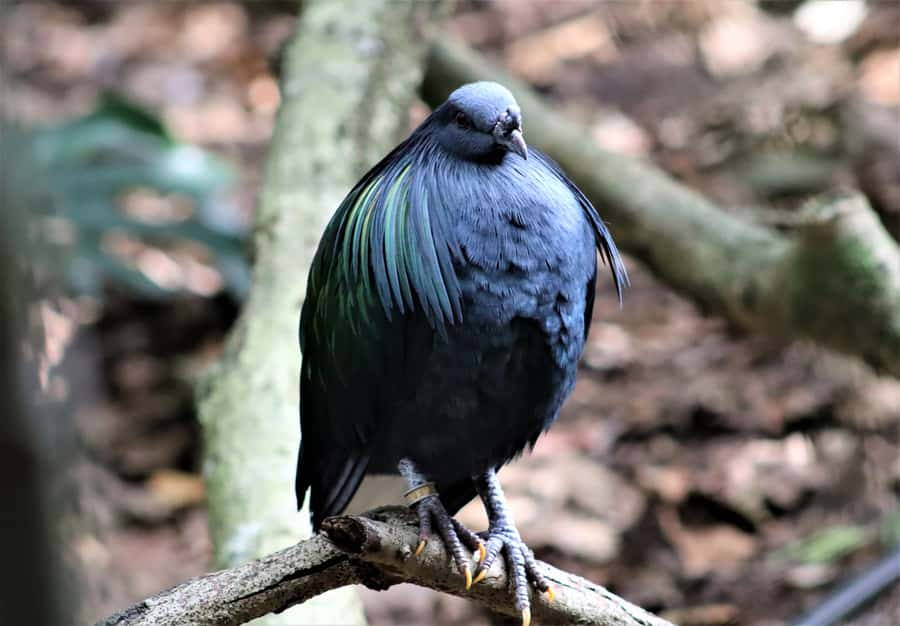
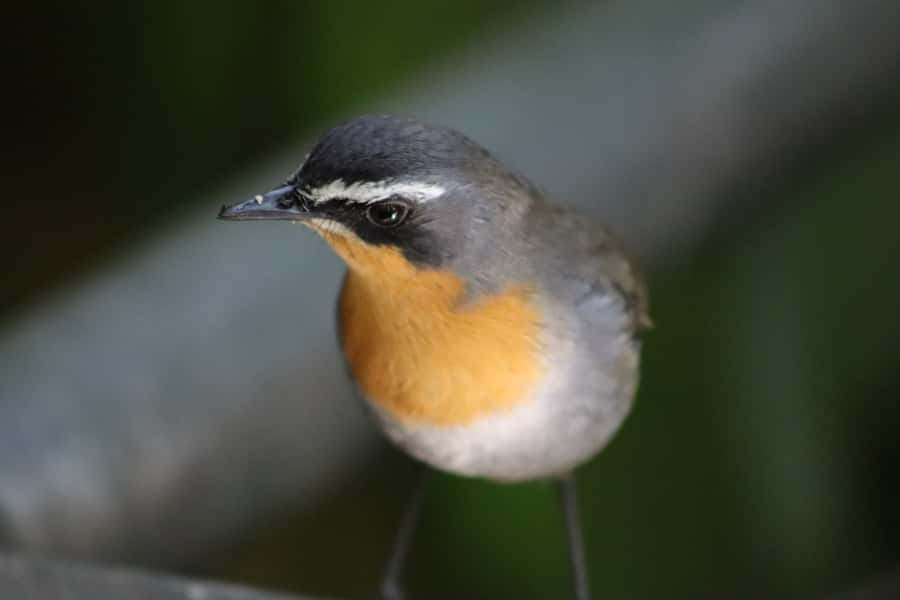
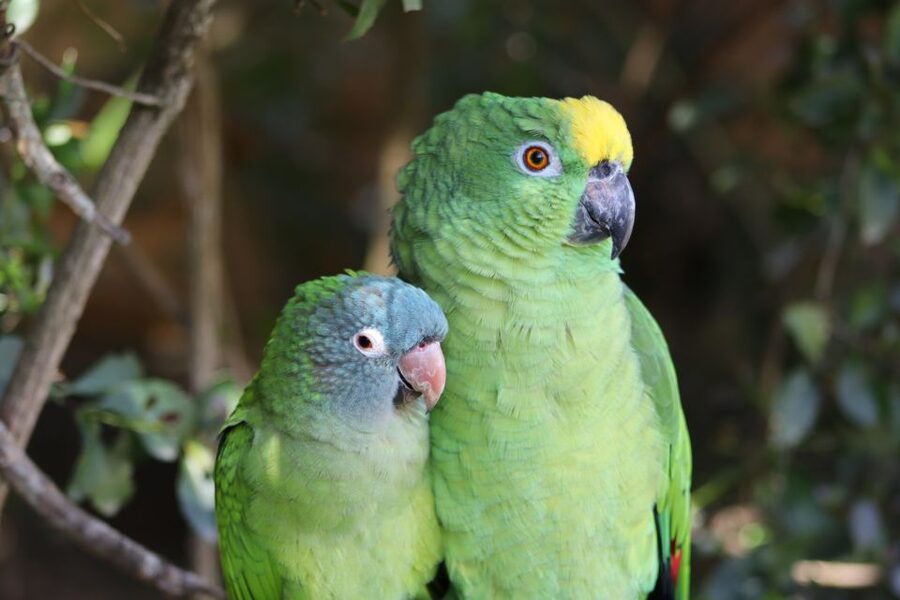
The sanctuary is home to more than 3,500 birds, representing 220 species and subspecies. You may see parrots, parakeets, flamingos, cranes, waterfowl, starlings, robins, and turacos. The Knysna lourie is one of the local highlights, with an unusual call that does not seem to match its graceful appearance.
Birds of Eden also has an important rescue purpose. Many of its birds were previously kept as pets in cages. Here, they have space to use their wings and display behavior that captivity often prevents. That makes the scale of the aviary more than a visual feature. It changes what the birds can do.
I would allow plenty of time here. The official visit can take a full day if you stop often, watch birds in the trees, and take the trail at an unhurried pace. You do not need to follow a guide, which is ideal if you want to linger at one spot or move quickly through another.
A guided tour can be arranged in English with at least 48 hours of advance notice and an arrival time. Otherwise, the self-guided format is simple and easy to manage. Binoculars are useful, though not required. They help you pick out birds in the canopy and watch behavior at a distance.
Birds of Eden is likely the best choice for someone who prefers a quiet walk over a scheduled tour. It is also a strong option for visitors who enjoy bird photography, although the height and movement of the birds mean that patience and a zoom lens will help.
Jukani: big cats and rescued predators
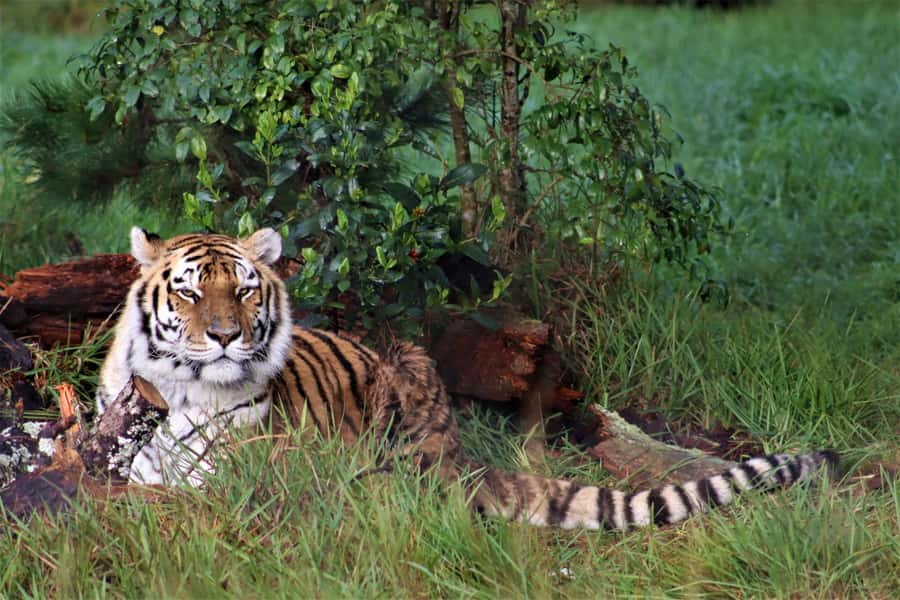
Jukani Wildlife Sanctuary shifts the focus from forest primates and flying birds to large mammals. Its main draw is the collection of big cats: lions, tigers, leopards, and jaguars. These animals were rescued or moved from facilities that could no longer care for them, and Jukani provides permanent homes designed around their individual needs.
The visit is a 90-minute guided walking safari in English. The guide explains the animals and the problems they face, while you walk through the sanctuary rather than viewing it from a vehicle. Along the way, you may also see raccoons, a honey badger, caracals, zebras, springbok, spotted hyenas, cheetahs, and pumas.
The cheetahs are known for their speed, while the pumas can be fascinating because of their ability to climb trees. Spotted hyenas add another strong predator to the route, and the variety means Jukani is not only about lions and tigers.
Jukani’s central message is that these animals are not available for touching, handling, or exploitation. You see them from a respectful distance and learn how personal choices can affect their future. That makes the guide an important part of the visit, not just someone who leads you from one enclosure to the next.
The setting is designed to give the animals large, natural-style spaces. Still, you should keep your expectations balanced. Big-cat sanctuaries can never perfectly reproduce the range of a wild animal’s territory, and Jukani may feel more managed and less natural than Monkeyland. The benefit is that you can see rescued predators that might otherwise have no safe home.
Wear a hat at Jukani, especially if you are visiting with children. Comfortable walking shoes are better than sandals, and binoculars can help when animals settle farther back in their habitats.
A few more Plettenberg Bay days worth comparing
- Plettenberg Bay: Swim with Seals
★ 4.7 · 887 reviews - Knysna Ziplines Tour
★ 5.0 · 688 reviews - Standard Canyoning Trip in The Crags, South Africa
★ 5.0 · 381 reviews - Plettenberg Bay: Whale Watching Boat Cruise
★ 4.4 · 362 reviews
What the visit feels like in practice
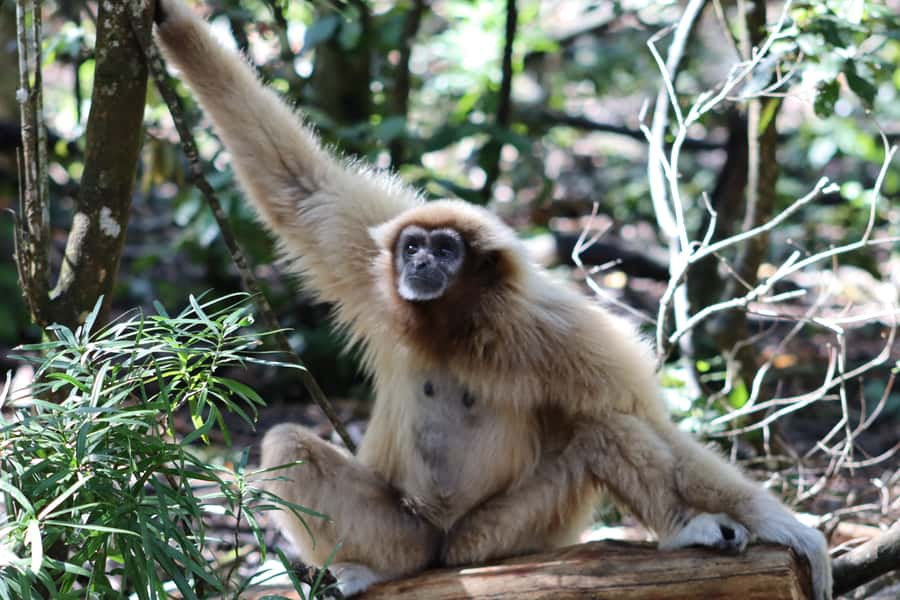
The three sanctuaries vary in pace. Monkeyland has a fixed one-hour guided tour, Birds of Eden lets you set your own rhythm, and Jukani follows a 90-minute guided route. If you visit all three in one day, the schedule may feel full, especially if you want to spend real time watching animals rather than simply checking off entrances.
For that reason, I would choose your priorities before arriving. If primates are your main interest, start with Monkeyland. Bird lovers should protect enough time for Birds of Eden, since its 1.2-kilometer trail and many viewing points reward patience. Choose Jukani if your main goal is to see large cats and learn about rescued predators.
The best photographs will come from allowing time for animals to move naturally. You may get excellent close views at Monkeyland, but you cannot control where a free-roaming primate sits. At Birds of Eden, binoculars can help you spot a bird before you try for a photograph. At Jukani, the animals may be farther away in their habitats, so a longer lens can be useful.
None of the sanctuaries permits touching animals. That rule is worth taking seriously. It supports the central idea of the visit: these are permanent homes, not places where animals are trained to provide physical contact.
Guides, language, and practical details
Monkeyland and Jukani include guides as part of the visit. Monkeyland’s tours are usually in English, with French available if arranged at least 48 hours ahead. Jukani tours are conducted in English.
Birds of Eden is self-guided by default. An English guide can be organized with 48 hours of advance notice and an arrival time. There is no extra charge for the language-specific guide arrangements described for these sites.
The experience is wheelchair accessible, although you should still consider the amount of walking involved. Comfortable shoes are the most important item to bring. A hat is useful at Jukani, and binoculars are helpful at both Jukani and Birds of Eden.
Food and drinks are not included, and hotel transportation is not included. The meeting point depends on the option you book, so check the exact arrangement before setting out.
You can cancel up to 24 hours ahead for a full refund, and reserve now while paying later. Availability and starting times vary, so check those details when choosing between one, two, or all three sanctuaries.
Is the combination ticket worth it?
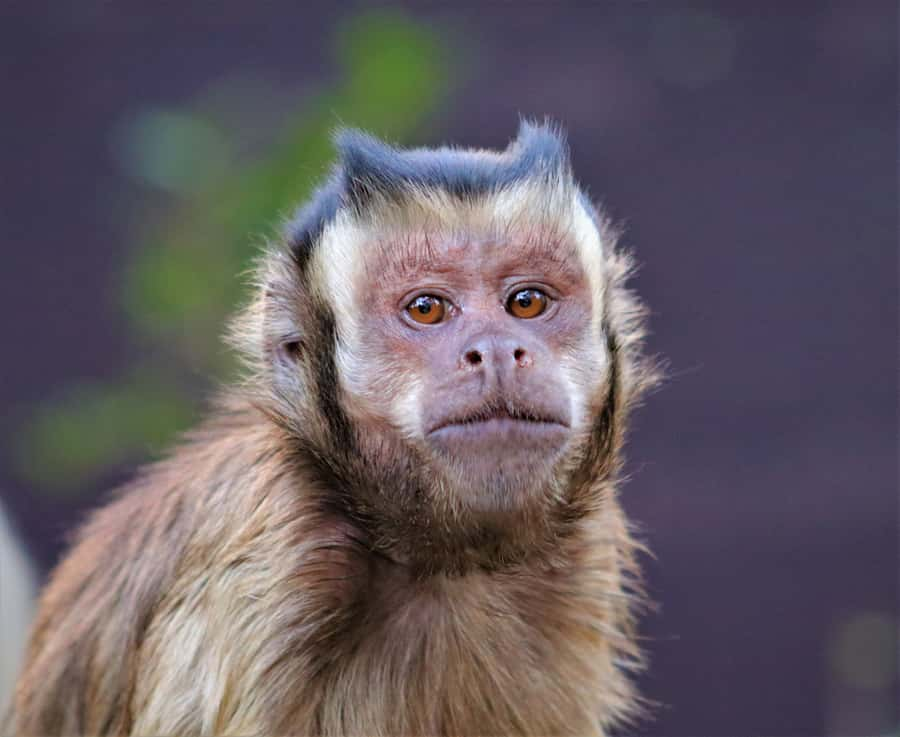
The value depends on how much time you have. At $23 per person, one sanctuary works well for a focused half-day or day out. The combination ticket is the better financial choice if you already know you want to visit more than one, since buying multiple sanctuaries together costs less per site.
The greater question is not only price. It is energy and attention. Birds of Eden can take much of a day if you explore slowly, while Monkeyland and Jukani have more defined guided portions. If you rush through all three, you may see a lot but absorb less.
I would choose two or three sanctuaries if you are spending time in the Garden Route and care about animal welfare, photography, or wildlife education. I would choose one if your schedule is tight or if you have a clear preference for primates, birds, or predators.
Who should book this animal sanctuary visit?
Book it if you want a wildlife day built around rescued animals rather than a conventional game drive. Monkeyland is the strongest pick for primate behavior and forest views. Birds of Eden suits anyone who enjoys a slow walk and birdwatching. Jukani is the choice for big cats and guided discussion about the challenges faced by captive and rescued wildlife.
Families will find all three engaging, though young children may need help with the walking and waiting involved. Photographers should bring patience, comfortable shoes, and binoculars if available. Visitors who dislike organized tours can spend time independently at Birds of Eden, while those who want explanation will appreciate the guides at Monkeyland and Jukani.
The combined experience has a 4.7 rating from 106 bookings, and its strongest appeal is easy to understand: the primates are close enough to watch, the aviary gives birds real room to fly, and Jukani offers access to impressive predators in a protected setting.
FAQ
How many sanctuaries can I visit?
You can choose Monkeyland, Birds of Eden, Jukani Wildlife Sanctuary, or all three. The activity is valid for one to three days, depending on the option and availability.
What is included at Monkeyland?
A guided tour at Monkeyland is included. The tour lasts about one hour and is conducted in English unless you arrange a French guide at least 48 hours in advance.
Is Birds of Eden guided?
Birds of Eden is normally explored independently along its walking trail. An English guide can be arranged with at least 48 hours of advance notice and an arrival time.
How long is the Jukani tour?
The guided walking safari at Jukani lasts about 90 minutes and is conducted in English.
Can I touch the animals?
No. Touching the animals is not allowed at the sanctuaries.
What animals can I see?
Monkeyland is home to monkeys, apes, and lemurs. Birds of Eden has more than 220 bird species and subspecies. Jukani has lions, tigers, leopards, jaguars, cheetahs, pumas, hyenas, caracals, zebras, springbok, and other animals.
Is transportation included?
No. Hotel pickup and drop-off are not included. The meeting point can vary according to the option you book.
What should I bring?
Bring comfortable walking shoes. A hat is advised at Jukani, especially for children. Binoculars are useful at Birds of Eden and Jukani, but they are not required.
Can I cancel the booking?
Yes. You can cancel up to 24 hours in advance for a full refund. You can also reserve now and pay later, subject to the booking conditions.
Just added around Plettenberg Bay
- Plettenberg Bay: Seal Viewing Boat Trip★ 4.8 · 16 reviews
- Plettenberg Bay: Swim with the Seals★ 4.7 · 31 reviews
- Plettenberg Bay: Seal Swimming Experience★ 5.0 · 25 reviews
- Plettenberg: 2-Hour Zipline Tour★ 4.5 · 27 reviews
- Plettenberg Bay: Dolphin and Marine Boat Tour★ 4.5 · 45 reviews
- Plettenberg Bay: 2-Hour Surf Lesson★ 4.9 · 8 reviews
- Kwano Lifestyle Day Tour – Be a local for a day★ 5.0 · 3 reviews
- Guided Wildlife Tour and Forest Walk with Lunch Platter★ 4.6 · 40 reviews
Wildlife Sanctuaries, compared.
Jukani Wildlife Sanctuary Admission with Guided Tour
Read our review →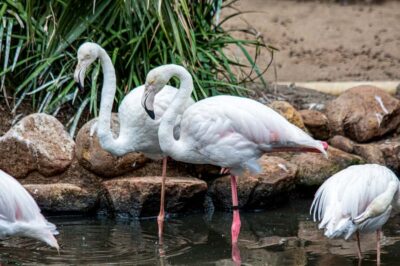
Johannesburg: Elephant and Monkey Sanctuary Half Day Tour
Read our review →Browse the lists this tour appears in