
Reviewed · WILDLIFE SANCTUARIES
Jukani Wildlife Sanctuary Admission with Guided Tour
Jukani Wildlife Sanctuary is built around a striking idea: giving rescued big cats a permanent home when they cannot return to the wild. On the 90-minute walk, you see lions, tigers, leopards, jaguars, cheetahs, and pumas, along with animals such as caracals, spotted hyenas, zebras, and springbok. The guide explains how these animals came to Jukani and what makes their care so demanding.
I like the small groups of 16 or fewer, which make it easier to hear the guide and ask questions. I also like the prepaid admission, since you can arrive at N2 in The Crags and get on with the visit instead of first dealing with the ticket line.
The main drawback is timing. On a hot late morning, cats may be resting in shade or inside shelters, so you might see less movement. An afternoon visit, especially around the reported feeding period of roughly 3:30 to 4:00 p.m., can give you a better chance of active animals.
Key things to know before you go
- The tour lasts about 90 minutes: It is a walking visit through the sanctuary, not a vehicle safari.
- The big cats are rescued animals: They live at Jukani because they cannot be released safely into the wild.
- Groups are capped at 16 people: This keeps the guide close enough for questions and clear commentary.
- Late afternoon is usually the smarter choice: Heat can send animals into shade, while cooler hours may bring more activity.
- Guides add real value: Xola, Elvis, Riko, and Bazil are among the guides praised for clear, enthusiastic explanations.
- You pay for entry and guiding, but not transport or refreshments: Plan your route to The Crags and budget separately for food and drinks.
Why Jukani is more than a big-cat photo stop
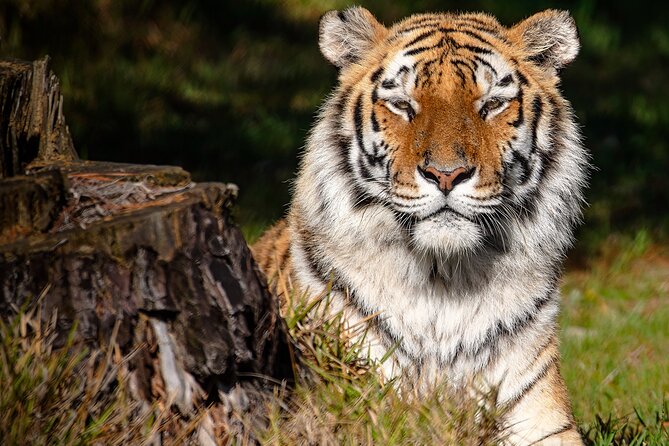
The first thing you notice at Jukani is the range of animals. This is not only a place for lion and tiger photographs. The sanctuary also houses leopards, jaguars, cheetahs, pumas, caracals, honey badgers, raccoons, spotted hyenas, zebras, springbok, and other wildlife connected with South Africa.
That variety gives the walk a useful rhythm. You move from the familiar spectacle of a large cat to smaller or less commonly seen animals, then back to the cats that draw most people here. The guide connects those sightings to biology, behavior, and conservation rather than simply pointing out names.
The setting is intended as a permanent home. The animals have been rescued or moved from facilities that could no longer care for them. Some were humanized, domesticated, abused, or kept in conditions that make release impossible. That context matters. You are not watching a wild safari unfold, and Jukani does not pretend otherwise. You are seeing animals that need long-term care.
I find this makes the visit more thoughtful than a simple collection of close-up animal views. The cats may be magnificent, but their presence also raises hard questions about private ownership, zoos, breeding, and what happens when wild animals are treated as pets or attractions. A good guide helps you think through those questions without turning the tour into a lecture.
More Wildlife in Garden Route
- Guided Wildlife Tour and Forest Walk with Lunch Platter
★ 4.6 · 40 reviews - Plettenberg Bay: Wild Cat and Wildlife Guided Tour
★ 4.7 · 206 reviews - Plettenberg Bay: Private Guided Wildlife Photography Tour
★ 4.9 · 49 reviews
The 90-minute walking route through the sanctuary
The tour begins at Jukani Wildlife Sanctuary, at N2, The Crags, 6600, in the Western Cape. You meet the professional local guide at the sanctuary and walk from enclosure to enclosure. There is no transport included, and the activity ends back at the same meeting point.
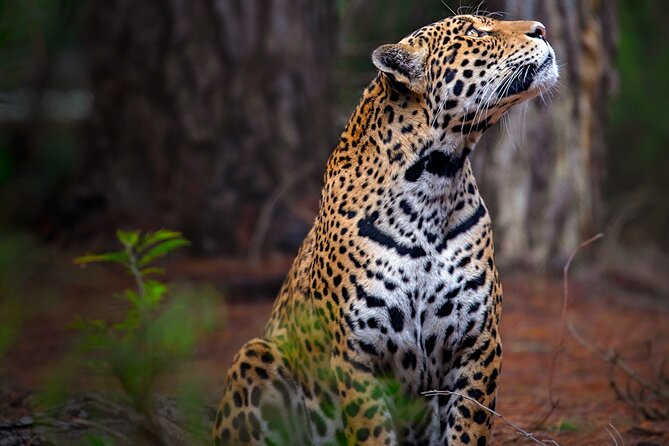
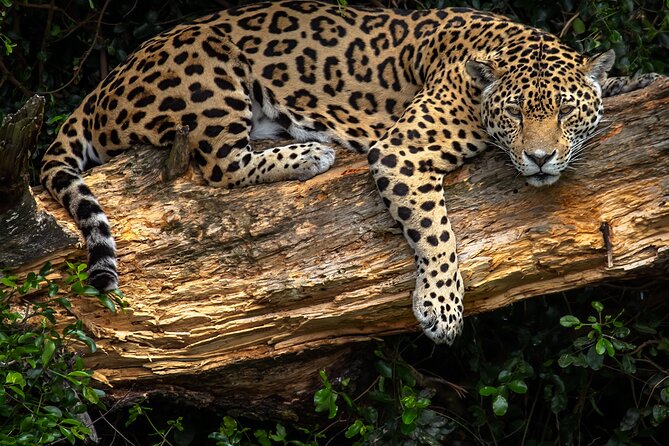
The big cats are the main event. Lions bring the power and familiarity most people expect, while tigers and jaguars offer a different look at size, movement, and habitat needs. Leopards can be harder to spot, especially when they settle into shade, but the guide helps you locate the animals and explains what you are seeing.
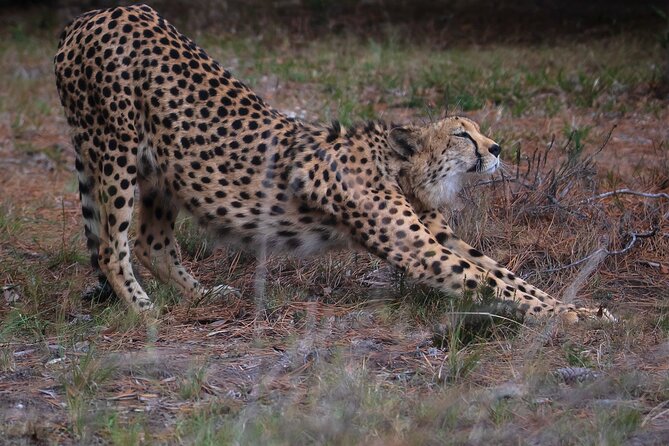
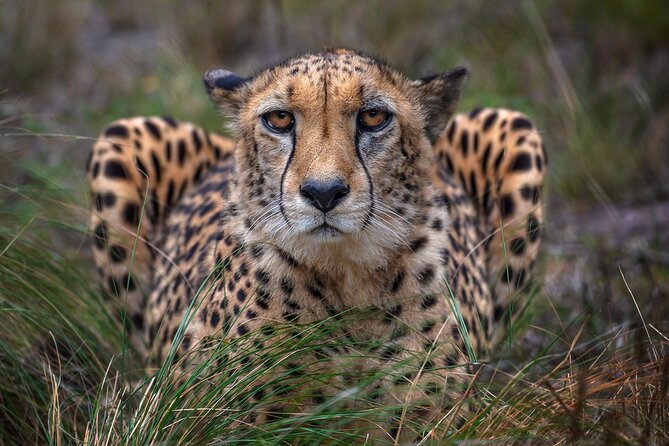
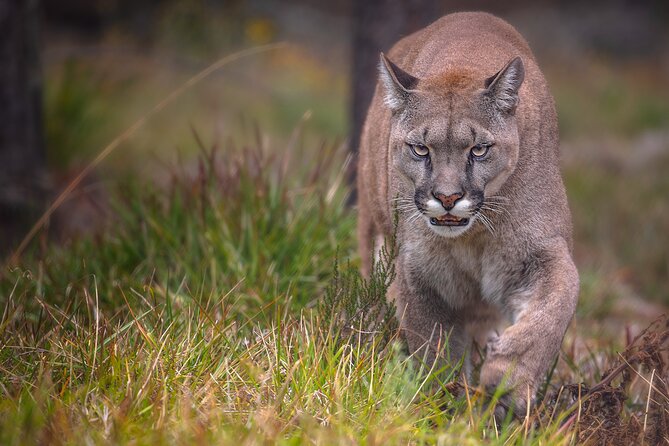
Cheetahs and pumas add a different feel. The cheetah is built for short bursts of speed, while the puma is an agile climber. Those contrasts are more interesting when the guide explains how body shape and behavior fit each animal’s way of life.
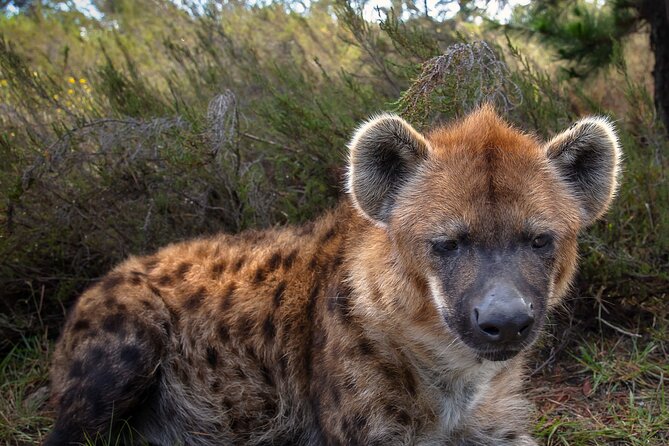
The route also includes raccoons, honey badgers, caracals, zebras, springbok, and spotted hyenas. These animals prevent the visit from becoming a single-note big-cat display. They also give the guide a chance to explain the difference between a rescue sanctuary and a traditional safari setting, where animals live in the wild and sightings are never guaranteed.
Allow the full 90 minutes. The walk is long enough to feel like a proper outing, but short enough to fit neatly into a day based in the Plettenberg Bay and The Crags area. One practical warning: if your family needs a break, the reported café is available, but food and drinks are not part of the admission price.
Why the guide makes the difference
You can look at a large cat through a fence without learning much. The guide turns that view into a useful encounter by explaining biology, habits, personal histories, and the conservation problems behind the sanctuary.
Several guides have been singled out for their approach. Xola is praised for energy, patience, and a strong command of the animals’ stories. Elvis has been described as attentive while helping people locate animals in the enclosures. Riko is noted for keeping two young children engaged for the whole 90-minute walk. Bazil has also been praised for clear explanations and helpful guidance at the viewing areas.
Names and personnel can change, so I would not book around one particular guide. The important point is that the experience depends heavily on the person leading your group. The small-group limit helps here. With no more than 16 people, you can usually hear the explanation and ask about an animal instead of being lost at the back of a large crowd.
The tour is in English. Afrikaans tours can be arranged, according to the available information, but you should confirm that arrangement before relying on it.
The best time to see active animals
Timing may be the biggest factor in how much you enjoy Jukani. Big cats often conserve energy during heat, and that is especially noticeable on warm days. A late-morning visit can leave you looking at cats in huts or shade, with little movement beyond an occasional turn of the head.
The late afternoon is a better bet. Several accounts recommend arriving around 3 p.m., with feeding reported at about 3:30 to 4 p.m. Feeding times can make animals more visible and active, though you should not assume every cat will perform on schedule. Animals remain animals, not actors.
If you visit during a hot part of the day, bring protection from the sun. An umbrella was specifically suggested as useful, and appropriate clothing is important because the tour operates in all weather. Comfortable walking clothes, sun protection, and water are sensible choices, though food and drinks are not included.
Photographers should bring patience. The cats can come close to the viewing areas, and raised viewing decks can help with photographs. Fences may still affect your shots, so manual focus can help you avoid focusing on wire rather than fur. The sanctuary offers strong photo chances, but it is not a guarantee of perfect portraits. Light, shade, and animal mood will decide much of the result.
More Wildlife Sanctuaries in Plettenberg Bay:
- Monkeyland Guided Tour in Plettenberg Bay
★ 4.5 · 134 reviews - Monkeyland, Birds of Eden, Jukani – Animal Sanctuaries
★ 4.7 · 106 reviews - Cape Town: World of Birds & Animal Sanctuary
★ 4.8 · 30 reviews - The Elephant and Monkey Sanctuary.
★ 4.5 · 16 reviews
How the enclosure design shapes the visit
The animal areas are designed around individual needs, with large natural habitats and shade. That is important for rescued animals that cannot be released, since a permanent home must provide more than a place to display them.
The balance is not perfect from a visitor’s point of view. Larger, more natural areas can make animals harder to see. A cat that has room to move away from the viewing point may be healthier and better cared for, but less convenient to photograph. I would take that trade-off in favor of the animal.
Viewing decks help. They can offer clearer angles and reduce some of the fence obstruction, especially for photographers. Still, the experience is built around observation, not guaranteed close contact. You should expect barriers, shade, and occasional empty-looking sections when an animal chooses privacy.
That is also why a guide matters. A guide can spot a partially hidden animal, explain why it is resting, and keep the group moving without rushing past an enclosure. The visit becomes less about counting animals and more about understanding what you are seeing.
Is $24.73 good value?
At $24.73 per person, the price is reasonable if you want both admission and a guided explanation. You are paying for a roughly 90-minute walk, a professional local guide, and prepaid entry. The small group makes the guiding more useful than it would be in a large crowd.
The value depends on your expectations. If you want a full-day safari with open-range wildlife, this is not that experience. If you have spare time in The Crags and want to see rescued big cats while learning why they need permanent care, the price is easier to justify.
I would also factor in the lack of transport. You must make your own way to the sanctuary, and food and drinks cost extra. That is not a problem for a self-drive itinerary, but it matters if you are building a day around paid transfers.
The activity is usually booked around 12 days ahead, which suggests you should reserve before your Western Cape schedule fills up. There are multiple tour times during the day, giving you some flexibility, but the better animal-viewing hour may be popular.
Who will get the most from this visit?
This is a strong fit for animal lovers, families, photographers, and anyone curious about rescue work. Children must be accompanied by an adult, and the 90-minute duration is manageable for many families. The account of two children aged 6 and 3 staying engaged for the full visit suggests that a lively guide can make the walk work for young children, though every child is different.
It also suits people who want an educational stop between larger activities. One hour and 30 minutes is enough to feel worthwhile without consuming a full day. I would not make it the sole reason for a long journey, since the visit itself is focused and relatively short.
The sanctuary is also a useful choice for visitors who want to think about animal welfare rather than simply see exotic cats. The stories behind the animals can be upsetting, particularly when they involve abuse, humanization, or failed private ownership. That is part of the experience, so families may want to explain the rescue theme to younger children beforehand.
The tour is available in all weather. Dress for the conditions, and remember that heat can affect both your comfort and the animals’ visibility.
Booking, cancellation, and practical details
Your mobile ticket includes admission, and confirmation is sent at booking. At reception, you will be asked to sign an indemnity form before the tour starts.
The activity begins and ends at Jukani Wildlife Sanctuary on N2 in The Crags. Transportation to and from the attraction is not included, so plan that part yourself. The maximum group size is 16 people, and most people can participate.
Free cancellation is available if you cancel at least 24 hours before the local start time. Cancellations or changes made within 24 hours are not refunded or accepted. That rule is worth noting if your route through the Western Cape may change at short notice.
Should you book the Jukani guided tour?
I would book it if you want close views of rescued big cats, a guide who can explain the animals’ behavior and pasts, and a compact activity that fits into a day around The Crags. The strongest reasons are the small groups, the range of species, and the chance to understand why these animals need permanent homes.
I would choose a late-afternoon departure when possible, arrive prepared for sun, and allow the full 90 minutes. If you need a wild safari or guaranteed animal activity, adjust your expectations. If you want a thoughtful rescue visit with impressive cats and a useful human guide, Jukani is worth the stop.
FAQ
Where is Jukani Wildlife Sanctuary?
Jukani Wildlife Sanctuary is on N2 in The Crags, 6600, South Africa, in the Western Cape.
How long does the guided tour last?
The walking tour lasts approximately 90 minutes, or about 1.5 hours.
What animals can you see at Jukani?
The sanctuary is home to lions, tigers, leopards, jaguars, cheetahs, pumas, raccoons, honey badgers, caracals, zebras, springbok, and spotted hyenas.
Are the animals wild?
The animals are rescued or rehomed and live at Jukani as a permanent home. Some cannot be released because they have been humanized, domesticated, abused, or otherwise made unable to survive in the wild.
How many people are in each tour group?
Each tour has a maximum of 16 travelers, allowing you to hear the guide and ask questions.
Is transportation included?
No. Transportation to and from Jukani Wildlife Sanctuary is not included.
Is food included in the admission price?
No. Food and drinks are not included.
What language is the tour conducted in?
Tours are conducted in English. Afrikaans tours can be arranged.
Can I cancel for a refund?
Yes. You can receive a full refund if you cancel at least 24 hours before the experience start time. Cancellations within 24 hours are not refunded.
More Wildlife in Plettenberg Bay
- Cape Town: Marine Wildlife Tour from the V&A Waterfront
★ 4.6 · 1,118 reviews - Big Five Game Reserve Wildlife Safari from Cape Town
★ 4.0 · 576 reviews - From Cape Town: South African Wildlife and Safari 2-Day Tour
★ 4.7 · 411 reviews - Ocean Wildlife Encounter in Cape Town
★ 5.0 · 307 reviews
Just added around Plettenberg Bay
- Plettenberg Bay: Seal Viewing Boat Trip★ 4.8 · 16 reviews
- Plettenberg Bay: Swim with the Seals★ 4.7 · 31 reviews
- Plettenberg Bay: Seal Swimming Experience★ 5.0 · 25 reviews
- Plettenberg: 2-Hour Zipline Tour★ 4.5 · 27 reviews
- Plettenberg Bay: Dolphin and Marine Boat Tour★ 4.5 · 45 reviews
- Plettenberg Bay: 2-Hour Surf Lesson★ 4.9 · 8 reviews
- Kwano Lifestyle Day Tour – Be a local for a day★ 5.0 · 3 reviews
- Guided Wildlife Tour and Forest Walk with Lunch Platter★ 4.6 · 40 reviews
Wildlife Sanctuaries, compared.
Monkeyland, Birds of Eden, Jukani – Animal Sanctuaries
Read our review →
Johannesburg: Elephant and Monkey Sanctuary Half Day Tour
Read our review →Browse the lists this tour appears in