
Reviewed · WILDLIFE IN GARDEN ROUTE
Plettenberg Bay: EcoKidz Family Wildlife Tour
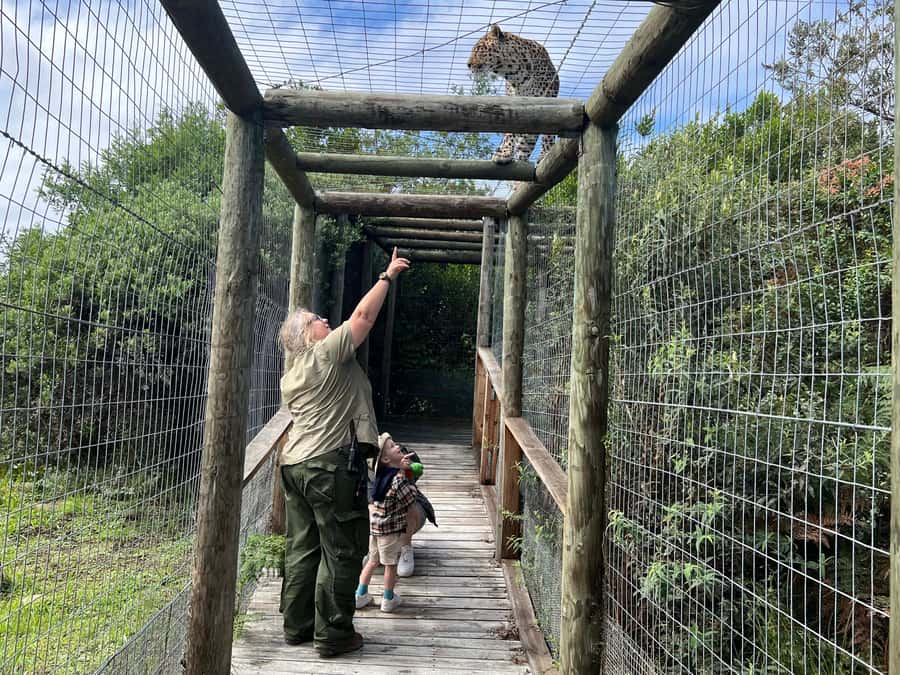
Tenikwa’s EcoKidz tour turns a visit to a wildlife rehabilitation centre into a hands-on conservation lesson for children. Instead of simply looking at animals, your child learns how cheetahs, leopards, servals, caracals, African wildcats, and lions fit into South Africa’s natural world.
I like the clear focus on children aged 5 to 12, and I like the practical touches: a quiz booklet, an EcoKidz certificate, and guides who help children stay involved. The chance to see penguins being prepared for release, along with meerkats and owls, adds welcome variety.
The main point to check is the timing. The activity is described as approximately 90 minutes, but the detailed schedule also includes camp activities, shopping, and refreshments that can take longer. Ask about the exact running order if you have plans immediately afterward.
Key points for families
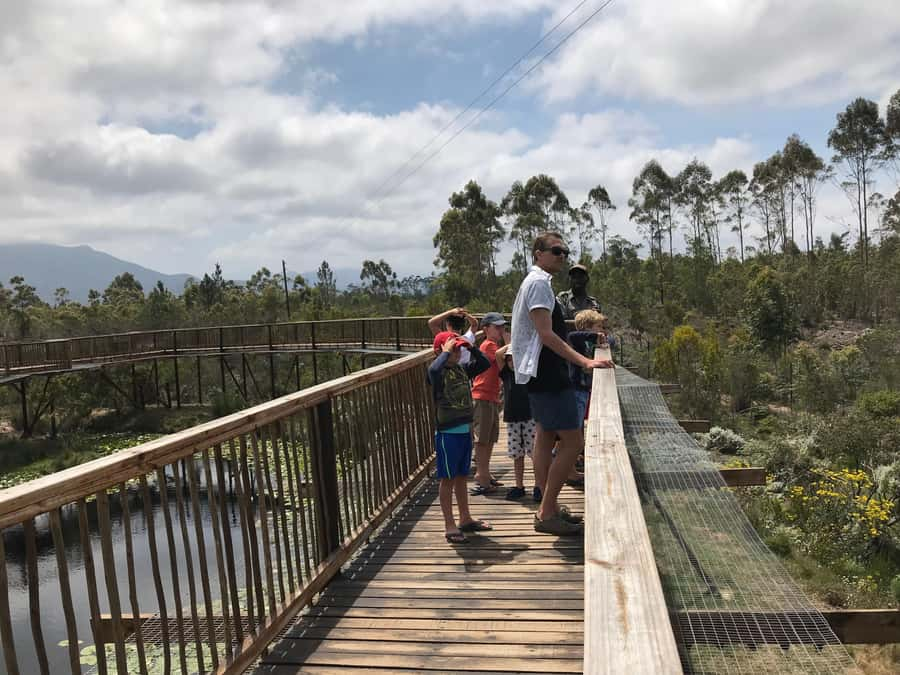
- Indigenous wild cats take centre stage: See cheetahs, leopards, servals, caracals, African wildcats, lions, and a white lion.
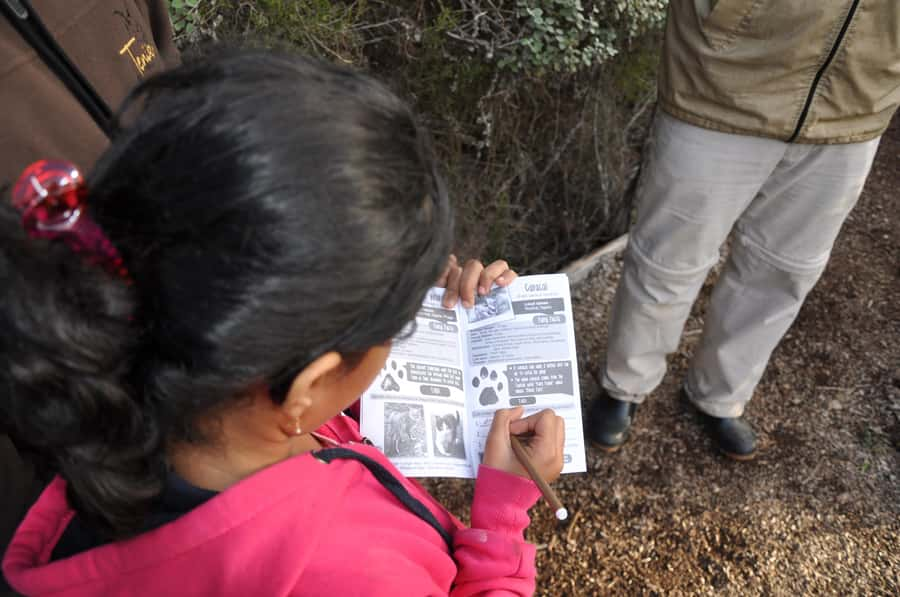
- Children have a job to do: Each participating child receives an EcoKidz booklet with quizzes to complete during the tour.
- The penguin visit adds a conservation angle: You may see penguins being prepared for release back into the wild.
- Sandile is a strong guide match for children: His patient, engaging style has been especially praised by families.
- The tour works in all weather: Rain jackets are supplied when needed, though comfortable shoes, a hat, and sun protection still make sense.
- The price is family-friendly: At $28 per person, the fee includes the guide, tour, booklet, and certificate, but not food or transport.
Why Tenikwa works well for children
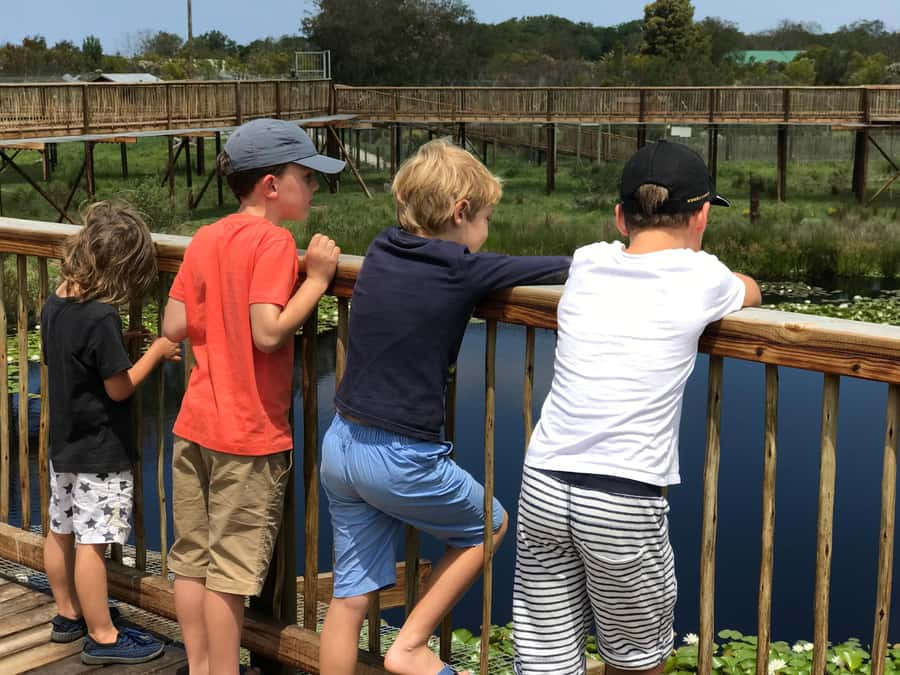
Many wildlife visits ask children to look, listen, and keep moving. Tenikwa’s EcoKidz format gives them something more active to follow. The booklet quiz encourages them to notice animal traits and listen for clues about habitats, behaviour, and the role each species plays in the ecosystem.
That matters with younger children. A five-year-old may not remember a long talk about conservation, but a question in a booklet can keep attention on the animal in front of them. The certificate at the end gives the lesson a clear finish and lets your child take home a small reminder of the visit.
The age range is quite specific. The tour is designed for children from 5 to 12, so it should suit primary-school-age children better than teenagers looking for a more technical wildlife program. Adults join the experience too, but the pace and explanations are built around children.
Guide quality will shape the experience. Sandile has been singled out for his ability to work with a seven-year-old, and that kind of patience is useful here. A German-speaking family also found an enthusiastic and caring guide who gave the children plenty of attention. You should still remember that guide style can vary, and one account described a less talkative guide and a tour that felt shorter and less child-focused.
More Wildlife in Garden Route
- Plettenberg Bay: Wild Cat and Wildlife Guided Tour
★ 4.7 · 206 reviews - Jukani Wildlife Sanctuary Admission with Guided Tour
★ 4.5 · 50 reviews - Plettenberg Bay: Private Guided Wildlife Photography Tour
★ 4.9 · 49 reviews
The wild cats are the main event
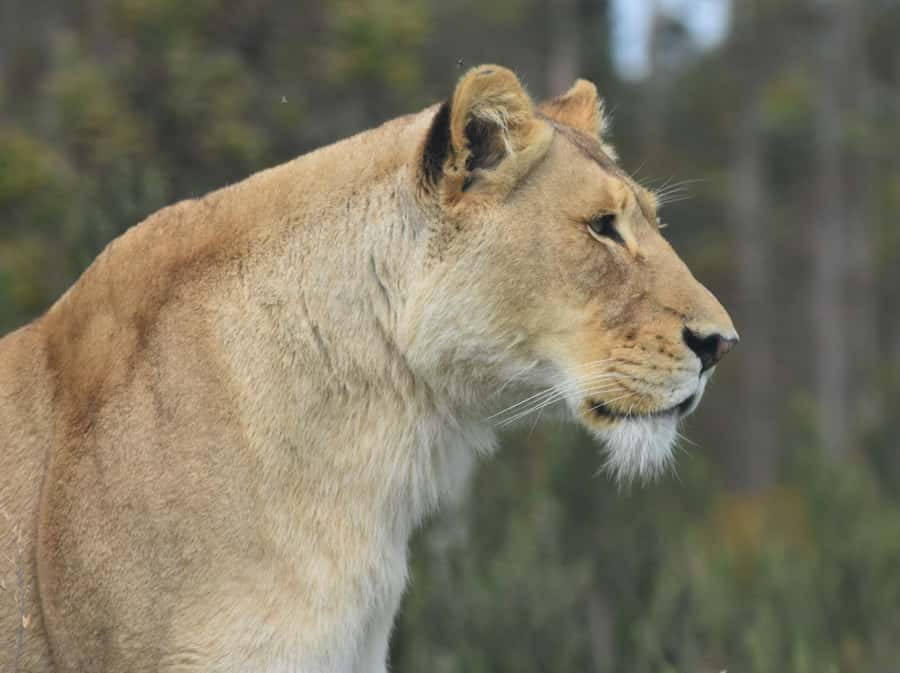
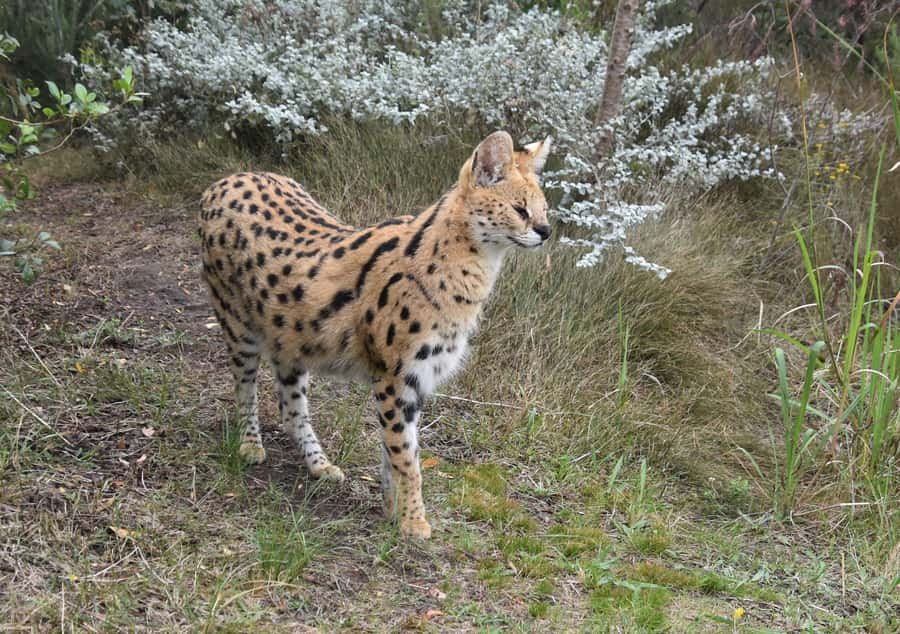
The walk introduces your family to several of South Africa’s indigenous wild cats. You can expect explanations of the differences between lions, leopards, cheetahs, servals, caracals, and African wildcats, along with a look at how each animal fits into its ecosystem.
The variety is important. A lion is instantly familiar to most children, but a serval or caracal may be new to them. The tour helps place these animals side by side, so your child can begin to understand that South African wild cats are not simply different sizes of the same animal.
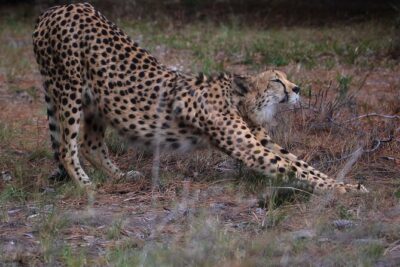
The cheetahs and leopards bring two very different forms of cat behaviour into the lesson. Cheetahs are associated with speed, while leopards are more secretive and adaptable. The guide’s job is to turn those broad facts into observations your child can connect with while looking into the enclosures.
The African wildcats are especially relevant to the conservation message. They are less famous than lions or cheetahs, yet they are part of the country’s native wildlife. Searching for them in their enclosures can be a good reminder that conservation is not only about the animals seen on posters and postcards.
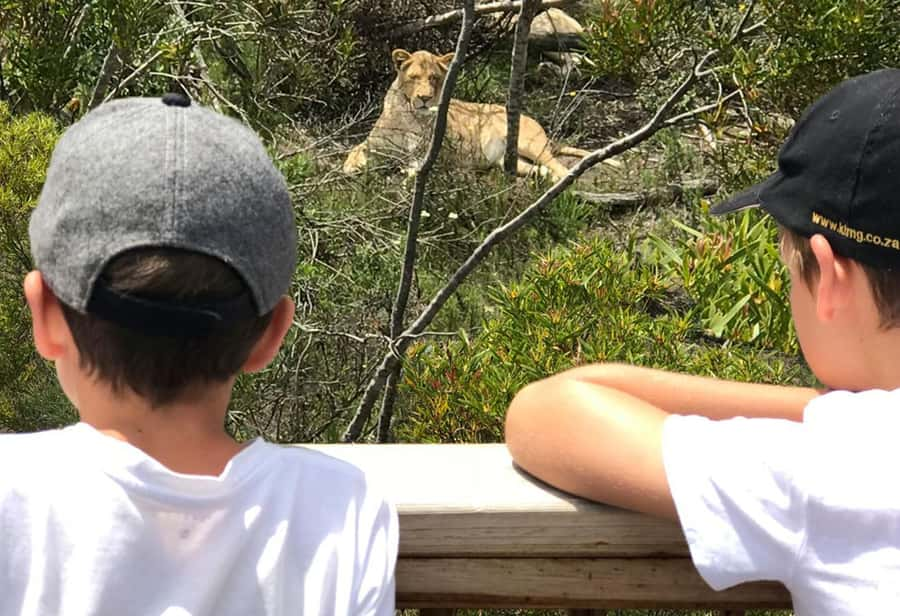
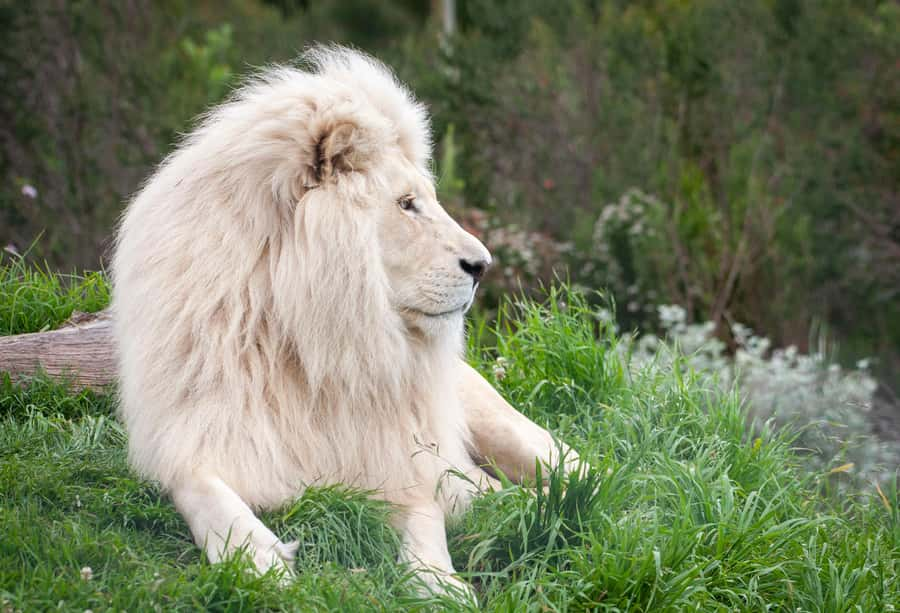
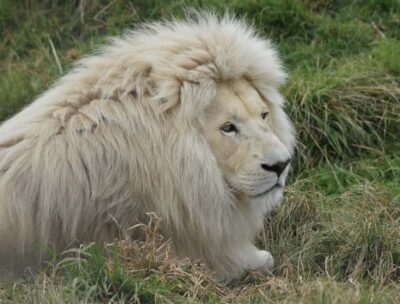
You will also see a magnificent white lion. It is likely to be a memorable moment for children, but the wider value of the visit is the chance to meet several species rather than focusing on one striking animal.
Touching and feeding wildlife are not allowed. That rule is worth explaining before you arrive: the aim is respectful observation, not a petting-zoo encounter.
Meerkats, owls, and penguins break up the cat walk
The Meerkat Meander gives the tour a lighter, more animated stop. Meerkats are easy for children to watch because they are active and expressive, and the name itself gives the stop a playful feel.
The owl visit adds another kind of wildlife lesson. Owls allow the guide to broaden the discussion beyond mammals and talk about birds of prey and their place in the natural system. For a child who is more interested in birds than big cats, this may be one of the most appealing parts of the visit.
The penguins provide the clearest link to rehabilitation. Your family may see happy penguins being prepared for release. That detail helps children understand that a wildlife centre is not only a place where animals live permanently. Some animals may be cared for with the goal of returning them to the wild.
The penguin stop also gives the tour emotional balance. Children can admire large cats, then shift attention to smaller animals with a different conservation story. The mix keeps the 90-minute program from feeling like a long sequence of similar enclosures.
What happens from arrival to the final certificate
You begin at Tenikwa Wildlife Rehabilitation and Awareness Centre. Allow time to find the centre, park at reception, check in, and arrive at least 15 minutes before your start time.
The first formal step is a short safety briefing of about five minutes. This is when your family should pay attention to the rules about staying with the guide, not touching or feeding wildlife, and leaving selfie sticks behind. Cameras are allowed, but selfie sticks are not.
The main guided walk lasts about an hour in the detailed schedule. You move through the centre with an allocated English-speaking guide, stopping for wildlife viewing, explanations, and photographs. The route includes the wild cats, meerkats, owls, and penguins, with time for the guide to help children work through their booklets.
After the walk, the camp activities are listed as taking about 30 minutes. This is where the EcoKidz format becomes more than a standard animal visit. Your child can continue with conservation activities and finish sections of the booklet with help from the guide.
The children then receive educational material and an EcoKidz certificate. Each participating child receives one, which makes the tour feel personal rather than treating children as a single group.
A shopping stop is listed for about 10 minutes. This is optional in spirit, but it is part of the planned flow. If you are travelling with a child who wants a souvenir, allow a little time. If you are working around a tight schedule, ask whether this part can be skipped.
Food and drink are not included. The schedule lists coffee, brunch, and lunch for about 30 minutes, but the activity information says you pay separately for food and drinks. Treat this as extra time and extra cost rather than part of the $28 ticket.
There is a timing wrinkle here. The overall duration is given as approximately 90 minutes, while the detailed steps add up to longer than that once camp activities, shopping, and refreshments are included. I would plan generously and confirm the day’s exact schedule with Tenikwa, especially if you have booked another activity nearby.
Same part of Garden Route, a completely different kind of day:
- From Cape Town: 2-Day Safari at Garden Route Game Lodge
★ 4.8 · 928 reviews - Plettenberg Bay: Swim with Seals
★ 4.7 · 887 reviews - Knysna Ziplines Tour
★ 5.0 · 688 reviews - Little Brak River: Botlierskop Guided Game Drive
★ 4.7 · 589 reviews
Is $28 good value?
At $28 per person, the price is reasonable for a guided family wildlife visit that includes more than a simple walk past enclosures. The fee covers an allocated guide, the wildlife tour, one EcoKidz quiz booklet per participating child, and one certificate per participating child.
The booklet and certificate matter because they give the child something to do and something to remember. You are paying for an educational visit, not only for animal viewing. That makes the price easier to justify for families who want a useful activity in Plettenberg Bay rather than a quick photo stop.
The value is strongest when your child is within the intended 5 to 12 age range and enjoys asking questions. A child who is keen on animals will get more from the guide’s explanations and the quiz than a child who only wants close contact with wildlife.
Food, drinks, and hotel transfers are not included. If you need transport from your accommodation, you must arrange it yourself. You should also budget for refreshments and any shopping at the centre.
Getting to Tenikwa from the N2
Tenikwa is reached from the N2 using the signpost marked Tenikwa, Monkeyland, and Elephant Sanctuary. At Animal Alley, take the left-hand fork marked for Tenikwa, then drive past Kurland Village.
At the next fork, keep right and follow the Tenikwa signs. Check in at Tenikwa reception, where parking is available.
This is not a hotel pickup experience, so plan the drive before leaving. The directions are clear once you are on the correct access road, but arriving early gives you time to park, use the facilities, and settle children before the briefing.
Keep valuables and backpacks locked in your vehicle. You may take a camera, but do not bring a selfie stick on the tour. Comfortable walking shoes are recommended, along with a sun hat and sun protection lotion.
Weather, walking, and accessibility
The program runs in all weather. Rain jackets are provided if conditions turn wet, which is helpful in the Western Cape, where weather can change during a day out.
You should still dress for an outdoor walk. Wear comfortable shoes and bring sun protection even when the morning looks cool. The experience is wheelchair accessible, though the supplied information does not describe the exact surfaces or route details. If you need specific access arrangements, contact the centre before booking.
The no-touching rule applies in all weather and to every animal. This is both a safety measure and a useful lesson for children about observing wildlife without treating it as entertainment on demand.
Who should book this family tour?
I would choose the EcoKidz tour for families with children between 5 and 12 who like animals but may not yet have the patience for a long adult-focused wildlife talk. The booklet, quiz, and certificate give the visit a simple structure, while the range of animals keeps the subject moving.
It is also a good choice if your child is curious about conservation but has not had much exposure to it. The tour explains how animals fit into the ecosystem and gives children practical ideas about helping create a healthier world.
Families should be comfortable with an educational visit at a rehabilitation centre. This is not advertised as a safari drive, and you should not expect animals to roam freely around you or guarantee a particular animal’s behaviour. You will view animals in their enclosures and learn about their care and place in nature.
Older children may find the material basic. Adults who want a detailed technical presentation about wildlife rehabilitation may also prefer a different format. The strongest match is a family that wants a guided introduction, clear explanations, and a child-friendly conservation message.
How the experience compares with a simple animal visit
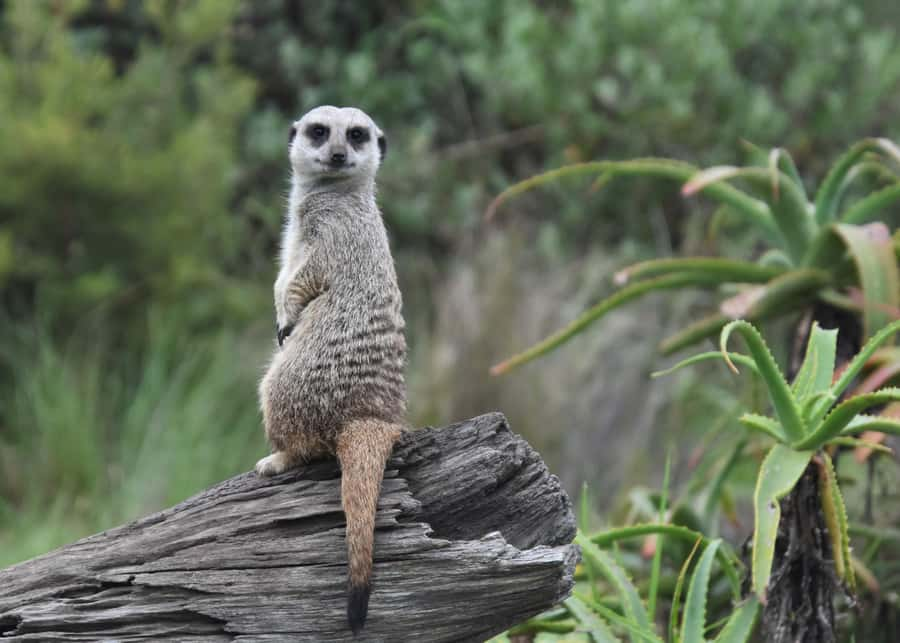
A basic animal visit can be easier if you want to set your own pace. Tenikwa’s guided format gives you less independence, but it also means you do not have to explain every animal yourself or keep inventing ways to hold a child’s attention.
The EcoKidz booklet is the key difference. It turns the outing into a small assignment, without making it feel like school if the guide handles it well. The best guides will use the animals in front of the children to answer questions and connect the quiz to what they can see.
The experience also asks children to think about release, rehabilitation, and responsible behaviour. Seeing penguins being prepared for release makes the conservation message concrete. Your child can leave understanding that wildlife centres may care for animals with different outcomes, including a return to the wild.
Guide style remains the variable. Sandile has been praised for being especially good with children, while another account found the guide quiet and the child focus limited. If having a highly interactive guide is essential, you can ask about the guide assigned on your date.
Should you book the EcoKidz Family Wildlife Tour?
Book it if you want a short, structured wildlife activity that gives children a real role. The $28 fee includes the guide, booklet, and certificate, and the mix of cats, meerkats, owls, and penguins gives the visit more range than a single-species stop.
I would be cautious only if your schedule is tight, your children are outside the 5 to 12 age group, or you expect animals to be touched or fed. Build in extra time because the detailed schedule runs longer than the stated 90-minute duration, and remember that food, drinks, and transport cost extra.
For the right family, Tenikwa offers a clear introduction to South Africa’s wild cats and the work of conservation. The strongest reason to go is not just the white lion or the cheetahs. It is the chance for your child to leave with a better idea of why these animals matter and what respectful wildlife viewing looks like.
FAQ
How long does the EcoKidz Family Wildlife Tour last?
The tour duration is approximately 90 minutes. The detailed schedule also includes camp activities, shopping, and refreshments, which may add time, so confirm the exact schedule if you have another booking afterward.
What ages is the tour designed for?
The tour is ideally suited to children between 5 and 12 years old.
What animals will children see?
The tour includes lions, leopards, cheetahs, servals, caracals, African wildcats, a white lion, meerkats, owls, and penguins. Wildlife viewing can vary, but these are the species included in the program information.
What does the $28 price include?
The price includes an allocated English-speaking guide, the guided wildlife tour, one EcoKidz booklet quiz for each participating child, and one EcoKidz certificate for each participating child.
Are food and drinks included?
No. Food and drinks are not included. The schedule lists coffee, brunch, and lunch as possible activities, but you pay separately for them.
Where does the tour meet?
Meet at Tenikwa Wildlife Rehabilitation and Awareness Centre. From the N2, follow the sign for Tenikwa, Monkeyland, and Elephant Sanctuary. At Animal Alley, take the left-hand Tenikwa fork, drive past Kurland Village, then keep right at the next fork and follow the Tenikwa signs to reception.
Can children touch or feed the animals?
No. Touching and feeding wildlife are not allowed. Cameras may be taken, but selfie sticks are not permitted.
Just added around Garden Route
- 7- 10 Days Tour Package Cape Town and Garden Route★ 5.0 · 6 reviews
- 7-day Cape Town, Winelands, Garden Route and Addo National Park★ 5.0 · 5 reviews
- 5 Day Cape to Addo Safari – Garden Route Small Group Tour★ 5.0 · 26 reviews
- 7 Day Garden Route to Addo, Cape Point and Winelands Combo tour★ 5.0 · 28 reviews
- 7-Day Garden Route Safari Adventure from Cape Town★ 5.0 · 20 reviews
- 4 Day Garden Route Luxe Selection Micro Group Tour from Cape Town★ 5.0 · 3 reviews
- 5 Day Garden Route Small Group Tour Fr CapeTown – Departs Mondays★ 5.0 · 3 reviews
- 3 Days 2 Nights Garden Route Private Tour from Cape Town★ 4.0 · 5 reviews
Wildlife in Garden Route, compared.
Jukani Wildlife Sanctuary Admission with Guided Tour
Read our review →
Guided Wildlife Tour and Forest Walk with Lunch Platter
Read our review →
3 Day Wildlife Safari Tour – Garden Route Small Group Tour from Cape Town
Read our review →Browse the lists this tour appears in