
Reviewed · APARTHEID HISTORY TOURS
Soweto & Johannesburg and Apartheid Museum
Johannesburg makes the most sense when you see its grand avenues, crowded inner districts, quiet suburbs, and Soweto streets in one long day. This tour connects those pieces, then gives the apartheid story two hours at the Apartheid Museum and time at Nelson Mandela’s former home.
I like the broad city coverage and the human focus in Soweto, from informal housing and hostels to Diepkloof’s more comfortable homes. I also like that Nelson Mandela House and the Apartheid Museum admissions are included, since those fees can add up quickly.
The main caution is the pace. Eight hours covers a lot of ground, and lunch is on your own account. Check the museum opening day before booking, too: one February booking found the Apartheid Museum closed on Monday, though guide Joseph arranged a prison visit instead.
Key points to know before you book
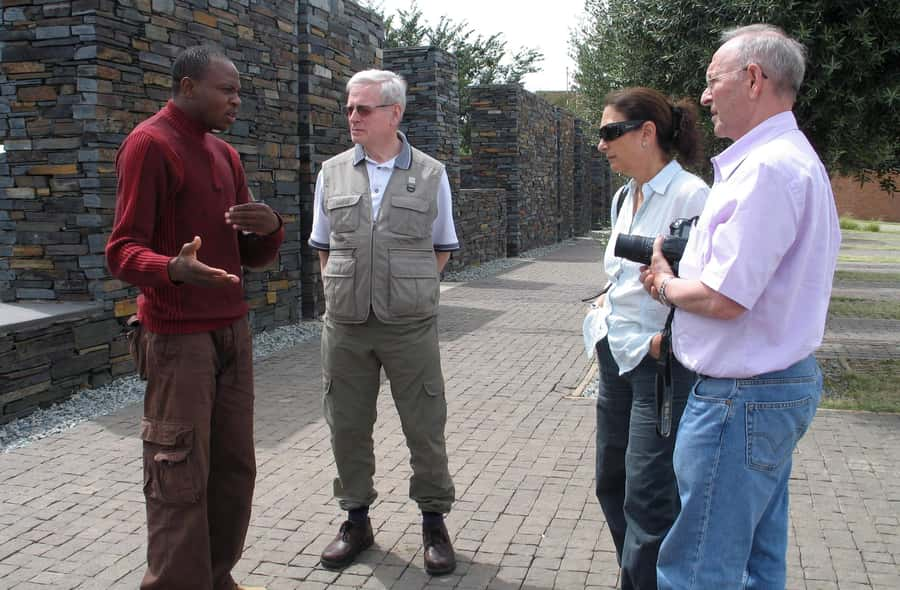
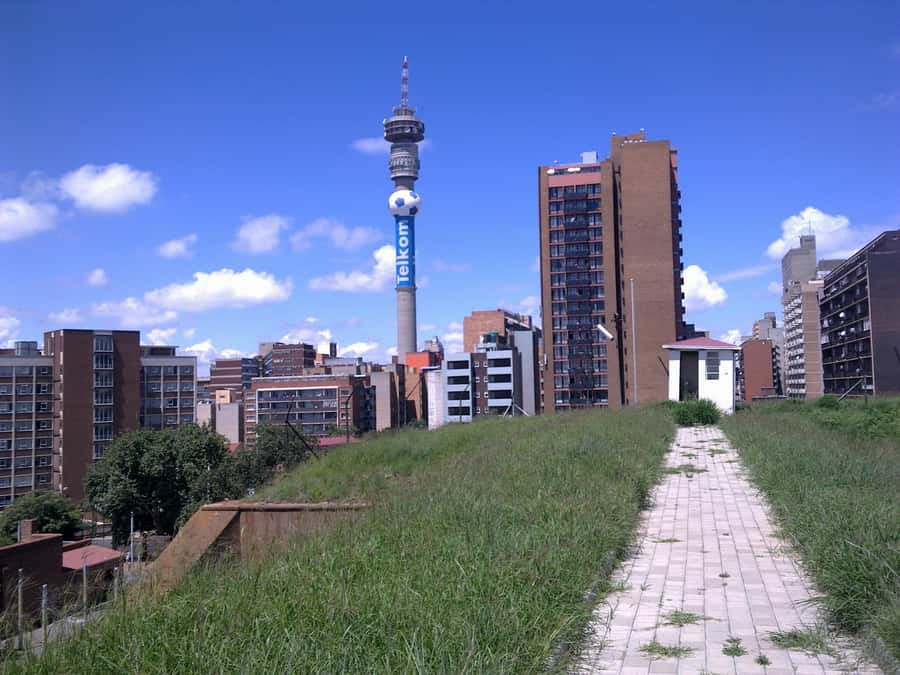
- Munro Drive viewpoint: Begin with a high view across leafy Johannesburg surroundings before moving into denser districts.
- Hillbrow and Braamfontein: See two central areas with very different urban character and hear how the city has changed.
- Soweto beyond the 1976 uprising: Visit Diepkloof, hostels, informal housing areas, and upper-income sections to get a fuller picture of daily life.
- Vilakazi Street: Visit Nelson Mandela House Museum and pass the former home of Bishop Desmond Tutu.
- Apartheid Museum: Allow two hours for the central historical portion of the day, with admission included.
- Practical value: Hotel pickup and drop-off, English or French guiding, and major entrance fees are covered for $92 per person.
Why this Johannesburg and Soweto day works
Many city tours give you a quick photo stop and a few famous names. This one tries to show how Johannesburg is put together. You move from central districts such as Hillbrow, Braamfontein, and Newtown into Soweto, where social divisions and changing fortunes are easier to see side by side.
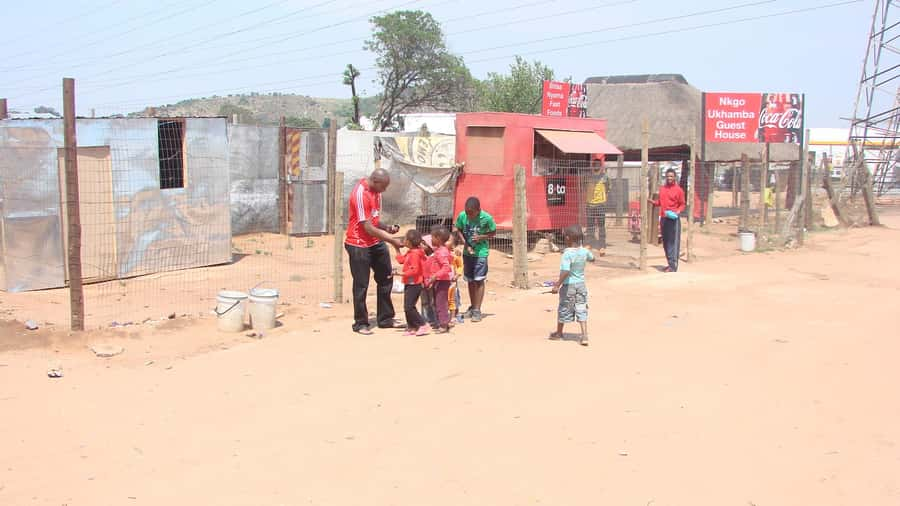
That contrast is the tour’s strongest idea. In Soweto, you can see an informal settlement shack and a hostel, then continue toward Diepkloof, an upper-income suburb. You are not given only a polished picture or only a story of hardship. You get a more useful sense of the area as a place where different communities and income levels share the same broad township.
The history is serious, but the experience is not limited to dates and political slogans. The focus is also on the people of Soweto, their homes, work, neighborhoods, and long fight for dignity. That makes this a good introduction if you are visiting Johannesburg for the first time and want context before exploring on your own.
More Apartheid History Tours in Soweto
- Soweto /Johannesburg and Apartheid Museum Guided Full Day Tour
★ 5.0 · 932 reviews - Jo’berg in 1 Day: Soweto, Apartheid Museum & City Tour
★ 4.8 · 524 reviews - Johannesburg: Full-Day Tour with Soweto and Apartheid Museum
★ 4.8 · 478 reviews
Starting from Munro Drive and Johannesburg’s central districts
Pickup is offered from nine areas, including O.R. Tambo International Airport, Fourways, Kempton Park, Rosebank Mall, Johannesburg CBD, Randburg, Pretoria, Sandton Sun, and Sandton City. The broad pickup range is useful, especially if you are staying outside the center or using Johannesburg as a base for a short visit.
The first transfer is listed as about 20 minutes. From there, the route takes in central Johannesburg and several major districts. The Munro Drive viewpoint offers a high look over the leafy surroundings, a useful opening before the tour moves into denser city streets.
Hillbrow is one of the key early stops. It is described as the most heavily populated part of Johannesburg by square meter, and the visit is guided rather than treated as a simple drive past. Expect a short, 30-minute look at a packed urban district and an explanation of its place in the city.
That stop may feel very different from the suburbs around your hotel. Give yourself time to look beyond the traffic and buildings. Hillbrow helps explain why Johannesburg cannot be reduced to its polished shopping areas and office towers.
Braamfontein follows with about 20 minutes of guided touring. It is another central neighborhood, but the point here is comparison. You see how streets, buildings, and daily movement change from one part of downtown to another.
Newtown also receives about 20 minutes. This part of Johannesburg is included as another piece of the city center, linking the urban sightseeing with the later visit to Soweto. The stops are brief, so you will not have time for a long independent wander. You are paying for orientation, commentary, and transport between locations.
A quick look at the city center and traditional medicine
The route also includes a guided look at Johannesburg itself, along with a stop at a traditional African medicine shop, often called a muti shop. This is one of the more unusual parts of the day.
A traditional medicine stop gives you a chance to see a side of local commerce that many standard city tours skip. It can be especially useful if you want the tour to cover culture as well as political history. Listen carefully to the guide and treat the visit as an introduction to a living practice, not as a staged shopping stop.
The schedule allows about 20 minutes for the general Johannesburg portion. That tells you what to expect: a compact overview rather than an exhaustive city tour. The day is built around connections between places, and the major time blocks come later in Soweto and at the Apartheid Museum.
You will also pass Soccer City. The stadium is an important modern landmark in Johannesburg, and its inclusion helps balance the older political history with the city’s present-day identity.
Crossing into Soweto through Diepkloof
The Soweto section receives about an hour in Diepkloof. This is where the tour’s social range becomes clearest.
You can see the contrast between informal settlement housing, hostel accommodation, and the more comfortable upper suburbs of Soweto. That contrast matters. Soweto is often presented as one single place, but it includes many neighborhoods and living conditions. The tour gives you a chance to see those differences instead of treating the township as a single postcard image.
Diepkloof also makes the tour more personal. You are looking at homes and streets where people live now, not only at memorials tied to the past. The guide’s role is important here, since local context helps you understand what you are seeing without reducing residents to a tourist display.
The guide is meant to focus on Soweto’s people and the strength of the community, as well as the political struggle. That approach should suit you if you want more than a fast retelling of the 16 June 1976 student uprising.
You may find the pace here a little quick. One hour is enough for an introduction and several contrasting views, but not enough to explore every neighborhood or pause at length. Keep your attention on the guide and ask questions when the route allows.
More Museums in Soweto
- Full-Day Soweto, Apartheid Museum and Lunch Tour
★ 5.0 · 410 reviews - Half Guided Day Tour of Soweto And Apartheid Museum
★ 5.0 · 356 reviews - Ultimate Johannesburg Soweto Experience with Apartheid Museum
★ 5.0 · 313 reviews - Soweto: Hop-On Hop-Off Bus, City Tour and Apartheid Museum
★ 4.5 · 250 reviews
Vilakazi Street, Mandela House, and Hector Pietersen
The next major Soweto section centers on Orlando West and Vilakazi Street. You receive about an hour of guided touring here, including a visit to Nelson Mandela House Museum.
Vilakazi Street is especially important because it connects personal homes with national history. Mandela’s former home is not simply another political monument. It helps place his public life in an ordinary residential setting, making the history easier to picture.
The tour also drives past Bishop Desmond Tutu’s house. Seeing the homes of two Nobel Peace Prize winners on the same street gives Vilakazi Street unusual historical weight. The stop is not only about Mandela, and that wider focus helps show the range of people involved in South Africa’s struggle.
Hector Pietersen Memorial adds another essential piece. The memorial recalls the schoolchildren killed during the 1976 uprising, an event that became a turning point in opposition to apartheid. This is a sobering stop, and it works best if you give it time rather than treating it as another quick photograph.
The tour’s route through Soweto looks beyond the familiar political symbols. You see hostels, upper-income areas, and everyday neighborhoods along with the memorials. I like that balance because it keeps Soweto from being portrayed only as a place of suffering.
Nelson Mandela House admission is included in the $92 price. That is a real advantage, since you do not need to decide at the door whether to pay another entrance fee or skip the museum.
Two hours at the Apartheid Museum
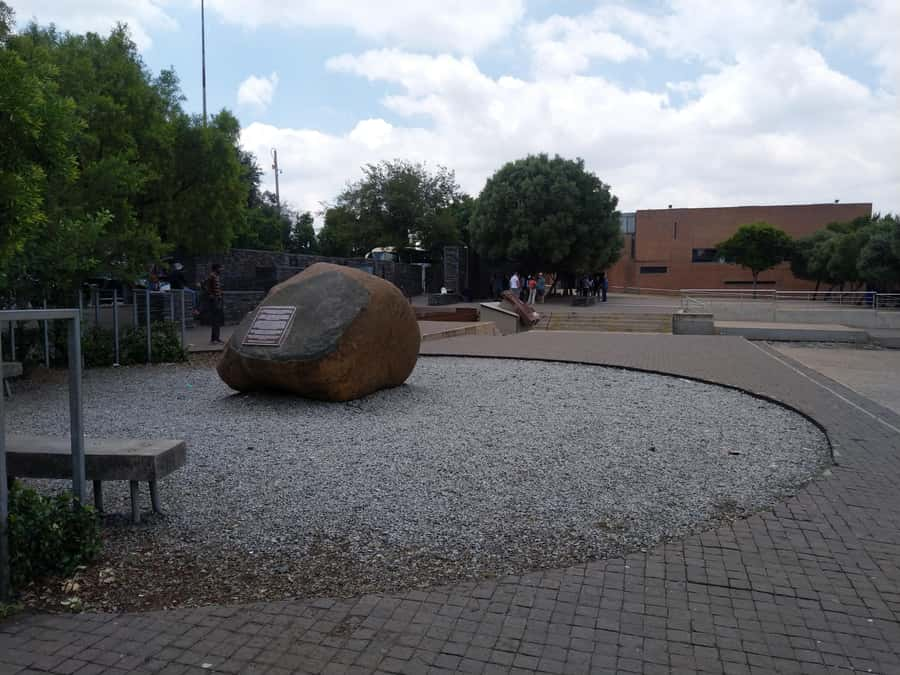
The Apartheid Museum is the main historical anchor of the day. The guided visit is scheduled for two hours, and that is a sensible amount of time for a museum with such a large subject.
You should expect the museum to bring together the legal system, racial classification, forced separation, resistance, and the long road toward democracy. The museum visit gives structure to the locations you have already seen. After Hillbrow, Soweto, Vilakazi Street, and the Hector Pietersen Memorial, the wider national story has more meaning.
Two hours is enough for a substantial visit, though you may still wish for more time if you read every panel closely. This is one reason the overall schedule feels full. You get a strong first look at Johannesburg and apartheid-era history, but you are not receiving a slow, specialist museum tour.
Pay attention to the operating day when you reserve. A booking made for a Monday found the Apartheid Museum closed. In that case, guide Joseph arranged a visit to a prison instead, which helped save the day, but you should not rely on a substitute. Confirm the museum schedule before setting your plans around this tour.
What the guide adds to the experience
The guide can make or break a route with this much history. The experience offers live guiding in English or French, and guide Joseph has been praised for clear explanations, care, and a strong knowledge of the different areas visited.
His service has included returning the next day to reunite a customer with an item left in the vehicle. That is not part of the formal itinerary, so do not book expecting personal errands. It does suggest the value of having a local guide who takes responsibility for the day.
The strongest guide style for this tour is plain explanation. You need someone who can explain why Hillbrow feels different from Braamfontein, how Soweto includes very different communities, and why the 1976 uprising still matters. The information should connect places to people rather than turn every stop into a list of dates.
French guiding is available as well as English. If language is important to you, confirm your preferred language when booking.
Time, transport, and what the $92 covers
The tour lasts eight hours and includes hotel pickup and drop-off. You can be collected from Johannesburg, Sandton, Randburg, Fourways, Pretoria, Kempton Park, or O.R. Tambo International Airport, among the listed locations. Drop-off is offered across the same general area.
That makes the tour useful on a short Johannesburg stay, particularly if you want one organized day rather than several separate taxi trips. It also helps if you are uneasy about arranging independent transport between central Johannesburg, Soweto, and the Apartheid Museum.
At $92 per person, the price is reasonable for a full day that includes transport, live guiding, Nelson Mandela House admission, and Apartheid Museum admission. The value is strongest if you plan to visit both museums anyway. If you would only want a quick city drive and one Soweto stop, eight hours may feel like more than you need.
Lunch is not included, so budget separately for that. Gratuities are also extra, with a suggested guide tip of 5 to 10 percent at the end of the day. At the upper end, that adds roughly $9 to $18 per person based on the listed price, before lunch.
The tour is wheelchair accessible. Babies under one year are not suitable for the activity. Free cancellation is available up to 24 hours before departure, and you can reserve while paying later, which gives you some flexibility if your Johannesburg schedule is still changing.
Who should book this day
I would recommend this tour to a first-time Johannesburg visitor who wants the city’s major historical themes explained in one day. It is also a good fit for solo visitors who prefer not to arrange transport between central Johannesburg and Soweto themselves.
You should book it if you want:
- A broad first look at Johannesburg and Soweto
- A guide who can explain apartheid history in place
- Both Nelson Mandela House and the Apartheid Museum
- A mix of city districts, residential areas, memorials, and cultural stops
- Pickup from a wide range of Johannesburg and Pretoria locations
You might choose something slower if you prefer long museum visits, independent wandering, or photography stops. The schedule covers many places, so some stops are necessarily short. Lunch is also not built into the price, and the day can feel demanding for anyone who dislikes moving between several locations.
Should you book the Soweto and Johannesburg tour?
Book it if you want a serious, practical introduction to Johannesburg and Soweto, with the difficult history tied to real streets, homes, and neighborhoods. The combination of Diepkloof, Vilakazi Street, Hector Pietersen Memorial, and the Apartheid Museum gives you more context than a sightseeing loop focused only on city landmarks.
Before booking, check the Apartheid Museum’s opening day, select the right pickup point, and plan for lunch and a guide tip. If those details work for you, $92 is fair value for eight hours of transport, guiding, and included admissions.
FAQ
How long does the Johannesburg and Soweto tour last?
The tour lasts eight hours, including guided sightseeing in Johannesburg and Soweto and a two-hour visit to the Apartheid Museum.
What admissions are included?
Admission to the Apartheid Museum and Nelson Mandela House Museum is included in the price.
Where can pickup and drop-off take place?
Pickup and drop-off options include O.R. Tambo International Airport, Fourways, Kempton Park, Rosebank Mall, Johannesburg CBD, Randburg, Pretoria, Sandton Sun, and Sandton City.
Is lunch included?
No. Lunch is paid for separately by you.
What languages are available?
The tour offers a live guide in English or French.
Is the tour wheelchair accessible?
Yes, the activity is wheelchair accessible. Babies under one year are not suitable for the tour.
Just added around Soweto
- Soweto Township Tour★ 4.4 · 4 reviews
- Soweto Tuk-Tuk Food & Beer Tour★ 5.0 · 9 reviews
- Private Soweto,Mandela House,Apartheid Museum,Constitution★ 4.6 · 15 reviews
- Soweto: Sip & Paint Walking Tour & Take Home a Canvas★ 4.8 · 7 reviews
- Soweto Tour; Mandela House; Vilakazi Street; Market Culture★ 5.0 · 6 reviews
- Johannesburg: Soweto History Tour with Hotel Pickup★ 4.8 · 14 reviews
- Soweto: Hector Pieterson Memorial, to Orlando Towers Tour★ 4.0 · 31 reviews
- Soweto and Apartheid Museum day Tour★ 4.2 · 3 reviews
Apartheid History Tours, compared.

Soweto /Johannesburg and Apartheid Museum Guided Full Day Tour
Read our review →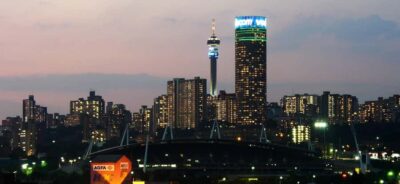
Jo’berg in 1 Day: Soweto, Apartheid Museum & City Tour
Read our review →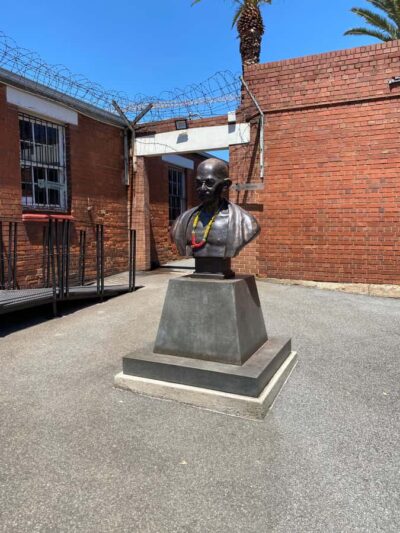
Johannesburg: Full-Day Tour with Soweto and Apartheid Museum
Read our review →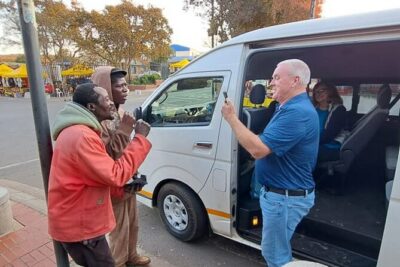
Full-Day Soweto, Apartheid Museum and Lunch Tour
Read our review →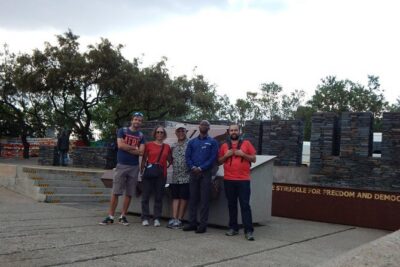
Half Guided Day Tour of Soweto And Apartheid Museum
Read our review →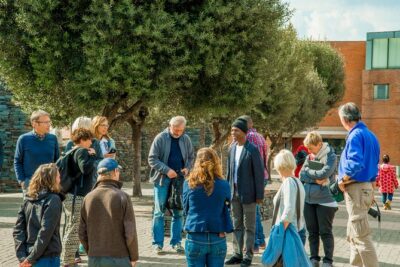
Ultimate Johannesburg Soweto Experience with Apartheid Museum
Read our review →
Hop-On Hop-Off Bus, City Tour and Apartheid Museum
Read our review →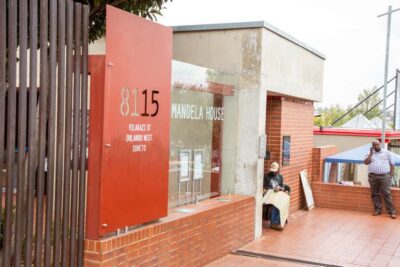
Johannesburg and Soweto Apartheid Full Day Tour w/Lunch
Read our review →Browse the lists this tour appears in