
Reviewed · APARTHEID HISTORY TOURS
Soweto Tour; Mandela House; Vilakazi Street; Market Culture
Soweto’s story comes into focus as you move from Freedom Square and Regina Mundi Cathedral to the Mandela family home and Hector Pietersen Memorial. This is not only a sightseeing drive. It links the streets, churches, schools, and homes tied to South Africa’s struggle against apartheid.
I like the compact four-hour route and the small group limit of seven. I also like that the tour mixes major historical stops with street life, taxi markets, local food, and views of the Orlando Towers. The main consideration is pace: with so much ground to cover, some stops are brief, and lunch costs extra.
Key points at a glance
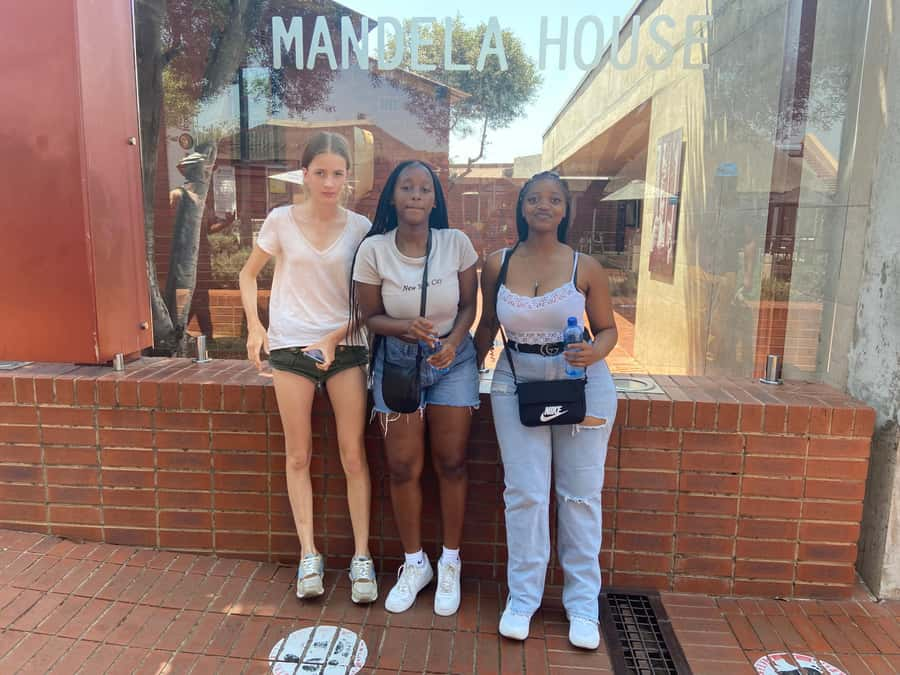
- Mandela House is included: Your admission and guided visit to the family museum are covered in the price.
- The route connects major Soweto landmarks: You visit Freedom Square, Regina Mundi Cathedral, Morris Isaacson High School, Vilakazi Street, and the Hector Pietersen Memorial.
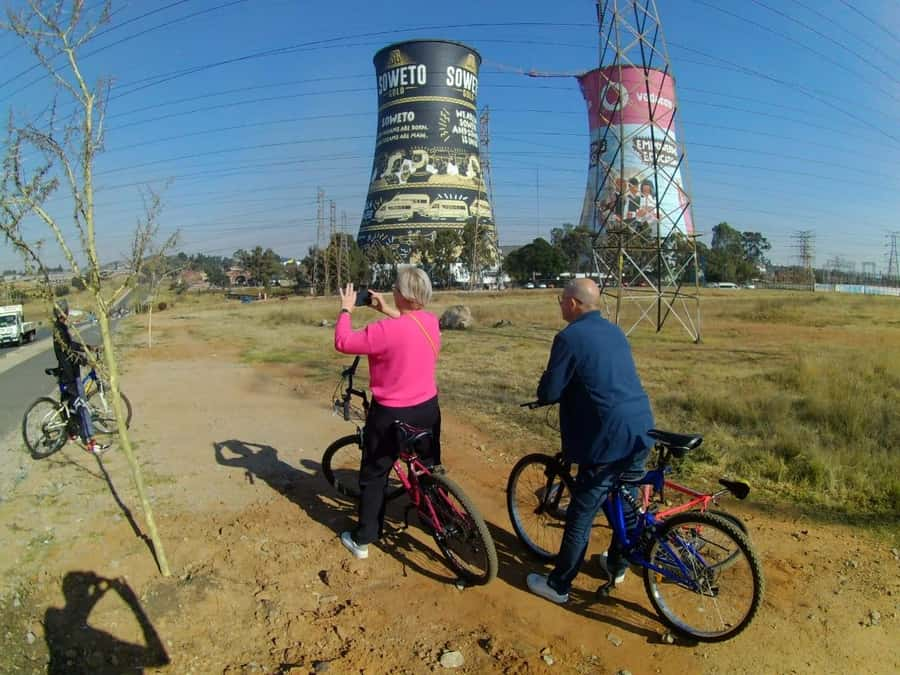
- Orlando Towers add a different view of Soweto: The former cooling towers provide a memorable visual stop and panoramic views.
- Small groups keep the tour personal: No more than seven people join, with hotel pickup and drop-off included.
- Local guides shape the experience: Ismail has led past tours, and guests have praised his safe, engaging approach. The assigned guide may vary.
- Plan for walking: Wear comfortable shoes. High heels are not allowed, and an optional Soweto lunch is paid separately.
Why this four-hour Soweto tour works
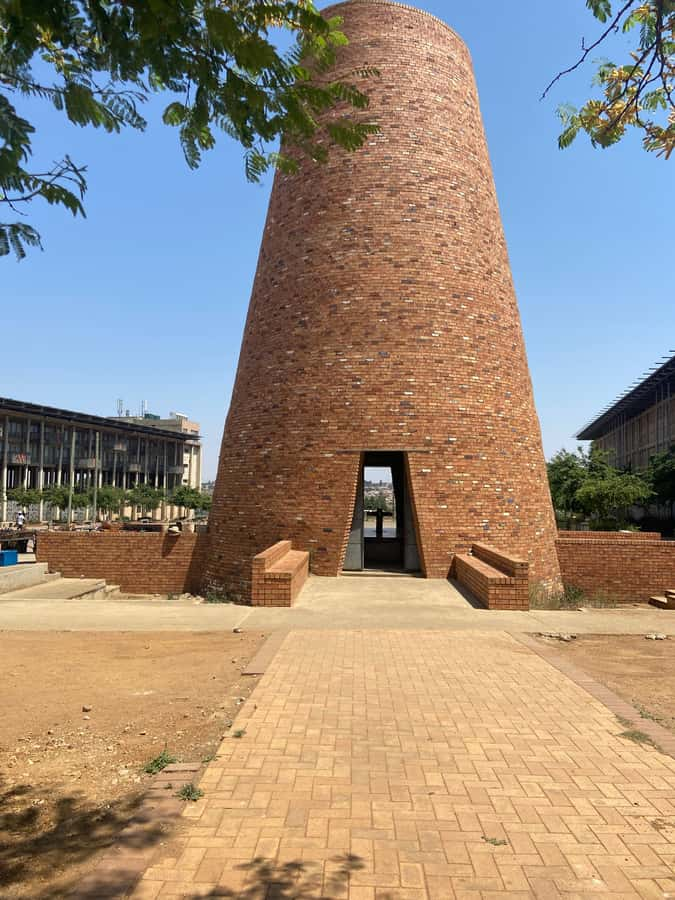
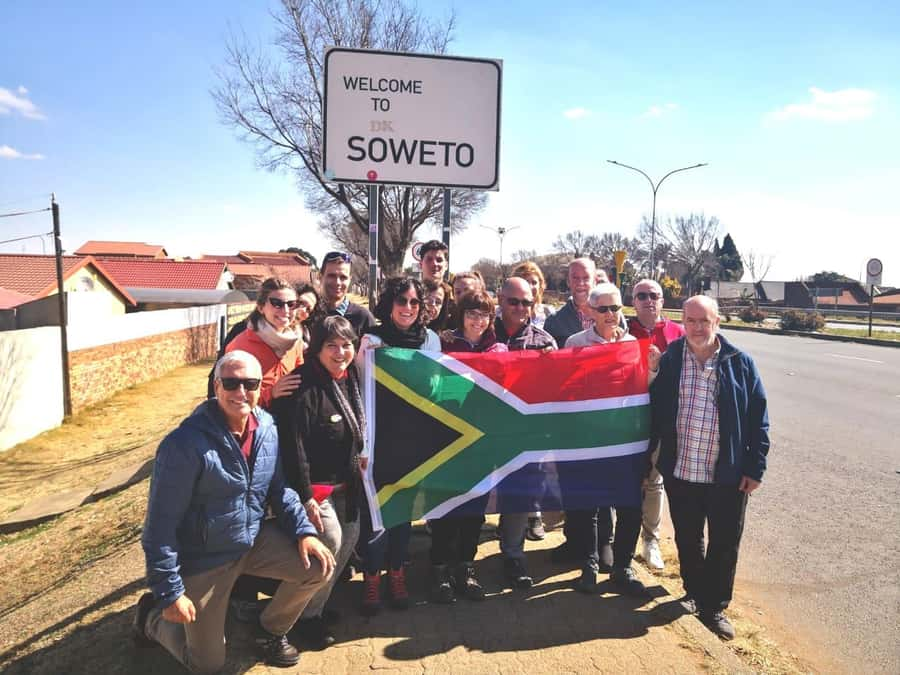
Soweto is not a single attraction. It is a large township with neighborhoods, schools, churches, markets, sports sites, and family homes spread south of Johannesburg. A first visit can feel hard to organize on your own, especially when you want both historical context and a look at daily life.
This tour gives you a clear route through several important districts. The vehicle handles the longer stretches, while you get out for key visits and short walks. That balance matters because Soweto is too broad to understand from one museum or one street.
The tour costs $93 per person. That is not the cheapest way to see Soweto, but the fee includes transportation, hotel pickup and drop-off, a live English-speaking guide, entry to Mandela House, and a small group capped at seven. You are paying for structure and context as much as for admission tickets.
The four-hour length suits a morning or afternoon in Johannesburg. It does mean the schedule is active. You should expect a series of focused stops rather than a long, relaxed stay at each place. If you want an especially slow museum visit or a full meal in Soweto, you may need more time than this tour allows.
More Apartheid History Tours in Soweto
- Soweto /Johannesburg and Apartheid Museum Guided Full Day Tour
★ 5.0 · 932 reviews - Jo’berg in 1 Day: Soweto, Apartheid Museum & City Tour
★ 4.8 · 524 reviews - Johannesburg: Full-Day Tour with Soweto and Apartheid Museum
★ 4.8 · 478 reviews
Starting with Soccer City and the road into Soweto
The route begins through the Soccer City area, linking Soweto with the 2010 World Cup. This opening stop gives the tour a sports connection before it turns toward political and social history.
From there, you pass the Bara Hospital and taxi market, then continue through Diepkloof Extension. These parts of the route help you see Soweto as a functioning home rather than only a collection of memorials. Hospitals, transport hubs, shopping areas, and residential districts are part of the story too.
Because much of this portion is viewed from the vehicle, your guide’s explanation matters. A local guide can point out how the different areas connect and explain what you are seeing while you move between stops. The small group size makes it easier to ask questions than on a large coach excursion.
Orlando Towers and the changing view of Soweto
The Orlando Towers are one of the tour’s most recognizable visual stops. The pair of former cooling towers rises above the surrounding area, covered in bold artwork and associated with the Orlando district.
The tour highlights panoramic views from the towers area. Even if you are not taking part in any adventure activity, the towers offer a useful orientation point. You can look across Soweto and get a better sense of its size and density than you can from a single street.
This is also a good place for photographs. The towers provide a sharp contrast to the residential streets and historic sites later in the route. Keep in mind that the experience is built around seeing and photographing the area, not a separate tower-climbing package. The supplied details do not include admission to an activity on the towers themselves.
Freedom Square and the meaning of Kliptown
The tour continues to Freedom Square in Kliptown. This is one of the strongest historical parts of the route because it connects Soweto to the Freedom Charter and the political vision that shaped the anti-apartheid movement.
Your guide is expected to explain the setting and its role, rather than simply point out a monument. That context is important. A quick photograph can tell you where you are, but it cannot explain why the place matters.
Freedom Square also brings the tour back to the present. Soweto has changed since the apartheid era, yet its political memory remains part of everyday life. You will see a place where national ideals were discussed alongside the practical concerns of township residents.
Same part of Soweto, a completely different kind of day:
- Johannesburg: Hop-On Hop-Off Bus with Optional Soweto Tour
★ 4.6 · 985 reviews - Johannesburg Hop-On Hop-Off City Tour with Soweto Option
★ 4.5 · 768 reviews - Half-Day Tour of Soweto Tour
★ 4.5 · 712 reviews - Soweto: Walking Tour with a Local Guide and Lunch
★ 4.9 · 648 reviews
Regina Mundi Cathedral and the 1976 uprising
Regina Mundi Cathedral is another major stop. Its name means Queen of the World, and the church is described as a key place connected with the resistance movement.
The cathedral is especially important in relation to the 1976 uprisings. The tour pairs it with Morris Isaacson High School, another site tied to that turning point. This pairing helps explain how schools, churches, and community institutions became central to opposition under apartheid.
The history here is serious, and the best approach is to listen closely and leave room for the guide’s explanation. Past guests praised the tour’s tactful handling of difficult subjects, as well as the amount of detail provided in response to questions.
This is one reason I would choose a local guide over a self-guided drive. The buildings may look ordinary from the outside, but their role in the country’s history is far from ordinary. The guide connects the physical site to the people and events associated with it.
Vilakazi Street, Mandela House, and Bishop Tutu
The route then moves to the Vilakazi precinct, one of Soweto’s best-known areas. You walk along Vilakazi Street, associated with both Nelson Mandela and Archbishop Desmond Tutu.
That combination gives the street unusual importance. It is not simply a famous address with photo opportunities. It represents the public and private sides of South Africa’s recent past, with political leadership, religious leadership, family life, and neighborhood culture meeting in one place.
Mandela House is the tour’s main included museum visit. Your admission ticket is covered, and the visit includes a guided tour. The family home offers a more personal setting than a large national museum, allowing you to focus on the house and the Mandela family’s connection to Soweto.
You should expect this part of the tour to attract the most attention. It is one of the places where history becomes physical and immediate. At the same time, the museum visit is only one part of a busy route, so do not expect an entire afternoon inside.
Vilakazi Street also gives you a chance to walk rather than remain in the vehicle. Wear shoes you can use comfortably on a short urban walk. High heels are not allowed, and comfortable footwear is specifically recommended.
Hector Pietersen Memorial and a difficult chapter
The Hector Pietersen Memorial is the final major historical stop named in the route. It commemorates the 1976 student uprising, when schoolchildren protested against apartheid education policies.
This is a powerful place, but it is not light sightseeing. You may find the visit emotionally heavy, particularly after seeing Morris Isaacson High School and Regina Mundi Cathedral earlier in the day. The sequence gives the history a clear shape, moving from institutions and political ideas to the young people caught up in the uprising.
The memorial is also a good place to ask questions. Guides who know the local story can explain more than the basic dates and names, including how the uprising is remembered in Soweto today. Past guests specifically valued personal history and detailed answers, so bring questions if there is a subject you want to understand better.
Markets, taxi life, and local food
The tour includes the Bara hospital and taxi market area, along with the chance to see local markets and street culture. This portion keeps the day from becoming a chain of memorials.
Markets show you the practical side of Soweto: transport, food, shopping, and informal trade. The experience is not presented as a staged cultural performance. You are moving through places used by local residents, though the exact market stops and time spent there can vary with the route.
Local cuisine is another part of the outing. Lunch in Soweto is optional and at your own cost. This gives you flexibility, but you should budget separately if trying local food is a priority. The tour price does not cover that meal.
Since the total duration is four hours, the market and food element is best viewed as a taste of Soweto rather than a full food tour. If you want a long sit-down meal, ask your guide how much time remains before committing to lunch.
What the guide adds to the visit
The guide is central to this experience. The tour is conducted in English, and the small group makes it easier to hear explanations and ask questions during the drive and walks.
Past bookings identify Ismail as a guide who made the activity feel safe, friendly, and easy to follow. Another guest described a local guide who shared personal history and spent time explaining details beyond the basic route. A separate account praised the careful and tactful way the guide handled Soweto’s difficult past.
Guide assignments can change, so you should not book solely on the expectation that one named person will lead your tour. Still, the feedback points to the kind of service to expect: local perspective, a willingness to answer questions, and an ability to connect famous landmarks with community history.
The provider, Moratiwa Gorup Pty Ltd, offers pickup and drop-off as part of the experience. You wait in your hotel lobby at least ten minutes before pickup. If you are staying in a private home, you need to be somewhere the driver can see the vehicle arrive.
Is $93 a fair price?
At $93 per person, the tour offers reasonable value if you want a guided overview rather than arranging several separate rides and admissions. Mandela House entry is included, as are transport, hotel pickup, drop-off, and the guide.
The small group limit improves the value. A maximum of seven people is more personal than a large bus tour, and it gives you a better chance to ask about the history or request clarification. You are also paying for a driver and route that covers a wide part of Soweto in four hours.
The price is less appealing if you already have private transport, want only Vilakazi Street and Mandela House, or prefer to spend a long time in one museum. In those cases, a shorter independent visit might suit you better, though you would lose the linked route and local explanation.
Remember to add the cost of lunch if you want to eat in Soweto. No other items are included unless specifically listed, so personal purchases and food are extra.
Who should book this experience?
I would recommend this tour to a first-time visitor to Johannesburg who wants a structured introduction to Soweto. It is also a good fit if you want the major historical sites covered in one half-day, with transport handled from your hotel.
It suits people who like a mix of driving, short walks, museums, markets, and conversation. The history is the main reason to book, but the route also gives you street scenes, local food options, and a look at how Soweto functions today.
Families and older visitors may appreciate the included transport and wheelchair accessibility. Still, you should confirm your own mobility needs before booking, since the route includes walking around Vilakazi Street and at other stops.
I would hesitate to recommend it to anyone seeking a slow, unplanned day. The route covers a lot, and four hours passes quickly. You may leave with a strong overview but a wish for more time at Mandela House, the memorial, or the market.
Booking details worth knowing
Cancellation is free up to 24 hours before the activity for a full refund. You can also reserve now and pay later, which helps if your Johannesburg schedule is still shifting.
The tour is offered in English. Pickup and drop-off are included, and the group is limited to seven participants. Bring comfortable shoes, avoid high heels, and arrive at the pickup point at least ten minutes early.
Should you book the Soweto tour?
Book it if you want the history of Soweto explained as a connected story rather than a list of famous addresses. The route brings together Freedom Square, Regina Mundi Cathedral, the 1976 uprising sites, Vilakazi Street, Mandela House, and the Hector Pietersen Memorial, while still leaving room for markets and everyday street life.
The strongest reasons to choose it are the small group, included Mandela House admission, local guide perspective, and hotel transport. The main tradeoff is speed. You will see a lot in four hours, but you will not linger everywhere.
For a first visit, that is a fair exchange. You get your bearings, learn why the places matter, and can decide what deserves a longer return visit.
FAQ
How long does the Soweto tour last?
The tour lasts four hours. Starting times depend on availability when you book.
What is included in the price?
The price includes entry to Mandela House, a guided tour, transportation, hotel pickup, and hotel drop-off.
Is lunch included?
No. Lunch in Soweto is optional and paid for separately.
Which language is the tour offered in?
The tour is conducted in English with a live tour guide.
How many people are in the group?
The tour is limited to seven participants.
Is the tour wheelchair accessible?
Yes, the activity is listed as wheelchair accessible. You should still consider that the route includes walking at places such as Vilakazi Street and the memorial sites.
Just added around Soweto
- Soweto Township Tour★ 4.4 · 4 reviews
- Soweto Tuk-Tuk Food & Beer Tour★ 5.0 · 9 reviews
- Private Soweto,Mandela House,Apartheid Museum,Constitution★ 4.6 · 15 reviews
- Soweto: Sip & Paint Walking Tour & Take Home a Canvas★ 4.8 · 7 reviews
- Johannesburg: Soweto History Tour with Hotel Pickup★ 4.8 · 14 reviews
- Soweto: Hector Pieterson Memorial, to Orlando Towers Tour★ 4.0 · 31 reviews
- Soweto & Johannesburg and Apartheid Museum★ 4.7 · 41 reviews
- Soweto Food & Beer Bike Tour★ 4.9 · 40 reviews
Apartheid History Tours, compared.

Soweto /Johannesburg and Apartheid Museum Guided Full Day Tour
Read our review →
Jo’berg in 1 Day: Soweto, Apartheid Museum & City Tour
Read our review →
Johannesburg: Full-Day Tour with Soweto and Apartheid Museum
Read our review →
Full-Day Soweto, Apartheid Museum and Lunch Tour
Read our review →
Half Guided Day Tour of Soweto And Apartheid Museum
Read our review →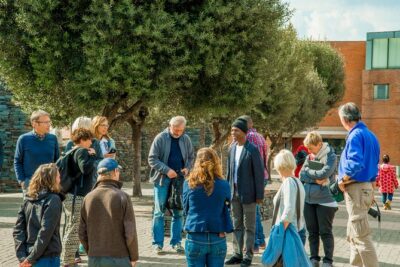
Ultimate Johannesburg Soweto Experience with Apartheid Museum
Read our review →
Hop-On Hop-Off Bus, City Tour and Apartheid Museum
Read our review →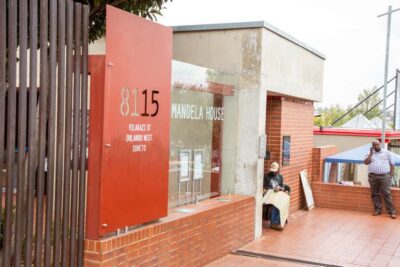
Johannesburg and Soweto Apartheid Full Day Tour w/Lunch
Read our review →Browse the lists this tour appears in