

Reviewed · APARTHEID HISTORY TOURS
Soweto: Hector Pieterson Memorial, to Orlando Towers Tour
Soweto’s story comes alive on foot, from the Hector Pieterson Memorial and the 1976 student uprising to the lively streets around Orlando Towers. This is not a drive-by township tour. You walk, eat, talk, and ride the same kind of minibus taxi used by local residents.
I like the way the tour links major political figures with ordinary daily life. You see Nelson Mandela’s former home and Archbishop Desmond Tutu’s neighborhood, then share a kota, taste local Tolokazi beer, and travel to Orlando East. Guides such as Tebogo and Dumi are especially good at explaining the past in clear, personal terms.
The main drawback is the pace. You walk about 5 kilometers over four hours, often in the sun, and entry tickets are not included. The tour is also not suitable for wheelchair users, so comfortable shoes and a reasonable level of mobility matter.
Key points to know before booking
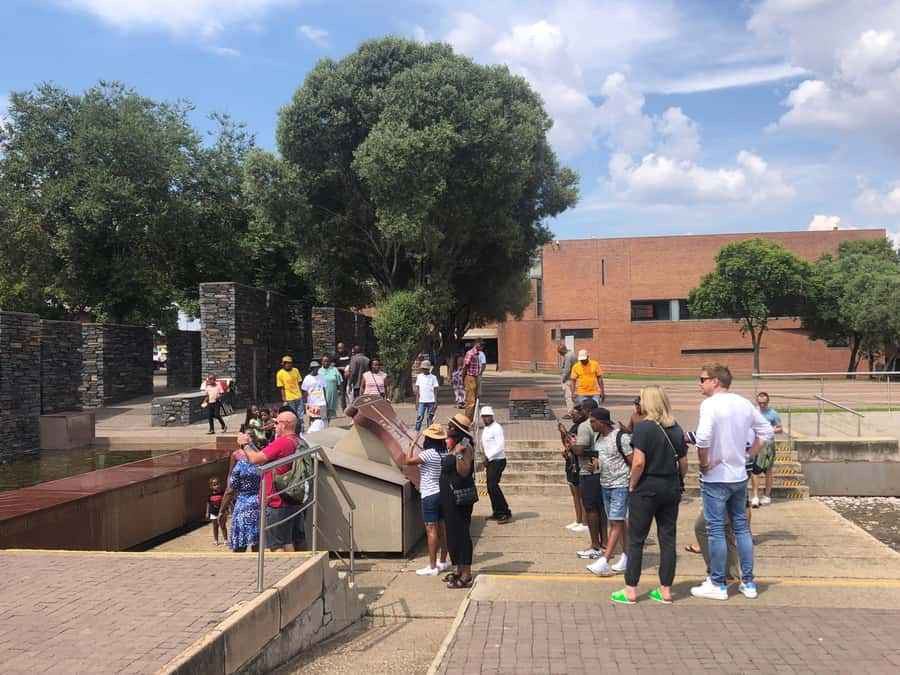
- Begin at the Hector Pieterson Memorial: Spend about an hour learning how the 1976 Soweto Uprising changed South Africa.
- Walk Vilakazi Street: See Nelson Mandela’s former home and the nearby home of Archbishop Desmond Tutu.
- Eat a proper township lunch: A kota, often called a township burger, is included in the experience.
- Use local transport: Ride a minibus taxi to Orlando East, giving you a small but genuine look at everyday movement through Soweto.
- Finish at Orlando Towers: The tour ends at one of Soweto’s best-known landmarks after a look at Orlando East.
- Expect strong guiding: Tebogo, Dumi, and Dumisani are praised for clear storytelling, patience, and thoughtful answers to questions.
Why the Hector Pieterson Memorial is the right starting point
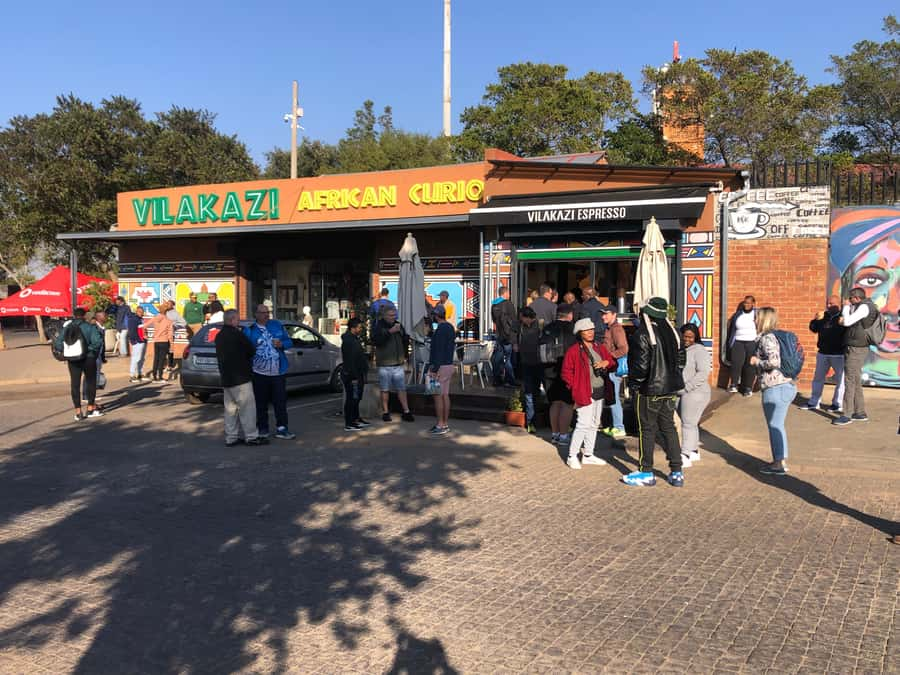
The tour opens at the Hector Pieterson Memorial, beside the meeting point near Vilakazi Espresso and the Hector Pieterson Museum. This is the serious heart of the day, and it deserves your full attention.
Here you learn about the 1976 Soweto Uprising, when school students protested against the Apartheid government’s language policy and broader system of racial control. Hector Pieterson became a symbol after being killed during the uprising. The story also includes Antoinette Sithole, whose courage during the protest is part of the memorial’s account.
You spend about an hour here with the guide. That amount of time matters. A quick photo stop would reduce the uprising to a name and a date, while the longer visit gives you room to understand how young people helped push South Africa toward political change.
Guides such as Tebogo and Dumisani are praised for explaining the events without rushing. They also leave room for questions, which is useful because the memorial raises difficult issues about policing, education, protest, and the lasting effects of Apartheid.
I would arrive ready to listen rather than simply take pictures. The first part sets the tone for the entire walk, and the later streets make more sense once you understand why Soweto became such a powerful center of resistance.
More Apartheid History Tours in Soweto
- Soweto /Johannesburg and Apartheid Museum Guided Full Day Tour
★ 5.0 · 932 reviews - Jo’berg in 1 Day: Soweto, Apartheid Museum & City Tour
★ 4.8 · 524 reviews - Johannesburg: Full-Day Tour with Soweto and Apartheid Museum
★ 4.8 · 478 reviews
Vilakazi Street, Mandela’s house, and Tutu’s neighborhood
From the memorial, the walk moves through Moema Street and toward Vilakazi Street in Orlando West. The route includes about 15 minutes of guided explanation on Moema Street, followed by a short walk through Vilakazi Street.
Vilakazi Street is famous for its political history. It is associated with two Nobel Peace Prize winners, Nelson Mandela and Archbishop Desmond Tutu. Mandela’s former home is the main scheduled visit, with about 30 minutes for a self-guided look inside.
Because the Mandela House portion is self-guided, you get some freedom to move at your own pace. The guide remains part of the wider visit, but this section is less of a narrated group talk and more of a chance to examine the house and its place in Soweto’s story.
You also see the former home of Archbishop Desmond Tutu. The tour uses the neighborhood to explain what made Tutu such an important figure, rather than treating the street as a collection of famous addresses.
I like this pairing because it keeps political history tied to real homes and streets. You are not only hearing about national leaders in a museum setting. You are seeing the places where those public lives were rooted.
Vilakazi Street is also a practical reminder that Soweto is not one uniform place. It includes famous heritage sites, established residential areas, working businesses, and communities with very different incomes and living conditions.
Kota lunch and the everyday side of Soweto

After the historical stops, the tour makes time for food. Lunch is included, and the featured option is a kota, a large township-style burger. Depending on the arrangements of the day, you may also encounter local braai food.
This is one of the best parts of the schedule because it gives the tour a change of rhythm. Four hours of political history can feel heavy. Sitting down for a local meal lets you talk with the guide, ask follow-up questions, and consider how the past connects with daily life now.
Do not treat the food as a decorative extra. The point is to try something associated with township life, not to receive a polished restaurant version of South African cuisine. If you are curious about local eating habits, this is a useful opportunity to ask the guide what the food means in the area.
The meal is included, but drinks are not. Carry some cash if you want to buy additional food or beverages, though the supplied information does not state the payment methods used at each stop.
A local brewery and the Tolokazi beer tasting
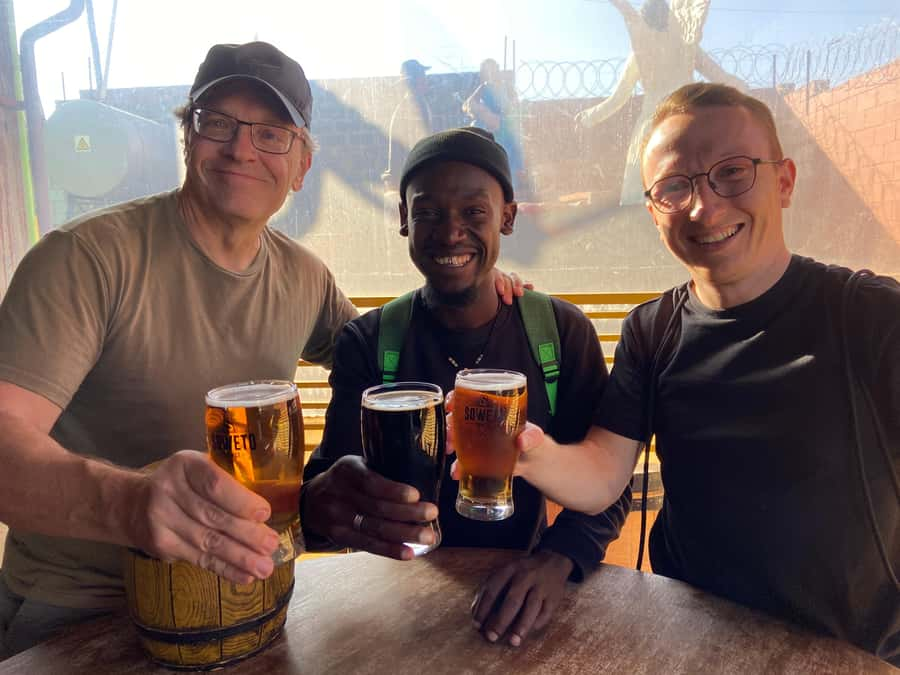
The walk continues to a local bar or brewery, reached on foot in about 15 minutes. There is a chance to taste Tolokazi beer, a local brew connected with the township setting.
This stop adds a social side to the day. You get to sit in a local drinking space rather than only visit formal heritage sites, and the guide can help you understand the difference between seeing Soweto as a historical destination and encountering it as a lived-in community.
Drinks beyond the tasting are not included. The tour also does not permit alcohol and drugs in the vehicle, so keep the experience within the planned tasting stop and follow the guide’s instructions.
The atmosphere may vary with the day and the group. That is part of the appeal, but it also means you should not expect a staged cultural show. The local bar visit is best understood as a brief, social stop rather than a long brewery tour.
Same part of Soweto, a completely different kind of day:
- Johannesburg: Hop-On Hop-Off Bus with Optional Soweto Tour
★ 4.6 · 985 reviews - Johannesburg Hop-On Hop-Off City Tour with Soweto Option
★ 4.5 · 768 reviews - Half-Day Tour of Soweto Tour
★ 4.5 · 712 reviews - Soweto: Walking Tour with a Local Guide and Lunch
★ 4.9 · 648 reviews
The minibus taxi ride to Orlando East
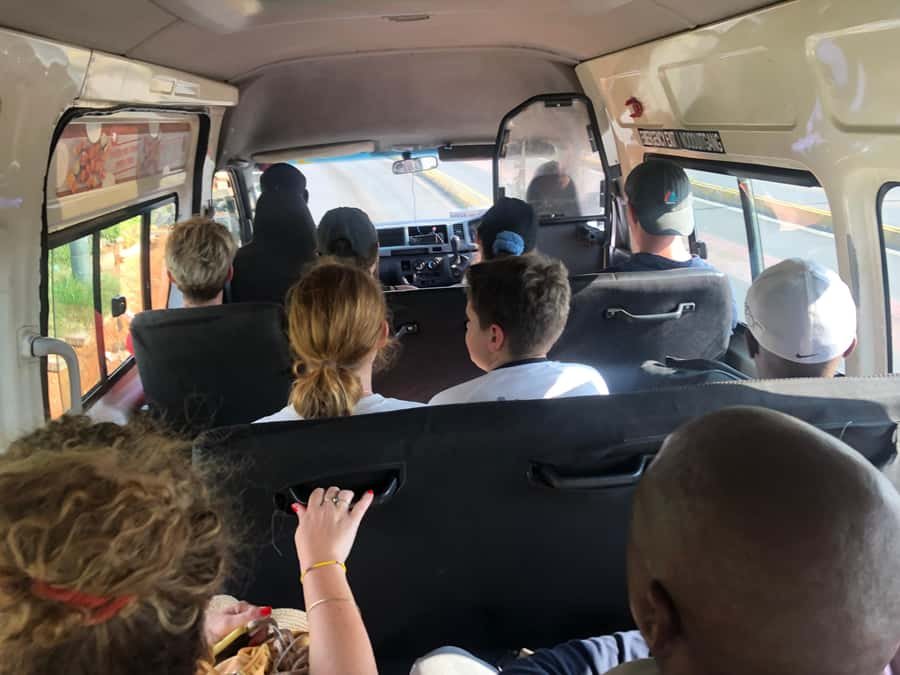
After the food and beer stop, you travel by minibus taxi toward Orlando East. The vehicle portion lasts about 10 minutes, followed by a guided visit of roughly 15 minutes.
For you, this is a small but valuable part of the tour. South Africa’s minibus taxis are a common form of transport, and using one gives you a more direct connection to ordinary movement through Soweto than a private sightseeing vehicle would.
The ride is not long enough to become a full transport tour. Its value comes from the context. Your guide explains where you are going and helps you understand why this form of transport matters to local residents.
Orlando East is described as the first Soweto location to have brick houses as a formal settlement. That detail helps explain how the township developed and how housing patterns shaped different parts of the area.
The tour may also include an optional visit to an informal settlement. This section is intended to show another side of Soweto, including lower-income living conditions and the fact that the township is divided into different economic levels.
I would think carefully about this optional stop. It can help you understand housing inequality, but it should be approached with respect and attention. You are looking at people’s homes, not a display arranged for sightseeing. Stay close to the guide, ask before taking photographs, and follow any local instructions.
Orlando Towers and the walk through Orlando
The final major stop is the Orlando Towers, where the tour ends. You reach the towers after the minibus taxi ride and the Orlando East visit, with about 15 minutes set aside for sightseeing.
The towers are a well-known Soweto landmark and a strong visual finish to the day. Their industrial form contrasts with the residential streets and historic sites earlier in the tour.
The ending also gives you time to think about the different faces of Soweto that you have seen. The memorial represents political struggle. Vilakazi Street links the area to national leaders. The kota, bar, taxi ride, and Orlando East show the township as a place where people live, work, eat, travel, and build their futures.
The tour finishes at the Soweto Towers rather than returning you to the starting point. Plan your onward transport before you arrive. Hotel pickup and drop-off are not included, so you will need to arrange your own way to the meeting point and from the towers after the tour.
What the guides add to the experience
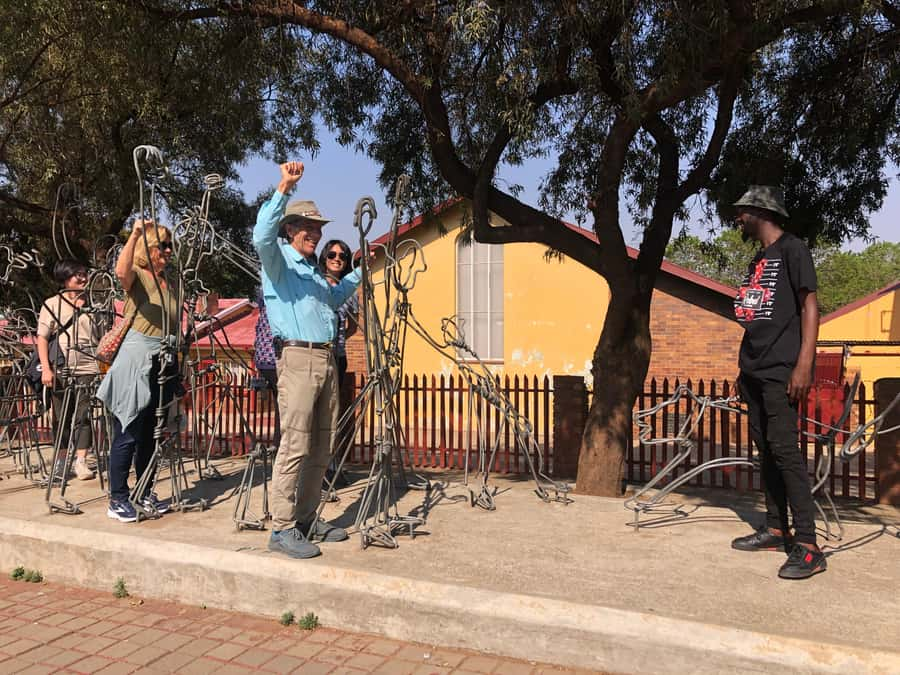
The guides are one of the strongest reasons to choose this tour. Tebogo is praised for his strong grasp of Soweto and South African history, his easy manner, and his ability to keep a four-hour walk interesting. Dumi, also referred to as Dumisani, is described as warm, clear, patient, and passionate about the subject.
That combination matters in Soweto. The area cannot be understood through a simple list of dates and famous names. You need someone who can explain how Apartheid shaped housing, transport, education, class, and local identity, then connect those topics with what you see on the street.
The guiding style also appears to suit curious people who ask questions. You can ask about the 1976 uprising, life after Apartheid, youth culture, local food, or the differences between parts of Soweto.
Safety is another practical concern. The guide keeps the group together, gives clear instructions, and knows the area. You should still use normal city awareness, but the tour’s structure means you are not trying to work out the route alone.
Price, walking, and what is included
At $34 per person, this is a fair price for a four-hour experience that includes lunch and the minibus taxi ride. You are paying for a local guide, several historical stops, a food experience, a beer tasting opportunity, and a guided route through areas that would be difficult to understand from a car window.
The value is strongest if you want context rather than a quick photo tour. The memorial, Mandela House visit, food, local transport, and Orlando Towers give you a broad introduction in one morning or afternoon.
The price does not include entry tickets or drinks. That matters most at Mandela’s house and any other paid sites, so check the current ticket cost when booking. Hotel pickup and drop-off are also not included.
You walk about 5 kilometers in total, with stops along the way. Bring comfortable shoes, a hat, biodegradable sunscreen, a charged phone, hand sanitizer or tissues, and a power bank. Comfortable clothing will make the day easier, especially in warm or sunny weather.
This is not suitable for wheelchair users. The walking route, uneven street conditions, and minibus taxi transfer make mobility a key consideration.
Who should book this Soweto tour?

I would choose this tour if you want a direct introduction to Soweto that combines serious history with ordinary local life. It suits first-time visitors to the township, people interested in South African politics, and anyone who prefers walking and conversation to sitting on a coach.
It is also a good fit if you want to meet a young local guide and hear how Soweto is changing after Apartheid. The focus is not only on famous leaders. You also learn how young people and families are living now, how the township is divided by income, and how older political struggles still shape daily life.
You may want a different option if you dislike walking, prefer a private vehicle, need wheelchair access, or want to spend a full day inside museums. This tour covers a lot in four hours, so some stops are brief and the optional informal settlement visit may not suit everyone.
The activity offers free cancellation up to 24 hours before departure, and you can reserve now and pay later. Starting times vary, so check availability before making plans around it.
Should you book it?
Book this tour if you want history with street-level context. The Hector Pieterson Memorial gives the day its emotional center, while Mandela’s house, the kota, Tolokazi beer, the minibus taxi, Orlando East, and the Orlando Towers keep the experience connected to present-day Soweto.
My main advice is to wear good shoes and arrive ready for honest conversation. The strongest part is not any single landmark. It is the way the guide links the 1976 uprising, famous residents, housing, food, transport, and youth life into one clear picture of Soweto.
FAQ
How long does the Soweto tour last?
The tour lasts four hours. Check the available starting times when booking.
Where does the tour begin?
It begins at K & K Soweto Bakery, Coffee Shop, near the Hector Pieterson Museum and Memorial. Look for Vilakazi Espresso in bold beside the meeting area.
Where does the tour finish?
The tour finishes at the Soweto Towers, also known as the Orlando Towers.
Is lunch included?
Yes. Lunch is included, with a kota, or township burger, listed as a local food option.
Are drinks included?
No. Drinks are not included, although the tour includes a chance to taste local Tolokazi beer.
Is the minibus taxi ride included?
Yes. The local minibus taxi ride around Soweto is included and takes you toward Orlando East and the Soweto Towers.
How much walking is involved?
You walk about 5 kilometers, or 3.1 miles, with stops along the route.
Is the tour suitable for wheelchair users?
No. The tour is not suitable for wheelchair users.
What language is the tour conducted in?
The live guided tour is conducted in English.
Just added around Soweto
- Soweto Tuk-Tuk Food & Beer Tour★ 5.0 · 9 reviews
- Soweto Township Tour★ 4.4 · 4 reviews
- Private Soweto,Mandela House,Apartheid Museum,Constitution★ 4.6 · 15 reviews
- Soweto: Sip & Paint Walking Tour & Take Home a Canvas★ 4.8 · 7 reviews
- Soweto Tour; Mandela House; Vilakazi Street; Market Culture★ 5.0 · 6 reviews
- Johannesburg: Soweto History Tour with Hotel Pickup★ 4.8 · 14 reviews
- Soweto & Johannesburg and Apartheid Museum★ 4.7 · 41 reviews
- Soweto and Apartheid Museum day Tour★ 4.2 · 3 reviews
Apartheid History Tours, compared.

Soweto /Johannesburg and Apartheid Museum Guided Full Day Tour
Read our review →
Jo’berg in 1 Day: Soweto, Apartheid Museum & City Tour
Read our review →
Johannesburg: Full-Day Tour with Soweto and Apartheid Museum
Read our review →
Full-Day Soweto, Apartheid Museum and Lunch Tour
Read our review →
Half Guided Day Tour of Soweto And Apartheid Museum
Read our review →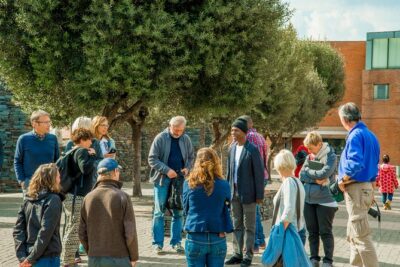
Ultimate Johannesburg Soweto Experience with Apartheid Museum
Read our review →
Hop-On Hop-Off Bus, City Tour and Apartheid Museum
Read our review →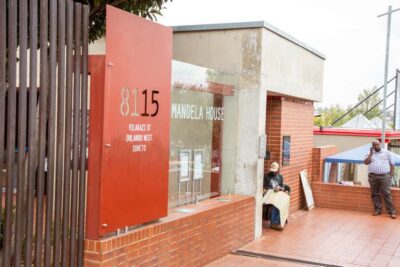
Johannesburg and Soweto Apartheid Full Day Tour w/Lunch
Read our review →Browse the lists this tour appears in