
Reviewed · APARTHEID HISTORY TOURS
Soweto and apartheid museum tour(Half-day)
Soweto is not just a stop on a Johannesburg sightseeing schedule. It is where apartheid’s forced removals, the 1976 student uprising, and South Africa’s long fight for freedom become easier to understand. This half-day trip joins Soweto with the Apartheid Museum, giving you both the township itself and the wider national story.
I like the registered local guides, who bring the subject to life with clear explanations and room for questions. I also like the practical setup: pickup, drop-off, museum admission, Mandela House, water, and an air-conditioned vehicle are all included. The main drawback is time. Five hours gives you a useful introduction, but not enough for a slow, detailed look at every part of Soweto.
Key points to know before booking
- Soweto and the Apartheid Museum in one morning or afternoon: You get a broad view of apartheid and its effect on daily life.
- Mandela House is included: The former home adds a personal, domestic layer to the political story.
- KJ has led especially thoughtful conversations: One solo guest described having a guide for a private experience and spending time in serious discussion.
- Pickup is available from three Gauteng areas: Choose from Kempton Park, Johannesburg, or Sandton.
- The price covers major extras: At $102 per person, museum entry, transport, guiding, water, and the air-conditioned vehicle are included.
- Expect a serious subject, not a light city tour: The tone is educational and at times moving, especially at the museum and sites connected with Soweto’s struggle.
Why Soweto belongs on a Johannesburg visit
Soweto sits next to Johannesburg and is the largest Black urban complex in South Africa, with more than one million residents. The name is closely tied to the city’s apartheid-era policy of separating Black residents from white communities.
The township was established in the 1930s as part of forced segregation. Black people were removed from areas reserved for white residents and sent to places with cramped housing and limited services. Education, health care, transport, and basic infrastructure were all shaped by a system designed to control movement and opportunity.
That background matters because Soweto is more than a historical setting. It is also a living community with businesses, homes, cultural life, and a strong entrepreneurial spirit. I appreciate tours that do not reduce the township to a museum piece. This experience is designed to connect the past with Soweto’s continuing life today.
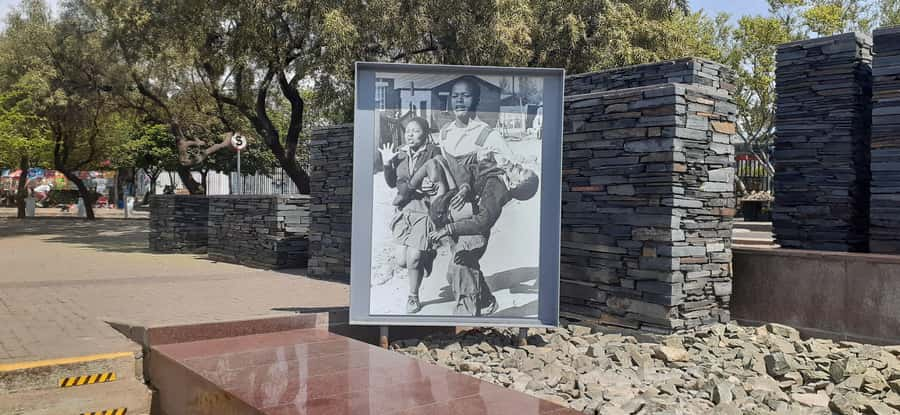
The central event is the 1976 Soweto Uprising. Students protested when the government required Afrikaans to be used as a teaching language in Black schools. The demonstrations were met with force, and the uprising became a major turning point in the international and domestic fight against apartheid.
You will not simply hear dates and political terms. The goal is to understand how laws reached into ordinary homes, schools, and neighborhoods. That makes the tour useful even if you already know the broad outline of South African history.
More Apartheid History Tours in Soweto
- Soweto /Johannesburg and Apartheid Museum Guided Full Day Tour
★ 5.0 · 932 reviews - Jo’berg in 1 Day: Soweto, Apartheid Museum & City Tour
★ 4.8 · 524 reviews - Johannesburg: Full-Day Tour with Soweto and Apartheid Museum
★ 4.8 · 478 reviews
Starting from Sandton, Johannesburg, or Kempton Park
The tour offers pickup in three areas: Sandton, Johannesburg, and Kempton Park. You also return to one of three drop-off areas: Johannesburg, Kempton Park, or Sandton.
This is valuable in a spread-out city where arranging transport can take time and money. An air-conditioned vehicle is included, along with bottled water. You can focus on the day instead of sorting out separate taxis, museum tickets, and local transportation.
The five-hour duration is a good fit if you have limited time in Gauteng. It can work well during a short Johannesburg stay, provided you can spare half a day. It may also suit you if you have a longer connection through the area and your timing lines up with the available departure.
Do not expect a leisurely full-day exploration. The schedule has to cover transport, Soweto, the Apartheid Museum, and Mandela House. You will get the main story and important landmarks, but the pace may feel brisk if you want long stops for photographs, shopping, or unplanned conversations.
Starting times vary, so check availability before booking. The tour is conducted in English, and the guide is live rather than audio-based. That is important here, since the value depends heavily on being able to ask questions and hear the story explained in context.
Meeting Soweto beyond the headlines
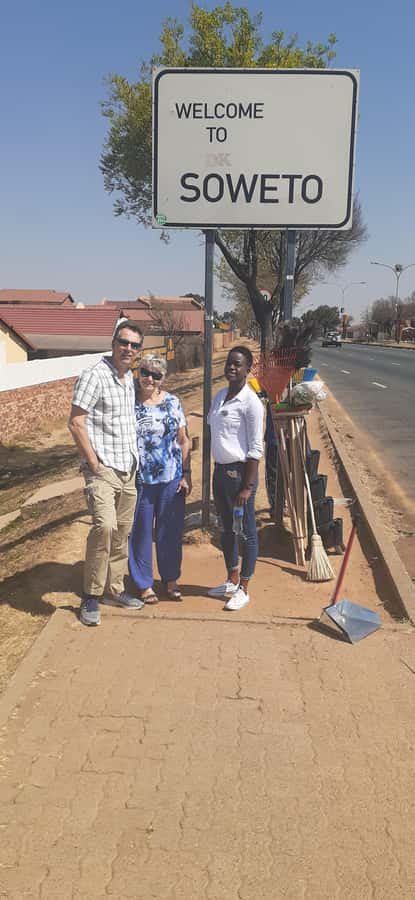
A visit to Soweto can easily become a quick drive past famous names. A good guide helps you see more than a collection of political landmarks.
The tour introduces Soweto as a place shaped by displacement and resistance, but also as a community with its own identity. That balance matters. If you only hear about poverty and political struggle, you miss the people and everyday life. If you only see the modern side, you miss why Soweto is so important to South Africa’s past.
The available information does not promise a fixed list of every street, neighborhood, or landmark visited in Soweto. That is worth keeping in mind. The strongest part of your experience will likely be the guide’s explanation of what you are seeing, not a long checklist of stops.
Guides are described as friendly, punctual, and registered with the relevant tourism authority. Those details may sound ordinary, but they matter on a short tour. A late start can take a large bite out of five hours, while a guide who cannot explain the subject clearly can leave you with little more than photographs.
KJ is the one guide named in the guest feedback. A solo participant described having KJ as a personal guide and spending time in detailed, engaging discussion. That suggests the tour can be especially rewarding when you ask questions rather than simply listen from the vehicle.
The Apartheid Museum puts the story in national context
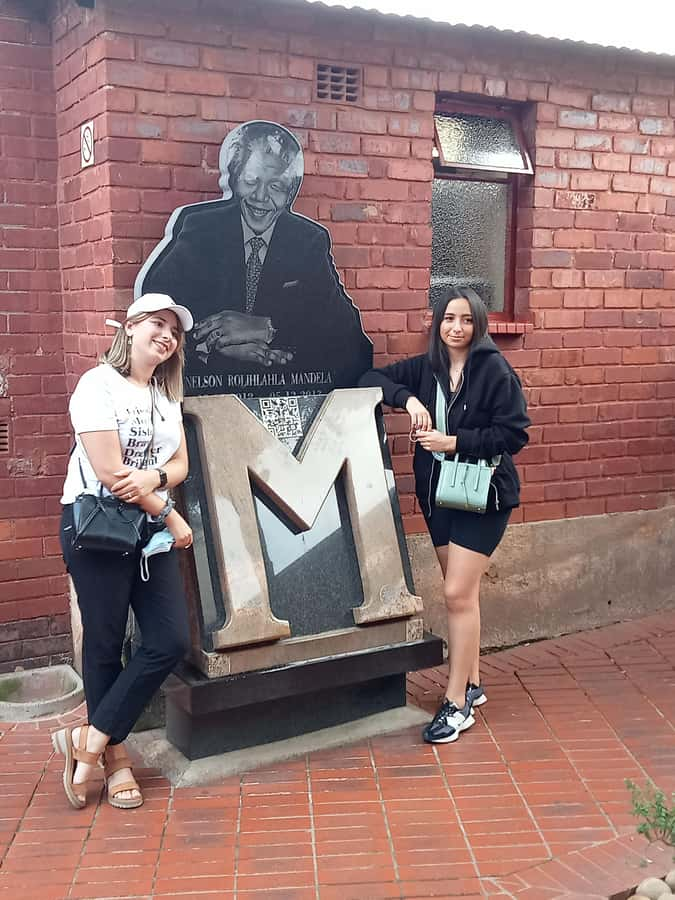
The Apartheid Museum is the tour’s main formal history stop. It gives you a wider frame for understanding Soweto, explaining the laws, institutions, and political forces behind racial separation in South Africa.
This is where the township experience connects to the national story. You can begin with Soweto’s local history, then see how apartheid operated across the country. The combination is stronger than visiting either place alone.
The museum is not a quick photo stop. The material is serious, and you should allow yourself time to read, look, and think. Displays about state control, racial classification, forced removals, resistance, and the road toward liberation can be emotionally difficult.
The guide provides a useful introduction and explanations during the museum visit. That helps you place what you see in the right order. For many people, apartheid is familiar as a broad historical subject but less clear in its daily mechanics. The museum helps fill in that gap.
I would not choose this outing if you want a relaxed sightseeing ride with only light commentary. The museum requires attention, and the subject can be heavy. For anyone interested in South African history, though, it is one of the most valuable uses of a half-day in Johannesburg.
More Museums in Soweto
- Full-Day Soweto, Apartheid Museum and Lunch Tour
★ 5.0 · 410 reviews - Half Guided Day Tour of Soweto And Apartheid Museum
★ 5.0 · 356 reviews - Ultimate Johannesburg Soweto Experience with Apartheid Museum
★ 5.0 · 313 reviews - Soweto: Hop-On Hop-Off Bus, City Tour and Apartheid Museum
★ 4.5 · 250 reviews
Mandela House adds a personal scale
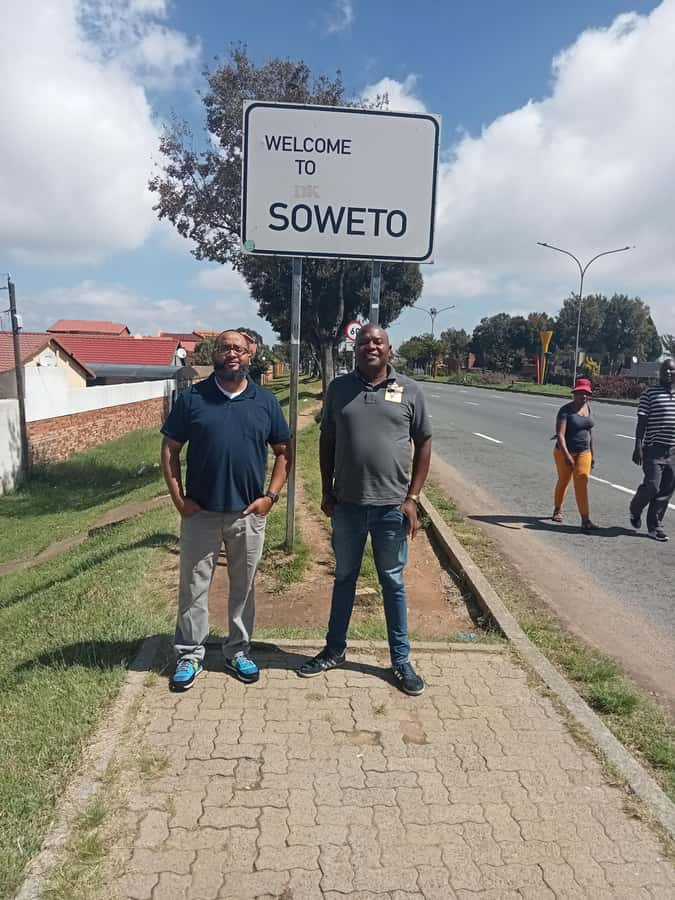
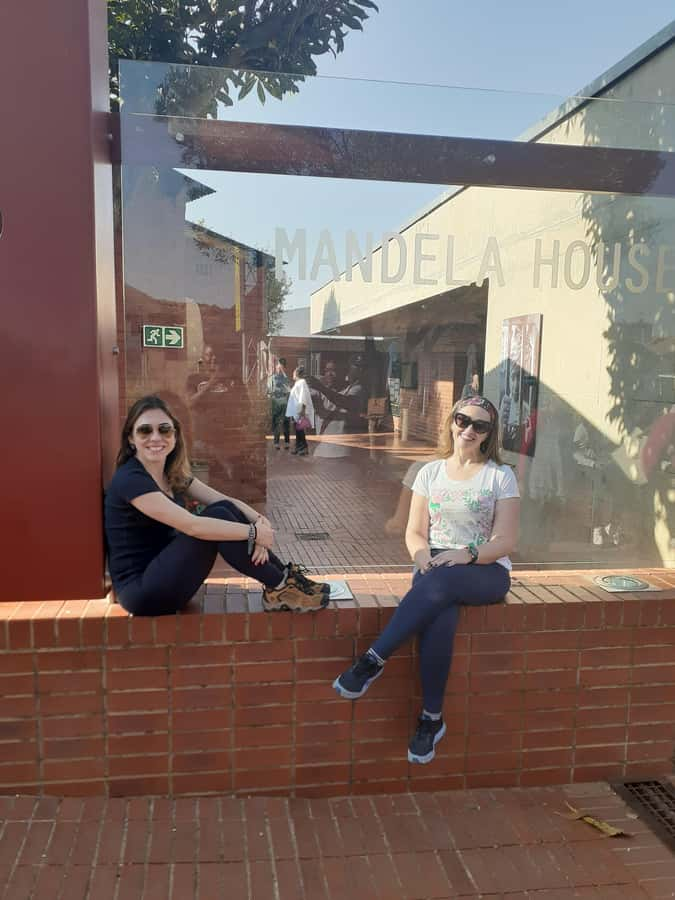
Mandela House is included, adding a more intimate stop to the larger political story. A museum can explain laws and movements. A former home helps you think about the person and family life behind the public figure.
Nelson Mandela’s connection with Soweto is a key part of the country’s liberation story. Visiting his former home gives the experience a more personal focus after the broad national material at the Apartheid Museum.
The supplied details do not specify how long you spend inside or which rooms are included, so keep your expectations practical. The value is in the connection between place and biography, not in expecting a lengthy private-house tour.
Taken together, the museum and Mandela House offer two different ways to learn. The museum explains the system. Mandela House brings the story closer to an individual life. Soweto then supplies the setting where these events unfolded.
What the guiding is likely to add
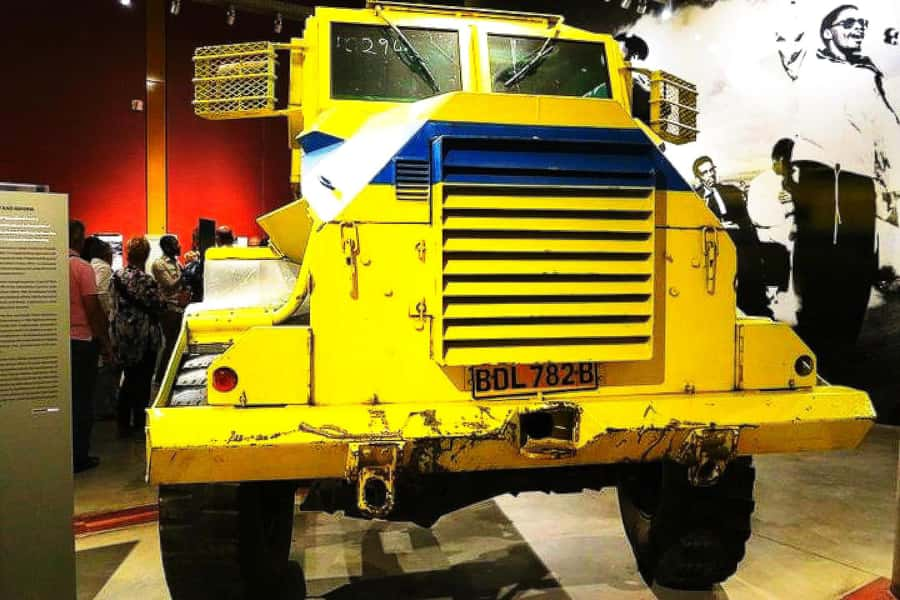
The strongest praise for this experience centers on the guides. Four verified bookings gave the tour a top rating, with comments highlighting professional explanations, an informative introduction, and touching moments in Soweto and at the museum.
One French guest described a private experience with KJ and especially valued the chance for serious discussion. That is useful information for you because it shows the tour may work well for someone who wants conversation, not just a standard script.
The provider describes its guides as qualified and registered with the relevant tourism authority. You can also expect an English-language tour. If you need another language, this is not the right choice based on the available information.
A guide cannot remove the emotional weight of the subject, but a good one can help you process it. Ask about the 1976 student uprising, forced removals, schooling, and how Soweto has changed. These questions should lead to a fuller experience than simply following the group from one stop to the next.
The guide’s personality also matters. The experience is described as friendly and on time, while the individual feedback points to professional and engaging instruction. Still, group size and the exact guide assigned are not specified. You should book for the overall structure and subject matter, not assume every departure will be a private tour with KJ.
Is $102 per person fair?
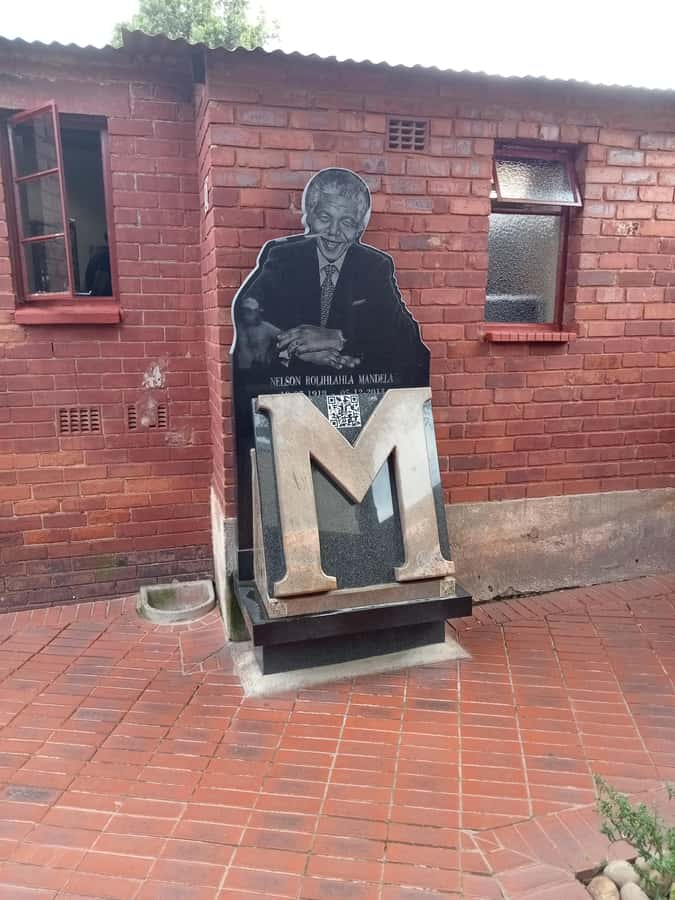
At $102 per person, this is not the cheapest way to see Soweto. The price includes the Apartheid Museum, Mandela House, pickup and drop-off, an air-conditioned vehicle, a qualified guide, and bottled water.
That bundle gives the price a reasonable basis, especially if you would otherwise pay separately for transport, entry fees, and a guide. It also reduces the planning work. For a first visit to Johannesburg, that convenience can be worth paying for.
The value depends on what you want from the day. If you are happy arranging your own transport and reading museum information independently, you may prefer a cheaper self-guided plan. If you want the history explained in a clear sequence and need transfers from Sandton, Johannesburg, or Kempton Park, the package is more useful.
Remember that lunch, soft drinks, and alcohol are not included. The tour lasts five hours, so plan around that and bring any extra food or drinks you may want. Bottled water is supplied.
Who will enjoy this half-day tour most?
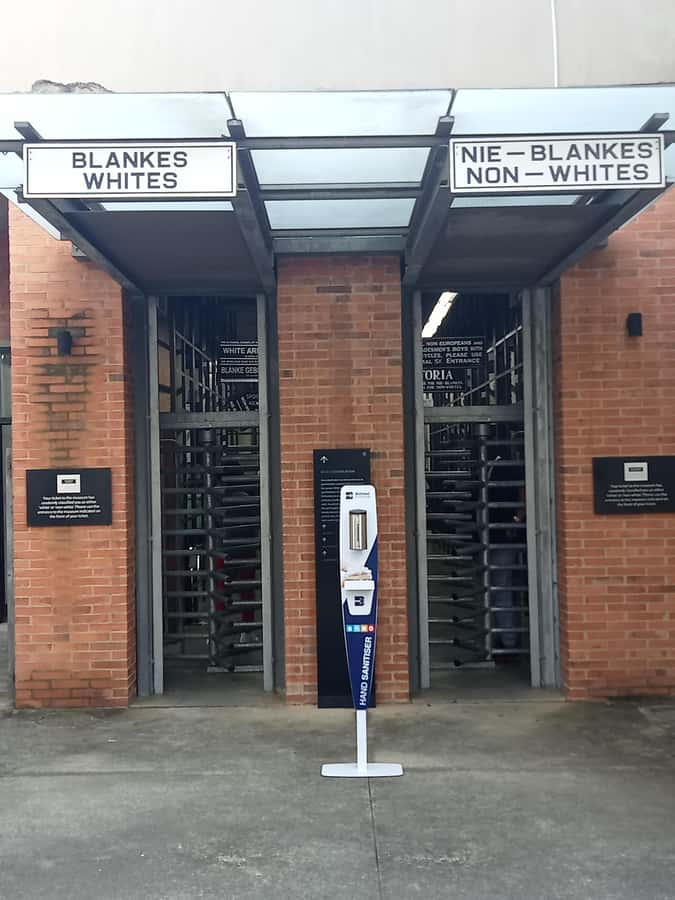
I would recommend this experience to first-time visitors who want a focused introduction to apartheid and Soweto. It suits history-minded travelers, students, families with older children, and anyone who wants context rather than a quick city drive.
It is also a good choice if you are staying in Sandton or Johannesburg and do not want to arrange transport yourself. The included transfers make the day simpler, especially when you are still learning how far apart parts of Gauteng can be.
You may want a different plan if you have already spent several days studying apartheid and want a very specialized tour. Five hours cannot cover every part of Soweto or provide a detailed examination of every political figure and event.
The subject also deserves respect. This is not a sightseeing outing built around entertainment. The guides may be friendly, but the content includes forced segregation, poor living conditions, resistance, and violence. Come ready to listen.
The activity is wheelchair accessible, which makes it a useful option for travelers who need that feature. Specific details about vehicle equipment or access inside every stop are not provided, so you should confirm any personal requirements before departure.
Practical tips for getting more from the day
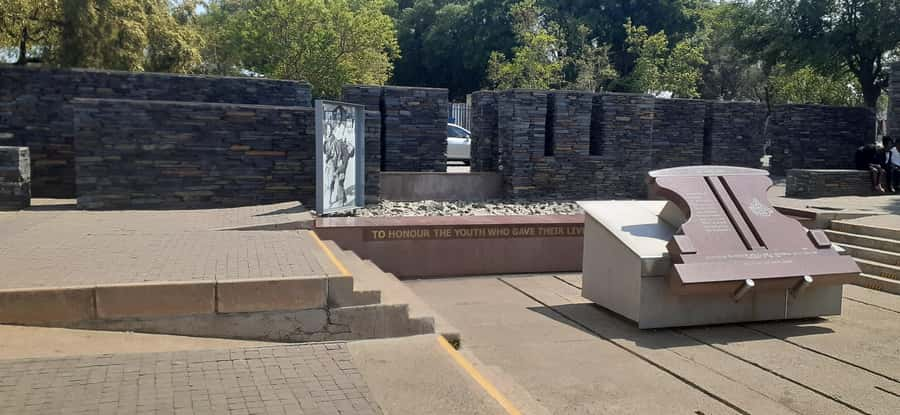
Read a short introduction to apartheid before you go. Even a basic grasp of racial segregation and the 1976 uprising will help you follow the guide’s explanations.
Keep your questions specific. Ask how apartheid affected schooling, housing, movement, and family life. Ask how the 1976 protests began and why Soweto became such a powerful symbol. Good questions can turn a short tour into a much more personal lesson.
Allow emotional space after the museum. The visit may be moving, particularly when the story shifts from laws and dates to students, families, and forced removals. You do not need to rush straight into another major attraction afterward.
Wear comfortable clothing for the walking portions, though the exact amount of walking is not stated. Bring sun protection if needed, and remember that lunch is not included.
Take photographs respectfully. Soweto is a lived-in community, not an open-air exhibit. Follow your guide’s advice about where photography is appropriate.
The tour offers free cancellation up to 24 hours before departure and lets you reserve now and pay later. Those terms are useful if your Johannesburg schedule is still shifting, but check the available start times before making plans around it.
Should you book it?
Book this tour if you want the essential Soweto and apartheid story in one organized half-day. The combination of a live English-speaking guide, the Apartheid Museum, Mandela House, transport, and a clear five-hour schedule gives you a practical introduction with little planning.
Its best feature is the human explanation. The museum supplies the national framework, while Soweto and Mandela House bring the subject closer to real places and lives. If you can ask questions and stay open to a serious conversation, the day should give you more than a list of historical facts.
Skip it if you want a slow, highly detailed exploration or a food-focused township experience. The time is limited, the subject is weighty, and lunch is not included.
For a first look at Johannesburg’s most important modern history, I think the $102 price is defensible, especially when you need pickup and drop-off. Check the guide language, departure time, and transfer point, then book it as a focused lesson in how Soweto helped shape South Africa.
FAQ
How long does the Soweto and Apartheid Museum tour last?
The tour lasts five hours.
Where can pickup take place?
Pickup is available from Kempton Park, Johannesburg, and Sandton.
Where can I be dropped off?
Drop-off is available in Johannesburg, Kempton Park, and Sandton.
Is the Apartheid Museum entrance included?
Yes. Admission to the Apartheid Museum is included in the price.
Is Mandela House included?
Yes. A visit to Mandela House is included.
What language is the tour conducted in?
The live tour guide speaks English.
Just added around Soweto
- Soweto Township Tour★ 4.4 · 4 reviews
- Soweto Tuk-Tuk Food & Beer Tour★ 5.0 · 9 reviews
- Private Soweto,Mandela House,Apartheid Museum,Constitution★ 4.6 · 15 reviews
- Soweto: Sip & Paint Walking Tour & Take Home a Canvas★ 4.8 · 7 reviews
- Soweto Tour; Mandela House; Vilakazi Street; Market Culture★ 5.0 · 6 reviews
- Soweto: Hector Pieterson Memorial, to Orlando Towers Tour★ 4.0 · 31 reviews
- Soweto & Johannesburg and Apartheid Museum★ 4.7 · 41 reviews
- Johannesburg: Soweto History Tour with Hotel Pickup★ 4.8 · 14 reviews
Apartheid History Tours, compared.

Soweto /Johannesburg and Apartheid Museum Guided Full Day Tour
Read our review →
Jo’berg in 1 Day: Soweto, Apartheid Museum & City Tour
Read our review →
Johannesburg: Full-Day Tour with Soweto and Apartheid Museum
Read our review →
Full-Day Soweto, Apartheid Museum and Lunch Tour
Read our review →
Half Guided Day Tour of Soweto And Apartheid Museum
Read our review →
Ultimate Johannesburg Soweto Experience with Apartheid Museum
Read our review →
Hop-On Hop-Off Bus, City Tour and Apartheid Museum
Read our review →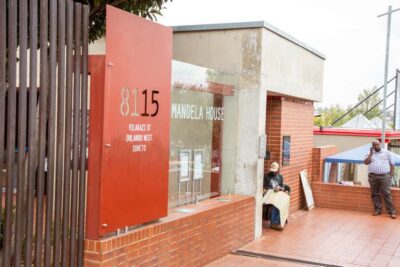
Johannesburg and Soweto Apartheid Full Day Tour w/Lunch
Read our review →Browse the lists this tour appears in