
Reviewed · HISTORICAL TOURS
Stellenbosch: Guided Historical Walking Tour
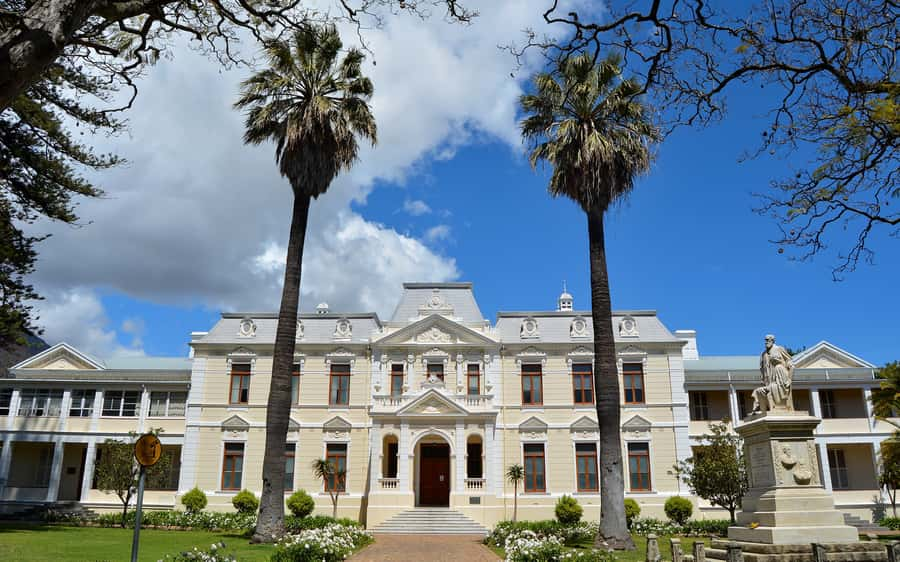
Stellenbosch tells its story in plain sight: oak-shaded streets, water furrows, Cape Dutch buildings, and The Braak, a village green framed by old structures. In 90 minutes, a local guide connects these sights to Simon van der Stel, the town’s early settlers, devastating fires, university life, and a few ghostly tales.
I like the easy pace and compact route, which gives you a useful introduction without eating half your day. I also like the guides’ personal style. Johan, Marlene, Juliana, Julietta, and Maureen are praised for making history clear, funny, and relevant to modern Stellenbosch.
The main consideration is that this is an overview, not a museum visit or a wine-tasting tour. You will spend the full 90 minutes on foot, so wear comfortable shoes and expect the value to come from the guide’s stories rather than from entering a long list of buildings.
Key points to know before you book
- The oak avenues are the opening lesson: Shady streets and old water channels explain why Stellenbosch is known as the village of the oaks.
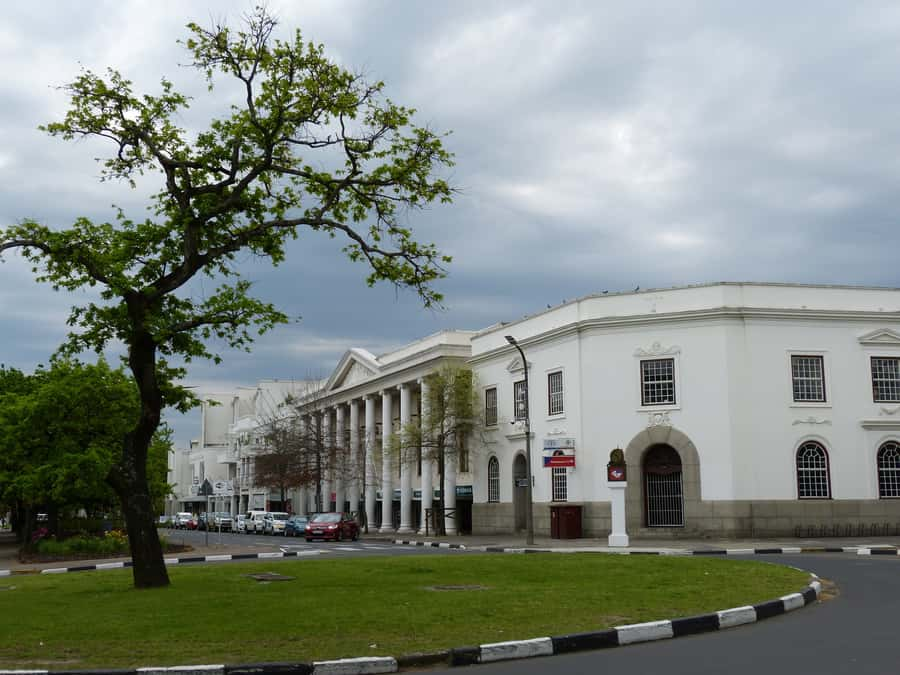
- The Braak gives you the best single history stop: Historic buildings surround three sides of this central green.
- Dorp Street adds real age: You walk along what is described as South Africa’s oldest residential street.
- The town’s darker stories are part of the fun: Hear about major fires, the Moederkerk graveyard, and possibly the Angel Factory.
- The guides shape the experience: Johan, Marlene, Juliana, Julietta, and Maureen are known for clear explanations, humor, and answering questions.
- At $18, it is a strong first-hour investment: The tour gives you context that is hard to pick up by simply wandering alone.
Why a 90-minute walk works so well in Stellenbosch
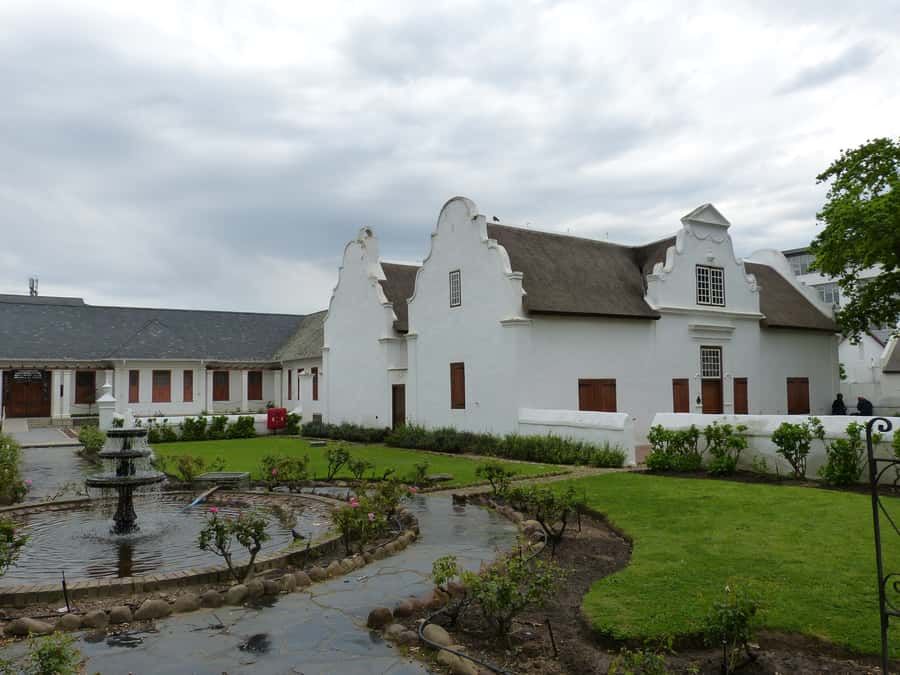
Stellenbosch is easy to admire and surprisingly easy to misunderstand. You can stroll past whitewashed gables, old trees, and pretty streets without grasping how the town developed around the Eerste River or why so many buildings share a Cape Dutch character.
This tour fixes that problem quickly. The route stays in the historic center, and the guide turns separate sights into one connected story. You learn where Simon van der Stel set up camp, how the river received its name, and how the early settlement grew from that starting point.
The timing is well judged. Ninety minutes is long enough to cover the town’s main historic themes, yet short enough to fit before lunch, a wine-country outing, or an afternoon of independent exploring. I would schedule it near the start of your Stellenbosch visit, since the guide can give you a useful map in your head before you return to the streets on your own.
The walk is conducted in English and is listed as wheelchair accessible. Arrive at 47 Church Street, Stellenbosch Central, 15 minutes before the start. Transportation to the meeting point is not included, so plan your own way there.
More Walking Tours in Cape Winelands
- Walking Tour of Stellenbosch
★ 5.0 · 81 reviews - Stellenbosch: Khayamandi Township Walking Tour
★ 4.3 · 5 reviews - From Stellenbosch: Stellenbosch Guided Vineyard Walk
★ 4.4 · 4 reviews
Oak avenues, furrows, and the first shape of town
The first pleasure is simply walking through central Stellenbosch. The roads are shaded by oak trees, and the Mill Stream water furrows run alongside parts of the streets. These channels are not just decorative details. They help you see how water shaped daily life in the old settlement.
A self-guided walk might make the oaks and furrows look like pleasant scenery. Your guide gives them a job in the story. You begin to see the town as a working settlement, not just a photogenic university and wine-country stop.
This is also where a local guide can add small details that are easy to miss. The best moments are not always the grand buildings. They may be a street alignment, an old watercourse, or an explanation of how the town’s early layout still affects modern Stellenbosch.
The shade is welcome, but do not treat the walk as entirely sheltered. The information provided does not promise shade along every minute of the route, and comfortable shoes are specifically recommended. A walking tour is more enjoyable when you can listen instead of thinking about your feet.
Simon van der Stel and the Eerste River
One of the tour’s central stories concerns Simon van der Stel, the colonial founder associated with the town. You see where he set up camp beside the Eerste River and hear how the river got its name.
That detail gives the town a clear starting point. Instead of hearing a loose list of dates, you connect the settlement to a particular place and a practical question: why here? The guide then uses that location to explain the growth of Stellenbosch across four centuries.
The historical account is not limited to founders and architecture. You also hear stories about the people who lived here, including colorful characters from different periods. This human element keeps the walk from becoming a dry sequence of building names.
Some guides also place Stellenbosch in the wider story of South Africa. Several tour-goers appreciated the political and national context, not just local facts. You should expect the emphasis to remain on Stellenbosch, but the town’s story naturally opens onto colonial rule, Afrikaans culture, education, and modern public life.
The Braak and the old town’s best views
The Braak, or village green, is one of the walk’s most useful stops. Historic buildings surround it on three sides, giving you a compact view of the town’s architectural character.
This is a good place to pause and look rather than rush. The Cape Dutch style is easier to understand when you can compare several buildings in one setting. White facades, gables, proportions, and the relationship between buildings and open space begin to make sense as parts of a local tradition.
The Braak also shows how a town center can serve more than one purpose. It is a civic space, a visual anchor, and a reminder that historic Stellenbosch was designed for community life rather than only passing traffic.
I would bring a camera, but do not spend the whole stop looking through it. The guide’s explanation is what separates this view from a quick photograph. Ask questions about the buildings and how the town changed. The guides are repeatedly praised for giving clear answers rather than cutting conversations short.
More Historical Tours in Stellenbosch:
- Stellenbosch: Historical Bike Tour & Wine Tasting
★ 4.9 · 248 reviews - Cape Town: Art, Culture & History Walking Tour
★ 4.9 · 392 reviews - Cape Town Guided City Cycling Heritage Tour – Private Tour
★ 5.0 · 27 reviews - Apartheid History of South Africa (Full day Experience with lunch
★ 4.5 · 24 reviews
Dorp Street and the architecture of daily life
Dorp Street is described as the oldest residential street in South Africa. That is a bold distinction, and it gives the walk one of its clearest sense-of-place moments.
Here, the tour shifts from public space to the way people lived. You walk along a street where historic homes help you picture the older town as a place of households, work, movement, and local routines. The buildings are not isolated monuments. They are part of a lived-in street.
The Cape Dutch architecture is a major reason to take this walk, but you should not expect a formal architecture lecture. The guides explain the buildings in an accessible way, linking design to the people and periods behind them.
This is one reason the tour suits first-time visitors and repeat visitors alike. First-time visitors get a framework for what they are seeing. Repeat visitors may notice details they previously passed without understanding. One person who had visited Stellenbosch many times still learned new things from the walk, which is a good sign for anyone returning to town.
Fires, ghosts, and the less polished side of the past
Stellenbosch’s story is not all handsome facades and leafy streets. The town suffered devastating fires in the 18th century, and large parts of the early settlement were destroyed. Hearing about those fires changes the way you look at the surviving buildings and later rebuilding.
The fire story also prevents the tour from presenting the old town as a perfectly preserved time capsule. Stellenbosch has been damaged, changed, and rebuilt. Its character comes from layers of survival and adaptation, not from untouched perfection.
The walk adds a little theatrical flavor with stories connected to the Angel Factory and the graveyard of the Moederkerk. You might hear about meeting an angel at the Angel Factory or a ghost near the churchyard. These tales are not the whole tour, but they make the past more memorable, especially for families and visitors who enjoy local folklore.
One guide was especially good at using amusing facts and even local morgue stories to keep the group engaged. The humor varies by guide, of course, but the overall approach is informal rather than solemn. If you prefer only academic history, the ghost stories may feel like a side note. For most people, they add welcome personality.
Stellenbosch University and the town today
The tour does not stop in the early colonial period. You also hear about Stellenbosch University and its notable graduates, including prime ministers and sportsmen.
That modern connection matters. Stellenbosch is not only a historic town preserved for sightseeing. It is also a university town with an active present. The old streets sit beside student life, local businesses, and current civic concerns.
The best guides make that transition naturally. Reviews of the experience repeatedly praise guides for explaining both past and present Stellenbosch. Johan is singled out for linking local history with modern systems and ideas, while Marlene is praised for showing how the town evolved and how its earlier story still affects life today.
You can ask questions here, especially if you want more than architecture. The guides are described as open to general conversation and able to explain broader South African history and politics when it helps make Stellenbosch clearer.
What the guides are like
The guide can make or break a walking tour, and this one has a strong record in that area. Johan is often praised for his humor, clear storytelling, and ability to answer questions. Marlene is described as warm, well paced, and good at adjusting the amount of information to the group.
Juliana and Julietta are also praised for energy, local detail, and a willingness to explain rather than deliver a fixed speech. Maureen is remembered for making the town’s founding and development easy to follow.
Group size can vary. Some departures have included only a few people, and at quieter times a visitor may even receive what feels like a private tour. A small group makes it easier to ask questions and may allow the guide to adapt the walk to your interests.
That personal approach is the tour’s greatest strength. You are not simply following a route and listening to a recording. You are encouraged to talk, ask, and connect the town’s past with what you see around you.
Is $18 good value?
At $18 per person, the tour is good value if you want context. You are paying for 90 minutes with a local English-speaking guide, not for admission to a collection of attractions. The buildings, streets, and public spaces are part of the town itself, so the guide’s interpretation is the main product.
I especially like the value for a first visit. A solo walk may show you Dorp Street and The Braak, but it is less likely to explain the Eerste River, the early fires, the settlement’s founder, university figures, local folklore, and the way the town works today in one tidy outing.
The price is less compelling if you only want free time for photographs or if you already have a strong grasp of Stellenbosch’s history. Even then, a repeat visitor may appreciate the local anecdotes and small details.
There are no transportation costs included, and personal expenses are your responsibility. That is normal for a central walking tour, but remember to budget time and money for getting to Church Street and for anything you choose to do afterward.
Who should take this walk?
I would recommend it to first-time visitors, history fans, architecture lovers, and anyone who wants a gentle introduction before exploring Stellenbosch independently. It also suits people staying in the area who have passed through town before but never stopped to understand it.
Families can enjoy the fires, ghosts, angels, and colorful local characters, provided children are comfortable with a few darker stories. The easy pace also works well for visitors who do not want a strenuous excursion.
Wine-focused visitors should see this as a useful town orientation, not a vineyard tour. The walk does not include transportation to wineries, tastings, or countryside views. Pair it with those activities rather than expecting one experience to replace the other.
The tour is wheelchair accessible, but the supplied information does not describe the exact street surfaces or route conditions. If you need detailed mobility planning, contact the provider before booking.
Practical booking advice
Book this near the beginning of your stay if possible. You will recognize places later and can return to the buildings or streets that interest you most.
Arrive 15 minutes early at 47 Church Street. Wear comfortable shoes, bring water if you normally need it on a 90-minute walk, and keep the day’s schedule flexible enough to avoid rushing the final stop.
The tour is in English. You can cancel up to 24 hours before the start for a full refund, and the reserve-now, pay-later option lets you hold a place without paying immediately. Pets, alcohol, and drugs are not allowed.
Should you book the Stellenbosch walking tour?
Book it if you want the town to make sense, not just look pretty. The strongest parts are the oak-lined avenues, The Braak, Dorp Street, the fire stories, and the guides’ ability to connect old Stellenbosch with the university town you see today.
Skip it only if you dislike guided walks, already know the town’s story well, or want a tour centered on wine rather than streets and buildings. At $18, the risk is small, and 90 minutes is a sensible commitment. For most visitors, this is a smart way to get their bearings and find the details they would otherwise walk past.
FAQ
How long is the Stellenbosch historical walking tour?
The tour lasts 90 minutes.
Where does the tour meet?
Meet at 47 Church Street, Stellenbosch Central, Stellenbosch, 7599. You should arrive 15 minutes before the activity starts.
What language is the tour conducted in?
The live tour is conducted in English.
Is the tour wheelchair accessible?
Yes, the activity is listed as wheelchair accessible.
What does the $18 price include?
The price includes a professional guide and the walking tour. Transportation to or from the meeting point and personal expenses are not included.
Can I cancel the booking for a refund?
Yes. You can cancel up to 24 hours in advance for a full refund.
More Walking Tours in Stellenbosch
- Soweto: Walking Tour with a Local Guide and Lunch
★ 4.9 · 648 reviews - Plettenberg Bay: Bungee Jumping with Zipline and Sky Walk
★ 5.0 · 506 reviews - Cape Town: Nathi Langa Township Walking Tour
★ 4.9 · 493 reviews - Cape Town: Street Art Walking Tour in Woodstock
★ 4.8 · 293 reviews
Just added around Stellenbosch
- Stellenbosch wine tour, all inclusive of lunch and tastings.★ 5.0 · 32 reviews
- Stellenbosch Winelands downhill gravity Scooter★ 3.1 · 4 reviews
- E-Bike Stellenbosch Winelands – Full Day Private Tour★ 5.0 · 6 reviews
- Stellenbosch North Guided Wine Safari (Tastings Included)★ 4.9 · 16 reviews
- Stellenbosch: Stellenbosch E-Bike & Wine Tour (Shared Tour)★ 5.0 · 9 reviews
- Stellenbosch: Hop-On Hop-Off Northern Route Wine Tour★ 4.6 · 49 reviews
- Stellenbosch: Half-Day Guided Nature Hike and Wine Tasting★ 5.0 · 3 reviews
- Stellenbosch: Horse Riding Wildlife Safari★ 4.9 · 14 reviews
Historical Tours, compared.

Cape Town Guided City Cycling Heritage Tour – Private Tour
Read our review →
Apartheid History of South Africa (Full day Experience with lunch
Read our review →
Johannesburg: Soweto History Tour with Hotel Pickup
Read our review →
Browse the lists this tour appears in