

Reviewed · APARTHEID HISTORY TOURS
Half Day Soweto and Apartheid Museum Guided Tour
Soweto is not a footnote to Johannesburg. It is where the city’s political story, daily life, music, sport, and painful memories meet. This 4.5-hour tour links the Apartheid Museum with Soweto sites that are easier to understand when you have a local guide beside you.
I like the mix of major museums and street-level stops, especially the walk through the Motsoaledi informal settlement and the time on Vilakazi Street. I also like that guides such as Nor and Neo have been praised for their personal connection to the area, energy, and historical insight. The main drawback is the pace: with several stops, lunch, and two hours at the Apartheid Museum, you may need to keep moving.
Key points to know before booking
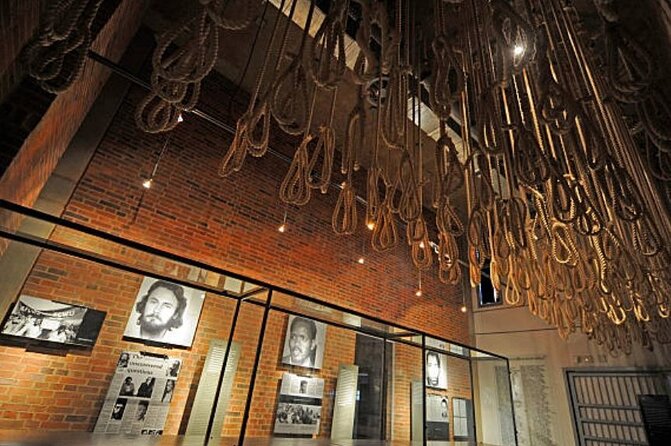
- The Apartheid Museum gets two hours: This is the longest stop and the tour’s most demanding historical visit.
- Soweto is experienced beyond the museums: You pass FNB Stadium, Chris Hani Baragwanath Academic Hospital, Orlando Towers, and Motsoaledi.
- Vilakazi Street carries unusual political weight: Nelson Mandela and Archbishop Desmond Tutu both lived on this famous street.
- Mandela House entry is included: You can see photographs, personal items, and the former home itself.
- Hector Pieterson Museum costs extra: Admission is 160 ZAR and is not part of the tour price.
- Lunch is optional and separate: Sakhumzi Restaurant is offered during a one-hour lunch stop.
Why this Soweto tour works well for first-time visitors
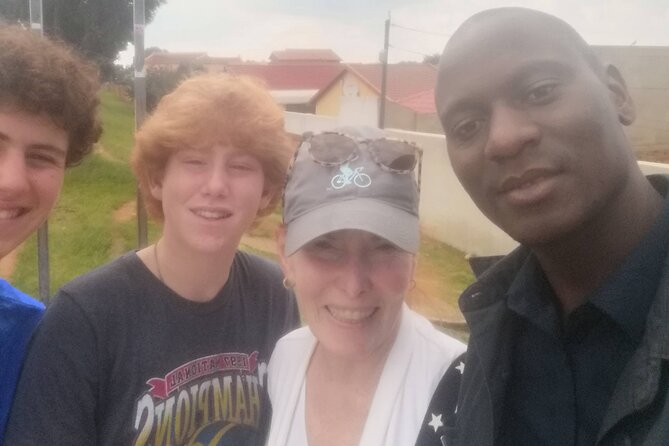
At $117 per person, this is not the cheapest way to see Soweto, but it covers a lot in half a day. You receive hotel pickup in Johannesburg, an air-conditioned vehicle, bottled water, onboard WiFi, an English-speaking driver-guide, and admission to both the Apartheid Museum and Mandela House.
The real value is the route. Soweto can feel scattered if you try to piece it together without context. Here, the stadium, hospital, informal settlement, towers, historic street, and museums form a connected story. You see both the public symbols of South Africa and the ordinary places where that story unfolded.
I would choose this tour if you have limited time in Johannesburg and want one organized introduction. It is also useful if you prefer to have transport between Soweto and the Apartheid Museum rather than arranging separate rides.
The tradeoff is depth. Four and a half hours is enough for an overview, not a slow examination of every site. The Apartheid Museum alone can absorb two hours, while Mandela House and Hector Pieterson Museum each receive about 20 minutes of guided attention. You will get a strong first look, but serious students of apartheid may want more time afterward.
More Apartheid History Tours in Soweto
- Soweto /Johannesburg and Apartheid Museum Guided Full Day Tour
★ 5.0 · 932 reviews - Jo’berg in 1 Day: Soweto, Apartheid Museum & City Tour
★ 4.8 · 524 reviews - Johannesburg: Full-Day Tour with Soweto and Apartheid Museum
★ 4.8 · 478 reviews
FNB Stadium and the road into Soweto
The day begins with pickup at your Johannesburg hotel lobby. The tour includes about 15 minutes of sightseeing before moving into Soweto, with your guide setting the scene along the way.
One early landmark is FNB Stadium, also called Soccer City. It hosted the opening ceremony and final match of the 2010 FIFA World Cup. The stadium is an easy visual marker for modern Johannesburg and a reminder that Soweto is tied not only to protest and politics, but also to football and major international events.
You do not receive a full stadium tour. This is a sightseeing stop, so think of it as a brief orientation and photo opportunity rather than an inside visit. That matters if you are booking mainly for sports history.
The vehicle also passes Chris Hani Baragwanath Academic Hospital, one of the largest hospitals in the world. You do not go inside, but the guide explains its importance and its role in serving millions of people in South Africa. This short drive-by adds useful social context, showing how Soweto functions as a major community rather than simply a collection of historic attractions.
Walking through Motsoaledi informal settlement
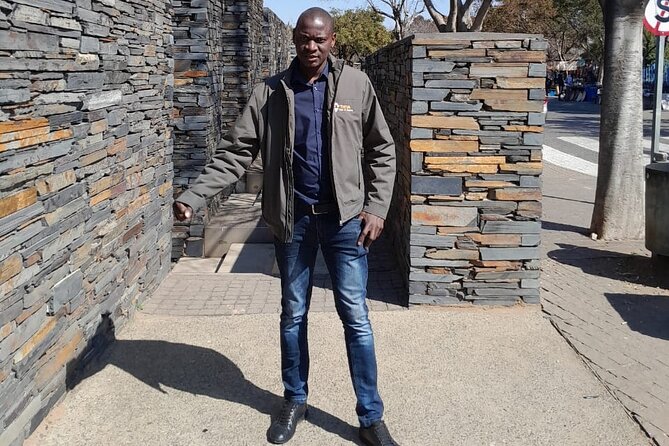
One of the more unusual parts of the tour is the guided walk through Motsoaledi informal settlement. You walk along sandy streets, pass local homes, and see a typical daycare center. The stated focus is meeting residents, greeting people, and learning about everyday life and the pressures facing the community.
This stop gives the tour a human scale. Museums can explain laws, leaders, and turning points. A walk through a living neighborhood shows how communities are built and how people manage daily life in conditions that differ sharply from those in Johannesburg’s commercial districts.
You should approach this part with respect. It is not a staged village attraction or a photo backdrop. Listen to your guide, ask questions politely, and follow instructions about photography. The tour describes an opportunity to meet residents, but it does not promise a particular interaction or activity.
The 30-minute guided visit is short, so do not expect a full social study. Still, it is valuable because it prevents the day from becoming only a sequence of famous names and museum displays.
Orlando Towers and Soweto’s changing symbols
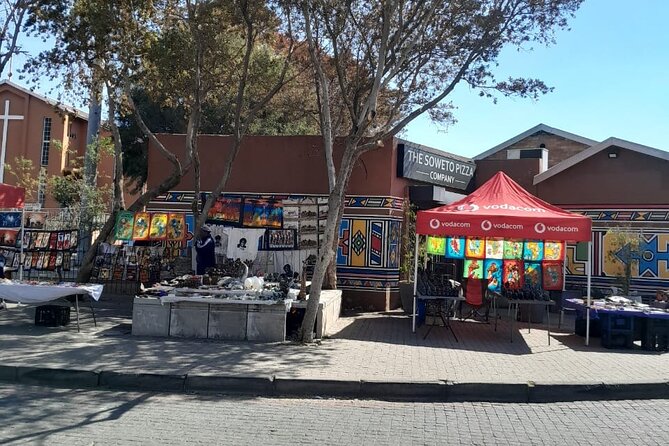
The tour passes Orlando Towers for about 15 minutes. These colorful towers once formed part of a power station. Today, they are associated with murals, urban culture, and extreme sports such as bungee jumping.
The towers make a striking sight, and their change in purpose tells a useful story. Industrial structures that once represented power generation now serve as recognizable public art and adventure landmarks. Your guide explains that shift as you look at the murals and the towers’ place in Soweto.
Again, this is a pass-by rather than a full activity. You are not booked for bungee jumping, and the tour does not include an extended visit inside the tower complex. If you want action sports, this experience is not designed around them. If you want to understand how a local landmark can take on a new identity, the stop fits nicely into the wider route.
More Museums in Soweto
- Full-Day Soweto, Apartheid Museum and Lunch Tour
★ 5.0 · 410 reviews - Half Guided Day Tour of Soweto And Apartheid Museum
★ 5.0 · 356 reviews - Ultimate Johannesburg Soweto Experience with Apartheid Museum
★ 5.0 · 313 reviews - Soweto: Hop-On Hop-Off Bus, City Tour and Apartheid Museum
★ 4.5 · 250 reviews
Vilakazi Street and Mandela House

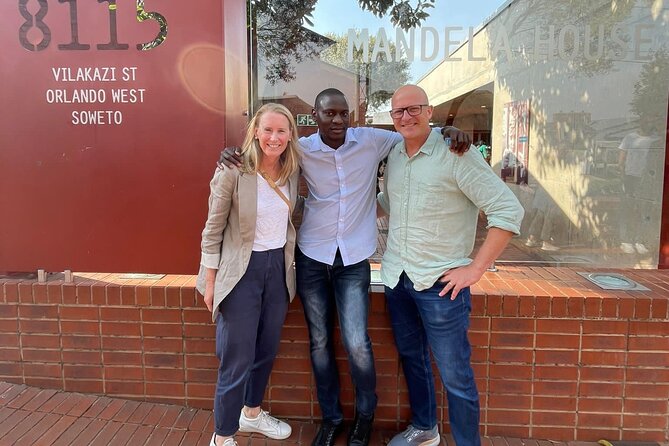
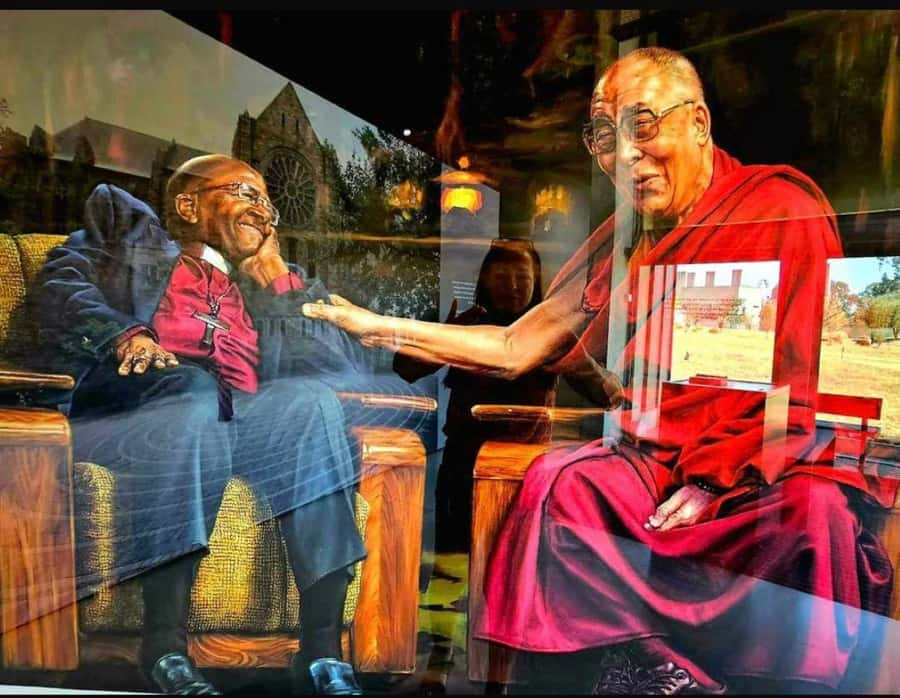
Vilakazi Street is the emotional center of the Soweto portion. It is known as the only street to have been home to two Nobel Peace Prize laureates, Nelson Mandela and Archbishop Desmond Tutu. You walk along the street and hear about the people and events connected with it.
This is a good place to slow down mentally, even if the schedule does not allow a long pause. The street is not just a line on a map. It brings together the personal lives of two major figures in South Africa’s movement toward democracy.
Mandela House is included in the tour price. The former home is now a museum with photographs, artifacts, and personal belongings that trace Mandela’s path from his early life to international leadership. The guided visit lasts about 20 minutes.
That is enough to see the central displays and understand why the house matters, but it is not a lengthy museum session. You will benefit most if you arrive with a basic outline of Mandela’s life. The guide can then fill in local details rather than spending the entire visit on dates and names.
I especially like the contrast between the modest house and the global importance attached to its former resident. The setting helps put a human scale on a figure who is often presented only through monumental statues and official speeches.
Hector Pieterson Museum and the 1976 uprising
The Hector Pieterson Museum focuses on the 1976 Soweto Uprising, when students protested against the apartheid government’s Bantu Education policy. The museum and memorial honor Hector Pieterson and the young people whose resistance changed South Africa’s political direction.
The displays use photographs, artifacts, and historical material to explain what happened and why the protest became such a defining moment. This is likely to be one of the most moving parts of the day, particularly because the story centers on schoolchildren and the force used against them.
Admission is not included. You pay 160 ZAR for entry, so bring enough local currency or confirm accepted payment methods before setting out. The visit lasts about 20 minutes, which makes it a focused stop rather than an extended museum study.
The short time can feel limiting. This subject deserves attention, and you may want to return later if the events raise more questions than the schedule can answer. Even so, pairing the museum with Vilakazi Street and Mandela House helps you see that apartheid was not an abstract political system. It shaped schools, families, neighborhoods, and young people’s futures.
Lunch at Sakhumzi Restaurant
The itinerary allows one hour for lunch at Sakhumzi Restaurant. Lunch is optional and is not included in the tour price. Alcoholic drinks are also excluded.
This is a practical pause after the Soweto visits. You can use it to rest, eat, and discuss what you have seen before the final museum. Because the meal is optional, you should account for the extra cost when comparing the total price with other Johannesburg tours.
A one-hour lunch stop also affects the day’s pace. If you want the full museum time later, avoid turning the meal into a long social break. If you prefer an unhurried lunch, you may have less time to linger elsewhere.
Two hours at the Apartheid Museum
The Apartheid Museum is the final major stop and the part that receives the most time. Admission is included, and you have about two hours for a self-guided visit.
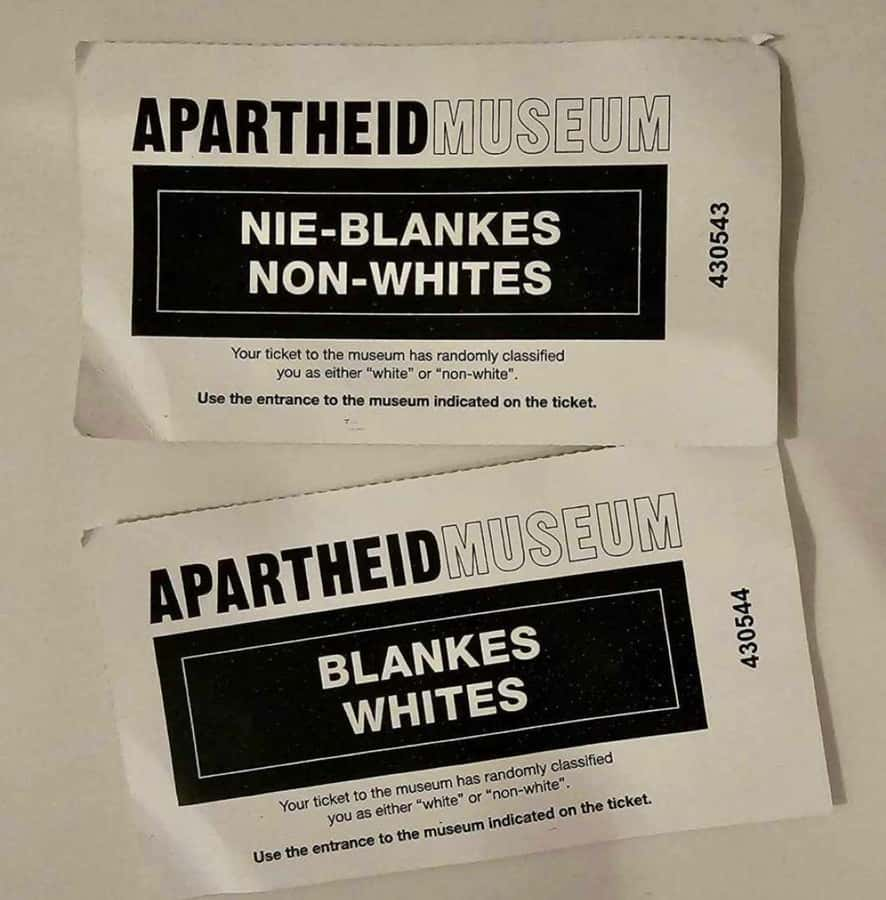
The museum uses photographs, artifacts, and interactive displays to explain the rise and fall of apartheid. It examines the system of racial separation and oppression, the resistance it created, and South Africa’s long route toward freedom. The architecture and presentation are designed to make the subject feel immediate rather than distant.
This is not a light attraction. Allow yourself time to read, pause, and absorb difficult material. Two hours gives you a solid visit, although you will still need to choose which displays to study closely.
The self-guided format is useful because you can set your own pace. It is also the point when the tour becomes less personal. Your guide provides context earlier in the day, but inside the museum you are largely responsible for managing your time and attention.
I like ending here. The Soweto stops give you physical places and local context first. The museum then supplies a wider national framework. The order helps connect individual stories to the policies and institutions that shaped them.
The guides make a real difference
The strongest praise attached to this experience concerns the guides’ energy, courtesy, local knowledge, and personal connection to Soweto. Nor has been described as able to share first-hand experience within the community, while Neo has been noted for charm, energy, and insight into the places and people along the route.
That matters more here than it would on a simple sightseeing drive. The tour covers sensitive subjects, including forced racial separation, unequal education, poverty, protest, and state violence. A good guide can explain without turning the day into a dry lecture or a shallow photo stop.
Guide assignments can change, so you should not assume Nor or Neo will lead your particular departure. Still, the emphasis on English-language guiding and local context is one of the strongest reasons to consider this experience.
Timing, transport, and practical limits
The tour lasts 4.5 hours and includes pickup from your Johannesburg hotel lobby. The air-conditioned vehicle is useful for moving between the separate Soweto sites and the Apartheid Museum. Bottled water and WiFi are included.
The schedule is active. It includes short sightseeing periods, guided visits, a lunch break, and a two-hour museum. Comfortable shoes are important because of the walk through Motsoaledi and Vilakazi Street. A sun hat and camera are also recommended.
The tour is not suitable for wheelchair users. Pets and smoking are not allowed. Free cancellation is available up to 24 hours before departure, and you can reserve now and pay later, which helps if your Johannesburg plans are still shifting.
Because the tour combines several stops, ask yourself what kind of day you want. If you like a clear route and plenty of historical context, the pace should work. If you prefer long, quiet museum visits or extended time in one neighborhood, it may feel rushed.
Is $117 good value?
The $117 price includes transport, an English-speaking driver-guide, WiFi, water, Apartheid Museum admission, and Mandela House admission. You pay extra for Hector Pieterson Museum, lunch, and alcoholic drinks.
I see the price as fair for visitors who want a guided introduction without arranging several separate transfers. The cost becomes easier to justify when you value hotel pickup, local explanation, and a route that covers both Johannesburg and Soweto in one morning or afternoon.
It is less compelling if you plan to spend several days in Johannesburg and can visit the museums at a slower pace on your own. In that case, separate admissions and transport might allow more control over timing, though you would lose the guide’s local context.
Who should book this experience?
I recommend it most for first-time visitors to Johannesburg, history-focused travelers, and anyone with only a short stay in the city. It also suits people who want to meet the place beyond formal museums, while still having the comfort of organized transport.
Families with older children may find the subject educational, though the museum material and 1976 uprising displays are serious. People with limited mobility should not book because the experience is not suitable for wheelchair users.
Book it if you want a focused introduction to apartheid, Mandela’s Soweto, and the area’s modern identity, all in one route. Skip it if you need an unhurried museum day, want to choose every stop yourself, or are mainly interested in football and extreme sports.
FAQ
How long does the Soweto and Apartheid Museum tour last?
The tour lasts 4.5 hours, including pickup in Johannesburg, sightseeing, guided visits, lunch time, and a self-guided visit to the Apartheid Museum.
Is hotel pickup included?
Yes. Pickup is included, and you should meet the English-speaking driver at your hotel lobby in Johannesburg.
Is entry to the Apartheid Museum included?
Yes. Apartheid Museum admission is included in the tour price, with about two hours set aside for a self-guided visit.
Is entry to Mandela House included?
Yes. Mandela House admission is included, and the guided visit lasts about 20 minutes.
Do I have to pay extra for Hector Pieterson Museum?
Yes. Entry to Hector Pieterson Museum and Memorial is not included and costs 160 ZAR.
Is lunch included?
No. Lunch at Sakhumzi Restaurant is optional and costs extra. Alcoholic beverages are also not included.
Just added around Soweto
- Soweto Township Tour★ 4.4 · 4 reviews
- Soweto Tuk-Tuk Food & Beer Tour★ 5.0 · 9 reviews
- Private Soweto,Mandela House,Apartheid Museum,Constitution★ 4.6 · 15 reviews
- Soweto: Sip & Paint Walking Tour & Take Home a Canvas★ 4.8 · 7 reviews
- Soweto Tour; Mandela House; Vilakazi Street; Market Culture★ 5.0 · 6 reviews
- Soweto: Hector Pieterson Memorial, to Orlando Towers Tour★ 4.0 · 31 reviews
- Soweto & Johannesburg and Apartheid Museum★ 4.7 · 41 reviews
- Johannesburg: Soweto History Tour with Hotel Pickup★ 4.8 · 14 reviews
Apartheid History Tours, compared.

Soweto /Johannesburg and Apartheid Museum Guided Full Day Tour
Read our review →
Jo’berg in 1 Day: Soweto, Apartheid Museum & City Tour
Read our review →
Johannesburg: Full-Day Tour with Soweto and Apartheid Museum
Read our review →
Full-Day Soweto, Apartheid Museum and Lunch Tour
Read our review →
Half Guided Day Tour of Soweto And Apartheid Museum
Read our review →
Ultimate Johannesburg Soweto Experience with Apartheid Museum
Read our review →
Hop-On Hop-Off Bus, City Tour and Apartheid Museum
Read our review →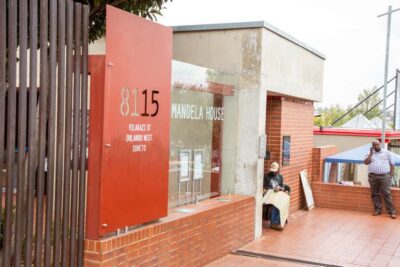
Johannesburg and Soweto Apartheid Full Day Tour w/Lunch
Read our review →Browse the lists this tour appears in