
Reviewed · APARTHEID HISTORY TOURS
Johannesburg: Soweto, Apartheid Museum, and Cradle tours
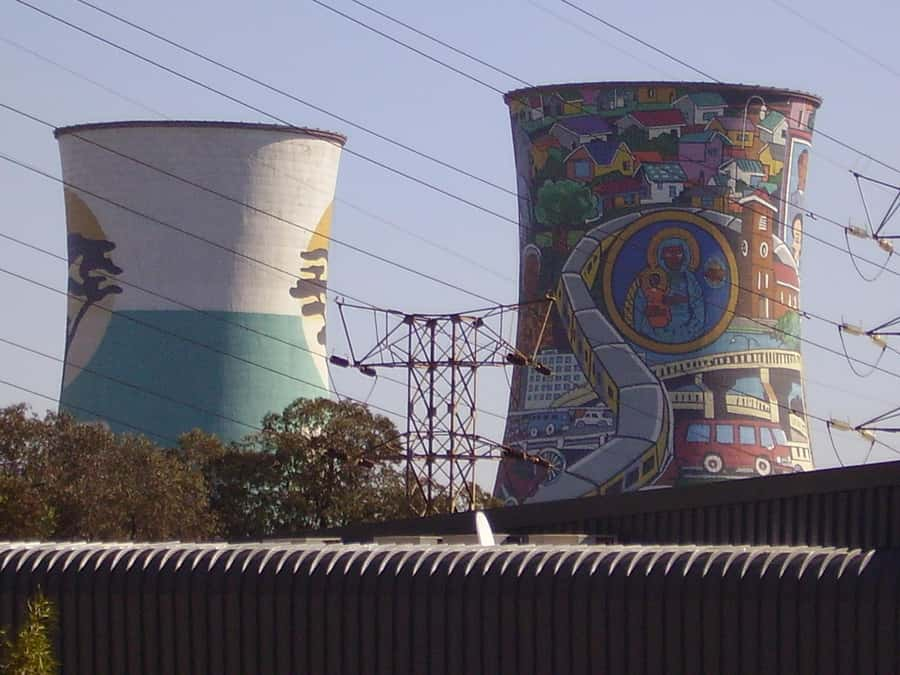
Johannesburg’s past comes into sharp focus on this tour, which links Soweto’s apartheid-era story with the ancient fossil sites of the Cradle of Humankind. One moment you are standing at Regina Mundi Church or the Hector Pieterson Museum, and the next you are considering evidence of human ancestors more than a million years old.
I like the private vehicle and hotel pickup, especially because Johannesburg’s major sights are spread far apart. I also like the human scale of the Soweto visits, where the Mandela Museum, Regina Mundi, and Hector Pieterson Museum give the day a personal and emotional center. The main caution is that the tour is tailor-made, so the exact pace and combination of stops should be confirmed before you book. Township life itself is not guaranteed as part of the itinerary.
Key points to know before booking
- Soweto is the emotional heart of the day, with the Mandela Museum, Regina Mundi Catholic Church, and Hector Pieterson Museum.
- The Apartheid Museum uses film, photographs, text, and artifacts across 22 exhibition areas to explain apartheid and the struggle against it.
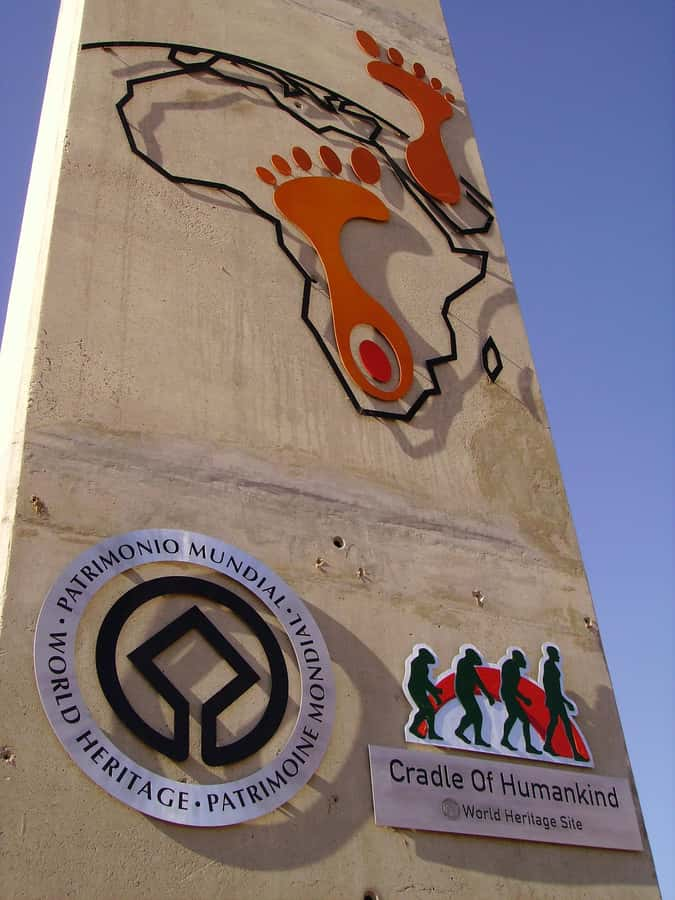
- The Cradle of Humankind adds a much older story, including fossil discoveries and evidence of controlled fire linked to Homo erectus.
- Transportation is private and comfortable, with an air-conditioned vehicle, bottled water, hotel pickup, and drop-off for one to eight people.
- The tour needs at least two people, and prices change with group size. Groups of six or more may receive a discount.
- Museum closing days matter, especially if you plan to visit on Monday or Tuesday.
Why this combination works in Johannesburg
Johannesburg can feel scattered on a first visit. Soweto, the Apartheid Museum, and the Cradle of Humankind are not one compact sightseeing district, so arranging them by yourself can take time and careful planning.
This tour solves much of that problem with a driver, private transport, and admission fees included. You can focus on the places themselves instead of navigating between them. The format also suits you if you want a private day that can be adjusted around your interests.
The subject matter is serious. You are not simply ticking off attractions. Soweto and the Apartheid Museum deal with state-enforced racial separation, protest, police violence, and the long struggle to dismantle apartheid. The Cradle of Humankind then shifts the clock back millions of years, offering a scientific look at early human development.
I find that contrast useful. It gives you two different ways to understand South Africa: through the choices and suffering of recent generations, and through the much older fossil record beneath the ground.
More Apartheid History Tours in Soweto
- Soweto /Johannesburg and Apartheid Museum Guided Full Day Tour
★ 5.0 · 932 reviews - Jo’berg in 1 Day: Soweto, Apartheid Museum & City Tour
★ 4.8 · 524 reviews - Johannesburg: Full-Day Tour with Soweto and Apartheid Museum
★ 4.8 · 478 reviews
Soweto, where the political story becomes personal
Soweto is the part of the tour most likely to stay with you after the vehicle returns to Johannesburg. Its role in the apartheid era cannot be separated from the lives of ordinary residents, students, church communities, and political leaders.
The route includes the Mandela Museum on Vilakazi Street. This site connects the neighborhood with Nelson Mandela’s life and political work. The visit is not just about a famous name. It helps place Mandela within the streets and community that shaped South Africa’s modern story.
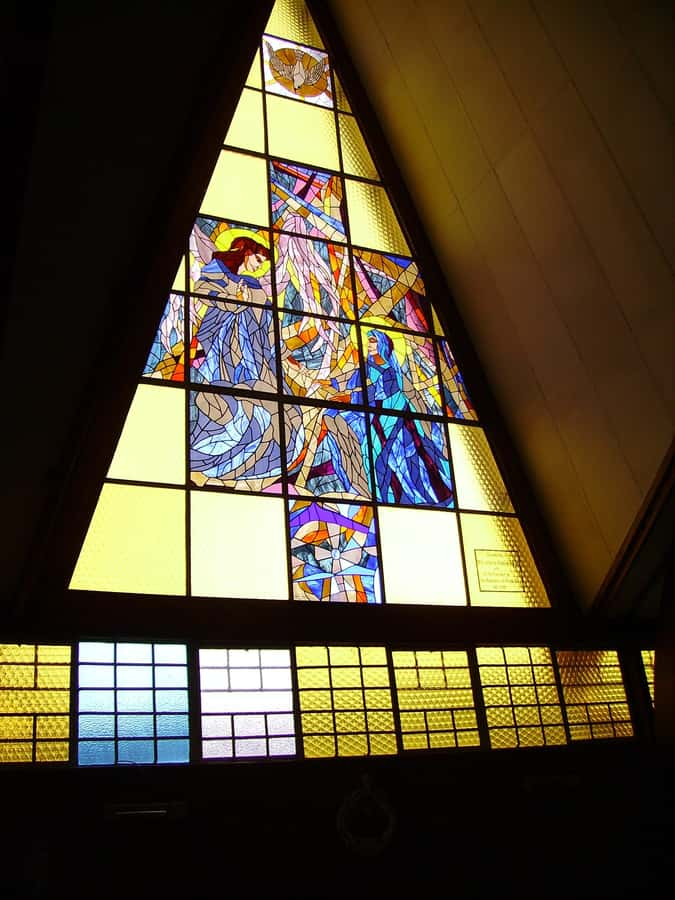
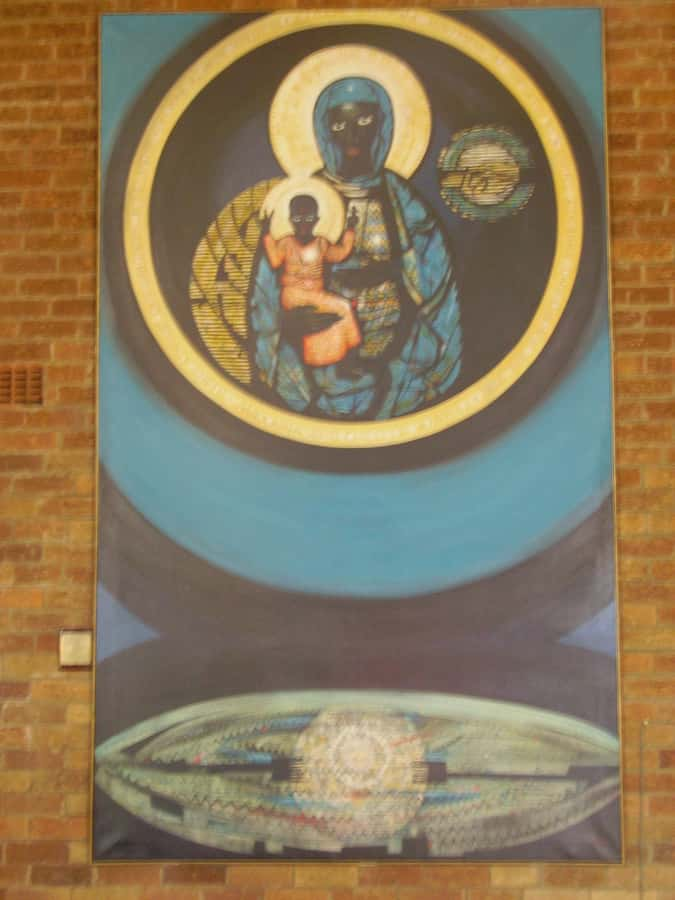
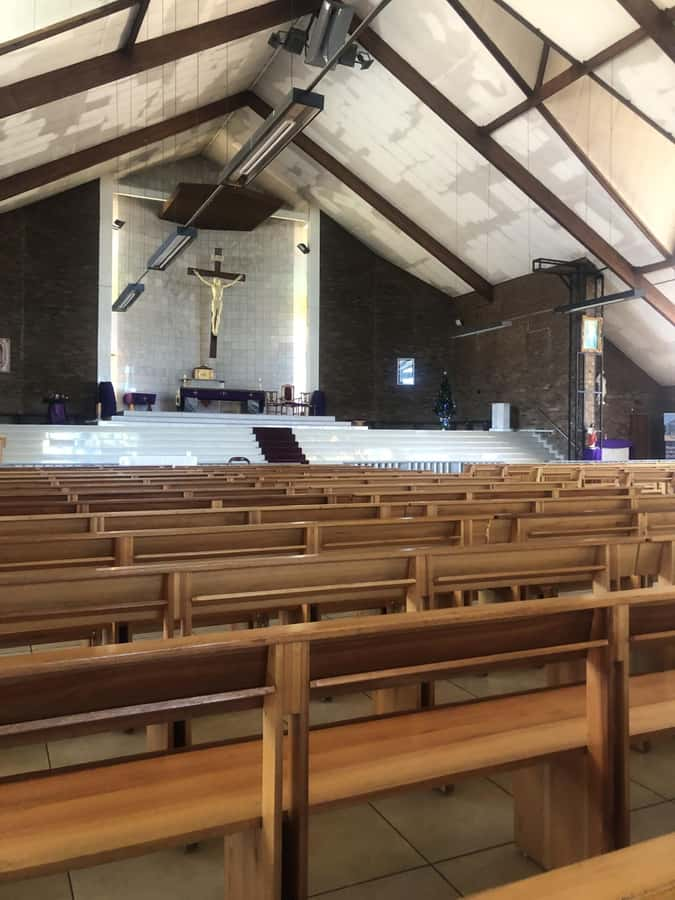
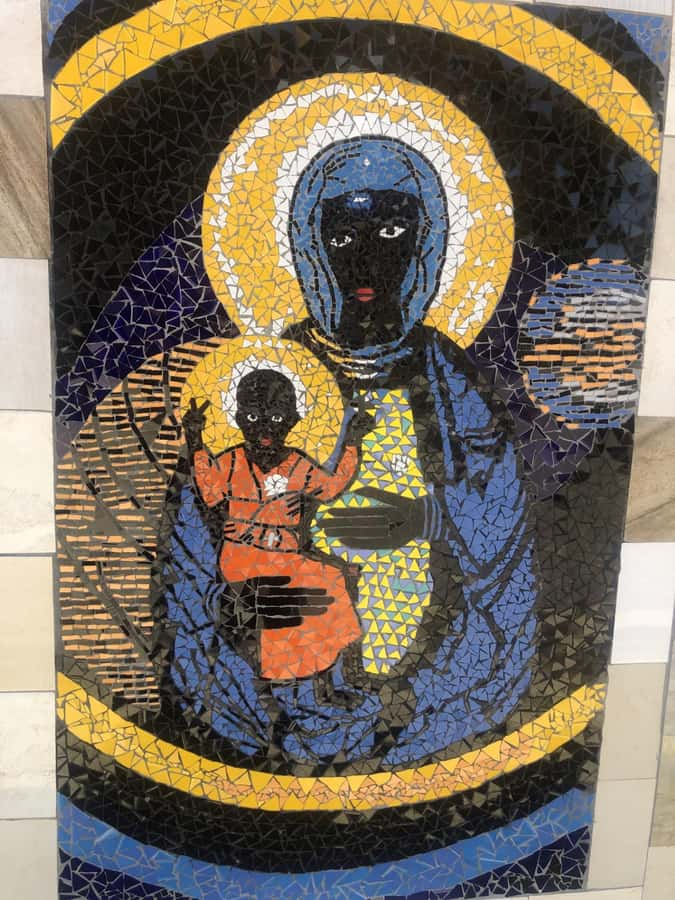
You will also visit Regina Mundi Catholic Church, including its famous Black Madonna. The church has a significant place in Soweto’s history, and its inclusion gives the tour a religious and community perspective that a museum alone cannot provide.
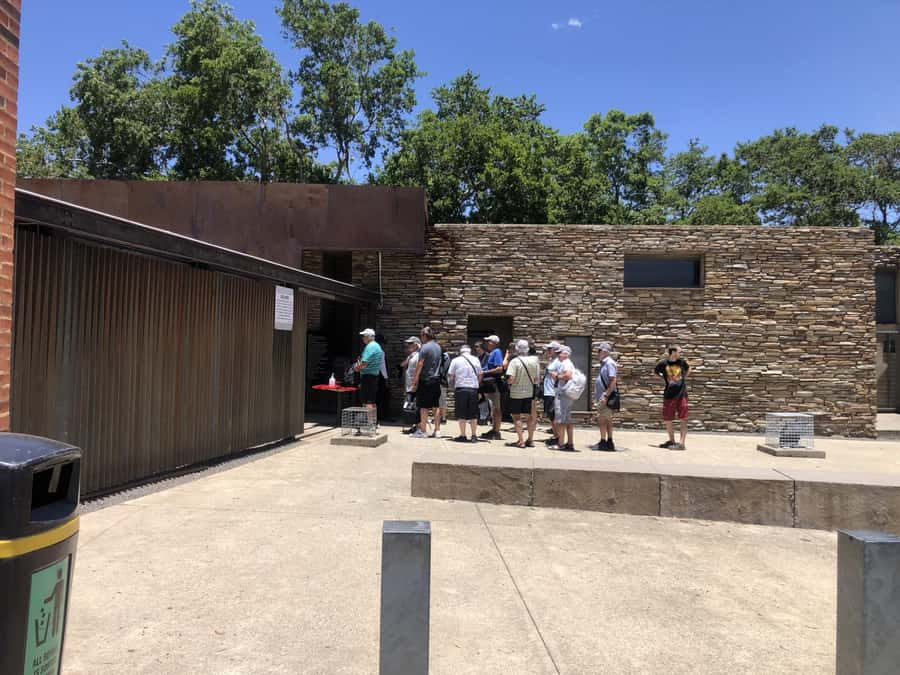
The Hector Pieterson Museum explains the causes and events of the 1976 Soweto riots. This is an important stop because it shows how student protest became a major turning point in opposition to apartheid. The museum is focused and specific, making it easier to understand the chain of events than it might be through a broad general history lesson.
Give yourself time to listen at these places. The emotional weight can be considerable, and a rushed visit would undercut much of their value.
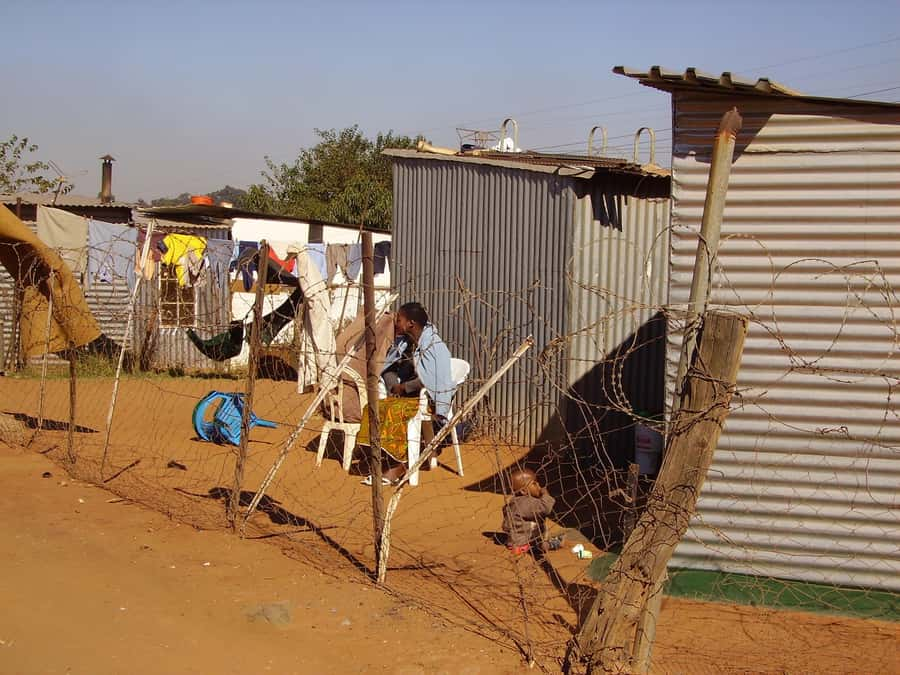
One practical point deserves attention: a township visit is not necessarily part of the planned experience. Soweto is included, along with its museums and church, but you should not assume that the tour will include an informal neighborhood walk or a visit to a township home. If that matters to you, ask for it when arranging your customized itinerary.
The Apartheid Museum’s 22 exhibition areas
The Apartheid Museum provides the broad historical frame. It was the first museum of its kind and is designed to explain the rise and fall of apartheid through objects, images, film, written material, and personal stories.
The entrance itself begins the experience with a division based on racial classification. From there, the museum leads you through 22 separate exhibition areas. The sequence creates a clear path from the development of legalized racial discrimination to the resistance that eventually brought the system down.
I value the museum’s range of material. Film footage can show the force of events in a way that a text panel cannot. Photographs put faces to the history. Artifacts and documents help explain how apartheid worked in daily life, not just as an abstract political policy.
You should expect a serious visit rather than a quick photo stop. The subject includes human loss, forced separation, political repression, and the fight for equal rights. Some displays may be difficult, but that is part of the museum’s purpose.
The guide can help connect the museum to what you have already seen in Soweto. Regina Mundi and the Hector Pieterson Museum give you local and specific viewpoints. The Apartheid Museum widens the frame and places those events within the national story.
The museum is closed on Mondays and Tuesdays. This is one of the most important planning details in the whole experience. The information provided also notes that Hector Pieterson Museum is closed on Mondays, so a Monday or Tuesday booking may need a revised plan. Confirm the opening schedule before paying for a particular date.
The Cradle of Humankind and South Africa’s fossil record
After the modern history of Soweto and apartheid, the Cradle of Humankind takes you far back into prehistory. This UNESCO World Heritage Site contains important fossil-bearing caves and archaeological sites, including Sterkfontein, Swartkrans, Kromdraai, Cooper’s Cave, Gladysvale, Drimolen, Gondolin, and others.
The story began in 1935, when Robert Broom found early ape-man fossils at Sterkfontein. In 1938, a schoolboy named Gert Terrblanche brought fragments from nearby Kromdraai to Raymond Dart. Those fragments were later identified as Paranthropus robustus.
The discoveries continued across the area. Robert Broom later identified early human remains from Swartkrans Cave, while C. K. Brain worked there for three decades and recovered one of the largest samples of hominid remains from the Cradle.
The site is also linked to evidence of controlled fire used by Homo erectus more than one million years ago. That detail gives the place unusual force. You are not only looking at fossil bones. You are considering evidence of early human behavior and technology.
Sterkfontein has another important distinction. Excavations begun by Phillip Tobias in 1966 are described as the longest continuously running fossil excavations in the world. The near-complete Australopithecus skeleton known as Little Foot was discovered there by Ron Clarke in 1997. It was first dated to around 3.3 million years ago, though later dates place it closer to 2.5 million years ago.
The Cradle is best for you if you enjoy learning how discoveries are made. It is not simply a scenic stop or a place to admire old objects behind glass. The value comes from the chain of research, excavation, debate, and new evidence.
The supplied details do not set out a single fixed attraction within the Cradle, so ask which site or museum your customized tour will visit. That question can help you understand how much time will be spent on guided interpretation and how much on transport between locations.
More Museums in Soweto
- Full-Day Soweto, Apartheid Museum and Lunch Tour
★ 5.0 · 410 reviews - Half Guided Day Tour of Soweto And Apartheid Museum
★ 5.0 · 356 reviews - Ultimate Johannesburg Soweto Experience with Apartheid Museum
★ 5.0 · 313 reviews - Soweto: Hop-On Hop-Off Bus, City Tour and Apartheid Museum
★ 4.5 · 250 reviews
A private vehicle makes the long day easier
The tour includes pickup and drop-off at your hotel, transportation between sites, bottled water, and an air-conditioned luxury vehicle. Vehicles are specified for one to eight people, making this a good choice for a couple, family, or small private group.
The minimum booking is two people. Prices vary according to the number of people, and groups of six or more may receive a discount. At the listed starting price of $101 per person, value depends on the final group size and the number of sites included.
For a small party, the price covers more than entry tickets. You are also paying for a private driver, fuel, hotel transport, and the time saved by not arranging several separate journeys. Admissions to the included sites are covered, including the Apartheid Museum, the Soweto museums, Regina Mundi, and the Mandela Museum.
That can make the cost reasonable for you if convenience and a private schedule matter. It may feel less attractive if you only want one museum and prefer to arrange a short taxi ride independently.
The tour is described as half-day or full-day, with the route adjusted to suit your needs. That flexibility is helpful, but it also means you need to be clear about your priorities. A half-day cannot give every location the same attention as a full day.
I would ask three questions before booking:
- Which stops are included in the chosen half-day or full-day plan?
- How much time is allocated to Soweto, the Apartheid Museum, and the Cradle?
- Is any township visit included, or only the listed museums and church?
Those answers will tell you far more about value than the headline price.
What the guide adds to the experience
A guided tour matters here because context changes what you see. At the Hector Pieterson Museum, a guide can help connect the 1976 riots with the wider apartheid system. At Regina Mundi, the guide can explain why the church matters beyond its religious role.
One guide named in the experience is Rob. If Rob is assigned to your tour, you can expect him to handle payments and help with practical details, based on the service described. He also accompanied one party to a nearby Rock Cafe to buy a T-shirt and helped arrange an unplanned dance group payment outside the Mandela Museum.
That sort of assistance can be useful in a place where small arrangements are not always obvious to a first-time visitor. It also shows why a private guide can add more than a formal commentary.
The tour is offered in English, German, and French. If language matters to you, request your preferred option before booking rather than assuming it will be available on every date.
Who will get the most from this tour
I would recommend this experience to you if you want a serious introduction to Johannesburg and prefer a guide to handle the transport. It suits first-time visitors, couples, families, and small groups that want to combine recent political history with archaeology and human origins.
It is especially useful if you have only one day for the city and want more than a single museum. Soweto gives you local history, the Apartheid Museum gives you national context, and the Cradle provides a scientific and prehistoric counterpoint.
You may want a different plan if your main aim is casual township life, shopping, nightlife, or an unhurried museum visit. The itinerary covers a lot of ground, and the half-day option may feel compressed if you want to read every display carefully.
The experience is also not designed around smoking. Smoking is not allowed, so plan accordingly.
Booking advice for museum closing days
The best date is one when all your priority stops are open. Apartheid Museum and Hector Pieterson Museum are closed on Mondays, and the Apartheid Museum is also closed on Tuesdays.
That creates a simple planning rule: avoid Monday and Tuesday if the Apartheid Museum is essential. If those are the only days available, ask the operator to confirm what can be substituted or rearranged.
You can reserve now and pay later, and cancellation is allowed up to 24 hours in advance for a full refund. Prices vary by group size, so check the total for your party rather than relying only on the per-person figure.
Should you book this Johannesburg tour?

Book it if you want a private, history-focused day with hotel transport and admission fees handled for you. The strongest part is the combination of Soweto’s personal stories, the Apartheid Museum’s wider explanation, and the Cradle of Humankind’s very old archaeological record.
Before booking, confirm the exact route, the duration, the Cradle site included, and whether any township experience is planned. If you do that, the tour offers a useful and efficient way to connect three very different parts of Gauteng.
Skip it if you want a slow, single-subject visit or if informal township life is your main goal. For most first-time visitors who want context, comfort, and a serious look at Johannesburg’s past, this is a solid choice.
FAQ
How much does the tour cost?
The listed price is $101 per person. Prices vary according to the number of guests, and discounts apply to groups of six or more.
How many people are required to book?
All tours require a minimum of two guests.
What sites are included?
The included visits are Soweto, the Apartheid Museum, the Mandela Museum on Vilakazi Street, Regina Mundi Catholic Church, and the Hector Pieterson Museum. The tour also includes a guided visit to the Cradle of Humankind.
Is hotel transportation included?
Yes. Transportation between sites, hotel pickup, and hotel drop-off are included.
What type of vehicle is provided?
An air-conditioned luxury vehicle is provided for groups of one to eight guests. Bottled water is also included.
Which languages are available?
Tours are offered in English, German, and French.
Is the tour available as a half-day or full-day experience?
Yes. The tour can be arranged as a half-day or full-day experience, and the route may be customized to suit your requirements.
Are the Apartheid Museum and Hector Pieterson Museum open every day?
No. Soweto museums, including Hector Pieterson Museum, are closed on Mondays. The Apartheid Museum is also closed on Tuesdays.
Can I cancel the booking?
Yes. You can cancel up to 24 hours in advance for a full refund.
Just added around Soweto
- Soweto Township Tour★ 4.4 · 4 reviews
- Soweto Tuk-Tuk Food & Beer Tour★ 5.0 · 9 reviews
- Private Soweto,Mandela House,Apartheid Museum,Constitution★ 4.6 · 15 reviews
- Soweto: Sip & Paint Walking Tour & Take Home a Canvas★ 4.8 · 7 reviews
- Soweto Tour; Mandela House; Vilakazi Street; Market Culture★ 5.0 · 6 reviews
- Johannesburg: Soweto History Tour with Hotel Pickup★ 4.8 · 14 reviews
- Soweto: Hector Pieterson Memorial, to Orlando Towers Tour★ 4.0 · 31 reviews
- Soweto & Johannesburg and Apartheid Museum★ 4.7 · 41 reviews
Apartheid History Tours, compared.

Soweto /Johannesburg and Apartheid Museum Guided Full Day Tour
Read our review →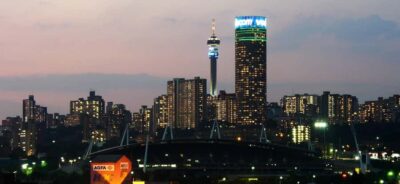
Jo’berg in 1 Day: Soweto, Apartheid Museum & City Tour
Read our review →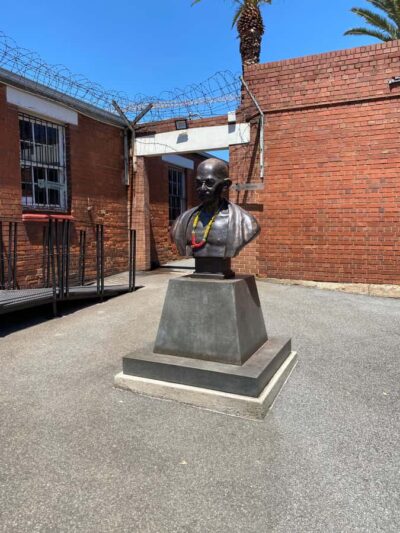
Johannesburg: Full-Day Tour with Soweto and Apartheid Museum
Read our review →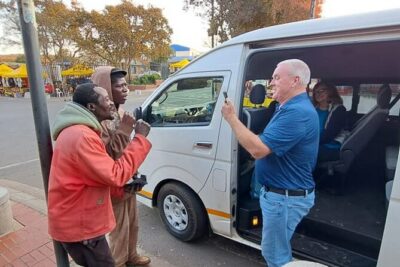
Full-Day Soweto, Apartheid Museum and Lunch Tour
Read our review →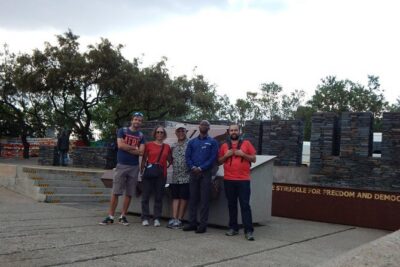
Half Guided Day Tour of Soweto And Apartheid Museum
Read our review →
Ultimate Johannesburg Soweto Experience with Apartheid Museum
Read our review →
Hop-On Hop-Off Bus, City Tour and Apartheid Museum
Read our review →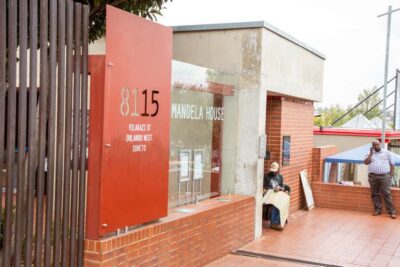
Johannesburg and Soweto Apartheid Full Day Tour w/Lunch
Read our review →Browse the lists this tour appears in