
Reviewed · WILDLIFE IN GARDEN ROUTE
Plettenberg Bay: Private Guided Wildlife Photography Tour
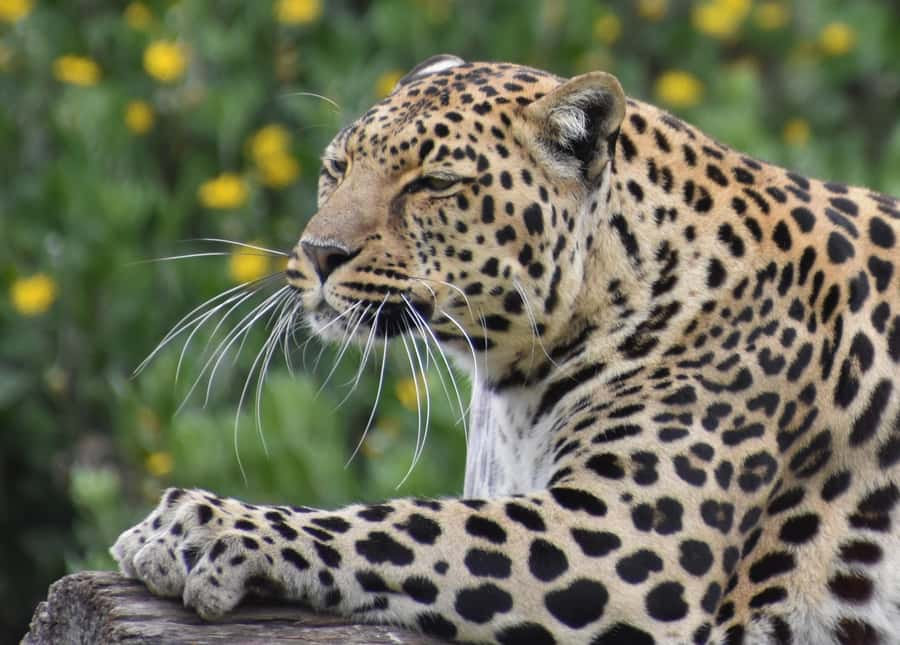
The best part of this Plettenberg Bay tour is the chance to photograph South Africa’s wild cats without being hurried from one enclosure to the next. At Tenikwa, you may see a well-camouflaged leopard, cheetahs, caracals, servals, and a magnificent white lion, with a private guide explaining what you are looking at and why these animals cannot return to the wild.
I like the private format, which gives you room to wait for a better photo and ask plenty of questions. I also like the conservation focus, especially the life-enrichment activity for non-releasable animals. The main consideration is that Tenikwa is a working rehabilitation and awareness center, so the exact animals and program can vary. This is not a guaranteed big-cat photo shoot.
Key points
- Private photo time: You can take your time composing photographs without another group walking through the frame.
- Wild cat focus: The tour includes leopards, cheetahs, caracals, servals, and a white lion, depending on the animals in care.
- Personal conservation discussion: Your English-speaking guide explains the center’s work and the pressures facing wild cats.
- Close but controlled viewing: Some enclosures can be entered when safe, but touching, feeding, and posing with animals are not allowed.
- Extra look after the tour: You can revisit one favorite part of the program once the guided portion ends.
What Tenikwa gives you in about two hours
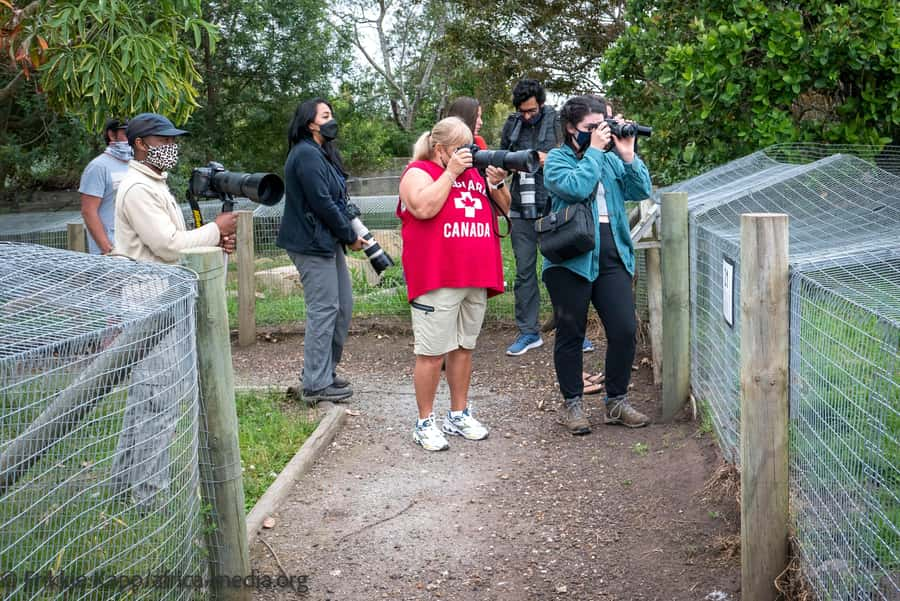
This is a small-scale wildlife experience rather than a safari drive. You walk through Tenikwa Wildlife Rehabilitation and Awareness Center with a private guide, looking at animals that are being cared for at the center. The focus is on observation, photography, and conservation education.
The tour lasts about two hours, although the full schedule can run closer to 150 minutes when the break, coffee, snack, photo stop, and shopping time are included. That makes it easy to fit into a day around Plettenberg Bay, especially if you are also visiting nearby attractions in the Animal Alley area.
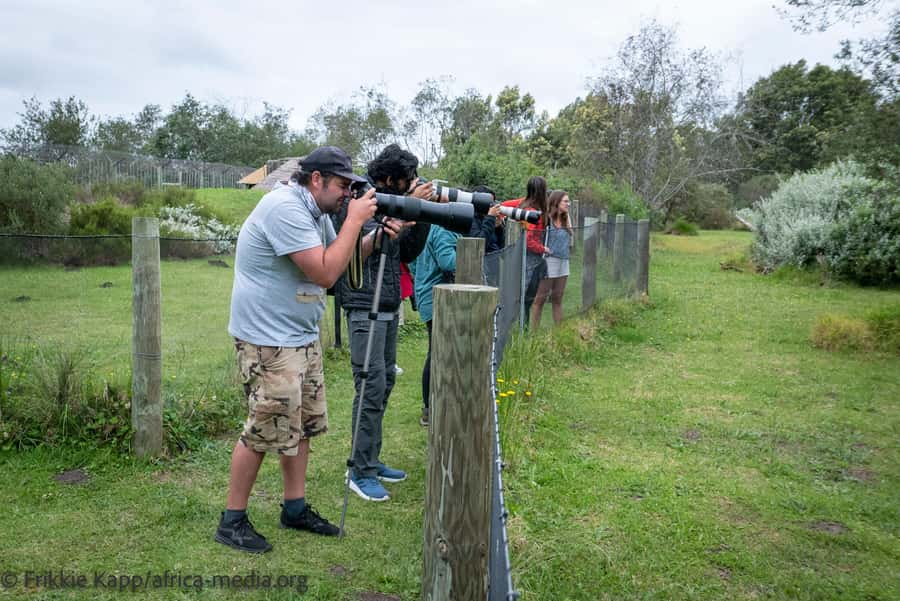
I would set aside at least two and a half hours so you do not feel rushed. The pace is described as leisurely, which matters here. Big cats do not perform on command, and a slow walk gives you a better chance to notice a leopard blending into its surroundings or a cheetah settling into a useful position for photography.
The tour begins with a short safety briefing. You then receive an introduction to Tenikwa and its conservation work, including an educational video. This opening is useful because it gives you context before you start looking at individual animals. You are not simply being shown a series of attractive cats. You are being asked to think about why certain animals are at the center and what conservation problems they face.
More Wildlife in Garden Route
- Plettenberg Bay: Wild Cat and Wildlife Guided Tour
★ 4.7 · 206 reviews - Jukani Wildlife Sanctuary Admission with Guided Tour
★ 4.5 · 50 reviews - Guided Wildlife Tour and Forest Walk with Lunch Platter
★ 4.6 · 40 reviews
Meerkats first, then the search for a leopard
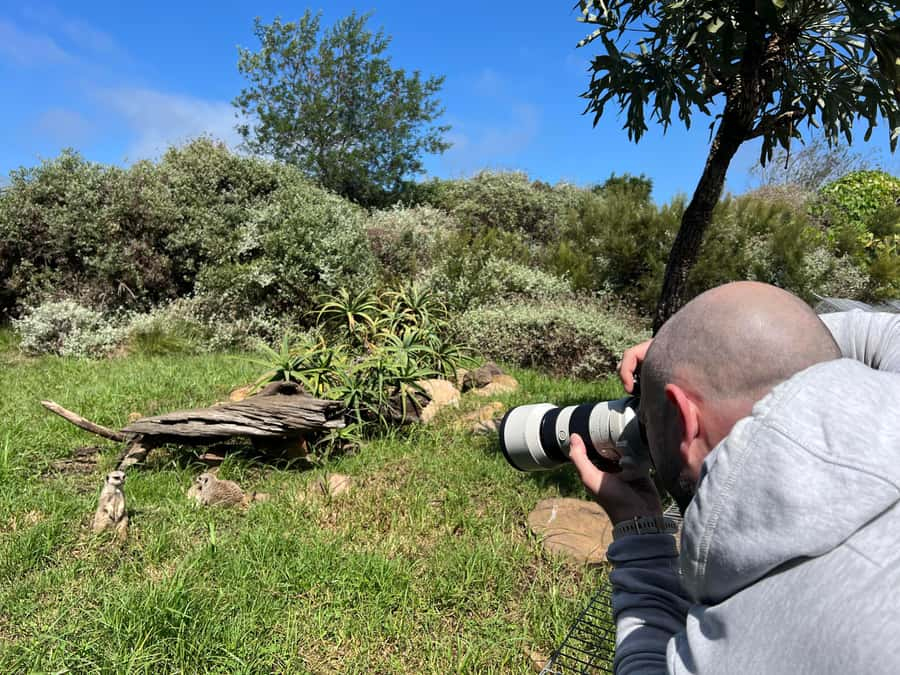
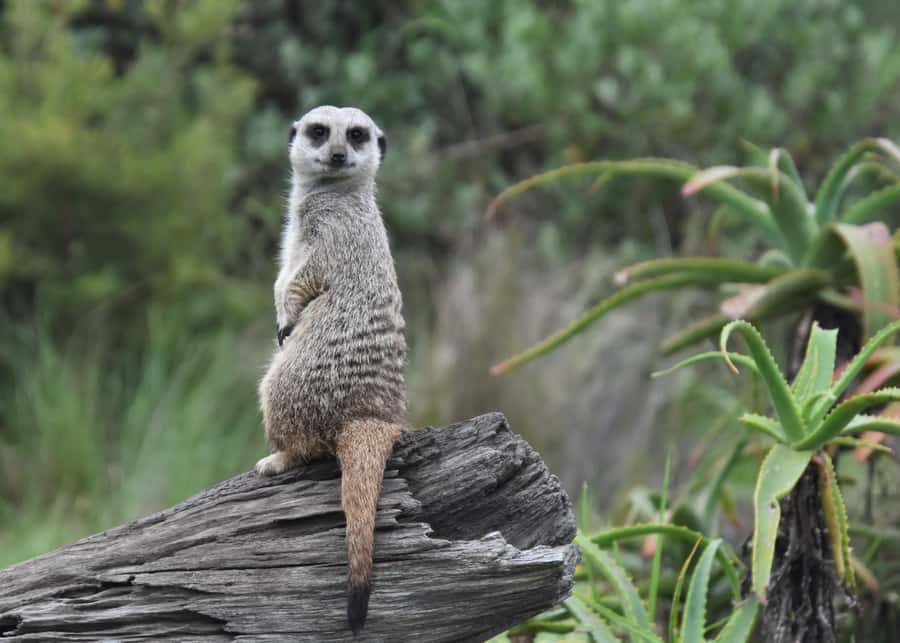
One of the early stops is the Meerkat Meander. These meerkats were confiscated and now have a permanent home at Tenikwa. The stop gives you a clear example of the center’s role: some wildlife cannot be released, so responsible long-term care becomes the only practical option.
The meerkats also provide a nice change of pace before the larger cats. They are smaller, active, and often easier to watch as a group. For photography, you will want to keep your camera ready, but do not expect every animal to pose in perfect light or face the lens.
The leopard walkway is more about patience. Your guide takes you inside the walkway and helps you search for a leopard that may be difficult to see at first. This is a good reminder that spotting an animal is part of wildlife viewing. You may need to look carefully rather than simply point a camera toward an obvious enclosure.
That search also gives your guide a chance to explain camouflage and behavior in a practical way. The experience is more satisfying if you resist the urge to rush past the enclosure after a few seconds. Ask your guide where to look, then give yourself time to find the animal.
Cheetahs and the conservation story behind the photographs
Cheetahs are among the key animals on the route. Tenikwa uses this stop to discuss the declining number of cheetahs in the wild, so the visit is not just about getting a striking portrait. You learn why the species needs protection and why centers that care for non-releasable animals have an educational role.
For photographers, cheetahs can be especially rewarding because their markings and body shape show well in pictures. The quality of your photographs will depend on the animal’s position, the light, and your lens, but the private group gives you something valuable: time. You are not competing with a coachload of people for one quick view.
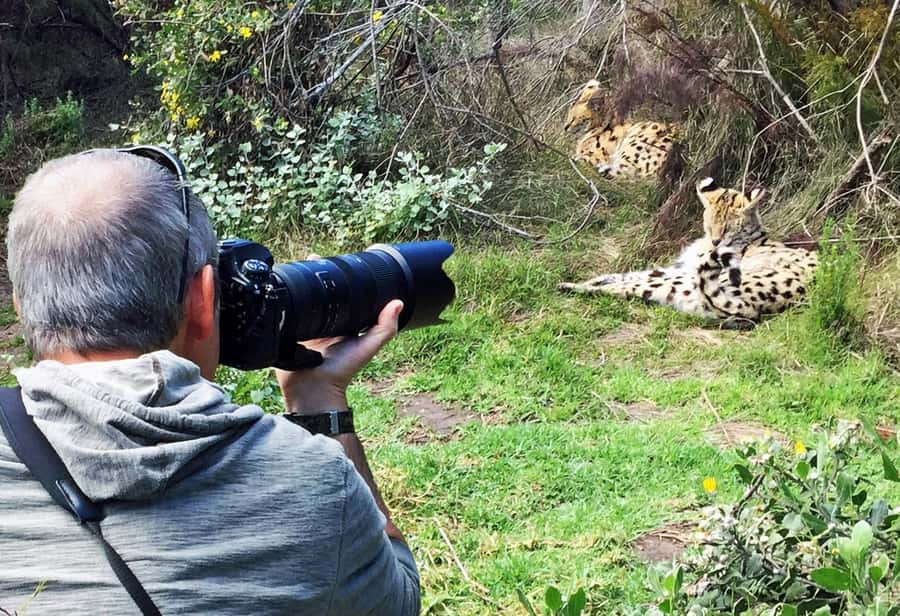
The center also provides chances to photograph caracals and servals. These smaller wild cats may be less famous than lions and cheetahs, but they are worth your attention. A private guide can point out differences in appearance and behavior, helping you make better pictures and remember what you saw.
I would bring a camera if photography is important to you, but I would not book this expecting a controlled studio setup. The animals are not there for photographs. Their welfare comes first, and the program depends on the animals in care and their condition on the day.
Close viewing without touching the animals
One unusual feature is the chance to enter some enclosures when it is considered safe. This can put you closer to the cats than a standard viewing path would, but it does not mean you can handle them. No touching, feeding, or posing with wildlife is allowed.
That rule is important. It keeps the experience focused on respectful observation and protects both you and the animals. You should also avoid selfie sticks, which are not permitted during the tour.
The close proximity can be excellent for photography, but it may also feel less predictable than a conventional zoo visit. You could find yourself near an animal without getting the exact angle you hoped for. Follow the guide’s instructions, keep your movements calm, and let the animal’s behavior set the pace.
Backpacks and valuables should be locked in your vehicle. Cameras may be brought on the tour, but the center advises against carrying items that are not needed. Comfortable clothes and walking shoes are practical, and a sun hat and sun protection are recommended.
Same part of Garden Route, a completely different kind of day:
- From Cape Town: 2-Day Safari at Garden Route Game Lodge
★ 4.8 · 928 reviews - Plettenberg Bay: Swim with Seals
★ 4.7 · 887 reviews - Knysna Ziplines Tour
★ 5.0 · 688 reviews - Little Brak River: Botlierskop Guided Game Drive
★ 4.7 · 589 reviews
The white lion and the elevated final viewpoint
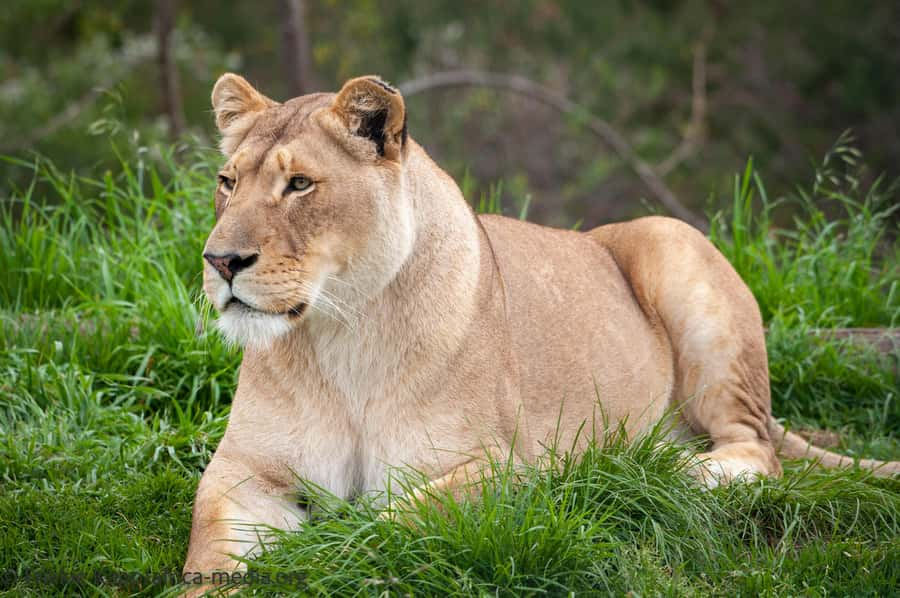
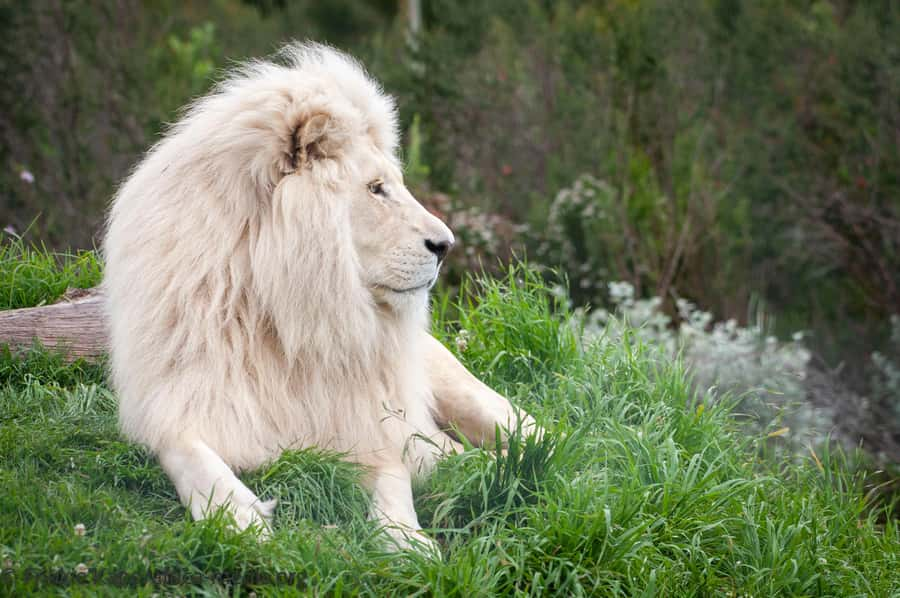
The tour finishes with a visit to the white lion. You see this animal from the lion walkway, which takes you high above the enclosure. This final viewpoint changes the perspective and can give you a broader look at the animal rather than only a close side view.
The white lion is likely to be the visual highlight for many people, but I would not let it overshadow the smaller cats. The leopard, caracal, and serval stops are part of what makes this experience more useful than a simple lion viewing. You get a wider introduction to South Africa’s wild cat species.
The high walkway can also help with photographs by giving you a different angle. Still, conditions matter. Your guide can position the visit well, but no guide can guarantee that an animal will sit in an ideal spot at the ideal moment.
A private guide changes the pace
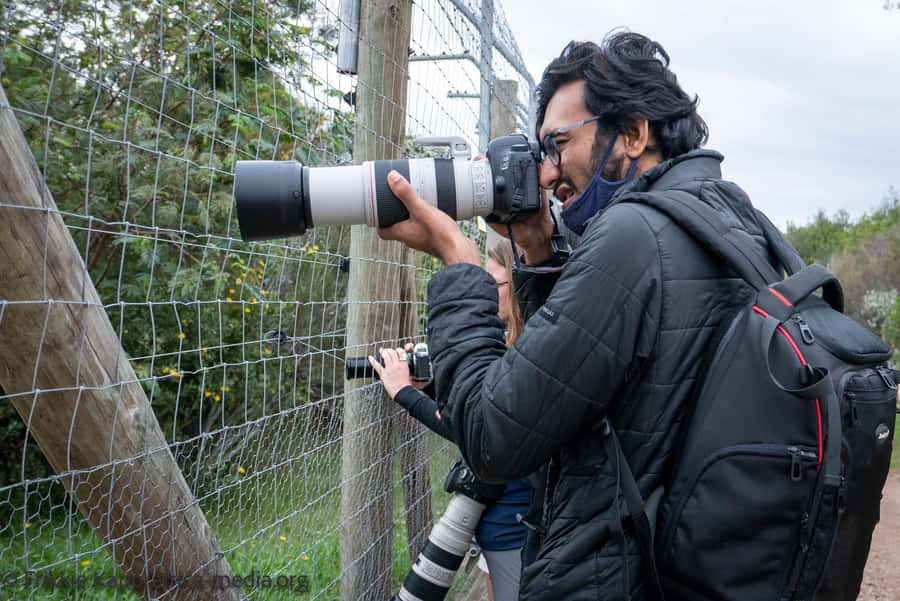
The private format is the strongest reason to choose this tour over a larger group visit. You can ask questions as they occur to you, spend longer at a favorite animal, and pause for photographs without worrying about holding up strangers.
One guide named Davidson has been singled out for giving clear explanations and allowing ample time for photographs. Guides can vary, but the private setup gives you a better chance of getting a personalized conversation regardless of who leads your visit.
The English-speaking guide explains the facility, the animals, and conservation concerns. I would use the time to ask practical questions about why particular animals are non-releasable and how the center approaches their care. The tour is at its best when you treat it as a conversation, not just a route between viewing points.
The center has received a current rating of 4.9 from 49 ratings, with repeated praise for informative guiding, close observation, and the chance to take photographs without people crossing the frame. Those strengths match the design of the tour: private access, a relaxed pace, and time to ask questions.
The life-enrichment activity
Part of the visit includes a life-enrichment exercise with non-releasable animals. The supplied details do not specify exactly which activity you will do or which animal will take part, so you should expect the format to depend on the animals in care and the center’s safety decisions.
The value of this part is that it shows animal care as more than food and shelter. Non-releasable animals need appropriate stimulation and activity, and the exercise gives you a look at that side of the center’s work.
Do not expect to touch or feed the animals. The rules remain firm throughout the visit. The activity is observed under guidance and is designed around the animals’ welfare, not around creating a personal encounter.
Coffee, local snacks, and the final photo stop
The schedule includes a short break with coffee and local snacks. This is modest but useful. After walking and standing with a camera, you will appreciate ten minutes to rest and talk through what you have seen.
There is also a final photo stop and time to revisit one part of the program. This is one of the best practical features for photographers. If the leopard was difficult to spot earlier, or if you preferred the cheetahs to the white lion, you can use the return visit to try again.
The revisit is not a promise of a better photograph. Animals may have moved, and the center’s priorities come first. Still, it gives the tour a flexibility that many timed wildlife visits lack.
The schedule finishes with about ten minutes for shopping. You can skip this if you prefer to leave promptly, but it provides a chance to browse for a small reminder of the visit.
Is $41 good value?
At $41 per person, this is a reasonable price for a private guided visit lasting about two hours, especially if you are traveling with another person and care about photography. The entrance fee and guide are included, as is the option to revisit one section after the main tour.
The value comes from the private attention rather than from the number of animals alone. You are paying for a guide who can explain what you are seeing, adjust the pace, and give you time to make photographs. A large group tour might cost less in some settings, but it would not offer the same control over pauses and questions.
Food and drinks are not included, apart from the scheduled coffee and local snacks. Hotel pickup and drop-off are also not included, so you need to make your own way to Tenikwa.
For a photographer, $41 is easier to justify because time matters. If you are only looking for a quick look at a lion, you may find the tour longer and more educational than necessary. If you want to understand the animals and work on photographs at an unhurried pace, the price makes better sense.
Getting to Tenikwa from Plettenberg Bay
You meet at Tenikwa Wildlife Rehabilitation and Awareness Center. From the N2, take the turnoff marked Tenikwa, Monkeyland, and Elephant Sanctuary. At Animal Alley, keep left toward Tenikwa and drive past Kurland Village.
At the fork, keep right and continue to the Tenikwa entrance. Check in at Tenikwa Reception, where parking is available.
Arrive 15 minutes before your scheduled start. This gives you time to park, check in, and prepare your camera without cutting into the safety briefing. The center is wheelchair accessible, though you should confirm that the exact route and enclosure access suit your needs when booking.
Who should book this wildlife tour?
I would recommend this tour to wildlife photographers, couples, families with a strong interest in animals, and anyone who wants a more personal visit than a standard group outing. The private format is especially useful if different people in your party want different amounts of time at each enclosure.
It also suits visitors who want conservation information alongside animal viewing. You will hear about the cats, the center’s work, and the shrinking wild cheetah population. That educational layer gives the photographs more meaning.
I would be more cautious if you need guaranteed sightings, guaranteed animal behavior, or a hands-on encounter. You cannot touch or feed the animals, and the center’s program changes according to the animals it is caring for. The experience is also not a substitute for a safari in a national park. Here, you visit animals in a rehabilitation and awareness setting.
Practical booking advice
Wear comfortable walking shoes and clothing suitable for the weather. A sun hat and sun protection are sensible additions. Bring your camera, but leave selfie sticks at home and lock spare valuables and backpacks in your vehicle.
The experience is offered in English for a private group. You can reserve and pay later, and cancellation is free up to 24 hours before the tour for a full refund. Starting times vary, so check availability for the date you want.
Should you book the Tenikwa photography tour?
Book it if you want close, carefully managed wildlife viewing with plenty of time for photographs and questions. The combination of cheetahs, leopards, caracals, servals, and a white lion gives you more variety than a single-animal encounter, while the private guide keeps the pace flexible.
Choose something else if your main goal is seeing wild animals in their natural habitat or having physical contact with them. Tenikwa is a working care center, and the exact program can change. For an ethical, educational introduction to South African wild cats near Plettenberg Bay, however, the $41 price is fair, and the chance to revisit a favorite animal makes the visit particularly useful for photographers.
FAQ
How long does the Tenikwa wildlife photography tour last?
The main guided experience lasts about two hours. With the break, coffee, snacks, final photo stop, and shopping time, you should allow up to about 150 minutes.
What animals can I photograph?
The tour offers opportunities to photograph cheetahs, leopards, caracals, servals, and a white lion. You will also visit meerkats. The exact animals available can depend on which wildlife Tenikwa is caring for at the time.
Can I touch or feed the animals?
No. Touching and feeding wildlife are not allowed. You also cannot pose with the animals, and selfie sticks are prohibited.
Is this a private tour?
Yes. The activity is arranged for a private group with an English-speaking live guide.
Is hotel transportation included?
No. Hotel pickup and drop-off are not included. You drive to Tenikwa Wildlife Rehabilitation and Awareness Center and check in at Reception. Parking is available there.
Can I return to see an animal again?
Yes. After the guided tour, you have the option to revisit one part of the program, which is useful if you want another chance to photograph a favorite cat.
More Photography Sessions in Garden Route
- Cape Town: Atlantis Dunes Quad Bike Tour and Photo Session
★ 4.5 · 322 reviews - Quad Bike Adventure @ Atlantis Dunes+Photo Session
★ 4.5 · 104 reviews - 1 Hour Cape Town Bo Kaap Photoshoot Experience
★ 5.0 · 61 reviews - ATV Atlantis dunes: PHOTOSHOOT & VIDEOS
★ 4.1 · 50 reviews
Just added around Garden Route
- 7- 10 Days Tour Package Cape Town and Garden Route★ 5.0 · 6 reviews
- 7-day Cape Town, Winelands, Garden Route and Addo National Park★ 5.0 · 5 reviews
- 5 Day Cape to Addo Safari – Garden Route Small Group Tour★ 5.0 · 26 reviews
- 7 Day Garden Route to Addo, Cape Point and Winelands Combo tour★ 5.0 · 28 reviews
- 7-Day Garden Route Safari Adventure from Cape Town★ 5.0 · 20 reviews
- 5 Day Garden Route Small Group Tour Fr CapeTown – Departs Mondays★ 5.0 · 3 reviews
- 4 Day Garden Route Luxe Selection Micro Group Tour from Cape Town★ 5.0 · 3 reviews
- 3 Days 2 Nights Garden Route Private Tour from Cape Town★ 4.0 · 5 reviews
Wildlife in Garden Route, compared.
Jukani Wildlife Sanctuary Admission with Guided Tour
Read our review →
Guided Wildlife Tour and Forest Walk with Lunch Platter
Read our review →
3 Day Wildlife Safari Tour – Garden Route Small Group Tour from Cape Town
Read our review →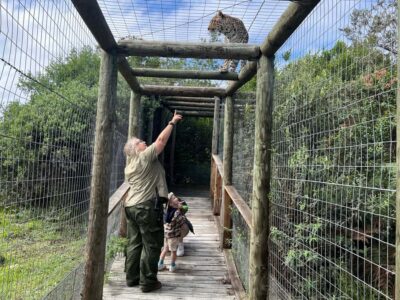
Browse the lists this tour appears in