
Reviewed · APARTHEID HISTORY TOURS
Johannesburg: Pretoria, Apartheid & Soweto Small-Group Tour
South Africa’s past comes into sharp focus on this long, serious, and worthwhile day. You move from Pretoria’s government buildings and colonial monuments to the Apartheid Museum, then into Soweto, where the story becomes personal at Mandela’s former home and Hector Pieterson Square. I like the wide range of places covered, and I like that the day does not stop at museum displays. You also see the streets and communities shaped by that history.
I especially appreciate the small group of up to nine people, which gives you a better chance to ask questions than on a large coach tour. Guides such as Gabin and Richard have been praised for clear explanations, strong subject knowledge, and careful driving. The main caution is the packed schedule, plus uneven transport quality. One booking had an old, uncomfortable vehicle, and the museum’s Monday and Tuesday closure needs checking before you pay.
Key points to know before you book
- Nine-person limit: A small group makes it easier to hear the guide and ask questions throughout the day.
- Three-part historical journey: Pretoria covers government and older buildings, the Apartheid Museum provides context, and Soweto brings the subject into living streets.
- Vilakazi Street is the main Soweto stop: You visit Mandela’s house and see the street associated with both Nelson Mandela and Archbishop Desmond Tutu.
- Hotel pickup is included: Collection and return are available from Johannesburg, Sandton, Rosebank, Pretoria, Ekurhuleni, and the West Rand.
- French guiding is available: The activity offers English and French, with French-speaking guides praised for detailed and friendly explanations.
- Plan for a full day: The tour lasts eight hours, runs in rain or shine, and includes airport-style security at some sites.
Why this day gives you more than a city drive
This is not a quick Johannesburg highlights tour. It is built around a difficult question: how did South Africa move from segregation and state control toward the democracy represented by today’s government?
The route helps you approach that question in stages. Pretoria gives you national symbols and formal power. The Apartheid Museum explains the machinery and consequences of apartheid. Soweto then puts names, homes, protests, and community life around the subject.
I like that order. If you visit Soweto first without context, some places can feel like a string of famous names. After the museum, Mandela’s house, Hector Pieterson Square, and Vilakazi Street carry more meaning.
You should also know that this is an information-heavy outing. The strongest guiding accounts describe detailed explanations and plenty of time for questions, but one guide was considered repetitive. If you enjoy history and want a clear narrative, that will likely suit you. If you prefer a loose day with long breaks, the schedule may feel tight.
More Apartheid History Tours in Soweto
- Soweto /Johannesburg and Apartheid Museum Guided Full Day Tour
★ 5.0 · 932 reviews - Jo’berg in 1 Day: Soweto, Apartheid Museum & City Tour
★ 4.8 · 524 reviews - Johannesburg: Full-Day Tour with Soweto and Apartheid Museum
★ 4.8 · 478 reviews
9:00 am: Voortrekker Monument and Pretoria’s older face
The morning begins at the Voortrekker Monument, one of Pretoria’s major historic landmarks. The stop introduces the Afrikaner Voortrekker story and the political memory attached to it. It is a useful first stop because Pretoria’s identity cannot be understood through government buildings alone.
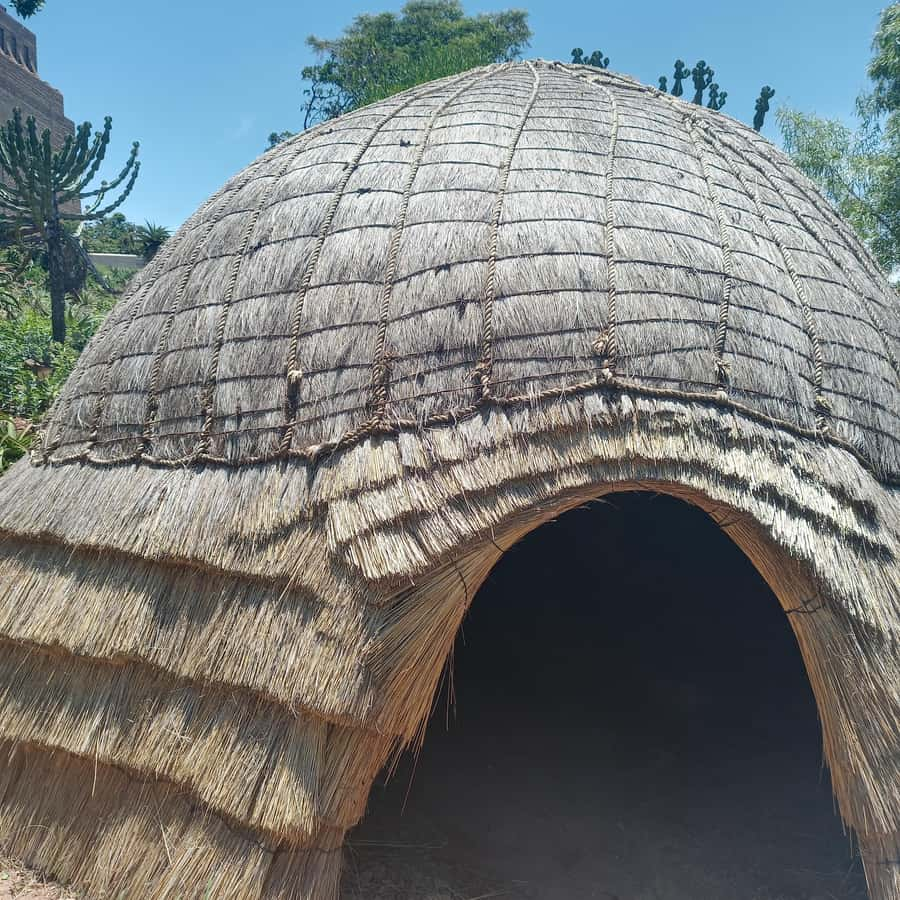
The monument is also visually striking, with old stone architecture and a strong sense of ceremony. Your guide can help place it within the larger story of South Africa rather than leaving it as a grand building with no explanation.
The precise amount of time at each Pretoria stop is not given, so expect a guided route rather than an extended independent visit. This matters if you want detailed interior viewing or long photography sessions. The day covers a lot of ground, and Pretoria is one part of a much larger program.
10:00 am: Kruger House and the route into central Pretoria
The tour passes Kruger House, associated with Paul Kruger, an important figure in the history of the former South African Republic. Passing the building gives you another layer of Pretoria’s political past before the route continues toward Church Square.
This is a good example of the tour’s approach. You are not only taken to famous museums. You also get landmarks viewed in relation to one another, with the guide explaining how older political power, public buildings, and later national changes fit together.
If you want to enter every building, ask the guide about the day’s timing. The stated plan says the route passes Kruger House, so you should not assume a full interior visit.
10:45 am: Church Square and Pretoria’s government center
Church Square is one of Pretoria’s key public spaces, surrounded by older buildings and linked to the city’s early political life. It gives you a more open look at Pretoria after the monument and Kruger House.
I like this part for the contrast it provides. The morning is not just about apartheid. You see the older structures and political traditions that existed before the democratic era, then later visit places tied to the modern government.
The tour also passes through Pretoria’s central business district. That drive helps connect historic Pretoria with the working city around it. Do not expect a long walking tour of every street. This section is mainly a guided overview, so listen closely and save questions for the guide.
Same part of Soweto, a completely different kind of day:
- Johannesburg: Hop-On Hop-Off Bus with Optional Soweto Tour
★ 4.6 · 985 reviews - Johannesburg Hop-On Hop-Off City Tour with Soweto Option
★ 4.5 · 768 reviews - Half-Day Tour of Soweto Tour
★ 4.5 · 712 reviews - Soweto: Walking Tour with a Local Guide and Lunch
★ 4.9 · 648 reviews
11:30 am: Union Buildings and the seat of government
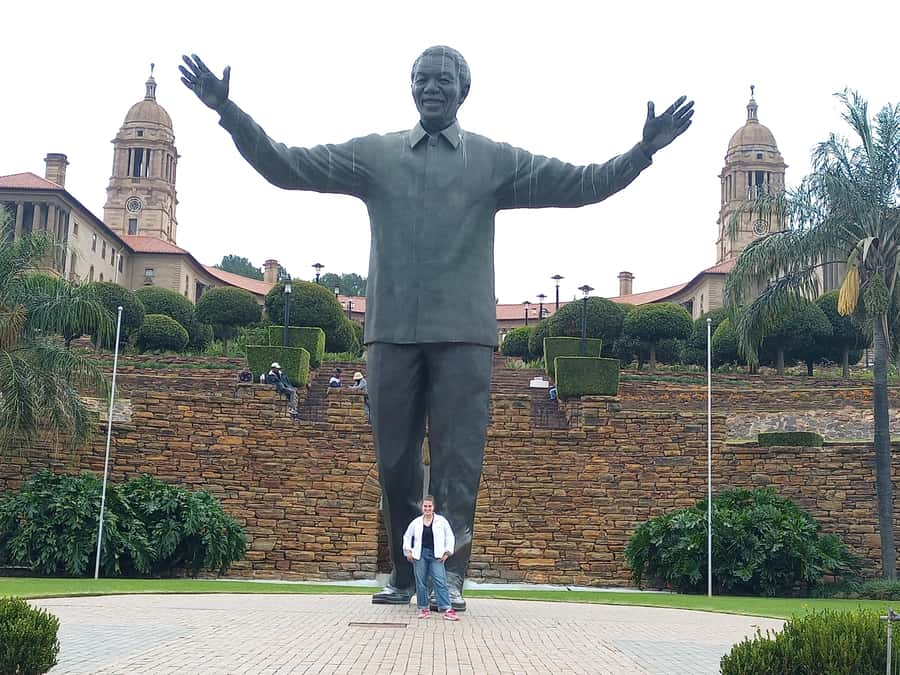
The Union Buildings are among Pretoria’s most important political landmarks. Pretoria serves as South Africa’s administrative capital, and the executive branch of government works from here. The city also hosts foreign embassies, making it a center of national administration and international diplomacy.
This stop helps explain why Pretoria matters beyond its historic architecture. You see the setting of official power before the tour turns toward the human cost of political policy at the Apartheid Museum.
The schedule places the Union Buildings before lunch and the museum, which creates a useful progression. First you see the symbols of authority. Later, you examine how authority was used and challenged.
12:45 pm: The Apartheid Museum tells the central story
The Apartheid Museum is the anchor of the day. Its exhibitions explain the rise and fall of apartheid, the legal and social system that separated people by race and controlled where they could live, work, travel, and study.
The museum is described as the first of its kind, and it gives the tour the historical framework needed for the Soweto stops. You can expect a serious visit rather than a light cultural attraction. The subject is painful, and the museum is designed to make that clear.
Entry is included in the price, which is important. Admission fees can add up quickly on a day with several major sights, so the included ticket improves the value of the package.
You need to check the museum’s opening days before booking. The supplied information identifies a problem with Monday visits and indicates that the museum is closed until Wednesday, meaning Monday and Tuesday may not work. Because the tour specifically includes museum entry, do not assume the route will automatically be adjusted if the museum is shut.
The museum is also a security-controlled site. Everyone must pass through airport-style security, and bags are not allowed according to the activity rules. Bring your passport or a copy, but leave unnecessary belongings behind.
2:00 pm: Soweto turns history into lived experience
The afternoon moves into Soweto, short for South Western Townships. Today it forms part of the City of Johannesburg Metropolitan Municipality, but its name remains tied to the forced movement, resistance, culture, and political activity that shaped South Africa’s modern history.
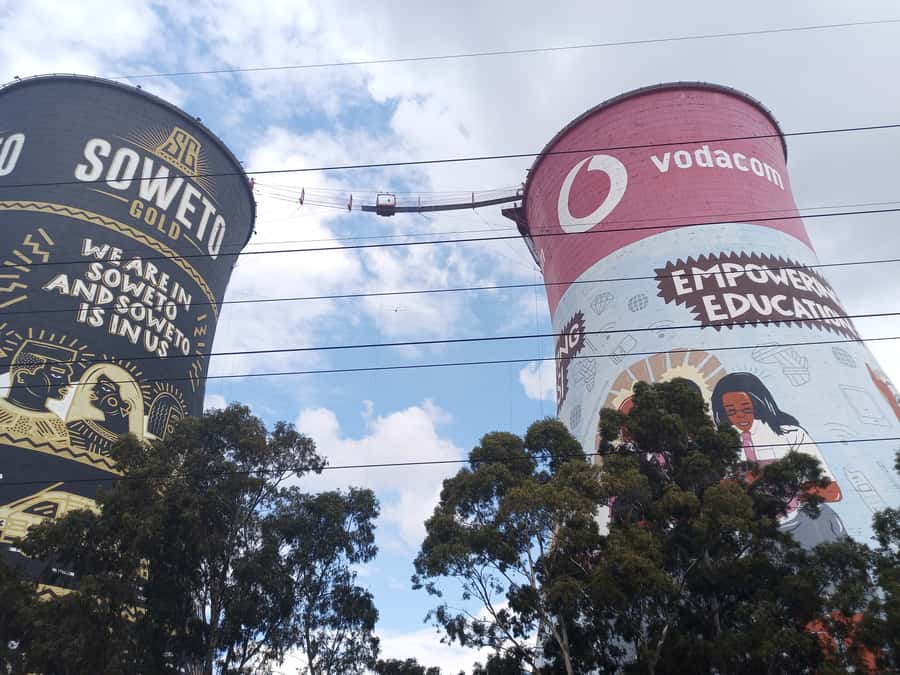
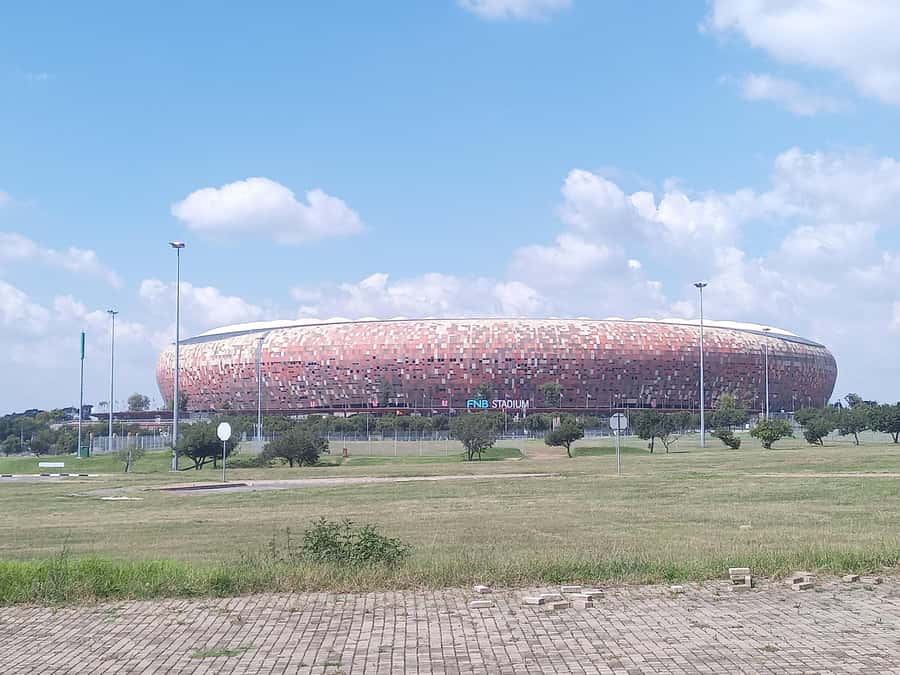
This is where the tour becomes less formal. Instead of only looking at monuments, you see major local landmarks and streets connected to people and events. The route includes the World Cup stadium, one of the major hospitals described as the biggest in Africa, the Soweto Towers, and Vilakazi Street.
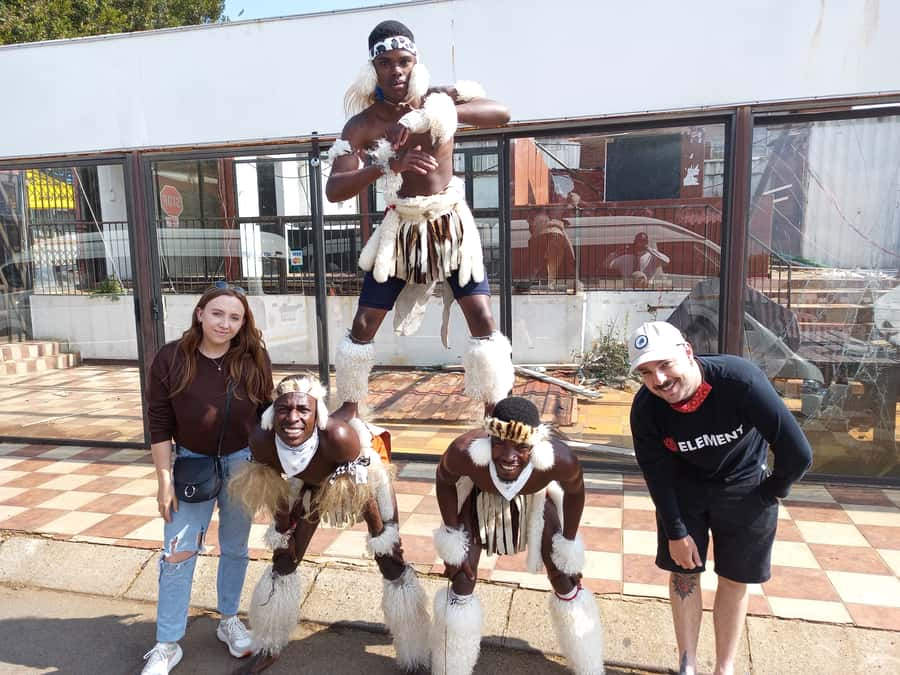
The activity information also lists street dance among its highlights. That suggests the afternoon may include a glimpse of local performance or street culture, though the exact timing and format are not specified. Treat it as a possible feature rather than a guaranteed show.
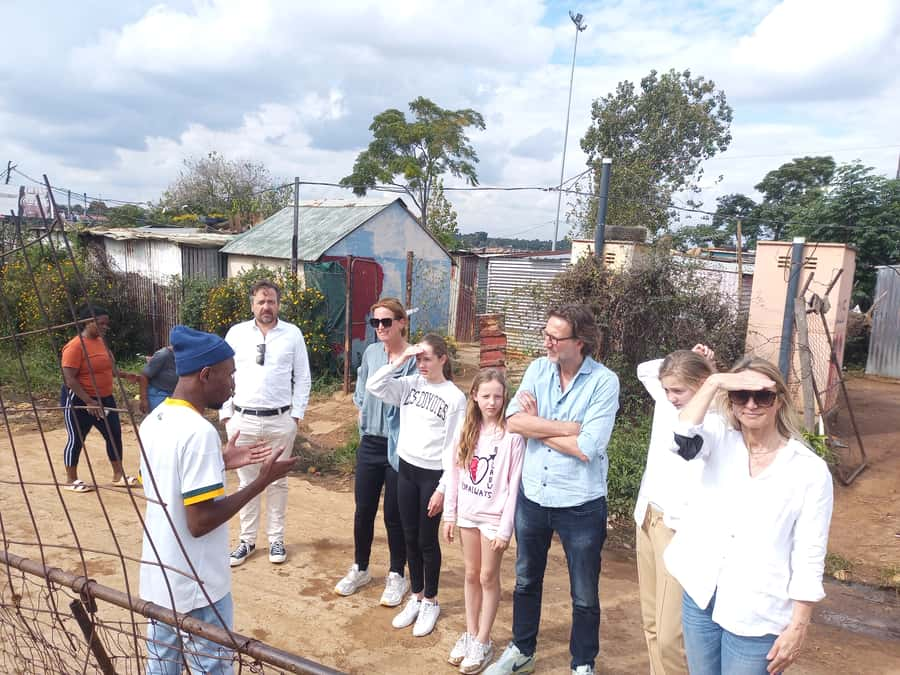
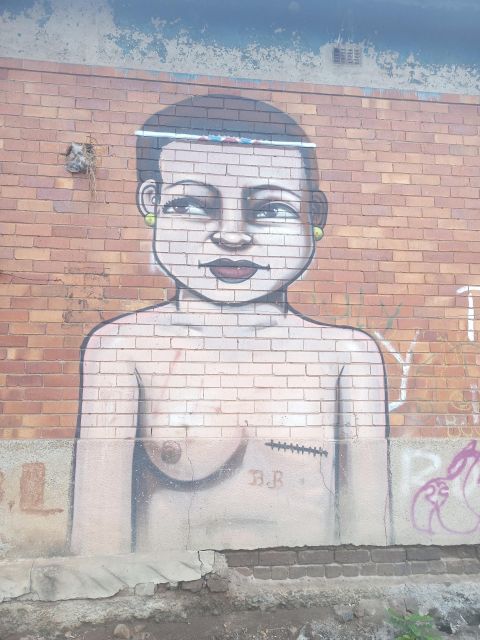
Soweto is not one single experience. It includes famous heritage sites, working neighborhoods, public institutions, and places of severe poverty. The optional visit to the poorest area of Soweto may be confronting. You should decide in advance if that kind of stop fits your interests and comfort level.
Vilakazi Street, Mandela’s house, and Hector Pieterson Square
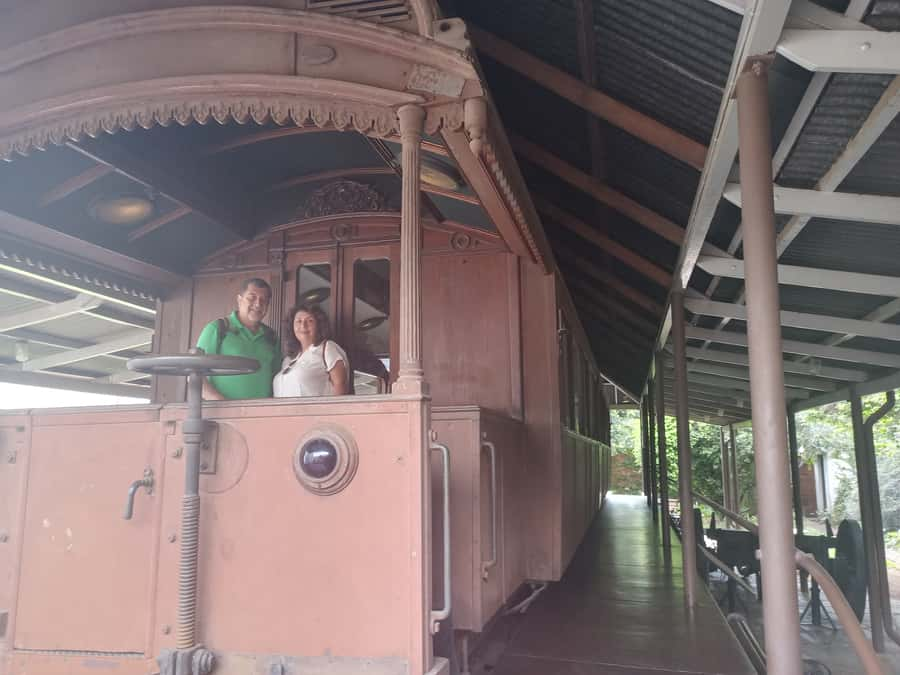
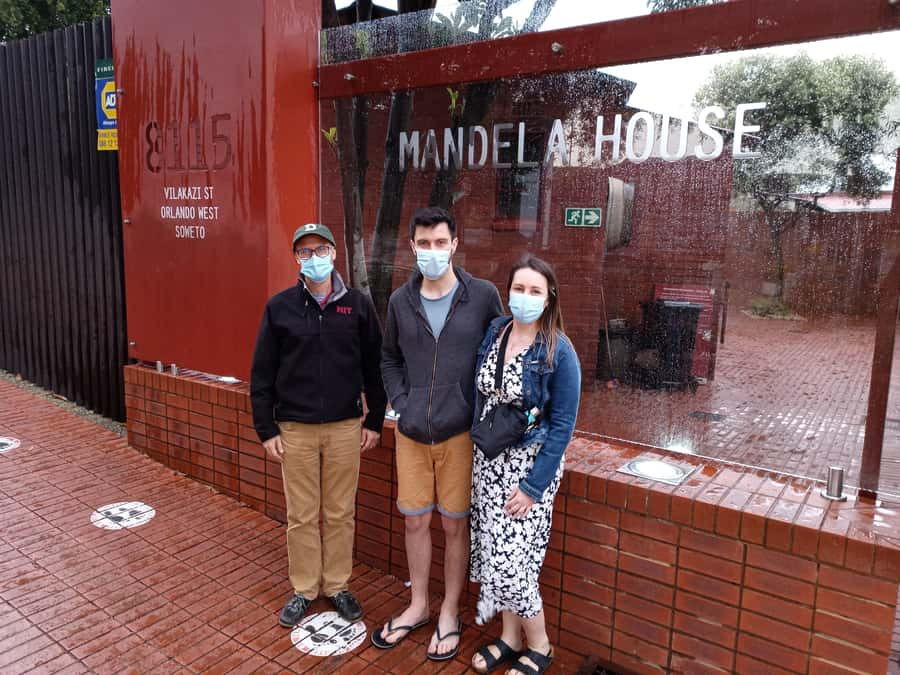
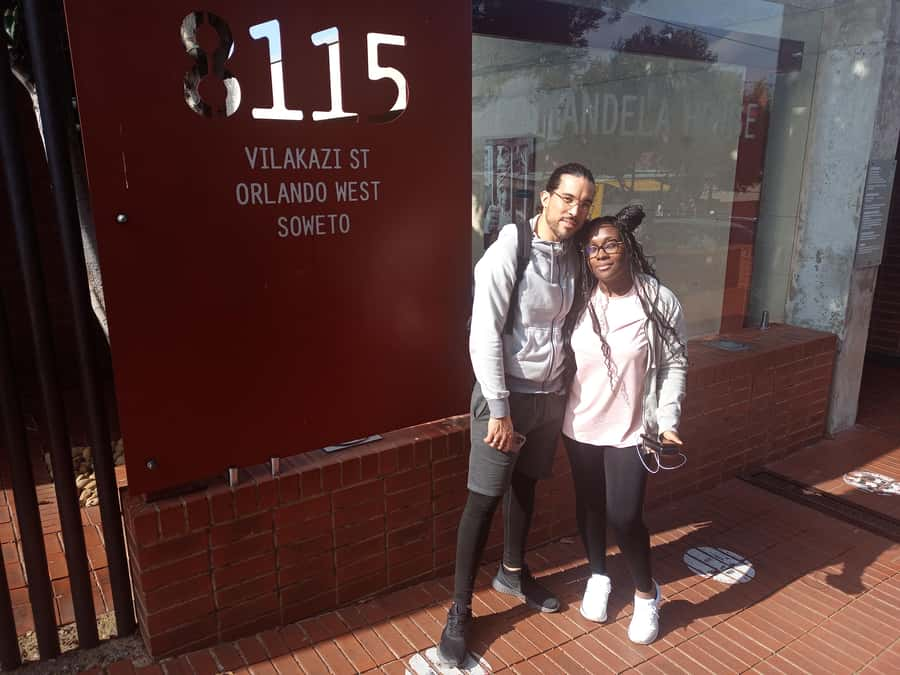
Vilakazi Street in Orlando West is the main guided stop listed for the afternoon, with about two hours assigned to the guided visit. It is famous for its links to both Nelson Mandela and Archbishop Desmond Tutu, making it a rare street connected to two Nobel Peace Prize winners.
Mandela’s house is one of the most important places on the route. It connects the national story to a specific home and neighborhood. You are no longer hearing only about a political leader in abstract terms. You are standing in the place associated with his life and public role.
Hector Pieterson Square carries a different weight. It commemorates the 1976 Soweto uprising, when schoolchildren protested against the apartheid education system. The site is a reminder that young people played a central role in resistance, and that the struggle was not only led by famous adults.
Give your attention to the guide here. Several of the strongest guide accounts describe clear, detailed explanations and a willingness to stop for questions. Guides have included Gabin and Richard, both praised for knowing the subject well. Your assigned guide may differ, but the quality of the day depends heavily on who leads it.
What the transport and group size mean in practice
Hotel pickup and drop-off are included from Johannesburg, Sandton, Rosebank, Pretoria, Ekurhuleni, and the West Rand District Municipality. You wait in the hotel lobby, where the driver is meant to hold a sign with your last name.
That wide pickup area is useful if you are staying outside central Johannesburg. It also means the morning can include several collections, so do not expect the day to feel like eight uninterrupted hours at the sights.
The group limit is nine people. That is a good middle ground. You get the convenience of shared transport without the scale of a full coach. It also makes it easier to hear explanations at Church Square or ask a follow-up question at Hector Pieterson Square.
Transport quality may vary. One booking described the vehicle as old and uncomfortable, although the driver was considered helpful. That is the clearest practical weakness in an otherwise well-received program. If a comfortable vehicle matters to you, ask the provider for current vehicle details before booking.
The tour runs rain or shine. Bring a passport or copy, and avoid packing items that may be refused at security. Baby strollers, alcohol, drugs, glass objects, bags, electric wheelchairs, and fireworks are listed as not allowed. The restrictions are unusually broad, so keep your belongings simple.
Is $186 a fair price?
At $186 per person, this is not the cheapest way to see Johannesburg and Pretoria. The price includes hotel transportation, a guide, a small group, and the Apartheid Museum entrance fee.
The value depends on what you would otherwise arrange yourself. The route covers Pretoria, the museum, and Soweto in one day, while pickup and return remove the need to organize transport between cities and neighborhoods. For a first visit, that can be a major advantage.
You are also paying for interpretation. The monuments and museum are easier to understand with a guide who can connect them. The best guiding described for this activity includes careful driving, detailed explanations, and regular checks that everyone understands.
The price feels less attractive if your vehicle is old, if the museum is closed on your date, or if you prefer to linger at one site. Check the operating day first, confirm the pickup time, and ask whether the Apartheid Museum visit will happen as advertised.
Who should book this tour?
I would choose this for a first visit to Johannesburg when you want a serious introduction to apartheid, Pretoria, and Soweto in one day. It suits you if you value history, old buildings, guided explanation, and a clear route more than free time.
It is also a good fit for French-speaking visitors, since French guiding is offered and French-language experiences have been available with friendly, well-prepared guides.
You may want a different plan if you dislike long drives, need a highly comfortable vehicle, or want a relaxed day with plenty of meals and independent wandering. Food and drinks are not included, and the schedule is full.
The experience is not suitable for pregnant women or people over 95, according to the supplied restrictions. It is also not designed for baby strollers or electric wheelchairs.
Should you book it?
Book this tour if you want the main historical sights arranged into one focused day, with hotel transport and a small group. I especially like the route from Pretoria’s official buildings to the Apartheid Museum and then into Soweto, because each part adds context to the next.
Before confirming, check that your date works with the Apartheid Museum’s opening schedule. Also ask about the vehicle if comfort matters to you. With those points settled, the tour offers a strong introduction to Johannesburg’s most important historical subjects, guided by people who have shown real command of the material.
FAQ
How long does the tour last?
The tour lasts eight hours.
What places are included in Pretoria?
The route includes the Voortrekker Monument, a pass by Kruger House, Church Square, Pretoria’s central business district, and the Union Buildings.
Is the Apartheid Museum admission included?
Yes. The Apartheid Museum entry fee is included.
What does the Apartheid Museum explain?
The museum presents the rise and fall of apartheid.
What places are included in Soweto?
The listed Soweto route includes the World Cup stadium, a major hospital, the Soweto Towers, Vilakazi Street, Mandela’s house, and Hector Pieterson Square.
Will I visit Mandela’s house?
Yes. Mandela’s house is included in the Soweto portion of the tour.
What is special about Vilakazi Street?
Vilakazi Street is associated with both Nelson Mandela and Archbishop Desmond Tutu.
Is hotel pickup included?
Yes. Pickup and drop-off are included from Johannesburg, Sandton, Rosebank, Pretoria, Ekurhuleni, and the West Rand District Municipality.
What languages are available?
The tour offers live guiding in English and French.
How many people are in the group?
The group is limited to nine participants.
Do I need to bring a passport?
Yes. You should bring your passport, or a copy is accepted.
Is food included?
No. Food and drinks are not included.
Does the tour operate in bad weather?
Yes. The tour takes place rain or shine.
Is the tour suitable for pregnant women?
No. The activity is listed as unsuitable for pregnant women.
Can I cancel the booking?
You can cancel up to 24 hours in advance for a full refund.
Just added around Soweto
- Soweto Township Tour★ 4.4 · 4 reviews
- Soweto Tuk-Tuk Food & Beer Tour★ 5.0 · 9 reviews
- Private Soweto,Mandela House,Apartheid Museum,Constitution★ 4.6 · 15 reviews
- Soweto: Sip & Paint Walking Tour & Take Home a Canvas★ 4.8 · 7 reviews
- Soweto Tour; Mandela House; Vilakazi Street; Market Culture★ 5.0 · 6 reviews
- Johannesburg: Soweto History Tour with Hotel Pickup★ 4.8 · 14 reviews
- Soweto: Hector Pieterson Memorial, to Orlando Towers Tour★ 4.0 · 31 reviews
- Soweto & Johannesburg and Apartheid Museum★ 4.7 · 41 reviews
Apartheid History Tours, compared.

Soweto /Johannesburg and Apartheid Museum Guided Full Day Tour
Read our review →
Jo’berg in 1 Day: Soweto, Apartheid Museum & City Tour
Read our review →
Johannesburg: Full-Day Tour with Soweto and Apartheid Museum
Read our review →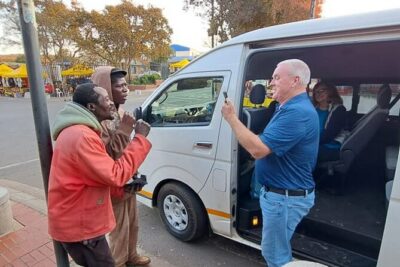
Full-Day Soweto, Apartheid Museum and Lunch Tour
Read our review →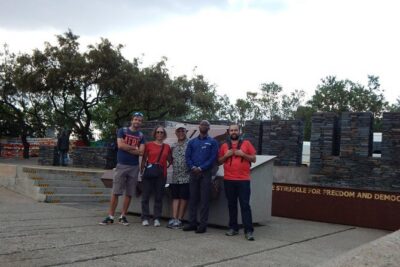
Half Guided Day Tour of Soweto And Apartheid Museum
Read our review →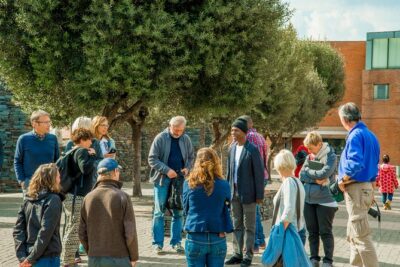
Ultimate Johannesburg Soweto Experience with Apartheid Museum
Read our review →
Hop-On Hop-Off Bus, City Tour and Apartheid Museum
Read our review →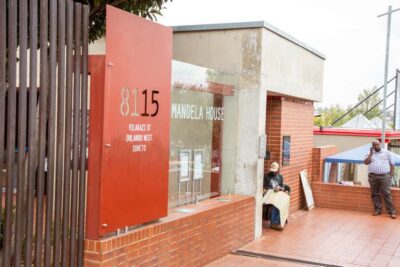
Johannesburg and Soweto Apartheid Full Day Tour w/Lunch
Read our review →Browse the lists this tour appears in