

Reviewed · SOWETO TOURS
Soweto Half Day Tour
Soweto is too spread out to understand well by simply ticking off a few sights. This four-hour tour links its key places by air-conditioned vehicle, while guides such as Thabang, Banele, and Tsalanang explain the township’s past and daily life today. I like the practical route and the chance to hear personal stories from guides who grew up in the area.
I also like the balance between famous landmarks and ordinary neighborhoods. FNB Stadium, Vilakazi Street, Mandela House, and the Hector Pieterson Museum give you the major historical points, while the drive between them adds context. The main drawback is the short schedule: this is an introduction, not a full examination of Soweto, and Mandela House entry costs extra.
Key points at a glance
- Personal local insight: Guides including Thabang have grown up in Soweto and can connect major events with everyday life.
- Four important stops: The route covers FNB Stadium, Vilakazi Street, Mandela House, and the Hector Pieterson Museum and Memorial.
- Efficient transport: An air-conditioned vehicle saves time in a large township where sights are spread apart.
- Small-group setting: The tour is promoted as a small-group experience, with a stated maximum of 13 people and some booking details listing a cap of 10.
- Useful inclusions: Bottled water, transport, and listed entrance fees are included, but lunch and Mandela House admission are not.
- Strong overall reception: The experience has a 5.0 rating from 231 reviews and is recommended by 99 percent of bookers, though two serious complaints concern booking and tour conduct.
Why four hours can work well in Soweto

Soweto is not one compact attraction. It is a large township with famous political landmarks, busy commercial streets, residential areas, and communities shaped by very different economic circumstances. If you tried to cover the same ground alone, you could lose time finding each place and miss the connections between them.
This tour uses a vehicle to move between the main sights. That matters because you spend more of your limited time learning and less time navigating. The air conditioning is also welcome in warm weather, and bottled water is supplied.
I would treat the tour as a first look at Soweto. You get the basic map in your head, a clear account of apartheid and the 1976 student uprising, and a sense of how the famous sites fit into modern Soweto. If you want long visits, extended neighborhood walks, or a slow meal, four hours will feel tight.
The guide is the most important part of the experience. Several guides are named in the feedback, especially Thabang, along with Banele, Neo, Tsalanang, and Thaibong. The strongest accounts describe guides who explain history without reducing Soweto to a poverty display, answer questions directly, and share personal links to the area.
A few more Soweto days worth comparing
- Half-Day Tour of Soweto Tour
★ 4.5 · 712 reviews - Johannesburg and Soweto: Half-Day Tour
★ 4.8 · 439 reviews - Johannesburg: Soweto Half-Day Tour
★ 4.7 · 196 reviews
FNB Stadium and the opening view of Soweto
The tour begins with a drive past FNB Stadium, the large sports venue that hosted the 2010 Soccer World Cup Final. The stop is brief, around 10 minutes, and admission is not included.
Do not expect a stadium tour or a long interior visit. This is a quick orientation point and a chance to understand the importance of the venue in South African sport. You will also view the Soweto Towers from outside, adding another recognizable sight to the opening drive.
I like this start because it gives you a modern reference before the tour turns to the political story of the township. The short stop also protects time for the museums and Mandela-related sites. If sports are a major interest, you may wish the stadium visit lasted longer, but that is not what this tour is designed to provide.
Your guide’s commentary during the drive is likely to matter more than the few minutes at the stadium itself. Ask questions early. The tour works best when you treat the ride between stops as part of the visit, not as dead time.
Vilakazi Street, souvenirs, and the Mandela connection
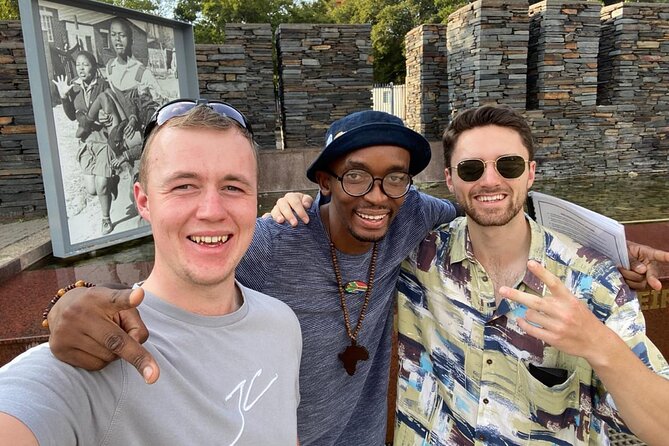
Vilakazi Street is one of Soweto’s best-known addresses. It is presented as one of the world’s notable streets because both Nelson Mandela and Archbishop Desmond Tutu lived there, although the scheduled stop focuses on visiting the street and browsing for souvenirs.
You have about 30 minutes here. That is enough for a short walk, photographs, and shopping, but not for a leisurely exploration of every nearby point. The street can feel more visitor-focused than the residential areas you pass elsewhere, so it is useful to notice both sides: its role as a place of memory and its role as a commercial stop.
I like having time to shop here because it gives the visit a simple, direct connection with local sellers. It also breaks up the heavier historical material. Bring a little patience and curiosity, since the value is not just in buying something, but in seeing how a famous address has become part of Soweto’s public identity.
Mandela House: important, but entry costs extra
The tour provides an outside view of Mandela House and an overview of Nelson Mandela’s life and connection to Soweto. The listed schedule allows about 30 minutes, but admission inside is not included. You can choose to enter at your own cost if time and the day’s schedule allow.
This distinction is important when comparing prices. Some descriptions of the experience may sound as if the house visit is part of the standard ticket, but the supplied details clearly say that entry is extra. Confirm the current entrance fee with the operator if seeing the interior is a priority.
For me, this stop works best when the guide explains the surrounding story rather than simply pointing at the building. Mandela’s connection to Soweto is central to the tour, and the address helps make that connection concrete. Still, you should not count on a long indoor visit within the four-hour format.
If you want every minute inside Mandela House, tell the guide at the start. The schedule includes several stops, and your time may need to be managed carefully. The tour’s strength is its wider view of Soweto, not a single-house museum visit.
Same part of Soweto, a completely different kind of day:
- Johannesburg: Hop-On Hop-Off Bus with Optional Soweto Tour
★ 4.6 · 985 reviews - Soweto /Johannesburg and Apartheid Museum Guided Full Day Tour
★ 5.0 · 932 reviews - Johannesburg Hop-On Hop-Off City Tour with Soweto Option
★ 4.5 · 768 reviews - Soweto: Walking Tour with a Local Guide and Lunch
★ 4.9 · 648 reviews
Hector Pieterson Museum and the 1976 uprising
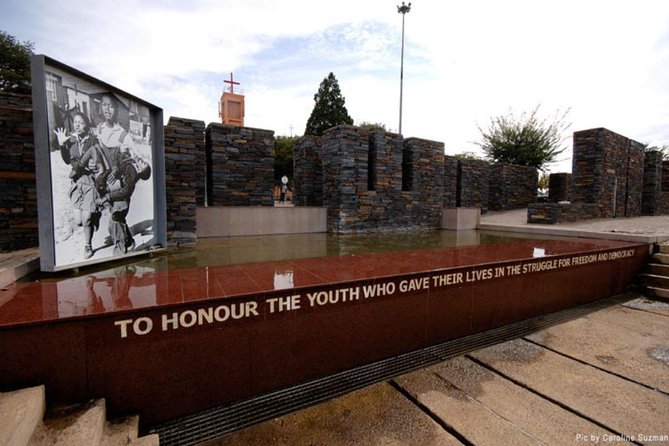
The Hector Pieterson Museum and Memorial is the most serious stop on the route. About 40 minutes are set aside, and entrance is included.
The museum explains the 1976 Soweto Student Uprising, when students protested against the apartheid government’s education policies. The site is named for Hector Pieterson, the young student whose death became one of the defining images of the uprising. Your guide provides an overview, while the museum gives the event a physical setting and historical detail.
I consider this the essential stop. Without it, a Soweto visit can become a parade of famous names and addresses. The museum gives you the political and human context needed to understand why Soweto matters in South Africa’s story.
Forty minutes is useful but not generous. You will get an introduction rather than an exhaustive museum visit. Take your time with the exhibits that matter most to you, and listen closely to the guide before or after entering. The subject is painful, and the best approach is quiet attention rather than rushing through for photographs.
Seeing more than the postcard version

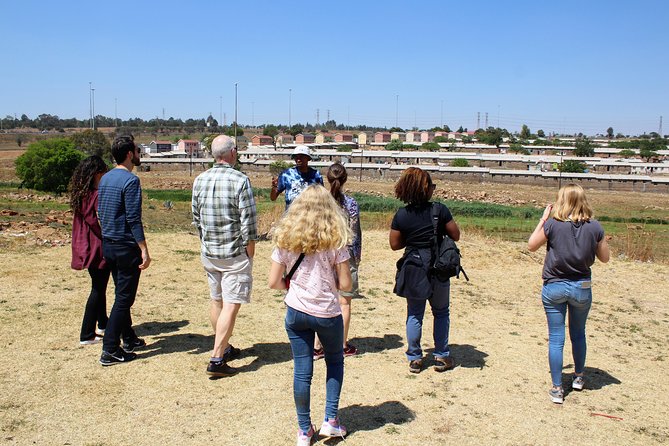
A major strength of this tour is the attempt to show more than Vilakazi Street. Guides describe different parts of Soweto and the way various social groups live. Several accounts highlight the contrast between more established areas and poorer neighborhoods, along with the changes taking place across the township.
That wider view can be valuable, but it needs care. Soweto is a real home for millions of people, not a set for visitors to inspect. You should listen respectfully, avoid treating hardship as entertainment, and follow the guide’s instructions about photography and walking.
One account raises a serious concern about an alleged stop at a school and a private home where donations were requested. The operator replied that the complaint was directed to the wrong business and said this was not part of its tour. The standard details supplied for this experience do not include school visits, home visits, or donation requests.
I would still set a clear boundary before departure: you are happy to learn about local life, but you do not want unplanned donation pressure or visits to private homes. That simple conversation can help keep expectations clear. The tour is at its best when it offers context, not when it turns poverty into a spectacle.
The guides make the biggest difference
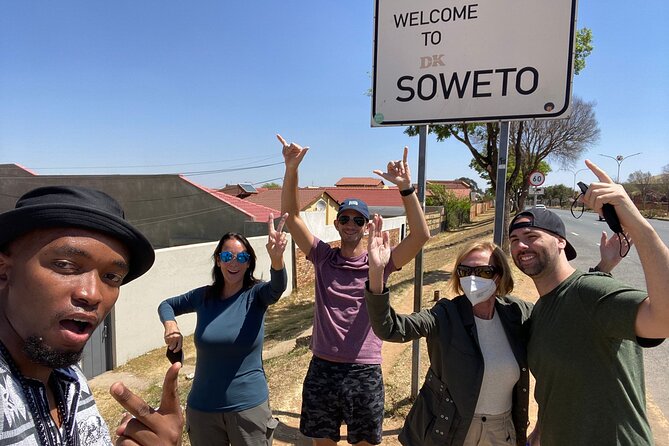
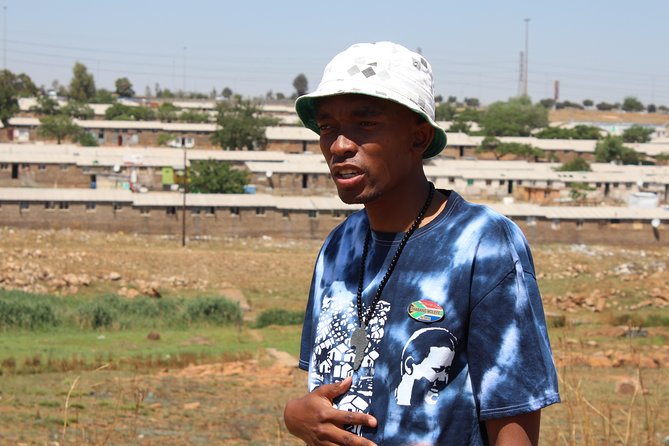
The strongest feedback centers on the guides, particularly Thabang. He is described as having grown up in Soweto and as offering personal insight into his youth, education, and the area’s present challenges. Banele is also praised for being friendly and well informed, while Neo is noted for creating a calm and secure setting.
Those personal links can change the tone of the day. A guide who knows the area can explain why one street feels different from another, connect historic events with current life, and answer questions that a printed script cannot handle.
The guide names are not a guarantee that one particular person will lead your departure. Ask who your guide is when the tour begins, and use the ride into Soweto to ask about the plan. I would ask how much walking is expected, how much time is available at Mandela House, and whether the group will stop anywhere not shown in the published route.
The feedback is not entirely perfect. One one-star account describes a late guide, confusion over the meeting point, and difficulty making contact. The operator disputes that account and says the guide had been delayed by traffic. Johannesburg is a large city, so allow a practical buffer and make sure your phone can receive messages or calls on the day.
Price, group size, and what you receive
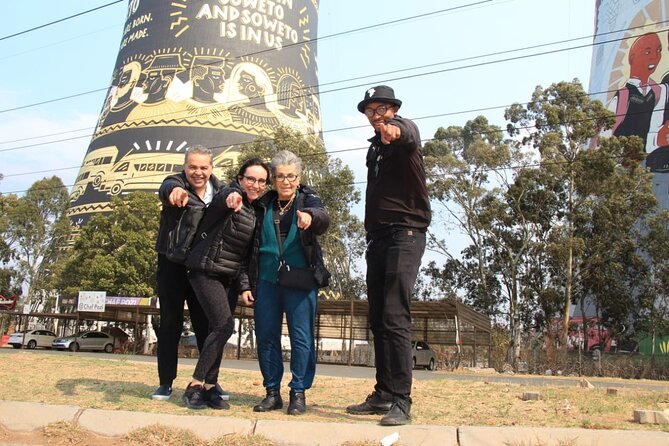
At $63.26 per person, the tour is priced as a mid-range half-day outing. The value depends on what you want. If you only need transport between Vilakazi Street and Mandela House, it may feel costly. If you want an informed introduction to several spread-out sites, museum entry, bottled water, and local commentary, the price is easier to justify.
Transport is a real part of the value. You avoid arranging separate rides, and you can move through Soweto with someone who knows the route. The air-conditioned vehicle also makes the experience more comfortable than trying to cover the same ground on foot.
There is a small inconsistency in the group information. The highlights describe a group capped at 10 people, while the additional details give a maximum of 13. Ask which limit applies to your departure if group size matters to you. Some bookings may be much smaller. One account describes a booking with only two people, which effectively created a private-style experience.
Lunch is not included. Four hours is short enough that you may manage without a meal during the tour, but plan food before or after. The activity offers pickup, though the exact pickup arrangement should be confirmed when you book, especially if you are staying at accommodation with a complicated entrance.
Who should book this tour
I would choose this outing if you have half a day in Johannesburg or Pretoria and want a guided introduction to Soweto without spending a full day on the subject. It suits first-time visitors, people interested in apartheid history, and anyone who prefers a vehicle-based route with a local guide.
It is also a good choice if you are nervous about navigating a large township alone. The guide handles the route and provides practical context, while the small-group format leaves more room for questions than a large coach tour.
You may prefer a longer experience if you want extended time at the museum, an indoor visit at Mandela House, a sit-down meal, or a slower look at local neighborhoods. The tour moves quickly. Its aim is breadth and orientation.
I would also choose it early in your Johannesburg stay. The visit can help you understand the city’s recent past and give you a better frame for later museums, memorials, or conversations. If you book, reserve ahead when possible. The experience is booked on average 25 days in advance.
Practical details before you go
Confirmation is supplied at booking, and a mobile ticket is available. Pickup is offered, and the tour is near public transportation. Most people can take part, but remember that some walking is included at places such as Vilakazi Street and the museum.
Wear comfortable shoes and bring water, even though a bottle is supplied. Dress for the weather, since the experience requires good weather and may be canceled if conditions are poor. In that case, you are offered another date or a full refund.
The cancellation rule is simple but firm. Cancel at least 24 hours before the start time for a full refund. Cancellations or changes made inside 24 hours are not accepted for a refund. The cut-off follows local time.
Should you book the Soweto Half Day Tour?
Book it if you want a fast, guided introduction that combines major landmarks with local explanation. The best reason to go is the guide-led connection between FNB Stadium, the Mandela sites, and the 1976 uprising. The museum and the personal stories from guides such as Thabang can give the day real weight.
Skip it if you want a slow, private visit with long museum stops or guaranteed entry to Mandela House. Also clarify the group limit, pickup details, and planned stops before paying.
For most first-time visitors with only half a day, I think the $63.26 is fair value. You get transport, water, listed fees, and a useful introduction to a place that is difficult to understand from a map alone.
FAQ
How long does the Soweto Half Day Tour last?
The tour lasts approximately four hours.
What sights are included?
The route includes FNB Stadium, an outside view of the Soweto Towers, Vilakazi Street, an outside view of Mandela House, and the Hector Pieterson Museum and Memorial.
Is admission to Mandela House included?
No. The tour includes an outside view and an overview of Mandela’s life. You may enter at your own cost if time allows.
Is admission to the Hector Pieterson Museum included?
Yes. Admission to the Hector Pieterson Museum and Memorial is included.
Is lunch included?
No. Lunch is not included in the tour price.
How large is the tour group?
The experience is described as a small-group tour. One section gives a maximum of 13 people, while another describes the group as capped at 10, so confirm the limit for your departure.
Can I cancel for a full refund?
Yes, if you cancel at least 24 hours before the experience start time. Cancellations or changes made less than 24 hours before the start time are not eligible for a refund.
Just added around Soweto
- Soweto Township Tour★ 4.4 · 4 reviews
- Soweto Tuk-Tuk Food & Beer Tour★ 5.0 · 9 reviews
- Private Soweto,Mandela House,Apartheid Museum,Constitution★ 4.6 · 15 reviews
- Soweto: Sip & Paint Walking Tour & Take Home a Canvas★ 4.8 · 7 reviews
- Soweto Tour; Mandela House; Vilakazi Street; Market Culture★ 5.0 · 6 reviews
- Johannesburg: Soweto History Tour with Hotel Pickup★ 4.8 · 14 reviews
- Soweto: Hector Pieterson Memorial, to Orlando Towers Tour★ 4.0 · 31 reviews
- Soweto & Johannesburg and Apartheid Museum★ 4.7 · 41 reviews
Soweto Tours, compared.

Johannesburg: Hop-On Hop-Off Bus with Optional Soweto Tour
Read our review →
Soweto /Johannesburg and Apartheid Museum Guided Full Day Tour
Read our review →
Johannesburg Hop-On Hop-Off City Tour with Soweto Option
Read our review →

Jo’berg in 1 Day: Soweto, Apartheid Museum & City Tour
Read our review →
Johannesburg: Full-Day Tour with Soweto and Apartheid Museum
Read our review →
Browse the lists this tour appears in