
Reviewed · TOWNSHIP TOURS
full day tour Johannesburg et soweto township
Johannesburg’s recent past comes into focus on this full-day route, which links Constitution Hill, the Apartheid Museum, and Soweto in one long sweep. You move from former prison cells to the homes and memorials tied to South Africa’s struggle, then see how Soweto has changed from older homes to newer and more affluent neighborhoods.
I like two things right away: the small group limit of six, which gives you room to ask questions, and the choice of English or French guiding. Guides John and Masimi have been especially good at explaining difficult subjects clearly, without turning the day into a dry lecture.
The catch is the schedule. Eight hours is a lot for Johannesburg and Soweto, but the route is ambitious. If Constitution Hill takes the full 90 minutes and the Apartheid Museum gets its planned two and a half hours, later stops can feel rushed. The museum is also closed on Mondays and Tuesdays, so check before booking.
Key points to know before booking
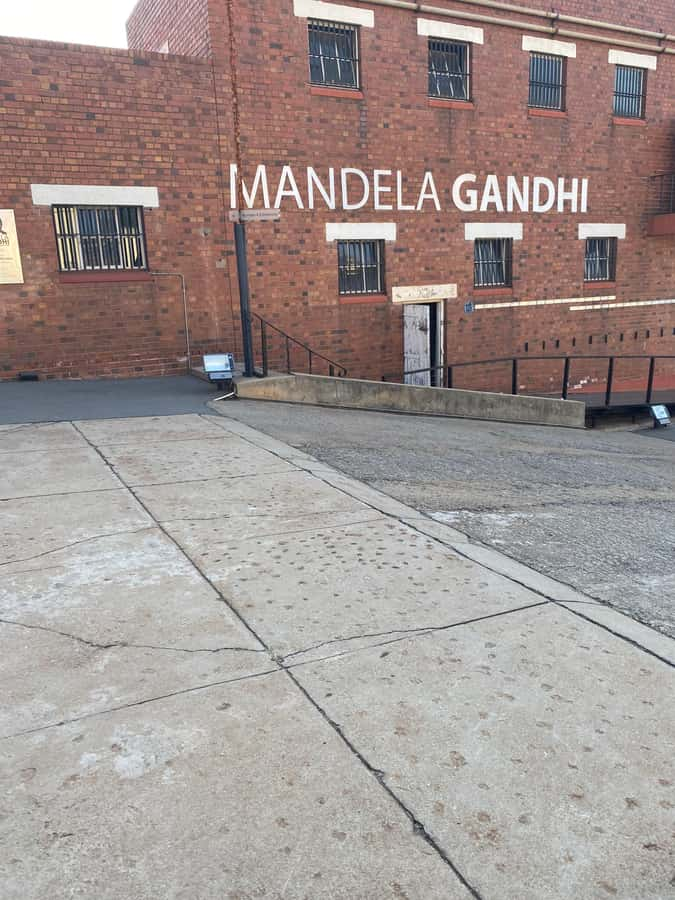
- Former prison sites begin the day: Constitution Hill includes the Old Fort, the white prison, and the Native Prison, with a guided visit of about 90 minutes.
- The Apartheid Museum gets serious time: The planned two-and-a-half-hour visit is the tour’s main historical anchor.
- Soweto is more than a photo stop: You visit Mandela’s House, see the Hector Pieterson Museum area, pass Tutu House, and view several parts of the township.
- John and Masimi are names to look for: Both have led strong English or French-language days, with John praised for clear explanations and Masimi for encouraging discussion.
- Lunch is optional and not included: You can stop at an African restaurant in Soweto, but food, souvenirs, and gifts cost extra.
- Expect a full road day: Hotel pickup and drop-off are included from places such as Sandton, Rosebank, Melville, Houghton Estate, Eastgate, Johannesburg, and O.R. Tambo.
From prison walls to the story of a nation
This tour works because its route follows a clear thread. You begin with the machinery of punishment, move through Johannesburg’s central streets, then reach Soweto, where political history becomes personal through homes, schools, memorials, and ordinary streets.
The first major visit is Constitution Hill Human Rights Precinct. The old prison complex includes the Old Fort, often associated with white prisoners, and the Native Prison, where Black prisoners were held under a harsher system. The guided portion is scheduled for about 90 minutes, enough to give the site weight rather than treating it as a quick photo stop.
I find this a useful opening because it gives you a physical sense of how law and segregation worked. A prison can make a political system easier to understand than a timeline on a wall. You see the buildings, the divisions, and the setting before moving on to the museums.
Allow for the possibility that this stop absorbs more time than planned. One day fell behind here, leaving little opportunity to visit every later location. If the guide offers extra detail at Constitution Hill, you may need to decide whether you prefer a fuller prison visit or a quicker pass through later Soweto stops.
More Township Tours in Soweto
- Johannesburg: Soweto Apartheid & Township Tour with Lunch
★ 4.8 · 80 reviews - Soweto Township Tour
★ 4.4 · 4 reviews
Johannesburg’s central streets and political landmarks
The vehicle then passes through Johannesburg’s central business district, including old mining structures. This portion is less about getting out and more about seeing the city as a place shaped by mining, industry, commerce, and political change.
You pass Nelson Mandela Bridge, with a short photo stop, then Chancellor House and Newtown. Gandhi Square is another brief stop or pass-by. These locations help connect the museum material to the city itself, but do not expect long explorations at each one. The schedule gives only about five minutes at some stops.
That can be frustrating if you want street photographs or time to walk. It is also what allows the tour to cover so much ground in one day. I would treat these places as orientation points rather than full sightseeing visits.
The route is especially useful for a first day in Johannesburg. You get a broad introduction without having to arrange separate transport between the city center, Soweto, and the museums. The trade-off is that your time outside the vehicle is focused on the main historical sites.
Soweto Towers and FNB Stadium
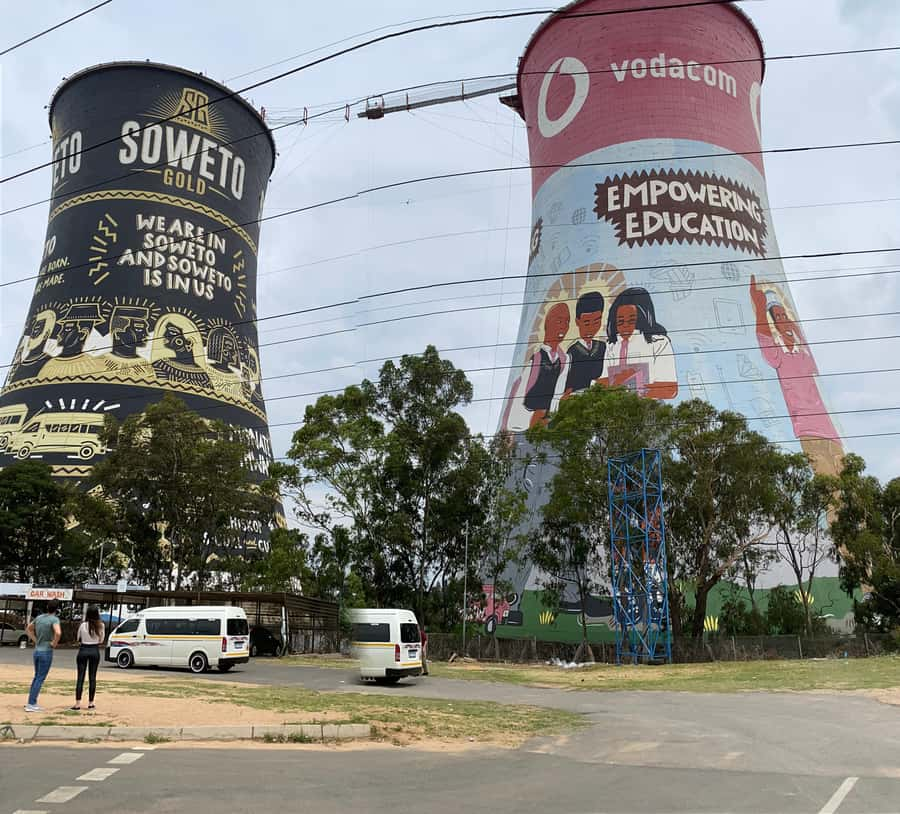
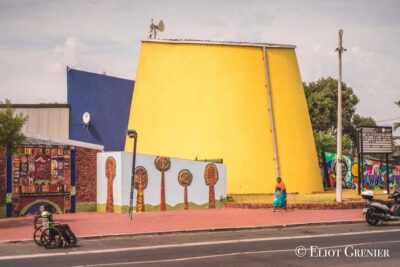
Soweto begins with the towers, a pair of former industrial structures now used for activities including jumping. The planned photo stop lasts about 15 minutes. They are an instantly recognizable landmark and give the day a lighter visual moment after Constitution Hill and the museums.
FNB Stadium follows with another short photo stop of roughly four minutes. The stadium is important to Soweto’s modern identity and is one of the larger structures you pass in the area. Again, this is a look and a picture, not a stadium tour.
You also pass the Chris Hani Baragwanath Hospital, described as the largest hospital in South Africa. The route uses these landmarks to show that Soweto is not only a historic township frozen in the past. It is also a large, active urban area with major public buildings, newer homes, and neighborhoods with very different levels of income.
Mandela’s House and the personal side of Soweto
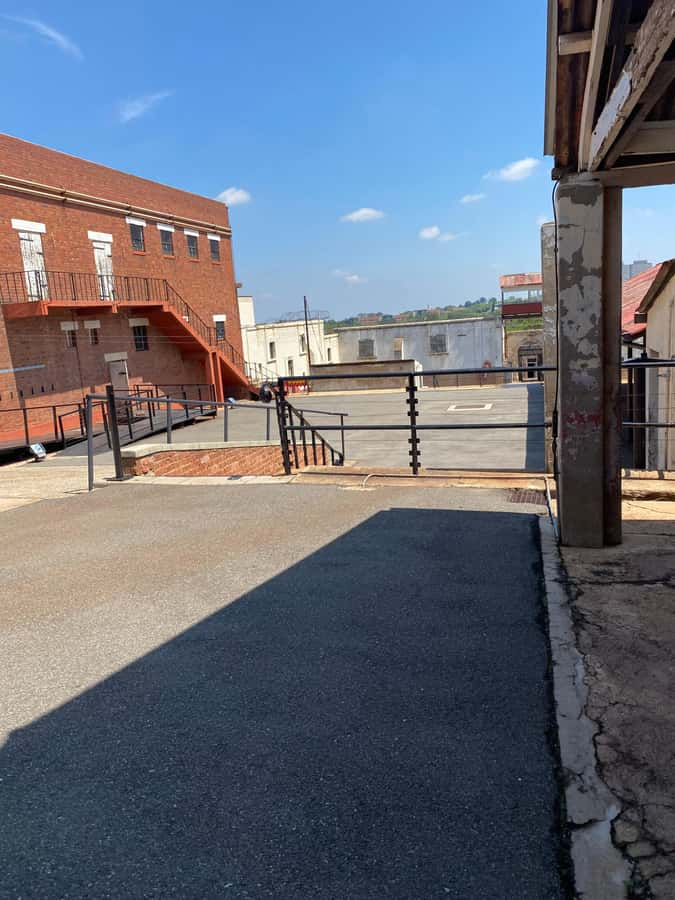
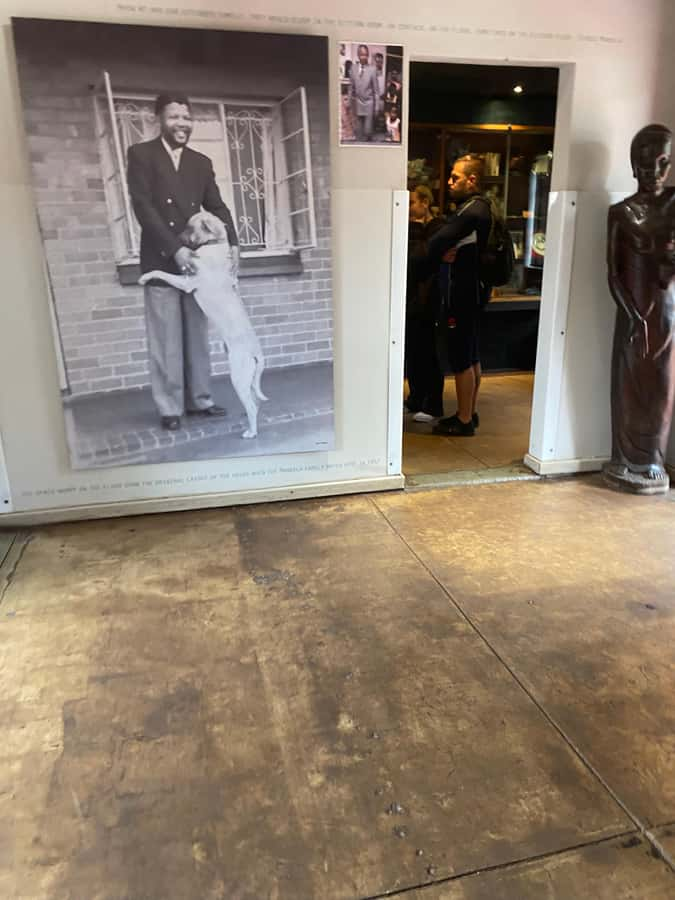
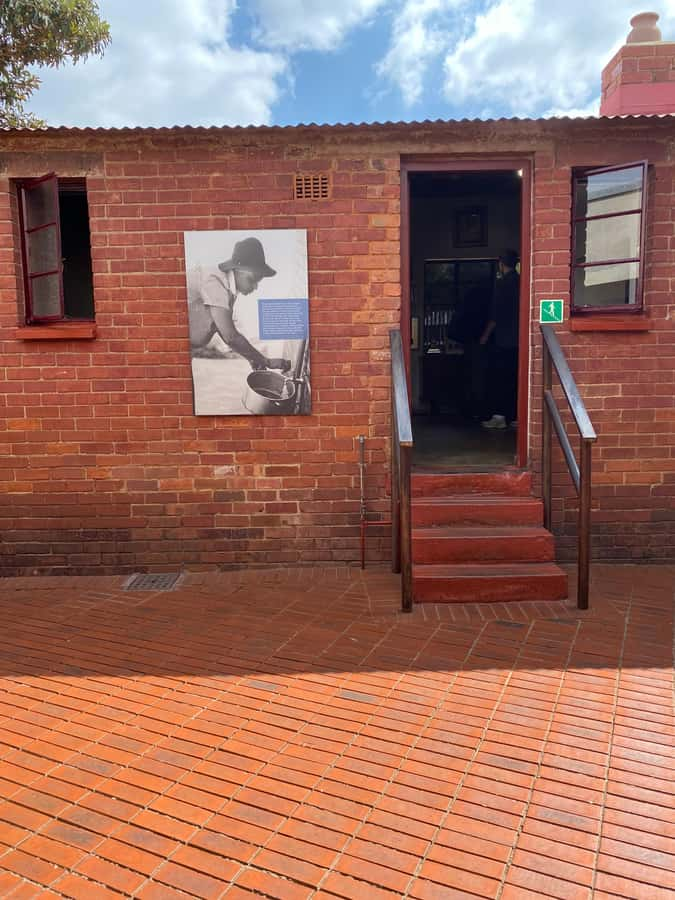
Mandela’s House is one of the most meaningful stops because it narrows the national story to a specific home. The guided visit is scheduled for about 30 minutes. You can connect the political events discussed at Constitution Hill and the Apartheid Museum with the life of Nelson Mandela and the street where he lived.
The time is short, so do not expect an extended museum visit. It is best approached as one important piece of a larger day. The surrounding Soweto route also includes a pass by Tutu House, linked to Desmond Tutu. The schedule gives only about three minutes for this section, so the house may be pointed out from the vehicle rather than visited inside.
That distinction matters. If seeing Tutu House is a priority, ask the guide to identify it clearly as you pass. One account of the route found that it was not clearly pointed out. This is a small detail, but it can make a difference when you are trying to understand which buildings you are seeing.
Same part of Soweto, a completely different kind of day:
- Johannesburg: Hop-On Hop-Off Bus with Optional Soweto Tour
★ 4.6 · 985 reviews - Soweto /Johannesburg and Apartheid Museum Guided Full Day Tour
★ 5.0 · 932 reviews - Johannesburg Hop-On Hop-Off City Tour with Soweto Option
★ 4.5 · 768 reviews - Half-Day Tour of Soweto Tour
★ 4.5 · 712 reviews
Hector Pieterson and the cost of rushed timing
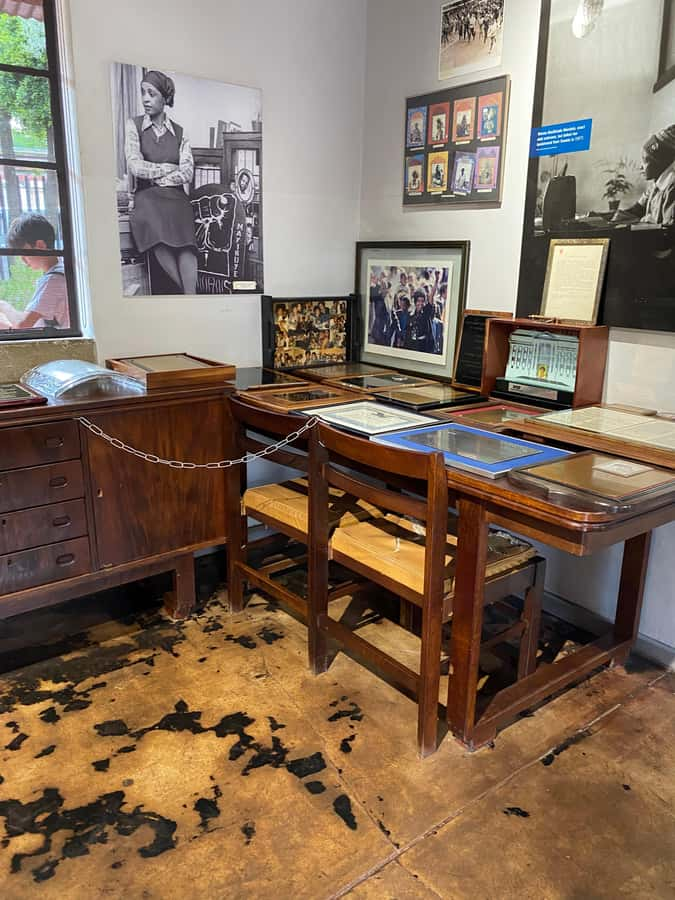
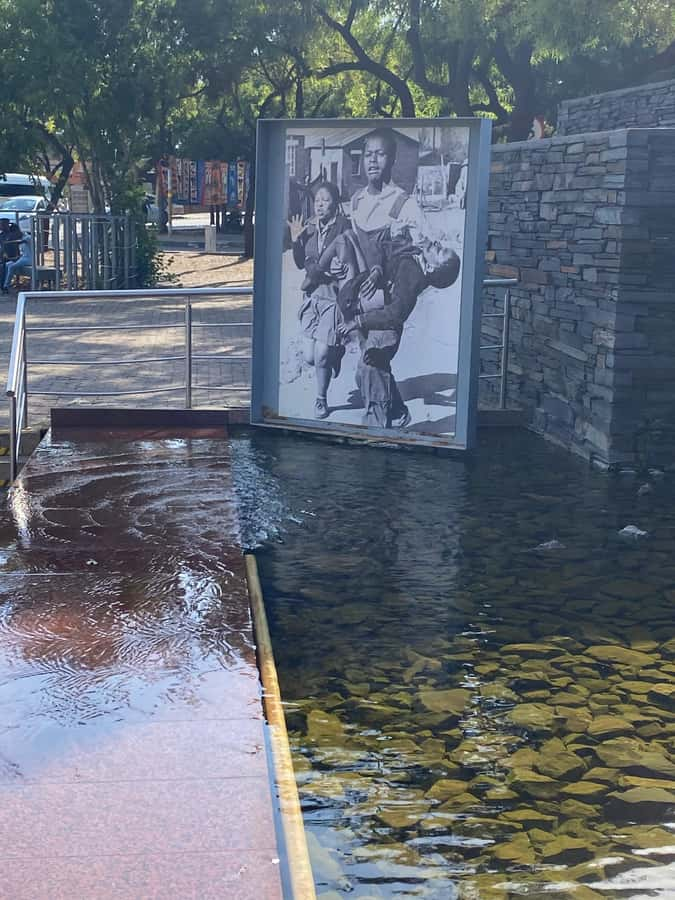
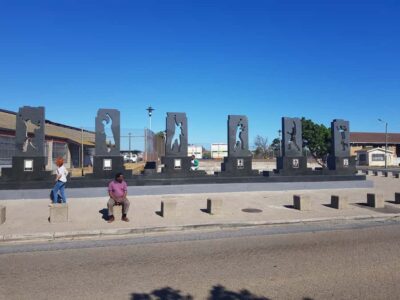
The Hector Pieterson Museum is planned as a 30-minute guided stop. It recalls the 1976 Soweto uprising, when students protested against the forced use of Afrikaans in education. The site gives the broader apartheid story a direct connection to young people and to Soweto itself.
This is one of the stops most vulnerable to a late start. On at least one day, the schedule allowed only a stop at the square and memorial rather than the full museum. If Constitution Hill runs long, the Hector Pieterson visit may be shortened or missed.
That is the central weakness of this tour. The program promises both depth and range, but traffic, museum pacing, and the emotional weight of the early stops can work against the timetable. I would ask at the beginning how the guide plans to protect the museum visits. The Apartheid Museum and Hector Pieterson Museum are more valuable than collecting a string of very short photo stops.
The Apartheid Museum deserves the longest visit
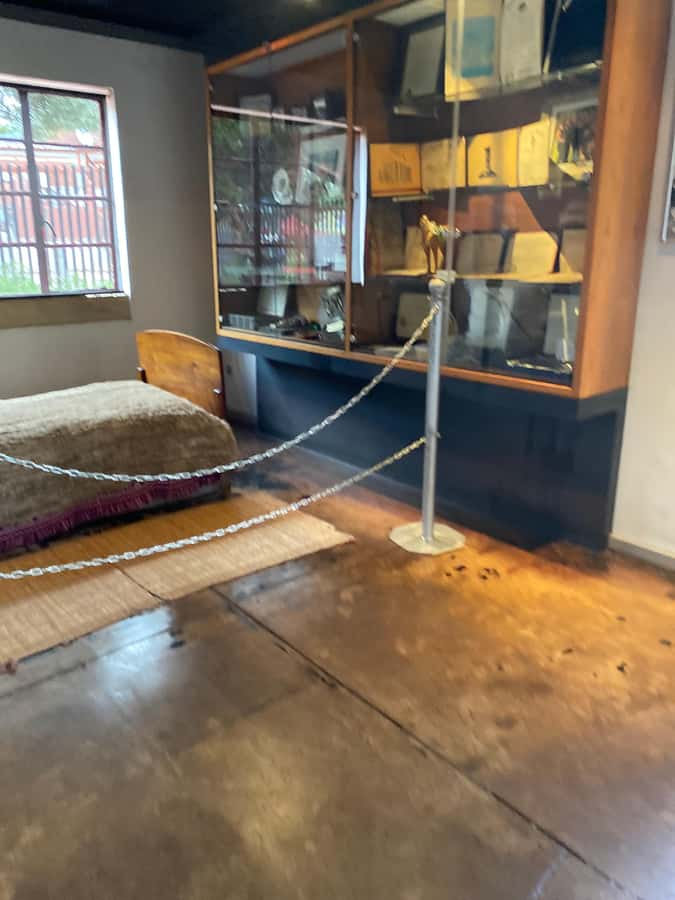
The Apartheid Museum is scheduled for about two and a half hours, making it the longest single stop. It presents the wider story of South Africa’s segregation and apartheid system, including the struggle against it. This is where the day’s separate locations come together.
You have already seen a former prison, central Johannesburg, Mandela’s House, and Soweto. At the museum, those places gain a wider political and social context. The visit is not just a quick gallery walk. Two and a half hours gives you time to read, consider the displays, and follow the sequence of events.
I like the order of the day here. Starting with the museum would give you information without much physical context. Visiting Constitution Hill and Soweto first lets you recognize the places and people that return in the museum material.
The museum is closed on Mondays and Tuesdays. This is an important planning point, not a minor footnote. If your tour date falls on either of those days, confirm what replaces the museum or choose another date. One participant wished this had been explained earlier, and it would be disappointing to book the tour mainly for the museum and then lose its longest visit.
A small group makes the serious subject easier
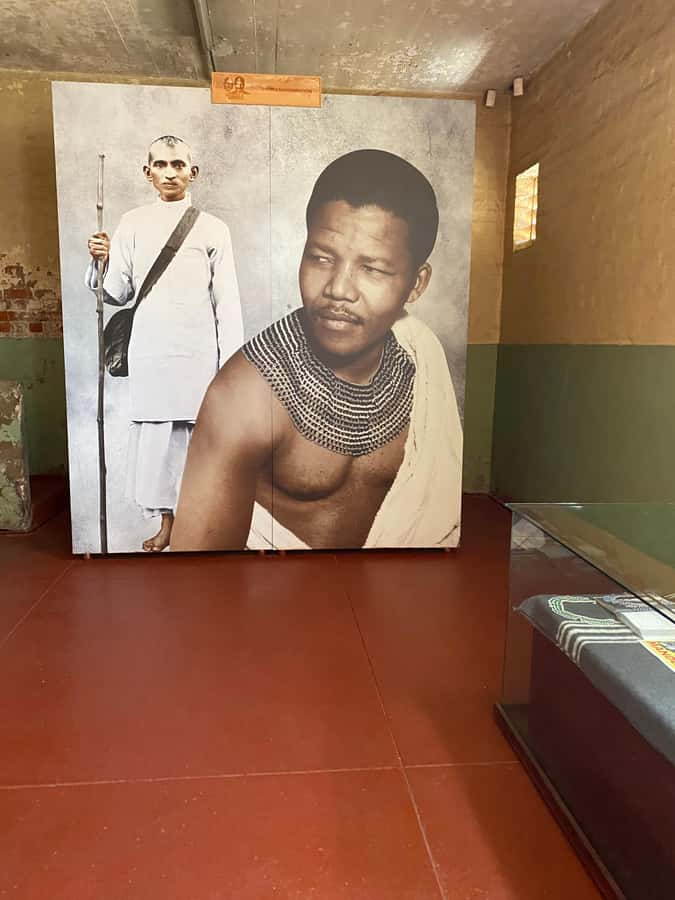
The group is limited to six people, with hotel pickup and transportation to each site included. That is a good format for this subject. You can ask about apartheid, Mandela, Soweto, or modern Johannesburg without trying to be heard across a large coach.
The strongest guiding feedback has centered on John and Masimi. John has led both English and French days and is described as professional, patient, and clear. Masimi has adapted the route around special events and encouraged people to consider different views rather than simply repeating dates and names.
That style matters here. South African history is painful and politically complex. A good guide should give you facts, explain the setting, and leave room for questions. You should also expect some variation between guides, since the day’s pace and depth depend partly on who is leading your group.
French guiding is available, as is an audio guide in French or English. If language is important to you, confirm your preference when booking rather than assuming the live guide will automatically speak the language you want.
Lunch in Soweto, with a practical warning
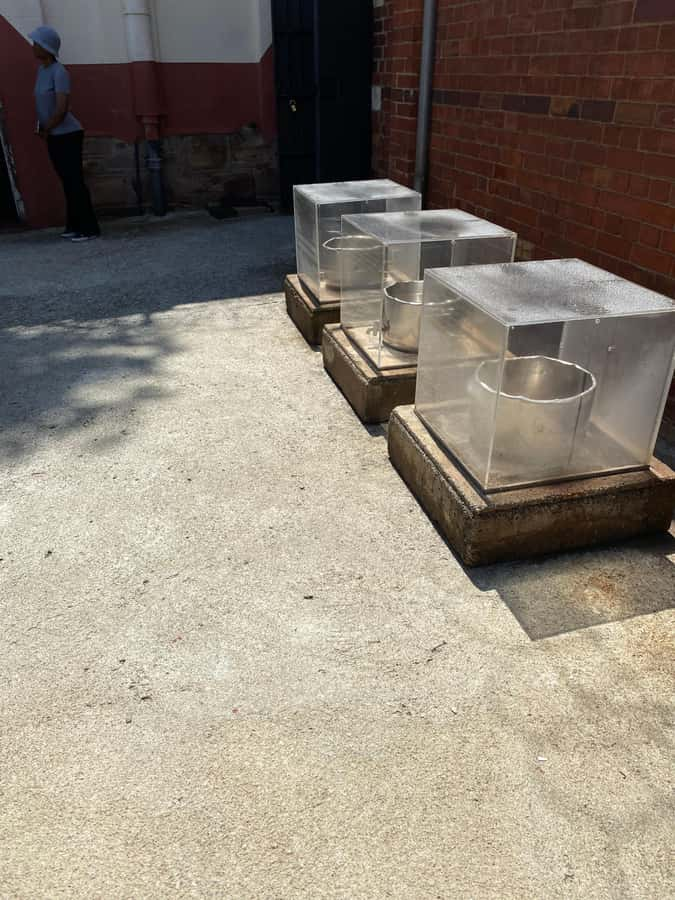
Lunch at an African restaurant in Soweto is optional and not included in the $112 price. This gives you flexibility, especially if you prefer a quick meal or have dietary needs. It also means you should budget separately for food.
The restaurant stop has not been ideal for everyone. One account described it as very tourist-oriented and noisy. That does not make it a bad choice, but it changes the expectation. You are choosing convenience and a local setting during a packed day, not necessarily a quiet or highly personal meal.
Food is not the only extra. Souvenirs and gifts are also excluded. If you want time for shopping in Soweto, ask early. The schedule may not leave room after the museums and guided visits, especially if the day starts late.
Is $112 a fair price?
At $112 per person, the value rests on the number of admissions and the transport covered. The price includes entry tickets and transportation to the sites, as well as hotel pickup and drop-off from listed areas. You avoid arranging separate rides between Johannesburg, Constitution Hill, the Apartheid Museum, and Soweto.
For a small group of six, that is a reasonable package if you want the major historical sights in one day. The price is less attractive if you mainly want to linger, shop, or explore neighborhoods on foot, because the route is built around coverage rather than free time.
I would also compare the value against your priorities. If the Apartheid Museum, Mandela’s House, and Constitution Hill are all on your list, combining them can save planning time. If you want a slow Soweto visit with extended conversations and local shopping, a shorter, more focused tour may suit you better.
How demanding is the day?
The tour lasts eight hours and includes several guided visits, vehicle time, and short photo stops. It is not described as a walking tour, but you should still expect a full day of moving between sites and spending time inside museums and historic buildings.
The listed restrictions include alcohol, drugs, feeding animals, and explosive substances. The activity is not suitable for babies under one year, people with high blood pressure, people prone to seasickness, or people with lactose intolerance. Those last items are unusual for a land-based Johannesburg tour, so anyone with a health concern should check the conditions directly before booking.
Pickup is included, and you are asked to wait in your hotel lobby 10 minutes before the scheduled time. Pickup areas include Eastgate, Houghton Estate, Melville, Rosebank, O.R. Tambo, Johannesburg, and Sandton, with drop-off available in the same general set of locations.
The cancellation policy allows a full refund when you cancel at least 24 hours ahead. You can also reserve now and pay later, which helps if your South Africa schedule is still changing.
Who should book this Johannesburg and Soweto day?
I would choose this tour if you have one day for Johannesburg and want the major apartheid-era sites handled in a single route. It suits first-time visitors, people interested in Mandela and South African politics, and anyone who prefers a guide to explain what they are seeing.
It is also a good fit if you want French-language support or a small group rather than a large coach. The best guides add value by answering questions and showing how the prison sites, museums, and Soweto connect.
I would hesitate if you dislike tightly timed sightseeing. The schedule can become rushed, particularly after a long Constitution Hill visit. You should also reconsider if the Apartheid Museum is the main reason you are booking and your date falls on Monday or Tuesday.
Should you book it?
Book this tour if your goal is a strong first look at Johannesburg’s political past, with enough time at the Apartheid Museum and a real visit to Soweto. The combination of Constitution Hill, Mandela’s House, Hector Pieterson, and the city landmarks gives you a useful framework for understanding South Africa.
Go in with realistic expectations. Some stops are brief, lunch costs extra, shopping may disappear from the schedule, and the full program is ambitious. Ask about museum timing at the start, confirm the Apartheid Museum is open on your date, and request clear identification of Tutu House. With those points sorted, the $112 price offers solid value for a small-group day built around the places that matter most.
FAQ
How long does the tour last?
The tour lasts eight hours, including transportation, guided visits, and photo stops.
What languages are available?
Live guiding and audio guides are available in English and French.
How many people are in the group?
The tour is limited to six participants.
What is included in the price?
All entry tickets and transportation to the sites are included. Hotel pickup and drop-off are also provided from the listed Johannesburg-area locations.
Is lunch included?
No. Lunch is optional and is not included. You may stop at an African restaurant in Soweto, and food costs extra.
Is the Apartheid Museum open every day?
The Apartheid Museum is closed on Mondays and Tuesdays. Check your date before booking.
Can I cancel the booking?
You can cancel up to 24 hours in advance for a full refund. The tour also offers a reserve-now, pay-later option.
Just added around Soweto
- Soweto Township Tour★ 4.4 · 4 reviews
- Soweto Tuk-Tuk Food & Beer Tour★ 5.0 · 9 reviews
- Private Soweto,Mandela House,Apartheid Museum,Constitution★ 4.6 · 15 reviews
- Soweto: Sip & Paint Walking Tour & Take Home a Canvas★ 4.8 · 7 reviews
- Soweto Tour; Mandela House; Vilakazi Street; Market Culture★ 5.0 · 6 reviews
- Johannesburg: Soweto History Tour with Hotel Pickup★ 4.8 · 14 reviews
- Soweto: Hector Pieterson Memorial, to Orlando Towers Tour★ 4.0 · 31 reviews
- Soweto & Johannesburg and Apartheid Museum★ 4.7 · 41 reviews
Township Tours, compared.




Browse the lists this tour appears in