
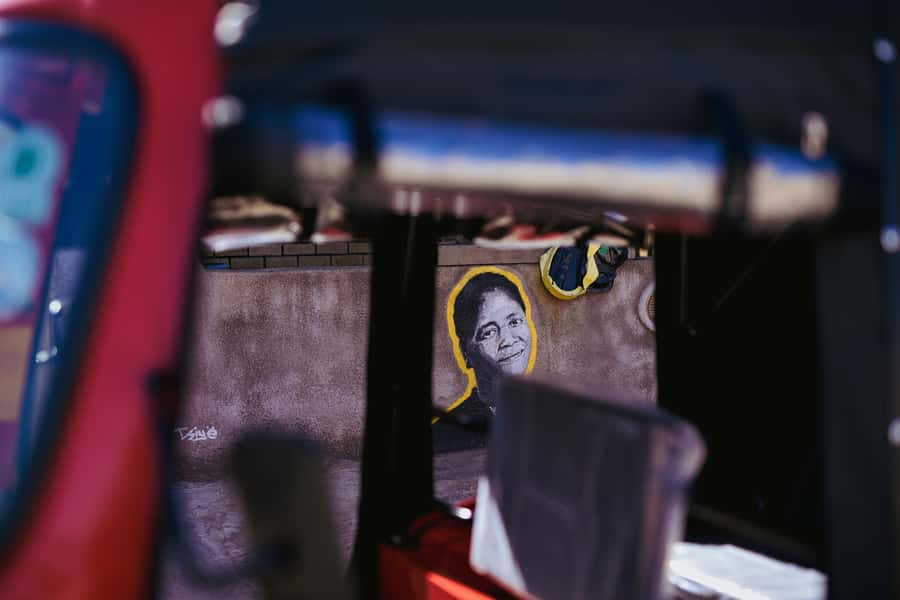
Reviewed · SOWETO TOURS
Johannesburg: Soweto Tour by Tuk Tuk
Soweto is far too large to understand from one famous street. This small-group tuk-tuk tour gets you from Orlando West to Orlando East, the Soweto Towers, an informal settlement, Regina Mundi, and the Hector Pieterson Museum without burning half your day on foot. The open-sided ride also gives you a close view of daily life as you move between neighborhoods.
I like the local perspective, especially with guides such as Mulalo and Thabo, who explain Soweto as a place where they live or have strong local ties. I also like the range of stops: this is not just a Mandela photo opportunity, and the included Kota sandwich gives the 150-minute outing a tasty local finish. The main limitation is time. You will see many places, but museum and house visits can feel brisk.
Key points at a glance
- A small group of no more than five: You get room for questions and a better chance to shape the conversation.
- A tuk-tuk reaches more of Soweto: You can cover Orlando West, Orlando East, informal settlements, and major sights in one short outing.
- A local guide gives the context: Mulalo, Thabo, and other English-speaking guides explain the township’s past and present from a personal angle.
- The route goes beyond Vilakazi Street: You visit ordinary residential areas, a former women’s hostel, and places linked to anti-apartheid activism.
- A Kota sandwich is included: The local meal gives you a simple taste of Soweto rather than just a sightseeing loop.
- A 150-minute schedule is easy to fit in: It works well for a Johannesburg stopover or a first introduction to Soweto.
Why a tuk-tuk makes sense in a huge township
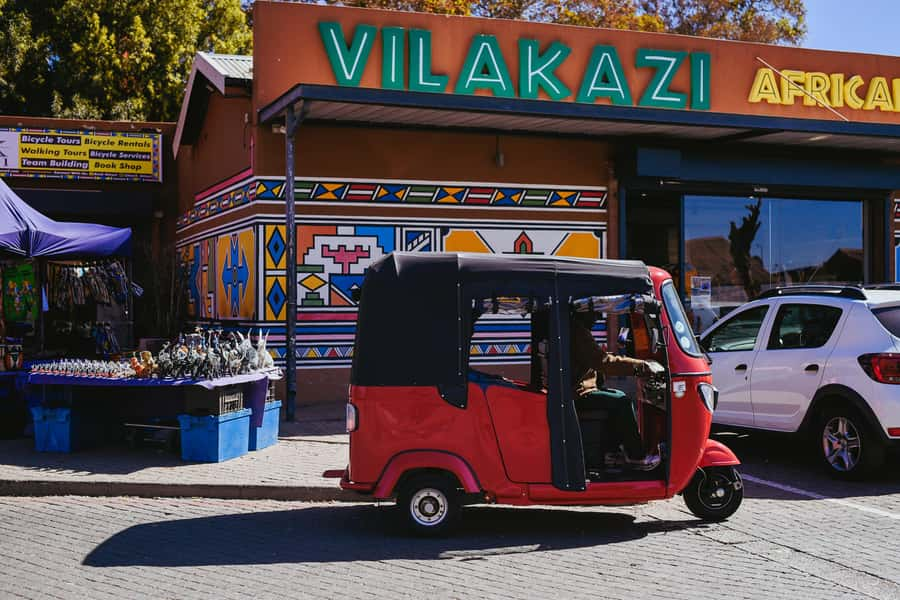
Soweto is not one compact attraction. It is a large collection of neighborhoods, landmarks, homes, churches, museums, and busy local areas spread across a wide area. Walking between the main sights would take too long, while a standard vehicle can feel sealed off from the street.
The tuk-tuk offers a useful middle ground. You move quickly enough to cover ground, but you are still close to the sounds, streets, and everyday activity around you. You can stop for photos, ask questions as you go, and see parts of Soweto that sit outside the best-known tourist route.
The vehicle is particularly useful for a 150-minute visit. You are not spending the whole morning on one museum or walking between distant stops. Instead, you get a broad first look, with the guide filling in the links between Johannesburg’s past, the anti-apartheid struggle, and Soweto today.
The small group limit of five matters here. I would choose five people in a tuk-tuk over a large coach for this kind of outing. You can hear the guide, ask about something you have just passed, and have a more natural exchange at the stops.
More tuk-tuk runs around Soweto:
- Soweto Tuk-Tuk Food & Beer Tour
★ 5.0 · 9 reviews - Port Elizabeth tuk-tuk tour, experience the natural beauty.
★ 4.8 · 33 reviews
Starting in Orlando West with the story of Soweto

The tour begins at One Day Africa, at the corner of Rampa and Moema Street in Orlando West. This is more than a practical departure point. Orlando West is one of the best places to begin because the guide can introduce Soweto’s origins and the forces that shaped Johannesburg’s townships.
You should expect the first part to set the scene. The story reaches back to the establishment of the township in 1886 and then moves through the growth of Soweto and the wider history of South Africa. A good guide will help you connect political events with the streets and homes around you.
This opening is useful because famous names can otherwise make Soweto feel like a collection of isolated memorials. The local explanation ties them together. You begin to see why homes, churches, schools, hostels, and public spaces all matter in the area’s story.
Hector Pieterson Museum and the 1976 uprising
The Hector Pieterson Museum receives about 30 minutes with a guided visit. It covers the Soweto uprising, one of the key turning points in the fight against apartheid.
This is likely to be one of the more serious parts of the outing. The museum is linked to the events of June 1976, when school students protested against the use of Afrikaans in education. Hector Pieterson became a symbol of the violence that followed, and the museum helps place that event in its wider setting.
Thirty minutes is enough for an introduction, but not for a slow museum visit. If you like reading every panel and studying every display, you may wish for more time. The advantage is that the tour does not stop here for too long, so you still reach several other parts of Soweto in the same afternoon.
I would pay close attention to the guide’s explanation before and after the museum. The local voice is important because the uprising is not simply a chapter in a textbook. It remains part of the identity and memory of Soweto.
Vilakazi Street and Mandela House
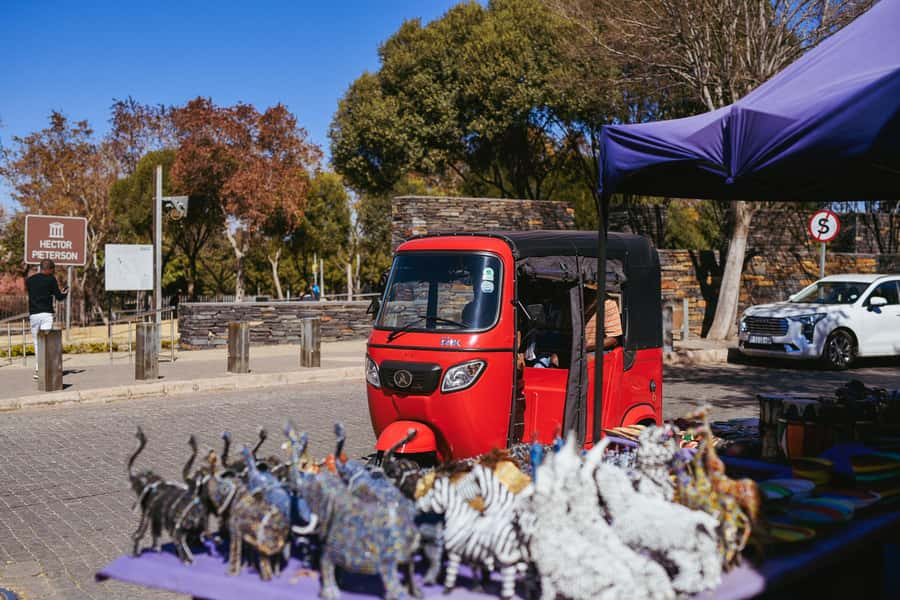
Vilakazi Street is one of Soweto’s most famous addresses. The route allows about 30 minutes here, including a guided visit and time around the street.
This is where you encounter the homes connected with Nelson Mandela and Archbishop Desmond Tutu. The street is unusual for its link to two Nobel Peace Prize winners, but its importance is not only about famous residents. It also helps show how political leadership grew from local communities and ordinary urban neighborhoods.
Mandela House is listed as a visit and photo stop, with a guided explanation. You should check the exact entry arrangement when booking or before departure, since the time available is limited and the supplied information describes the stop in more than one way. Either way, you will have a chance to see the place connected with Mandela and hear how it fits into his early life and South Africa’s political story.
Vilakazi Street is also the most established tourist area on the route. That makes it easy to visit, but it can feel more polished and busier than the residential areas you see later. I like that this tour does not treat it as the whole of Soweto. It uses the street as one important chapter, then takes you farther out.
A few more Soweto days worth comparing
- Johannesburg: Hop-On Hop-Off Bus with Optional Soweto Tour
★ 4.6 · 985 reviews - Soweto /Johannesburg and Apartheid Museum Guided Full Day Tour
★ 5.0 · 932 reviews - Johannesburg Hop-On Hop-Off City Tour with Soweto Option
★ 4.5 · 768 reviews - Half-Day Tour of Soweto Tour
★ 4.5 · 712 reviews
Orlando East and the everyday side of Soweto
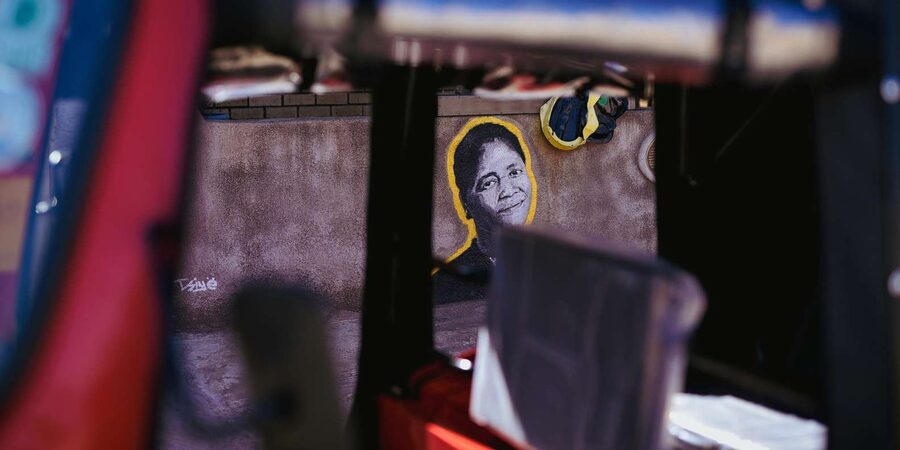
The tuk-tuk then moves toward Orlando East, described as the site of Soweto’s first formal houses. You have around 10 minutes here for a photo stop, sightseeing, and a guide’s explanation.
Ten minutes is brief, so think of this as a moving introduction rather than a full neighborhood walk. The value comes from seeing how the planned housing areas relate to the rest of Soweto. Your guide can point out changes in housing, infrastructure, and the way different communities developed.
The tour also visits an informal settlement with a local guide. This is a sensitive part of the experience and should be approached with respect. You are not visiting a set piece. You are entering a real community, so listen carefully, ask permission before taking photographs, and follow the lead of the local guide.
A gratuity of R20 to R50, or more if you choose, is suggested for the informal settlement visit. This is not described as compulsory, but you should carry some South African rand if you want to thank the person who shows you around.
For me, this part is one reason to choose the tuk-tuk over a quick landmark-only excursion. It gives you a wider picture of Soweto, including challenges that are easy to miss if you stay only on Vilakazi Street. It also calls for humility. Come to learn, not to treat hardship as a spectacle.
Soweto Towers and a quick photo stop
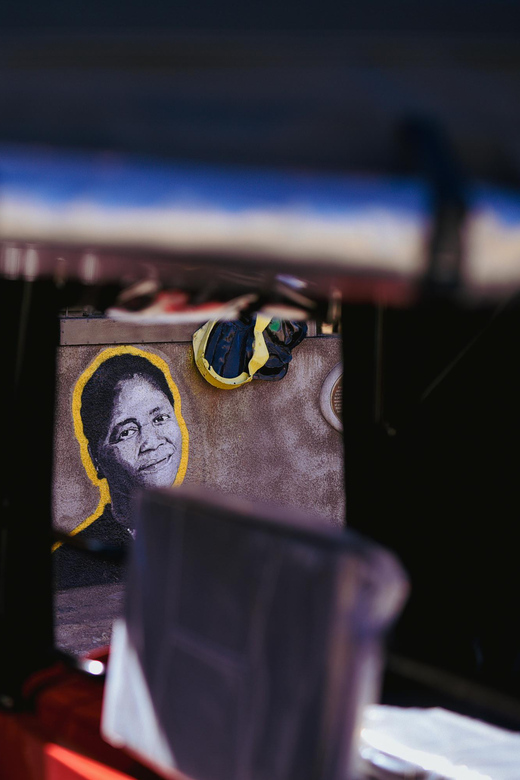
The Soweto Towers are one of the route’s most recognizable modern sights. The stop lasts about 20 minutes and includes sightseeing, photos, and an explanation from the guide.
The towers are former cooling structures at the Orlando power station, now known for their painted surfaces and adventure activities. The bold design makes an easy landmark, and the tuk-tuk gives you a practical way to reach it without a long transfer between stops.
This is a lighter section of the tour after the museum and informal settlement visit. You can take photos, look around, and ask how the towers fit into the Orlando area today. The stop is still fairly short, so you are getting a useful view rather than an extended activity session.
If you want a detailed visit inside the towers or time for an adventure experience, this tour does not promise that. The focus is sightseeing and local explanation.
Regina Mundi and the role of a church in the struggle
Regina Mundi Catholic Church receives about 30 minutes for a guided visit and photo stop. This church is closely linked with the anti-apartheid movement and became an important place for meetings, refuge, and public discussion.
The visit adds a different kind of historical setting to the route. Instead of a museum built to explain events, you are seeing a working religious site that played a role during a difficult period. The guide can explain how churches and other community institutions supported people when political gatherings were restricted.
This stop also helps balance the route. You have already seen a museum, famous homes, formal housing, informal settlement areas, and a former power station. Regina Mundi shows another side of Soweto’s public life and the part local institutions played in political change.
As with the other guided stops, 30 minutes gives you an introduction rather than a complete historical study. I would use the time to ask focused questions about the church’s role and how it connects with the uprising and the end of apartheid.
A former women’s hostel and Mama Lilian Ngoyi’s family home
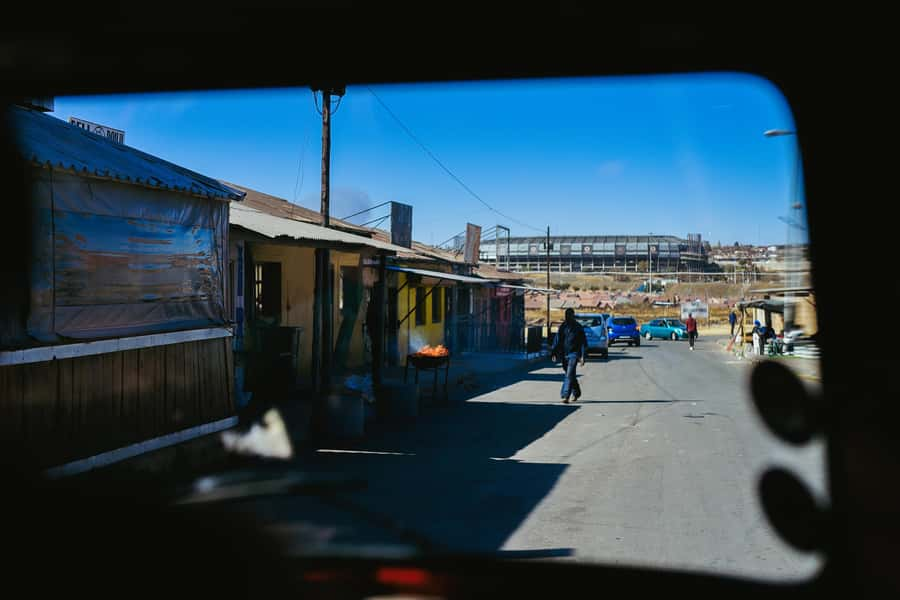
The tour description also includes a former women’s hostel and the family home of Mama Lilian Ngoyi, an anti-apartheid activist. These details are important because they widen the story beyond the most familiar male political figures.
A former women’s hostel points to the way workers and families were housed under apartheid’s urban system. It helps explain that Soweto’s story includes labor, family separation, gender, and the daily strain of discriminatory laws, not only famous speeches and protests.
Mama Lilian Ngoyi’s family home brings women’s leadership into the route. Her role in the anti-apartheid movement deserves attention, and the stop gives the guide a chance to show how political action was rooted in homes and neighborhoods.
The exact timing for these two points is not separately listed, so they may be covered during the drive or folded into nearby neighborhood stops. Do not expect a long indoor visit at each location. Their value lies in the guide’s explanation and in seeing how the political story is spread through the community.
Finishing with a Kota sandwich
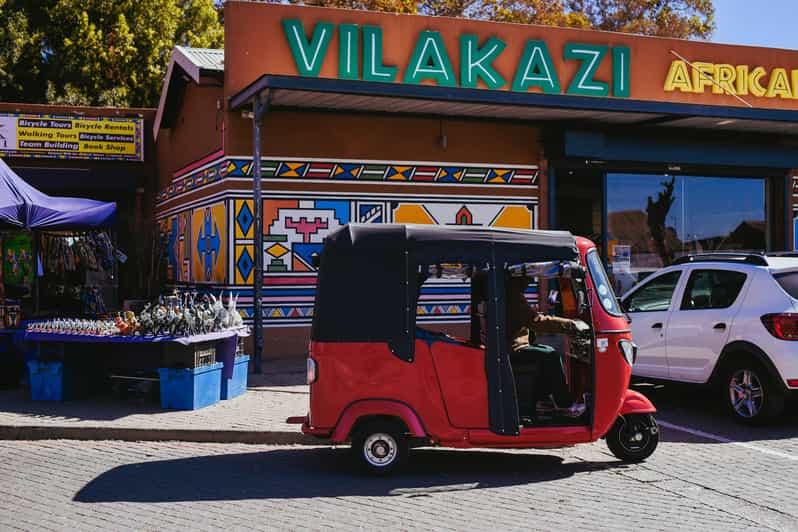
Food and drinks are included, and the tour finishes with a Kota, a popular local sandwich. A Kota is usually built around a hollowed-out quarter loaf filled with substantial ingredients, though the exact serving can vary.
This is a small but worthwhile part of the experience. You are not simply being dropped back at the meeting point after a string of historical sites. The meal gives you a taste of local food and a relaxed moment to talk with your guide about what you have seen.
If you have dietary restrictions, ask about the food before setting out. The supplied details confirm that a Kota and drinks are included, but they do not specify the ingredients or alternative options.
The finish also makes the price easier to judge. At $59 per person, you are paying for a local guide and driver, tuk-tuk transport, several guided stops, food, and a small-group format. It is not the cheapest way to see one attraction, but it is reasonable if you want a short route that covers many parts of Soweto without arranging separate transport.
How the guides shape the experience

The strongest part of this outing is the guide. Mulalo is repeatedly named as an engaging local guide who explains the township’s past, answers questions, and takes guests beyond the main tourist zone. Thabo receives similar praise for his clear explanations, friendly manner, and ability to show different areas of Soweto.
Teboho is also mentioned as a professional driver who communicated clearly and helped with the practical side of the day. Depending on the date, you may meet one of these guides or another member of the local team.
The guide’s local connection matters more here than a memorized list of dates. You want someone who can explain why Orlando East differs from Orlando West, how the uprising affected the area, and what you are seeing in ordinary residential streets. The small vehicle makes it easier to pause for questions instead of rushing from one scripted stop to the next.
Timing, comfort, and who should book
The full outing lasts 150 minutes. The schedule is active, with several stops, but it is not an exhausting full-day tour. I would book it as a first introduction to Soweto, a morning or afternoon activity during a Johannesburg stay, or a useful option when you have limited time.
Families may like the tuk-tuk because it reduces the amount of walking. One family specifically chose it so children could see Soweto without having to walk for hours. The small group also helps if you want to keep children engaged with questions and short stops.
You should be comfortable with an open-sided vehicle and a quick pace between locations. The tour is not designed for long, quiet visits at every site. If you prefer to spend a full hour in Mandela House or the Hector Pieterson Museum, you may want a slower dedicated visit instead.
The meeting point is One Day Africa at Rampa and Moema Streets in Orlando West. The activity is in English, and cancellation is free up to 24 hours before the start. You can also reserve now and pay later, which is useful if your Johannesburg plans are still shifting.
Is the $59 price fair?
I see this as good value if you want transport, interpretation, food, and a broad look at Soweto in one booking. The small group is a major part of the value. You are not paying only for a ride to Mandela House, you are paying for access to several neighborhoods and a local guide who can explain what connects them.
The price is less attractive if you plan to spend most of your time at one museum or landmark. In that case, a simple visit may cost less and give you more time inside. But for a first visit, the route saves you from arranging transport between distant areas and gives you a useful overview in two and a half hours.
The included Kota and drinks help, though I would choose this tour mainly for the guide and access to wider Soweto, not for the meal alone.
Should you book the Soweto tuk-tuk tour?
Book it if you want to see more than Vilakazi Street, prefer a small group, and value local explanation over a polished sightseeing circuit. The combination of Hector Pieterson Museum, Mandela House, Soweto Towers, Regina Mundi, Orlando East, an informal settlement, and neighborhood driving gives you a strong first look at the township.
I would especially recommend it for first-time Johannesburg visitors, families who want less walking, and anyone with only a few hours available. Go with an open mind, bring some cash for a possible informal settlement gratuity, and allow the guide to explain places that may not look like conventional attractions.
Skip it if you need a slow museum-focused visit or dislike moving through a packed schedule. For most people seeking a practical and personal introduction to Soweto, the $59 cost is justified by the small group, local guide, tuk-tuk access, and included meal.
FAQ
Where does the Soweto tuk-tuk tour start?
It starts at One Day Africa, located at the corner of Rampa and Moema Street in Orlando West, Soweto.
How long does the tour last?
The tour lasts 150 minutes, or two and a half hours.
What language is the tour conducted in?
The live tour guide speaks English.
How many people can join the tour?
The group is limited to five participants.
Is food included?
Yes. Food and drinks are included, with a local Kota sandwich served during or at the end of the tour.
Which major sights are included?
The route includes the Hector Pieterson Museum, Vilakazi Street, Mandela House, Orlando East, the Soweto Towers, and Regina Mundi Catholic Church.
Does the tour visit informal settlements?
Typically, yes. An informal settlement visit is conducted with a local guide.
Should I bring money for the informal settlement visit?
You may wish to bring South African rand. A gratuity of R20 to R50, or more at your discretion, is suggested for the local guide during or after that visit.
Can I cancel the booking?
Yes. You can cancel up to 24 hours in advance for a full refund, and the activity offers a reserve-now, pay-later option.
Just added around Soweto
- Soweto Township Tour★ 4.4 · 4 reviews
- Soweto Tuk-Tuk Food & Beer Tour★ 5.0 · 9 reviews
- Private Soweto,Mandela House,Apartheid Museum,Constitution★ 4.6 · 15 reviews
- Soweto: Sip & Paint Walking Tour & Take Home a Canvas★ 4.8 · 7 reviews
- Soweto Tour; Mandela House; Vilakazi Street; Market Culture★ 5.0 · 6 reviews
- Johannesburg: Soweto History Tour with Hotel Pickup★ 4.8 · 14 reviews
- Soweto: Hector Pieterson Memorial, to Orlando Towers Tour★ 4.0 · 31 reviews
- Soweto & Johannesburg and Apartheid Museum★ 4.7 · 41 reviews
Soweto Tours, compared.

Johannesburg: Hop-On Hop-Off Bus with Optional Soweto Tour
Read our review →
Soweto /Johannesburg and Apartheid Museum Guided Full Day Tour
Read our review →
Johannesburg Hop-On Hop-Off City Tour with Soweto Option
Read our review →


Jo’berg in 1 Day: Soweto, Apartheid Museum & City Tour
Read our review →
Johannesburg: Full-Day Tour with Soweto and Apartheid Museum
Read our review →
Browse the lists this tour appears in